
Nutrition comparison
Chicken Egg vs Chicken Breast: Protein, Calories, and Nutrition Compared
Comparing Chicken Egg vs Chicken Breast for protein, fat, and weight loss. Learn which is better for muscle gain, daily nutrition, and meal prep convenience.
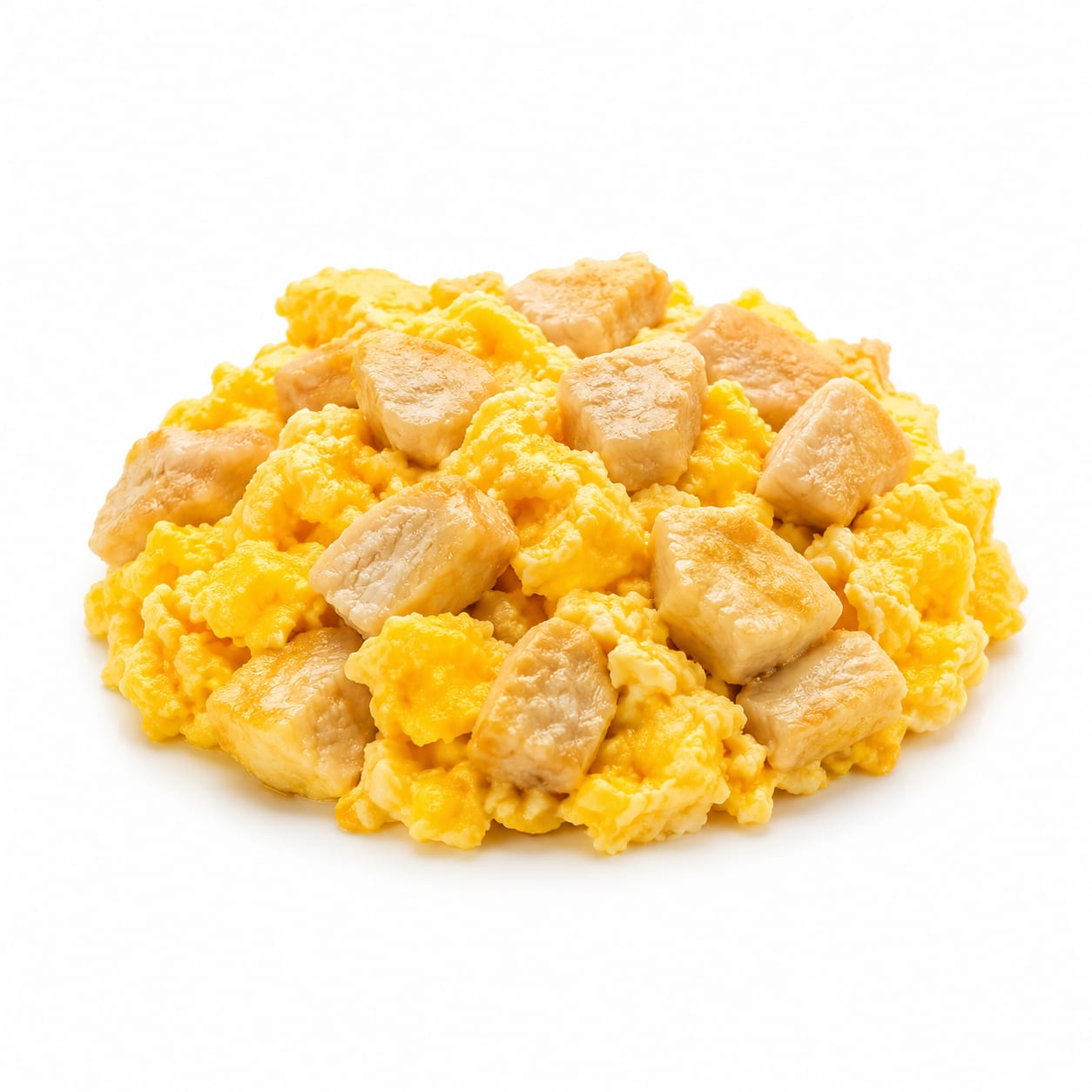
Chicken Egg
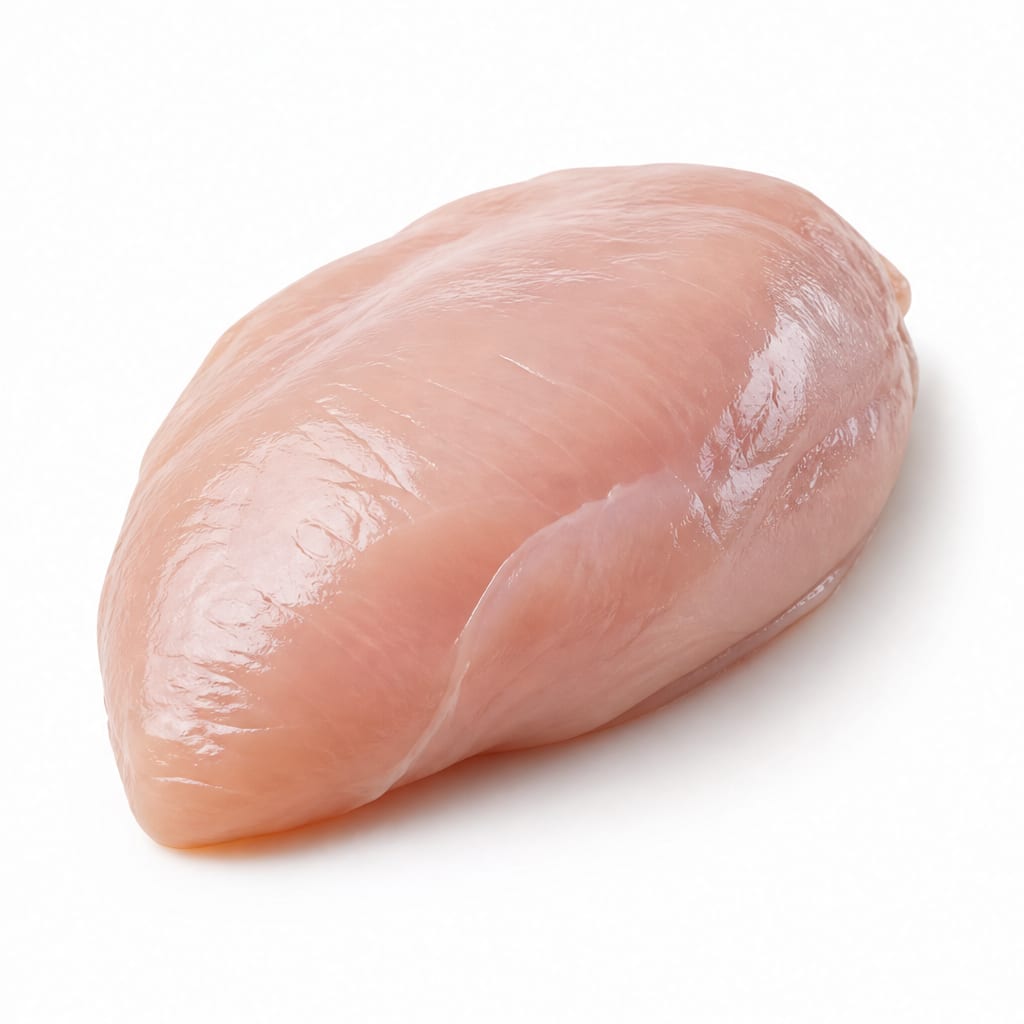
Chicken Breast
Chicken Breast wins for pure lean protein and calorie efficiency, while Chicken Eggs win for nutrient density, brain-boosting fats, and quick convenience.
Chicken Breast scores slightly higher due to its unmatched protein-to-calorie ratio, but Chicken Egg remains incredibly nutrient-dense and versatile, keeping the scores close.
Maximum protein with minimal fat versus a broader micronutrient profile with higher calorie density.
At a glance
Executive summary
Overall
It depends
Healthier
It depends
More practical
Chicken Egg
Daily use
It depends
Key comparison lenses
Protein source optimization
Both are top-tier animal proteins, but they serve different dietary goals based on fat and calorie content.
Weight loss and calorie control
Chicken Breast is famously lean, while eggs carry more calories from fat, impacting cutting phases.
Convenience and meal prep speed
Eggs cook in minutes straight from the fridge, whereas chicken requires thawing and longer cooking times.
Best choice for
Chicken Egg
- Quick breakfasts and rushed mornings
- Brain health and cognitive support
- Budget-friendly protein sources
Chicken Breast
- Post-workout muscle recovery
- Strict calorie-cutting and weight loss
- High-volume, low-calorie meals
Least suitable for
Chicken Egg
- Very low-fat diet protocols
- Strict calorie restriction without portion control
Chicken Breast
- Quick on-the-go meals
- Those struggling with dry or tough meat textures
Deep comparison
Dimension by dimension
Each lens scores both foods and breaks down who each option suits.
- Dimension 1 · Priority 95Chicken Breast
Protein Density & Muscle Building
Chicken Egg · 75Chicken Breast · 98Chicken Breast delivers far more protein per calorie, making it the ultimate lean muscle food.
Tradeoff
You get more protein from Chicken Breast, but eggs offer a more balanced amino acid absorption rate and accompanying fats for hormone production.
Why it matters
If you are trying to build muscle or hit high protein targets without overshooting calories, Chicken Breast is far more efficient.
Real-world impact
A 4oz Chicken Breast easily provides 35g of protein for under 200 calories, whereas hitting 35g of protein from eggs requires eating nearly five eggs and over 350 calories.
Chicken Egg
- Sustained energy with fat-protein balance
Better for
- Overeating calories if you need very high protein
Worse for
Chicken Breast
- Hitting high protein macros on a cut
- Lean muscle gain without excess calories
Better for
- Getting bored with dry meat textures
Worse for
- Dimension 2 · Priority 88Chicken Egg
Micronutrient Diversity
Chicken Egg · 95Chicken Breast · 60Chicken Eggs are essentially a natural multivitamin, rich in choline, vitamin D, and B12, while Chicken Breast is mostly just protein and B vitamins.
Tradeoff
Eggs provide crucial brain and eye health nutrients, but you have to consume the yolk's fat to get them.
Why it matters
Choline is vital for memory and focus, and eggs are one of the best dietary sources. Chicken Breast cannot compete here.
Real-world impact
Eating eggs regularly supports brain fog reduction and eye health, whereas Chicken Breast mainly just repairs muscle tissue.
Chicken Egg
- Supporting memory and cognitive function
- Boosting vitamin D and B12 levels naturally
Better for
- Avoiding dietary fat and cholesterol
Worse for
Chicken Breast
- Getting B vitamins without added dietary fat
Better for
- Filling micronutrient gaps without supplements
Worse for
- Dimension 3 · Priority 85Chicken Breast
Calorie & Fat Profile
Chicken Egg · 65Chicken Breast · 95Chicken Breast is virtually fat-free and extremely low in calories, while Chicken Eggs are calorie-dense due to the yolk.
Tradeoff
Chicken Breast lets you eat a much larger volume of food for the same calories, but eggs provide satisfying healthy fats that keep you full longer.
Why it matters
For weight loss, volume eating helps with hunger. For satiety, fats prevent energy crashes.
Real-world impact
You can eat a massive salad with 6oz of Chicken Breast for the same calories as just two eggs with a slice of toast.
Chicken Egg
- Steadier energy without blood sugar spikes
- Meals that keep you full for hours
Better for
- Portion control for calorie-restricted diets
Worse for
Chicken Breast
- Eating larger portions while losing weight
- Strict macro tracking for competition
Better for
- Feeling unsatisfied or hungry shortly after a very lean meal
Worse for
- Dimension 4 · Priority 80Chicken Egg
Convenience & Meal Prep
Chicken Egg · 95Chicken Breast · 65Eggs are ready in minutes straight from the fridge, while Chicken Breast requires thawing, trimming, and careful cooking to avoid dryness.
Tradeoff
Eggs save time and are foolproof to cook, but Chicken Breast is easier to batch-prep for a week of lunches.
Why it matters
When you are exhausted after a long day, the 5-minute cook time of eggs makes them a realistic dinner, whereas raw chicken might lead to takeout.
Real-world impact
Scrambling eggs takes 3 minutes on a Tuesday night. Cooking Chicken Breast takes 15-20 minutes plus prep, making it less spontaneous.
Chicken Egg
- Quick weeknight dinners
- Fast high-protein breakfasts
Better for
- Making a large batch that stays fresh all week
Worse for
Chicken Breast
- Sunday meal prep for grab-and-go lunches
Better for
- Last-minute cooking when you are tired
Worse for
Timeline
Health impact over time
Short-term
Hours to days
Chicken Egg
- Quick, sustained energy from the fat-protein combo
- Immediate feeling of fullness that curbs snacking
Chicken Breast
- Heavy, dense fullness from high protein volume
- Can feel too heavy or dry if overcooked
Long-term
Months to years
Chicken Egg
- Improved cognitive function from consistent choline intake
- Better eye health from lutein and zeaxanthin
Chicken Breast
- Easier maintenance of lean body mass
- Supports metabolic health through high muscle retention
Risk profile
Safety & processing
Both Chicken Eggs and Chicken Breast are whole, minimally processed foods. The main concern is farming practices, as factory-farmed versions of both may involve antibiotics or poor welfare standards.
Chicken Egg
Salmonella
mediumRaw or undercooked eggs can carry Salmonella. Cooking them thoroughly eliminates the risk.
Chicken Breast
Salmonella and Campylobacter
highRaw chicken is a major carrier of harmful bacteria. Cross-contamination in the kitchen is a serious concern that requires strict hygiene.
Who wins for whom
Audience fit
Same foods, different winners depending on your goal.
children
Chicken EggEggs are softer, easier to chew, and packed with choline and healthy fats crucial for a child's brain development.
daily consumption
It dependsRotating both provides the best of both worlds: lean protein from Chicken Breast and broad micronutrients from Chicken Eggs.
diabetes
Chicken BreastBoth have zero carbs, but Chicken Breast's lower fat content is generally preferred for insulin sensitivity management.
elderly
Chicken EggEggs are easier to chew and digest, and their high nutrient density helps combat age-related muscle and cognitive decline.
muscle gain
Chicken BreastYou can eat more protein without filling up on fats, allowing for higher total protein intake throughout the day.
weight loss
Chicken BreastChicken Breast offers massive protein volume for very few calories, making it far easier to stay in a deficit.
Your move
Decision guide
Choose Chicken Egg
- You need a fast, satisfying meal in under 5 minutes
- Brain health and nutrient density are your top priorities
- You want a softer food that is easy to chew and digest
Choose Chicken Breast
- You are strictly tracking calories or cutting fat
- You need to hit a high protein target without feeling stuffed
- You are doing weekly meal prep for lunches
Either works if
- You simply need high-quality, complete protein after a workout
- You are building a balanced diet and want whole-food protein sources
Avoid both if
- You have a severe poultry or egg allergy
- You are following a strict plant-based or vegan diet
Final recommendation
Let your daily schedule and goals decide. Eat Chicken Breast when you need lean, voluminous protein for lunch or dinner. Keep Chicken Eggs on hand for quick, nutrient-packed breakfasts or effortless dinners when cooking feels like a chore.
Practical
Consumer tips
- 1
Buy pasture-raised Chicken Eggs when possible for higher omega-3 and vitamin D levels.
- 2
Brine Chicken Breast for 30 minutes before cooking to keep it incredibly juicy and tender.
- 3
Do not wash raw Chicken Breast in the sink, as it splashes bacteria; just pat it dry with a paper towel.
- 4
Combine both in a meal like a chicken and egg stir-fry for the ultimate balance of lean protein and healthy fats.