
Nutrition comparison
Chicken Egg vs Egg White: Which is Healthier?
Compare Chicken Eggs vs Egg Whites. Discover the nutritional tradeoffs, protein differences, and which is better for weight loss, muscle gain, and heart health.
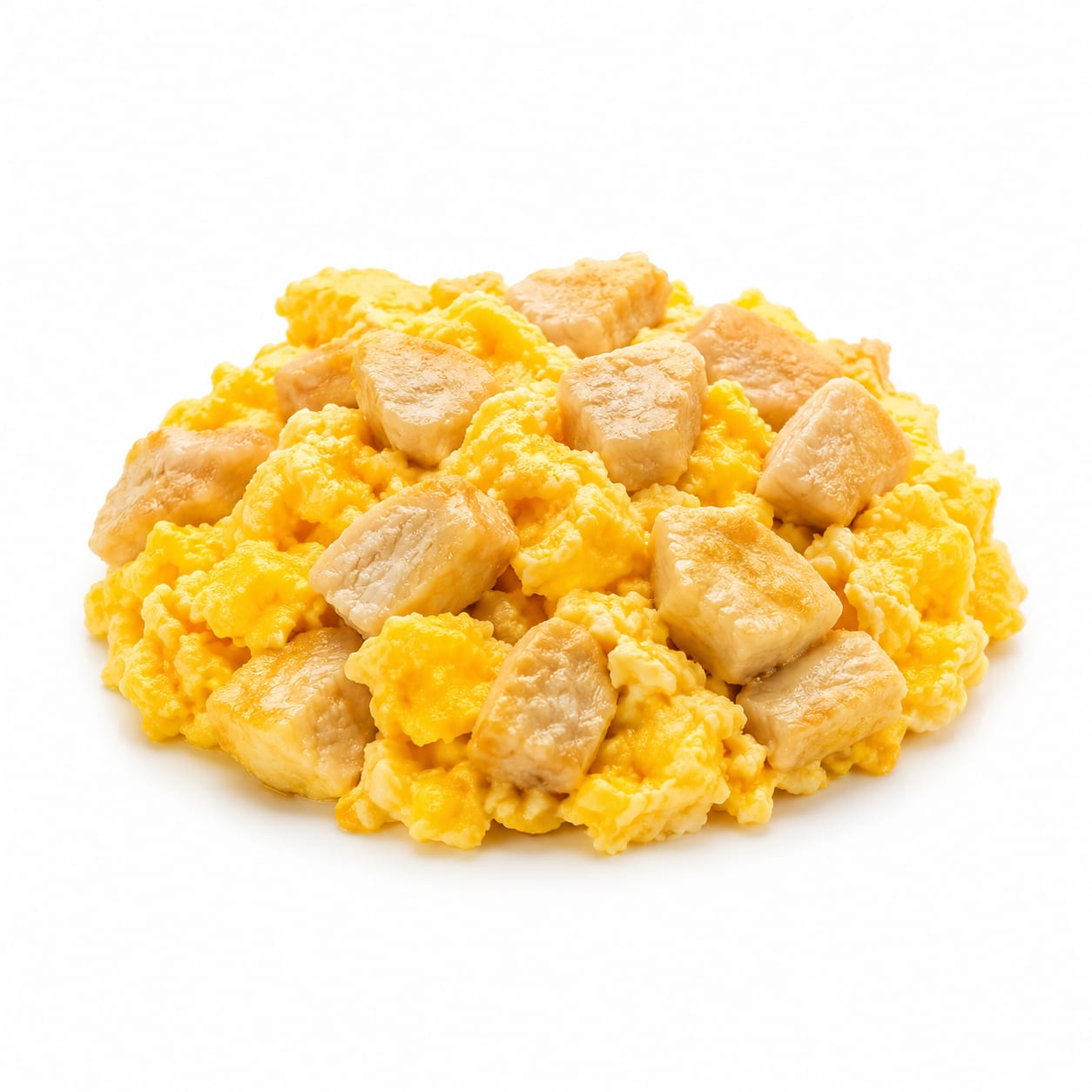
Chicken Egg
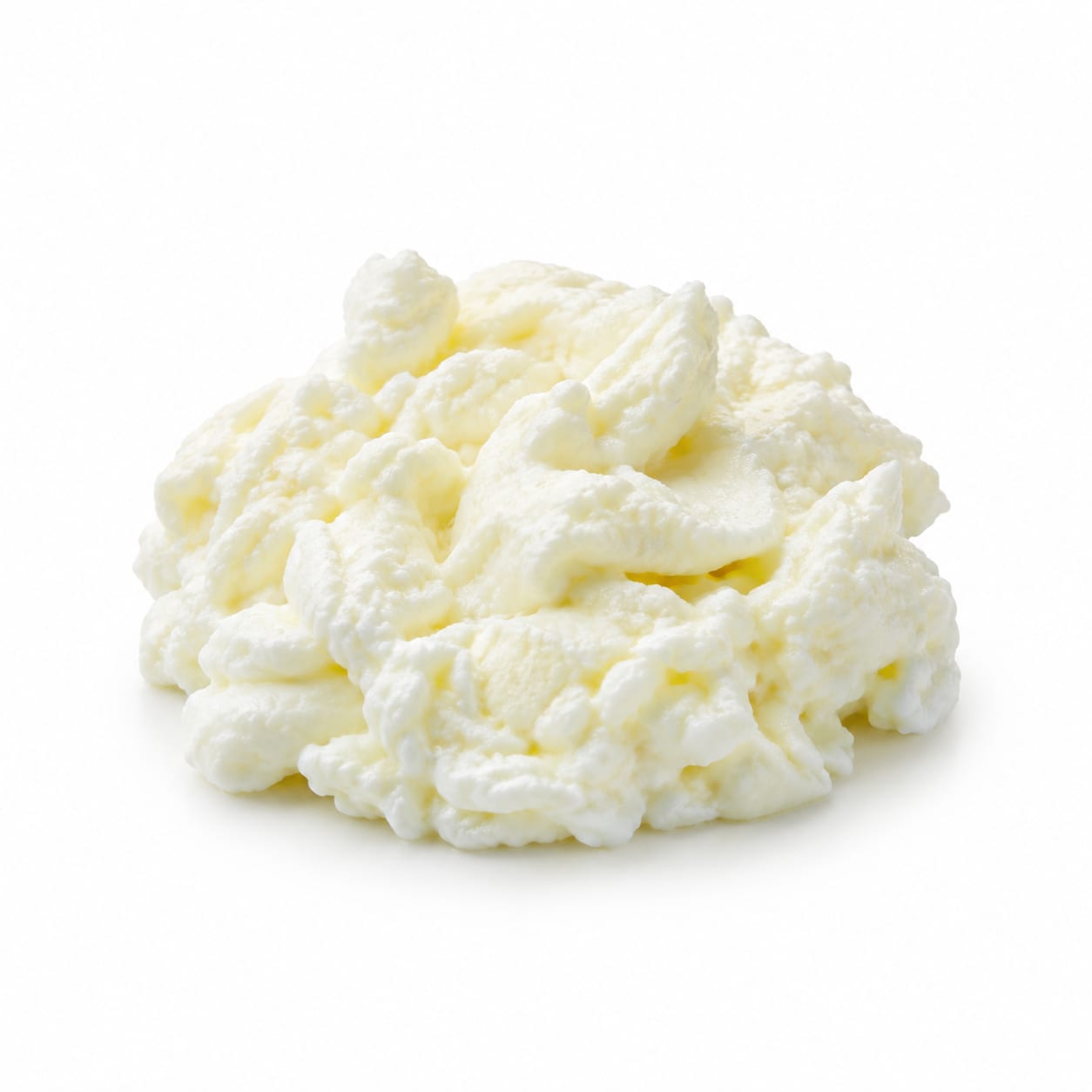
Egg White
Chicken Eggs offer unmatched nutrient density, while Egg Whites provide pure protein without the fat or cholesterol.
Chicken Egg scores higher for overall nutritional completeness, but Egg White scores well for specific dietary restrictions like low-fat or low-cholesterol diets.
You trade the vitamins, healthy fats, and satiety of the yolk for the low-calorie, fat-free purity of the white.
At a glance
Executive summary
Overall
It depends
Healthier
It depends
More practical
Chicken Egg
Daily use
It depends
Key comparison lenses
Weight loss vs nutrient density
Users often debate whether the yolk's calories are worth the nutritional payoff when cutting weight.
Cholesterol and heart health concerns
The yolk contains dietary cholesterol, making Egg Whites the default recommendation for heart-conditional diets.
Whole food vs separated component
Eating the entire egg aligns with whole-food philosophies, while Egg Whites represent a functional food approach.
Protein purity and muscle building
Egg Whites offer pure protein without fat, appealing to bodybuilders and those tracking macronutrients strictly.
Best choice for
Chicken Egg
- People needing sustained energy
- Those seeking brain-supporting nutrients like choline
- Anyone wanting a more satisfying meal
Egg White
- Bodybuilders cutting fat
- People strictly managing cholesterol
- Those counting calories closely
Least suitable for
Chicken Egg
- People with severe cholesterol hyper-sensitivity
- Those on a strict very-low-fat diet
Egg White
- People seeking whole-food nutrition
- Those who find low-fat meals unsatisfying
Deep comparison
Dimension by dimension
Each lens scores both foods and breaks down who each option suits.
- Dimension 1 · Priority 95Chicken Egg
Nutrient Density
Chicken Egg · 95Egg White · 40Chicken Eggs are a nutritional powerhouse, while Egg Whites are mostly just protein and water.
Tradeoff
You lose almost all vitamins, minerals, and antioxidants when you discard the yolk.
Why it matters
The yolk contains vitamin D, choline, B12, and lutein, which are essential for brain and eye health.
Real-world impact
Eating whole eggs supports overall vitality and prevents the need for extra supplements.
Chicken Egg
- Preventing nutrient gaps
- Supporting brain and eye health
Better for
- Very low-fat diet protocols
Worse for
Egg White
- Avoiding excess fat
- Keeping meals extremely light
Better for
- Preventing vitamin deficiencies
- Getting fat-soluble vitamins
Worse for
- Dimension 2 · Priority 90Chicken Egg
Satiety & Fullness
Chicken Egg · 90Egg White · 60The fat in the yolk slows digestion, keeping you full much longer than Egg Whites alone.
Tradeoff
Egg Whites are lighter and less filling, which might lead to snacking sooner.
Why it matters
Meals that keep you full help control cravings and prevent overeating later in the day.
Real-world impact
A whole egg breakfast easily lasts until lunch; an Egg White breakfast might leave you hungry by mid-morning.
Chicken Egg
- Staying full until the next meal
- Reducing mid-morning snacking
Better for
- Those who prefer light, non-heavy breakfasts
Worse for
Egg White
- Eating large volumes with few calories
Better for
- Controlling cravings later in the day
- Feeling satisfied after eating
Worse for
- Dimension 3 · Priority 85Egg White
Calorie Efficiency & Protein Purity
Chicken Egg · 65Egg White · 95Egg Whites deliver pure protein with almost zero fat or carbs, making them incredibly calorie-efficient.
Tradeoff
You get more protein per calorie, but without the fat to slow absorption, it might not keep you satisfied.
Why it matters
For strict calorie counting or macro-tracking, Egg Whites offer maximum protein with minimal caloric cost.
Real-world impact
You can eat a massive plate of Egg Whites for the same calories as just one or two whole eggs.
Chicken Egg
- Sustained energy release
- Balanced macronutrient profile
Better for
- Strict calorie restriction
- Cutting weight for a competition
Worse for
Egg White
- Maximizing protein per calorie
- Strict macro tracking
- Post-workout pure protein
Better for
- Needing long-lasting energy
- Sustained satiety
Worse for
- Dimension 4 · Priority 80Egg White
Heart Health & Cholesterol
Chicken Egg · 60Egg White · 100Egg Whites contain zero cholesterol and zero saturated fat, making them worry-free for heart health.
Tradeoff
Whole eggs have dietary cholesterol, which can be a concern for hyper-responders, even if saturated fat is low.
Why it matters
People with heart conditions or familial hypercholesterolemia often need to strictly limit yolk intake.
Real-world impact
If your doctor told you to watch your cholesterol, Egg Whites let you keep eggs on the menu safely.
Chicken Egg
- Hormone production from healthy fats
Better for
- People with severe cholesterol issues
Worse for
Egg White
- Managing familial hypercholesterolemia
- Following a heart-healthy low-fat diet
Better for
- Those who thrive on higher-fat, lower-carb diets
Worse for
- Dimension 5 · Priority 70Chicken Egg
Processing & Naturalness
Chicken Egg · 95Egg White · 70A whole Chicken Egg is exactly as nature made it, while Egg Whites often require separation or processing.
Tradeoff
Carton Egg Whites are convenient but may contain additives or undergo pasteurization that alters taste.
Why it matters
Eating whole, unseparated foods generally reduces exposure to hidden additives and processing aids.
Real-world impact
Cracking a whole egg is simpler and guarantees a 100% unprocessed ingredient.
Chicken Egg
- Whole-food diets
- Minimizing packaging waste
Better for
- Needing quick pasteurized protein for shakes
Worse for
Egg White
- Convenient liquid protein
- Food safety for raw consumption
Better for
- Avoiding processed or separated foods
Worse for
Timeline
Health impact over time
Short-term
Hours to days
Chicken Egg
- Sustained energy for hours
- Quick feeling of fullness
Egg White
- Light feeling in the stomach
- Rapid protein availability for muscles
Long-term
Months to years
Chicken Egg
- Better intake of choline for brain health
- Supports eye health via lutein
- Potential cholesterol increase for sensitive individuals
Egg White
- Supports lean muscle maintenance
- Easier cardiovascular risk management
- Possible need to source missing vitamins elsewhere
Risk profile
Safety & processing
Whole Chicken Eggs are completely unprocessed. Carton Egg Whites are minimally processed but may contain trace additives or stabilizers depending on the brand.
Chicken Egg
Salmonella
mediumRaw or undercooked eggs carry a salmonella risk, though modern farming practices have reduced this significantly.
Cholesterol sensitivity
mediumFor a minority of hyper-responders, dietary cholesterol significantly raises blood cholesterol.
Egg White
Salmonella (if raw carton)
lowMost commercial Egg Whites are pasteurized, making them safe even raw.
Nutrient deficiency
lowRelying solely on Egg Whites can lead to missing out on fat-soluble vitamins found in the yolk.
Who wins for whom
Audience fit
Same foods, different winners depending on your goal.
children
Chicken EggGrowing kids need the choline, healthy fats, and vitamins in the yolk for brain development.
daily consumption
Chicken EggFor most healthy people, the nutrient density and satiety of whole eggs make them a better daily staple.
diabetes
Egg WhiteZero carbs and zero fat make blood sugar management simple, though whole eggs are also very low carb.
elderly
Chicken EggThe nutrients in the yolk help preserve muscle and cognitive function, which are critical with aging.
muscle gain
It dependsEgg Whites provide pure protein, but whole eggs offer better overall nutrition and healthy fats that support hormone production for muscle growth.
weight loss
Egg WhiteEgg Whites offer high volume and protein for very few calories, making it easier to maintain a deficit.
Your move
Decision guide
Choose Chicken Egg
- You want the most nutritious option
- You find low-fat meals leave you hungry
- You have no cholesterol concerns
Choose Egg White
- You are strictly cutting calories or fat
- Your doctor advised lowering cholesterol
- You want pure protein post-workout
Either works if
- You need a quick, high-protein breakfast
- You are mixing them to balance fat and volume
Avoid both if
- You have an egg allergy
Final recommendation
For most people, eating the whole Chicken Egg is the better choice because the yolk is where most of the nutrition lives. Use Egg Whites strategically if you need to boost protein without adding calories or fat.
Practical
Consumer tips
- 1
Mix one whole egg with two Egg Whites to get the yolk's flavor and nutrients with extra protein and fewer calories.
- 2
Buy pasteurized Egg Whites in cartons for safe protein shakes or smoothies.
- 3
Don't fear the yolk—dietary cholesterol doesn't strongly affect blood cholesterol for most people.
- 4
Look for pasture-raised Chicken Eggs for higher omega-3 and vitamin D content.