
Nutrition comparison
Chicken Egg vs Oats: Which is Healthier for Breakfast?
Compare Chicken Eggs and Oats for protein, fiber, weight loss, and heart health. Discover the nutritional tradeoffs and which breakfast staple fits your goals.
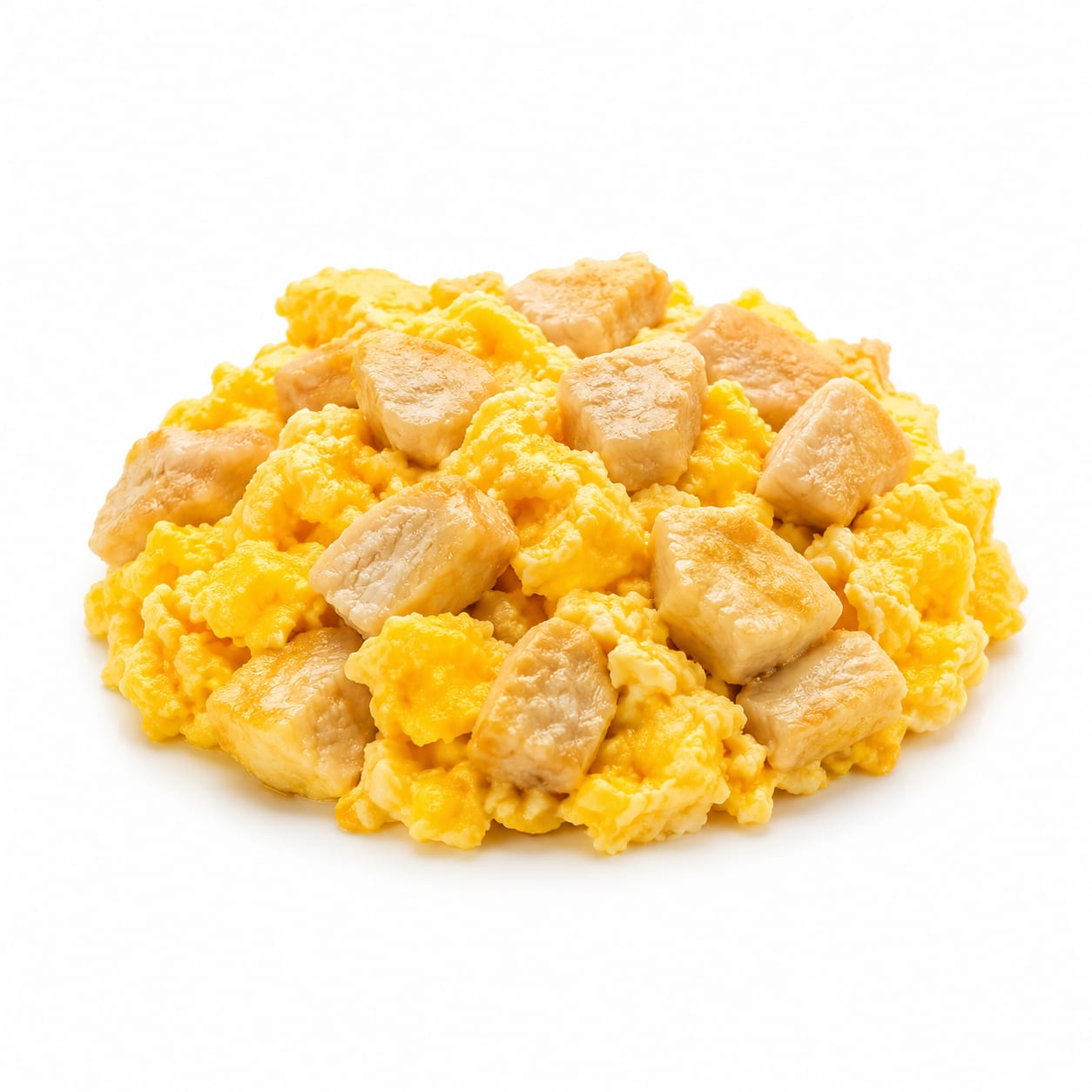
Chicken Egg
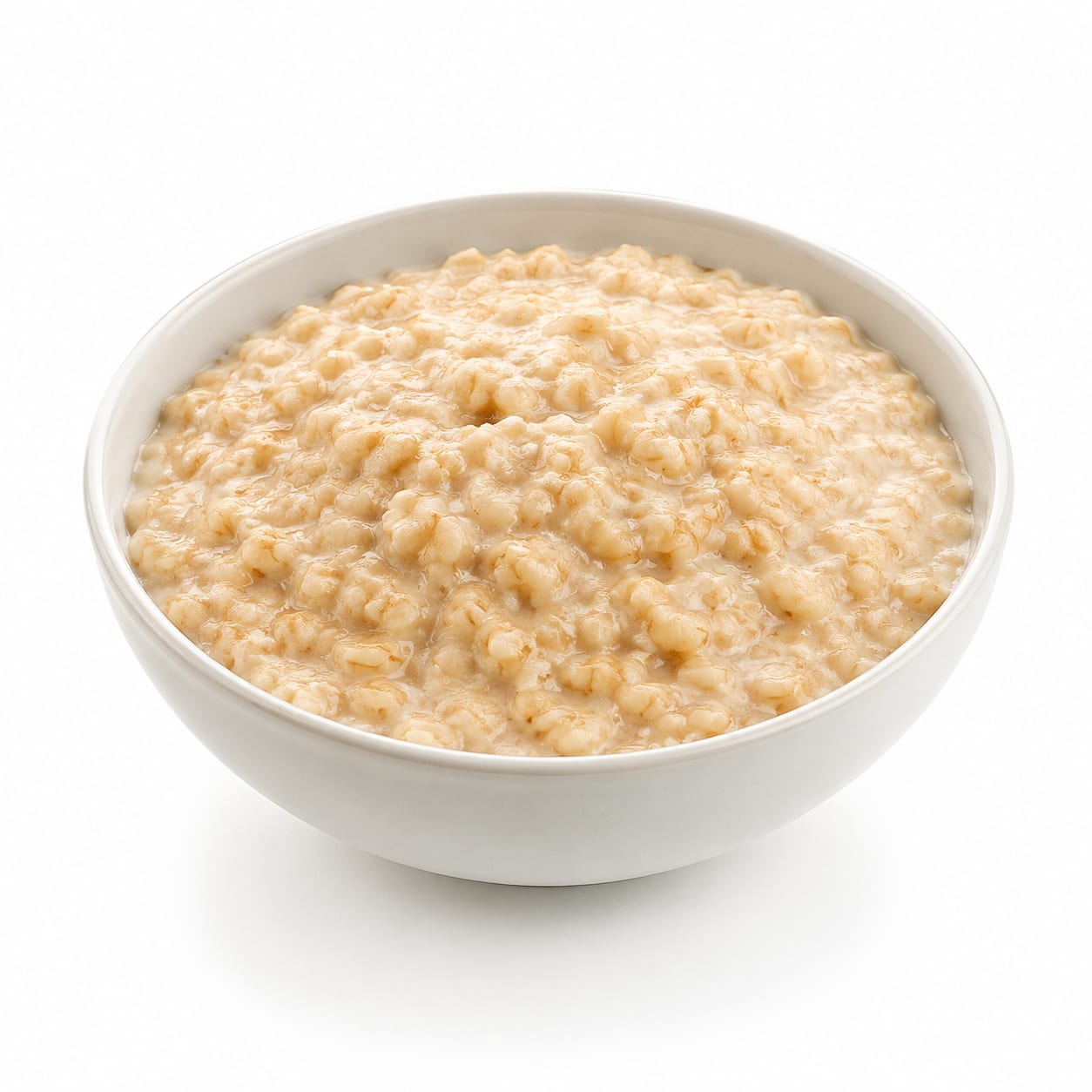
Oats
Chicken Eggs deliver high-quality protein and zero carbs, while Oats provide sustained energy and heart-healthy fiber.
Chicken Eggs score slightly higher for protein quality and micronutrient density, but Oats are extremely close due to fiber benefits and unrestricted daily consumption limits.
Complete protein and healthy fats versus slow-burning complex carbs and cholesterol-lowering fiber.
At a glance
Executive summary
Overall
It depends
Healthier
It depends
More practical
It depends
Daily use
Oats
Key comparison lenses
Protein vs. Fiber for Satiety
Chicken Eggs provide high-protein fullness while Oats offer high-fiber bulk, creating a classic satiety tradeoff.
Blood Sugar Management
Zero-carb Chicken Eggs contrast sharply with carb-dense Oats, making this crucial for diabetics and low-carb dieters.
Heart Health and Cholesterol
Chicken Eggs contain dietary cholesterol, whereas Oats contain beta-glucan which actively lowers LDL cholesterol.
Breakfast Staple Decision
Both are morning favorites, forcing a daily choice between savory protein and comforting complex carbs.
Muscle Building vs. Endurance Energy
Chicken Eggs supply complete protein for repair, while Oats provide slow-burning glycogen for endurance.
Best choice for
Chicken Egg
- Low-carb dieters
- Muscle builders
- People needing B12 and choline
Oats
- Heart-health conscious individuals
- Endurance athletes
- Those needing digestive regularity
Least suitable for
Chicken Egg
- Vegans
- People with severe egg allergies
- Those strictly limiting dietary cholesterol
Oats
- Strict low-carb dieters
- People with celiac disease due to cross-contamination risk
- Those needing high complete protein per calorie
Deep comparison
Dimension by dimension
Each lens scores both foods and breaks down who each option suits.
- Dimension 1 · Priority 95It depends
Satiety & Fullness
Chicken Egg · 88Oats · 85Chicken Eggs satisfy through protein and fat, while Oats fill you up with bulky fiber.
Tradeoff
Protein-driven satiety versus volume-driven satiety.
Why it matters
How full you feel dictates snacking behavior and overall calorie intake.
Real-world impact
Chicken Eggs stop mid-morning cravings quickly; Oats keep your stomach physically full for hours.
Chicken Egg
- Low-carb eaters
- Quick hunger relief
Better for
- People who want a large portion size
Worse for
Oats
- Big breakfast lovers
- Those who like eating larger volumes
Better for
- Those who get hungry soon after carb-heavy meals
Worse for
- Dimension 2 · Priority 90Chicken Egg
Blood Sugar Stability
Chicken Egg · 95Oats · 75Chicken Eggs have virtually no impact on blood sugar, while Oats provide a slow but present carb load.
Tradeoff
Zero carbs versus slow-digesting complex carbs.
Why it matters
Stable blood sugar prevents energy crashes and cravings.
Real-world impact
Chicken Eggs give steady energy without a crash; Oats provide a gentle fuel curve but can spike sensitive individuals.
Chicken Egg
- Diabetics
- Intermittent fasters
Better for
- People who need immediate energy before a workout
Worse for
Oats
- Morning exercisers needing carbs
Better for
- Insulin-resistant individuals
Worse for
- Dimension 3 · Priority 88Oats
Heart Health & Cholesterol
Chicken Egg · 60Oats · 92Oats actively lower LDL cholesterol via beta-glucan, whereas Chicken Eggs contain dietary cholesterol that concerns some people.
Tradeoff
Cholesterol-lowering fiber versus dietary cholesterol and saturated fat.
Why it matters
Cardiovascular risk is heavily influenced by lipid profiles.
Real-world impact
A bowl of Oats actively supports heart health; daily Chicken Eggs require monitoring if you have existing cholesterol issues.
Chicken Egg
- People with normal cholesterol who need dense nutrients
Better for
- Those with hypercholesterolemia
Worse for
Oats
- People with high LDL cholesterol
- Those with family history of heart disease
Better for
- No specific heart health downside
Worse for
- Dimension 4 · Priority 80Chicken Egg
Muscle & Recovery
Chicken Egg · 94Oats · 55Chicken Eggs are a top-tier muscle-building food with complete protein and leucine; Oats offer mostly carbs.
Tradeoff
Anabolic protein versus glycogen-replenishing carbohydrates.
Why it matters
Muscle repair requires essential amino acids, particularly leucine.
Real-world impact
Eating Chicken Eggs post-workout directly feeds muscle repair; Oats mostly refill energy stores.
Chicken Egg
- Bodybuilders
- Aging adults preventing muscle loss
Better for
- Those who need carb-based energy recovery
Worse for
Oats
- Endurance athletes needing glycogen
Better for
- Anyone needing efficient protein synthesis
Worse for
- Dimension 5 · Priority 75Chicken Egg
Micronutrient Density
Chicken Egg · 90Oats · 72Chicken Eggs are rich in hard-to-get nutrients like choline and B12, while Oats provide manganese and iron.
Tradeoff
Animal-based micronutrients like B12 and choline versus plant-based minerals and antioxidants.
Why it matters
Deficiencies in choline and B12 impact brain health and energy.
Real-world impact
Chicken Eggs support brain function and nerve health; Oats support bone health and metabolism.
Chicken Egg
- Pregnant women needing choline
- Older adults needing B12
Better for
- Vegans who need plant-based minerals
Worse for
Oats
- Those needing iron and magnesium support
Better for
- People at risk of B12 deficiency
Worse for
Timeline
Health impact over time
Short-term
Hours to days
Chicken Egg
- Immediate and lasting fullness
- Stable energy without a sugar crash
- Easy on the stomach when boiled
Oats
- Sustained slow-release energy
- Feeling physically full from fiber bulk
- Potential bloating if not used to high fiber
Long-term
Months to years
Chicken Egg
- Supports muscle maintenance and brain health
- Possible LDL cholesterol increase in sensitive individuals
- Strong nutrient adequacy for vegetarian-inclusive diets
Oats
- Reduced cardiovascular risk via lower LDL
- Improved digestive regularity
- Steady blood sugar management over time
Risk profile
Safety & processing
Both Chicken Eggs and Oats are whole, minimally processed foods in their natural state, though flavored instant oat packets can be highly processed and full of sugar.
Chicken Egg
Salmonella
lowProper cooking eliminates risk; avoid raw or undercooked Chicken Eggs.
Allergy
mediumEgg allergy is one of the most common food allergies, especially in children.
Antibiotic and hormone residues
lowChoose pasture-raised or organic Chicken Eggs to minimize exposure.
Oats
Gluten cross-contamination
mediumPure Oats are gluten-free, but commercial facilities often process wheat, risking cross-contamination for celiacs.
Pesticide residue (Glyphosate)
mediumPre-harvest glyphosate spraying is common in conventional farming; opt for organic Oats to reduce exposure.
Who wins for whom
Audience fit
Same foods, different winners depending on your goal.
children
It dependsChicken Eggs offer brain-building choline, while Oats provide gentle, sustained energy for active kids.
daily consumption
OatsOats can be eaten daily without lipid concerns, whereas Chicken Eggs may require moderation for those with high cholesterol.
diabetes
Chicken EggChicken Eggs have zero carbs and no glycemic impact, making blood sugar management much easier.
elderly
Chicken EggChicken Eggs deliver highly bioavailable protein and B12, which are critical for preventing sarcopenia and cognitive decline.
muscle gain
Chicken EggChicken Eggs provide complete, high-quality protein with leucine essential for muscle growth.
weight loss
It dependsChicken Eggs win for low-carb satiety, while Oats win for high-volume, low-calorie fullness.
Your move
Decision guide
Choose Chicken Egg
- You follow a low-carb or keto lifestyle
- Your primary goal is building or maintaining muscle
- You need quick, dense satiety without volume
- You want to boost choline or B12 intake
Choose Oats
- You want to lower your cholesterol naturally
- You need long-lasting carb energy for endurance activities
- You prefer a large, hot breakfast bowl
- You are vegan or avoiding animal products
Either works if
- You want a filling, whole-food breakfast
- You are generally healthy and maintaining weight
Avoid both if
- You have severe egg allergies and celiac disease
- You need a high-fat, zero-carb, zero-fiber meal
Final recommendation
Pair them together for the ultimate breakfast: the protein and fat from Chicken Eggs stabilize blood sugar, while the fiber in Oats keeps you full and protects your heart. If you must choose one, pick Chicken Eggs for muscle and metabolic health, or Oats for heart health and endurance energy.
Practical
Consumer tips
- 1
Choose organic or pasture-raised Chicken Eggs to maximize omega-3s and avoid antibiotic residues.
- 2
Opt for steel-cut or rolled Oats over instant packets to avoid added sugars and retain fiber.
- 3
If you have high cholesterol, limit Chicken Egg yolks to a few per week, or use egg whites freely.
- 4
Buy certified gluten-free Oats if you have celiac disease or gluten sensitivity.
- 5
Add nuts or seeds to Oats to boost protein and healthy fats, making the meal more balanced.