
Nutrition comparison
Chicken Egg vs Salmon: Which is Healthier for You?
Compare Chicken Egg vs Salmon for protein, omega-3s, cost, and weight loss. Find out which is better for muscle gain, heart health, and daily eating.
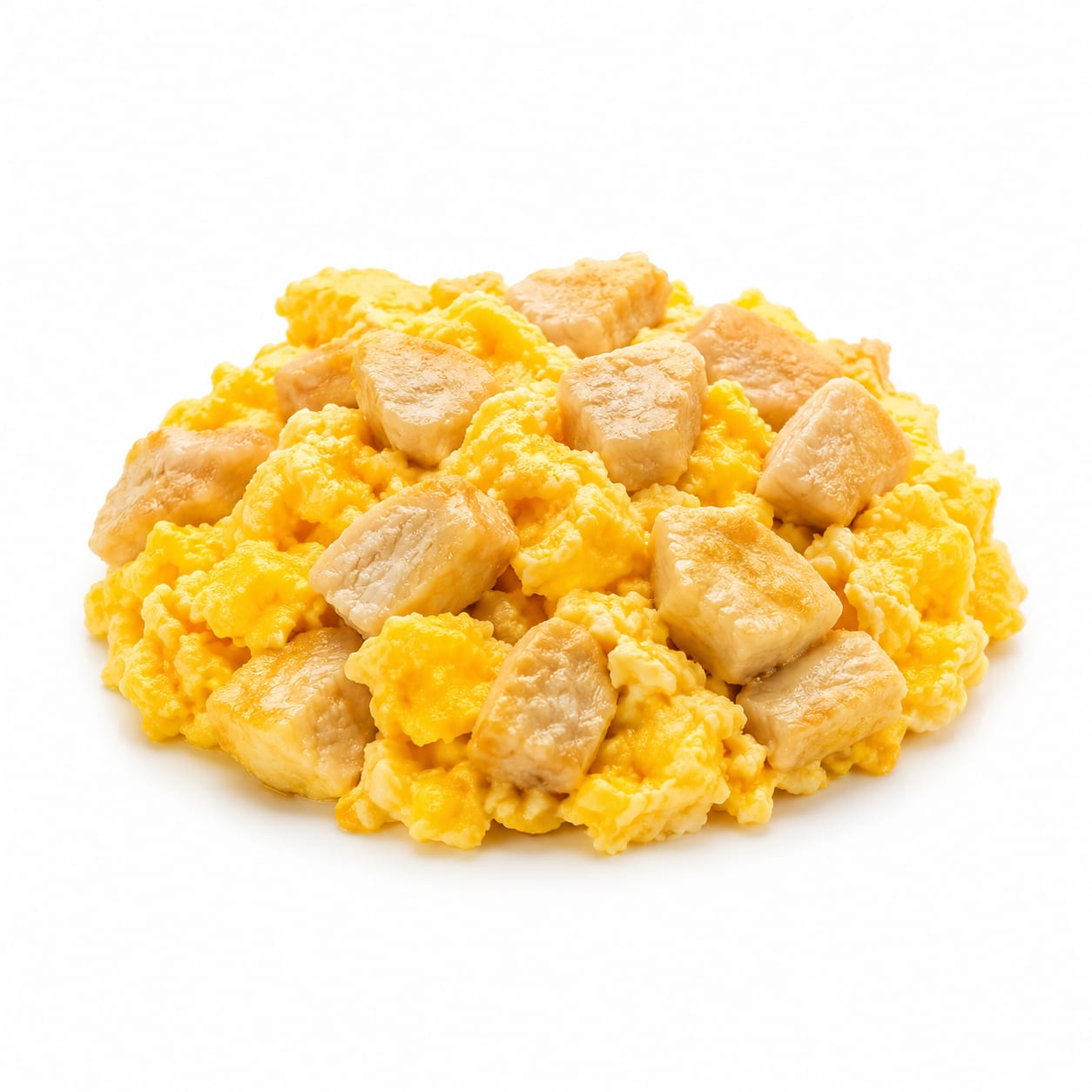
Chicken Egg
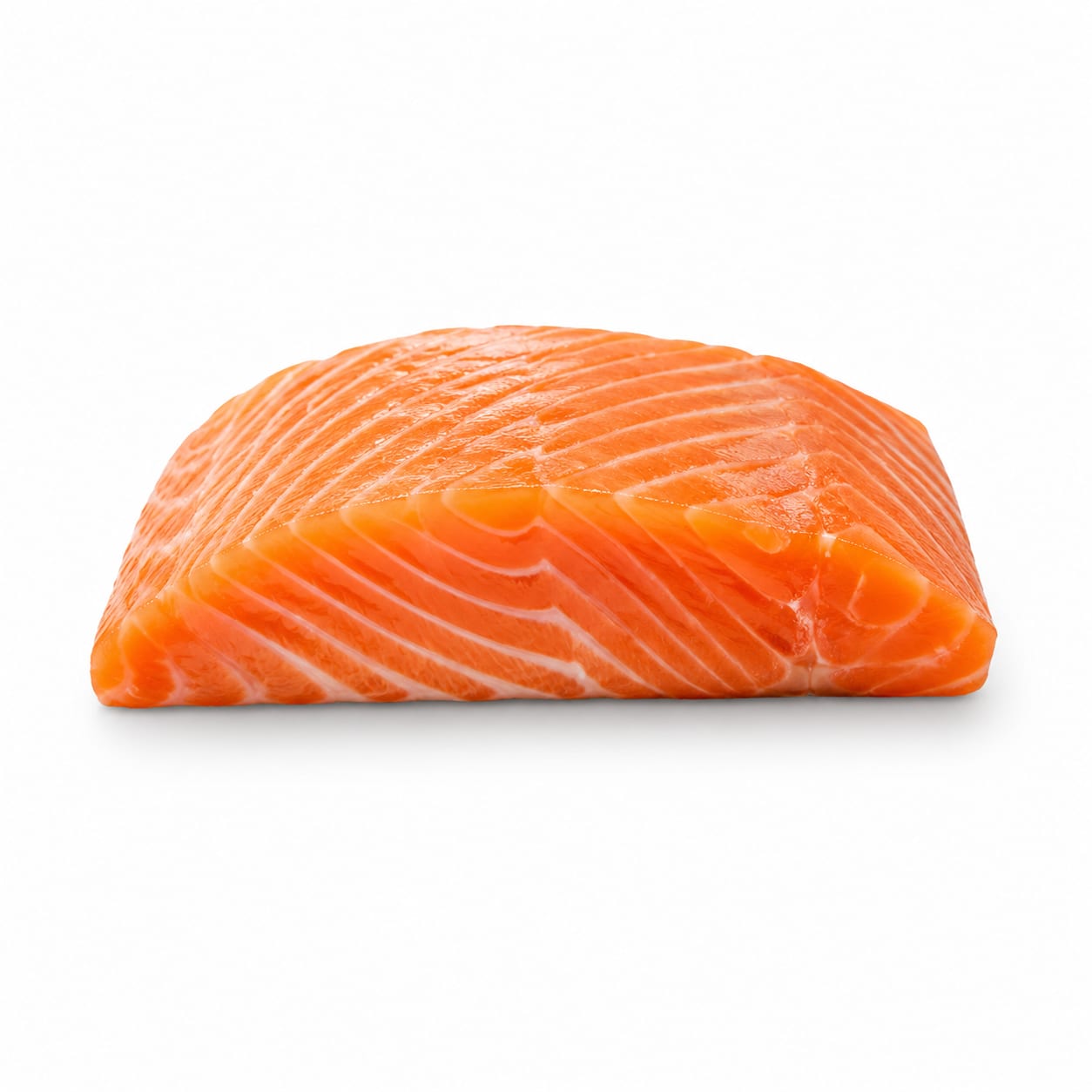
Salmon
Salmon is the ultimate brain and heart food, while Chicken Eggs are the everyday nutritional workhorse.
Salmon scores higher due to its unmatched omega-3 content and anti-inflammatory benefits, but Chicken Eggs remain a top-tier food thanks to exceptional nutrient density per dollar.
Paying a premium for Salmon's anti-inflammatory omega-3s versus getting unbeatable protein value and convenience from Chicken Eggs.
At a glance
Executive summary
Overall
It depends
Healthier
Salmon
More practical
Chicken Egg
Daily use
Chicken Egg
Key comparison lenses
Omega-3 and anti-inflammatory benefits
Salmon is a top source of DHA and EPA, while Chicken Eggs have almost none unless fortified.
Budget and daily practicality
Chicken Eggs are significantly cheaper and easier to prepare daily than Salmon.
Protein quality for muscle building
Both are elite protein sources, but cost and leucine content per dollar differ greatly.
Heavy metal and contaminant exposure
Salmon carries mercury and microplastic concerns, while Chicken Eggs carry salmonella and allergy risks.
Best choice for
Chicken Egg
- Budget-conscious eaters needing high-quality protein
- Quick breakfasts and meal prep
- Children and pregnant women avoiding mercury
Salmon
- People prioritizing heart and brain health
- Those fighting chronic inflammation
- Individuals needing natural Vitamin D
Least suitable for
Chicken Egg
- People with egg allergies or intolerances
- Those strictly avoiding dietary cholesterol
Salmon
- Very tight grocery budgets
- Those concerned about heavy metal accumulation from frequent seafood consumption
Deep comparison
Dimension by dimension
Each lens scores both foods and breaks down who each option suits.
- Dimension 1 · Priority 95Salmon
Omega-3 and Anti-Inflammatory Impact
Chicken Egg · 15Salmon · 98Salmon delivers massive amounts of EPA and DHA, the active omega-3s your brain and heart crave. Chicken Eggs provide almost none.
Tradeoff
You must eat Salmon regularly to get these fats, which costs more and takes more meal planning than boiling Chicken Eggs.
Why it matters
Omega-3s lower inflammation, improve mood, and protect your heart. Most people are severely deficient.
Real-world impact
Eating Salmon twice a week can noticeably reduce joint stiffness and brain fog compared to relying on Chicken Eggs alone.
Chicken Egg
- Resolving systemic inflammation
Worse for
Salmon
- Cardiovascular health
- Cognitive function and mood
- Joint inflammation reduction
Better for
- Dimension 2 · Priority 90Chicken Egg
Cost and Everyday Practicality
Chicken Egg · 95Salmon · 40Chicken Eggs are one of the cheapest sources of high-quality protein on the planet. Salmon is a premium protein.
Tradeoff
Choosing Chicken Eggs saves money and cooking time, but you miss out on the healthy fats found in Salmon.
Why it matters
Nutrition only works if you can afford it and actually cook it. Chicken Eggs make daily healthy eating effortless.
Real-world impact
You can eat two Chicken Eggs every day for a week for the cost of a single Salmon fillet, making consistent protein intake much easier.
Chicken Egg
- Weekly meal prep budgets
- Quick 10-minute meals
- Portable snacks
Better for
Salmon
- Daily affordability
- Quick weekday cooking
Worse for
- Dimension 3 · Priority 85It depends
Protein Quality and Muscle Building
Chicken Egg · 88Salmon · 90Both are top-tier proteins with excellent amino acid profiles, but Salmon offers slightly more protein per calorie.
Tradeoff
Chicken Eggs offer better leucine per dollar, making bulking cheaper, while Salmon provides protein alongside recovery-boosting omega-3s.
Why it matters
High-quality protein drives muscle repair, metabolism, and satiety.
Real-world impact
After a workout, Chicken Eggs give you the amino acids you need on a budget, while Salmon gives you those plus anti-inflammatory fats to ease muscle soreness.
Chicken Egg
- Budget bulking
- Easy protein pacing throughout the day
Better for
Salmon
- Post-workout recovery
- Lean muscle maintenance
Better for
- Dimension 4 · Priority 80It depends
Vitamin and Micronutrient Density
Chicken Egg · 85Salmon · 88Chicken Eggs are rich in choline and B-vitamins, while Salmon is a rare food source of Vitamin D and astaxanthin.
Tradeoff
Chicken Eggs support brain health via choline, but Salmon supports bone health and immunity via Vitamin D.
Why it matters
Micronutrient gaps lead to low energy, poor immunity, and brain fog over time.
Real-world impact
Eating Chicken Eggs keeps your memory sharp and liver healthy, while Salmon acts like a natural sunlight supplement for your bones and mood.
Chicken Egg
- Choline for brain and liver health
- Biotin for hair and skin
Better for
- Vitamin D intake
Worse for
Salmon
- Vitamin D for bone and immune health
- Astaxanthin for skin and cellular protection
Better for
- Choline intake
Worse for
- Dimension 5 · Priority 75Chicken Egg
Satiety and Weight Management
Chicken Egg · 90Salmon · 82Chicken Eggs are one of the most satiating foods per calorie, keeping you full for hours. Salmon is filling but higher in calories per serving.
Tradeoff
Chicken Eggs make cutting calories easier, while Salmon's richness makes it easier to overeat if you aren't tracking portions.
Why it matters
Feeling full without overeating is the key to sustainable weight loss.
Real-world impact
A two-egg breakfast at 140 calories will keep you full until lunch, whereas a Salmon portion might push higher calories to achieve the same fullness.
Chicken Egg
- Low-calorie dieting
- Appetite control
Better for
Salmon
- Keto and high-fat diets
Better for
- Strict calorie counting
Worse for
Timeline
Health impact over time
Short-term
Hours to days
Chicken Egg
- Quick and sustained energy without a crash
- Highly filling, reducing the urge to snack
- Easy to digest for most people
Salmon
- Provides a rich, heavy feeling of fullness
- Omega-3s can slightly reduce immediate post-meal inflammation
- Can feel overly rich if eaten in large portions
Long-term
Months to years
Chicken Egg
- Supports muscle maintenance and healthy aging
- Choline helps preserve cognitive function
- Daily consumption is safe for most people, though those with genetic cholesterol issues should monitor intake
Salmon
- Significantly lowers risk of heart disease
- Protects against cognitive decline and Alzheimer's
- Frequent consumption requires awareness of heavy metal accumulation
Risk profile
Safety & processing
Whole Chicken Eggs and fresh Salmon are both unprocessed, but farmed Salmon may contain artificial dyes to achieve the pink color, whereas Chicken Eggs are exactly as they come from the hen.
Chicken Egg
Salmonella contamination
mediumProper cooking eliminates the risk, but handling raw Chicken Eggs requires care.
Egg allergy
highOne of the most common food allergies, especially in children, causing reactions ranging from hives to anaphylaxis.
Salmon
Mercury and heavy metals
mediumSalmon is relatively low in mercury compared to tuna, but frequent consumption can still lead to accumulation, especially in farmed varieties.
PCBs and microplastics
mediumFarmed Salmon can have higher levels of industrial pollutants and microplastics due to the fish meal they are fed.
Who wins for whom
Audience fit
Same foods, different winners depending on your goal.
children
Chicken EggChicken Eggs avoid the mercury risk of seafood, are cheaper for growing appetites, and are less likely to be rejected by picky eaters.
daily consumption
Chicken EggChicken Eggs are cheaper, faster to cook, and have lower risk of heavy metal buildup when eaten every single day.
diabetes
Chicken EggBoth have zero carbs, but Chicken Eggs have a lower calorie density, helping with the weight management crucial for diabetes control.
elderly
SalmonThe DHA in Salmon is highly protective against age-related cognitive decline, and the Vitamin D helps prevent osteoporosis.
muscle gain
Chicken EggWhile both have great protein, Chicken Eggs are so affordable that hitting high daily protein targets for muscle gain is much more realistic.
weight loss
Chicken EggChicken Eggs are lower in calories and incredibly satiating, making it much easier to stick to a calorie deficit.
Your move
Decision guide
Choose Chicken Egg
- You are on a budget but refuse to compromise on protein quality
- You need a quick, filling breakfast before work
- You are pregnant or feeding young children and want to avoid mercury
Choose Salmon
- You want to actively lower inflammation and support heart health
- You rarely get omega-3s from other foods
- You need a natural boost of Vitamin D during winter months
Either works if
- You just need high-quality, zero-carb protein after a workout
- You are meal-prepping healthy lunches for the week
Avoid both if
- You have a severe allergy to eggs or fish
- You are following a strict vegan diet
Final recommendation
Eat Chicken Eggs daily for affordable, reliable nutrition, and add Salmon a couple of times a week as a premium upgrade for your heart and brain. You don't have to choose just one—let Chicken Eggs be your baseline and Salmon your enhancement.
Practical
Consumer tips
- 1
Buy pasture-raised Chicken Eggs to get naturally higher omega-3s and vitamin levels.
- 2
Choose wild-caught Salmon over farmed to avoid artificial dyes and reduce PCB exposure.
- 3
Canned wild Salmon is a budget-friendly hack that gives you all the omega-3s at a fraction of the fresh fillet cost.
- 4
Avoid overcooking Chicken Eggs to preserve their choline and vitamin content—poached or soft-boiled is ideal.