
Fruit
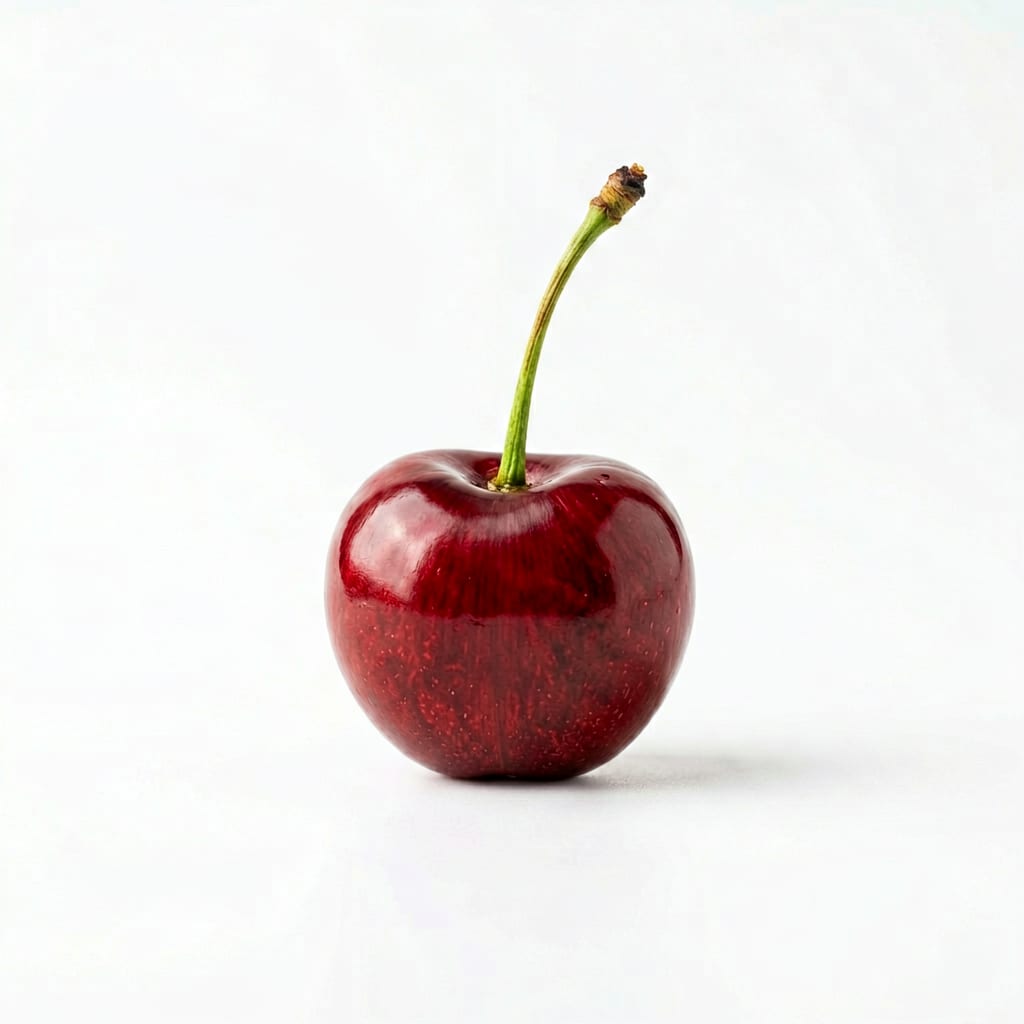
Cherry
A small, nutrient-dense stone fruit rich in antioxidants and low in calories.
Sweet or tart stone fruits belonging to the genus Prunus, known for their vibrant red color, juicy texture, and high antioxidant content.
antioxidant-rich low-glycemic fruit
Typical serving · 138g
Common varieties · bing, rainier, sweetheart, montmorency, morello
Overall context score across nutrition, safety, and diet fit
At a glance
Quick facts
Simple indicators based on nutrition, processing, and diet fit.
The story
What makes it unique
Cherries contain moderate carbohydrates with a low glycemic index due to their fiber and fructose content. They are rich in anthocyanins and polyphenols, which exert anti-inflammatory effects. Digestion is moderate, and fiber contributes to mild satiety.
Varieties: bing · rainier · sweetheart · montmorency · morello
Per 100g
Nutrition breakdown
Macro balance and key metrics at a glance.
Energy
Density 0.63 kcal/g
Protein
Carbs
Fat
Fiber
Sugar
12.8 g
Sodium
0 mg
Potassium
222 mg
Glycemic index
22
Glycemic load
3
Water content
82%
Standout compounds
Nutrient highlights
Anthocyanins
highReduces inflammation and oxidative stress
Potassium
moderateSupports heart health and fluid balance
Vitamin C
moderateSupports immune function and collagen synthesis
Fiber
moderatePromotes digestive regularity and satiety
Wellness map
Health scores & processing
NOVA processing scale
unprocessed · Whole food
Fresh cherries are whole, raw fruits with no added ingredients or alterations.
Diet compatibility
- Weight loss
- Muscle gain
- Diabetes
- Gut health
- Low carb
- High protein
- Heart health
Relative standing
Food rankings
Qualitative ranks compared to similar whole foods.
- Satietygood
- Blood sugarexcellent
- Nutrient densitygood
- Fitness fuelgood
- Processing qualityexcellent
Eat with confidence
Food safety profile
Cherries are generally safe to consume, but conventional varieties often retain pesticide residues on their skin. Pits pose a physical choking hazard and contain amygdalin, which metabolizes into cyanide if crushed and consumed in large quantities.
Evidence confidence 85%
- Pesticidesmoderate
- Antibioticslow
- Heavy metalslow
- Contaminationlow
Watch for
- pesticide residues
Safer choices
Organic cherries to reduce pesticide exposure.
Prep tips
Rinse thoroughly under cold running water before eating. Avoid swallowing or crushing pits.
Conventional cherries frequently appear on the EWG Dirty Dozen list due to detectable pesticide residues on the skin.
Deep dive
Health analysis
How this food may fit different goals and preparation choices.
Weight loss
Low energy density and moderate fiber support satiety without excess calories, making them a smart sweet snack.
Blood sugar
Despite their sweetness, cherries have a very low glycemic index and load, causing minimal blood sugar spikes.
Fitness & energy
Provide quick-digesting natural sugars for short-term energy, while antioxidants aid in exercise recovery by reducing muscle soreness.
Gut health
Fiber and polyphenols support a healthy gut microbiome and promote regular bowel movements.
Processing quality
Whole, unprocessed food with intact cellular structure and nutrient synergy.
Food safety
Pesticide residues are the primary concern; washing thoroughly or choosing organic mitigates this risk.
Common mistakes
Eating large quantities of dried or maraschino cherries, which concentrate sugars and add artificial ingredients.
Best preparation
Washed and eaten fresh, pitted and added to yogurt, or blended into smoothies.
Practical guide
Best use cases
When and how this food fits real eating patterns.
Post-workout recovery
Natural sugars replenish glycogen while antioxidants reduce exercise-induced muscle damage and soreness.
Low-calorie sweet snack
Satisfies sweet cravings with minimal calories and high water content for volume eating.
Anti-inflammatory boost
Anthocyanins help lower inflammatory markers when consumed regularly as part of a balanced diet.
Balance sheet
Pros & cons
Upsides
- Very low glycemic index and load
- Rich in anti-inflammatory anthocyanins
- Good source of potassium for heart health
- Convenient, portable whole food snack
- High water content promotes hydration and fullness
Trade-offs
- Pits can be a choking hazard for young children
- Conventional cherries often have high pesticide residues
- Relatively expensive compared to other fruits
- Moderate sugar content requires portion control for strict low-carb diets
- Seasonal availability limits fresh access year-round
Fit check
Who is it for?
Great match
- post-workout recovery
- managing sweet cravings
- anti-inflammatory diets
- low-glycemic snacking
Consider alternatives
- strict ketogenic diets
- high-protein diets
- those with severe pesticide sensitivities unless organic
Side by side
How it compares
Open the full head-to-head analysis for nutrition, safety, and practical tradeoffs.
This food
Cherry
VS85% alike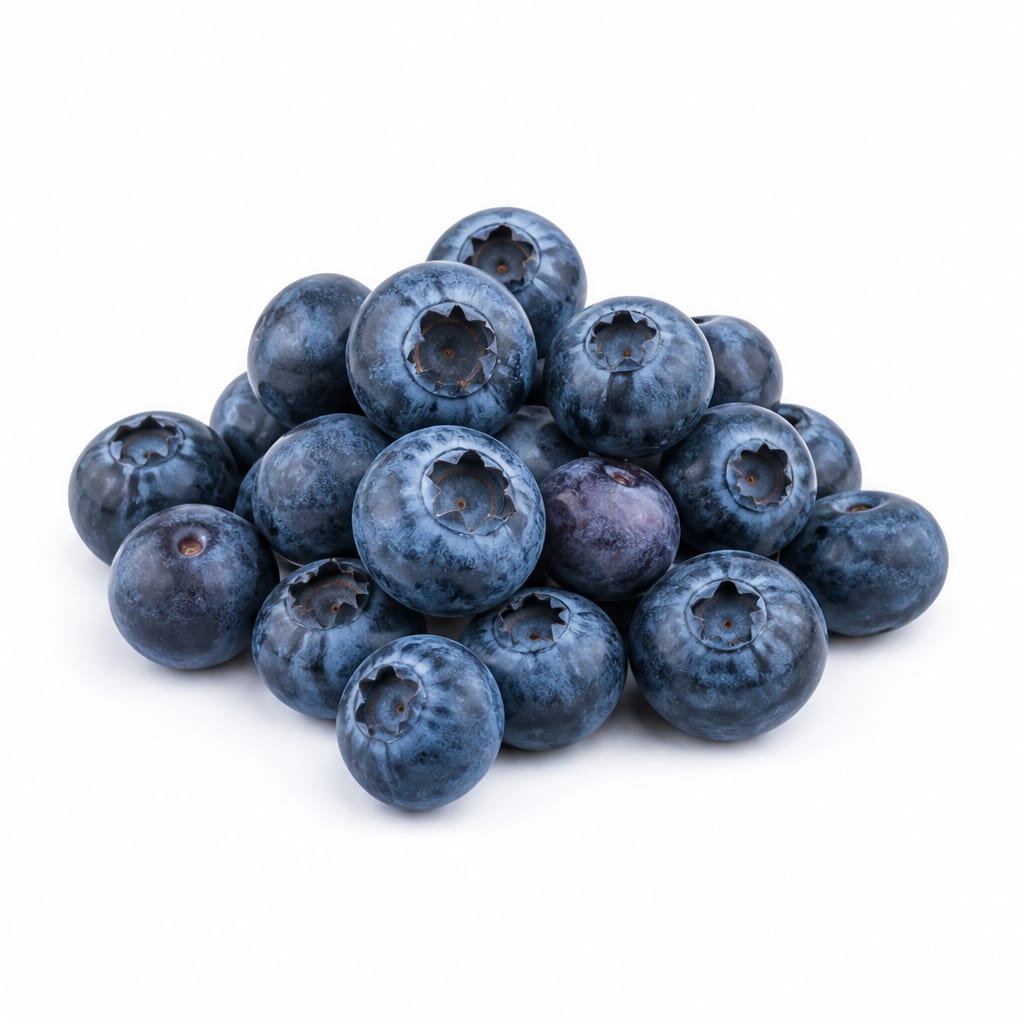
Compare with
Blueberries
Cherries are lower in calories and sugar, while blueberries are slightly higher in fiber and vitamin C.
Cherries are lower in sugar and calories than blueberries, making them slightly better for weight loss, while both offer strong antioxidant benefits.
This food
Cherry
VS80% alike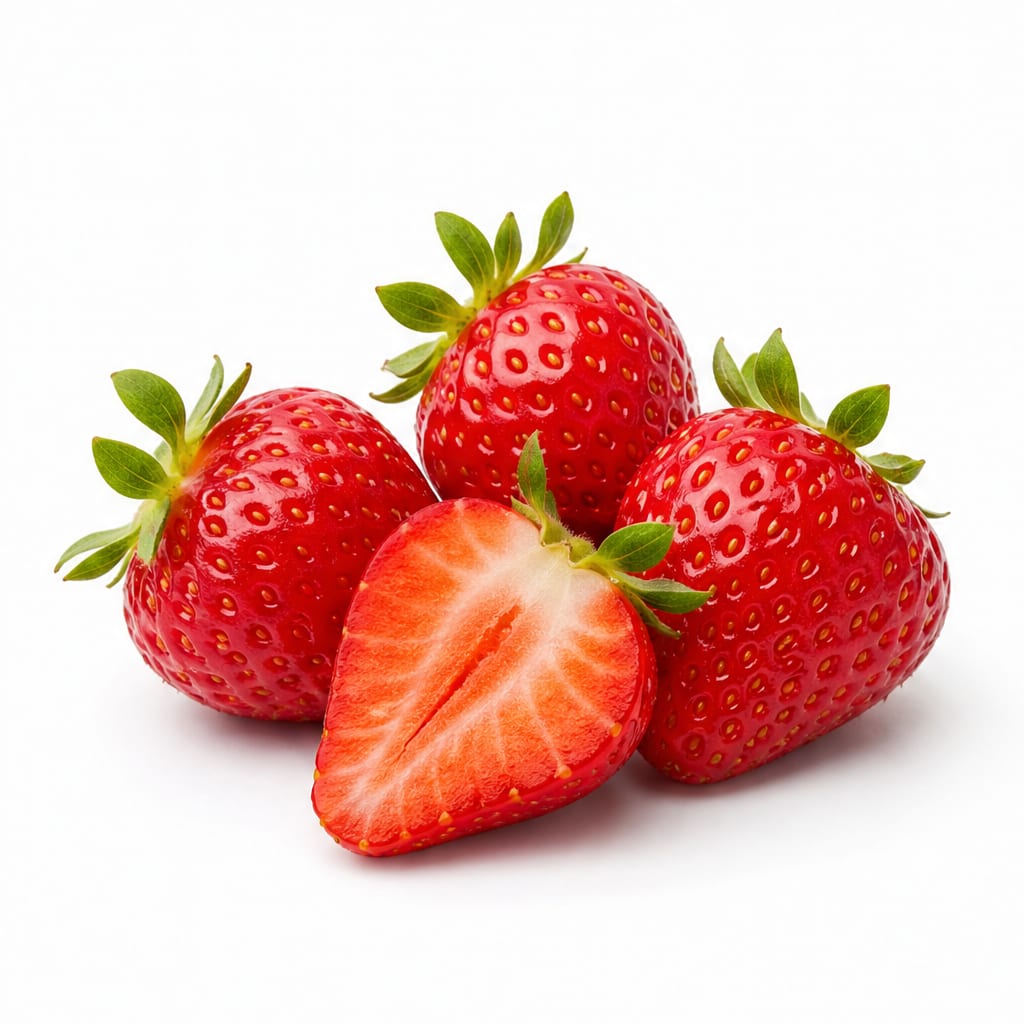
Compare with
Strawberries
Strawberries are lower in calories and sugar, but cherries have a lower glycemic index.
Strawberries are lower in calories, but cherries have a lower glycemic index, making them both excellent choices for different dietary goals.
This food
Cherry
VS75% alike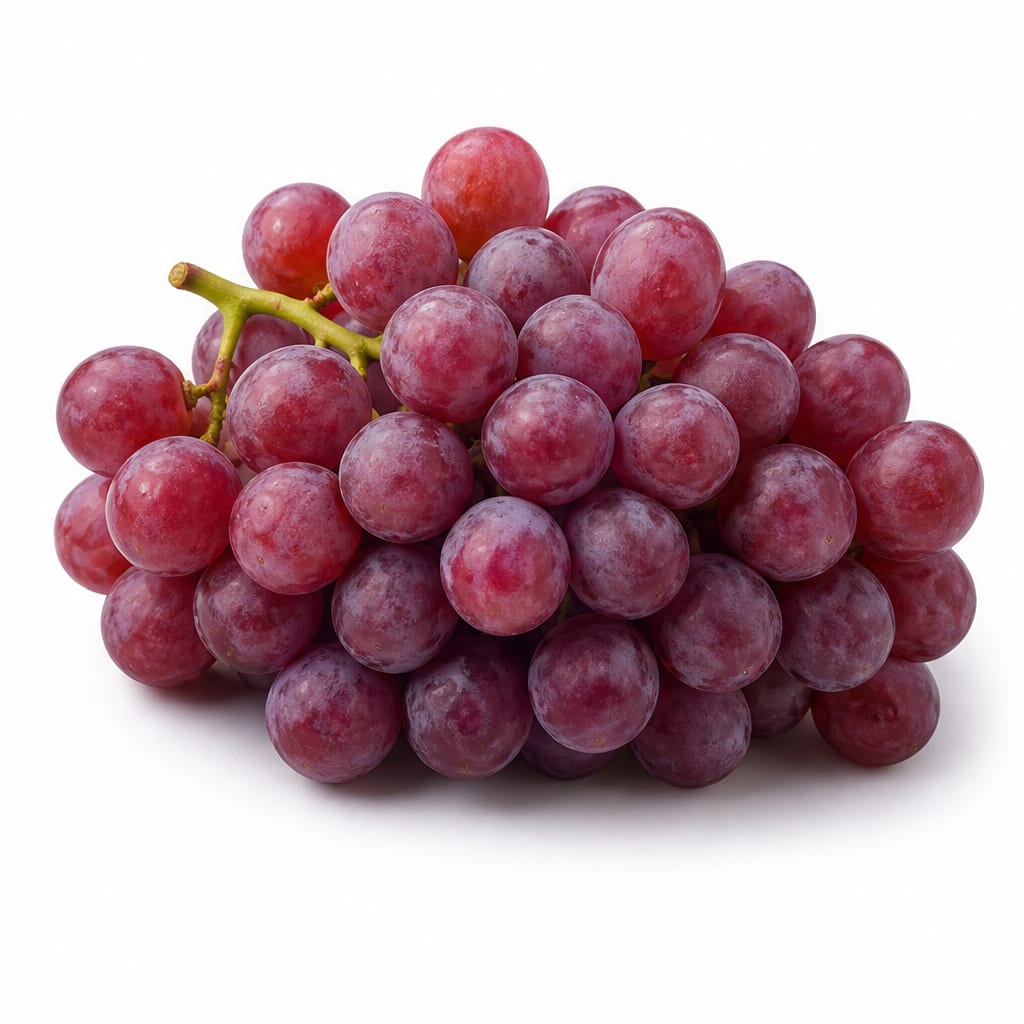
Compare with
Grapes
Cherries are significantly lower in calories and sugar with a lower glycemic index than grapes.
Cherries are much lower in sugar and calories compared to grapes, offering better blood sugar control and satiety.
This food
Cherry
VS70% alike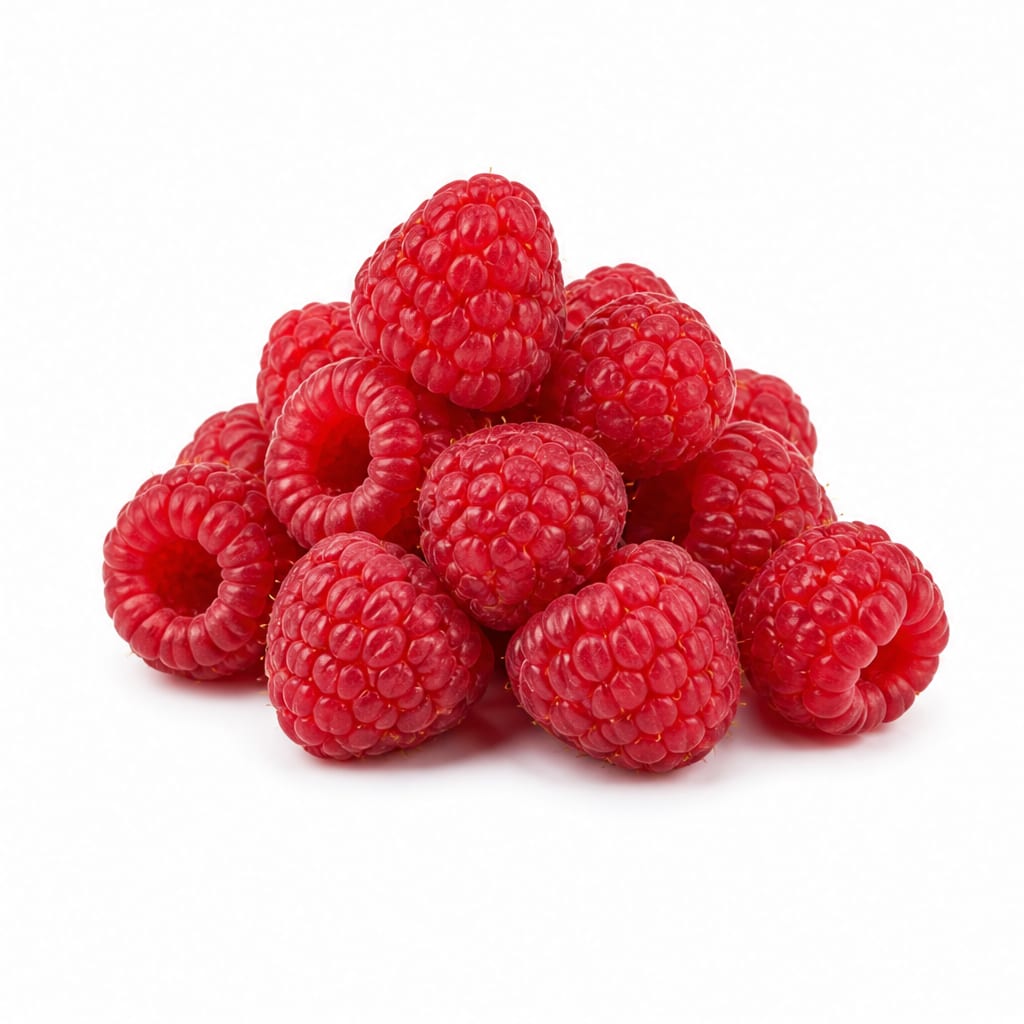
Compare with
Raspberries
Raspberries are much higher in fiber and lower in sugar, while cherries are sweeter and more palatable for snacking.
Raspberries beat cherries for fiber and blood sugar control, but cherries provide a sweeter, more satisfying snack experience.
This food
Cherry
VS65% alike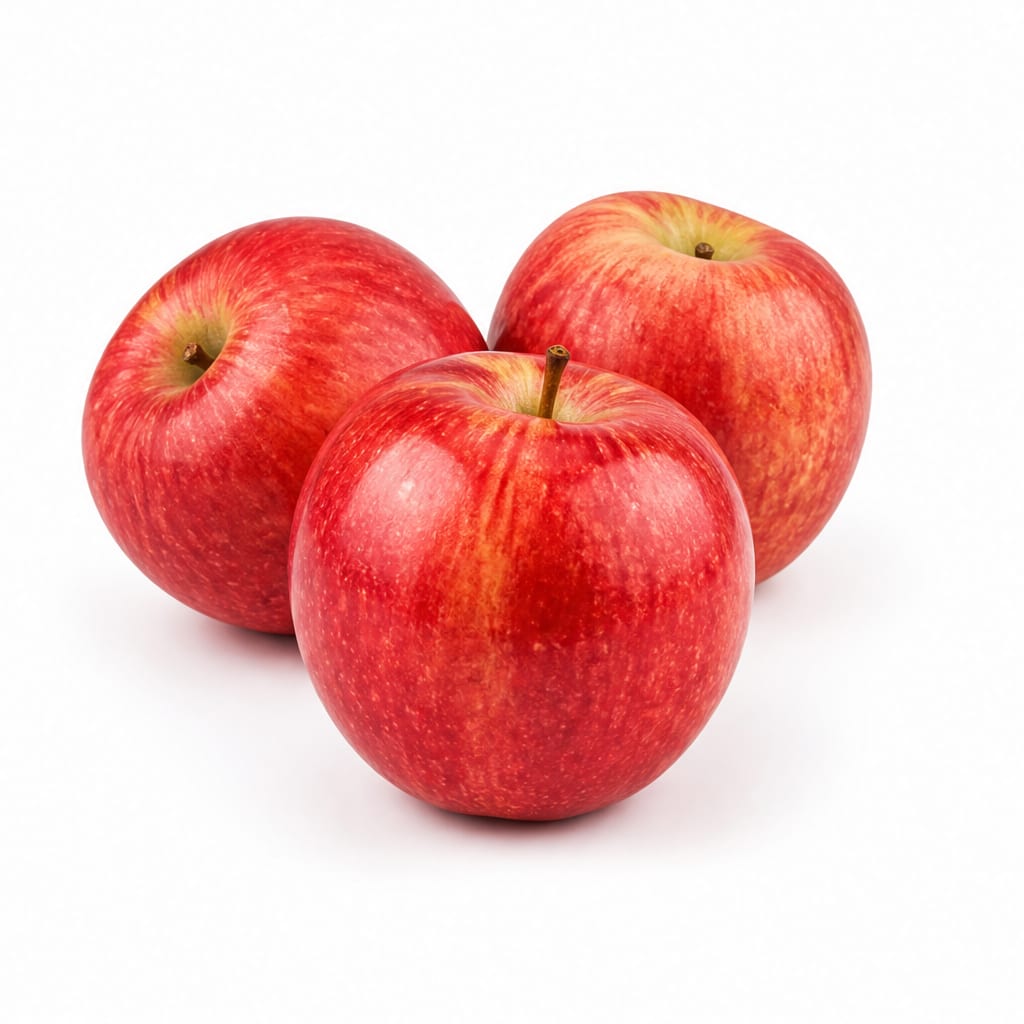
Compare with
Apples
Apples are higher in fiber, but cherries have a lower glycemic index and higher antioxidant density.
Cherries offer a lower glycemic impact than apples, though apples provide more fiber per serving for sustained fullness.
This food
Cherry
VS60% alike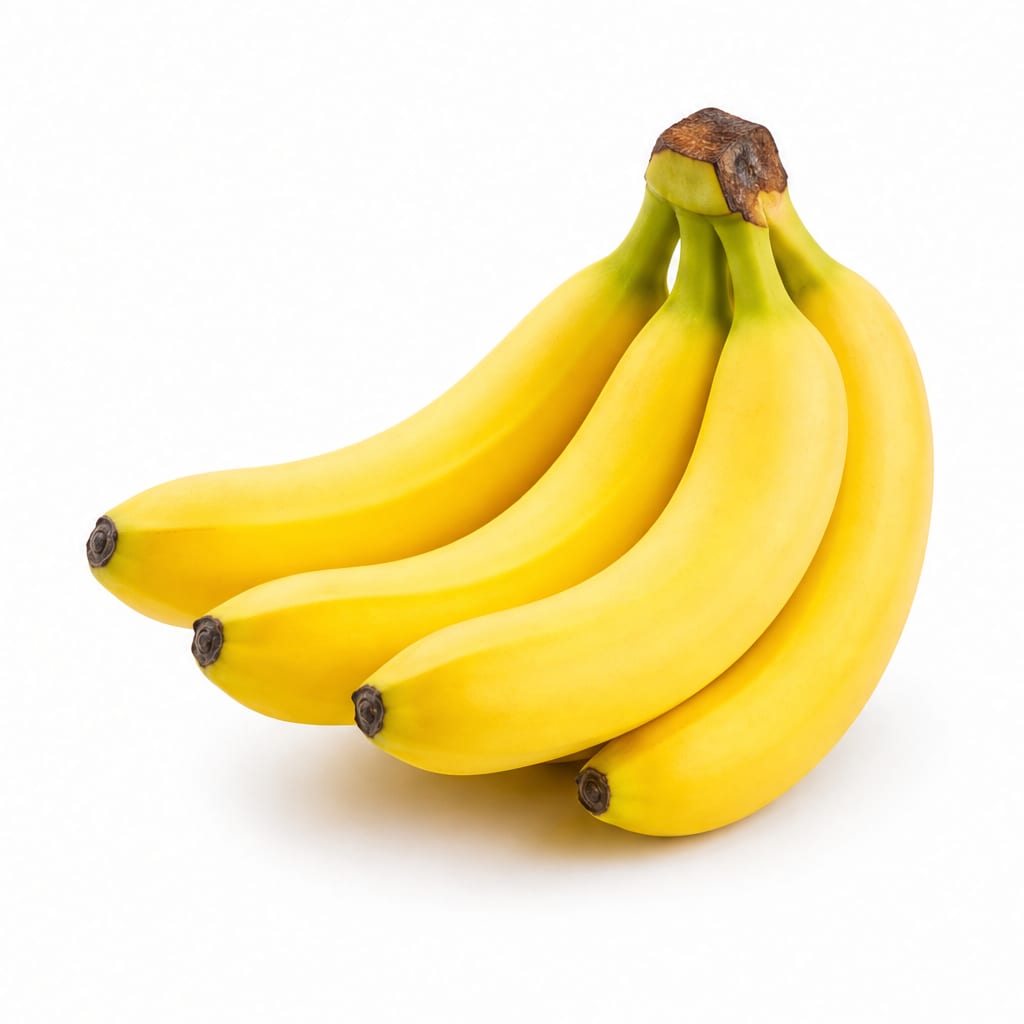
Compare with
Bananas
Cherries are lower in calories and sugar, while bananas offer more potassium and quick energy.
Cherries are better for low-calorie snacking and blood sugar control, whereas bananas excel as a pre-workout energy source.
This food
Cherry
VS95% alike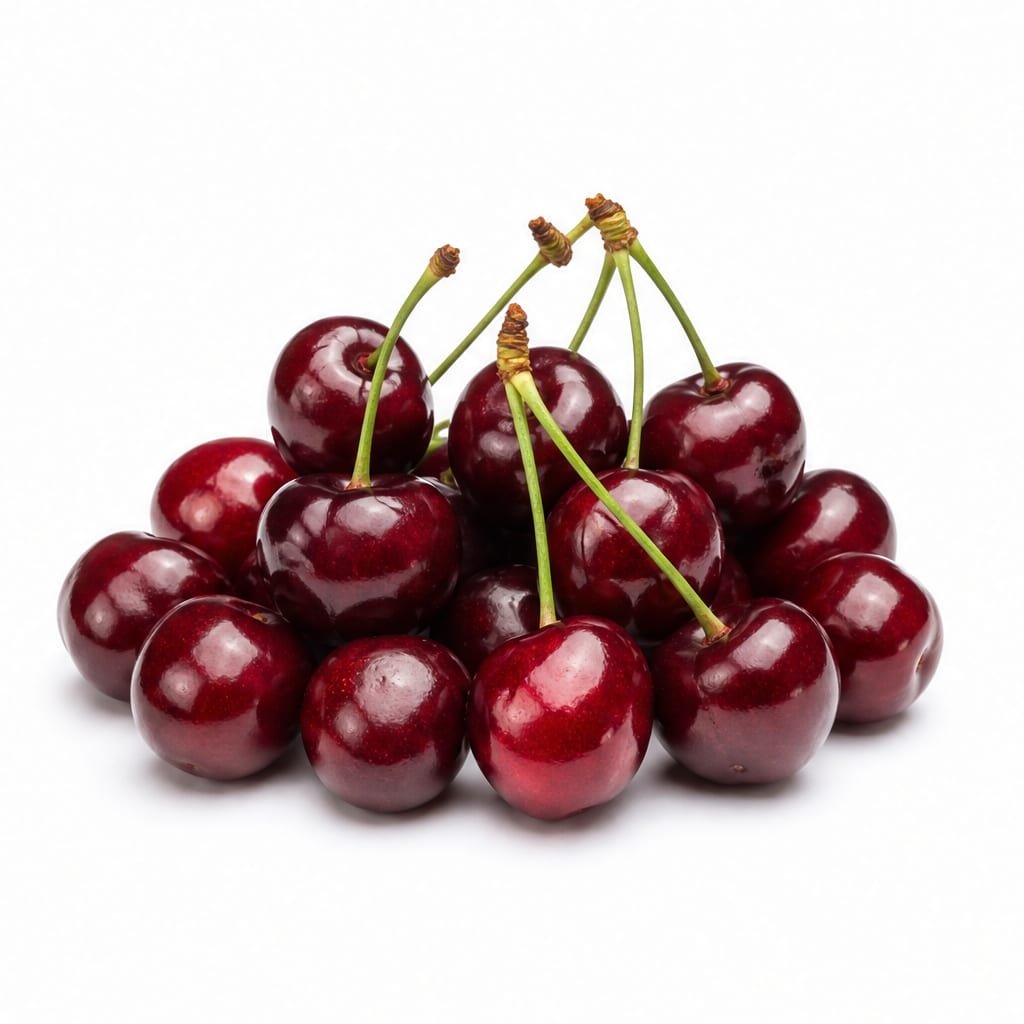
Compare with
Tart Cherries
Tart cherries are lower in sugar and higher in specific antioxidants and melatonin, while sweet cherries are more palatable for fresh eating.
Tart cherries edge out sweet cherries for sleep and recovery due to higher melatonin, but sweet cherries are a tastier fresh snack.
This food
Cherry
VS60% alike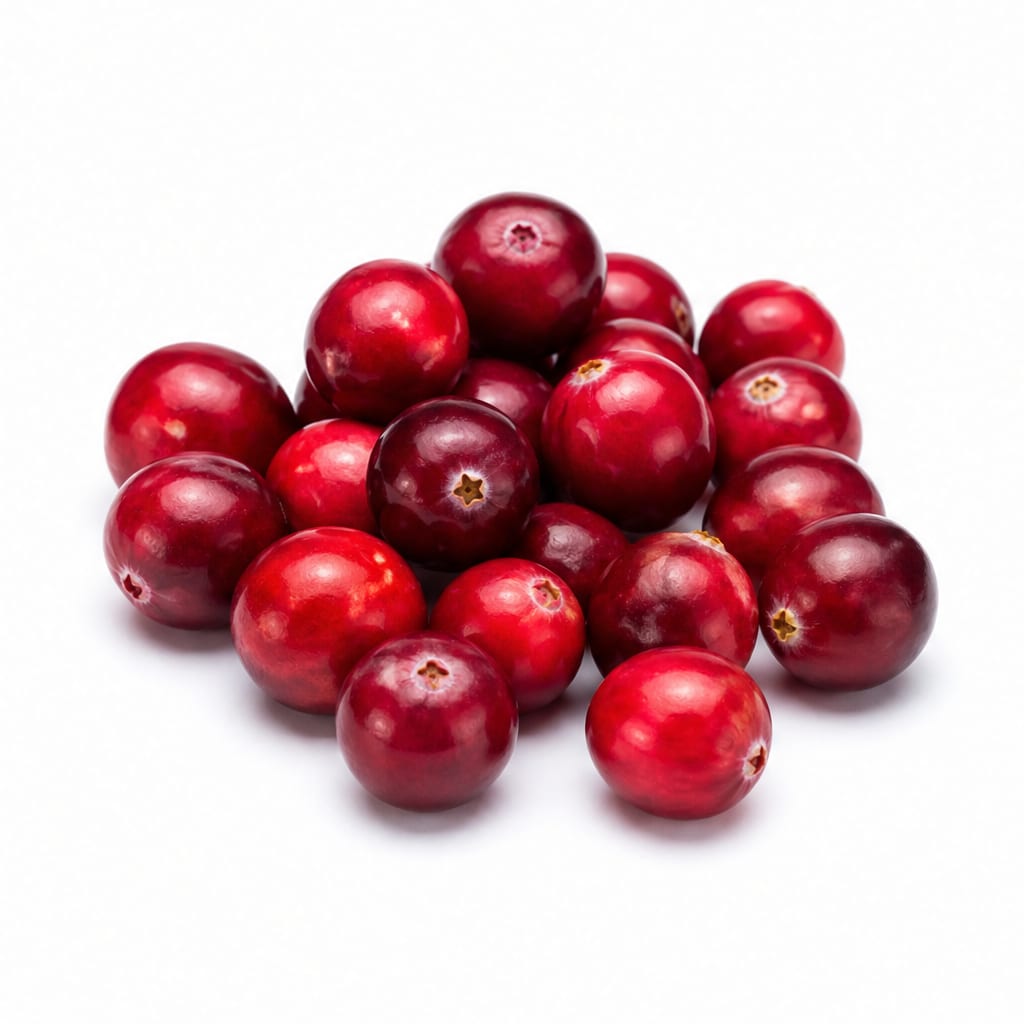
Compare with
Cranberries
Fresh cranberries are extremely tart and low in sugar, whereas cherries are sweet and more versatile for snacking.
Fresh cranberries are lower in sugar than cherries, but cherries are far more palatable raw and still offer great blood sugar control.
This food
Cherry
VS70% alike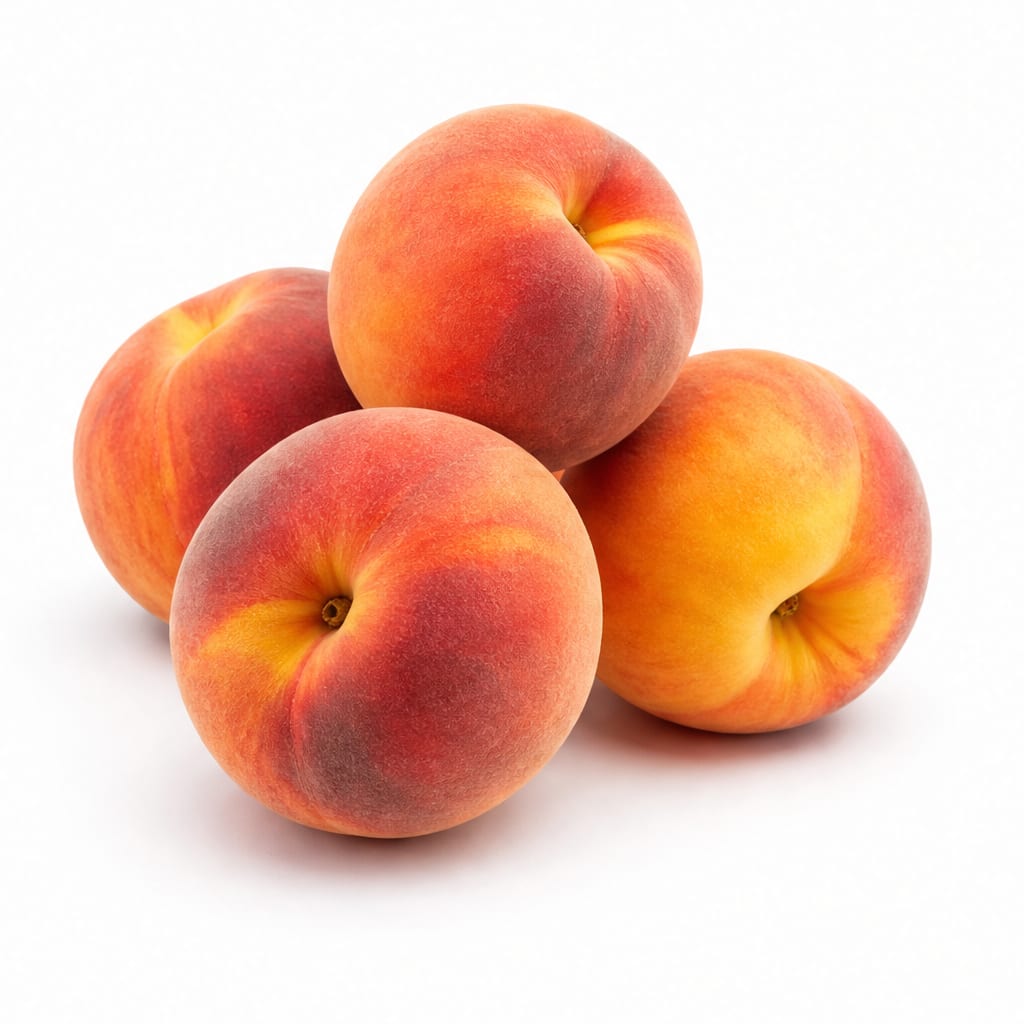
Compare with
Peaches
Peaches are slightly lower in calories, but cherries have a lower glycemic index and more antioxidants.
Peaches are slightly lower in calories, but cherries provide better blood sugar stability and more concentrated antioxidants.
This food
Cherry
VS80% alike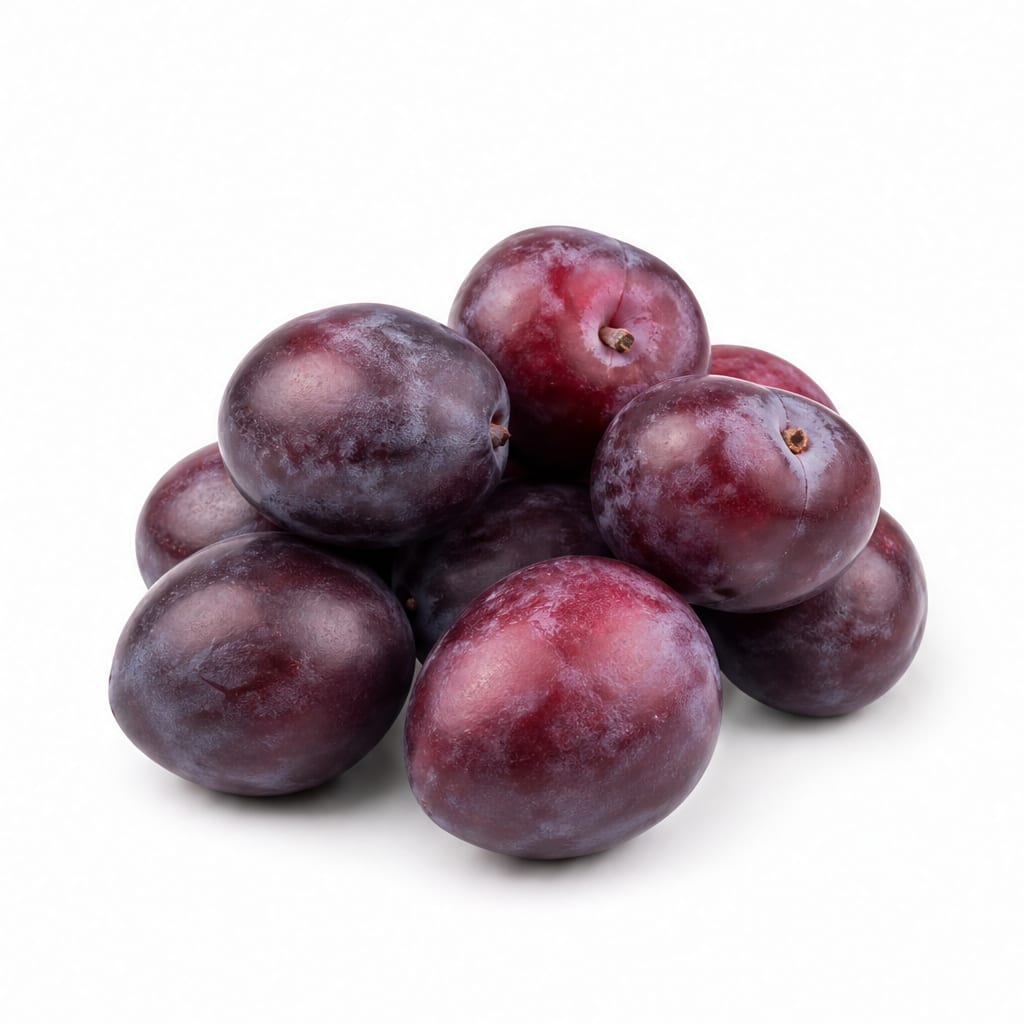
Compare with
Plums
Plums and cherries have similar calorie and sugar profiles, but cherries offer more proven anti-inflammatory benefits.
Cherries and plums are nutritionally similar, but cherries have a slight edge for reducing inflammation and managing blood sugar.
Common questions
FAQ
Answers aligned with how people search for this food.
Are cherries good for weight loss?
Yes, they are low in calories and high in water and fiber, which helps keep you full between meals.
Can diabetics eat cherries?
Yes, cherries have a very low glycemic index and glycemic load, meaning they have a minimal impact on blood sugar levels when eaten in standard portions.
Do cherries help you sleep?
Tart cherries are a natural source of melatonin and have been shown in studies to help regulate sleep cycles and improve sleep quality.
Are cherry pits poisonous?
Cherry pits contain amygdalin, which converts to cyanide when crushed. Swallowing a whole pit is generally harmless, but chewing and consuming multiple crushed pits can be dangerous.
Are cherries high in sugar?
Cherries contain natural sugars, but their low glycemic load means they do not cause significant blood sugar spikes compared to sweeter fruits.
What is the difference between sweet and tart cherries?
Sweet cherries are typically eaten fresh and are higher in sugar, while tart cherries are often juiced or dried and are higher in specific anti-inflammatory antioxidants.
Are cherries anti-inflammatory?
Yes, cherries are rich in anthocyanins, which are powerful antioxidants that help reduce inflammation and oxidative stress in the body.
Transparency
Data confidence
Estimated confidence for nutrition data, interpretation, safety notes, and comparisons.
Nutrition data
Health analysis
Food safety
Comparisons