
Nutrition comparison
Cherry vs Raspberries: Which is Healthier for Weight Loss & Sleep?
Compare cherries vs raspberries for weight loss, diabetes, and sleep. Discover the nutritional tradeoffs, fiber content, and sugar levels of these popular fruits.
Overall winner · Raspberries
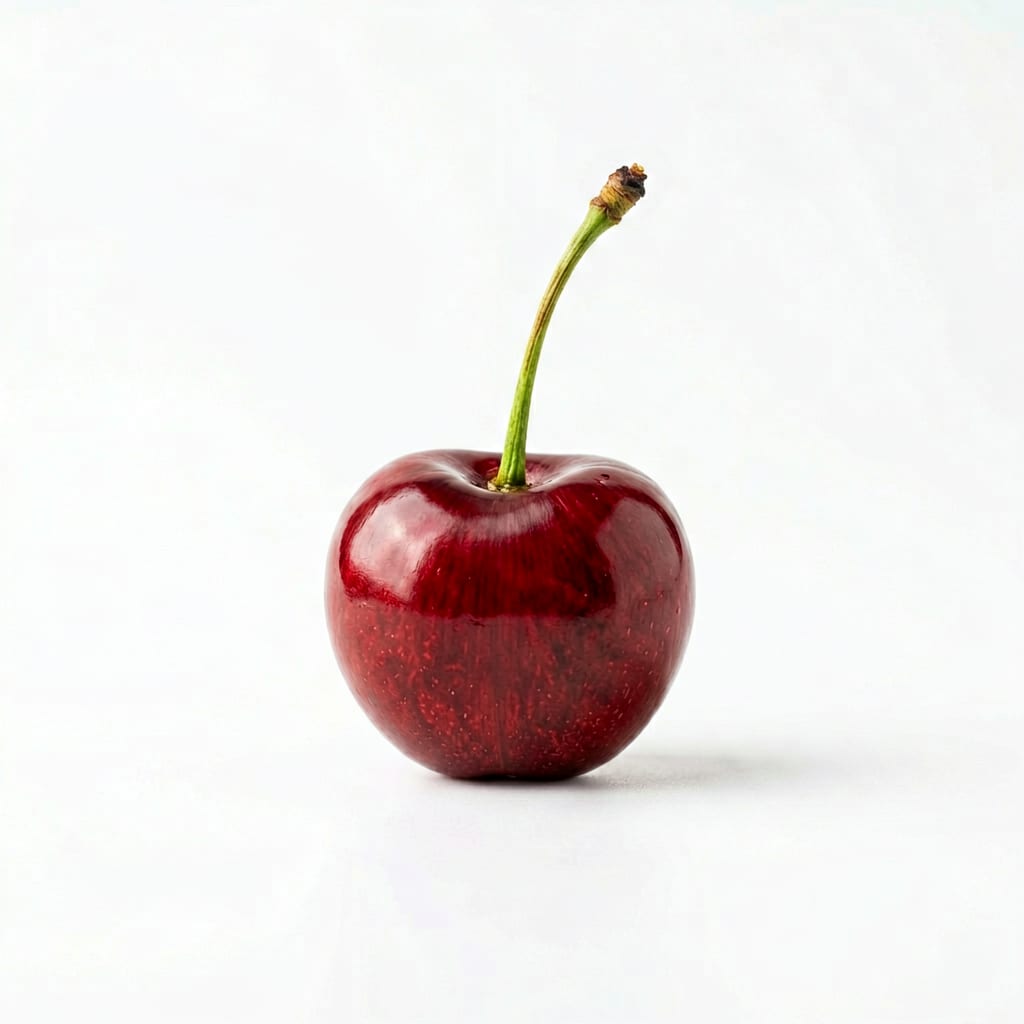
Cherry
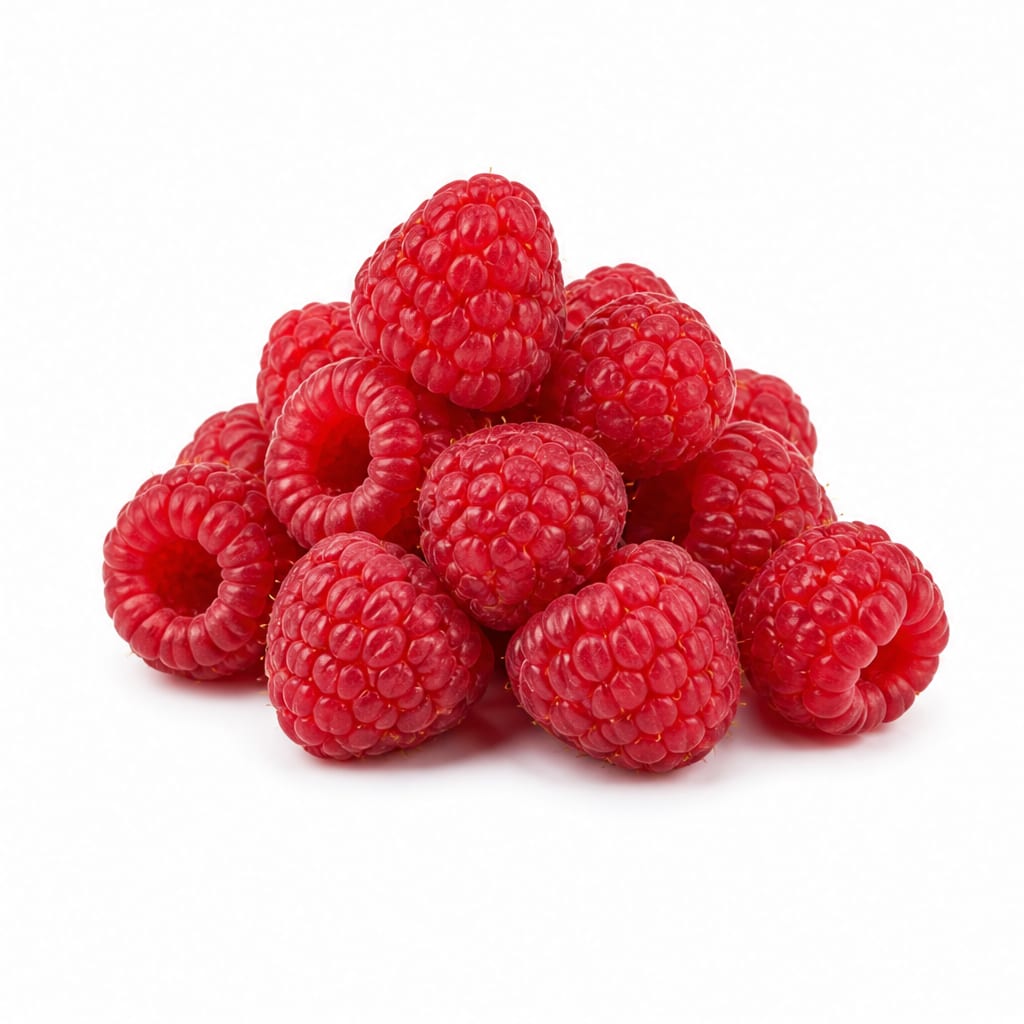
Raspberries
Raspberries edge out cherries for daily eating thanks to vastly more fiber and far less sugar, but cherries offer unique sleep and recovery benefits.
Raspberries score higher due to superior fiber content and lower sugar, making them a more versatile daily staple. Cherries remain an excellent choice but their higher sugar limits their edge for everyday unrestricted snacking.
Raspberries give you steadier blood sugar and better fullness, while cherries provide natural melatonin and a sweeter, more indulgent taste.
At a glance
Executive summary
Overall
Raspberries
Healthier
Raspberries
More practical
It depends
Daily use
Raspberries
Key comparison lenses
Blood sugar impact and diabetes friendliness
Cherries contain significantly more sugar per serving than raspberries, making glycemic load a primary concern for many users.
Fiber intake and satiety
Raspberries are one of the highest-fiber fruits available, offering a stark contrast to the lower fiber content in cherries.
Sleep and exercise recovery
Cherries are a rare natural source of melatonin and have been studied for reducing muscle soreness after intense workouts.
Weight management and calorie density
The fiber-to-sugar ratio heavily influences how filling these fruits are, directly impacting overeating risk.
Best choice for
Cherry
- Improving sleep quality naturally
- Post-workout muscle recovery
- Satisfying a sweet tooth with whole food
Raspberries
- Managing blood sugar and insulin levels
- Weight loss and appetite control
- Boosting daily fiber intake easily
Least suitable for
Cherry
- Strict low-carb or keto diets
- Those monitoring blood sugar spikes closely
Raspberries
- Those seeking a high-calorie fruit for energy
- Individuals looking for sleep-enhancing food benefits
Deep comparison
Dimension by dimension
Each lens scores both foods and breaks down who each option suits.
- Dimension 1 · Priority 95Raspberries
Blood Sugar Stability
Cherry · 65Raspberries · 92Raspberries have roughly half the sugar and nearly triple the fiber of cherries, leading to a much gentler impact on blood sugar.
Tradeoff
Cherries provide quick energy from natural sugars but can cause a sharper glucose rise, whereas raspberries offer slow, steady energy.
Why it matters
Frequent blood sugar spikes lead to energy crashes and increased cravings, making raspberries a safer bet for sustained vitality.
Real-world impact
Eating raspberries as an afternoon snack keeps you steady until dinner, while cherries might leave you reaching for more food an hour later.
Cherry
- Quick pre-workout fuel
Better for
- Insulin resistance
Worse for
Raspberries
- Diabetics
- Steady afternoon energy
- Reducing sugar cravings
Better for
- Immediate energy replenishment during endurance sports
Worse for
- Dimension 2 · Priority 90Raspberries
Satiety and Digestive Health
Cherry · 60Raspberries · 95Raspberries are a fiber powerhouse, packing about 8 grams per cup compared to just 3 grams in cherries.
Tradeoff
You get exceptional fullness and gut health support from raspberries, but cherries offer a denser, more satisfying chew and sweetness.
Why it matters
High fiber intake keeps you full longer and feeds beneficial gut bacteria, which raspberries deliver effortlessly.
Real-world impact
A bowl of raspberries with breakfast will keep your stomach full until lunch; cherries digest much faster.
Cherry
- Those who struggle to eat enough calories
Better for
- Feeling full on fewer calories
Worse for
Raspberries
- Gut health improvement
- Weight management
- Constipation relief
Better for
- People with sensitive bowels needing low-fiber diets
Worse for
- Dimension 3 · Priority 85Cherry
Sleep and Recovery
Cherry · 92Raspberries · 55Cherries are one of the few food sources of melatonin and have proven anti-inflammatory benefits for exercise recovery.
Tradeoff
Raspberries have great antioxidants but lack the specific sleep-regulating compounds that make cherries unique.
Why it matters
Natural melatonin helps regulate your circadian rhythm without relying on supplements.
Real-world impact
Snacking on cherries in the evening can help you fall asleep faster, while tart cherry juice is a popular post-marathon recovery drink.
Cherry
- Insomniacs
- Evening snackers
- Athletes reducing muscle soreness
Better for
- Those who want a light snack right before bed without any sleepiness
Worse for
Raspberries
- Morning energy without drowsiness
Better for
- Post-workout inflammation reduction
Worse for
- Dimension 4 · Priority 75It depends
Antioxidant Profile
Cherry · 85Raspberries · 88Cherries excel in anthocyanins and melatonin, while raspberries provide massive amounts of vitamin C and ellagic acid.
Tradeoff
Cherries target inflammation and sleep pathways, whereas raspberries focus on immune support and cellular defense.
Why it matters
A diverse antioxidant intake protects different systems in the body, from your brain to your skin.
Real-world impact
Cherries help soothe joint pain and improve sleep, while raspberries boost skin health and immune resilience.
Cherry
- Joint pain relief
- Sleep optimization
Better for
- High vitamin C needs
Worse for
Raspberries
- Immune system support
- Skin health
Better for
- Targeted gout or arthritis management
Worse for
Timeline
Health impact over time
Short-term
Hours to days
Cherry
- Provides a quick natural energy boost from higher sugar content
- Satisfies sweet cravings effectively
- May promote drowsiness if eaten in the evening
Raspberries
- Creates a lasting feeling of fullness due to high fiber
- Prevents the sugar crash and subsequent cravings
- Supports immediate hydration with high water content
Long-term
Months to years
Cherry
- Improved sleep quality and duration from regular melatonin intake
- Reduced exercise-induced muscle damage and recovery time
- Potential weight gain if eaten in large quantities due to sugar load
Raspberries
- Improved gut microbiome diversity and regularity
- Better long-term blood sugar control and insulin sensitivity
- Easier weight management due to high satiety per calorie
Risk profile
Safety & processing
Both cherries and raspberries are whole, unprocessed fruits when purchased fresh or frozen. Neither contains added sugars or artificial ingredients in their natural state.
Cherry
Pesticide residues
highConventionally grown cherries consistently rank on the EWG's Dirty Dozen list, often retaining high pesticide levels. Washing helps, but peeling is impractical.
Pit choking hazard
mediumCherry pits pose a choking risk for young children and can be a unpleasant surprise if bitten into accidentally.
Raspberries
Pesticide residues
highRaspberries are also on the Dirty Dozen list due to their delicate skin and heavy pesticide use. Organic is highly recommended.
Mold and rapid spoilage
mediumRaspberries are highly fragile and prone to mold within days of purchase, which can cause mild allergic reactions or stomach upset if consumed accidentally.
Who wins for whom
Audience fit
Same foods, different winners depending on your goal.
children
CherryKids love the sweet, juicy burst of cherries, but ensure they are pitted to eliminate the choking hazard.
daily consumption
RaspberriesRaspberries are easier on your blood sugar and better for your gut day in and day out, making them a safer daily staple.
diabetes
RaspberriesWith half the sugar and triple the fiber, raspberries have a significantly lower glycemic load and will not spike blood sugar like cherries can.
elderly
RaspberriesThe high fiber in raspberries helps combat age-related constipation, and their low sugar protects against insulin resistance common in older adults.
muscle gain
CherryCherries provide slightly more quick-digesting carbs to replenish glycogen after lifting, and their anti-inflammatory properties aid muscle recovery.
weight loss
RaspberriesRaspberries offer far more fiber and less sugar per calorie, making them much more filling and easier to fit into a calorie deficit.
Your move
Decision guide
Choose Cherry
- You want a natural remedy to improve your sleep quality
- You are an athlete looking to reduce muscle soreness and inflammation
- You are craving a sweet, satisfying dessert fruit
Choose Raspberries
- You want to lose weight or manage your appetite more effectively
- You need to keep your blood sugar stable throughout the day
- You want to dramatically increase your daily fiber intake
Either works if
- You simply want a nutritious, whole-food snack instead of processed sweets
- You are looking to increase your daily antioxidant intake from whole fruits
Avoid both if
- You are on a strict very-low-carb diet and cannot spare the carb macros
- You have a severe salicylate sensitivity, which is present in both fruits
Final recommendation
Keep raspberries in your fridge as your everyday fruit for snacking, breakfasts, and blood sugar stability. Save cherries for evening treats or post-workout recovery to take advantage of their unique melatonin and anti-inflammatory benefits.
Practical
Consumer tips
- 1
Buy both fruits organic when possible, as they consistently rank high for pesticide residues.
- 2
Buy frozen raspberries to save money and eliminate the rapid spoilage issue; they blend perfectly into smoothies and oatmeal.
- 3
Always pit cherries before giving them to children to prevent choking hazards.
- 4
Snack on cherries about an hour before bed to leverage their natural melatonin for better sleep.
- 5
Freeze sweet cherries for a delicious, ice cream-like summer treat.