
Nutrition comparison
Cherries vs Apples: Which Fruit Is Better for Your Health Goals?
Compare cherries and apples on fiber, antioxidants, blood sugar impact, sleep benefits, and cost. Find out which fruit fits your daily routine and health priorities.
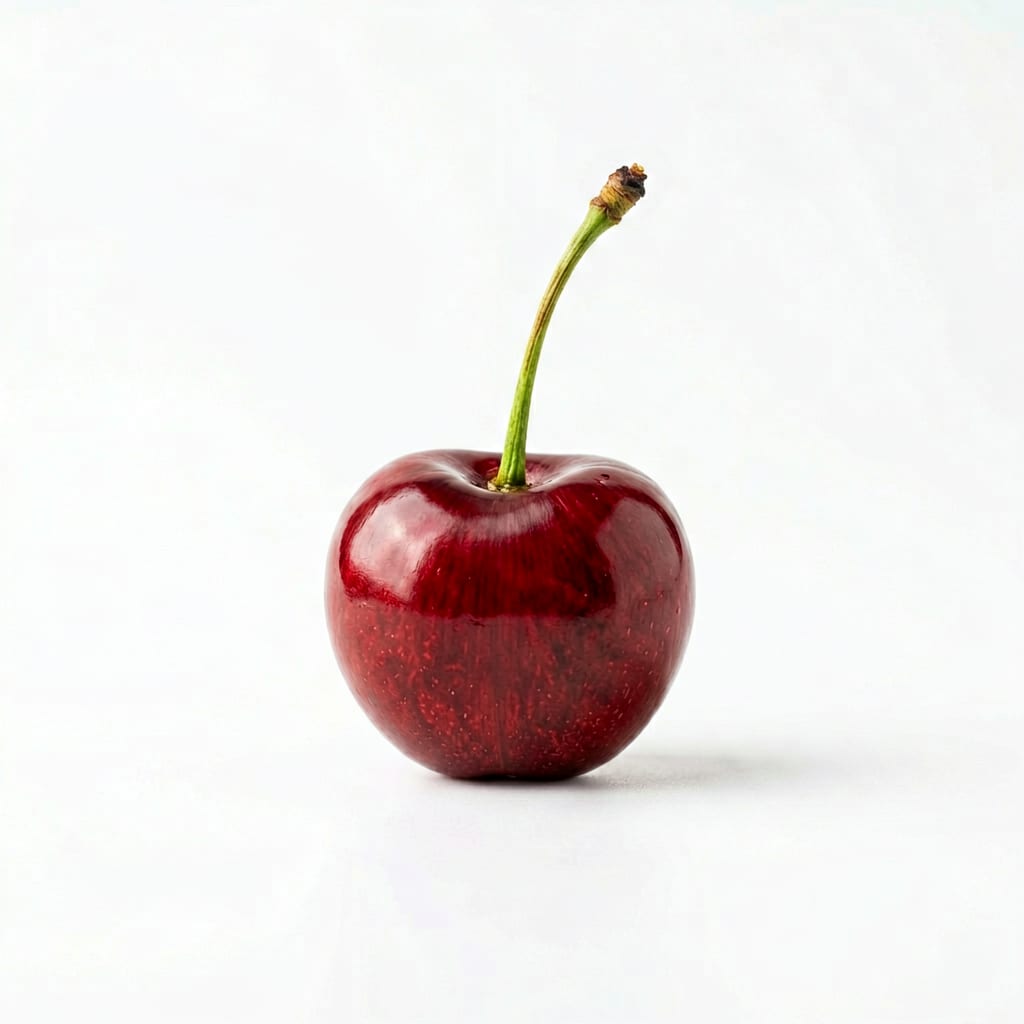
Cherry
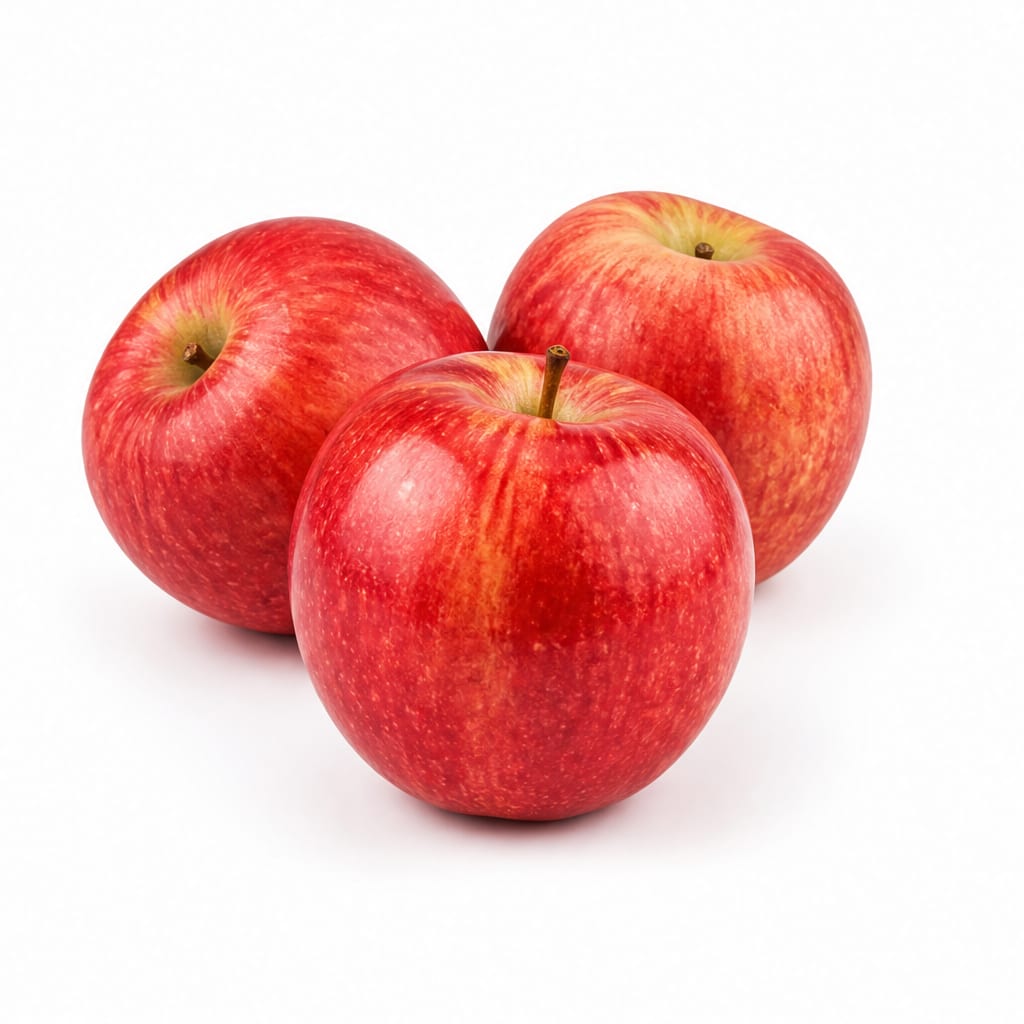
Apples
Apples win on fiber, fullness, and everyday practicality. Cherries win on antioxidants, anti-inflammatory power, and sleep support.
Apples score higher overall due to superior fiber, satiety, affordability, and year-round practicality. Cherries excel in specific health niches like inflammation and sleep but lose points on cost, seasonal availability, and lower fillingness.
Sustained energy and satiety from apples versus concentrated antioxidant and recovery benefits from cherries.
At a glance
Executive summary
Overall
It depends
Healthier
It depends
More practical
Apples
Daily use
Apples
Key comparison lenses
everyday fruit snacking choice
Both are common snack fruits people choose between for daily consumption
antioxidant and anti-inflammatory benefits
Cherries are notably high in anthocyanins while apples offer different polyphenols, making this a key differentiator
blood sugar and satiety management
Fiber content and glycemic impact differ meaningfully between these fruits
budget and seasonal practicality
Cherries are seasonal and expensive while apples are affordable year-round
sleep and recovery optimization
Cherries contain natural melatonin, making them uniquely relevant for sleep and athletic recovery
Best choice for
Cherry
- Anti-inflammatory support and joint health
- Post-workout recovery
- Better sleep quality
- Antioxidant density per calorie
Apples
- Steady energy and hunger control between meals
- Budget-friendly daily fruit
- Gut health and digestive regularity
- Year-round availability and convenience
Least suitable for
Cherry
- Tight grocery budgets
- People who struggle with portion control due to easy overeating
- Those needing high-fiber snacks for satiety
Apples
- Targeted anti-inflammatory or recovery goals
- Those seeking sleep-supportive foods
- People wanting maximum antioxidant concentration per bite
Deep comparison
Dimension by dimension
Each lens scores both foods and breaks down who each option suits.
- Dimension 1 · Priority 90Apples
Fiber and Satiety
Cherry · 45Apples · 82Apples provide roughly 3x more fiber per typical serving, keeping you fuller for longer.
Tradeoff
Cherries are less filling per serving, making them easier to overeat without realizing.
Why it matters
Fiber is the single biggest factor in whether a snack actually holds you over between meals.
Real-world impact
An apple at 3pm can reliably prevent dinner overeating. A bowl of cherries often leaves you reaching for something else within an hour.
Cherry
- Light snacking when you do not want to feel full
Better for
- Reliable appetite management
- Feeling satisfied after snacking
Worse for
Apples
- Between-meal hunger control
- Sustained energy without crashes
- Digestive regularity
Better for
- Light pre-workout fuel when you want minimal stomach weight
Worse for
- Dimension 2 · Priority 88Cherry
Antioxidant and Anti-Inflammatory Power
Cherry · 91Apples · 62Cherries deliver significantly more anthocyanins and have documented anti-inflammatory effects that apples cannot match.
Tradeoff
You would need to eat several apples to approach the antioxidant density of a single serving of cherries.
Why it matters
Chronic inflammation drives aging, joint pain, and disease. Food-based anti-inflammatory support compounds over time.
Real-world impact
Tart cherry juice is studied specifically for reducing post-exercise muscle soreness and arthritis flares. Apples simply do not have this evidence base.
Cherry
- Post-workout muscle recovery
- Joint stiffness and arthritis support
- Reducing exercise-induced inflammation
Better for
- Budget-limited households who cannot afford daily cherry consumption
Worse for
Apples
- General long-term cellular protection through consistent daily intake
Better for
- Acute inflammatory conditions or recovery scenarios
Worse for
- Dimension 3 · Priority 84Apples
Blood Sugar Stability
Cherry · 58Apples · 76Apples have a lower glycemic load per typical serving thanks to more fiber slowing sugar absorption.
Tradeoff
Cherries have a moderate glycemic index but their lower fiber means sugar hits your bloodstream faster per bite.
Why it matters
Steadier blood sugar means fewer energy dips and less craving cycles throughout the day.
Real-world impact
An apple paired with peanut butter is a blood-sugar-friendly snack. Cherries alone can trigger a quicker rise and subtle crash if eaten in large quantities.
Cherry
- Quick pre-exercise energy when you want sugar available fast
Better for
- Blood sugar sensitive individuals eating large portions
Worse for
Apples
- Mid-afternoon energy stability
- Diabetes-friendly fruit choice
- Pairing with protein for balanced snacks
Better for
- Immediate fuel needs during intense exercise
Worse for
- Dimension 4 · Priority 75Cherry
Sleep and Recovery Support
Cherry · 89Apples · 35Cherries are one of the few natural food sources of melatonin and have clinical evidence for improving sleep.
Tradeoff
Apples offer no meaningful sleep benefit, making this a clear differentiator for evening snacking.
Why it matters
Sleep quality affects everything from appetite hormones to immune function to exercise recovery.
Real-world impact
A handful of cherries an hour before bed can meaningfully improve sleep onset. An apple at bedtime offers no such advantage.
Cherry
- Evening snacking with sleep benefits
- Athletes seeking recovery optimization
- People with mild sleep difficulties
Better for
- Those who do not snack in the evening when benefits would activate
Worse for
Apples
- Morning and midday snacking where sleep effects are irrelevant
Better for
- Anyone specifically seeking food-based sleep support
Worse for
- Dimension 5 · Priority 80Apples
Practicality and Cost
Cherry · 38Apples · 90Apples are available year-round, stay fresh for weeks, and cost a fraction of what cherries do.
Tradeoff
Cherries are seasonal, perish quickly, and are among the most expensive fruits per pound.
Why it matters
The healthiest food only works if you can actually afford and access it consistently.
Real-world impact
You can keep apples in a bowl on the counter for two weeks. Cherries last days and cost three to five times more per serving.
Cherry
- Special occasion or seasonal treat eating
- Farmers market shoppers during peak season
Better for
- Anyone needing reliable daily fruit intake on a budget
Worse for
Apples
- Weekly meal prep and grocery planning
- Budget-conscious households
- Office and on-the-go snacking
Better for
- Those willing to pay premium for targeted health benefits
Worse for
- Dimension 6 · Priority 68It depends
Pesticide and Contamination Risk
Cherry · 52Apples · 55Both cherries and conventional apples rank on the EWG Dirty Dozen list, meaning both carry significant pesticide residue concerns.
Tradeoff
Neither fruit is clearly safer. Organic options are strongly recommended for both to meaningfully reduce exposure.
Why it matters
Pesticide exposure accumulates over years of daily fruit consumption, making this relevant for long-term health.
Real-world impact
If you eat either fruit daily, buying organic significantly reduces your cumulative pesticide load. Washing helps but does not eliminate it.
Cherry
- Slightly lower total surface area for pesticide retention per serving
Better for
- Cannot be peeled to reduce exposure without losing the entire fruit
Worse for
Apples
- Thicker skin that can be peeled if organic is unavailable, though this sacrifices fiber
Better for
- Peeling removes the majority of fiber and polyphenols, defeating much of the health purpose
Worse for
Timeline
Health impact over time
Short-term
Hours to days
Cherry
- Quick energy from natural sugars with less satiety delay
- Possible mild anti-inflammatory effect within hours of consumption
- Natural melatonin may promote drowsiness if eaten in the evening
Apples
- Noticeable fullness that reduces hunger for 1-2 hours
- Steadier blood sugar response with less of a spike-and-crash pattern
- Gut-soothing fiber that supports comfortable digestion
Long-term
Months to years
Cherry
- Consistent anti-inflammatory intake may reduce joint pain and exercise soreness
- Anthocyanin consumption linked to lower cardiovascular risk markers
- Melatonin-rich evening eating may improve cumulative sleep quality
Apples
- Daily pectin fiber intake supports healthy cholesterol levels and gut microbiome diversity
- Consistent fiber intake associated with lower type 2 diabetes risk
- Quercetin and other apple polyphenols linked to long-term cognitive protection
Risk profile
Safety & processing
Both cherries and apples are whole, minimally processed foods when eaten fresh. Neither typically contains added sugars or artificial ingredients in their natural form. The main concern is pesticide residue in conventional versions of both, not processing.
Cherry
Pesticide residue
mediumCherries consistently appear on the EWG Dirty Dozen list. Conventional cherries frequently test positive for multiple pesticide residues. Washing reduces but does not eliminate exposure.
Rapid spoilage and mold
lowCherries spoil quickly at room temperature and can develop mold within days. Inspect carefully before eating, especially near the stem.
Apples
Pesticide residue
mediumConventional apples are consistently among the top fruits for pesticide residue, often retaining multiple chemicals even after washing. Organic is strongly preferred for daily consumers.
Wax coatings
lowConventional apples are often coated with food-grade wax to improve appearance and shelf life. While generally recognized as safe, some consumers prefer to avoid it by choosing organic or washing thoroughly.
Who wins for whom
Audience fit
Same foods, different winners depending on your goal.
children
ApplesApples are more filling, less expensive for frequent snacking, and pose less choking hazard than whole cherries with pits.
daily consumption
ApplesAffordability, shelf stability, and year-round availability make apples a realistic daily habit. Cherries are better as a targeted supplement than a staple.
diabetes
ApplesMore fiber per serving slows glucose absorption, resulting in a lower glycemic load and steadier blood sugar response.
elderly
ApplesHigher fiber supports digestive regularity, which becomes increasingly important with age. Apples are also easier to chew and more affordable on fixed incomes.
muscle gain
CherryCherries provide faster-available sugars for pre-workout energy and documented anti-inflammatory benefits that support training recovery.
weight loss
ApplesHigher fiber and water content make apples significantly more filling per calorie, reducing the likelihood of overeating later.
Your move
Decision guide
Choose Cherry
- You want anti-inflammatory support for joints or post-exercise recovery
- Sleep quality is a priority and you snack in the evening
- You can afford seasonal or frozen cherries and want maximum antioxidant density
- You are an athlete looking for natural recovery support
Choose Apples
- You need a reliable, affordable daily fruit that keeps you full
- Blood sugar management or weight control is your primary goal
- You want something that stays fresh in your bag or desk all day
- Gut health and digestive regularity matter most to you
Either works if
- You simply want more whole fruit variety in your diet
- You are rotating fruits seasonally for broad micronutrient coverage
- Both fit your budget and you enjoy both flavors
Avoid both if
- You have a severe fructose intolerance or FODMAP sensitivity
- You are on a very strict low-carb or ketogenic diet
- You cannot access organic versions and are concerned about pesticide accumulation from daily consumption
Final recommendation
Make apples your daily fruit staple for fiber, fullness, and practicality. Add cherries as a targeted boost during their season or frozen year-round for their anti-inflammatory and sleep benefits. The best approach is not choosing one but using each for what it does best.
Practical
Consumer tips
- 1
Buy organic for both fruits if you eat them regularly. Pesticide exposure compounds over years of daily consumption.
- 2
Frozen cherries retain most of their antioxidant content and are far more affordable than fresh, making them practical year-round.
- 3
Keep apple skin on. Peeling removes half the fiber and most of the polyphenols that make apples worthwhile.
- 4
Pair either fruit with a protein or fat source like nuts or cheese to stabilize blood sugar and extend satiety.
- 5
A bowl of cherries can disappear fast because they do not trigger fullness quickly. Pre-portion instead of eating from the bag.
- 6
Tart cherries have significantly more anti-inflammatory power than sweet cherries. Choose tart for recovery goals, sweet for enjoyment.
- 7
Apples stored in the refrigerator crisper can last 4-6 weeks. Room temperature apples soften within a week.