
Nutrition comparison
Cherries vs Plums: Which Fruit Is Better for You?
Compare cherries and plums on antioxidants, digestion, sleep benefits, blood sugar impact, and snack practicality. Find out which fruit fits your health goals.
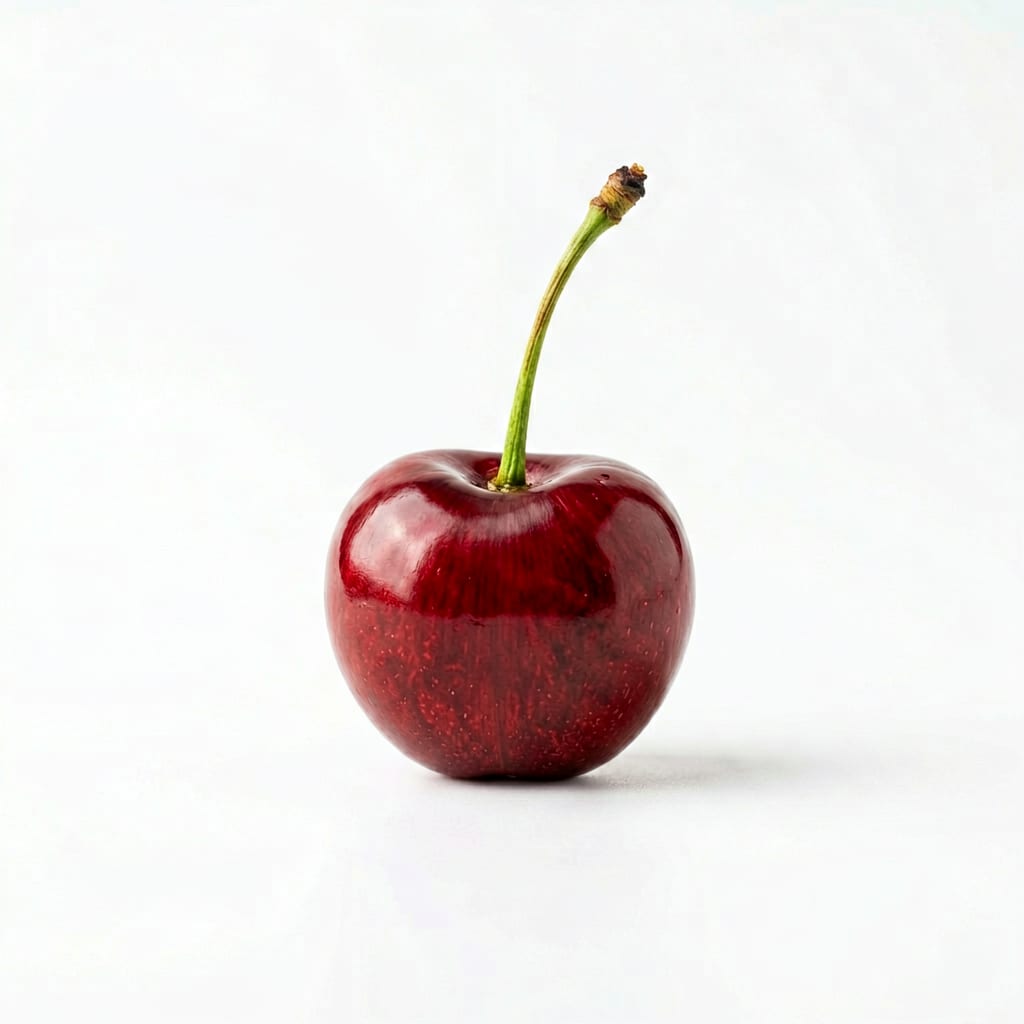
Cherry
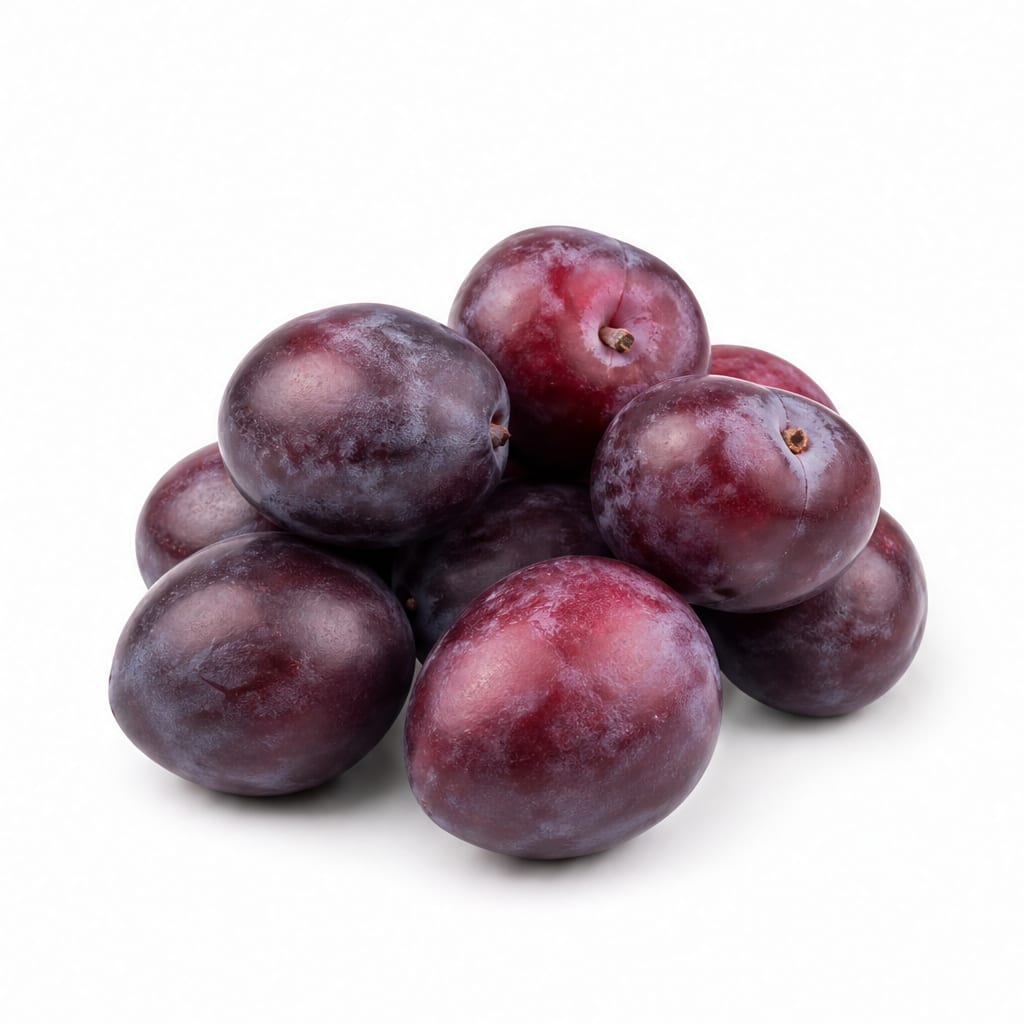
Plums
Cherries excel at fighting inflammation and improving sleep, while plums win on digestion, fullness, and everyday practicality.
Plums edge ahead slightly due to better satiety, fiber content, and everyday practicality, but cherries offer unique anti-inflammatory and sleep benefits that plums cannot match.
Anti-inflammatory and sleep benefits of cherries versus the digestive regularity and satiety advantages of plums.
At a glance
Executive summary
Overall
It depends
Healthier
It depends
More practical
Plums
Daily use
Plums
Key comparison lenses
antioxidant and anti inflammatory benefits
Cherries are renowned for anthocyanins and inflammation reduction, making this a key differentiator
digestive health and regularity
Plums are famous for digestive benefits and natural laxative effects, a major reason people choose them
snack convenience and satiety
Both are popular snack fruits but differ significantly in size, fillingness, and ease of eating
blood sugar management
Both contain natural sugars but with different glycemic impacts and fiber profiles
sleep and recovery
Cherries contain melatonin, making them unique among fruits for sleep support
Best choice for
Cherry
- Athletes seeking faster recovery
- People with joint pain or gout
- Those struggling with sleep quality
- Anyone wanting maximum antioxidant punch per bite
Plums
- People with digestive sluggishness
- Those wanting a more filling afternoon snack
- Budget-conscious shoppers
- Anyone needing easy portable fruit
Least suitable for
Cherry
- People who find pitting tedious
- Those watching their budget closely
- Anyone wanting a large satisfying snack
Plums
- Athletes focused on inflammation reduction
- People specifically seeking sleep benefits from fruit
- Those wanting the highest antioxidant concentration
Deep comparison
Dimension by dimension
Each lens scores both foods and breaks down who each option suits.
- Dimension 1 · Priority 92Cherry
antioxidant_and_anti_inflammatory_power
Cherry · 91Plums · 62Cherries deliver significantly more anthocyanins and have stronger evidence for reducing inflammation and uric acid.
Tradeoff
You get superior inflammation fighting with cherries but pay more and eat less volume per serving.
Why it matters
Chronic inflammation drives joint pain, heart disease, and aging. Cherries are one of the most potent fruit sources of anti-inflammatory compounds.
Real-world impact
Regular cherry consumption can meaningfully reduce gout flares and post-workout muscle soreness.
Cherry
- Joint pain and arthritis sufferers
- Post-workout recovery
- Gout management
- Long-term inflammation reduction
Better for
- Budget-limited households
Worse for
Plums
- General wellness without specific inflammation concerns
Better for
- Anyone needing targeted anti-inflammatory effects
Worse for
- Dimension 2 · Priority 88Plums
digestive_health_and_regularity
Cherry · 58Plums · 89Plums contain sorbitol and natural compounds that promote bowel regularity, making them far more effective for digestive health.
Tradeoff
Plums keep you regular but can cause loose stools if you eat too many; cherries are gentler on digestion but less effective for constipation.
Why it matters
Digestive regularity affects energy, comfort, and gut health daily. Plums are one of the most reliable natural solutions.
Real-world impact
Eating 2-3 plums daily can resolve mild constipation within days without supplements or medication.
Cherry
- People with sensitive digestion who want gentle fiber
Better for
- Those specifically seeking digestive regularity
Worse for
Plums
- Anyone experiencing constipation
- Older adults with sluggish digestion
- People wanting to avoid fiber supplements
Better for
- People prone to diarrhea or loose stools
Worse for
- Dimension 3 · Priority 82Plums
satiety_and_fullness
Cherry · 55Plums · 78Plums are larger, more filling, and provide more fiber per serving, keeping you satisfied longer.
Tradeoff
Plums feel like a real snack; cherries feel more like a light treat that may leave you reaching for something else.
Why it matters
A snack that actually satisfies prevents overeating later and stabilizes energy between meals.
Real-world impact
Two plums can hold you over between lunch and dinner. A handful of cherries often leaves you wanting more within 30 minutes.
Cherry
- Light snacking before meals without ruining appetite
Better for
- People who need snacks that actually fill them up
Worse for
Plums
- Between-meal hunger management
- Replacing less healthy afternoon snacks
- Anyone who finds fruit unsatisfying
Better for
- Those wanting a light pre-meal nibble
Worse for
- Dimension 4 · Priority 70Cherry
sleep_and_recovery
Cherry · 85Plums · 40Cherries are one of the few natural food sources of melatonin, directly supporting sleep quality and timing.
Tradeoff
Cherries can meaningfully improve sleep when eaten in the evening; plums offer no sleep-specific benefits.
Why it matters
Sleep quality affects everything from cravings to recovery to mood. A food-based melatonin source is rare and valuable.
Real-world impact
Eating cherries or drinking tart cherry juice an hour before bed can help you fall asleep faster and sleep more soundly.
Cherry
- Insomniacs and poor sleepers
- Athletes needing better recovery sleep
- Shift workers adjusting sleep schedules
Better for
- No significant downside here
Worse for
Plums
- No sleep-specific audience
Better for
- Anyone seeking sleep benefits from fruit
Worse for
- Dimension 5 · Priority 75Cherry
blood_sugar_impact
Cherry · 74Plums · 68Cherries have a lower glycemic index and slightly less sugar per serving, making them marginally better for blood sugar stability.
Tradeoff
Both are reasonable choices for blood sugar, but cherries offer a slight edge that matters for diabetics.
Why it matters
Even small differences in glycemic impact compound over years of daily eating, especially for insulin-resistant individuals.
Real-world impact
Cherries cause a gentler blood sugar rise, meaning less energy crash and fewer cravings an hour later.
Cherry
- Diabetics and pre-diabetics
- Insulin-resistant individuals
- Those prone to afternoon energy crashes
Better for
- No significant downside
Worse for
Plums
- Active people who can handle slightly more sugar
Better for
- Those strictly monitoring glycemic load
Worse for
- Dimension 6 · Priority 78Plums
convenience_and_value
Cherry · 48Plums · 82Plums are cheaper, easier to eat on the go, and available longer throughout the year.
Tradeoff
Cherries require pitting, cost more per serving, and have a shorter season, making them less practical for daily use.
Why it matters
The best healthy food is the one you actually eat consistently. Convenience and cost directly impact long-term adherence.
Real-world impact
Plums can be tossed in a bag and eaten during a commute. Cherries require two hands, a pit strategy, and often a napkin.
Cherry
- Home snacking where pitting is easy
- Special occasions and desserts
Better for
- On-the-go lifestyles
- Cost-conscious households
Worse for
Plums
- Office and commute snacking
- Budget meal prep
- Families buying fruit in bulk
Better for
- No significant convenience downside
Worse for
Timeline
Health impact over time
Short-term
Hours to days
Cherry
- Gentle blood sugar rise with minimal crash
- Mild anti-inflammatory effect within hours
- Possible sleepiness if eaten in evening due to melatonin
- Staining of fingers and lips from dark pigments
Plums
- Noticeable fullness and satiety after eating
- Possible digestive stimulation within hours
- Slightly higher blood sugar rise than cherries
- Relief from constipation within 6-12 hours for some people
Long-term
Months to years
Cherry
- Reduced gout flare frequency with regular consumption
- Lower systemic inflammation markers
- Improved sleep quality over weeks
- Better exercise recovery for active individuals
Plums
- Improved digestive regularity and gut health
- Better bowel habits without supplement dependence
- Steady fiber intake supporting heart health
- More consistent fruit consumption due to convenience and affordability
Risk profile
Safety & processing
Both cherries and plums are whole, unprocessed fruits typically eaten fresh. Neither raises processing concerns when purchased whole.
Cherry
Pesticide residue on conventional cherries
mediumCherries consistently appear on the EWG Dirty Dozen list. Washing helps but does not remove all residues. Organic is advisable when possible.
Pit choking hazard
lowCherry pits pose a choking risk for young children and can crack teeth if bitten accidentally.
Plums
Pesticide residue on conventional plums
lowPlums have moderate pesticide scores, better than cherries but still worth washing thoroughly or choosing organic.
Sorbitol overload causing digestive distress
lowEating large quantities of plums can cause bloating, gas, and diarrhea due to sorbitol content. Moderate intake avoids this.
Who wins for whom
Audience fit
Same foods, different winners depending on your goal.
children
PlumsPlums are easier for kids to handle, have no pit choking risk when sliced, and their natural sweetness appeals to young palates.
daily consumption
PlumsPlums are more affordable, convenient, and provide daily digestive benefits that compound over time.
diabetes
CherryCherries have a lower glycemic index and less sugar per serving, causing gentler blood sugar responses.
elderly
PlumsPlums address the constipation that commonly affects older adults and are easier to eat without dexterity challenges.
muscle gain
It dependsNeither fruit is a protein source. Cherries marginally help with workout recovery, while plums provide more energy for training fuel.
weight loss
PlumsPlums provide more volume and fiber per calorie, making them more satisfying and easier to stick with as a snack replacement.
Your move
Decision guide
Choose Cherry
- You struggle with joint pain, gout, or chronic inflammation
- Sleep quality is a priority and you want a natural melatonin source
- You are an athlete focused on recovery and reducing muscle soreness
- You want the most antioxidant-dense fruit per bite
- You enjoy mindful snacking at home where pitting is not an inconvenience
Choose Plums
- Digestive regularity is a daily concern
- You want a filling snack that actually holds you over between meals
- Budget matters and you need affordable fruit options
- You eat fruit on the go and need something portable and mess-free
- You are feeding a family and need practical, kid-friendly options
Either works if
- You simply want a nutritious whole fruit snack
- You are meeting daily fruit intake goals
- You want something sweet without processed sugar
- You are looking for vitamin C and potassium from whole foods
Avoid both if
- You have severe fructose intolerance or FODMAP sensitivity
- You are on a very strict low-carb or ketogenic diet
- You have been advised to limit fruit sugar by your doctor
Final recommendation
Keep both in rotation. Eat plums for everyday snacking, digestion, and satiety. Add cherries when you need anti-inflammatory support, better sleep, or post-workout recovery. If budget forces a choice, plums give you more consistent daily value.
Practical
Consumer tips
- 1
Buy organic cherries when possible since they rank high for pesticide residue
- 2
Freeze cherries during peak season for year-round smoothies and sleep-supporting snacks
- 3
Choose darker cherry varieties for maximum anthocyanin content
- 4
Eat plums slightly firm for lower sugar content and better texture for snacking
- 5
Try 2-3 plums daily for constipation relief before reaching for supplements
- 6
Pair either fruit with a handful of nuts for a more balanced, blood-sugar-friendly snack
- 7
Wash both fruits thoroughly even if you plan to peel plums
- 8
Tart cherry juice concentrates the sleep and recovery benefits but adds sugar without fiber