
Nutrition comparison
Cherries vs Cranberries: Which Berry Is Healthier for You?
Compare cherries and cranberries on sugar, antioxidants, UTI prevention, sleep benefits, and real-world eatability. Find out which berry fits your health goals better.
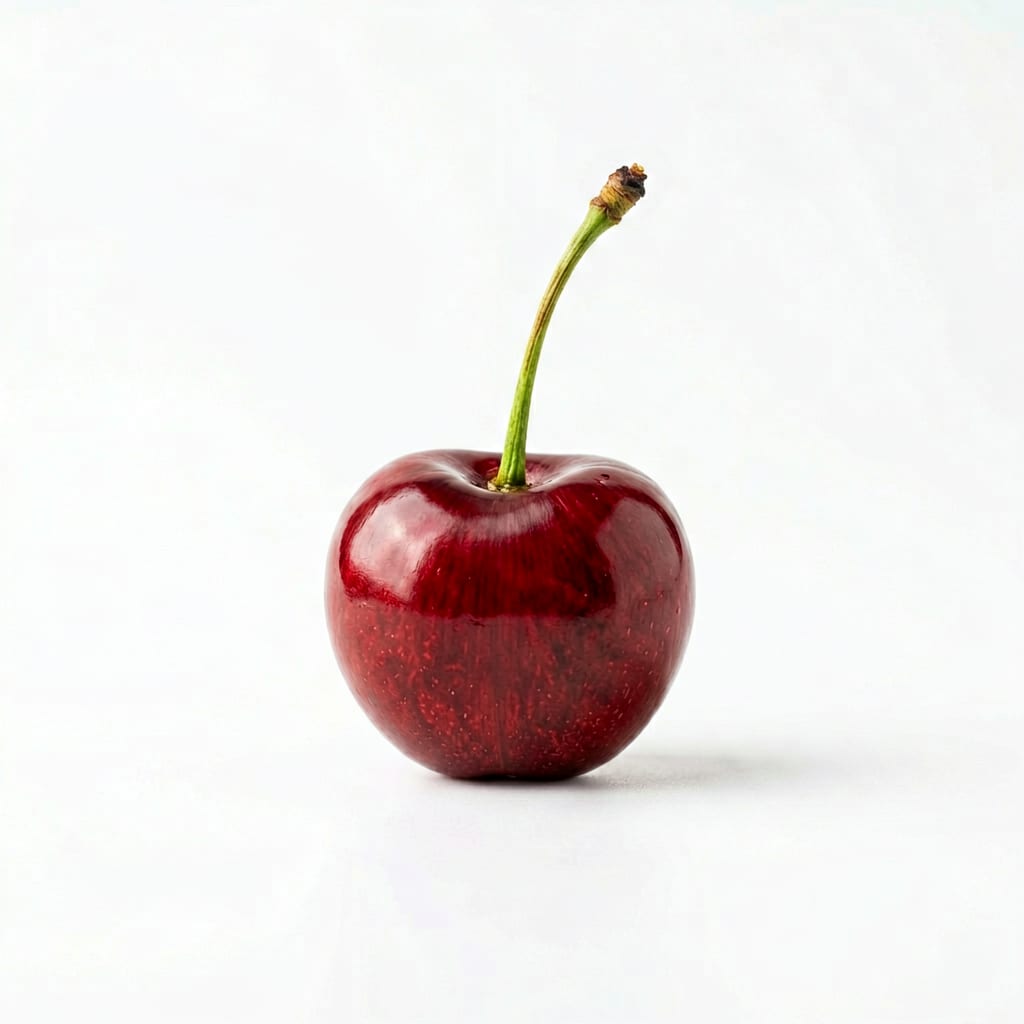
Cherry
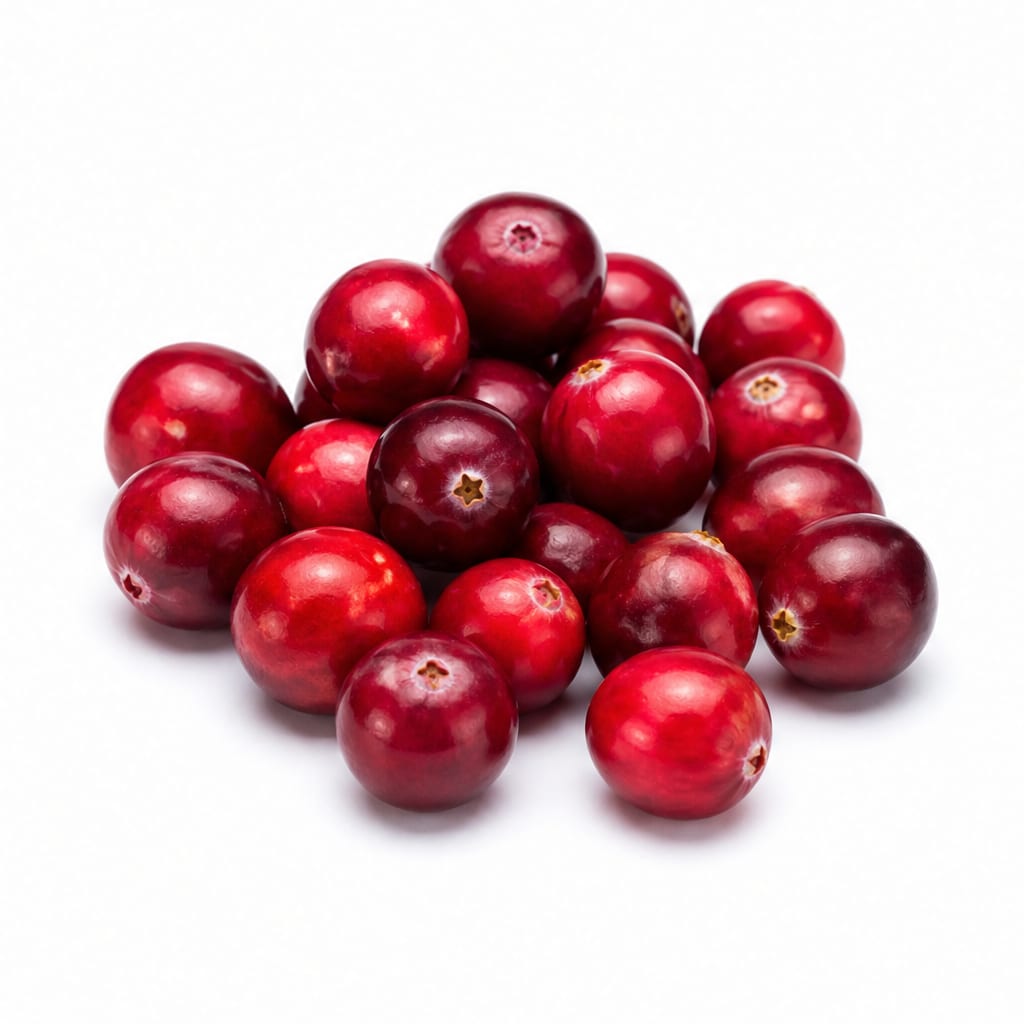
Cranberries
Cherries win for enjoyable daily snacking and sleep support; cranberries win for UTI prevention and vitamin C, but only if you can handle them without added sugar.
Cherries score slightly higher because they're more practical as a whole, unprocessed food you can actually enjoy eating fresh. Cranberries have impressive medicinal properties but lose ground because most people consume them with significant added sugar, which undermines their health advantages.
Cherries are naturally sweet and easy to eat whole, while cranberries offer superior vitamin C and urinary tract benefits but are nearly inedible fresh without sweetening.
At a glance
Executive summary
Overall
It depends
Healthier
It depends
More practical
Cherry
Daily use
Cherry
Key comparison lenses
antioxidant and specialized health benefits
Both berries are prized for unique phytonutrients—cherries for melatonin and anti-inflammatory anthocyanins, cranberries for UTI-preventing proanthocyanidins
sugar and realistic consumption
Cherries are naturally sweet and eaten fresh; cranberries are extremely tart and almost always consumed with added sugar, which changes their real-world health profile dramatically
everyday snackability
Users want to know which is more enjoyable and sustainable as a daily fruit habit
urinary and inflammatory conditions
Cranberries are famously linked to UTI prevention while cherries are linked to gout and joint inflammation relief
Best choice for
Cherry
- People wanting a satisfying whole-food snack
- Those seeking better sleep quality
- Anyone managing gout or joint inflammation
- Kids who need a naturally sweet fruit they'll actually eat
- Post-workout recovery with natural anti-inflammatory benefits
Cranberries
- Women prone to recurrent UTIs
- People wanting maximum vitamin C per calorie
- Those who already cook with cranberries in sauces or baked goods
- Anyone focused on oral health and bacteria prevention
Least suitable for
Cherry
- People strictly limiting sugar intake
- Those seeking high vitamin C from fruit
- Anyone on a tight grocery budget when cherries are out of season
Cranberries
- People sensitive to tart flavors who default to sweetened cranberry products
- Anyone trying to minimize added sugar in their diet
- Those wanting a grab-and-go fresh snack
Deep comparison
Dimension by dimension
Each lens scores both foods and breaks down who each option suits.
- Dimension 1 · Priority 95Cherry
sugar_and_realistic_consumption
Cherry · 80Cranberries · 45Cherries contain about 13g of natural sugar per cup and are delicious as-is. Cranberries have only 4g of sugar per cup raw, but their extreme tartness means they're almost always consumed dried with added sugar or as sweetened juice, pushing real-world sugar intake much higher.
Tradeoff
You get a naturally sweet, whole-food experience with cherries. With cranberries, the low sugar is a technicality—most commercial cranberry products contain 25-30g of added sugar per serving.
Why it matters
The way you actually eat a food matters more than its raw nutritional profile. A food that requires heavy sweetening to be palatable carries hidden costs.
Real-world impact
A handful of fresh cherries is a guilt-free snack. A handful of dried sweetened cranberries is closer to candy than fruit.
Cherry
- Blood sugar stability when eaten whole
- Satisfying sweet cravings without processed sugar
- Mindless snacking without overdoing it
Better for
- Very low-carb or keto approaches
- People who find sweet fruit triggering for cravings
Worse for
Cranberries
- Strict low-sugar diets IF you tolerate them unsweetened
- Adding tartness to recipes without much sugar
Better for
- Anyone drinking commercial cranberry juice cocktail
- People who assume dried cranberries are a health food
Worse for
- Dimension 2 · Priority 92It depends
antioxidant_and_specialized_health_benefits
Cherry · 82Cranberries · 88Cranberries contain unique proanthocyanidins that prevent bacteria from adhering to urinary tract walls—no other common fruit does this. Cherries offer anti-inflammatory anthocyanins plus natural melatonin for sleep support.
Tradeoff
Cranberries have a more clinically validated superpower (UTI prevention), while cherries have broader but less dramatic benefits across inflammation, sleep, and exercise recovery.
Why it matters
If you have a specific health concern, the right berry can act almost like a mild natural medication.
Real-world impact
Women with recurrent UTIs may find real relief from daily cranberry. Athletes and people with arthritis may notice less stiffness and better recovery with tart cherry juice.
Cherry
- Reducing gout flares and uric acid levels
- Improving sleep onset and quality
- Post-exercise muscle recovery
Better for
- UTI prevention specifically
- Vitamin C density
Worse for
Cranberries
- Preventing recurrent urinary tract infections
- Reducing oral bacteria and gum disease risk
- Supporting gut health with unique polyphenols
Better for
- Sleep support
- Gout management
Worse for
- Dimension 3 · Priority 75Cranberries
vitamin_and_mineral_density
Cherry · 60Cranberries · 78Cranberries deliver significantly more vitamin C per serving—about 14mg per cup versus cherries at 5mg. Both offer modest potassium, but cherries have a slight edge there.
Tradeoff
Cranberries are the clear vitamin C winner, but cherries provide more potassium which supports hydration and muscle function.
Why it matters
If you're relying on fruit for vitamin C, cranberries are far more efficient. If you need electrolyte support, cherries have a small advantage.
Real-world impact
A cup of raw cranberries covers about 15% of your daily vitamin C. You'd need nearly three cups of cherries for the same.
Cherry
- Potassium intake for active individuals
- A more balanced micronutrient spread overall
Better for
- Anyone counting on fruit for vitamin C
Worse for
Cranberries
- Immune system support via vitamin C
- Collagen production and skin health
Better for
- Electrolyte replenishment after sweating
Worse for
- Dimension 4 · Priority 85Cherry
practicality_and_enjoyment
Cherry · 88Cranberries · 50Fresh cherries are a joyful, pop-in-your-mouth snack. Raw cranberries are so astringent that most people cannot eat them alone—they require cooking, sweetening, or processing.
Tradeoff
Cherries are immediately enjoyable; cranberries require effort and usually added ingredients to become palatable.
Why it matters
The healthiest food is the one you'll actually eat consistently. Enjoyment drives adherence.
Real-world impact
Cherries disappear from the bowl at parties. A bowl of raw cranberries would sit untouched.
Cherry
- Quick no-prep snacking
- Packing in lunchboxes
- Eating out of hand while working or commuting
Better for
- Short seasonal availability for fresh cherries
- Pit removal is annoying for some uses
Worse for
Cranberries
- Cooking and baking where tartness is desired
- Holiday recipes and sauces
- Adding complexity to savory dishes
Better for
- Almost never eaten as a standalone fresh snack
- Requires prep time and usually added sugar
Worse for
- Dimension 5 · Priority 65Cranberries
cost_and_accessibility
Cherry · 50Cranberries · 75Fresh cherries are expensive and highly seasonal. Cranberries are available frozen and dried year-round at more stable prices.
Tradeoff
Cranberries are more budget-friendly and consistently available, but the dried versions carry added sugar costs.
Why it matters
If a food is only available fresh for two months a year and costs a premium, it's harder to build a daily habit around it.
Real-world impact
A bag of frozen cranberries costs a few dollars and lasts months. Fresh cherries can run $5-8 per pound at peak season.
Cherry
- Farmer's market shoppers in summer
- People who prioritize eating seasonal produce
Better for
- Winter and spring when fresh cherries are unavailable
- Imported cherries with higher carbon footprint
Worse for
Cranberries
- Year-round consistency
- Budget-conscious shoppers
- Freezer-stocking meal preppers
Better for
- Fresh cranberry availability is also seasonal, though frozen access is reliable
Worse for
Timeline
Health impact over time
Short-term
Hours to days
Cherry
- Quick natural energy from easily digested sugars
- Potential drowsiness or relaxation from melatonin content if eaten in the evening
- Immediate satisfaction from sweet taste reducing cravings for processed sweets
Cranberries
- Noticeable tartness that can stimulate digestion and saliva production
- If consumed as juice, rapid blood sugar spike from concentrated sugars
- Unsweetened cranberry may temporarily reduce bacteria in the mouth and urinary tract
Long-term
Months to years
Cherry
- Consistent anti-inflammatory intake may reduce joint pain and gout attacks
- Regular evening consumption could improve sleep quality over weeks
- Antioxidant support for cardiovascular health when eaten regularly
Cranberries
- Significant reduction in UTI recurrence for prone individuals with daily consumption
- Oral health benefits from anti-adhesion properties reducing plaque bacteria
- If consumed as sweetened products long-term, added sugar may undermine cardiovascular benefits
Risk profile
Safety & processing
Fresh cherries are almost always consumed whole and unprocessed. Cranberries, however, are rarely eaten raw—most people encounter them as sweetened dried fruit, juice cocktails, or sauces, all of which involve significant processing and added sugar. This is the biggest hidden tradeoff between these two fruits.
Cherry
Pesticide residue on conventional cherries
mediumCherries consistently appear on the EWG's Dirty Dozen list. Washing helps but doesn't remove all residues. Organic is worth considering, especially for children.
Cherry pit ingestion
lowPits contain amygdalin which releases cyanide when crushed, but accidental swallowing of whole pits is harmless. Only crushed or chewed pits pose any risk, and you'd need a large quantity.
Cranberries
Added sugar in commercial cranberry products
highCranberry juice cocktail is typically only 25-27% actual juice. Dried cranberries often contain more added sugar than fruit. This is the single biggest health concern for cranberry consumers.
Kidney stone risk from high oxalate content
mediumCranberries contain moderate oxalates. For people with a history of calcium oxalate kidney stones, large daily consumption could increase risk.
Medication interaction with warfarin
mediumCranberry can interact with blood thinners like warfarin, potentially increasing bleeding risk. Anyone on anticoagulants should consult their doctor before regular cranberry consumption.
Who wins for whom
Audience fit
Same foods, different winners depending on your goal.
children
CherryKids actually enjoy eating fresh cherries, which makes them a sustainable healthy habit. Raw cranberries are too tart for most children, and the sweetened versions teach a sugar-dependent fruit relationship.
daily consumption
CherryCherries are easier to eat consistently as a whole food without added ingredients. Daily cranberry consumption usually means juice or dried form, both carrying sugar tradeoffs.
diabetes
It dependsUnsweetened cranberries have less sugar and a lower glycemic impact, but almost nobody eats them that way. Fresh cherries have moderate sugar but come in a whole-food package with fiber that slows absorption.
elderly
CranberriesUTI prevention is particularly valuable for older adults, especially women. The vitamin C and anti-adhesion properties address a common and serious health concern in this population.
muscle gain
CherryTart cherry juice has evidence for reducing exercise-induced muscle damage and speeding recovery. Neither fruit is a protein source, but cherries support training indirectly.
weight loss
CherryFresh cherries are more satisfying per calorie and don't require added sugar to be enjoyable. Sweetened cranberry products are calorie-dense and easy to overeat.
Your move
Decision guide
Choose Cherry
- You want a fruit you'll actually look forward to eating every day
- Sleep quality or joint inflammation is a personal concern
- You prefer eating whole foods without preparation
- You're feeding kids who need appealing fruit options
- You're an athlete focused on recovery
Choose Cranberries
- You struggle with recurrent UTIs and want a natural prevention strategy
- You already cook with cranberries and can control the added sugar
- Vitamin C intake is a priority for you
- You enjoy tart flavors and can eat cranberries with minimal sweetening
- You want a freezer-stable fruit for year-round smoothies
Either works if
- You simply want more antioxidant-rich berries in your diet
- You're rotating seasonal fruits for variety
- You're making a mixed berry smoothie or salad
Avoid both if
- You have a severe berry allergy
- You're on a very strict low-sugar medical protocol and cannot tolerate any fruit sugar
- You're on warfarin and haven't consulted your doctor about cranberry
Final recommendation
Keep both in rotation but be honest about how you actually eat them. Fresh cherries in summer are one of the easiest healthy snacks available. Frozen unsweetened cranberries in winter smoothies give you UTI protection and vitamin C without the sugar trap. The biggest mistake is assuming dried sweetened cranberries or cranberry juice cocktail carry the same health benefits as the raw fruit—they don't.
Practical
Consumer tips
- 1
If buying cranberries, choose frozen whole berries or 100% pure juice—not juice cocktail. Read the label carefully.
- 2
Dried cranberries typically contain 25-30g of added sugar per serving. Treat them as a dessert topping, not a health food.
- 3
Tart cherry juice concentrate is the most studied form for sleep and recovery. Two ounces before bed can make a noticeable difference.
- 4
Buy cherries organic when possible—they rank high for pesticide residue. Frozen organic cherries are a cost-effective option year-round.
- 5
If you get recurrent UTIs, ask your doctor about cranberry extract supplements. They deliver the active compounds without the sugar of juice or dried forms.
- 6
Freeze fresh cherries in summer when they're affordable and at peak flavor. They thaw beautifully for smoothies and oatmeal.