
Nutrition comparison
Cherries vs Peaches: Nutrition, Sugar, and Health Benefits Compared
Discover the nutritional differences between Cherries and Peaches. Learn which is better for weight loss, sleep, and anti-inflammatory benefits.
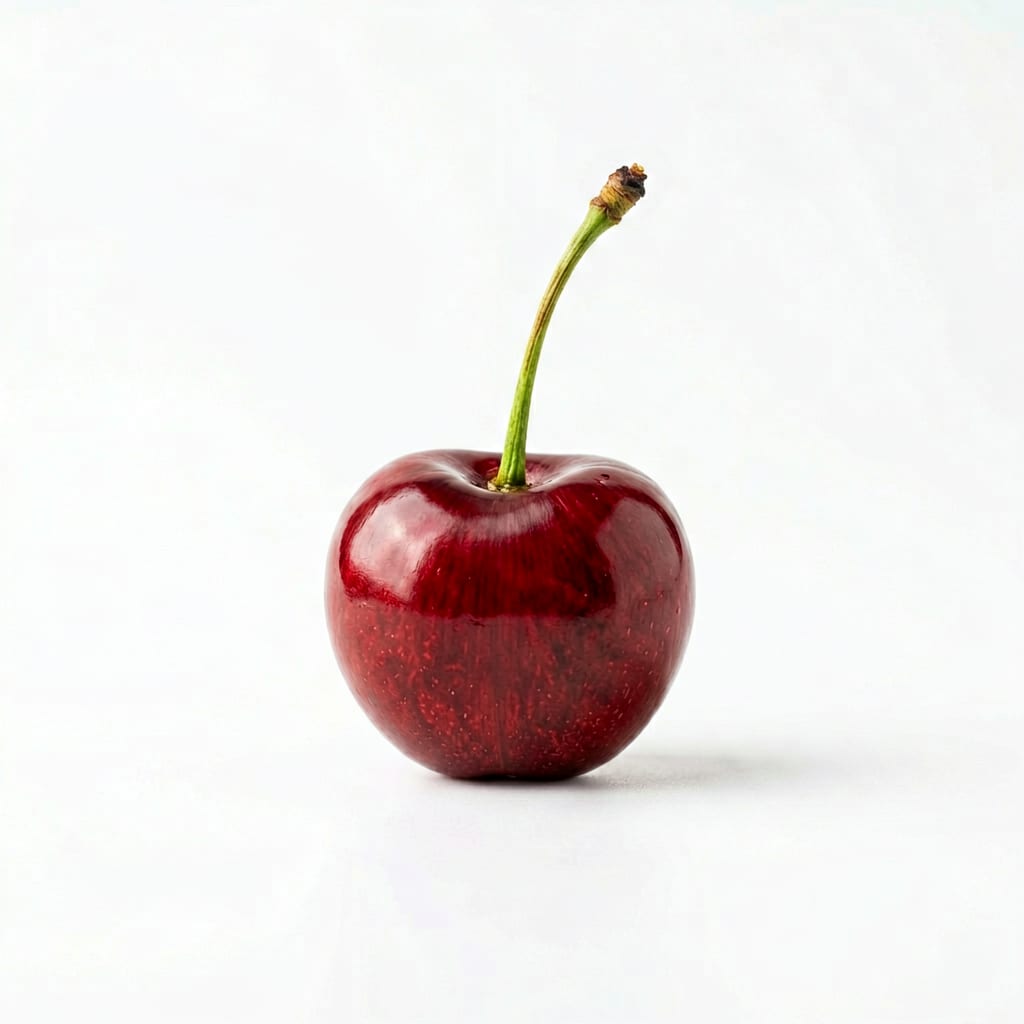
Cherry
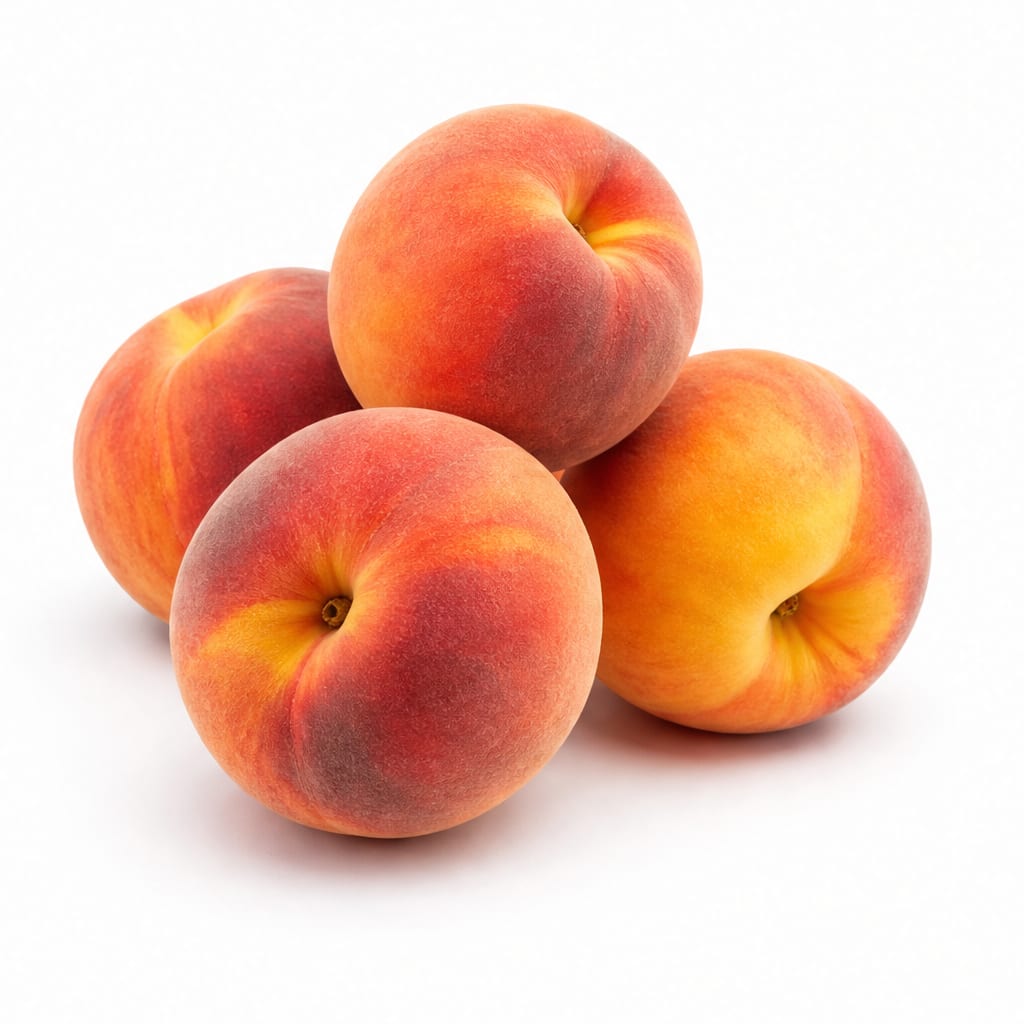
Peaches
Cherries excel at fighting inflammation and improving sleep, while Peaches win for low-calorie volume and hydration.
Cherries edge ahead slightly due to their unique functional benefits like melatonin and anthocyanins, but Peaches remain highly competitive for everyday calorie-conscious snacking.
Dense anti-inflammatory power versus lighter, more hydrating satisfaction.
At a glance
Executive summary
Overall
It depends
Healthier
It depends
More practical
Cherry
Daily use
Peaches
Key comparison lenses
Antioxidant and anti-inflammatory benefits
Cherries are uniquely rich in anthocyanins and melatonin, making this a key differentiator
Weight management and sugar intake
Peaches offer significantly more food volume and hydration with less sugar per serving
Sleep and recovery optimization
Cherries are one of the few natural food sources of melatonin, impacting sleep and muscle recovery
Pesticide exposure and safety
Both fruits frequently appear on the EWG Dirty Dozen list, raising concerns for regular consumption
Best choice for
Cherry
- Athletes needing faster muscle recovery
- People struggling with sleep onset
- Individuals managing gout or joint inflammation
Peaches
- Volume eaters wanting large portions
- Those strictly monitoring daily sugar
- Anyone needing a hydrating, light snack
Least suitable for
Cherry
- People prone to overeating sweet fruits
- Those on strict low-carb diets
- Individuals sensitive to natural fruit sugars
Peaches
- Those seeking potent anti-inflammatory effects
- Athletes looking for post-workout recovery aids
- People wanting a portable, non-bruising snack
Deep comparison
Dimension by dimension
Each lens scores both foods and breaks down who each option suits.
- Dimension 1 · Priority 95Cherry
Antioxidant & Anti-inflammatory Power
Cherry · 92Peaches · 65Cherries deliver a much stronger dose of disease-fighting antioxidants than Peaches.
Tradeoff
You get significantly more cellular protection with Cherries, but at the cost of higher sugar density.
Why it matters
Chronic inflammation drives aging and disease, making antioxidant-rich foods a daily shield.
Real-world impact
Eating Cherries regularly can make your joints feel less stiff and your post-workout soreness fade faster.
Cherry
- Reducing joint pain and gout flares
- Fighting exercise-induced muscle damage
- Protecting against cellular aging
Better for
- Costing more to get these benefits out of season
Worse for
Peaches
- Providing gentle skin-protective vitamins
- Offering low-intensity daily antioxidants
Better for
- Falling short for targeted anti-inflammatory therapy
Worse for
- Dimension 2 · Priority 88Peaches
Calorie & Sugar Efficiency
Cherry · 68Peaches · 90Peaches provide a much larger, more filling portion for far fewer calories and less sugar.
Tradeoff
You sacrifice some nutrient density with Peaches, but you get to eat a bigger, juicier snack without the sugar crash.
Why it matters
Managing sugar intake without feeling deprived is the key to sustainable weight management.
Real-world impact
You can eat two whole Peaches for roughly the same sugar as one cup of Cherries, making Peaches feel much more generous on a diet.
Cherry
- Getting more nutrients per calorie consumed
Better for
- Easy to overconsume sugar if eating by the handful
Worse for
Peaches
- Satisfying large appetite cravings safely
- Keeping daily sugar totals low
- Enjoying a sweet treat without guilt
Better for
- Lower overall nutrient concentration per bite
Worse for
- Dimension 3 · Priority 82Cherry
Sleep & Recovery Support
Cherry · 95Peaches · 50Cherries are one of the only natural sources of melatonin, directly supporting sleep and recovery.
Tradeoff
Using Cherries as a sleep aid means eating them close to bedtime, which requires portion control to avoid excess sugar before sleep.
Why it matters
Natural melatonin supports your circadian rhythm without the grogginess of supplements.
Real-world impact
Snacking on a small bowl of Cherries in the evening can help you fall asleep faster and wake up feeling more rested.
Cherry
- Improving sleep duration and quality
- Accelerating post-workout muscle repair
- Regulating circadian rhythms
Better for
- Needing to moderate evening portion sizes
Worse for
Peaches
- Avoiding pre-bedtime sugar spikes
Better for
- Offering no specific sleep or recovery compounds
Worse for
- Dimension 4 · Priority 75Peaches
Hydration & Volume Eating
Cherry · 65Peaches · 92Peaches are incredibly hydrating and physically larger, making them far more satisfying for volume eaters.
Tradeoff
Peaches fill you up with water weight, which passes quickly, whereas Cherries offer slightly more sustained energy from denser carbs.
Why it matters
High-volume, low-calorie foods stretch your stomach and signal fullness without overconsuming calories.
Real-world impact
A large Peach feels like a substantial, satisfying snack, while a bowl of Cherries disappears quickly and might leave you wanting more.
Cherry
- Providing a denser, candy-like chewing experience
Better for
- Mindless snacking risk due to small size
Worse for
Peaches
- Feeling physically full after eating
- Staying hydrated in hot weather
- Replacing high-calorie desserts with volume
Better for
- Hunger returning sooner due to high water content
Worse for
- Dimension 5 · Priority 70Peaches
Digestive Tolerance
Cherry · 72Peaches · 85Peaches are gentler on the digestive system, especially when eaten in larger quantities.
Tradeoff
While both are easy to digest, the higher sugar concentration in Cherries can cause mild bloating if you eat the whole bag.
Why it matters
Frustration from bloating or gas can ruin the benefit of an otherwise healthy snack.
Real-world impact
A Peach sits lightly and comfortably in the stomach, whereas a massive bowl of Cherries might make you feel slightly puffy.
Cherry
- Providing slightly more fiber per calorie to support motility
Better for
- Higher sugar load can trigger IBS symptoms in sensitive individuals
Worse for
Peaches
- Being extremely easy on the stomach
- Causing less fermentation and gas in large amounts
Better for
- Skin fuzz may mildly irritate sensitive palates
Worse for
Timeline
Health impact over time
Short-term
Hours to days
Cherry
- Quick energy from natural sugars
- May reduce acute joint stiffness
- Can promote drowsiness if eaten at night
Peaches
- Immediate hydration boost
- Light, comfortable fullness
- Steadier, less spikey energy
Long-term
Months to years
Cherry
- Reduced chronic inflammation markers
- Improved long-term sleep quality
- Better joint health and gout management
Peaches
- Easier weight maintenance due to low calorie density
- Lower cumulative sugar exposure
- Healthier skin from consistent Vitamin A and C intake
Risk profile
Safety & processing
Both Cherries and Peaches are whole, raw fruits with no artificial additives when purchased fresh, making them equally excellent choices for clean eating.
Cherry
Pesticide residue
highCherries consistently rank on the EWG Dirty Dozen list; always buy organic or wash thoroughly.
Choking hazard from pits
mediumPits pose a risk for young children and distracted eaters.
Peaches
Pesticide residue
highPeaches are also heavily sprayed and rank high on the Dirty Dozen list; organic is strongly recommended.
Choking hazard from pits
mediumThe large hard pit can be a choking risk for toddlers.
Who wins for whom
Audience fit
Same foods, different winners depending on your goal.
children
PeachesPeaches are softer to chew and easier to digest, though both require careful pit removal.
daily consumption
PeachesLower sugar and calorie accumulation make Peaches a safer daily staple, whereas Cherries are better viewed as a functional supplement.
diabetes
PeachesPeaches have a lower sugar content per serving and a very low glycemic load, making blood sugar management easier.
elderly
PeachesPeaches are extremely soft on the digestive system and gentle on aging teeth.
muscle gain
CherryCherries contain anti-inflammatory compounds that specifically aid in muscle recovery and reduce post-workout soreness.
weight loss
PeachesPeaches offer much more volume and hydration per calorie, making it easier to stay in a deficit without feeling deprived.
Your move
Decision guide
Choose Cherry
- You want to improve your sleep quality naturally
- You are an athlete needing faster muscle recovery
- You struggle with joint inflammation or gout
Choose Peaches
- You want a large, satisfying snack for fewer calories
- You are watching your daily sugar intake closely
- You need a hydrating, light afternoon pick-me-up
Either works if
- You just want a clean, whole-food sweet treat
- You are craving seasonal summer fruit
- You need a natural dessert replacement
Avoid both if
- You are on a strict ketogenic or very-low-carb diet
- You have severe fructose intolerance
Final recommendation
Let your immediate goal decide: eat Cherries in the evening for sleep and recovery, and enjoy Peaches during the day for a hydrating, low-sugar snack.
Practical
Consumer tips
- 1
Buy organic for both Cherries and Peaches to avoid high pesticide exposure.
- 2
Freease Cherries for a perfect late-night, sleep-friendly treat that takes time to eat.
- 3
Choose Peaches that yield slightly to pressure for the best flavor and digestibility.
- 4
Wash Peaches under running water and gently rub the skin to remove residual fuzz and pesticides.