
Nutrition comparison
Cherry vs Tart Cherries: Which Is Better for Inflammation, Sleep, and Daily Health?
Compare sweet cherries and tart cherries on antioxidants, sugar, sleep benefits, and anti-inflammatory power. Learn which type fits your health goals and how to use both strategically.
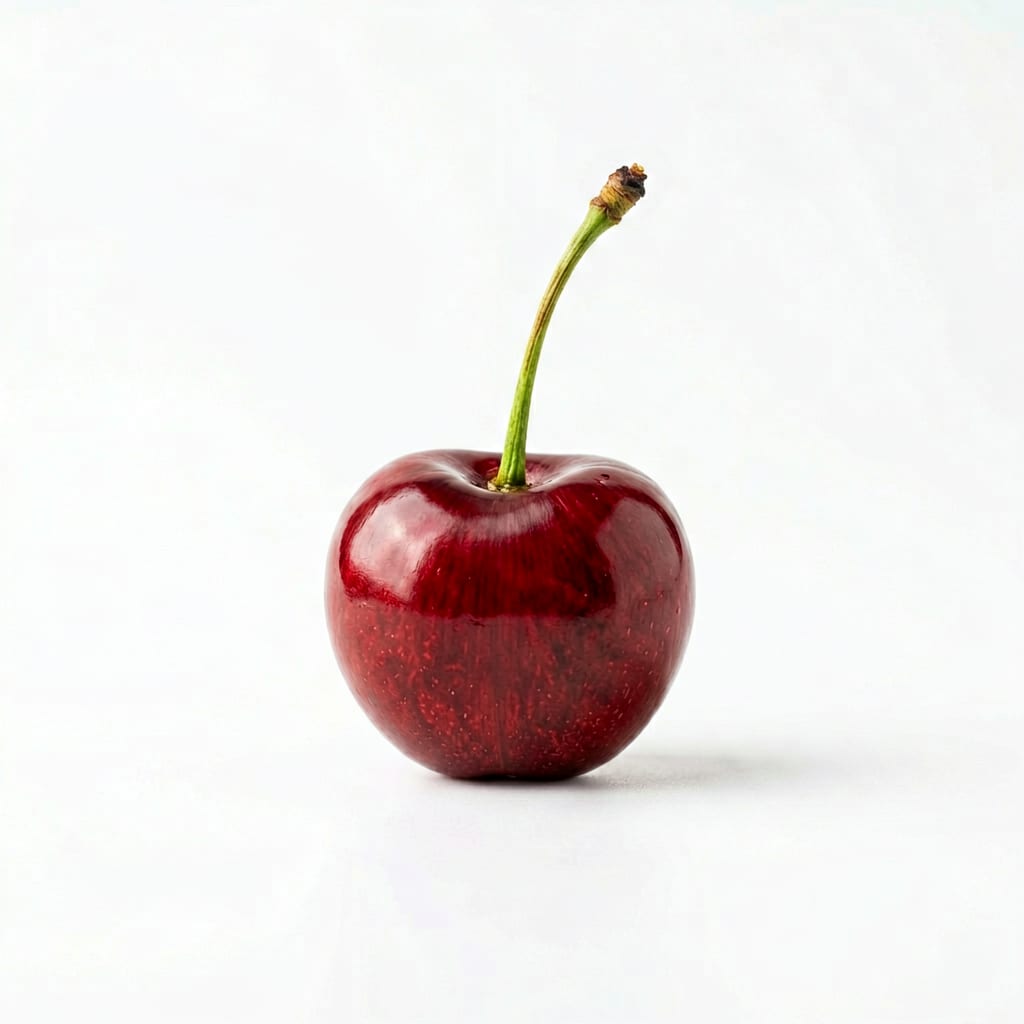
Cherry
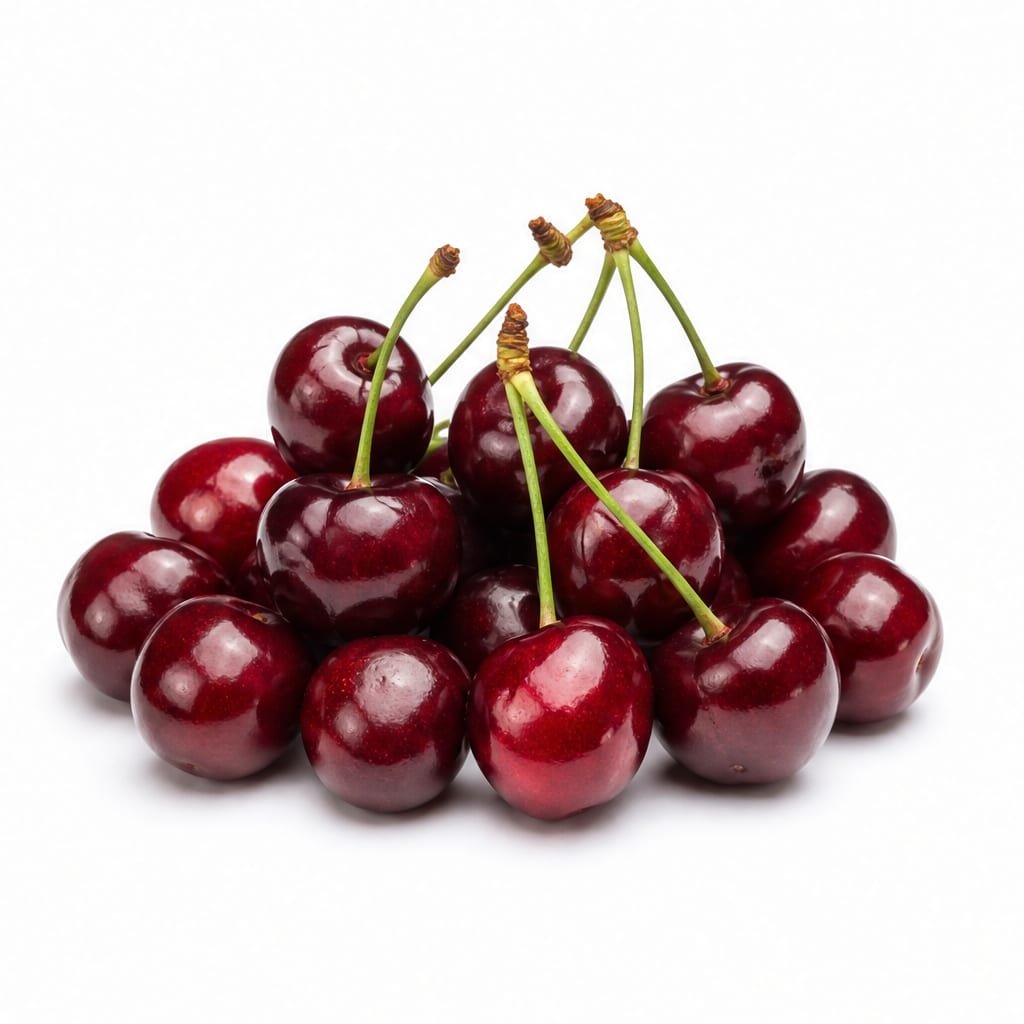
Tart Cherries
Sweet cherries win on taste and everyday enjoyment; tart cherries dominate for therapeutic benefits like inflammation reduction and sleep support.
Tart cherries score higher due to superior anti-inflammatory compounds, melatonin content, and lower sugar. Sweet cherries remain competitive because they are far more enjoyable and accessible as a daily fresh fruit.
You choose between a delicious snack fruit and a functional health tool — sweet cherries are what you want to eat, tart cherries are what you take for a purpose.
At a glance
Executive summary
Overall
It depends
Healthier
Tart Cherries
More practical
Cherry
Daily use
It depends
Key comparison lenses
anti inflammatory and recovery benefits
Tart cherries are renowned for their anti-inflammatory and exercise recovery properties, which is the primary reason people seek them over sweet cherries
sleep quality improvement
Tart cherries are one of the few natural food sources of melatonin, making sleep support a key differentiator
antioxidant density
Both are antioxidant-rich but tart cherries deliver a more concentrated dose of anthocyanins per serving
sugar content and daily sustainability
Sweet cherries contain significantly more sugar, which matters for daily consumption habits and metabolic goals
taste and enjoyment
Sweet cherries are far more palatable for fresh snacking, while tart cherries often require processing or juice form
Best choice for
Cherry
- Casual snacking and dessert enjoyment
- Family fruit bowls where taste matters most
- People who find tart flavors unpleasant
- Social settings and entertaining guests
- Kids who need palatable fruit options
Tart Cherries
- Athletes seeking faster recovery
- People struggling with sleep quality
- Those managing chronic inflammation
- Gout sufferers looking for flare-up prevention
- Anyone targeting joint health support
Least suitable for
Cherry
- People strictly limiting sugar intake
- Those seeking therapeutic anti-inflammatory doses
- Anyone using cherries specifically for sleep support
Tart Cherries
- People who cannot tolerate sour flavors
- Those wanting a casual fresh snacking fruit
- Budget-conscious shoppers (tart cherry products are pricier)
Deep comparison
Dimension by dimension
Each lens scores both foods and breaks down who each option suits.
- Dimension 1 · Priority 95Tart Cherries
Anti-Inflammatory Power
Cherry · 60Tart Cherries · 93Tart cherries deliver roughly 3x more anthocyanins than sweet cherries, making them a genuinely effective anti-inflammatory food rather than just a healthy snack.
Tradeoff
You get more therapeutic benefit from tart cherries but sacrifice the pleasant eating experience of sweet cherries.
Why it matters
Chronic inflammation drives joint pain, heart disease, and fatigue. Tart cherries are one of the few foods with clinical evidence for reducing inflammatory markers.
Real-world impact
Athletes drinking tart cherry juice report less muscle soreness after intense workouts. People with arthritis may notice reduced morning stiffness within weeks of daily consumption.
Cherry
- Mild antioxidant support from a pleasant food
Better for
- Not potent enough for therapeutic anti-inflammatory use
Worse for
Tart Cherries
- Post-exercise muscle recovery
- Joint stiffness and arthritis management
- Gout attack prevention and uric acid reduction
- General chronic inflammation reduction
Better for
- Requires consistent daily intake to see benefits
Worse for
- Dimension 2 · Priority 88Tart Cherries
Sleep and Recovery
Cherry · 35Tart Cherries · 90Tart cherries are one of the only natural food sources of melatonin and also boost tryptophan availability, directly supporting better sleep.
Tradeoff
Sweet cherries contain minimal melatonin, so if sleep support is your goal, only tart cherries deliver meaningfully.
Why it matters
Poor sleep affects everything from appetite regulation to immune function. A food-based melatonin source avoids the dependency risks of supplement pills.
Real-world impact
Drinking tart cherry juice in the evening can add 30-90 minutes of sleep time for people with insomnia, according to multiple studies.
Cherry
- General relaxation from enjoying a sweet evening snack
Better for
- No meaningful melatonin content for sleep support
Worse for
Tart Cherries
- Falling asleep faster
- Staying asleep longer
- Improving sleep quality without supplements
- Supporting circadian rhythm regulation
Better for
- Benefits require evening consumption timing
Worse for
- Dimension 3 · Priority 80Tart Cherries
Sugar Content and Blood Sugar Impact
Cherry · 55Tart Cherries · 78Sweet cherries contain roughly 50% more sugar per serving than tart cherries, making tart cherries the better choice for blood sugar management.
Tradeoff
The higher sugar in sweet cherries makes them more satisfying as a snack but less ideal for frequent consumption in large quantities.
Why it matters
Even natural fruit sugar adds up. If you eat cherries by the bowl, the sugar difference between sweet and tart becomes significant.
Real-world impact
A large bowl of sweet cherries can deliver 25-30g of sugar — equivalent to a candy bar. The same amount of tart cherries keeps you closer to 15-18g.
Cherry
- More satisfying sweet treat that curbs dessert cravings
Better for
- Easy to overeat due to sweetness, leading to excess sugar intake
Worse for
Tart Cherries
- Lower glycemic impact per serving
- Better for people monitoring blood sugar
- Easier to consume in larger portions without sugar overload
Better for
- Sourness limits natural overconsumption but also limits enjoyment
Worse for
- Dimension 4 · Priority 75Cherry
Taste and Enjoyment
Cherry · 92Tart Cherries · 45Sweet cherries are one of the most enjoyable fresh fruits available. Tart cherries are an acquired taste that most people prefer processed into juice or dried form.
Tradeoff
The better-tasting option is the less therapeutic one. You look forward to eating sweet cherries; you take tart cherry juice like medicine.
Why it matters
The best healthy food is one you actually eat consistently. Sweet cherries have zero compliance issues.
Real-world impact
Most people happily snack on sweet cherries all summer. Tart cherry juice often requires mixing with other juices or water to make it palatable.
Cherry
- Effortless daily fruit consumption
- Crowd-pleasing for families and social events
- Natural dessert replacement that feels indulgent
- No preparation needed — just wash and eat
Better for
- Sweetness can trigger cravings for more sugar
Worse for
Tart Cherries
- Can be enjoyable in smoothies with sweeter fruits
Better for
- Sour taste limits raw consumption
- Often requires juice or dried form which changes the nutritional profile
- Less appealing to children and picky eaters
Worse for
- Dimension 5 · Priority 70Cherry
Practicality and Availability
Cherry · 85Tart Cherries · 55Sweet cherries are widely available fresh in season and easy to find year-round. Tart cherries are harder to find fresh and usually sold as juice, dried, or frozen.
Tradeoff
Convenience favors sweet cherries, but the processed forms of tart cherries actually make them easier to use therapeutically.
Why it matters
If you cannot find or afford a food regularly, its health benefits become theoretical. Accessibility determines real-world impact.
Real-world impact
Sweet cherries appear in every grocery store in summer. Finding fresh tart cherries requires specialty stores or farmers markets, and their season is even shorter.
Cherry
- Available in virtually every grocery store during season
- No preparation or processing needed
- Affordable in peak summer months
- Easy to pack as a portable snack
Better for
- Limited fresh availability outside summer months
Worse for
Tart Cherries
- Juice and concentrate forms provide consistent year-round access
- Frozen tart cherries retain most nutrients for smoothies
Better for
- Fresh tart cherries are very hard to find
- Juice and concentrate forms are significantly more expensive
- Dried versions often contain added sugars
Worse for
- Dimension 6 · Priority 78Tart Cherries
Nutrient Density Per Calorie
Cherry · 65Tart Cherries · 84Tart cherries pack more vitamins, antioxidants, and bioactive compounds per calorie because they have less sugar diluting the nutritional value.
Tradeoff
You get more nutrients per bite from tart cherries but fewer calories overall, which may leave you less satisfied.
Why it matters
If you are choosing foods for maximum health benefit per calorie, tart cherries deliver more active compounds with less caloric baggage.
Real-world impact
A cup of tart cherries gives you more vitamin A, more potassium relative to sugar, and a stronger dose of the compounds that actually improve health outcomes.
Cherry
- More calories per serving can support energy needs
Better for
- Sugar calories displace some of the nutritional benefit
Worse for
Tart Cherries
- Higher concentration of anthocyanins per calorie
- More vitamin A per serving
- Better potassium-to-sugar ratio
- Stronger therapeutic compound density
Better for
- Lower calorie content means less satiety per serving
Worse for
Timeline
Health impact over time
Short-term
Hours to days
Cherry
- Quick natural energy boost from easily digestible sugars
- Pleasant mood lift from sweet taste and natural compounds
- Mild antioxidant intake from a single serving
Tart Cherries
- Noticeable reduction in post-exercise muscle soreness within hours
- Potential drowsiness or relaxation if consumed in the evening
- Immediate tart flavor may cause mild stomach sensitivity in some people
Long-term
Months to years
Cherry
- Consistent antioxidant intake supports general health
- Risk of excess sugar intake if consumed in large quantities regularly
- Enjoyable fruit habit that supports overall diet quality
Tart Cherries
- Reduced chronic inflammation markers with daily consumption
- Improved sleep architecture and duration over weeks
- Lower uric acid levels reducing gout flare frequency
- Potential for better joint mobility and reduced stiffness
Risk profile
Safety & processing
Both are whole foods when fresh. However, tart cherries are most commonly consumed as juice, concentrate, or dried — forms that often include added sugars or undergo processing that reduces fiber content. Fresh sweet cherries are almost always eaten in their natural state.
Cherry
Pesticide residue
mediumCherries consistently appear on the EWG Dirty Dozen list. Opt for organic when possible, especially for children.
Overconsumption sugar load
lowSweet taste makes it easy to eat large quantities, leading to unexpected sugar intake of 30-40g in a single sitting.
Tart Cherries
Added sugars in processed forms
mediumDried tart cherries and many tart cherry juices contain significant added sugars. Always check labels — some juices have 25g+ added sugar per serving.
Pesticide residue
mediumSame pesticide concerns as sweet cherries when consumed fresh. Juice concentrates may have higher concentration of any residues.
Sorbitol content
lowTart cherries contain sorbitol which can cause digestive discomfort in sensitive individuals, especially in juice form.
Who wins for whom
Audience fit
Same foods, different winners depending on your goal.
children
CherryKids overwhelmingly prefer the sweet taste of regular cherries, making them a practical way to encourage fruit consumption.
daily consumption
It dependsSweet cherries for enjoyable daily snacking; tart cherry juice for targeted daily therapeutic use. They serve different daily roles.
diabetes
Tart CherriesLower sugar content and a more favorable glycemic profile make tart cherries the safer choice, though both should be consumed in mindful portions.
elderly
Tart CherriesThe anti-inflammatory, sleep-supporting, and joint-health benefits of tart cherries directly address common age-related concerns.
muscle gain
Tart CherriesTart cherry juice is clinically shown to reduce exercise-induced muscle damage and accelerate recovery, directly supporting training volume.
weight loss
Tart CherriesLower sugar and calorie content per serving makes tart cherries easier to fit into a calorie deficit, especially in juice form as a small daily dose.
Your move
Decision guide
Choose Cherry
- You want a delicious fresh fruit you actually look forward to eating
- You are feeding a family and need broad appeal
- You struggle to eat enough fruit and need something enjoyable
- You want a natural sweet treat to replace desserts
- You have no specific inflammatory or sleep concerns
Choose Tart Cherries
- You exercise intensely and want faster recovery
- You have trouble falling or staying asleep
- You deal with joint pain, arthritis, or gout
- You want a concentrated anti-inflammatory food tool
- You are comfortable consuming it as juice or concentrate rather than fresh fruit
Either works if
- You simply want more antioxidant-rich fruit in your diet
- You enjoy both and can rotate based on season and availability
- You are generally healthy and have no specific therapeutic goals
Avoid both if
- You have a cherry allergy or birch pollen allergy that cross-reacts
- You are on a very strict low-sugar or ketogenic diet
- You are sensitive to sorbitol and experience digestive distress from stone fruits
Final recommendation
The smartest approach is using both strategically: eat sweet cherries as your enjoyable daily fruit in season, and take tart cherry juice or concentrate as a targeted supplement for recovery and sleep. This gives you the pleasure of sweet cherries and the therapeutic power of tart cherries without forcing an either-or choice.
Practical
Consumer tips
- 1
If buying tart cherry juice, look for 100% pure juice with no added sugar — many popular brands add 20g+ of sugar per serving
- 2
Sweet cherry season runs May through August; tart cherry season is even shorter, typically just June through July
- 3
Frozen tart cherries retain nearly all their antioxidants and are often more affordable and available than fresh
- 4
If using tart cherry juice for sleep, drink it 30-60 minutes before bed for best results
- 5
Buy organic cherries when possible — both varieties rank high for pesticide residue on conventional farms
- 6
Dried tart cherries sound healthy but often contain more added sugar than you expect — check the ingredient list
- 7
A standard therapeutic dose of tart cherry juice is 8oz daily, which delivers meaningful anti-inflammatory benefits without excessive calories