
Nutrition comparison
Cherries vs Grapes: Which Fruit Is Healthier for You?
Cherries have half the sugar of grapes, stronger anti-inflammatory benefits, and built-in portion control. See the full nutritional comparison and find out which fruit fits your goals.
Overall winner · Cherry
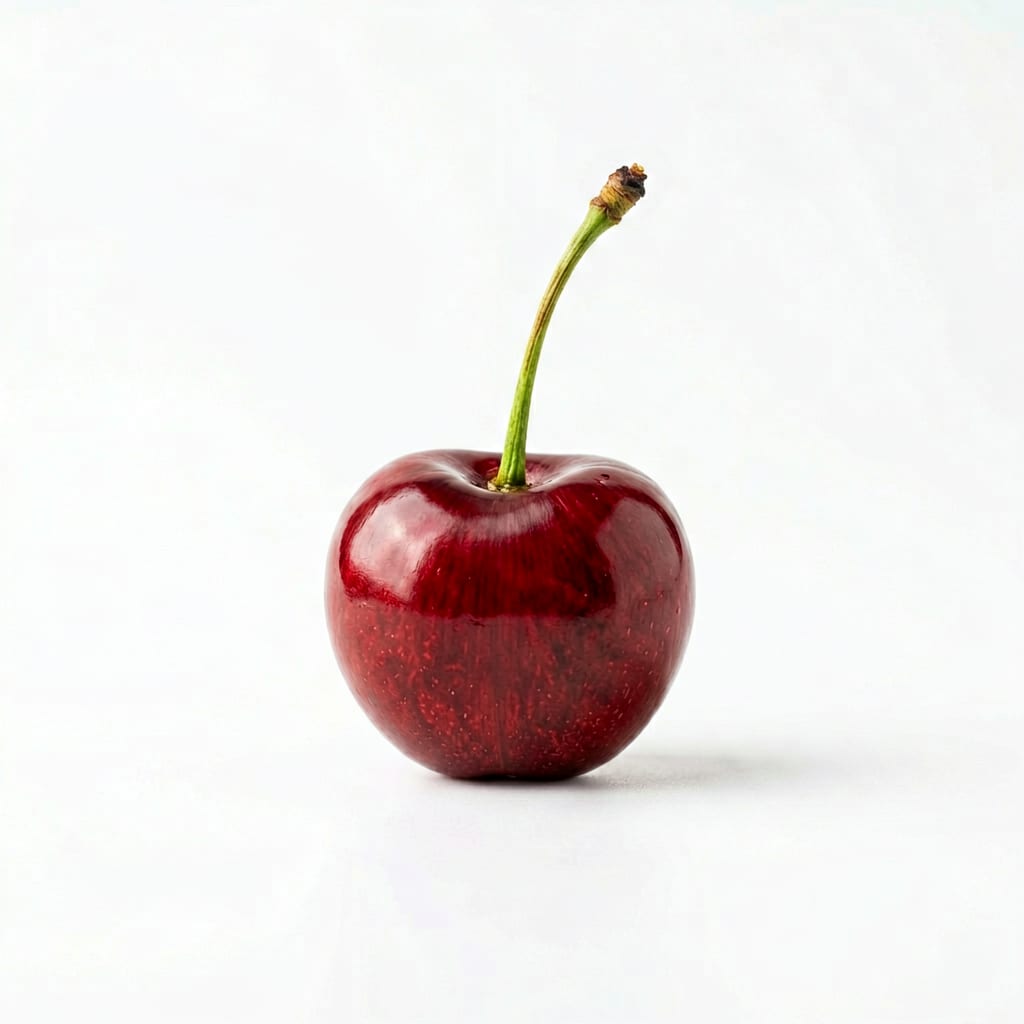
Cherry
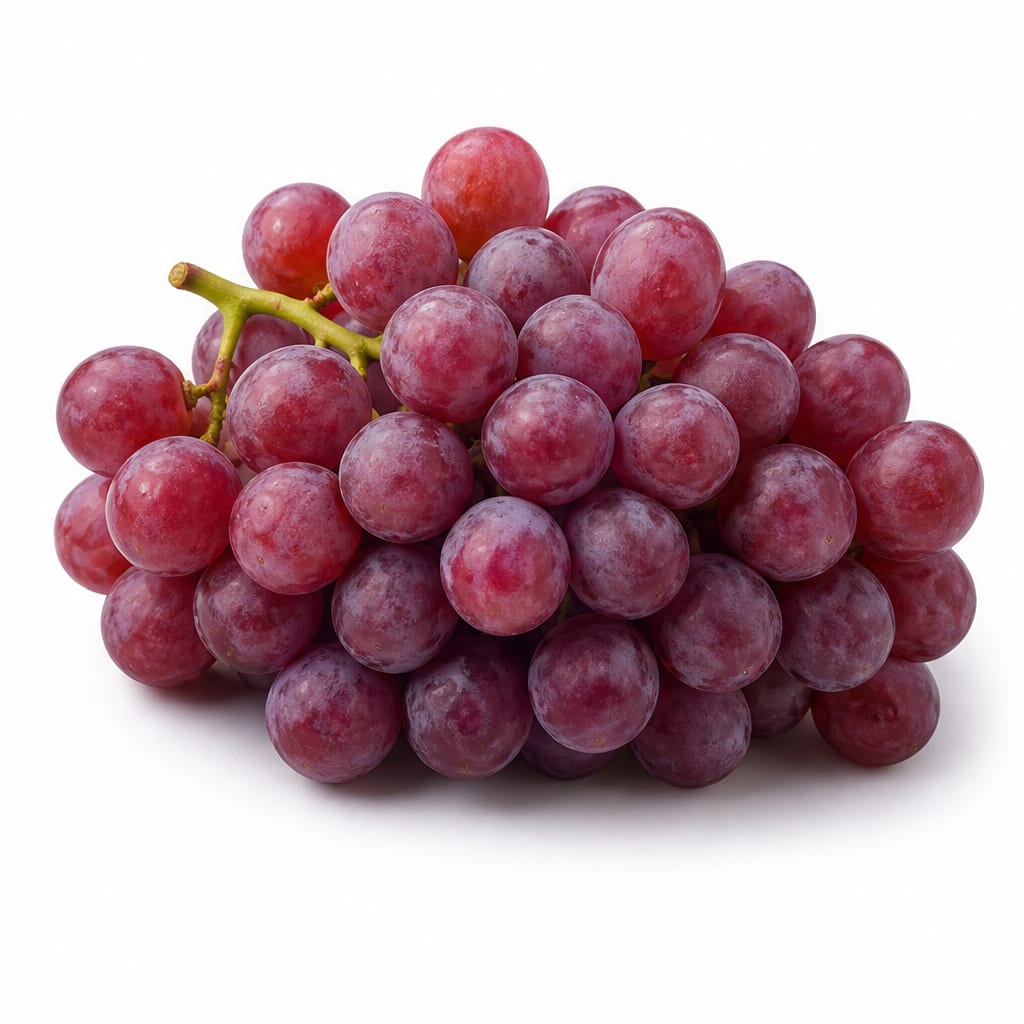
Grapes
Cherries win on sugar control, anti-inflammatory power, and built-in portion control. Grapes win on convenience and ease of eating.
Cherries score notably higher due to lower sugar, stronger anti-inflammatory evidence, and natural portion control. Grapes lose ground on sugar content and overeating risk, though they gain points for convenience.
Cherries are the healthier choice per bite, but grapes are the easier snack to grab and share. The sugar gap is significant — grapes have roughly double the sugar content.
At a glance
Executive summary
Overall
Cherry
Healthier
Cherry
More practical
Grapes
Daily use
Cherry
Key comparison lenses
sugar and blood sugar impact
Grapes are notably higher in sugar with a higher glycemic index, making blood sugar response the single biggest differentiator between these two fruits
anti inflammatory and recovery benefits
Cherries are uniquely rich in anthocyanins and melatonin, studied specifically for reducing inflammation, gout flares, and aiding exercise recovery
portion control and overeating risk
Grapes are extremely easy to overeat due to small size and high sweetness; cherry pits naturally slow consumption
pesticide exposure
Both appear on the Dirty Dozen list but grapes consistently rank higher for pesticide residue concerns
everyday snacking practicality
Grapes require no pit removal and are easier to grab on the go, while cherries need spitting or pitting
Best choice for
Cherry
- People managing blood sugar or diabetes risk
- Athletes seeking natural anti-inflammatory recovery
- Anyone prone to gout attacks
- People who struggle with portion control on sweet foods
- Those looking for better sleep support
Grapes
- Busy people needing a zero-prep snack
- Kids who cannot handle pits safely
- Office snacking where spitting pits is impractical
- Sharing at parties or gatherings
- Quick pre-workout energy
Least suitable for
Cherry
- Children under 4 due to choking hazard from pits
- On-the-go snacking while driving or walking
- Large gatherings where pit disposal is inconvenient
Grapes
- People with insulin resistance or prediabetes
- Anyone trying to limit sugar intake
- Those prone to mindless overeating
Deep comparison
Dimension by dimension
Each lens scores both foods and breaks down who each option suits.
- Dimension 1 · Priority 92Cherry
sugar_and_blood sugar_stability
Cherry · 82Grapes · 48Cherries have roughly half the sugar of grapes and a glycemic index of 22 versus grapes at roughly 45-53.
Tradeoff
Grapes provide quicker energy but at the cost of a sharper blood sugar rise. Cherries deliver steadier, gentler energy.
Why it matters
If you are watching blood sugar, this is the most important difference between these two fruits. Grapes can spike glucose noticeably, especially eaten in large handfuls.
Real-world impact
A bowl of grapes can leave you hungry again within 30 minutes. Cherries satisfy sweetness cravings without the crash.
Cherry
- Steady energy without afternoon crashes
- Diabetes prevention and blood sugar management
- Avoiding sugar-driven hunger cycles
Better for
- Not ideal when you need fast-acting carbohydrates
Worse for
Grapes
- Quick carb energy before exercise
- Immediate blood sugar recovery after intense activity
Better for
- Easy to overshoot sugar intake without realizing
- Can trigger cravings rather than satisfy them
Worse for
- Dimension 2 · Priority 88Cherry
anti_inflammatory_and_recovery
Cherry · 91Grapes · 55Cherries are one of the most anti-inflammatory fruits available, with strong clinical evidence for reducing inflammation, gout, and exercise-induced muscle damage.
Tradeoff
Grapes offer some antioxidants from resveratrol, but cherries have far more research-backed anti-inflammatory benefits.
Why it matters
If you deal with joint pain, gout, or post-workout soreness, cherries are functionally a recovery food. Grapes are simply a sweet fruit.
Real-world impact
Runners and athletes who drink tart cherry juice report measurably less soreness. Grapes cannot replicate this effect.
Cherry
- Reducing gout attack frequency
- Faster recovery after intense exercise
- Managing chronic inflammation and joint stiffness
- Better sleep quality from natural melatonin
Better for
- Tart cherry varieties needed for strongest effects, not sweet cherries alone
Worse for
Grapes
- Mild cardiovascular benefits from resveratrol in red grapes
Better for
- Resveratrol content is concentrated in skins and seeds, which most people do not eat
Worse for
- Dimension 3 · Priority 85Cherry
portion_control_and_overeating_risk
Cherry · 80Grapes · 35Cherry pits force you to eat slowly. Grapes are dangerously easy to eat by the pound without noticing.
Tradeoff
Grapes are effortless to eat, which is both their greatest convenience and their biggest risk. Cherries have a natural speed bump built in.
Why it matters
A casual grape snacking session can easily deliver 300+ calories and 60+ grams of sugar before you stop. Cherries make overconsumption physically harder.
Real-world impact
That bowl of grapes on the counter disappears fast. The bag of cherries lasts longer because each one requires effort.
Cherry
- Built-in eating speed limit from pits
- Harder to accidentally consume excessive sugar
- More mindful snacking experience
Better for
- Pits are annoying when you want a quick handful
Worse for
Grapes
- No effort required to eat, which is great when convenience matters most
Better for
- Very high risk of mindless overeating
- Easy to consume 3-4 servings without feeling full
Worse for
- Dimension 4 · Priority 78Cherry
pesticide_and_contamination_risk
Cherry · 58Grapes · 42Both fruits carry significant pesticide residues, but grapes consistently test with more and higher residues. Both should be bought organic when possible.
Tradeoff
Neither fruit is clean from a pesticide perspective. Grapes are worse, but cherries are not great either unless organic.
Why it matters
If you eat these fruits frequently, pesticide exposure accumulates. This is one area where organic genuinely matters for both.
Real-world impact
Conventionally grown grapes are among the most pesticide-contaminated fruits in the produce aisle. Cherries are not far behind.
Cherry
- Slightly lower pesticide residue levels on average
- Thicker skin provides marginally more barrier
Better for
- Still on the Dirty Dozen list most years
Worse for
Grapes
- Organic grapes are widely available and affordable
Better for
- Consistently ranks among top pesticide-laden fruits
- Thin skin absorbs and retains more spray
Worse for
- Dimension 5 · Priority 72Grapes
convenience_and_practicality
Cherry · 40Grapes · 88Grapes are grab-and-go with no waste. Cherries require pit management, which limits where and how you can eat them.
Tradeoff
Convenience favors grapes heavily. But that same convenience enables overeating, so the tradeoff cuts both ways.
Why it matters
In real life, people reach for what is easy. Grapes win the convenience test so decisively that they get eaten more often, which is not always good.
Real-world impact
You can eat grapes at your desk, in the car, or walking down the street. Cherries require a trash bin for pits and attention to avoid swallowing one.
Cherry
- More intentional eating experience
- Pits slow you down, which aids digestion
Better for
- Not safe or practical for toddlers
- Pits are inconvenient at desks and in cars
- Staining potential on clothes and surfaces
Worse for
Grapes
- Zero prep, zero mess snacking
- Easy to pack in lunchboxes
- Great for sharing at social events
- No choking hazard for older children
Better for
- Convenience makes it too easy to eat large quantities
Worse for
- Dimension 6 · Priority 68Cherry
antioxidant_diversity
Cherry · 84Grapes · 65Cherries offer a broader and more clinically studied antioxidant profile, including anthocyanins, melatonin, and vitamin C. Grapes contribute resveratrol but less overall diversity.
Tradeoff
Red and purple grapes provide resveratrol, which cherries lack. But cherries deliver more total antioxidant types with stronger health evidence.
Why it matters
Antioxidant diversity matters more than any single compound. Cherries cover more bases, especially for inflammation and sleep.
Real-world impact
Cherries work harder for your body per calorie. Grapes give you one notable compound but less total protective benefit.
Cherry
- Anthocyanins with proven anti-inflammatory effects
- Natural melatonin for sleep support
- Broader range of protective plant compounds
Better for
- Sweet cherries have fewer anthocyanins than tart varieties
Worse for
Grapes
- Resveratrol in red and purple varieties supports heart health
- Quercetin and catechins add modest antioxidant value
Better for
- Most resveratrol is in the skin and seeds, which people discard
Worse for
Timeline
Health impact over time
Short-term
Hours to days
Cherry
- Gentle blood sugar rise without sharp spikes
- Natural melatonin may promote drowsiness if eaten in the evening
- Satiety from fiber and pit-slowed eating pace
Grapes
- Noticeable blood sugar rise, especially if eaten in large amounts
- Quick energy boost that fades within 30-45 minutes
- Low satiety per calorie — easy to keep eating without feeling full
Long-term
Months to years
Cherry
- Reduced gout attack frequency with regular consumption
- Lower cumulative sugar exposure compared to grapes
- Anti-inflammatory compounds may protect joints and muscles over time
- Better sleep patterns from consistent melatonin intake
Grapes
- Higher cumulative sugar intake if eaten frequently in large portions
- Resveratrol may offer modest cardiovascular benefits with regular consumption
- Pesticide exposure risk is higher if conventionally grown grapes are eaten daily
Risk profile
Safety & processing
Both cherries and grapes are whole, unprocessed fruits when eaten fresh. Neither contains added ingredients. The main concern is pesticide residues from conventional farming, not processing.
Cherry
Pesticide residues
mediumCherries frequently appear on the Environmental Working Group's Dirty Dozen list. Washing helps but does not eliminate all residues. Buy organic when possible.
Choking hazard from pits
mediumCherry pits pose a real choking risk for children under 4 and can crack teeth if bitten accidentally. Always supervise young children eating cherries.
Cyanogenic compounds in pits
lowCherry pits contain amygdalin, which releases cyanide when crushed. Accidentally swallowing a whole pit is harmless, but intentionally crushing and eating many pits could be dangerous.
Grapes
Pesticide residues
highGrapes are consistently among the most pesticide-contaminated fruits. Thin skins absorb and retain sprays. Organic is strongly recommended for frequent consumption.
Mold and fungal contamination
mediumGrapes spoil quickly and can develop mold within days. Damaged or soft grapes should be discarded immediately to avoid mycotoxin exposure.
Overconsumption leading to sugar excess
mediumNot a traditional safety risk, but the ease of eating large quantities can lead to excessive sugar intake that has real metabolic consequences over time.
Who wins for whom
Audience fit
Same foods, different winners depending on your goal.
children
GrapesGrapes are safer and easier for children to eat, though they should be cut in half for kids under 4. Cherry pits are a choking hazard for young children.
daily consumption
CherryLower sugar, stronger anti-inflammatory benefits, and better portion control make cherries the safer daily habit. Grapes are fine in moderation but risk excess sugar if eaten daily in typical portions.
diabetes
CherryCherries have a glycemic index of roughly 22 compared to grapes at 45-53. The sugar difference is substantial and clinically meaningful for blood sugar management.
elderly
CherryCherries offer anti-inflammatory benefits that are particularly valuable for aging joints, and their lower sugar content suits slower metabolisms. Pit removal may require assistance for those with dexterity issues.
muscle gain
GrapesGrapes provide faster carbohydrates that can support glycogen replenishment after training. Neither fruit is a significant protein source.
weight loss
CherryCherries have fewer calories per serving, less sugar, and built-in portion control from pits. Grapes are easy to overeat, which undermines calorie goals.
Your move
Decision guide
Choose Cherry
- You are watching your blood sugar or have diabetes risk factors
- You want anti-inflammatory benefits for joints or exercise recovery
- You struggle with portion control on sweet foods
- You deal with gout or high uric acid
- You want a sleep-friendly evening snack
Choose Grapes
- You need quick pre-workout or mid-afternoon energy
- You are packing snacks for kids who cannot handle pits
- You want an effortless sharing fruit for gatherings
- You are physically active and not concerned about sugar intake
- You find cherries too tart or not sweet enough to enjoy
Either works if
- You want a hydrating whole fruit snack and have no blood sugar concerns
- You rotate fruits regularly and eat both in moderation
- You buy organic for either and wash thoroughly
Avoid both if
- You are on a very low-carb or ketogenic diet, as both contain significant natural sugars
- You have a fructose intolerance or malabsorption issue
- You cannot access organic versions and are concerned about pesticide exposure
Final recommendation
Cherries are the healthier choice for most people most of the time. Their lower sugar, stronger anti-inflammatory properties, and natural portion control give them a meaningful edge. Grapes are not unhealthy, but their high sugar and overeating risk make them a fruit to enjoy deliberately rather than mindlessly. If you choose grapes, pre-portion them into a small bowl instead of eating from the bag.
Practical
Consumer tips
- 1
Buy organic for both fruits whenever possible — they are consistently high in pesticide residues
- 2
Wash both thoroughly under running water even if organic
- 3
Pre-portion grapes into small bags or containers to avoid mindless overeating
- 4
Freeze grapes for a refreshing slow-eat snack that naturally limits consumption speed
- 5
Choose dark sweet cherries over light varieties for more antioxidants
- 6
Tart cherry juice or dried tart cherries deliver stronger anti-inflammatory effects than fresh sweet cherries alone
- 7
Never swallow cherry pits, and keep pitted cherries away from children under 4
- 8
Store grapes with airflow and check daily for mold — one bad grape spreads quickly