
Nutrition comparison
Cherry vs Blueberries: Which Berry Is Better for Daily Health?
Compare cherries and blueberries on sugar, antioxidants, sleep benefits, and convenience. Find out which fruit fits your health goals and daily routine better.
Overall winner · Blueberries
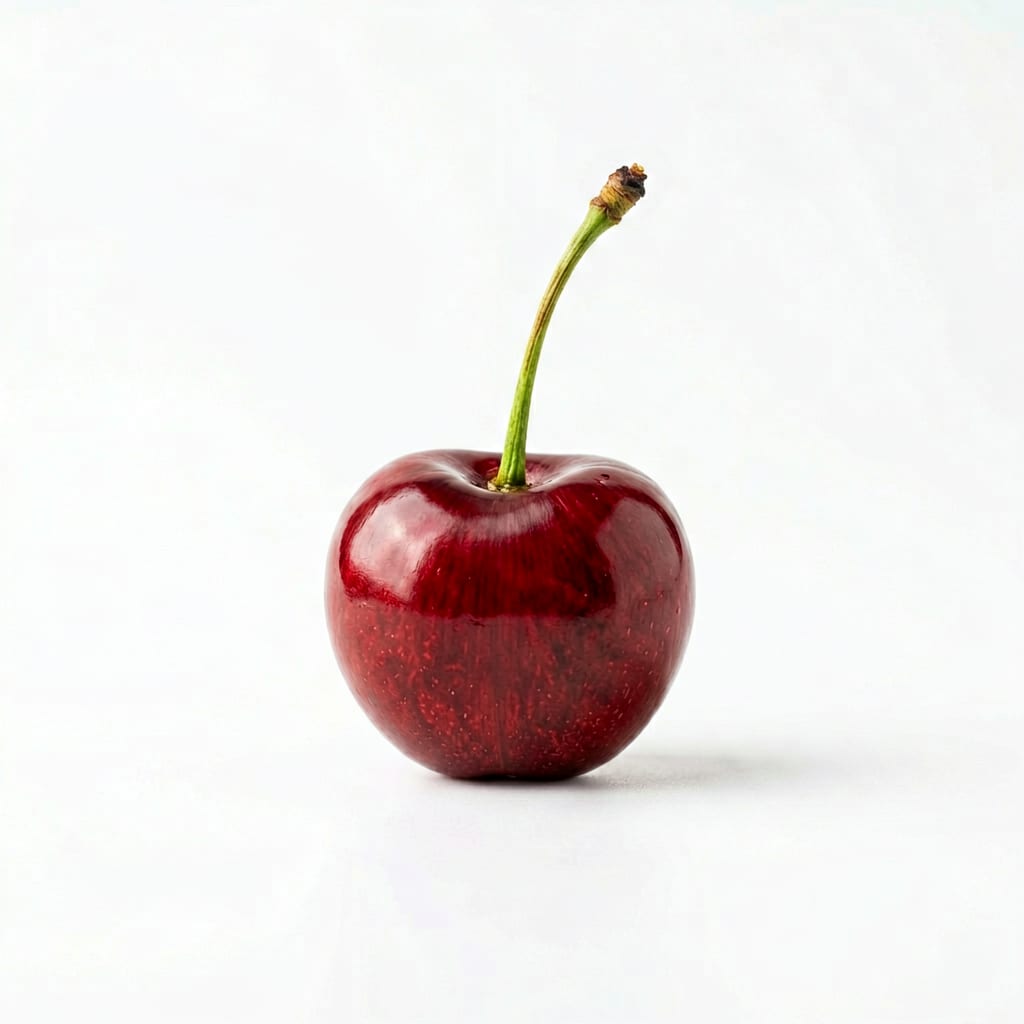
Cherry
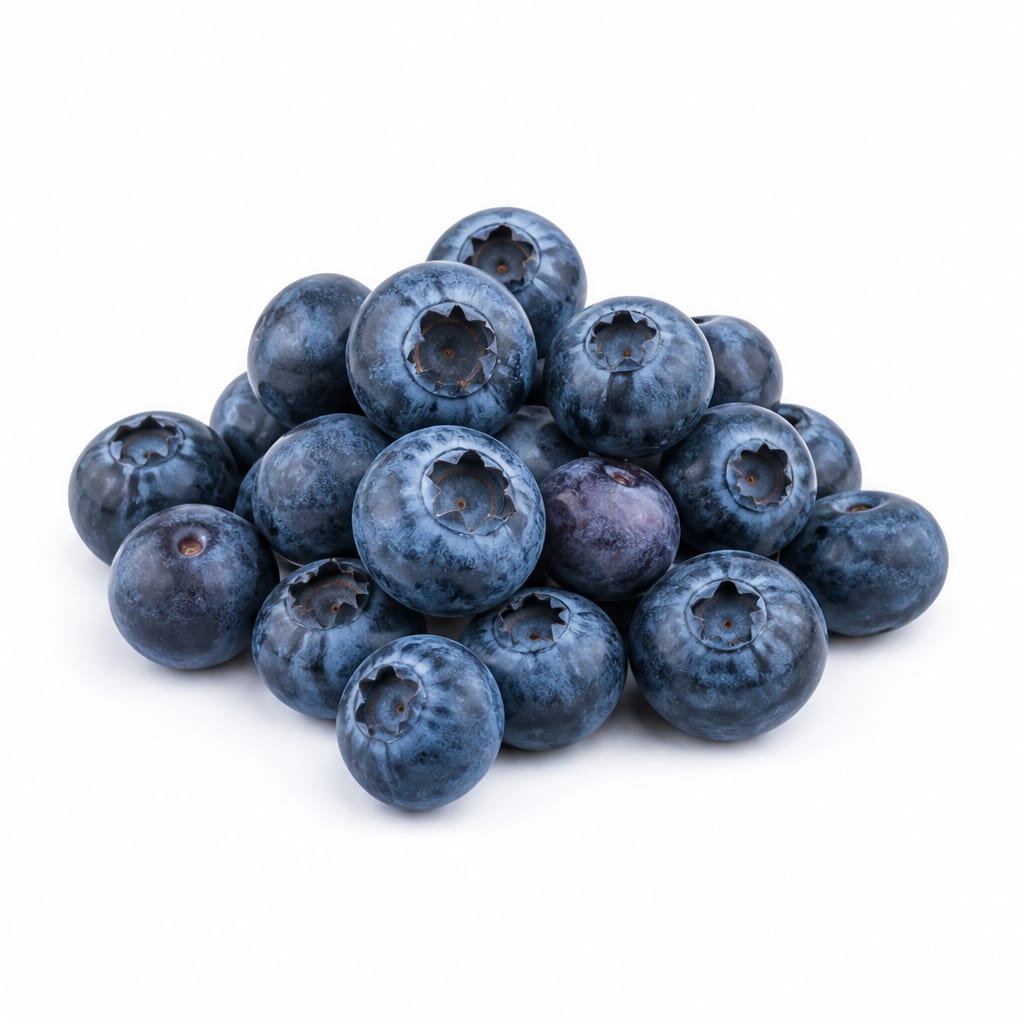
Blueberries
Blueberries edge ahead for daily eating thanks to lower sugar, easier convenience, and broader antioxidant coverage. Cherries win for sleep support and post-exercise recovery but their pits and higher sugar make them less practical as an everyday staple.
Blueberries score higher due to superior convenience, lower sugar load, and more consistent daily usability. Cherries lose ground on practicality and sugar content but remain nutritionally excellent for specific use cases like sleep and recovery.
Cherries offer unique melatonin and anti-inflammatory benefits but cost more sugar and convenience. Blueberries deliver steadier nutrition with far less hassle.
At a glance
Executive summary
Overall
Blueberries
Healthier
Blueberries
More practical
Blueberries
Daily use
Blueberries
Key comparison lenses
antioxidant density
Both fruits are antioxidant powerhouses but through different compounds, making this the headline comparison
sugar and blood impact
Cherries carry noticeably more sugar per serving, which matters for daily snacking habits
convenience and practicality
Pits make cherries harder to eat on the go or toss into recipes
anti inflammatory and recovery
Tart cherry compounds are studied for exercise recovery and joint health
pesticide exposure
Cherries consistently rank high on pesticide residue lists while blueberries fare better
sleep and melatonin
Cherries are one of the few natural melatonin sources, a unique advantage
Best choice for
Cherry
- Post-workout recovery and muscle soreness
- Improving sleep quality naturally
- Joint inflammation and gout management
- Potassium-boosting snack needs
Blueberries
- Daily antioxidant intake without sugar spikes
- Convenient on-the-go snacking
- Brain health and cognitive aging support
- Mixing into oatmeal, yogurt, or smoothies effortlessly
Least suitable for
Cherry
- Strict low-sugar diets
- Quick grab-and-go snacking needs
- Recipes requiring uniform mixing without prep
- Budget-conscious weekly meal prep
Blueberries
- Targeted sleep improvement goals
- Post-exercise inflammation recovery
- Situations craving a more satisfying larger fruit bite
Deep comparison
Dimension by dimension
Each lens scores both foods and breaks down who each option suits.
- Dimension 1 · Priority 92Blueberries
antioxidant_diversity
Cherry · 82Blueberries · 90Blueberries provide a wider range of anthocyanins across more varieties, while cherries concentrate heavily on cyanidin and melatonin-related compounds.
Tradeoff
Cherries go deeper on specific anti-inflammatory pathways. Blueberries cast a wider protective net across more oxidative stress types.
Why it matters
Broader antioxidant coverage supports brain aging, vascular health, and cellular defense simultaneously rather than targeting one system.
Real-world impact
Eating blueberries daily is like taking a broad-spectrum shield. Cherries are more like a targeted remedy for inflammation and sleep.
Cherry
- Targeted inflammation reduction
- Exercise recovery antioxidant support
- Sleep-related oxidative repair
Better for
- Situations needing broad-spectrum daily coverage
Worse for
Blueberries
- Long-term cognitive protection
- General cellular defense variety
- Cardiovascular antioxidant coverage
Better for
- Acute recovery scenarios needing concentrated specific compounds
Worse for
- Dimension 2 · Priority 78Blueberries
sugar_and_blood_stability
Cherry · 65Blueberries · 82Cherries contain roughly 50% more sugar per cup than blueberries, making them more likely to cause subtle energy dips in sensitive people.
Tradeoff
Cherries taste sweeter and feel more like a treat, but that sweetness comes with a higher glycemic cost.
Why it matters
A cup of cherries packs around 18g of sugar versus 15g in blueberries. Over daily snacking, that difference adds up and affects cravings.
Real-world impact
Blueberries let you snack a full cup without much blood sugar drama. Cherries may leave you reaching for more food sooner after.
Cherry
- Satisfying a sweet tooth without turning to candy
- Pre-workout quick energy
Better for
- Blood sugar management diets
- Late-night snacking when sugar matters more
Worse for
Blueberries
- Steady afternoon snacking without crashes
- Diabetes-friendly fruit choices
- Managing sugar intake without giving up fruit
Better for
- Moments when you really want something sweet and satisfying
Worse for
- Dimension 3 · Priority 75Blueberries
convenience_and_versatility
Cherry · 55Blueberries · 90Blueberries are ready to eat and blend into anything. Cherries require pitting, stain easily, and add prep time to every use.
Tradeoff
Cherries reward effort with richer flavor and unique nutrients. Blueberries remove all friction from healthy eating.
Why it matters
Convenience is the single biggest predictor of whether people actually eat healthy food consistently.
Real-world impact
You can dump blueberries into yogurt, oatmeal, or a smoothie in seconds. Cherries demand a pit remover and stain your fingers and cutting boards.
Cherry
- Dessert presentations where appearance matters
- Enjoying fruit as a mindful eating experience
Better for
- Quick breakfast assembly
- Eating while working or commuting
Worse for
Blueberries
- Busy morning meal prep
- Smoothie and baking recipes
- Office desk snacking
- Kids lunchboxes
Better for
- Occasions where the ritual of preparing fruit feels rewarding
Worse for
- Dimension 4 · Priority 70Cherry
sleep_and_recovery
Cherry · 88Blueberries · 55Cherries are one of the only natural food sources of melatonin and have strong evidence for reducing exercise-induced inflammation.
Tradeoff
This is cherries' standout superpower. Blueberries cannot replicate this benefit no matter how many you eat.
Why it matters
Natural melatonin from cherries can measurably improve sleep onset and duration without supplements.
Real-world impact
A bowl of cherries in the evening can help you fall asleep faster. Tart cherry juice is used by athletes specifically for recovery.
Cherry
- Evening snack for better sleep
- Post-marathon or intense workout recovery
- Managing gout flare-ups
- Reducing delayed-onset muscle soreness
Better for
- Morning meals where melatonin is counterproductive
Worse for
Blueberries
- Morning antioxidant loading
Better for
- Any sleep or recovery focused nutrition plan
Worse for
- Dimension 5 · Priority 65Blueberries
pesticide_and_contamination_risk
Cherry · 58Blueberries · 75Cherries consistently appear on the EWG Dirty Dozen list with high pesticide residue. Blueberries have lower but still notable residue levels.
Tradeoff
Both fruits benefit from organic purchasing, but cherries carry meaningfully higher risk when conventionally grown.
Why it matters
Pesticide exposure from cherries is among the highest of all fruits tested, making organic selection much more important.
Real-world impact
If you eat cherries daily, budget for organic. Blueberries are safer conventionally but organic is still preferable.
Cherry
- Access to organic or farmers market sources
Better for
- Budget-limited shoppers buying conventional
Worse for
Blueberries
- Conventional purchase when organic is unavailable
- Consistent daily consumption without high pesticide worry
Better for
- Situations where organic is equally accessible for both
Worse for
- Dimension 6 · Priority 60Blueberries
nutrient_density_per_calorie
Cherry · 72Blueberries · 80Blueberries deliver more fiber and vitamin K per calorie, while cherries offer more potassium and vitamin C but at a higher sugar cost.
Tradeoff
Cherries provide nutrients that are harder to get from other fruits. Blueberries give you more overall nutrition per unit of sugar consumed.
Why it matters
When calories and sugar are limited, you want the most nutritional return per bite.
Real-world impact
A cup of blueberries gives you solid fiber and bone-supporting vitamin K with less sugar. Cherries give you heart-helpful potassium but with more sweetness attached.
Cherry
- Potassium supplementation through food
- Vitamin C boosting alongside fruit enjoyment
Better for
- Calorie-restricted nutrition optimization
Worse for
Blueberries
- Fiber optimization per calorie
- Vitamin K intake for bone and blood health
- Maximizing nutrients within sugar limits
Better for
- Potassium-focused dietary needs
Worse for
Timeline
Health impact over time
Short-term
Hours to days
Cherry
- Quick natural energy from higher sugar content
- Melatonin intake may cause drowsiness if eaten in morning
- Satiety from larger fruit size and chewing effort
- Potential digestive comfort from potassium and fiber
Blueberries
- Steady energy without noticeable sugar spikes
- Easy digestion with minimal gastrointestinal load
- Light feeling that does not weigh down meals
- Rapid antioxidant absorption into bloodstream
Long-term
Months to years
Cherry
- Improved sleep patterns with regular evening consumption
- Reduced exercise-related inflammation and joint stiffness
- Higher cumulative sugar intake if used as daily snack
- Potential gout management support from anthocyanins
Blueberries
- Stronger cognitive aging protection from diverse anthocyanins
- Better blood sugar regulation with consistent daily use
- Cardiovascular benefits from fiber and antioxidant synergy
- Lower lifetime pesticide exposure compared to cherry habits
Risk profile
Safety & processing
Both cherries and blueberries are whole natural fruits with minimal processing concerns. The main difference is that frozen blueberries retain nutrients exceptionally well, while frozen cherries often include added sugars in commercial products.
Cherry
Pesticide residue
highCherries rank consistently in the EWG Dirty Dozen. Conventional cherries frequently show multiple pesticide residues per sample.
Pit choking hazard
mediumCherry pits pose a real choking risk for young children and can crack teeth if bitten accidentally.
Cyanide compound in pits
lowCherry pits contain amygdalin which releases cyanide when crushed. Swallowing a whole pit is harmless but cracked pits should not be consumed.
Blueberries
Pesticide residue
mediumBlueberries have moderate pesticide levels, better than cherries but still significant enough to prefer organic when possible.
Mold and spoilage
lowBlueberries spoil quickly and can harbor mold not always visible. Inspect carefully before eating and refrigerate promptly.
Who wins for whom
Audience fit
Same foods, different winners depending on your goal.
children
BlueberriesNo choking hazard from pits, easier for small hands to eat, and milder flavor that kids accept more readily.
daily consumption
BlueberriesConvenience, lower sugar, and broader antioxidant coverage make blueberries the more sustainable daily habit.
diabetes
BlueberriesLower sugar content and glycemic impact make blueberries the safer regular choice for blood sugar management.
elderly
BlueberriesBrain health benefits, easier to eat without dental concerns, and no pit risk for those with swallowing difficulties.
muscle gain
CherryCherries provide more potassium for muscle function and their anti-inflammatory compounds support recovery between training sessions.
weight loss
BlueberriesLower sugar and calorie density per cup make blueberries easier to fit into a deficit without triggering cravings.
Your move
Decision guide
Choose Cherry
- You struggle with sleep and want a natural melatonin source
- You are an athlete focused on recovery and reducing muscle soreness
- You manage gout or joint inflammation and need dietary support
- You enjoy mindful fruit eating and do not mind the prep work
- You have reliable access to organic cherries at reasonable prices
Choose Blueberries
- You want a no-prep daily fruit you can eat every single morning
- You are watching sugar intake but still want flavorful fruit
- You need a versatile berry for smoothies, baking, and yogurt
- You are feeding kids and need safe convenient fruit options
- You want the best brain-health fruit for long-term cognitive support
Either works if
- You simply want more fruit variety in your diet
- You are not dealing with specific health conditions that favor one over the other
- You can afford organic versions of both and want antioxidant diversity
Avoid both if
- You have a severe salicylate sensitivity
- You are on an extremely low-carb ketogenic diet
- You have fructose malabsorption issues that trigger symptoms from most fruits
Final recommendation
Keep blueberries as your daily staple fruit for their convenience, lower sugar, and broad antioxidant benefits. Add cherries strategically in the evening for sleep support or after intense exercise for recovery. This combination gives you the best of both worlds without overloading sugar or sacrificing either fruit's unique strengths.
Practical
Consumer tips
- 1
Buy organic cherries whenever possible due to high pesticide residues on conventional ones
- 2
Freeze blueberries in bulk when in season for year-round use at lower cost
- 3
Use a cherry pitter if eating cherries regularly to save time and avoid stained hands
- 4
Tart cherry juice concentrate delivers recovery benefits in a more practical form than whole cherries
- 5
Wash blueberries only right before eating to prevent mold and extend shelf life
- 6
Mix both fruits together for a bowl that covers sleep support, brain health, and broad antioxidant protection
- 7
Avoid frozen cherry products with added sugars which negate much of the health benefit