
Legume
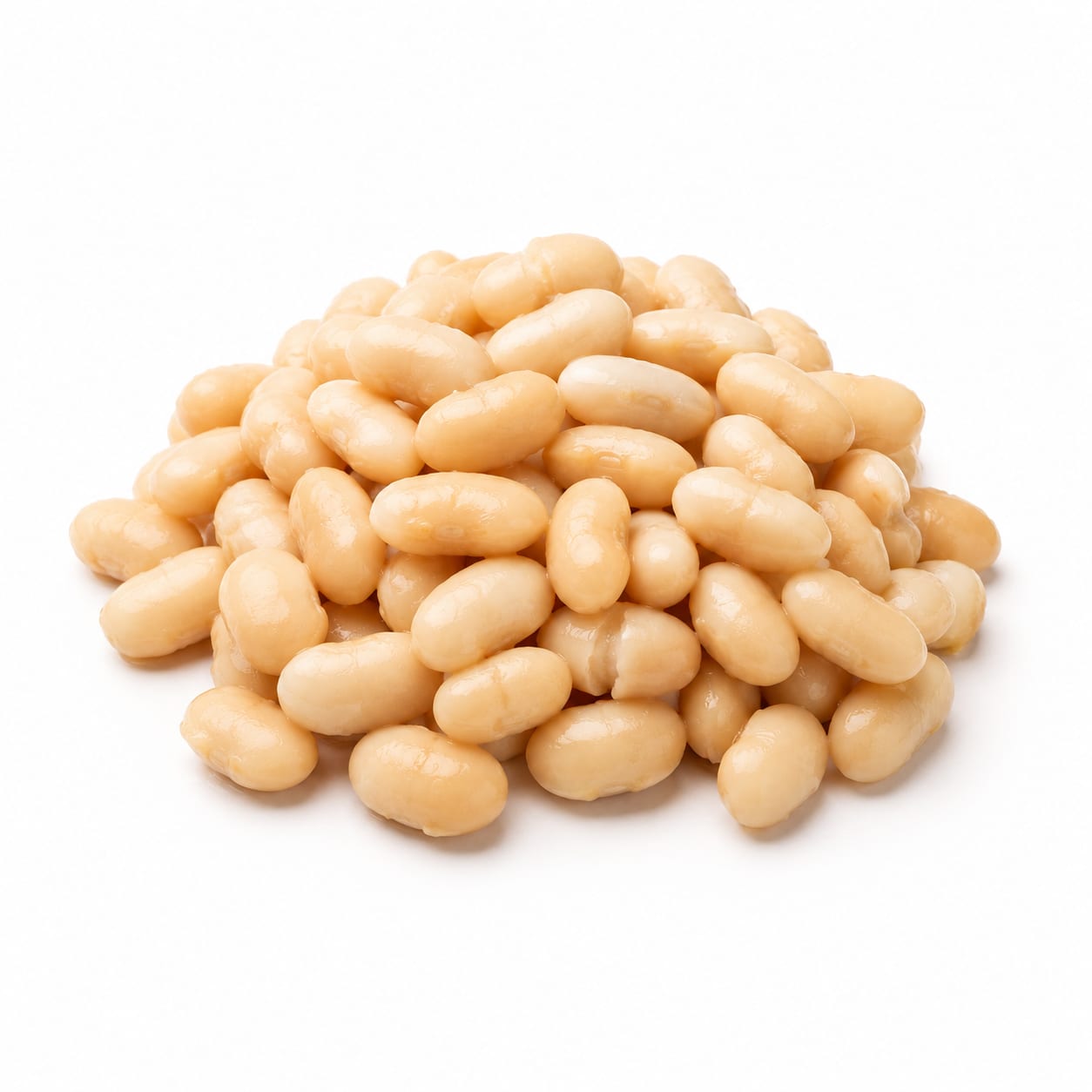
Cannellini Bean
A large white legume known for its creamy texture and high fiber content.
A large white kidney bean with a firm texture and mild, nutty flavor, widely used in Italian cuisine and valued for its creamy texture when cooked.
high-fiber plant protein source
Typical serving · 130g
Common varieties · Standard Cannellini, White Kidney Bean, Small White Bean
Overall context score across nutrition, safety, and diet fit
At a glance
Quick facts
Simple indicators based on nutrition, processing, and diet fit.
The story
What makes it unique
Cannellini beans are slow-digesting legumes high in soluble and insoluble fiber, providing high satiety and a low glycemic response. Their macronutrient profile features moderate plant protein and complex carbohydrates with minimal fat. Typically consumed cooked from dried or canned, they undergo minimal processing unless salt or preservatives are added.
Varieties: Standard Cannellini · White Kidney Bean · Small White Bean
Per 100g
Nutrition breakdown
Macro balance and key metrics at a glance.
Energy
Density 1.40 kcal/g
Protein
Carbs
Fat
Fiber
Sugar
0.3 g
Sodium
5 mg
Potassium
455 mg
Glycemic index
31
Glycemic load
8
Water content
62.5%
Standout compounds
Nutrient highlights
Fiber
highPromotes satiety and feeds gut microbiome
Folate
highSupports cell division and DNA synthesis
Iron
moderateEssential for oxygen transport in blood
Potassium
moderateHelps regulate blood pressure and fluid balance
Protein
moderateSupports muscle maintenance and repair
Wellness map
Health scores & processing
NOVA processing scale
moderately processed · Whole food
Canned cannellini beans are cooked and preserved in water, often with added salt, classifying them as processed. Dried beans are Nova Group 1.
Diet compatibility
- Weight loss
- Muscle gain
- Diabetes
- Gut health
- Low carb
- High protein
- Heart health
Relative standing
Food rankings
Qualitative ranks compared to similar whole foods.
- Satietyexcellent
- Blood sugarexcellent
- Nutrient densitygood
- Fitness fuelgood
- Processing qualityexcellent
Eat with confidence
Food safety profile
Safe when properly cooked. Raw cannellini beans contain lectins that can cause gastrointestinal distress, but canning or boiling eliminates this risk.
Evidence confidence 95%
- Pesticideslow
- Antibioticslow
- Heavy metalslow
- Contaminationmoderate
Watch for
- phytohemagglutinin (lectin)
Safer choices
Low-sodium or no-salt-added canned varieties
Prep tips
Rinse canned beans thoroughly to remove up to 40% of the sodium and reduce starchy liquid. Boil dried beans for at least 10 minutes to destroy lectins.
Raw or undercooked kidney beans contain high levels of toxic lectins; proper boiling is required to deactivate them.
Deep dive
Health analysis
How this food may fit different goals and preparation choices.
Weight loss
High fiber and protein content increase satiety and reduce overall calorie intake by slowing digestion.
Blood sugar
Low glycemic index and high fiber prevent rapid blood sugar spikes, making them ideal for glucose control.
Fitness & energy
Provide a slow-releasing energy source and plant-based protein for muscle repair, though not as rapid as simple carbs.
Gut health
Rich in soluble fiber that feeds beneficial gut bacteria and promotes regular bowel movements.
Processing quality
Dried beans are unprocessed; canned versions are minimally processed but often contain added sodium.
Food safety
Toxic when raw due to lectins; must be boiled thoroughly. Canned beans are pre-cooked and safe.
Common mistakes
Failing to rinse canned beans increases sodium intake and retains oligosaccharides that cause gas.
Best preparation
Boiling dried beans from scratch or rinsing and heating canned low-sodium beans.
Practical guide
Best use cases
When and how this food fits real eating patterns.
High-fiber meatless meals
Substitute for meat in pasta, soups, and stews to increase fiber and reduce saturated fat.
Blood sugar friendly side dish
Replace refined grains with cannellini beans to lower the glycemic impact of a meal.
Post-workout plant recovery
Provides a combination of complex carbs and protein for muscle recovery on a plant-based diet.
Balance sheet
Pros & cons
Upsides
- High in satiety-promoting fiber
- Stabilizes blood sugar levels
- Excellent source of plant-based folate
- Naturally low in fat
- Very affordable protein source
Trade-offs
- Contains lectins that are toxic if eaten raw
- Can cause flatulence and bloating in sensitive individuals
- Canned versions can be high in sodium
- Not suitable for strict low-carb diets
Fit check
Who is it for?
Great match
- plant-based eaters
- blood sugar management
- high-volume eating
- heart-healthy diets
Consider alternatives
- strict ketogenic diets
- FODMAP-sensitive individuals
- acute gastrointestinal flare-ups
Side by side
How it compares
Open the full head-to-head analysis for nutrition, safety, and practical tradeoffs.
This food
Cannellini Bean
VS90% alike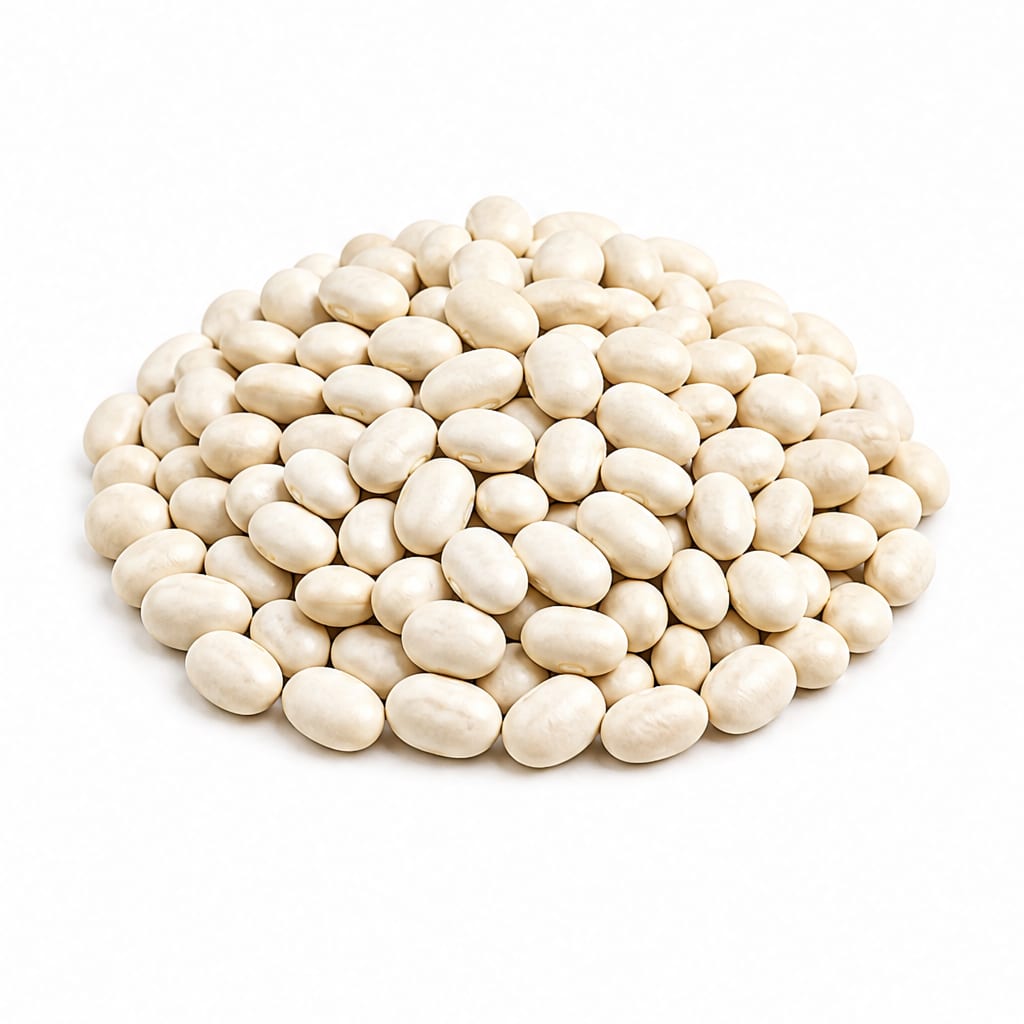
Compare with
Navy Beans
Navy beans are smaller and slightly higher in fiber, while cannellini beans are larger, creamier, and better for mashing.
Navy beans offer slightly more fiber for satiety, while cannellini beans provide a creamier texture for recipes.
This food
Cannellini Bean
VS95% alike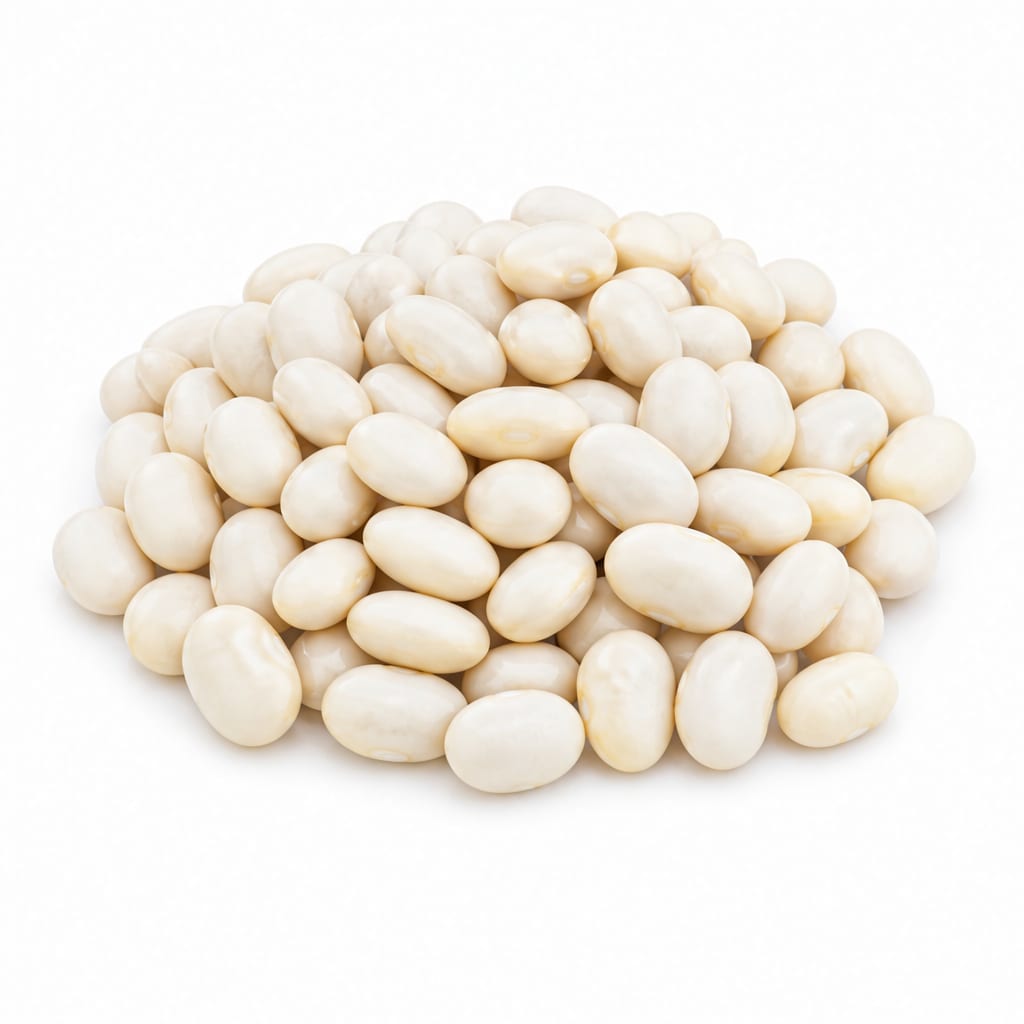
Compare with
Great Northern Beans
Great Northern beans are smaller and hold shape better in soups, whereas cannellini beans are creamier and larger.
Great Northern beans hold their shape better in soups, while cannellini beans are creamier for mashing.
This food
Cannellini Bean
VS80% alike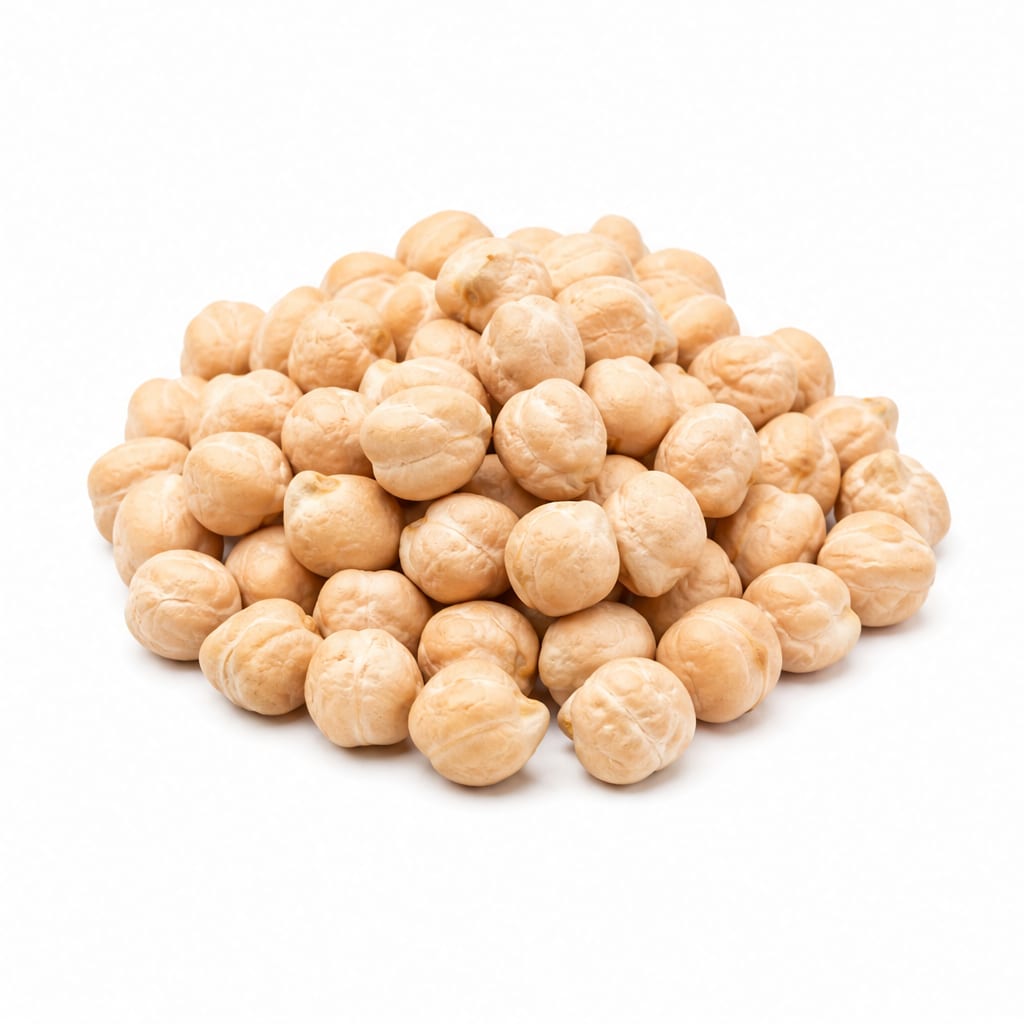
Compare with
Chickpeas
Chickpeas offer slightly more fat and a firmer texture, while cannellini beans are lower in fat and have a creamier consistency.
Cannellini beans are lower in calories and higher in fiber, while chickpeas offer a firmer bite and slightly more healthy fats.
This food
Cannellini Bean
VS75% alike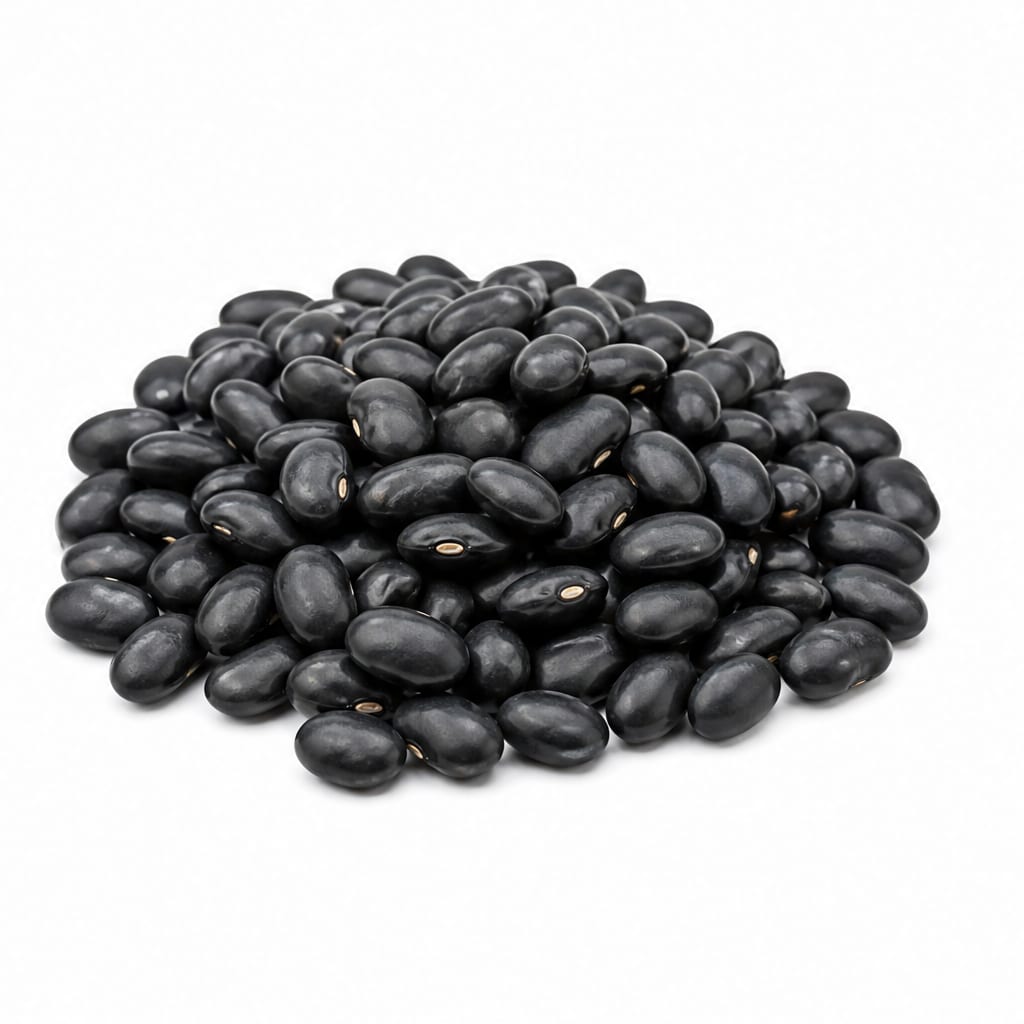
Compare with
Black Beans
Black beans provide more antioxidant anthocyanins, while cannellini beans offer a milder flavor and creamier texture.
Black beans provide more antioxidants, while cannellini beans are slightly lower in calories and higher in fiber.
This food
Cannellini Bean
VS70% alike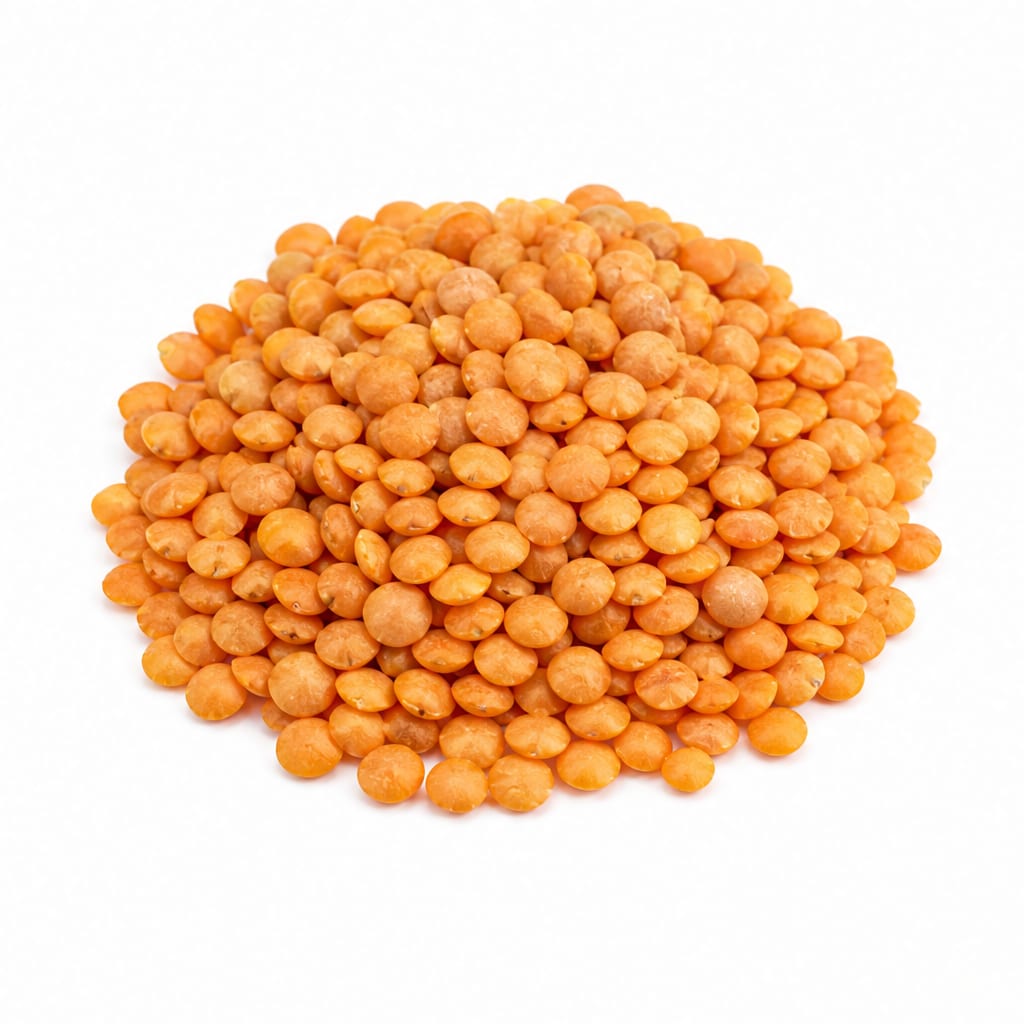
Compare with
Lentils
Lentils cook faster and have higher protein per calorie, while cannellini beans are creamier and lower in overall carbohydrate density.
Lentils cook faster and offer more protein per calorie, while cannellini beans provide a creamier, richer texture.
This food
Cannellini Bean
VS75% alike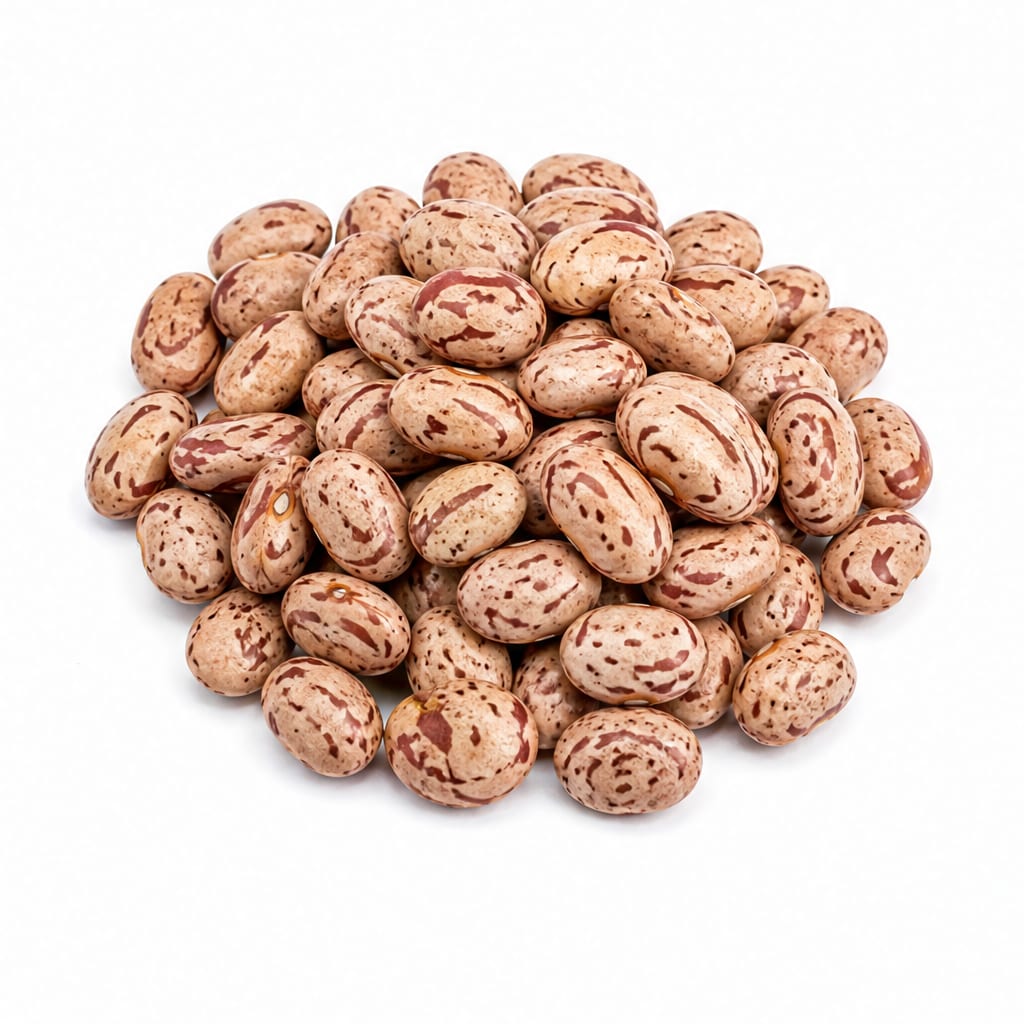
Compare with
Pinto Beans
Pinto beans have an earthier flavor and slightly more carbs, while cannellini beans are milder and creamier.
Cannellini beans are slightly lower in carbs and calories, while pinto beans offer a richer, earthier flavor profile.
This food
Cannellini Bean
VS85% alike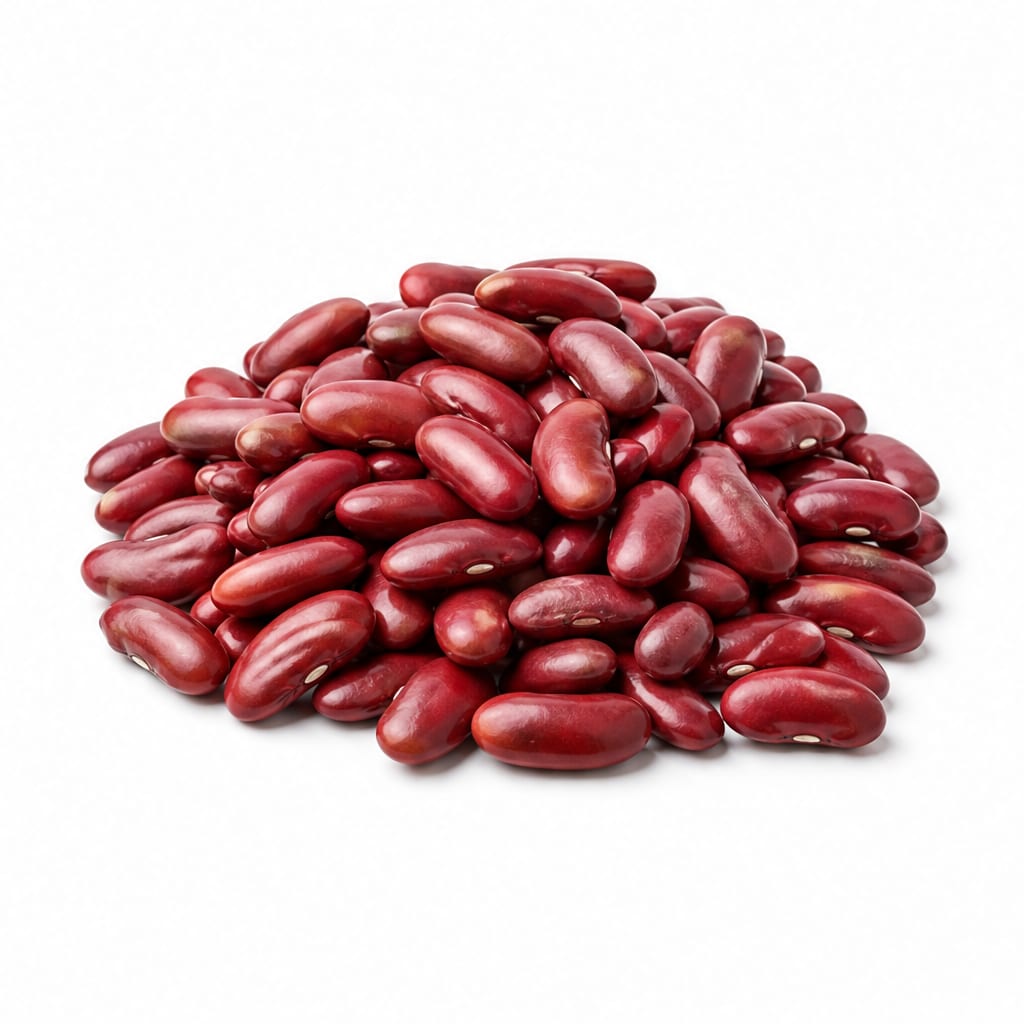
Compare with
Red Kidney Beans
Red kidney beans are firmer and slightly higher in fiber, while cannellini beans are softer, creamier, and milder in taste.
Red kidney beans are slightly firmer and higher in fiber, while cannellini beans offer a creamier texture and milder flavor.
This food
Cannellini Bean
VS65% alike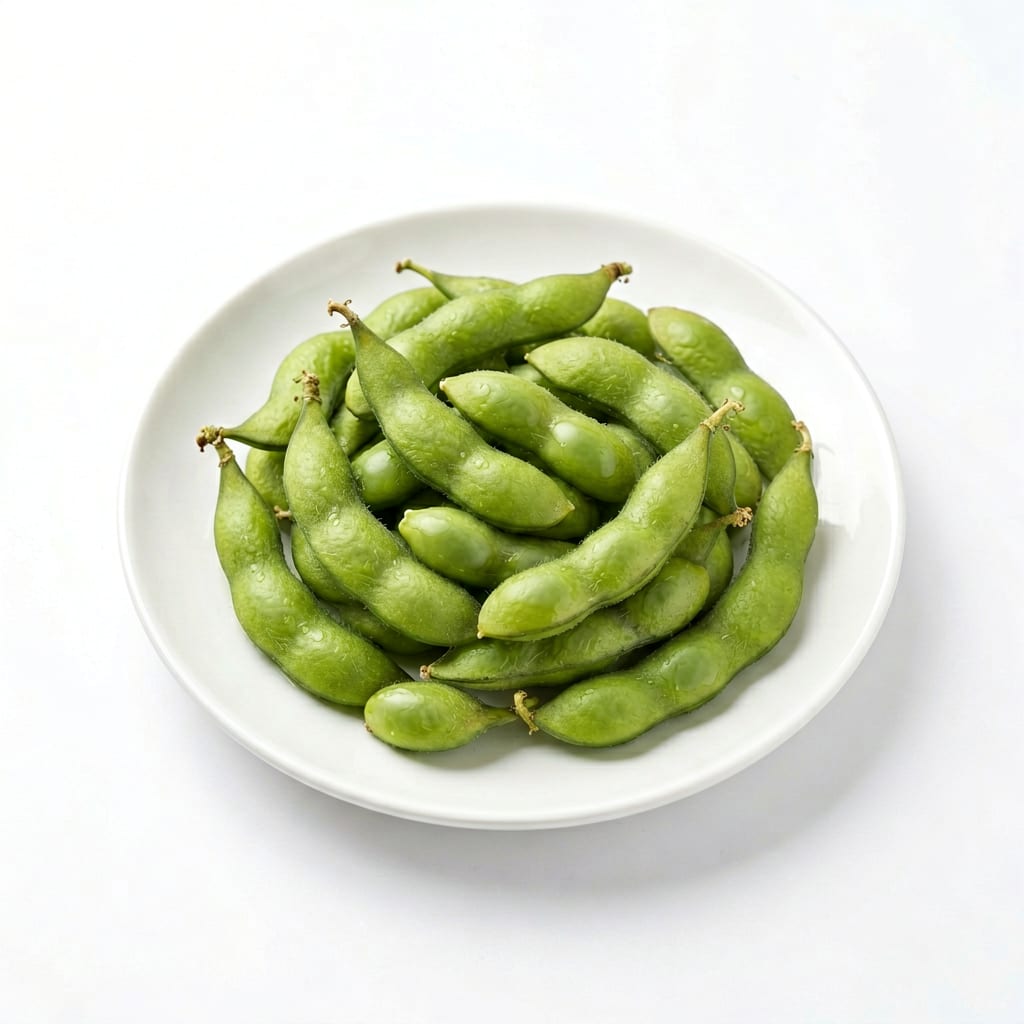
Compare with
Edamame
Edamame is a complete protein with more fat, while cannellini beans are higher in carbs and fiber but lower in fat.
Edamame provides complete protein and healthy fats, while cannellini beans offer more fiber and fewer calories per serving.
This food
Cannellini Bean
VS80% alike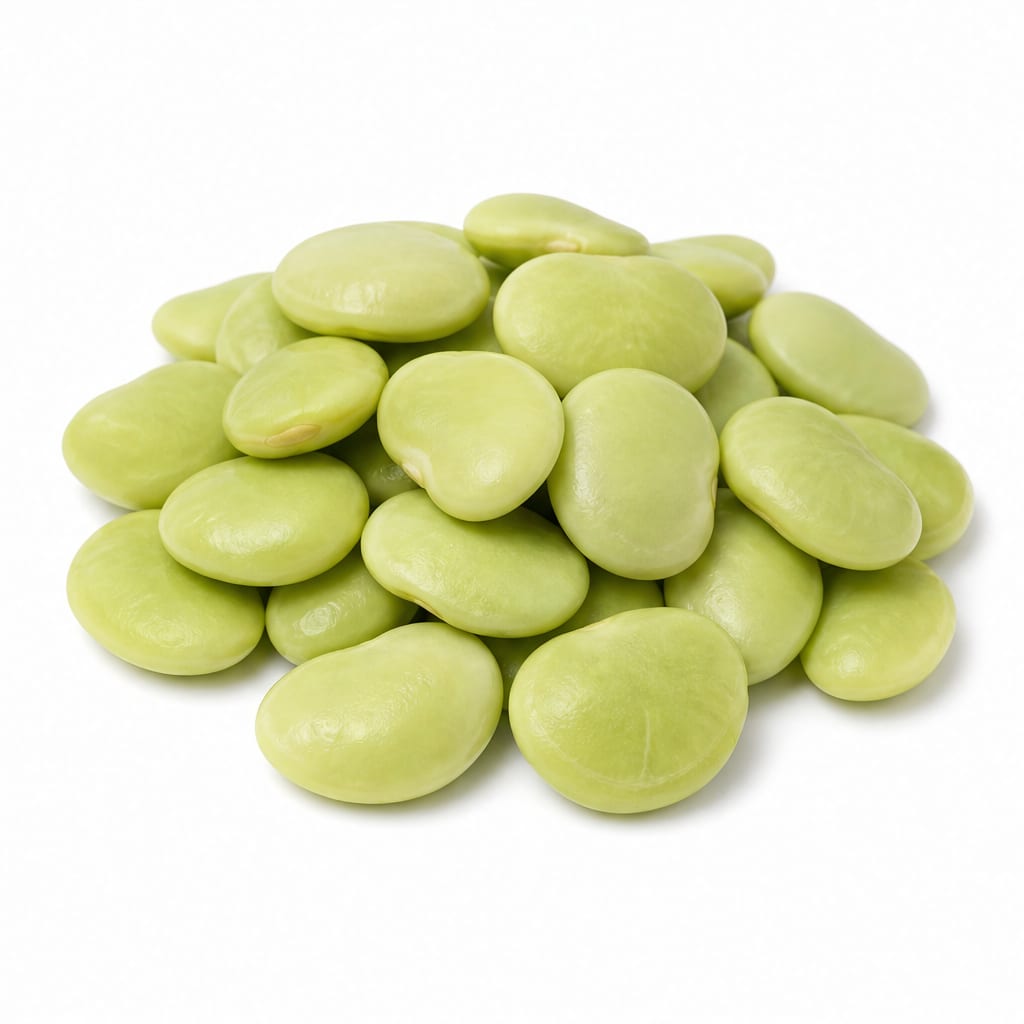
Compare with
Lima Beans
Lima beans are starchier and slightly higher in carbs, while cannellini beans offer more protein and a denser texture.
Cannellini beans are higher in protein and lower in starch, while lima beans are slightly sweeter and softer.
This food
Cannellini Bean
VS70% alike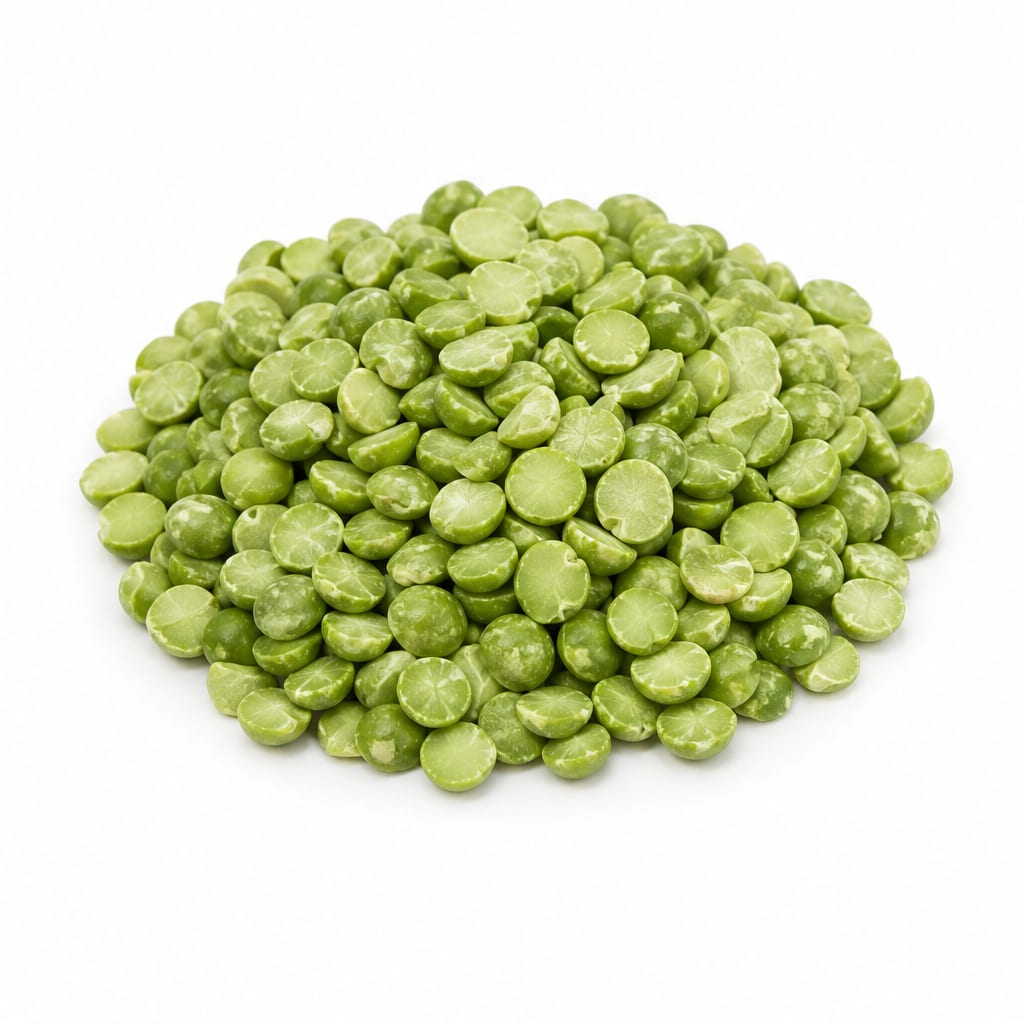
Compare with
Split Peas
Split peas cook into a thick puree and have slightly more protein, while cannellini beans hold their shape better for salads and stews.
Split peas offer more protein and thicken soups naturally, while cannellini beans hold their shape better in recipes.
Common questions
FAQ
Answers aligned with how people search for this food.
Are cannellini beans good for weight loss?
Yes, their high fiber and protein content increase fullness and reduce overall calorie consumption.
Do cannellini beans spike blood sugar?
No, they have a low glycemic index and high fiber, which slows carbohydrate absorption and stabilizes blood sugar.
Are canned cannellini beans healthy?
Yes, but rinsing them is recommended to remove excess sodium and reduce gas-causing compounds.
Can you eat cannellini beans raw?
No, raw cannellini beans contain toxic lectins that cause severe gastrointestinal distress and must be boiled.
What is the difference between cannellini beans and great northern beans?
Cannellini beans are larger with a creamier texture, while Great Northern beans are smaller and hold their shape better in soups.
Are cannellini beans keto-friendly?
No, they contain about 25g of carbohydrates per 100g cooked, making them unsuitable for strict ketogenic diets.
How do you prevent gas from cannellini beans?
Soak dried beans overnight, discard the water, and boil thoroughly. Rinsing canned beans also helps reduce gas.
Are cannellini beans a complete protein?
No, they are low in methionine, but pairing them with grains like rice creates a complete amino acid profile.
Transparency
Data confidence
Estimated confidence for nutrition data, interpretation, safety notes, and comparisons.
Nutrition data
Health analysis
Food safety
Comparisons