
Nutrition comparison
Cannellini Beans vs Chickpeas: Nutrition, Protein, Fiber, and Which to Choose
Cannellini beans offer more fiber and iron with lower calories. Chickpeas deliver more protein and versatility. Compare both legumes side by side to find your best match.
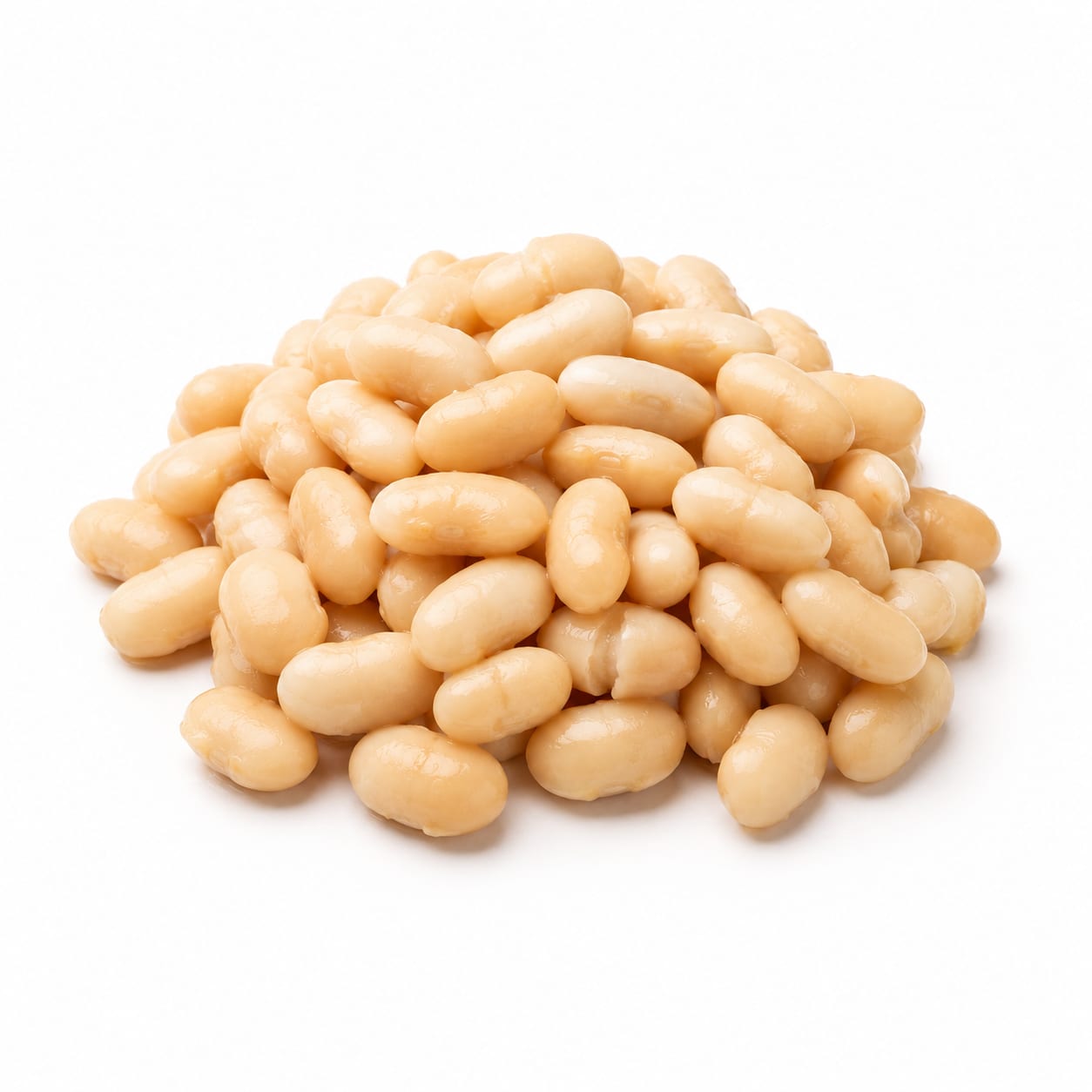
Cannellini Bean
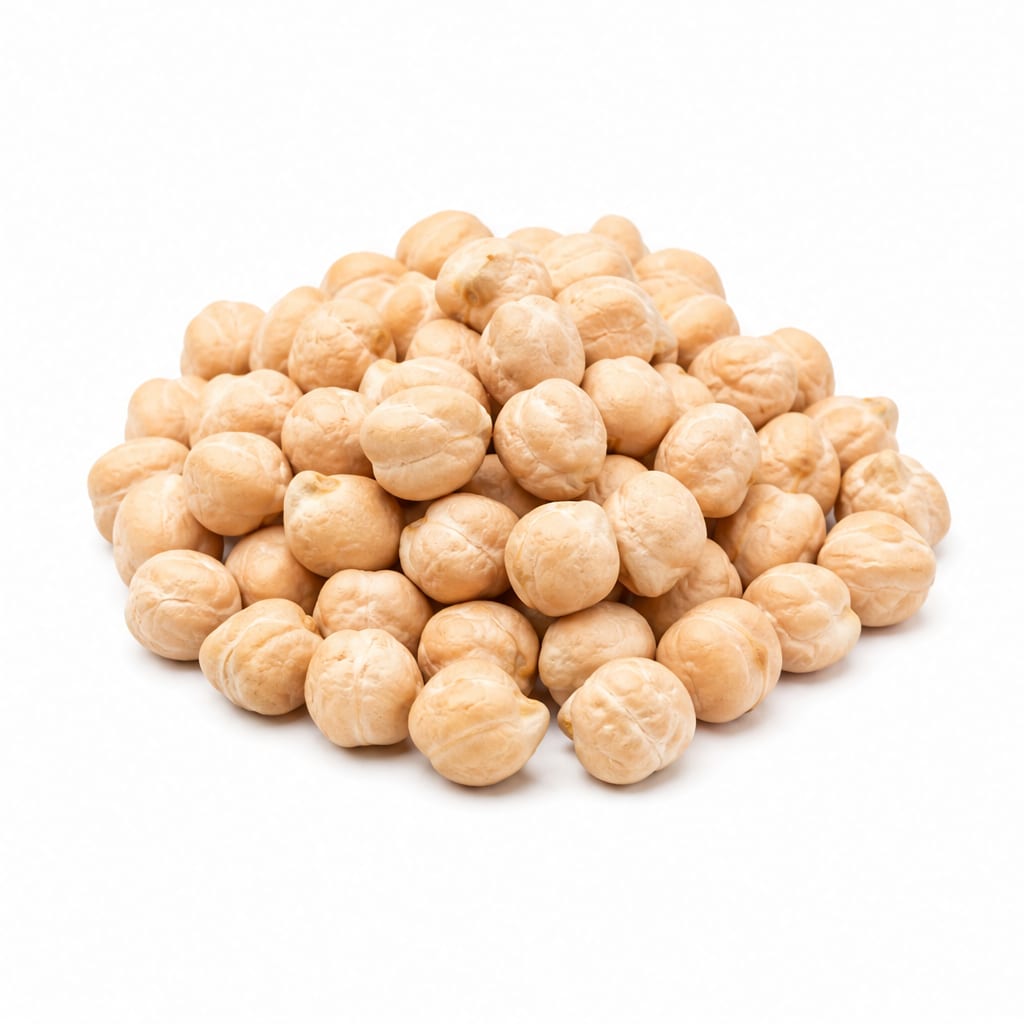
Chickpeas
Chickpeas win on protein and versatility; cannellini beans win on fiber, iron, and blood sugar control. Your choice depends on what your plate needs most.
Chickpeas edge ahead due to higher protein and unmatched culinary versatility, but cannellini beans offer superior fiber and glycemic control. The gap is small because both are excellent legume choices.
More protein and recipe flexibility with chickpeas versus steadier blood sugar and higher fiber with cannellini beans.
At a glance
Executive summary
Overall
It depends
Healthier
Cannellini Bean
More practical
Chickpeas
Daily use
Chickpeas
Key comparison lenses
protein and fiber tradeoff for plant-based meals
Both are staple legumes but differ meaningfully in protein-to-fiber ratio, which shapes meal planning decisions
blood sugar management and glycemic impact
Cannellini beans have a notably lower glycemic index, making this relevant for glucose-sensitive users
culinary versatility and everyday practicality
Chickpeas dominate global recipes from hummus to curries, while cannellini beans are more niche
digestive tolerance and gas concerns
Legume comparisons always involve digestive comfort, and these two differ in oligosaccharide profiles
mineral density for anemia and bone health
Iron and folate differences matter for women, vegetarians, and older adults
Best choice for
Cannellini Bean
- People managing diabetes or insulin resistance
- Anyone needing more iron in their diet
- Those prioritizing digestive regularity and gut health
- Mediterranean diet followers wanting authentic Italian dishes
Chickpeas
- Plant-based eaters maximizing protein intake
- Meal preppers wanting maximum recipe versatility
- Athletes needing post-workout recovery protein
- Busy cooks who want one legume that does everything
Least suitable for
Cannellini Bean
- People who need high protein from plant sources
- Those unfamiliar with Italian cooking methods
- Anyone bored by mild flavors
Chickpeas
- People with severe blood sugar concerns
- Those watching calorie density closely
- Anyone prone to bloating from higher-fat legumes
Deep comparison
Dimension by dimension
Each lens scores both foods and breaks down who each option suits.
- Dimension 1 · Priority 93Chickpeas
Protein Content and Quality
Cannellini Bean · 68Chickpeas · 82Chickpeas deliver roughly 15g protein per cooked cup versus 12g for cannellini beans, a meaningful gap for plant-based eaters.
Tradeoff
That 3g difference per cup adds up over a day, especially when legumes are your primary protein source.
Why it matters
For vegetarians and vegans, every gram of protein counts. Chickpeas make it easier to hit targets without supplements or powders.
Real-world impact
A chickpea bowl at lunch keeps you fuller longer than the same-sized cannellini bean portion, simply from the extra protein.
Cannellini Bean
- Lighter meals where you want less protein density
Better for
- Body recomposition phases
- Athletic recovery meals
Worse for
Chickpeas
- Post-workout meals
- Plant-based protein maximization
- Building satisfying grain bowls
Better for
- Light snacking where protein feels heavy
Worse for
- Dimension 2 · Priority 90Cannellini Bean
Fiber and Digestive Health
Cannellini Bean · 88Chickpeas · 75Cannellini beans provide about 12g fiber per cooked cup compared to 10g in chickpeas, with more soluble fiber that feeds gut bacteria.
Tradeoff
The extra soluble fiber in cannellini beans means better cholesterol management but also slightly more gas potential if you are not used to it.
Why it matters
Soluble fiber is the gold standard for gut health, feeding beneficial bacteria and producing short-chain fatty acids that protect the colon.
Real-world impact
Regular cannellini bean eaters often notice improved digestion regularity within a week, though the adjustment period can be gassy.
Cannellini Bean
- Cholesterol management
- Gut microbiome support
- Constipation relief
Better for
- Sudden introduction without gradual ramp-up
Worse for
Chickpeas
- Easier transition for people new to high-fiber diets
- Less dramatic digestive adjustment
Better for
- Maximum gut health optimization
Worse for
- Dimension 3 · Priority 88Cannellini Bean
Blood Sugar Stability
Cannellini Bean · 86Chickpeas · 72Cannellini beans have a glycemic index around 31 versus chickpeas at roughly 36, giving them a meaningful edge for glucose control.
Tradeoff
The difference is real but modest. Both are low-GI foods, but cannellini beans are the safer bet for diabetics.
Why it matters
For anyone monitoring blood sugar, even small GI differences compound over thousands of meals across years.
Real-world impact
A cannellini bean soup causes less of an afternoon energy dip than a chickpea curry of equal size, though both are far better than refined carbs.
Cannellini Bean
- Type 2 diabetes management
- Insulin resistance reversal
- Steady energy through long workdays
Better for
- Post-endurance workout recovery where faster carbs help
Worse for
Chickpeas
- Active individuals who need slightly faster glycogen replenishment
Better for
- Sedentary evening meals
Worse for
- Dimension 4 · Priority 82Cannellini Bean
Mineral Density
Cannellini Bean · 84Chickpeas · 76Cannellini beans are richer in iron and folate, while chickpeas offer more manganese and copper. Iron gives cannellini beans the edge for most people.
Tradeoff
If you are not iron-deficient, the manganese advantage in chickpeas supports bone health and metabolism more directly.
Why it matters
Iron deficiency is the world's most common nutrient gap, especially for menstruating women and vegetarians.
Real-world impact
Swapping chickpeas for cannellini beans a few times a week can meaningfully boost iron intake without supplements.
Cannellini Bean
- Women with heavy periods
- Vegetarians concerned about anemia
- Pregnancy nutrition planning
Better for
- Iron overload conditions like hemochromatosis
Worse for
Chickpeas
- Bone health optimization
- Metabolic enzyme support
Better for
- Anemia-prone individuals
Worse for
- Dimension 5 · Priority 85Chickpeas
Culinary Versatility and Practicality
Cannellini Bean · 62Chickpeas · 92Chickpeas can become hummus, falafel, roasted snacks, curry bases, salad toppers, and pasta substitutes. Cannellini beans shine in soups and Italian dishes but have a narrower range.
Tradeoff
Chickpeas are the Swiss Army knife of legumes. Cannellini beans do fewer things but deliver creaminess that chickpeas cannot match.
Why it matters
The best healthy food is the one you actually cook with. Versatility means fewer unused cans in your pantry.
Real-world impact
Most home cooks find chickpeas easier to incorporate weekly across multiple cuisines, while cannellini beans tend to sit unused between soup seasons.
Cannellini Bean
- Creamy soups and stews
- Italian and Mediterranean recipes
- Mashed spreads where smoothness matters
Better for
- Quick snack preparation
- Diverse weekly meal plans
Worse for
Chickpeas
- Meal prep batch cooking
- Global cuisine exploration
- Snack making like roasted chickpeas
Better for
- Recipes requiring a creamy, melt-in-mouth texture
Worse for
- Dimension 6 · Priority 74Cannellini Bean
Calorie Efficiency
Cannellini Bean · 80Chickpeas · 70Cannellini beans run roughly 220 calories per cooked cup versus 270 for chickpeas, a meaningful difference for calorie-conscious eaters.
Tradeoff
The calorie gap comes partly from chickpeas' higher fat content, which also contributes to their richer flavor and satiety.
Why it matters
For weight loss, 50 fewer calories per cup means you can eat a larger volume of food for the same energy intake.
Real-world impact
A cannellini bean salad feels lighter on the plate than a chickpea bowl of the same size, which matters for people who eat with their eyes first.
Cannellini Bean
- Volume eating for weight loss
- Lighter summer meals
Better for
- High-calorie bulking phases
Worse for
Chickpeas
- Hikers and athletes needing calorie density
- Cold-weather comfort meals
Better for
- Strict calorie counting
Worse for
- Dimension 7 · Priority 78It depends
Satiety and Fullness
Cannellini Bean · 79Chickpeas · 81Chickpeas keep you full slightly longer due to higher protein and fat, while cannellini beans provide a lighter but still satisfying fullness from fiber.
Tradeoff
Chickpeas feel more like a complete meal; cannellini beans feel more like a satisfying side that leaves room for other foods.
Why it matters
Satiety determines whether you reach for snacks an hour later. Both legumes perform well here, just with different textures of fullness.
Real-world impact
A chickpea bowl at noon might carry you to dinner. A cannellini bean soup might need a mid-afternoon handful of nuts to bridge the gap.
Cannellini Bean
- Lighter meals where you want to avoid food coma
- Multi-course dinners
Better for
- Long gaps between meals
Worse for
Chickpeas
- One-bowl meals that need to last hours
- Replacing meat in hearty dinners
Better for
- Hot days when heavy meals feel oppressive
Worse for
Timeline
Health impact over time
Short-term
Hours to days
Cannellini Bean
- Noticeable improvement in digestion regularity within days
- Possible gas and bloating during the first week of regular consumption
- Steadier energy after meals compared to refined carb alternatives
Chickpeas
- Stronger post-meal satiety lasting 3-4 hours
- Mild bloating possible, especially if not rinsing canned chickpeas thoroughly
- Sustained energy without crashes when paired with vegetables
Long-term
Months to years
Cannellini Bean
- Lower diabetes risk from consistent low-glycemic eating
- Improved cholesterol numbers from high soluble fiber intake
- Better iron status reducing fatigue and brain fog
Chickpeas
- Improved bone density from manganese and mineral content
- Better body composition from higher protein supporting muscle maintenance
- Reduced cardiovascular risk from combined fiber and healthy fat intake
Risk profile
Safety & processing
Both are whole foods in their natural state. Canned versions may contain added sodium, but rinsing removes roughly 40% of it. Dried versions of both are as natural as food gets.
Cannellini Bean
Phytohemagglutinin toxicity from undercooking
mediumLike all kidney bean relatives, cannellini beans contain lectins that can cause nausea and vomiting if eaten raw or undercooked. Boiling for at least 10 minutes destroys the toxin completely.
BPA exposure from canned varieties
lowMost canned beans use BPA-lined cans. Choosing glass jars or BPA-free cans eliminates this concern entirely.
Chickpeas
Phytohemagglutinin toxicity from undercooking
lowChickpeas contain far lower lectin levels than cannellini beans, making undercooking less dangerous, though still not recommended.
BPA exposure from canned varieties
lowSame can-lining concern as cannellini beans. Rinsing does not reduce BPA but choosing alternative packaging does.
Who wins for whom
Audience fit
Same foods, different winners depending on your goal.
children
ChickpeasChickpeas are more kid-friendly in forms like hummus and roasted snacks, and their milder lectin risk reduces safety concerns with picky eaters who might under-eat cooked beans.
daily consumption
ChickpeasGreater recipe variety prevents palate fatigue, making chickpeas easier to eat daily without getting bored.
diabetes
Cannellini BeanLower glycemic index and higher soluble fiber create a flatter blood sugar response after meals.
elderly
Cannellini BeanHigher iron and folate address common elderly deficiencies, and the creamier texture is easier to chew and swallow for those with dental concerns.
muscle gain
ChickpeasMore protein per serving supports muscle protein synthesis, especially important for plant-based athletes.
weight loss
Cannellini BeanLower calorie density and higher fiber per calorie make cannellini beans better for volume eating and staying within calorie targets.
Your move
Decision guide
Choose Cannellini Bean
- You are managing blood sugar or insulin resistance
- Iron deficiency is a concern for you
- You love Italian cooking and creamy soups
- You prefer lighter meals that do not sit heavy
- You are focused on maximizing fiber for gut health
Choose Chickpeas
- Plant-based protein is a daily priority
- You want one legume that works in every cuisine
- You meal prep and need versatile staples
- You make hummus, falafel, or roasted snacks regularly
- You need calorie-dense fuel for active days
Either works if
- You simply want more legumes in your diet regardless of type
- You rotate between multiple bean varieties weekly
- Both are available and you want variety
- You are building a healthy pantry from scratch
Avoid both if
- You have a diagnosed legume allergy
- You are in the strict elimination phase of a low-FODMAP diet
- You experience severe digestive distress from all beans even after gradual introduction
Final recommendation
Keep both in your pantry. Use chickpeas as your daily workhorse for bowls, snacks, and dips. Reach for cannellini beans when blood sugar control matters most or when a recipe calls for that unmatched creamy texture. Alternating between them gives you the protein of chickpeas and the fiber of cannellini beans without having to choose.
Practical
Consumer tips
- 1
Rinsing canned beans removes about 40% of added sodium and reduces gassiness by washing away oligosaccharides
- 2
Soaking dried beans overnight and discarding the water before cooking dramatically improves digestibility for both varieties
- 3
If bloating is a concern, start with chickpeas since they are gentler, then gradually introduce cannellini beans
- 4
Cook cannellini beans thoroughly for at least 10 minutes at a rolling boil to destroy lectins completely
- 5
Blend cannellini beans into dips for a creamier alternative to hummus that packs more iron
- 6
Roast chickpeas with smoked paprika for a crunchy snack that replaces chips with almost no effort
- 7
Buy dried beans in bulk for the cheapest protein source available, but keep a few cans for busy nights