
Nutrition comparison
Cannellini Beans vs Navy Beans: Fiber, Digestion, and Which to Choose
Cannellini Beans vs Navy Beans compared on fiber, blood sugar impact, digestibility, and culinary use. Find out which white bean is better for your health goals.
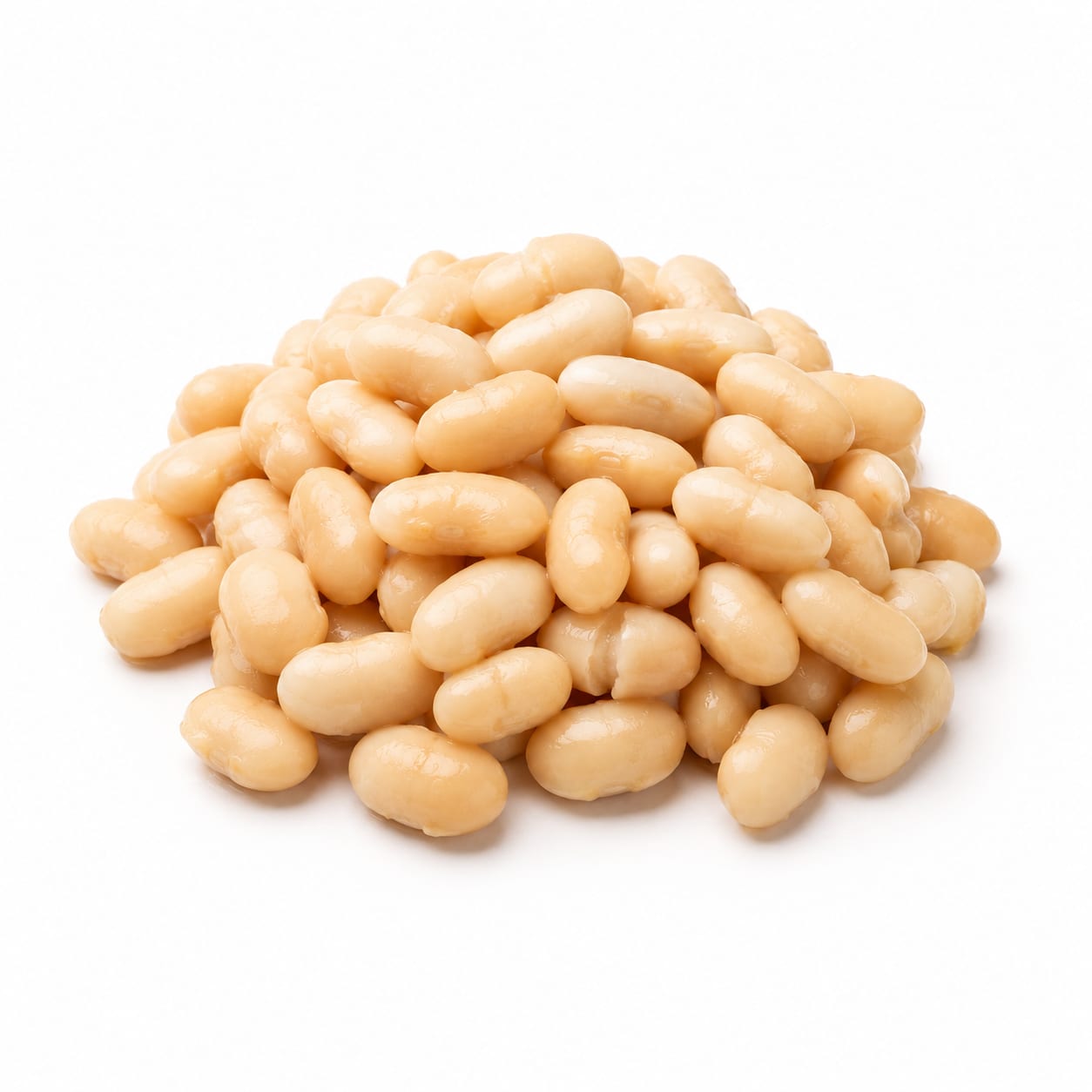
Cannellini Bean
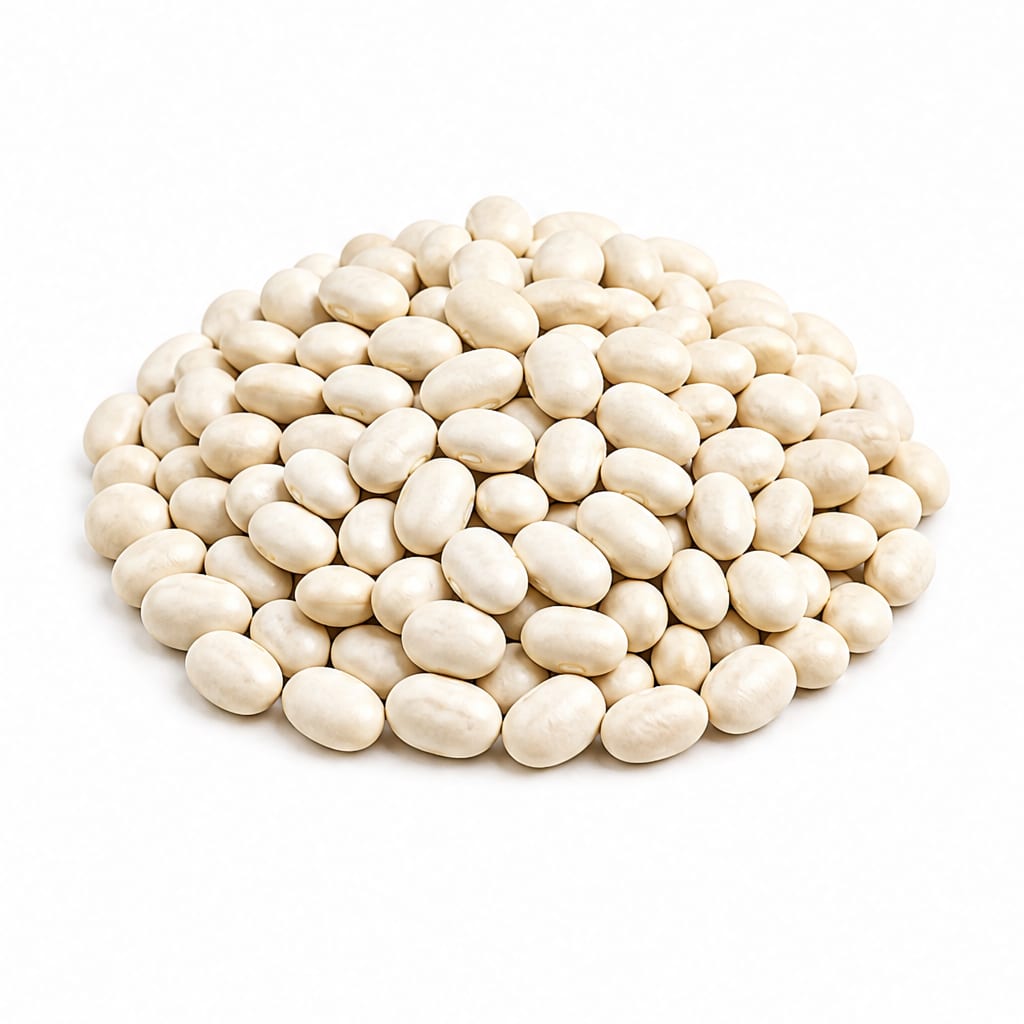
Navy Beans
Navy Beans win on fiber and blood sugar control; Cannellini Beans win on creaminess, digestibility, and culinary elegance.
Navy Beans score higher primarily due to their exceptional fiber content and stronger blood sugar benefits. Cannellini Beans remain excellent but sit slightly behind in the metrics most people care about when choosing beans for health.
You trade digestive comfort and texture versatility for significantly more fiber and steadier energy.
At a glance
Executive summary
Overall
It depends
Healthier
Navy Beans
More practical
Cannellini Bean
Daily use
Navy Beans
Key comparison lenses
fiber and digestive health optimization
Navy Beans are among the highest-fiber beans available, making fiber the starkest difference between these two
blood sugar management
Both are low-glycemic, but the fiber gap significantly affects glucose stability
culinary texture and recipe suitability
Cannellini Beans are creamier and hold shape better, while Navy Beans break down into thicker consistencies
satiety and weight management
Fiber density directly impacts fullness, giving Navy Beans a meaningful edge
digestive tolerance and gas production
Higher fiber can mean more digestive discomfort during adjustment, especially for Navy Beans
Best choice for
Cannellini Bean
- People with sensitive digestion who need gentler fiber
- Home cooks wanting creamy, elegant bean dishes
- Anyone transitioning to eating more beans
- Salads and dishes where beans should hold their shape
Navy Beans
- People maximizing fiber intake for gut health
- Those managing blood sugar or insulin resistance
- Anyone wanting the most satiating bean per calorie
- Thick soups, stews, and baked bean recipes
Least suitable for
Cannellini Bean
- Those needing very high fiber intake from a single source
- People prioritizing maximum satiety per serving
Navy Beans
- People with IBS or severe fiber sensitivity
- Dishes requiring intact, creamy whole beans
- Anyone new to legumes who needs a gentler entry
Deep comparison
Dimension by dimension
Each lens scores both foods and breaks down who each option suits.
- Dimension 1 · Priority 95Navy Beans
Fiber Density
Cannellini Bean · 70Navy Beans · 95Navy Beans deliver roughly 50% more fiber per cup than Cannellini Beans, making them one of the most fiber-rich foods available.
Tradeoff
That extra fiber can cause bloating and gas if your body is not used to it, especially in the first weeks.
Why it matters
Fiber is the nutrient most people lack, and it drives gut health, fullness, and blood sugar stability.
Real-world impact
A cup of Navy Beans gets you close to 70% of your daily fiber target versus about 45% from Cannellini Beans.
Cannellini Bean
- Gentler transition for low-fiber diets
Better for
- Fiber gap means you need more fiber from other sources
Worse for
Navy Beans
- Gut microbiome nourishment
- Cholesterol reduction
- Long-term colon health
Better for
- Can overwhelm a digestive system not adapted to high fiber
Worse for
- Dimension 2 · Priority 88Navy Beans
Blood Sugar Stability
Cannellini Bean · 78Navy Beans · 90Both beans are excellent for blood sugar, but Navy Beans slow glucose absorption more effectively thanks to their higher soluble fiber.
Tradeoff
The difference is meaningful for diabetes management but negligible for metabolically healthy people eating balanced meals.
Why it matters
Slower glucose absorption means fewer energy crashes and less insulin demand over time.
Real-world impact
If you are prediabetic or diabetic, Navy Beans could meaningfully reduce post-meal glucose spikes compared to Cannellini Beans.
Cannellini Bean
- Still a strong low-glycemic choice for most people
Better for
- Slightly less protection against glucose spikes
Worse for
Navy Beans
- Insulin resistance management
- Sustained energy between meals
- Reduced afternoon crashes
Better for
- Not a meaningful difference for metabolically flexible eaters
Worse for
- Dimension 3 · Priority 82Navy Beans
Satiety and Fullness
Cannellini Bean · 75Navy Beans · 88Navy Beans keep you fuller longer due to their fiber-protein combination being denser per bite.
Tradeoff
Cannellini Beans feel creamier and more satisfying in the moment, even if the fullness does not last quite as long.
Why it matters
Longer satiety means fewer snacks and easier portion control throughout the day.
Real-world impact
A Navy Bean lunch may keep you satisfied until dinner, while Cannellini Beans might leave you reaching for a snack by 3pm.
Cannellini Bean
- Creamy mouthfeel feels more indulgent and satisfying immediately
Better for
- Fullness fades sooner, potentially leading to overeating later
Worse for
Navy Beans
- Weight management through extended fullness
- Reduced between-meal snacking
- Better appetite control on calorie-restricted diets
Better for
- Denser texture can feel heavy if you eat large portions
Worse for
- Dimension 4 · Priority 80Cannellini Bean
Digestive Tolerance
Cannellini Bean · 82Navy Beans · 65Cannellini Beans are gentler on the digestive system, producing less gas and bloating for most people.
Tradeoff
You absorb more nutrients comfortably from Cannellini Beans, but you get less fiber per serving.
Why it matters
If beans cause you discomfort, you will avoid them entirely, which defeats the purpose.
Real-world impact
Someone with a sensitive gut might comfortably eat Cannellini Beans twice a week but struggle with Navy Beans more than once.
Cannellini Bean
- Easier entry point for bean beginners
- Less bloating and gas production
- Better tolerated by people with IBS tendencies
Better for
- Lower fiber means less prebiotic fuel for beneficial bacteria
Worse for
Navy Beans
- Higher fiber eventually improves gut motility long-term
Better for
- Initial adjustment period can be uncomfortable
- Higher oligosaccharide content causes more gas
Worse for
- Dimension 5 · Priority 75Cannellini Bean
Culinary Versatility
Cannellini Bean · 85Navy Beans · 72Cannellini Beans hold their shape beautifully in salads and pasta dishes, while Navy Beans excel at disappearing into thick soups and stews.
Tradeoff
Cannellini Beans give you more plating options; Navy Beans give you more texture-building options.
Why it matters
You will eat beans more often if they fit naturally into meals you already enjoy cooking.
Real-world impact
Cannellini Beans make a gorgeous Tuscan salad; Navy Beans make the thickest, most comforting baked beans.
Cannellini Bean
- Salads and cold dishes where intact beans matter
- Italian and Mediterranean recipes
- Dips that benefit from creamy texture
- Dishes where visual appeal matters
Better for
- Less effective at thickening liquids
Worse for
Navy Beans
- Thickening soups and stews naturally
- Baked bean recipes
- Dishes where beans should blend into the background
- Budget-friendly bulk cooking
Better for
- Less visually appealing in whole-bean presentations
Worse for
- Dimension 6 · Priority 68It depends
Mineral Density
Cannellini Bean · 80Navy Beans · 78Both beans deliver strong mineral profiles, with Cannellini Beans slightly ahead on potassium and Navy Beans slightly ahead on magnesium.
Tradeoff
The differences are small enough that mineral content should not drive your choice between these two.
Why it matters
Minerals support bone health, muscle function, and blood pressure regulation over decades.
Real-world impact
Neither bean will meaningfully close a mineral gap on its own; both are solid contributors to a mineral-rich diet.
Cannellini Bean
- Slightly more potassium per serving, helpful for blood pressure
Better for
- Marginally less magnesium than Navy Beans
Worse for
Navy Beans
- Slightly more magnesium, supportive of muscle recovery and sleep
Better for
- Marginally less potassium than Cannellini Beans
Worse for
Timeline
Health impact over time
Short-term
Hours to days
Cannellini Bean
- Gentle digestive response with minimal bloating
- Moderate sustained energy for 3-4 hours after eating
- Lower risk of gas compared to higher-fiber beans
Navy Beans
- Noticeable fullness that can last 4-5 hours
- Possible gas and bloating during the first 1-2 weeks of regular consumption
- Very stable blood sugar with minimal post-meal spikes
Long-term
Months to years
Cannellini Bean
- Consistent gentle fiber intake supports regular digestion
- Heart health benefits from regular legume consumption
- Easier long-term adherence for people with sensitive stomachs
Navy Beans
- Substantial gut microbiome improvements from high prebiotic fiber
- Stronger cholesterol reduction over months of regular intake
- Better long-term blood sugar regulation and insulin sensitivity
- More pronounced colon cancer risk reduction
Risk profile
Safety & processing
Both Cannellini Beans and Navy Beans are whole, minimally processed foods. Canned versions may contain added sodium, but rinsing removes most of it. Dried versions are as natural as food gets.
Cannellini Bean
Phytohaemagglutinin toxicity from undercooking
mediumLike all kidney bean relatives, Cannellini Beans contain lectins that can cause nausea and vomiting if eaten raw or undercooked. Always boil fully for at least 10 minutes.
BPA exposure from canned varieties
lowSome canned Cannellini Beans use BPA-lined cans. Choose BPA-free or glass-jarred options when possible.
Navy Beans
Phytohaemagglutinin toxicity from undercooking
mediumNavy Beans contain lectins that must be destroyed by proper cooking. Slow cookers may not reach safe temperatures quickly enough; boiling is safer.
BPA exposure from canned varieties
lowSame concern as Cannellini Beans. Rinsing canned beans and choosing BPA-free brands reduces exposure.
Who wins for whom
Audience fit
Same foods, different winners depending on your goal.
children
Cannellini BeanCannellini Beans are creamier, milder, and gentler on small digestive systems, making them more appealing and tolerable for kids.
daily consumption
Navy BeansFor people with adapted digestion, Navy Beans deliver more health benefits per serving, making them the stronger daily staple.
diabetes
Navy BeansThe significantly higher soluble fiber content slows glucose absorption more effectively, reducing insulin demand.
elderly
Cannellini BeanOlder adults often have more sensitive digestion, and Cannellini Beans provide solid nutrition with less risk of bloating or discomfort.
muscle gain
It dependsBoth provide similar protein per serving. Neither is a standout for muscle building compared to animal proteins or soy.
weight loss
Navy BeansHigher fiber means more fullness per calorie, making it easier to eat less overall without feeling deprived.
Your move
Decision guide
Choose Cannellini Bean
- Your digestion is sensitive and high-fiber foods cause discomfort
- You cook a lot of Italian, Mediterranean, or salad-forward meals
- You want a creamier, more elegant bean for entertaining
- You are new to eating beans regularly and need a gentle start
Choose Navy Beans
- Maximizing fiber intake is a priority for gut or heart health
- You are managing blood sugar, insulin resistance, or prediabetes
- You cook a lot of soups, stews, and baked bean dishes
- You want the most satiating bean to support weight management
Either works if
- You are simply trying to eat more legumes overall
- You rotate between different bean varieties weekly anyway
- Your digestion handles beans well and fiber is not a concern
- You are meal-prepping and will use whatever is on sale
Avoid both if
- You have a diagnosed legume allergy
- You are in an acute IBS flare and your doctor has recommended low-fiber foods temporarily
- You cannot tolerate beans even after proper soaking and cooking
Final recommendation
Keep both in your pantry. Use Cannellini Beans when you want creaminess and gentle digestion, and Navy Beans when you want maximum fiber and the thickest, most comforting soups. If you must pick one for daily health impact, Navy Beans edge ahead, but only if your digestion can handle the extra fiber.
Practical
Consumer tips
- 1
Soak dried beans for 8-12 hours and discard the soaking water to reduce gas-causing oligosaccharides
- 2
Rinse canned beans thoroughly to remove about 40% of the added sodium
- 3
If switching to Navy Beans, start with half-cup servings and increase gradually over two weeks to let your gut adapt
- 4
Cannellini Beans mash beautifully into dips with olive oil and garlic as a hummus alternative
- 5
Navy Beans disappear into blended soups, making them perfect for hiding nutrition in family meals
- 6
Never cook dried beans in a slow cooker without boiling them first for at least 10 minutes to destroy lectins
- 7
Add a strip of kombu seaweed while cooking beans to further reduce gas-producing compounds