
Nutrition comparison
Cannellini Beans vs Pinto Beans: Nutrition, Digestion, and Which to Choose
Cannellini beans offer more protein and iron. Pinto beans deliver more fiber and folate. Compare these two popular legumes side by side to find the best fit for your health goals and cooking style.
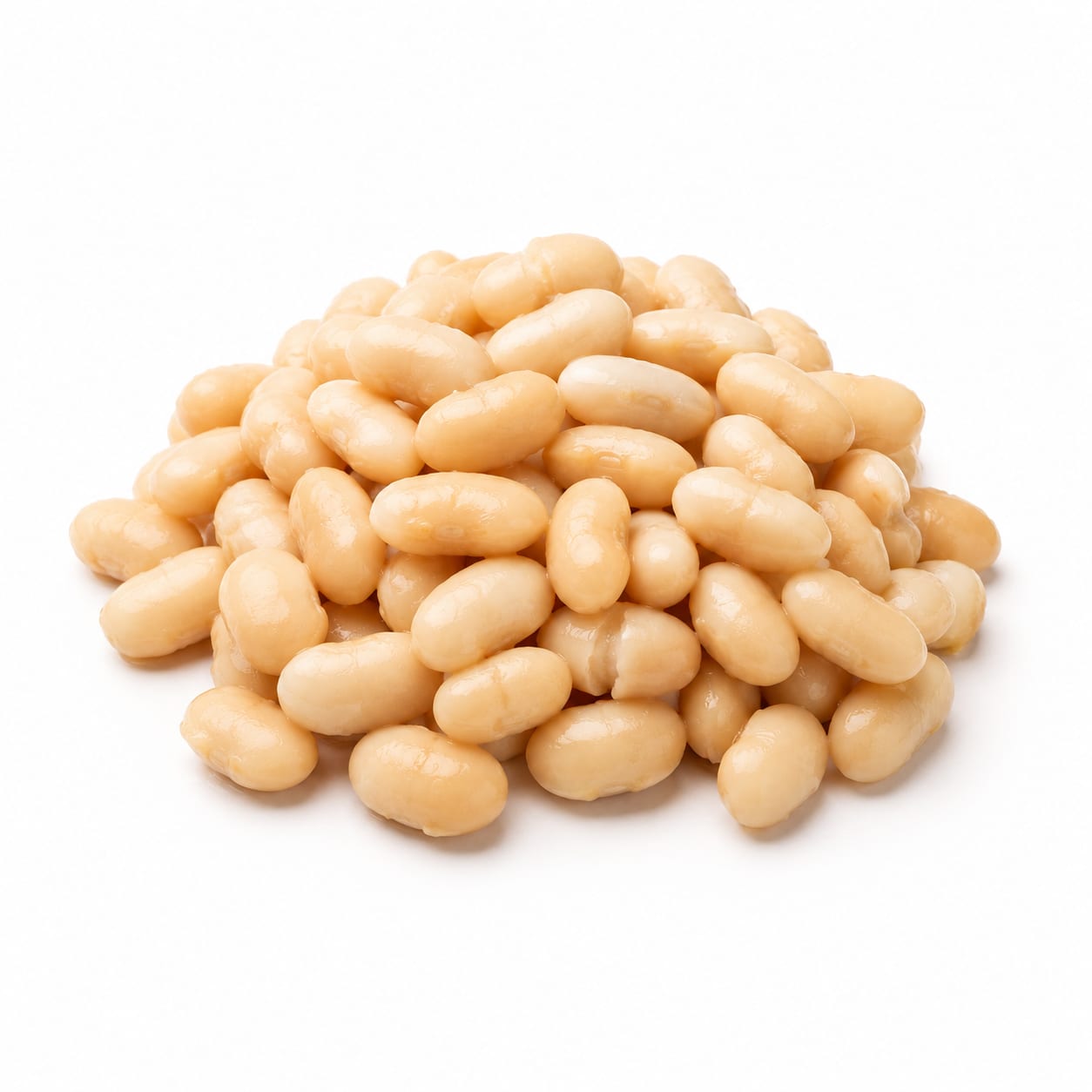
Cannellini Bean
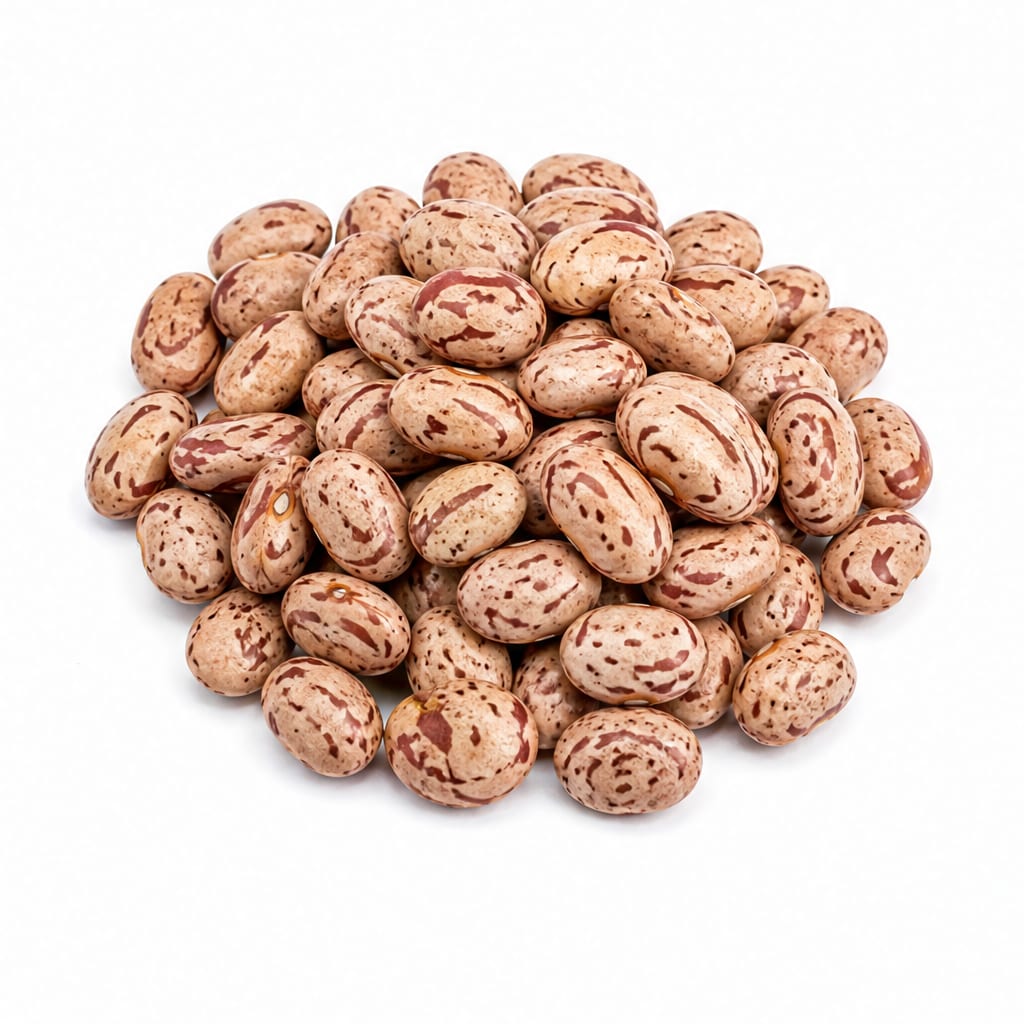
Pinto Beans
Cannellini beans edge ahead on protein and iron, while pinto beans win on fiber and folate. The real decision comes down to your health priority and what you're cooking.
Pinto beans score slightly higher due to their fiber advantage and broader micronutrient coverage, but the margin is razor-thin. Both are nutritional powerhouses, and the score difference rarely matters in practice.
More protein and iron in cannellini beans versus more fiber and folate in pinto beans — a close call with no wrong answer.
At a glance
Executive summary
Overall
It depends
Healthier
It depends
More practical
Pinto Beans
Daily use
It depends
Key comparison lenses
nutritional superiority between two common legumes
Users want to know which bean delivers more health value per serving
digestive tolerance and gas production
Bean choice often comes down to which is easier on the stomach
culinary versatility and meal fit
These beans serve different cuisines and cooking styles
blood sugar management
Both are low-glycemic but fiber differences matter for diabetics
weight management and satiety
Bean selection can influence fullness and calorie intake
Best choice for
Cannellini Bean
- Boosting iron intake naturally
- Higher protein meals without meat
- Italian and Mediterranean recipes
- Soups and salads where beans should hold shape
Pinto Beans
- Improving digestion and regularity
- Pregnancy nutrition due to higher folate
- Mexican and Latin American dishes
- Creamy textures like refried beans or dips
Least suitable for
Cannellini Bean
- Anyone needing maximum fiber for digestion issues
- Folate-focused prenatal nutrition
- Recipes requiring a creamy, mashable texture
Pinto Beans
- Iron-deficient individuals seeking plant sources
- Dishes where beans must stay firm and intact
- People watching total carb intake closely
Deep comparison
Dimension by dimension
Each lens scores both foods and breaks down who each option suits.
- Dimension 1 · Priority 88Cannellini Bean
protein_content
Cannellini Bean · 82Pinto Beans · 74Cannellini beans deliver roughly 15g protein per cup versus 14g in pinto beans — a small but consistent edge.
Tradeoff
The protein gap is modest and unlikely to matter unless beans are your primary protein source.
Why it matters
For plant-based eaters relying on legumes, every gram of protein counts toward daily targets.
Real-world impact
Over a week of daily bean meals, cannellini beans give you roughly 7 extra grams of protein — about one egg's worth.
Cannellini Bean
- Vegans and vegetarians maximizing protein intake
- Athletes using beans as a protein base
Better for
Pinto Beans
- Those counting on beans as their main protein source
Worse for
- Dimension 2 · Priority 90Pinto Beans
fiber_content
Cannellini Bean · 72Pinto Beans · 86Pinto beans pack about 15g fiber per cup compared to 11g in cannellini beans — a meaningful 36% advantage.
Tradeoff
More fiber means better digestion and steadier blood sugar, but also more gas if your body isn't used to it.
Why it matters
Most people fall far short of the 25-38g daily fiber recommendation. Pinto beans close that gap faster.
Real-world impact
One cup of pinto beans covers roughly half your daily fiber needs. Cannellini beans cover about a third.
Cannellini Bean
- Those relying on a single bean serving for most of their daily fiber
Worse for
Pinto Beans
- Anyone struggling with constipation or irregularity
- People aiming to lower cholesterol through diet
- Diabetics seeking better blood sugar control
Better for
- People with sensitive digestion unaccustomed to high fiber
Worse for
- Dimension 3 · Priority 85It depends
micronutrient_profile
Cannellini Bean · 80Pinto Beans · 82Cannellini beans lead in iron and magnesium, while pinto beans dominate in folate, potassium, and phosphorus.
Tradeoff
Neither bean is a complete micronutrient solution — your choice depends on which nutrients you need most.
Why it matters
Iron deficiency is the world's most common nutrient gap, but folate is critical for pregnant women and heart health.
Real-world impact
Choosing cannellini beans helps fight fatigue from low iron. Choosing pinto beans supports cellular repair and heart rhythm.
Cannellini Bean
- Women with heavy periods needing more iron
- Fatigue-prone individuals with low iron stores
Better for
- Those prioritizing folate for prenatal health
Worse for
Pinto Beans
- Pregnant women or those trying to conceive
- People managing blood pressure through potassium intake
Better for
- Anyone with iron deficiency anemia
Worse for
- Dimension 4 · Priority 82Pinto Beans
digestive_tolerance
Cannellini Bean · 68Pinto Beans · 76Pinto beans are generally easier to digest for most people, producing less gas than cannellini beans.
Tradeoff
Easier digestion comes with a creamier texture that breaks down faster, which can feel less satisfying in some dishes.
Why it matters
Gas and bloating are the top reasons people avoid beans. Starting with a gentler option makes legumes more sustainable.
Real-world impact
If beans typically make you uncomfortable, pinto beans are a smarter entry point before working up to cannellini beans.
Cannellini Bean
- Those prone to bloating or IBS symptoms
Worse for
Pinto Beans
- People new to eating beans regularly
- Anyone with a sensitive digestive system
Better for
- Dimension 5 · Priority 78Pinto Beans
blood_sugar_stability
Cannellini Bean · 76Pinto Beans · 84Both beans have a low glycemic index, but pinto beans' higher fiber content slows glucose absorption more effectively.
Tradeoff
The difference is modest — both are excellent choices compared to nearly any grain or starch.
Why it matters
For diabetics, even small improvements in post-meal blood sugar spikes add up over months and years.
Real-world impact
After a pinto bean meal, you're less likely to experience the energy dip that hits 90 minutes after eating.
Cannellini Bean
- Those who need maximum blood sugar control from every meal
Worse for
Pinto Beans
- People with type 2 diabetes or prediabetes
- Anyone prone to afternoon energy crashes
Better for
- Dimension 6 · Priority 75It depends
culinary_versatility
Cannellini Bean · 78Pinto Beans · 80Cannellini beans excel in soups, salads, and Italian dishes. Pinto beans shine in burritos, chili, dips, and comfort food.
Tradeoff
Neither bean substitutes well for the other's signature dishes without changing the character of the meal.
Why it matters
You'll actually eat the bean that fits your cooking style. Nutritional superiority means nothing if it sits in the pantry.
Real-world impact
Cannellini beans make a better tuna bean salad. Pinto beans make a better burrito. Swap them and both dishes suffer.
Cannellini Bean
- Home cooks making Mediterranean and Italian food
- Anyone wanting a firm bean for grain bowls and salads
Better for
- Tex-Mex enthusiasts who find cannellini beans out of place
Worse for
Pinto Beans
- Fans of Mexican, Tex-Mex, and Southern comfort food
- Anyone who loves creamy refried beans or bean dips
Better for
- Italian cooks who find pinto beans too soft for minestrone
Worse for
- Dimension 7 · Priority 72Pinto Beans
satiety_and_fullness
Cannellini Bean · 74Pinto Beans · 80Pinto beans keep you fuller longer thanks to their higher fiber content, which slows stomach emptying.
Tradeoff
Cannellini beans feel lighter in the stomach, which can be preferable before physical activity.
Why it matters
Staying full between meals reduces snacking and makes it easier to maintain a healthy weight.
Real-world impact
A pinto bean lunch is more likely to carry you to dinner without reaching for a 3pm snack.
Cannellini Bean
- Pre-workout meals where you want less stomach weight
- Lighter summer meals
Better for
- People who find themselves hungry again quickly after bean meals
Worse for
Pinto Beans
- Anyone trying to reduce between-meal snacking
- Hearty winter meals that need to stick with you
Better for
- Athletes needing a lighter pre-exercise meal
Worse for
Timeline
Health impact over time
Short-term
Hours to days
Cannellini Bean
- Moderate gas and bloating, especially if you're not used to eating beans
- Steady energy without sugar crashes due to low glycemic load
- Slightly lighter feeling in the stomach compared to pinto beans
Pinto Beans
- Less gas than cannellini beans for most people, though still present
- Stronger feeling of fullness that reduces urge to snack
- Smoother digestion with more regular bowel movements
Long-term
Months to years
Cannellini Bean
- Better iron status over time, reducing fatigue risk
- Consistent plant protein intake supporting muscle maintenance
- Heart health benefits from regular legume consumption
Pinto Beans
- Improved cholesterol levels from higher soluble fiber intake
- Better blood sugar control reducing diabetes progression risk
- Stronger gut microbiome from feeding beneficial bacteria more fiber
Risk profile
Safety & processing
Both beans are whole foods in their dried form. Canned versions may contain added sodium, but rinsing removes roughly 40% of it. Neither bean raises processing concerns when bought dried or low-sodium canned.
Cannellini Bean
Phytohaemagglutinin toxicity from undercooking
mediumLike all kidney bean relatives, cannellini beans contain a lectin that can cause nausea and vomiting if eaten raw or undercooked. Boiling for at least 10 minutes destroys it completely.
BPA exposure from canned varieties
lowMost canned beans use BPA-lined cans. Choose tetra-packed or BPA-free canned options, or cook from dried to avoid this entirely.
Pinto Beans
Phytohaemagglutinin toxicity from undercooking
lowPinto beans contain much lower lectin levels than cannellini beans, making undercooking less dangerous, though still not recommended.
BPA exposure from canned varieties
lowSame can-lining concern as cannellini beans. Rinsing helps, but cooking from dried eliminates the issue.
Who wins for whom
Audience fit
Same foods, different winners depending on your goal.
children
Pinto BeansPinto beans are easier to digest, mash smoothly into familiar textures, and their milder flavor is more kid-friendly.
daily consumption
It dependsRotate both for the broadest nutrient coverage. Pinto beans edge ahead for most people due to fiber, but cannellini beans add iron diversity.
diabetes
Pinto BeansHigher fiber content slows glucose absorption more effectively, leading to smaller post-meal blood sugar spikes.
elderly
Pinto BeansBetter digestibility, higher folate for cellular repair, and a softer texture that's easier to chew and swallow.
muscle gain
Cannellini BeanSlightly more protein per serving and a firmer texture that pairs well with other protein sources in muscle-building meals.
weight loss
Pinto BeansHigher fiber in pinto beans means greater satiety per calorie, making it easier to eat less overall without feeling deprived.
Your move
Decision guide
Choose Cannellini Bean
- You're iron-deficient or at risk of anemia
- You cook a lot of Italian, French, or Mediterranean food
- You want a bean that holds its shape in soups and salads
- You're building plant-based meals around protein content
Choose Pinto Beans
- Digestive comfort is your top priority
- You're pregnant or trying to conceive and need folate
- You love Mexican, Tex-Mex, or Southern comfort food
- You want maximum fullness and snack reduction between meals
- You're managing diabetes or blood sugar concerns
Either works if
- You simply want more legumes in your diet regardless of type
- You're meal prepping and will eat both throughout the week
- Both beans fit your recipe rotation naturally
- You're focused on heart health, where both perform equally well
Avoid both if
- You have a diagnosed legume allergy
- You're in an acute gout flare and limiting purines temporarily
- You're on a very low-carb or keto diet keeping carbs under 30g daily
Final recommendation
Don't overthink this one. Both beans are nutritional all-stars that most people don't eat enough of. If you cook Italian food often, stock cannellini beans. If you lean toward Mexican or comfort food, keep pinto beans handy. The best bean is the one you'll actually cook and eat regularly. For maximum benefit, rotate both — you'll get broader micronutrient coverage and never get bored.
Practical
Consumer tips
- 1
Buy dried beans in bulk for the lowest cost and best flavor. Soak overnight and cook with a strip of kombu seaweed to reduce gas-causing compounds.
- 2
If using canned beans, rinse thoroughly under running water to remove about 40% of the sodium and much of the starchy liquid that causes bloating.
- 3
Add a splash of acid like lemon juice or vinegar at the end of cooking — it brightens flavor and improves mineral absorption from the beans.
- 4
Start with small portions if you're new to eating beans regularly. Your gut adapts over 2-3 weeks, and gas decreases significantly with consistency.
- 5
Freeze cooked beans in portioned bags with their cooking liquid. They thaw perfectly and eliminate the temptation to reach for less healthy convenience foods.