
Nutrition comparison
Cannellini Beans vs Edamame: Nutrition, Protein, and Health Comparison
Compare cannellini beans and edamame on protein quality, fiber, cost, and health effects. Find out which legume is better for your goals.
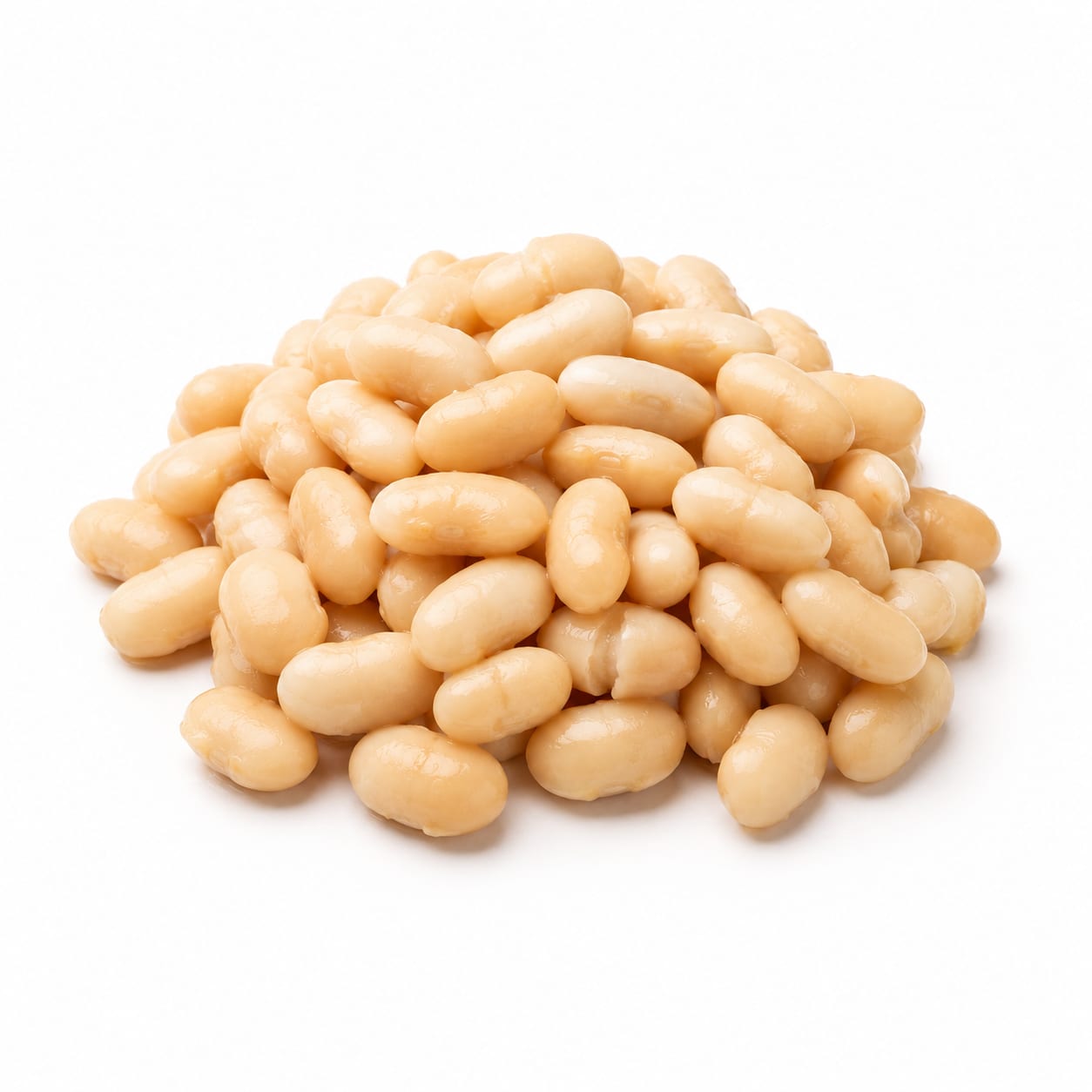
Cannellini Bean
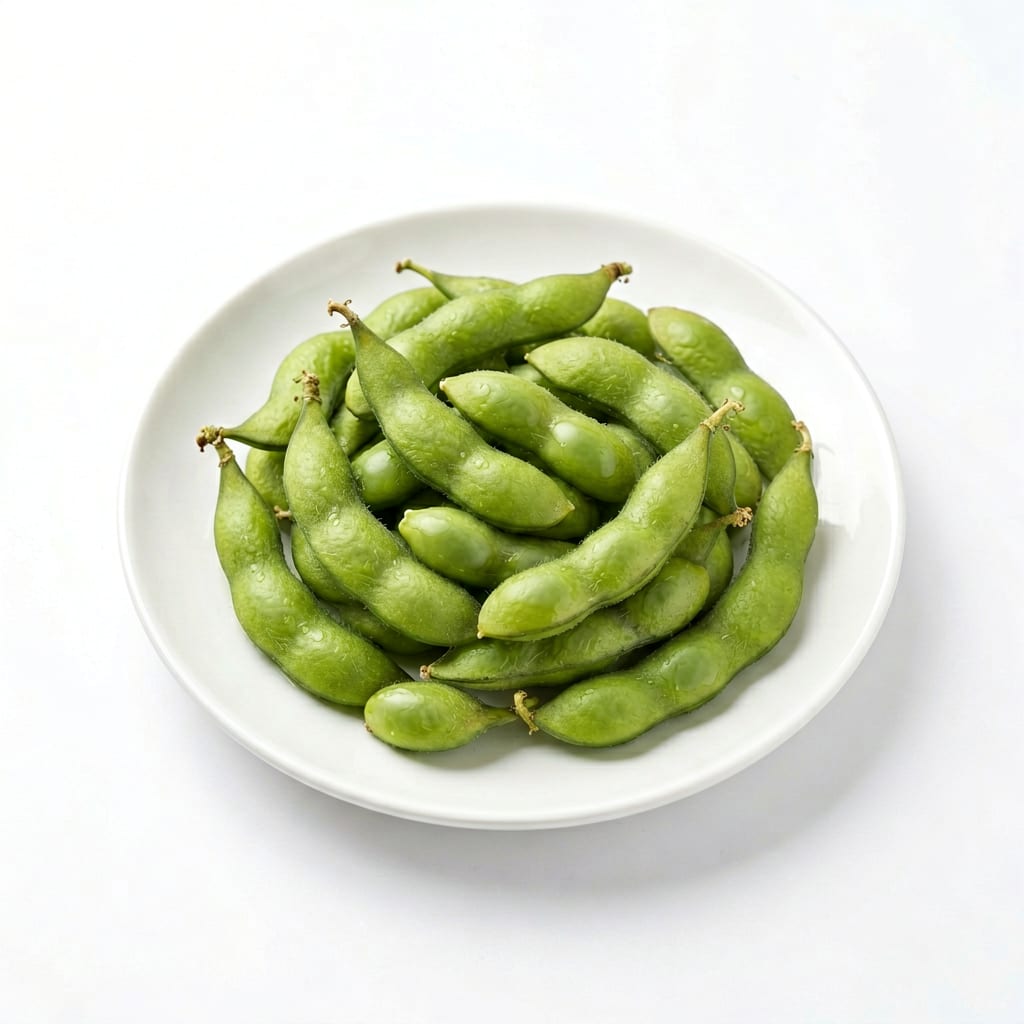
Edamame
Edamame wins on protein quality and healthy fats, while cannellini beans win on fiber, cost, and simplicity. Your priority determines the winner.
Edamame scores slightly higher due to complete protein and healthy fat content, but cannellini beans remain excellent for fiber, cost, and broader dietary compatibility. The gap is small because both are nutrient-dense whole foods.
Complete protein and omega-3 fats in edamame versus more resistant starch, lower cost, and fewer hormonal considerations in cannellini beans.
At a glance
Executive summary
Overall
It depends
Healthier
It depends
More practical
Cannellini Bean
Daily use
Cannellini Bean
Key comparison lenses
plant protein quality comparison
Edamame is a complete protein while cannellini beans are not, making this the most nutritionally consequential difference
fiber type and digestive health
Both are high-fiber foods but differ significantly in fiber type, with cannellini beans offering more resistant starch
hormonal and phytoestrogen considerations
Edamame contains isoflavones which affect hormone-sensitive individuals, unlike cannellini beans
blood sugar management
Both are moderate-glycemic legumes but their carb-to-protein ratios differ substantially
GMO and pesticide exposure
Most US soy is genetically modified, raising concerns that do not apply to cannellini beans
cost and everyday practicality
Canned cannellini beans are significantly cheaper and more shelf-stable than frozen edamame
Best choice for
Cannellini Bean
- Budget-conscious meal preppers
- People avoiding soy or phytoestrogens
- Those seeking maximum fiber and digestive benefits
- Anyone wanting a versatile cooking bean for soups and stews
Edamame
- Athletes and active people needing complete protein
- Anyone avoiding animal protein who needs all essential amino acids
- People wanting a satisfying high-protein snack
- Those seeking omega-3 fats from plant sources
Least suitable for
Cannellini Bean
- People needing high protein per calorie
- Anyone sensitive to lectins or who experiences bloating from beans
- Those wanting a quick ready-to-eat snack
Edamame
- People with soy allergies
- Those avoiding phytoestrogens due to hormone-sensitive conditions
- Anyone strictly avoiding GMO foods without access to organic options
- Budget-limited households
Deep comparison
Dimension by dimension
Each lens scores both foods and breaks down who each option suits.
- Dimension 1 · Priority 95Edamame
Protein Quality and Content
Cannellini Bean · 55Edamame · 92Edamame delivers roughly 17g of complete protein per cup versus 15g of incomplete protein in cannellini beans. The amino acid profile of edamame covers all essentials.
Tradeoff
Cannellini beans are missing methionine as a limiting amino acid and need grain pairing for completeness, while edamame stands alone as a protein source.
Why it matters
If you eat limited animal protein, getting all essential amino acids from a single plant source matters a lot for muscle maintenance and recovery.
Real-world impact
A post-workout edamame bowl gives you usable protein without needing to combine foods. Cannellini beans on toast works, but requires that pairing to be complete.
Cannellini Bean
- Pairing with grains for traditional complete meals
- Adding bulk and creaminess to protein-rich dishes
Better for
- Relying on cannellini beans as your sole protein source
- Needing quick amino acid availability after exercise
Worse for
Edamame
- Standalone high-protein snacks
- Post-workout recovery without food combining
- Vegan athletes needing efficient protein
Better for
- Anyone with soy protein allergy or intolerance
Worse for
- Dimension 2 · Priority 85Cannellini Bean
Fiber and Digestive Health
Cannellini Bean · 90Edamame · 72Cannellini beans provide about 12g of fiber per cup with significant resistant starch, while edamame offers roughly 8g with less resistant starch but more variety in fiber types.
Tradeoff
The resistant starch in cannellini beans feeds gut bacteria differently than edamame's fiber, producing more butyrate which specifically strengthens the gut lining.
Why it matters
Resistant starch acts like a prebiotic supercharger, feeding beneficial bacteria that produce butyrate for colon health. This is a meaningful long-term digestive advantage.
Real-world impact
Regular cannellini bean consumption tends to improve bowel regularity more noticeably. Edamame still helps but feels gentler and less dramatic in effect.
Cannellini Bean
- Improving gut microbiome diversity
- Managing constipation and regularity
- Supporting colon health long-term
Better for
- Those prone to gas and bloating from fermentable fibers
- Low-FODMAP diet followers
Worse for
Edamame
- People with sensitive digestion who find beans too heavy
- Gentle fiber intake without bloating
Better for
- Anyone needing maximum fiber per serving
Worse for
- Dimension 3 · Priority 78Cannellini Bean
Blood Sugar Stability
Cannellini Bean · 82Edamame · 75Cannellini beans have a lower glycemic load thanks to more resistant starch and higher total fiber slowing glucose absorption. Edamame's protein and fat help too, but the carb ratio is less favorable.
Tradeoff
Edamame has more protein which helps with satiety, but cannellini beans have more starch that resists digestion entirely, creating steadier blood sugar over hours.
Why it matters
For prediabetics or anyone fighting afternoon energy crashes, the resistant starch in cannellini beans creates a slower, longer energy release.
Real-world impact
A cannellini bean salad at lunch keeps energy steadier through the afternoon. Edamame as a snack is good but the energy curve is slightly shorter.
Cannellini Bean
- Prediabetics seeking steady glucose
- Long-lasting energy between meals
- Resistant starch benefits for insulin sensitivity
Better for
- Very low-carb or keto diet followers
Worse for
Edamame
- Lower-carb eaters wanting plant protein
- Those monitoring total carbohydrate intake
Better for
- Those needing maximum blood sugar flattening from resistant starch
Worse for
- Dimension 4 · Priority 80Edamame
Heart Health Fats
Cannellini Bean · 40Edamame · 88Edamame contains meaningful amounts of polyunsaturated fats including alpha-linolenic acid, an omega-3. Cannellini beans are nearly fat-free.
Tradeoff
The healthy fats in edamame support cardiovascular and anti-inflammatory benefits that cannellini beans simply cannot provide. But the fat also adds calories.
Why it matters
Plant omega-3s are hard to find, and edamame is one of the better sources. This matters for heart health, especially in plant-forward diets.
Real-world impact
Regular edamame consumption contributes to a better omega-3 to omega-6 ratio. Cannellini beans need olive oil or another fat source to match this benefit.
Cannellini Bean
- Low-fat diet followers
- Calorie-restricted eating where every gram counts
Better for
- Anyone relying on beans as a primary fat source for heart health
Worse for
Edamame
- Heart health-focused diets
- Plant-based eaters needing omega-3 sources
- Anti-inflammatory eating patterns
Better for
- Those strictly limiting dietary fat intake
Worse for
- Dimension 5 · Priority 75Cannellini Bean
Hormonal Considerations
Cannellini Bean · 85Edamame · 55Edamame contains isoflavones which mimic estrogen weakly. Cannellini beans have no phytoestrogens, making them hormonally neutral.
Tradeoff
Isoflavones may benefit bone density and menopause symptoms but raise concerns for those with estrogen-sensitive conditions. Cannellini beans avoid this entirely.
Why it matters
For breast cancer survivors, thyroid patients, or anyone with hormone-sensitive conditions, the phytoestrogen question is not theoretical but personally urgent.
Real-world impact
Most people tolerate moderate edamame fine, but those with hormonal conditions need to discuss it with their doctor. Cannellini beans never raise this concern.
Cannellini Bean
- Hormone-sensitive individuals
- Breast cancer survivors under medical guidance
- People wanting simplicity without hormonal variables
Better for
- Anyone specifically wanting phytoestrogen benefits
Worse for
Edamame
- Postmenopausal women who may benefit from phytoestrogens
- Those seeking potential bone density support
Better for
- Estrogen-receptor positive breast cancer patients
- People with hypothyroidism on medication
- Anyone avoiding soy for hormonal reasons
Worse for
- Dimension 6 · Priority 68Cannellini Bean
Cost and Accessibility
Cannellini Bean · 92Edamame · 58Canned cannellini beans cost roughly $1-2 per can and last years in the pantry. Frozen edamame costs $3-5 per bag and requires freezer space.
Tradeoff
Cannellini beans are one of the cheapest protein sources available. Edamame is moderately expensive for a legume, especially organic varieties.
Why it matters
For families or individuals on tight budgets, the cost difference compounds over weeks and months of regular consumption.
Real-world impact
A week of cannellini bean-based meals costs a fraction of edamame-based ones. For meal preppers feeding a household, this matters enormously.
Cannellini Bean
- Budget meal planning
- Pantry stocking and emergency preparedness
- Bulk cooking and batch prep
Better for
- Those wanting a premium snack experience
Worse for
Edamame
- Specialty recipes where edamame is irreplaceable
- Treat-yourself healthy snacking
Better for
- Feeding a family on a budget
- Food bank or limited-income situations
Worse for
- Dimension 7 · Priority 65Edamame
Convenience and Snackability
Cannellini Bean · 50Edamame · 82Frozen edamame steams in minutes and eats as a hand-held snack. Cannellini beans require rinsing, heating, and usually recipe integration.
Tradeoff
Edamame works as a standalone snack food. Cannellini beans almost always need to be part of a dish to feel satisfying.
Why it matters
The food you can grab and eat easily is the food you will actually eat. Convenience drives consistency more than nutrition facts.
Real-world impact
Steamed edamame with salt is a 5-minute snack. Cannellini beans need a soup, salad, or mash to feel like a complete eating experience.
Cannellini Bean
- Cooking ahead for the week
- Adding to soups and stews effortlessly
Better for
- Spontaneous snacking
- Eating without preparation
Worse for
Edamame
- Quick after-work snacks
- Appetizers and social eating
- Kids who enjoy popping beans from pods
Better for
- Recipes requiring a creamy, neutral bean base
Worse for
Timeline
Health impact over time
Short-term
Hours to days
Cannellini Bean
- Noticeable fullness from high fiber, sometimes accompanied by bloating or gas
- Steady energy release over 3-4 hours without crashes
- May cause digestive discomfort if you are not used to high bean intake
Edamame
- Satisfying protein-rich fullness without heaviness
- Mild energy boost from balanced macros
- Generally easier on digestion than cannellini beans for sensitive stomachs
Long-term
Months to years
Cannellini Bean
- Improved gut microbiome diversity from resistant starch feeding beneficial bacteria
- Better colon health and reduced constipation risk
- Lower food costs enabling consistent healthy eating patterns
- Potential for improved insulin sensitivity with regular consumption
Edamame
- Better omega-3 intake supporting cardiovascular health over time
- Possible bone density benefits from isoflavones in postmenopausal women
- Complete protein intake supporting muscle preservation with aging
- Potential thyroid interaction requiring monitoring for susceptible individuals
Risk profile
Safety & processing
Both foods are whole legumes with minimal processing. Canned cannellini beans may contain added salt, and frozen edamame may have a brief blanching step, but neither raises significant processing concerns. Choose no-salt-added canned beans and organic edamame when possible.
Cannellini Bean
BPA from can linings
mediumCanned cannellini beans may expose you to BPA from can linings. Choose tetra-pak or BPA-free cans to reduce this risk.
Lectin toxicity from undercooking
lowRaw or undercooked cannellini beans contain phytohaemagglutinin which can cause nausea. Canned beans are fully cooked and safe.
Sodium in canned varieties
mediumStandard canned beans can contain 400-500mg sodium per serving. Rinsing removes about 40%, or choose no-salt-added versions.
Edamame
GMO exposure
mediumOver 90% of US soy is genetically modified. Choose organic edamame to avoid GMOs entirely.
Pesticide residue
mediumSoybeans are a heavily pesticide-treated crop. Organic edamame significantly reduces this exposure.
Soy allergy reactions
highSoy is a top 9 allergen. Reactions can range from hives to anaphylaxis in sensitive individuals.
Who wins for whom
Audience fit
Same foods, different winners depending on your goal.
children
It dependsEdamame is fun for kids to eat from the pod and provides great nutrition, but soy allergy risk and phytoestrogen concerns make cannellini beans the safer default.
daily consumption
Cannellini BeanLower cost, no hormonal considerations, and easier integration into varied meals make cannellini beans more sustainable as a daily staple.
diabetes
Cannellini BeanHigher resistant starch and fiber content creates a flatter blood sugar curve, which is more protective for glucose management.
elderly
EdamameComplete protein helps prevent sarcopenia, and the soft texture of edamame is easy to chew. Isoflavones may also support bone density.
muscle gain
EdamameComplete protein with all essential amino acids makes edamame more effective for muscle repair and growth without needing food combining.
weight loss
EdamameEdamame's higher protein and fat content creates stronger satiety per calorie, making it easier to eat less overall without feeling deprived.
Your move
Decision guide
Choose Cannellini Bean
- You want the most cost-effective fiber and protein source possible
- You have hormone-sensitive conditions or avoid soy for any reason
- You cook soups, stews, and Mediterranean dishes regularly
- You prioritize gut health and resistant starch benefits
- You need a pantry-stable protein that lasts months
Choose Edamame
- You need complete protein without animal foods or food combining
- You want a quick, satisfying snack that requires almost no prep
- Heart health and omega-3 intake are top priorities
- You are an active person or athlete needing efficient protein
- You enjoy Asian-inspired meals and want a versatile protein
Either works if
- You simply want more legumes in your diet and like both
- You rotate between different bean types for microbiome diversity
- Neither food poses a specific health concern for you
Avoid both if
- You have a severe legume allergy
- You are on a strict very-low-carb or keto diet
- You experience significant digestive distress from all beans despite gradual introduction
Final recommendation
Keep both in your rotation. Use cannellini beans as your affordable, gut-friendly daily staple in cooked meals, and edamame as your protein-rich snack or post-workout option. The best approach is not choosing one but using each where it shines. If budget forces a choice, cannellini beans give you more nutrition per dollar. If protein quality is your bottleneck, edamame is worth the extra cost.
Practical
Consumer tips
- 1
Buy no-salt-added canned cannellini beans or cook from dried to control sodium completely
- 2
Choose organic edamame to avoid GMO soy and reduce pesticide exposure
- 3
Rinse canned beans thoroughly to remove about 40% of added sodium
- 4
If cannellini beans cause bloating, start with small portions and increase gradually over weeks
- 5
Keep frozen shelled edamame on hand for quick protein additions to salads and grain bowls
- 6
Cook dried cannellini beans with a piece of kombu seaweed to reduce gas-producing compounds
- 7
Edamame in pods stays fresher longer and is more fun to eat, but shelled is more versatile for cooking