
Nutrition comparison
Cannellini Beans vs Split Peas: Nutrition, Fiber, and Which to Choose
Compare cannellini beans and split peas on fiber, protein, blood sugar impact, cost, and versatility. Find out which legume fits your health goals and cooking style.
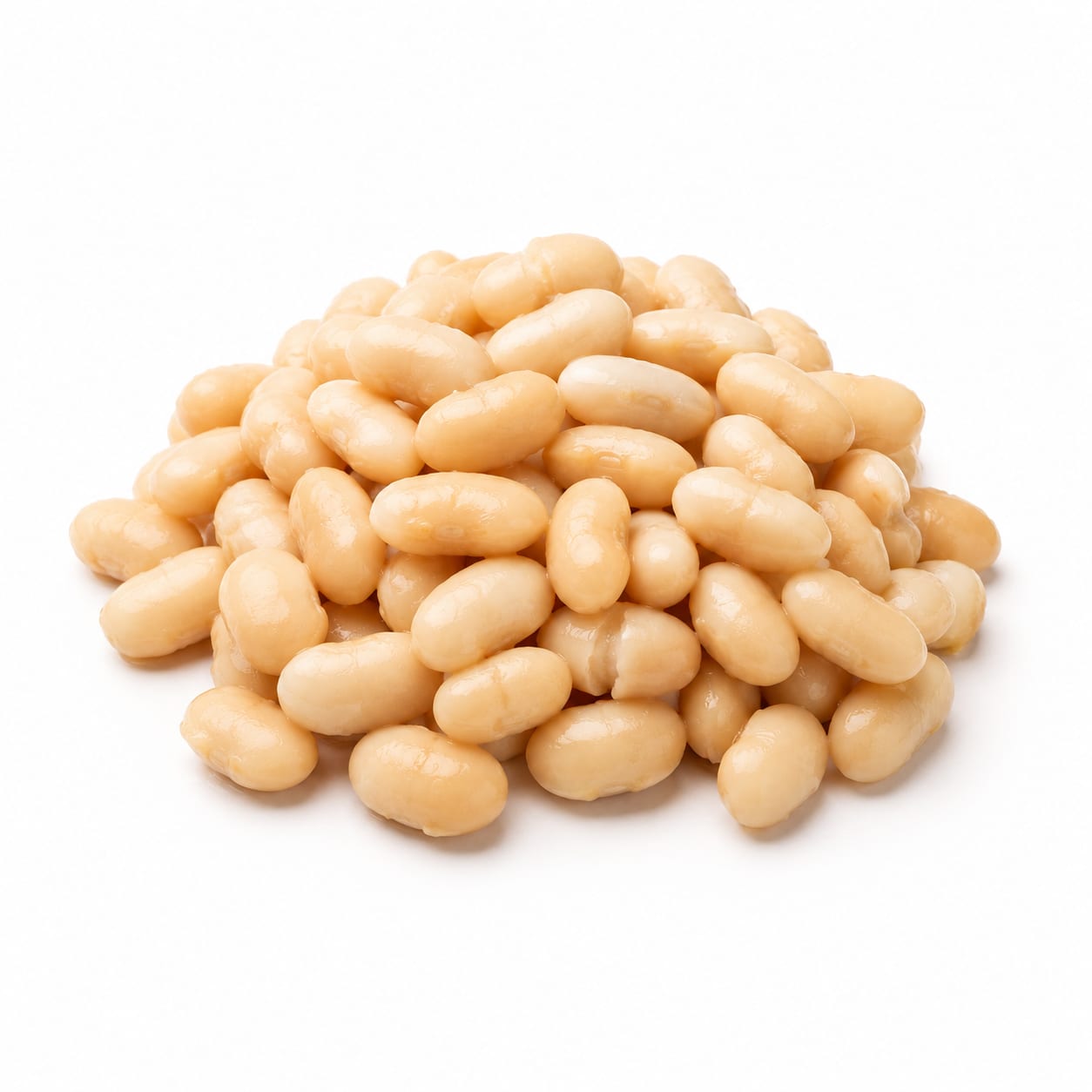
Cannellini Bean
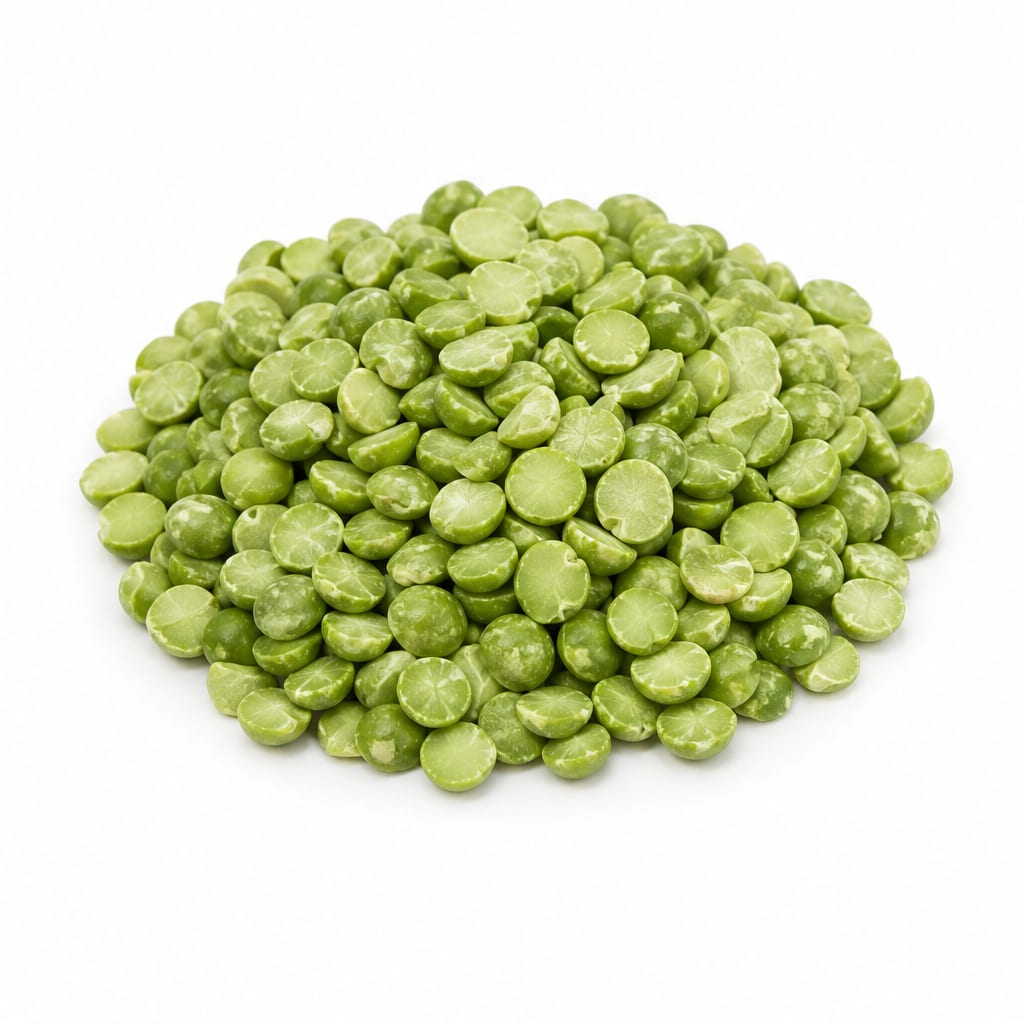
Split Peas
Split peas win on fiber, blood sugar control, and cost. Cannellini beans win on culinary versatility, mineral density, and creamier texture. Choose based on what your meals need.
Split peas score slightly higher due to superior fiber density, lower glycemic impact, and significantly lower cost. Cannellini beans remain strong thanks to mineral content and versatility, keeping the gap narrow.
Split peas deliver more gut-filling fiber and steadier blood sugar per calorie, but cannellini beans integrate into far more recipes and provide more iron and potassium.
At a glance
Executive summary
Overall
It depends
Healthier
Split Peas
More practical
Cannellini Bean
Daily use
It depends
Key comparison lenses
fiber and digestion comparison
Both are high-fiber legumes but split peas deliver significantly more soluble fiber per calorie, making digestive and satiety differences central to this comparison
blood sugar management
Split peas have a lower glycemic index and more fiber, which matters greatly for anyone monitoring glucose
weight loss and satiety
Both are filling but split peas offer more fiber per calorie, making them slightly more effective for appetite control
meal versatility and convenience
Cannellini beans work in salads, dips, and pasta while split peas are mostly soup-bound, affecting real-world usability
budget and accessibility
Split peas are among the cheapest protein sources available, while cannellini beans cost moderately more
Best choice for
Cannellini Bean
- People who want a creamy, versatile bean for salads, dips, and grain bowls
- Anyone needing more iron and potassium in their diet
- Home cooks wanting one legume that works across many cuisines
- Those who find split pea soup monotonous and want variety
Split Peas
- People managing diabetes or insulin resistance
- Budget-conscious eaters wanting maximum nutrition per dollar
- Anyone prioritizing digestive regularity and gut health
- Meal preppers who want a filling base that reheats well as soup
Least suitable for
Cannellini Bean
- People strictly limiting calories who want maximum fiber per calorie
- Those on very tight grocery budgets
- Anyone sensitive to lectins who may undercook beans
Split Peas
- People bored by soup-heavy meal plans
- Anyone wanting a bean that works in cold salads or dips
- Those who find high-fiber meals cause uncomfortable bloating
Deep comparison
Dimension by dimension
Each lens scores both foods and breaks down who each option suits.
- Dimension 1 · Priority 92Split Peas
fiber and satiety
Cannellini Bean · 72Split Peas · 91Split peas deliver roughly 25% more fiber per serving, with a higher proportion of soluble fiber that slows digestion and keeps you full longer.
Tradeoff
That extra fiber can mean more bloating if your gut is not used to it, especially in the first weeks of eating split peas regularly.
Why it matters
Fiber is the single most underrated factor in weight management and digestive health. More fiber per calorie means you eat less naturally.
Real-world impact
A bowl of split pea soup will likely keep you satisfied for 4-5 hours, while a cannellini bean salad may have you snacking again in 3.
Cannellini Bean
- Moderate fiber intake without overwhelming your digestive system
- Recipes where too much fiber would make the texture gummy
Better for
- May not fill you up as long per calorie eaten
Worse for
Split Peas
- Sustained fullness between meals
- Improving bowel regularity quickly
- Reducing overall calorie intake without feeling deprived
Better for
- Can cause gas and bloating if you increase intake too fast
Worse for
- Dimension 2 · Priority 88Split Peas
blood sugar stability
Cannellini Bean · 74Split Peas · 89Split peas have a lower glycemic index and more soluble fiber, resulting in slower glucose absorption and steadier energy after meals.
Tradeoff
The difference is meaningful for diabetics but modest for metabolically healthy people who eat either legume with other foods.
Why it matters
Steady blood sugar means fewer energy crashes, less cravings, and better long-term metabolic health.
Real-world impact
If you are prediabetic, replacing cannellini beans with split peas at lunch could mean avoiding that 3pm energy dip.
Cannellini Bean
- Still far better than most carb sources for blood sugar
- Works well mixed with vinegar-based dressings that further lower glycemic response
Better for
- Slightly faster glucose rise compared to split peas
Worse for
Split Peas
- Best choice among common legumes for glucose control
- Particularly effective at breakfast or lunch for all-day energy stability
Better for
- Large portions can still spike blood sugar if eaten alone without fat or protein
Worse for
- Dimension 3 · Priority 75Cannellini Bean
mineral density
Cannellini Bean · 82Split Peas · 68Cannellini beans provide more iron, potassium, and magnesium per serving, making them a better mineral booster in meals.
Tradeoff
The mineral advantage is real but not dramatic. Both legumes are solid mineral sources compared to most foods.
Why it matters
Iron and potassium deficiencies are common, and legumes are one of the most practical ways to address them.
Real-world impact
Eating cannellini beans regularly can help with fatigue linked to low iron, especially for plant-based eaters.
Cannellini Bean
- Plant-based eaters needing more iron
- Anyone not hitting potassium targets through produce alone
- Active people losing minerals through sweat
Better for
- Phytates still block some mineral absorption unless you soak or sprout
Worse for
Split Peas
- Still provides decent mineral content, just not as concentrated
Better for
- Lower iron and potassium density means you need larger portions to match cannellini beans
Worse for
- Dimension 4 · Priority 80Cannellini Bean
culinary versatility
Cannellini Bean · 88Split Peas · 55Cannellini beans work in cold salads, warm soups, dips, pasta dishes, and grain bowls. Split peas are essentially limited to soups and stews.
Tradeoff
If you only eat soup, split peas are perfect. If you want one legume for everything, cannellini beans are the clear pick.
Why it matters
The best healthy food is the one you actually enjoy cooking and eating in varied ways. Boredom kills diets.
Real-world impact
You can toss cannellini beans into a lunch salad, blend them into hummus, or add them to pasta. Split peas mostly mean one thing: soup night.
Cannellini Bean
- Meal preppers who want one ingredient for multiple recipes
- People who get bored eating the same preparation repeatedly
- Cold dish applications like bean salads and dips
Better for
- Requires soaking and longer cook time from dried
Worse for
Split Peas
- Anyone who loves hearty soups and stews
- Comfort food eaters who want a warming, filling meal
Better for
- Very limited recipe range beyond soups and porridges
- Texture does not work well in cold dishes
Worse for
- Dimension 5 · Priority 70Split Peas
cost and accessibility
Cannellini Bean · 65Split Peas · 93Split peas are among the cheapest protein sources on earth, often costing half as much per serving as cannellini beans.
Tradeoff
Lower cost comes with less recipe flexibility, which can feel limiting over time.
Why it matters
When money is tight, the cheapest nutritious food that you will actually eat is the best food.
Real-world impact
A one-pound bag of split peas can make 8-10 meals of soup for under two dollars total.
Cannellini Bean
- Canned versions are convenient and still affordable
- Widely available in most grocery stores
Better for
- Dried cannellini beans cost more and require soaking
- Canned versions add sodium unless you rinse thoroughly
Worse for
Split Peas
- Best protein-per-dollar ratio of nearly any food
- No soaking required, saving prep time and energy costs
Better for
- May require buying in bulk to realize maximum savings
Worse for
- Dimension 6 · Priority 78Cannellini Bean
digestive tolerance
Cannellini Bean · 73Split Peas · 62Cannellini beans are generally easier to digest for most people, while split peas' higher fiber can cause significant gas and bloating initially.
Tradeoff
Your gut adapts over time. The gas from split peas usually decreases after a few weeks of regular consumption.
Why it matters
If a healthy food makes you uncomfortable, you will stop eating it. Tolerance matters as much as nutrition.
Real-world impact
Eating a large bowl of split pea soup on a first date or before a meeting is risky. Cannellini beans in a salad are safer.
Cannellini Bean
- People new to high-fiber diets who need a gentler entry
- Situations where bloating would be socially uncomfortable
Better for
- Still causes gas for some people, especially from canned versions
Worse for
Split Peas
- Gut adapts over 2-3 weeks and tolerance improves significantly
- Higher fiber feeds beneficial gut bacteria long-term
Better for
- Initial adjustment period can be very uncomfortable
- Large portions are likely to cause bloating in unaccustomed eaters
Worse for
Timeline
Health impact over time
Short-term
Hours to days
Cannellini Bean
- Moderate sustained energy for 3-4 hours after eating
- Mild gas possible, especially with canned versions
- Quick mineral boost, particularly potassium which helps with hydration
Split Peas
- Long-lasting fullness up to 5 hours due to high soluble fiber
- Noticeable gas and bloating likely if you are not used to high fiber
- Steadier energy with minimal blood sugar spike and crash
Long-term
Months to years
Cannellini Bean
- Improved iron status, especially valuable for plant-based eaters
- Better cardiovascular markers from regular legume consumption
- Consistent mineral intake supporting bone and muscle function
Split Peas
- Significantly improved gut microbiome diversity from high soluble fiber
- Better long-term blood sugar regulation and reduced diabetes risk
- Lower cholesterol levels from sustained high fiber intake
Risk profile
Safety & processing
Both are whole, minimally processed foods in their dried form. Canned cannellini beans may contain added sodium and trace BPA from can linings, so dried is preferable when possible. Split peas are almost always sold dried with no additives.
Cannellini Bean
Lectin toxicity from undercooking
mediumRaw or undercooked cannellini beans contain phytohaemagglutinin, which can cause nausea and vomiting. Always boil for at least 10 minutes after soaking.
BPA exposure from canned versions
lowMost cans still use BPA-lined interiors. Choose dried beans or BPA-free canned options to minimize exposure.
Sodium in canned versions
mediumCanned cannellini beans can contain 400-500mg sodium per serving. Rinsing removes about 40% but not all.
Split Peas
Pesticide residue on conventional crops
lowPeas are not on the high-pesticide list but conventional farming does use some fungicides. Organic is preferable but not critical.
Mycotoxin contamination in bulk storage
lowSplit peas stored in humid conditions can develop mold. Buy from stores with good turnover and inspect for discoloration.
Who wins for whom
Audience fit
Same foods, different winners depending on your goal.
children
Cannellini BeanCannellini beans have a milder flavor and creamier texture that kids accept more easily, and can be mashed into familiar foods.
daily consumption
It dependsSplit peas are nutritionally superior for daily use but their limited recipe range makes daily consumption monotonous. Cannellini beans offer more variety for daily rotation.
diabetes
Split PeasLower glycemic index and higher soluble fiber make split peas the superior choice for glucose management.
elderly
Cannellini BeanEasier to digest, softer texture when cooked, and more iron and potassium which are commonly deficient in older adults.
muscle gain
Cannellini BeanSlightly more protein per serving and better mineral profile supports muscle function and recovery, though both are moderate protein sources.
weight loss
Split PeasMore fiber per calorie means split peas fill you up longer on fewer calories, naturally reducing overall intake.
Your move
Decision guide
Choose Cannellini Bean
- You want one versatile legume for salads, soups, dips, and pasta
- You are plant-based and need more iron and potassium
- You cook for kids or picky eaters who prefer mild flavors
- You value recipe variety and want to avoid meal boredom
Choose Split Peas
- You are managing blood sugar or insulin resistance
- You want maximum nutrition per dollar spent
- You love hearty soups and do not mind a soup-heavy rotation
- You prioritize gut health and digestive regularity
Either works if
- You simply want more legumes in your diet regardless of type
- You are eating a varied diet where either legume is just one component
- You are rotating between multiple plant proteins weekly
Avoid both if
- You have severe IBS or FODMAP sensitivity and cannot tolerate legumes
- You are on a very low-carb or ketogenic diet
- You have a diagnosed legume allergy
Final recommendation
Keep both in your pantry. Use split peas for filling, budget-friendly soups that stabilize blood sugar for hours. Use cannellini beans for everything else. If you must pick one, split peas edge ahead on health metrics, but cannellini beans win on making healthy eating enjoyable long-term.
Practical
Consumer tips
- 1
Rinse canned cannellini beans thoroughly to remove about 40% of the added sodium
- 2
Soak dried cannellini beans overnight and boil for at least 10 minutes to neutralize lectins
- 3
Start with small portions of split peas and increase gradually over two weeks to reduce bloating
- 4
Add vinegar or lemon juice to cannellini bean dishes to further lower the glycemic response
- 5
Buy split peas in bulk from stores with high turnover to ensure freshness and avoid mycotoxins
- 6
Blend cannellini beans with garlic and olive oil for a protein-rich dip that rivals hummus
- 7
Freeze leftover split pea soup in individual portions for quick lunches throughout the week