
Nutrition comparison
Cannellini Beans vs Red Kidney Beans: Nutrition, Digestion, and Which to Choose
Compare Cannellini Beans and Red Kidney Beans on antioxidants, iron, digestion, and safety. Learn which bean fits your health goals and cooking style best.
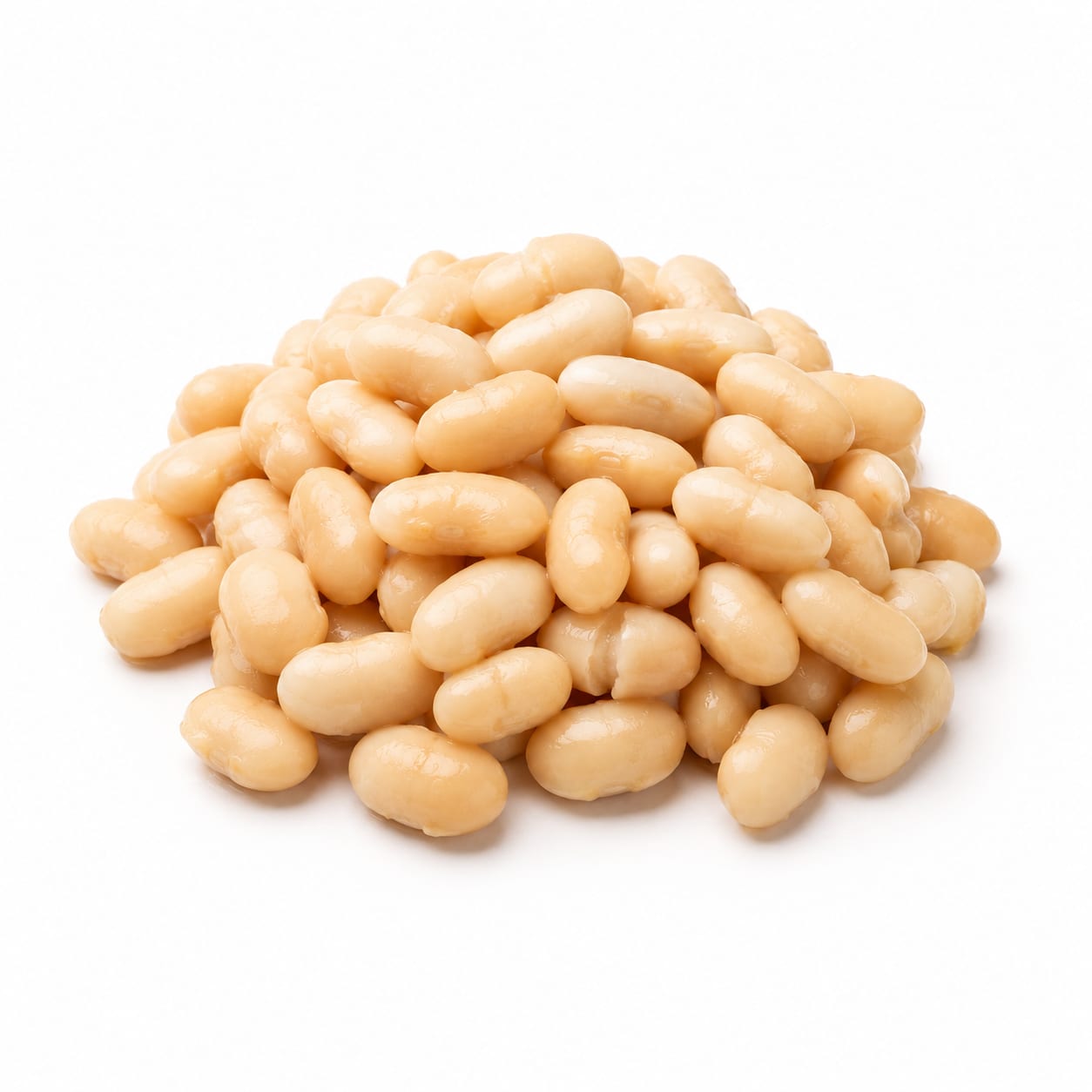
Cannellini Bean
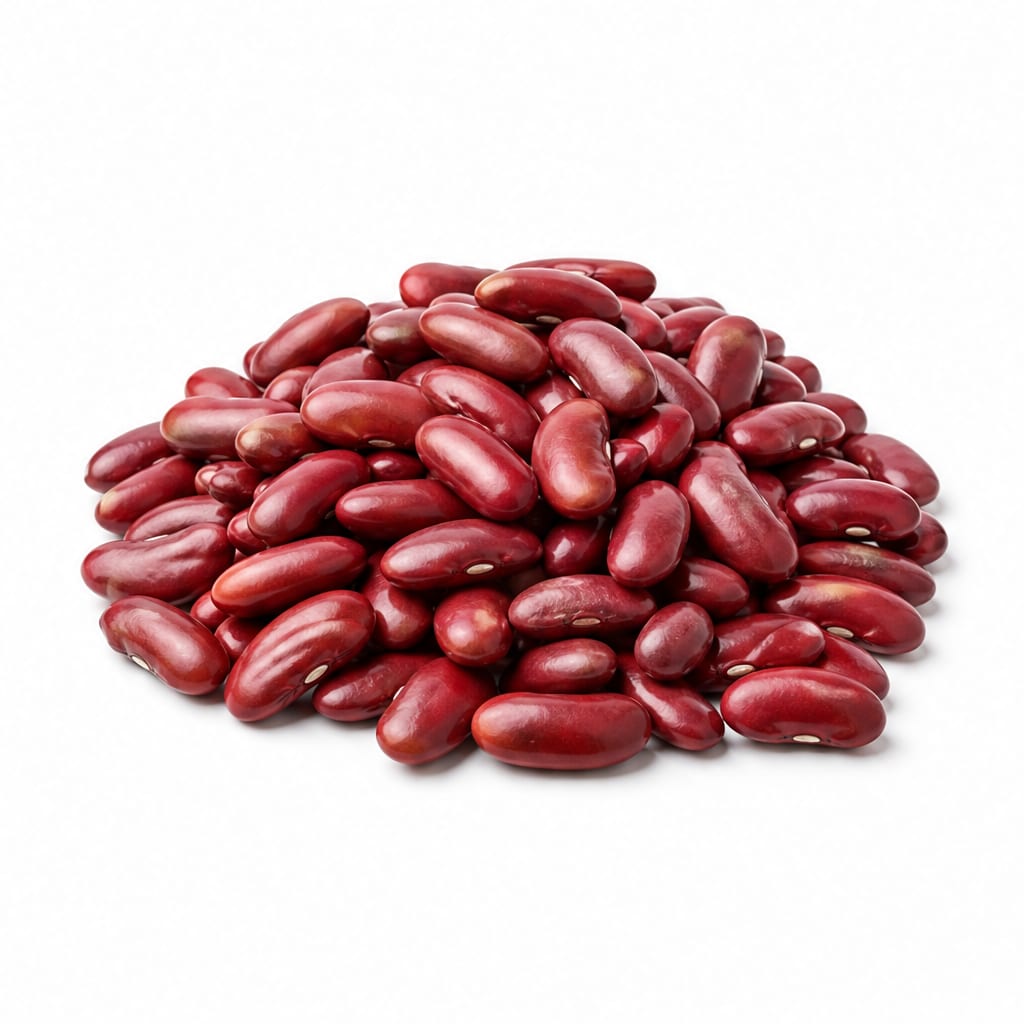
Red Kidney Beans
Red Kidney Beans deliver more antioxidants and minerals, while Cannellini Beans are easier to digest and safer to prepare. Choose based on what your body and recipes need most.
Red Kidney Beans score slightly higher due to superior antioxidant content and mineral density, but Cannellini Beans remain competitive thanks to better digestibility and lower safety concerns. The gap is small because both are excellent whole-food protein sources.
Antioxidant power versus digestive comfort — Red Kidney Beans win on phytonutrients, Cannellini Beans win on gentleness and ease.
At a glance
Executive summary
Overall
It depends
Healthier
Red Kidney Beans
More practical
Cannellini Bean
Daily use
Cannellini Bean
Key comparison lenses
antioxidant and phytochemical comparison
Red Kidney Beans contain significantly more anthocyanins and antioxidants due to their dark red pigment, making this the most nutritionally meaningful difference between these two beans
digestive tolerance and comfort
Cannellini Beans are generally easier to digest and gentler on the stomach, which matters greatly for daily consumption decisions
safety and toxin concern
Red Kidney Beans have notably higher lectin levels that require thorough cooking, a real safety consideration that distinguishes them from Cannellini Beans
mineral density comparison
Both beans are mineral-rich but Red Kidney Beans edge ahead in iron and copper, relevant for anemia-prone individuals
culinary use case fit
Texture and flavor differences meaningfully affect which bean works better in specific dishes like soups versus chili
Best choice for
Cannellini Bean
- People with sensitive digestion or IBS
- Quick weeknight soups and dips
- Those new to cooking dried beans
- Anyone wanting a creamier, milder-flavored bean
Red Kidney Beans
- People prioritizing antioxidant intake
- Chili, stews, and dishes needing firm texture
- Those needing more iron in their diet
- Anyone focused on anti-inflammatory eating
Least suitable for
Cannellini Bean
- People seeking maximum antioxidant benefits from beans
- Dishes where a firm, hold-their-shape bean is essential
- Those who need the highest iron content per serving
Red Kidney Beans
- People with severe digestive sensitivity
- Impatient cooks who might undercook beans
- Dishes requiring a smooth, creamy texture
- Anyone avoiding high-lectin foods
Deep comparison
Dimension by dimension
Each lens scores both foods and breaks down who each option suits.
- Dimension 1 · Priority 92Red Kidney Beans
antioxidant_and_phytochemical_content
Cannellini Bean · 45Red Kidney Beans · 90Red Kidney Beans are dramatically richer in antioxidants, especially anthocyanins that give them their deep red color.
Tradeoff
You gain significant cell-protective compounds with Red Kidney Beans but sacrifice the milder flavor and easier digestion of Cannellini Beans.
Why it matters
Anthocyanins reduce oxidative stress and inflammation over time, contributing to long-term disease protection.
Real-world impact
Eating Red Kidney Beans regularly is like adding a colorful shield to your cells — the pigment itself is doing protective work.
Cannellini Bean
- People who find strongly flavored beans unpalatable
Better for
- Missing out on a major antioxidant advantage
Worse for
Red Kidney Beans
- Anyone focused on longevity and anti-aging nutrition
- People with inflammatory conditions
- Those eating a mostly beige diet needing color variety
Better for
- People who assume all beans are equal in phytonutrients
Worse for
- Dimension 2 · Priority 85Cannellini Bean
digestive_tolerance
Cannellini Bean · 82Red Kidney Beans · 58Cannellini Beans are noticeably gentler on the digestive system, causing less gas and bloating for most people.
Tradeoff
Smoother digestion with Cannellini Beans versus more antioxidant firepower with Red Kidney Beans.
Why it matters
If beans cause you discomfort, you will eat them less often — making digestibility a practical health factor, not just a comfort issue.
Real-world impact
Cannellini Beans are the bean you can eat at lunch without worrying about afternoon bloating; Red Kidney Beans may require more digestive adjustment time.
Cannellini Bean
- People with IBS or sensitive stomachs
- Those introducing beans into their diet gradually
- Anyone eating beans before social events
Better for
- None significant — easier digestion is universally helpful
Worse for
Red Kidney Beans
- People with ironclad digestion who tolerate all beans well
Better for
- New bean eaters who might give up on legumes after discomfort
- People prone to gas and bloating
Worse for
- Dimension 3 · Priority 80Cannellini Bean
safety_and_lectin_risk
Cannellini Bean · 88Red Kidney Beans · 62Red Kidney Beans contain much higher levels of phytohemagglutinin, a lectin that can cause serious food poisoning if beans are undercooked.
Tradeoff
Cannellini Beans are safer to prepare with less risk of undercooking-related illness, while Red Kidney Beans demand more careful cooking attention.
Why it matters
Undercooked Red Kidney Beans can cause nausea, vomiting, and diarrhea within hours — this is not theoretical, it is one of the most common plant food poisoning events.
Real-world impact
If you use a slow cooker on low heat, Red Kidney Beans are risky; Cannellini Beans are far more forgiving of imperfect cooking methods.
Cannellini Bean
- Slow cooker users
- Inexperienced bean cooks
- Anyone who sometimes rushes cooking times
Better for
- None — lower lectin risk is always an advantage
Worse for
Red Kidney Beans
- Experienced cooks who always boil beans thoroughly for 10+ minutes
Better for
- Cooks who rely on slow cookers without pre-boiling
- People who sample beans while cooking
Worse for
- Dimension 4 · Priority 72Red Kidney Beans
mineral_density
Cannellini Bean · 68Red Kidney Beans · 80Red Kidney Beans provide more iron, copper, and manganese per serving, making them a stronger mineral source overall.
Tradeoff
Better mineral intake with Red Kidney Beans versus easier absorption and digestion with Cannellini Beans.
Why it matters
Iron deficiency is the most common nutrient deficiency worldwide, and the extra iron in Red Kidney Beans is meaningful for vegetarians and women of reproductive age.
Real-world impact
For plant-based eaters, every milligram of iron counts — Red Kidney Beans give you a noticeable edge here.
Cannellini Bean
- People who get enough iron from other sources
- Those concerned about iron overload
Better for
- Plant-based eaters who need to maximize iron from every meal
Worse for
Red Kidney Beans
- Vegetarians and vegans needing more iron
- Women with heavy menstrual cycles
- Anyone diagnosed with mild iron deficiency
Better for
- People with hemochromatosis or iron storage disorders
Worse for
- Dimension 5 · Priority 70It depends
blood_sugar_stability
Cannellini Bean · 78Red Kidney Beans · 78Both beans are excellent for blood sugar control with nearly identical glycemic impact, fiber content, and starch composition.
Tradeoff
No meaningful tradeoff here — both stabilize blood sugar equally well.
Why it matters
Consistent blood sugar means fewer energy crashes and reduced diabetes risk over time.
Real-world impact
Either bean will keep you full and steady for hours after eating — swap them freely for blood sugar purposes.
Cannellini Bean
- People who digest Cannellini Beans more easily and can eat larger portions
Better for
- No real disadvantage for blood sugar
Worse for
Red Kidney Beans
- People who digest Red Kidney Beans well and benefit from the extra minerals
Better for
- No real disadvantage for blood sugar
Worse for
- Dimension 6 · Priority 70It depends
culinary_versatility_and_texture
Cannellini Bean · 80Red Kidney Beans · 75Cannellini Beans excel in creamy, blended, and delicate dishes; Red Kidney Beans shine in hearty, textured, and boldly flavored recipes.
Tradeoff
Creaminess and blendability versus structural firmness and visual punch.
Why it matters
The right texture makes a dish satisfying — the wrong one makes it feel off, even if nutrition is identical.
Real-world impact
Cannellini Beans make velvety soups and hummus-like dips; Red Kidney Beans make chunky chili and robust salads that look as good as they taste.
Cannellini Bean
- Creamy soups and bisques
- Bean dips and spreads
- Pasta e fagioli and Italian-style dishes
- Mashed bean fillings for wraps and sandwiches
Better for
- Dishes where beans dissolve too easily
- Recipes needing vibrant color contrast
Worse for
Red Kidney Beans
- Chili con carne or vegetarian chili
- Bean salads that need visual appeal
- Rice and bean bowls with distinct texture
- Any dish where beans must hold their shape
Better for
- Smooth dips and creamy soups
- Dishes where a milder flavor is preferred
Worse for
Timeline
Health impact over time
Short-term
Hours to days
Cannellini Bean
- Less gas and bloating compared to darker beans
- Smoother digestion with minimal adjustment period
- Milder flavor that blends easily without overpowering dishes
Red Kidney Beans
- Higher satiety from denser texture and more chewing required
- Possible digestive discomfort if not accustomed to high-fiber beans
- Risk of nausea and vomiting if significantly undercooked
Long-term
Months to years
Cannellini Bean
- Consistent bean consumption supported by easier digestion
- Steady heart health benefits from regular fiber intake
- Lower long-term lectin exposure
Red Kidney Beans
- Greater cumulative antioxidant protection from regular anthocyanin intake
- Better iron stores over time, especially important for plant-based eaters
- Stronger anti-inflammatory effects from phytochemical diversity
Risk profile
Safety & processing
Both Cannellini Beans and Red Kidney Beans are whole, minimally processed foods whether bought dried or canned. Canned versions may contain added sodium, but rinsing removes most of it. Neither bean typically contains artificial additives, preservatives, or emulsifiers.
Cannellini Bean
Lectin exposure from undercooking
lowCannellini Beans contain lectins but at much lower levels than Red Kidney Beans. Standard boiling for 30-60 minutes after soaking eliminates the risk.
Canned bean sodium content
lowCanned Cannellini Beans can contain 400-500mg sodium per serving. Rinsing reduces this by roughly 40%, or choose no-salt-added varieties.
Red Kidney Beans
Phytohemagglutinin poisoning from undercooking
highRed Kidney Beans contain the highest lectin levels among common beans. As few as 4-5 raw or undercooked beans can cause severe nausea, vomiting, and diarrhea. Slow cookers on low heat are particularly dangerous because they may not reach temperatures high enough to destroy the lectin. Always boil Red Kidney Beans vigorously for at least 10 minutes.
Canned bean sodium content
lowSimilar to Cannellini Beans, canned Red Kidney Beans can be high in sodium. Rinsing or choosing low-sodium versions addresses this.
Who wins for whom
Audience fit
Same foods, different winners depending on your goal.
children
Cannellini BeanCannellini Beans are milder in flavor, creamier in texture, and safer to prepare — all advantages when feeding children who may be picky about strong flavors or texture.
daily consumption
Cannellini BeanBetter digestive tolerance and lower safety concerns make Cannellini Beans easier to eat every day without issues.
diabetes
It dependsBoth beans have nearly identical glycemic profiles and fiber content, making them equally effective for blood sugar management.
elderly
Cannellini BeanEasier digestion and lower lectin risk make Cannellini Beans a safer and more comfortable choice for older adults with sensitive digestive systems.
muscle gain
Red Kidney BeansRed Kidney Beans have slightly more protein per serving and more iron, which supports oxygen delivery to working muscles.
weight loss
It dependsBoth beans are equally excellent for weight loss — high fiber and protein with low calorie density. Cannellini Beans may edge ahead if digestive comfort helps you eat them more consistently.
Your move
Decision guide
Choose Cannellini Bean
- You have a sensitive stomach or struggle with gas from beans
- You use a slow cooker and want worry-free cooking
- You make creamy soups, dips, or Italian-style dishes
- You are introducing beans into your diet for the first time
- You want a bean that disappears into dishes without dominating the flavor
Choose Red Kidney Beans
- You want maximum antioxidant and anti-inflammatory benefits
- You are vegetarian or vegan and need the extra iron
- You make chili, stews, or robust bean salads
- You have strong digestion and tolerate all beans well
- You want visual color and bold flavor in your meals
Either works if
- Blood sugar control is your primary concern
- You are eating beans for general heart health
- You want plant-based protein and fiber
- You rotate beans for nutritional variety
- You are comfortable cooking dried beans properly
Avoid both if
- You have a diagnosed legume allergy
- You are in an acute gout flare and limiting purines
- You cannot tolerate any beans despite gradual introduction
Final recommendation
Keep both in your pantry. Use Cannellini Beans for creamy, comforting meals and easier digestion. Use Red Kidney Beans when you want antioxidant punch, iron, and hearty texture. Rotating between them gives you the broadest nutritional coverage — and the best of both worlds.
Practical
Consumer tips
- 1
If using canned Red Kidney Beans, always rinse thoroughly — this reduces sodium and removes surface lectins from the canning liquid.
- 2
Never cook dried Red Kidney Beans in a slow cooker without pre-boiling them for 10 minutes first — this destroys the dangerous lectin.
- 3
Soak both bean types overnight and discard the soaking water to reduce gas-causing oligosaccharides and improve digestibility.
- 4
Add a strip of kombu seaweed to the cooking water for either bean — it helps break down gas-producing compounds naturally.
- 5
If switching from Cannellini Beans to Red Kidney Beans, start with smaller portions to let your digestion adjust to the higher fiber and lectin load.
- 6
Choose no-salt-added canned varieties of either bean when possible — you control the seasoning and avoid unnecessary sodium.