
Nutrition comparison
Cannellini Beans vs Lentils: Nutrition, Cooking, and Health Comparison
Compare Cannellini beans vs lentils for protein, fiber, cooking time, and digestion. Find out which legume is better for weight loss, meal prep, and your recipes.
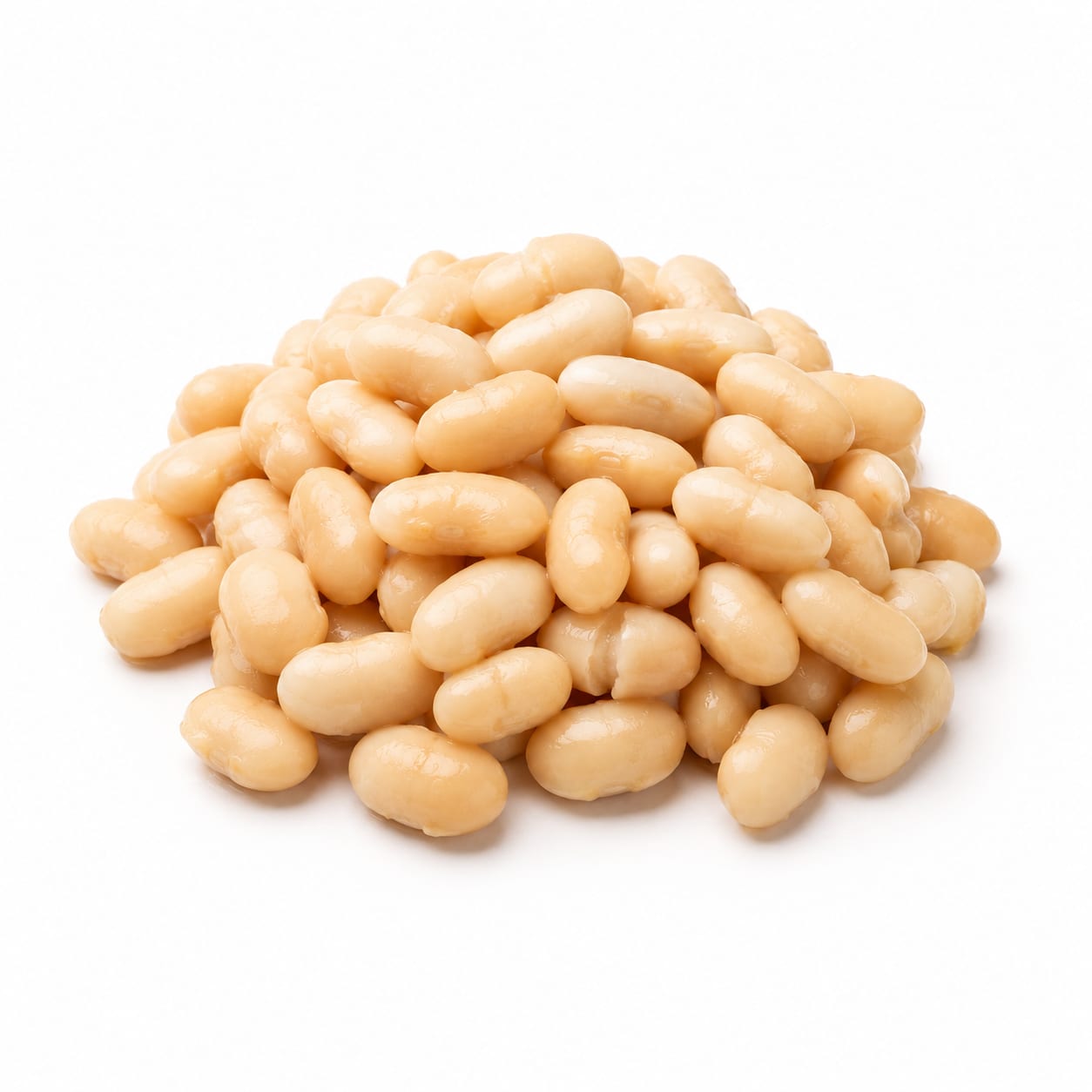
Cannellini Bean
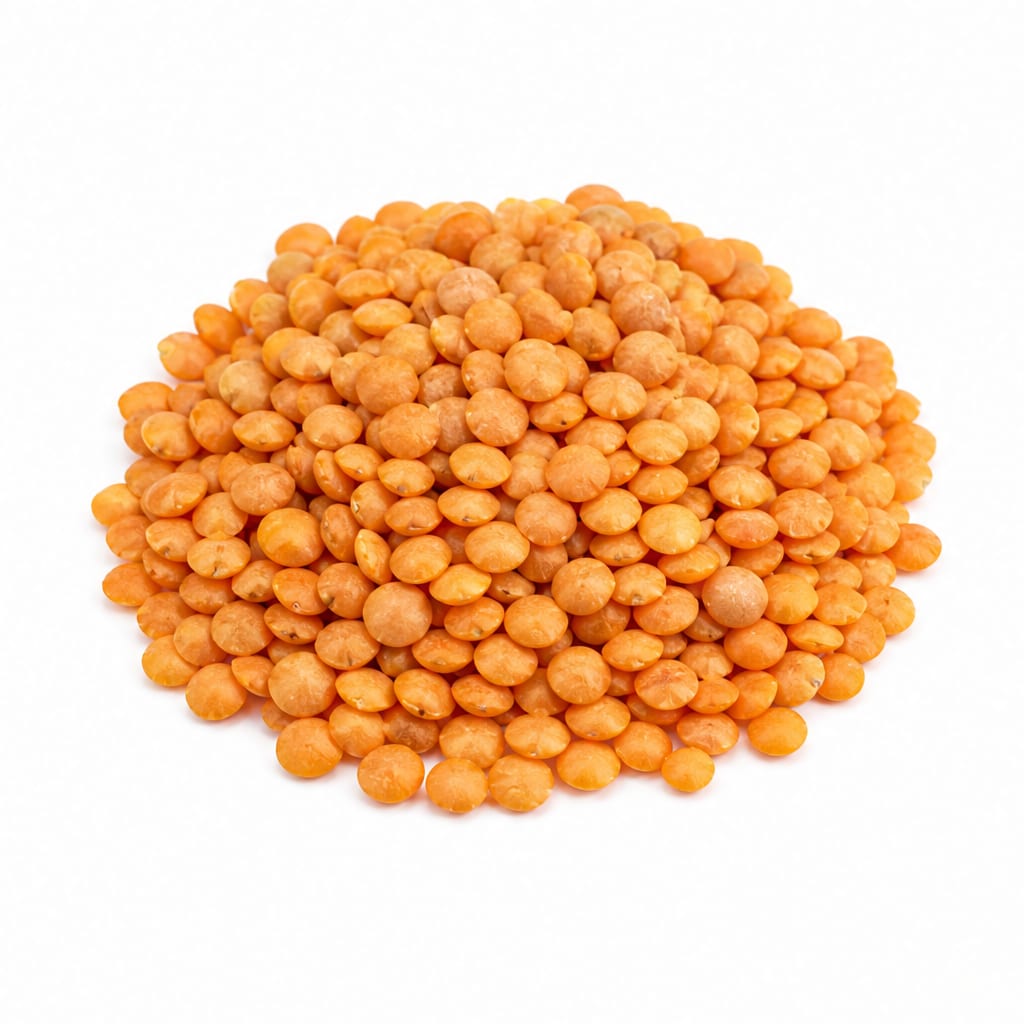
Lentils
Lentils cook faster and pack slightly more protein, while Cannellini beans offer a creamier texture and excel in comforting dishes.
Lentils score slightly higher due to superior cooking convenience and a small edge in protein and fiber density, making them easier to incorporate into a busy daily routine.
Speed and protein density versus creamy texture and culinary role.
At a glance
Executive summary
Overall
It depends
Healthier
It depends
More practical
Lentils
Daily use
Lentils
Key comparison lenses
Quick weeknight meal practicality
Cooking time is the biggest everyday difference; lentils cook fast from dry while Cannellini beans require soaking.
Plant-based protein density
Both are staple proteins for plant-based diets, but lentils pack slightly more protein per calorie.
Culinary texture and use
Creamy and soft versus firm and earthy changes how each fits into recipes.
Digestive comfort and gas
Larger beans often cause more bloating than smaller lentils for sensitive stomachs.
Best choice for
Cannellini Bean
- Creamy soups and dips
- Mediterranean stews
- Those wanting a milder, buttery flavor
Lentils
- Quick weeknight dinners
- Salads and meal prep
- Maximizing plant-based protein intake
Least suitable for
Cannellini Bean
- Last-minute cooking with dry beans
- Those highly sensitive to gas from larger beans
Lentils
- Recipes requiring a creamy, melt-in-your-mouth texture
- Dishes needing a very mild, neutral flavor
Deep comparison
Dimension by dimension
Each lens scores both foods and breaks down who each option suits.
- Dimension 1 · Priority 95Lentils
Cooking Convenience & Practicality
Cannellini Bean · 50Lentils · 95Dry lentils cook in 15-20 minutes without soaking, while dry Cannellini beans require overnight soaking and over an hour of cooking.
Tradeoff
You trade the creamy texture of Cannellini beans for the sheer time-saving convenience of lentils.
Why it matters
On a busy weeknight, soaking and boiling beans is often a dealbreaker, making lentils the go-to for spontaneous meals.
Real-world impact
Choosing lentils means you can decide to eat healthy at 6 PM and have dinner ready by 6:30.
Cannellini Bean
- Slow-cooked weekend meals
- Batch cooking with a pressure cooker
Better for
- Spontaneous cooking from dry
- Impatient cooks
Worse for
Lentils
- Last-minute weeknight dinners
- Meal prep in a time crunch
Better for
- Dishes where a firm texture isn't desired
Worse for
- Dimension 2 · Priority 85Lentils
Protein & Satiety
Cannellini Bean · 78Lentils · 88Lentils provide slightly more protein and fiber per serving, keeping you fuller for longer.
Tradeoff
While both are highly satiating, lentils offer a denser protein punch per calorie.
Why it matters
Higher protein and fiber content means steadier energy and less temptation to snack between meals.
Real-world impact
A lentil-based lunch will likely keep the 3 PM afternoon energy crash at bay better than most other carb sources.
Cannellini Bean
- Those who prefer a lighter, creamier mouthfeel with meals
Better for
- Maximizing protein per bite
Worse for
Lentils
- Athletes needing plant-based protein
- Anyone trying to stay full for hours
Better for
- People who find dense meals too heavy
Worse for
- Dimension 3 · Priority 75It depends
Digestive Tolerance
Cannellini Bean · 70Lentils · 75Both can cause gas, but larger beans like Cannellini often cause more bloating for sensitive individuals than smaller lentils.
Tradeoff
Lentils are generally easier to break down, though individual tolerance varies wildly.
Why it matters
Digestive discomfort can ruin the benefits of a healthy meal, making tolerance a key daily factor.
Real-world impact
If you've avoided beans due to bloating, lentils might be a gentler starting point for your gut.
Cannellini Bean
- Those already adapted to a high-bean diet
Better for
- Sensitive stomachs
- Introductory plant-based diets
Worse for
Lentils
- People slowly introducing legumes into their diet
- Those prone to bloating
Better for
- Anyone with specific lentil intolerances
Worse for
- Dimension 4 · Priority 80It depends
Culinary Versatility & Texture
Cannellini Bean · 85Lentils · 80Cannellini beans bring a creamy, buttery texture ideal for mashing and soups, while lentils hold their shape for salads and earthy bowls.
Tradeoff
You choose between melt-in-your-mouth creaminess and satisfying, firm chewiness.
Why it matters
Texture dictates the entire vibe of a dish, from comforting winter stews to fresh summer salads.
Real-world impact
Cannellini beans make a silky dip; lentils make a hearty, textured salad.
Cannellini Bean
- Creamy dips and spreads
- Thickening soups without dairy
- Italian and Mediterranean dishes
Better for
- Dishes where you want distinct, firm bites
Worse for
Lentils
- Grain bowls and salads
- Veggie burgers
- Indian dal dishes
Better for
- Recipes needing a smooth, velvety base
Worse for
Timeline
Health impact over time
Short-term
Hours to days
Cannellini Bean
- Provides steady, slow-burning energy
- May cause noticeable bloating if not used to high fiber
Lentils
- Highly filling, curbs hunger quickly
- Easier on the stomach for most people than larger beans
Long-term
Months to years
Cannellini Bean
- Supports heart health through soluble fiber
- Helps maintain stable blood sugar over time
Lentils
- Excellent for weight management due to high protein-to-calorie ratio
- Supports gut microbiome diversity
Risk profile
Safety & processing
Both are whole, natural foods in their dry form. Canned versions may contain added sodium, so rinsing is recommended.
Cannellini Bean
Undercooked toxicity
mediumRaw or undercooked Cannellini beans contain phytohaemagglutinin, which can cause nausea. Always boil thoroughly.
Lentils
Pesticide residue
lowLike all legumes, lentils may carry trace pesticide residues; rinsing and cooking mitigates this.
Who wins for whom
Audience fit
Same foods, different winners depending on your goal.
children
Cannellini BeanCannellini beans have a milder flavor and softer, creamier texture that is usually more appealing to kids.
daily consumption
LentilsFaster cooking time and slightly better digestive tolerance make lentils easier to eat every day without meal prep friction.
diabetes
It dependsBoth have extremely low glycemic indexes and high fiber, making both excellent for blood sugar control.
elderly
Cannellini BeanThe soft, easy-to-chew texture of cooked Cannellini beans is ideal for those with dental or swallowing concerns.
muscle gain
LentilsLentils have a higher protein density per serving, which is beneficial for muscle repair and growth.
weight loss
LentilsLentils offer slightly more protein and fiber per calorie, enhancing fullness and making it easier to stick to a calorie deficit.
Your move
Decision guide
Choose Cannellini Bean
- You want a creamy, comforting base for soups or dips
- You are cooking for kids who prefer mild, soft foods
- You are batch cooking with a pressure cooker or using canned beans
Choose Lentils
- You need a fast-cooking protein for weeknight dinners
- You want to maximize protein and fiber per calorie
- You are making salads, bowls, or veggie burgers
Either works if
- You want a filling, plant-based staple for heart health
- You are meal-prepping stews or chilis for the week
Avoid both if
- You have severe IBS or FODMAP sensitivities without prior tolerance testing
Final recommendation
Keep both in your pantry: Cannellini beans for creamy comfort meals, and lentils for quick, protein-packed everyday cooking.
Practical
Consumer tips
- 1
If using canned Cannellini beans, rinse them well to remove up to 40% of the sodium.
- 2
Add a piece of kombu seaweed when boiling beans to help reduce gas-causing compounds.
- 3
Red lentils break down when cooked, making them a great thickener if you want the creaminess of Cannellini beans with the speed of lentils.
- 4
Always boil Cannellini beans at a rolling boil for at least 10 minutes to neutralize any residual toxins.