
Nutrition comparison
Cannellini Beans vs Great Northern Beans: Nutrition, Texture & Best Uses
Cannellini Beans vs Great Northern Beans: Which is healthier? Compare fiber, protein, digestion, and culinary uses to find the right white bean for your recipe.
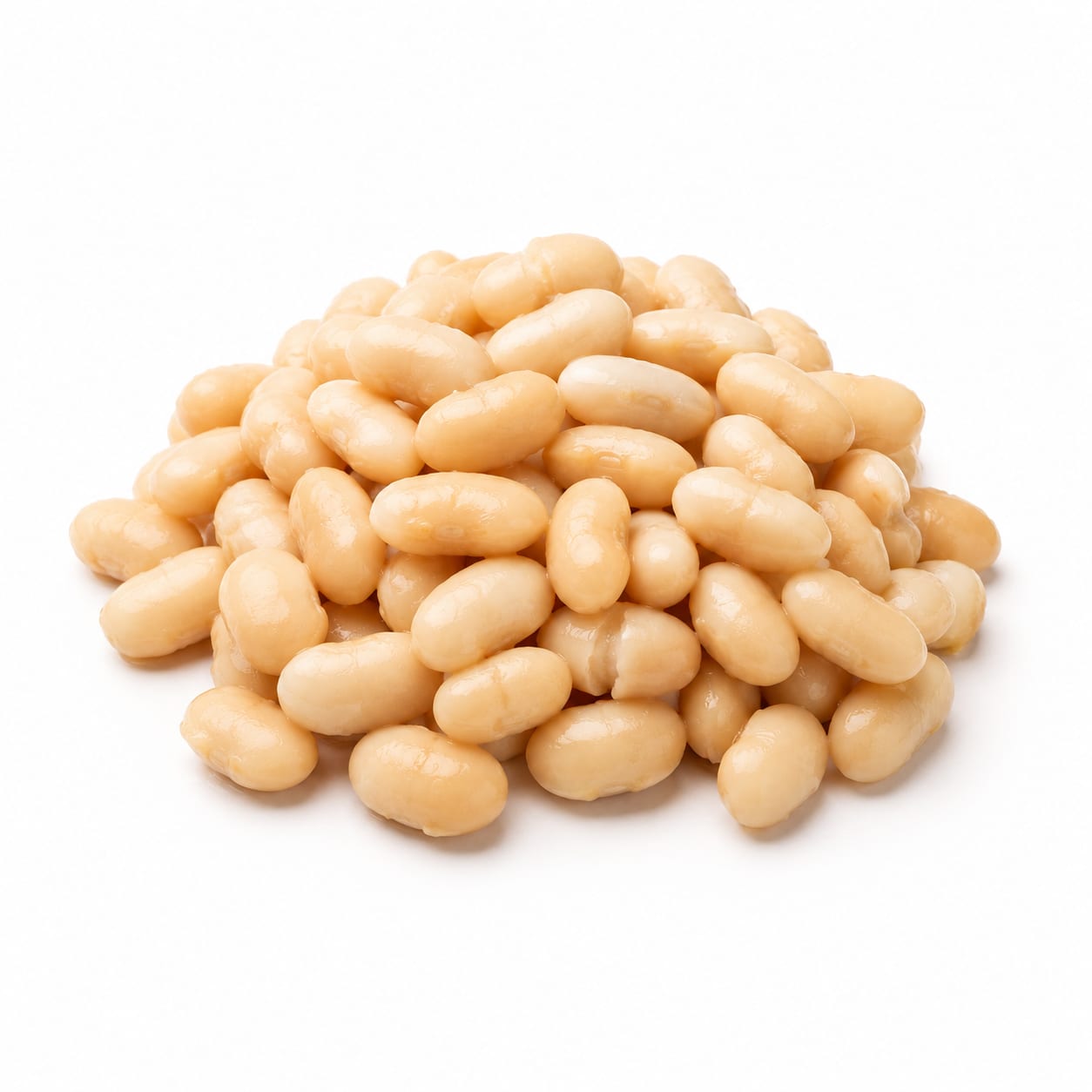
Cannellini Bean
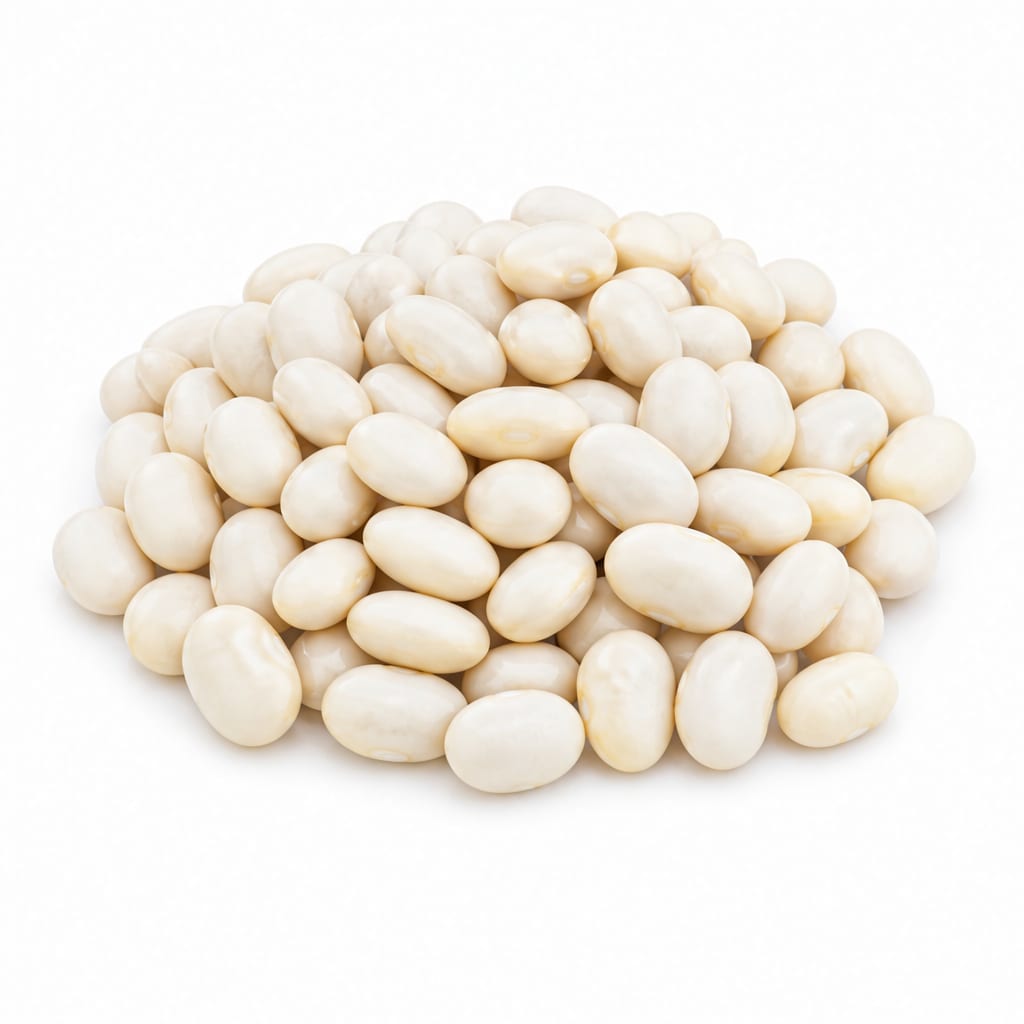
Great Northern Beans
Nutritionally these two are practically twins, but Cannellini Beans bring a creamier, denser bite while Great Northern Beans offer a firmer, lighter texture.
Great Northern Beans score slightly higher for practical versatility and easier digestion, though Cannellini Beans win on sheer creaminess and fiber density.
Creamy and filling versus firm and versatile.
At a glance
Executive summary
Overall
It depends
Healthier
It depends
More practical
Great Northern Beans
Daily use
Great Northern Beans
Key comparison lenses
culinary texture and use
These beans are nutritionally near-identical, so the real decision comes down to how they behave in recipes and mouthfeel.
digestive tolerance
Bean selection often hinges on which is easier on the stomach, especially for sensitive eaters.
subtle nutritional tradeoffs
Users want to know if the slight differences in fiber, protein, or micronutrients actually matter.
Best choice for
Cannellini Bean
- Creamy soups and dips
- Hearty stews where you want a melt-in-your-mouth texture
- Those wanting maximum fiber per bite
Great Northern Beans
- Casseroles and salads where beans must hold their shape
- Lighter dishes needing a milder flavor
- Sensitive digestions needing an easier break-down
Least suitable for
Cannellini Bean
- Recipes requiring beans to stay perfectly intact after long stirring
- Quick-cooking dishes (they take slightly longer to soften)
Great Northern Beans
- Ultra-smooth hummus-style dips
- Meals where you want a dense, heavy fullness
Deep comparison
Dimension by dimension
Each lens scores both foods and breaks down who each option suits.
- Dimension 1 · Priority 95It depends
texture_and_culinary_role
Cannellini Bean · 90Great Northern Beans · 88Cannellini Beans are larger and creamier, while Great Northern Beans are smaller and firmer.
Tradeoff
You trade melt-in-your-mouth density for structural integrity.
Why it matters
Choosing the wrong bean can turn a rustic salad into a mushy mess, or leave a soup feeling too chunky.
Real-world impact
Cannellini Beans mash beautifully for bruschetta, whereas Great Northern Beans stay plump and distinct in a slow-cooked cassoulet.
Cannellini Bean
- Blended dips
- Thickening soups naturally
- Rich comforting stews
Better for
- Chilled grain bowls
- Dishes requiring gentle folding
Worse for
Great Northern Beans
- Bean salads
- Pasta e fagioli
- Slow-cooked dishes needing distinct bites
Better for
- Silky purees
- Dips requiring a velvety finish
Worse for
- Dimension 2 · Priority 80Great Northern Beans
digestive_comfort
Cannellini Bean · 75Great Northern Beans · 85Great Northern Beans are slightly easier to digest and less likely to cause bloating.
Tradeoff
A denser, higher-fiber bean is more filling but tougher on sensitive stomachs.
Why it matters
If beans normally make you gassy, the smaller, softer Great Northern variety is a gentler starting point.
Real-world impact
You are less likely to feel heavy or bloated after a lunch with Great Northern Beans compared to a similarly sized portion of Cannellini Beans.
Cannellini Bean
- Those wanting maximum satiety to curb snacking
Better for
- Those prone to bloating
- Large dinners before bed
Worse for
Great Northern Beans
- Sensitive stomachs
- Gradual fiber introduction
- Lighter evening meals
Better for
- Post-workout recovery needing dense calories
Worse for
- Dimension 3 · Priority 70Cannellini Bean
nutritional_density
Cannellini Bean · 88Great Northern Beans · 85Cannellini Beans edge out slightly on fiber and iron, making them marginally more nutrient-dense per calorie.
Tradeoff
A tiny nutritional boost comes with a slightly heavier feel in the stomach.
Why it matters
If you are eating beans primarily to hit fiber goals or boost iron, every gram counts.
Real-world impact
A cup of Cannellini Beans gives you slightly more staying power and mineral support than the same volume of Great Northern Beans.
Cannellini Bean
- Iron-deficient eaters
- High-fiber diet followers
Better for
- Those who find high-fiber meals triggering
Worse for
Great Northern Beans
- Calorie-conscious meal preppers
- Balanced macro tracking
Better for
- Strict fiber targets
Worse for
Timeline
Health impact over time
Short-term
Hours to days
Cannellini Bean
- Highly filling and satisfying
- Can cause noticeable bloating if you are not used to the fiber load
Great Northern Beans
- Comforting but lighter in the stomach
- Easier to eat a larger portion without feeling overly stuffed
Long-term
Months to years
Cannellini Bean
- Excellent for heart health and cholesterol management due to high soluble fiber
- Supports steady blood sugar over time
Great Northern Beans
- Great for weight maintenance due to lower calorie density per cup
- Consistent blood sugar stabilization with daily consumption
Risk profile
Safety & processing
Both are whole foods in their natural state. If buying canned, watch out for added sodium and BPA-lined cans, but the beans themselves are completely unadulterated.
Cannellini Bean
Phytohemagglutinin toxicity
mediumCannellini Beans are a variety of white kidney bean, which contain higher levels of this naturally occurring toxin. They must be boiled vigorously for at least 10 minutes to destroy it; slow-cooking raw beans can actually increase toxicity.
Great Northern Beans
Phytohemagglutinin toxicity
lowGreat Northern Beans contain much lower levels of this toxin compared to kidney bean varieties, making them safer for slow-cooking from dry, though boiling is still recommended.
Who wins for whom
Audience fit
Same foods, different winners depending on your goal.
children
Great Northern BeansMilder flavor and smaller, firmer shape make them more appealing and easier for small hands to eat as finger food.
daily consumption
Great Northern BeansGreater culinary versatility and easier digestion make them a more seamless daily staple.
diabetes
It dependsBoth have extremely low glycemic loads and provide excellent blood sugar stability; the difference is negligible.
elderly
Great Northern BeansGentler on the digestive system and easier to chew thoroughly without becoming paste-like.
muscle gain
Cannellini BeanSlightly higher iron content supports oxygen delivery to muscles, and the denser texture pairs well with heavy calorie needs.
weight loss
Great Northern BeansSlightly fewer calories per cup and a lighter texture make it easier to manage portions without feeling overly dense.
Your move
Decision guide
Choose Cannellini Bean
- You are making a creamy soup, dip, or mash
- You want the absolute maximum fiber and iron per bite
- You prefer a rich, melt-in-your-mouth texture
Choose Great Northern Beans
- You are making a salad, stew, or casserole needing distinct beans
- You have a sensitive stomach or are easing into high-fiber eating
- You want a lighter bean for everyday side dishes
Either works if
- You are tossing them into a chili where texture differences fade
- You are purely looking for a plant-based protein source
- You are meal-prepping a simple bean and rice bowl
Avoid both if
- You have severe legume allergies
- You are currently on a strict low-FODMAP elimination phase
Final recommendation
Let the recipe dictate your choice. Grab Cannellini Beans when you want richness and creaminess, and reach for Great Northern Beans when you need structure and a lighter bite. For everyday eating, Great Northern Beans are slightly more forgiving on digestion and cooking safety.
Practical
Consumer tips
- 1
If using dried Cannellini Beans, always boil them vigorously for 10 minutes before slow-cooking to neutralize natural toxins.
- 2
Rinse canned varieties thoroughly to remove about 40% of the sodium and reduce gassy side effects.
- 3
If you cannot find Great Northern Beans, navy beans make a closer substitute than Cannellini Beans due to texture.
- 4
Add a piece of kombu seaweed to the cooking water for either bean to help break down gas-causing oligosaccharides.