
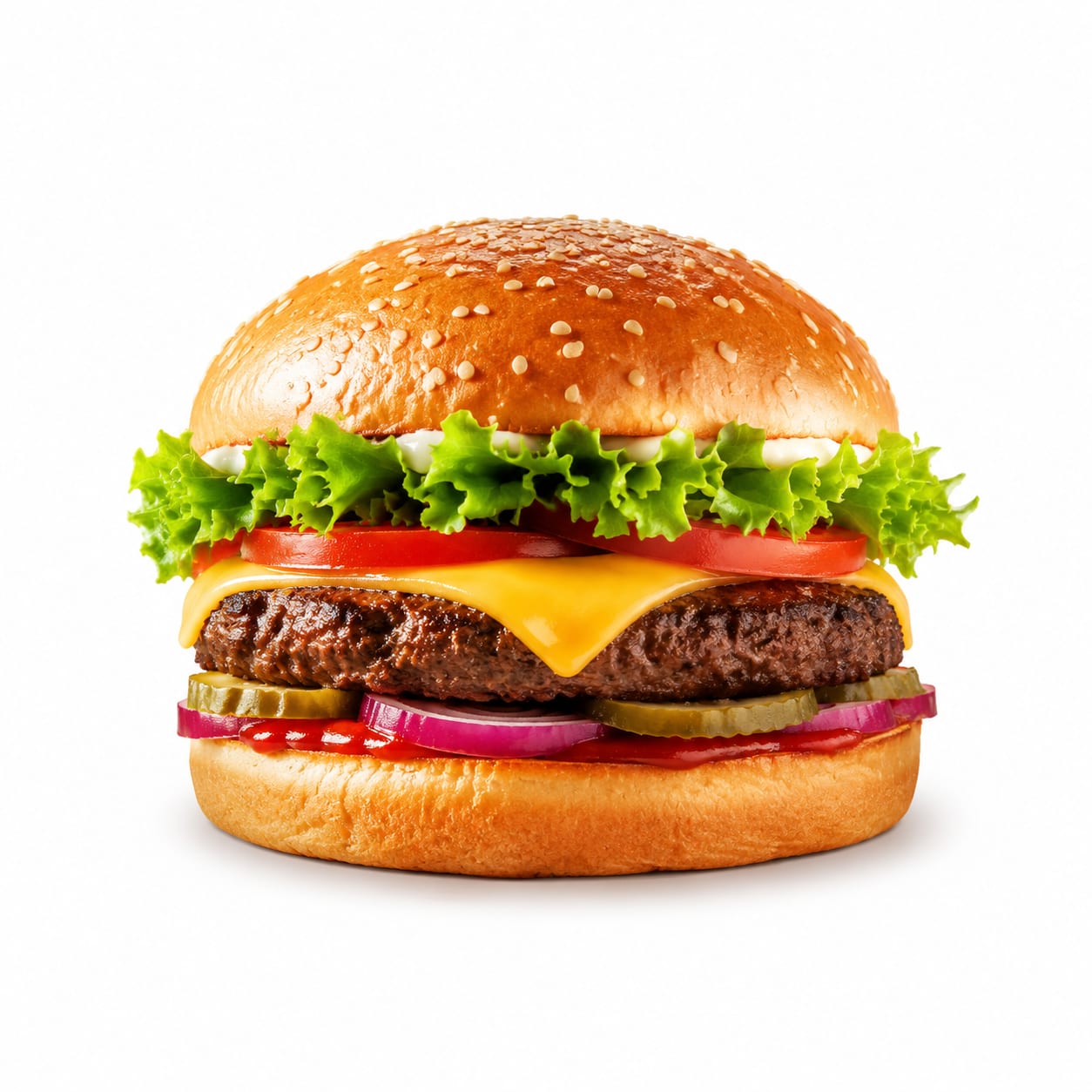
Fast Food / Sandwich
Burger
A ground beef patty served in a sliced bun, typically with cheese and savory condiments.
A sandwich consisting of a cooked patty of ground meat, typically beef, served inside a sliced bun and often accompanied by cheese, lettuce, tomato, onion, pickles, and condiments like ketchup and mustard.
high-fat high-protein convenience meal
Typical serving · 200g
Common varieties · cheeseburger, bacon cheeseburger, turkey burger, veggie burger, bison burger +2 more
Overall context score across nutrition, safety, and diet fit
At a glance
Quick facts
Simple indicators based on nutrition, processing, and diet fit.
The story
What makes it unique
A hyperpalatable food matrix combining fast-digesting refined carbohydrates from the bun, high-quality complete protein, and saturated fat from the ground meat. The co-ingestion of fat and refined carbs triggers a strong dopaminergic reward response. Protein and fat slow gastric emptying, providing moderate satiety, but the refined flour bun diminishes sustained fullness. Digestion typically takes 3-4 hours depending on fat content.
Varieties: cheeseburger · bacon cheeseburger · turkey burger · veggie burger · bison burger · plant-based burger · slider
Per 100g
Nutrition breakdown
Macro balance and key metrics at a glance.
Energy
Density 2.65 kcal/g
Protein
Carbs
Fat
Fiber
Sugar
5 g
Sodium
560 mg
Potassium
200 mg
Glycemic index
55
Glycemic load
12
Water content
48%
Standout compounds
Nutrient highlights
Protein
highSupports muscle repair and satiety
Vitamin B12
highEssential for nerve function and red blood cell formation
Zinc
highSupports immune function and testosterone production
Iron
moderateCarries oxygen in the blood, preventing anemia
Saturated Fat
highProvides dense energy but can raise LDL cholesterol
Wellness map
Health scores & processing
NOVA processing scale
Highly processed (commercial) or moderately processed (homemade) · Ultra-processed
Commercial burgers use ultra-processed buns, processed cheese, and industrially formed patties with additives and preservatives. Homemade versions using whole wheat buns and pure ground beef drop to NOVA group 3.
Diet compatibility
- Weight loss
- Muscle gain
- Diabetes
- Gut health
- Low carb
- High protein
- Heart health
Relative standing
Food rankings
Qualitative ranks compared to similar whole foods.
- Satietygood
- Blood sugarpoor
- Nutrient densitymoderate
- Fitness fuelmoderate
- Processing qualitypoor
Eat with confidence
Food safety profile
Ground beef carries a higher risk of bacterial contamination than whole cuts because surface bacteria are mixed throughout the meat during grinding. Cooking to a safe internal temperature is essential to kill pathogens.
Evidence confidence 90%
- Pesticideslow
- Antibioticshigh
- Heavy metalslow
- Contaminationmoderate
Watch for
- E. coli
- Salmonella
- Listeria
Safer choices
Grass-fed organic beef patties, or lean ground turkey sourced from farms with verified antibiotic-free practices.
Prep tips
Never wash raw ground meat. Use a meat thermometer to ensure the patty center reaches 160°F (71°C). Wash hands thoroughly after handling raw meat.
Routine antibiotic use in conventional cattle farming contributes to antimicrobial resistance.
Deep dive
Health analysis
How this food may fit different goals and preparation choices.
Weight loss
High energy density and hyperpalatability make it difficult to stay in a calorie deficit. The refined bun offers little satiety per calorie compared to whole food alternatives.
Blood sugar
The refined white bun causes a rapid blood sugar spike, though the fat and protein from the patty and cheese slow gastric emptying, partially blunting the overall glycemic response.
Fitness & energy
Provides solid complete protein for muscle repair, but the high fat content can cause digestive sluggishness if eaten too close to intense physical activity.
Gut health
Lacks dietary fiber to feed beneficial gut bacteria. Regular high consumption of red meat is associated with unfavorable shifts in the gut microbiome and increased production of TMAO.
Processing quality
Commercial versions rely on refined grains, processed cheese, and factory-farmed meat. Homemade versions with whole grain buns and lean meat significantly improve the nutritional profile.
Food safety
Ground beef must be cooked thoroughly to mitigate E. coli risk. Conventional beef carries a higher risk of antibiotic-resistant bacteria compared to organic or grass-fed options.
Common mistakes
Assuming a burger is a high-protein health food just because it contains meat, while ignoring the refined carbs, sodium, and excessive saturated fat from cheese and sauces.
Best preparation
Grilling or air-frying a lean ground beef or bison patty, serving on a whole wheat bun or lettuce wrap, and loading up on vegetable toppings while skipping heavy sauces.
Practical guide
Best use cases
When and how this food fits real eating patterns.
Post-workout muscle recovery
High protein content aids muscle protein synthesis after heavy lifting, provided the fat content is not so high that it causes digestive distress.
Calorie surplus bulking
Dense source of calories, protein, and fats for athletes or individuals struggling to gain weight.
Occasional convenience meal
Widely available and highly satisfying when traveling or in a rush, though not ideal for daily consumption.
Balance sheet
Pros & cons
Upsides
- Excellent source of complete, bioavailable protein
- Rich in highly absorbable heme iron and vitamin B12
- Highly satiating in the short term due to fat and protein content
- Versatile and easily modified for healthier preparations
Trade-offs
- High in saturated fat and sodium, particularly commercial versions
- Refined carbohydrate bun spikes blood sugar and adds empty calories
- Lacks dietary fiber unless heavily topped with vegetables
- Regular red meat consumption is linked to increased cardiovascular risk
Fit check
Who is it for?
Great match
- muscle building bulking phases
- athletes needing high caloric intake
- individuals with iron deficiency
Consider alternatives
- strict weight loss diets
- low-sodium or heart-healthy diets
- blood sugar management
- plant-based or high-fiber diets
Side by side
How it compares
Open the full head-to-head analysis for nutrition, safety, and practical tradeoffs.
This food
Burger
VS85% alike
Compare with
Hot dog
Burgers provide significantly more protein and iron than hot dogs, while hot dogs are typically higher in sodium and more heavily processed.
Burgers beat hot dogs for protein and satiety, making them a slightly better fast-food choice for muscle and fullness.
This food
Burger
VS90% alike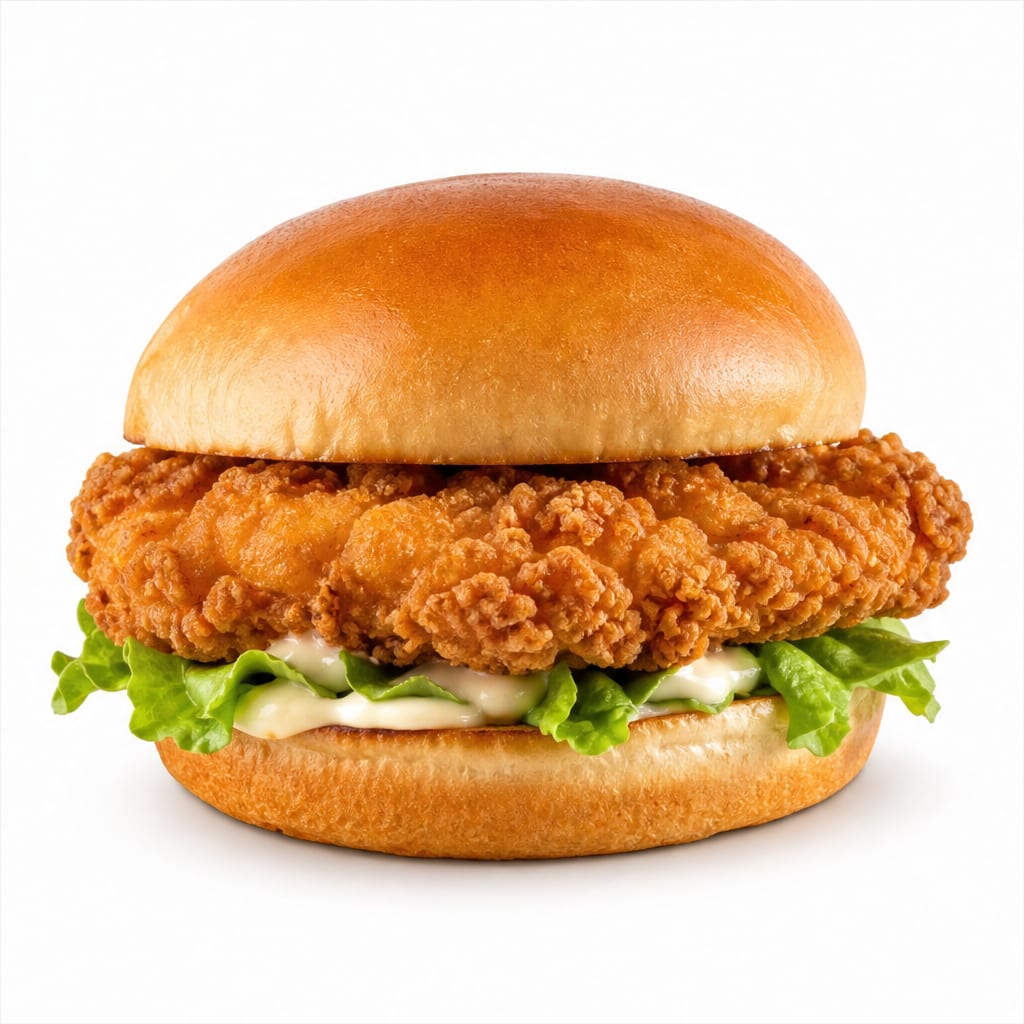
Compare with
Chicken sandwich
A grilled chicken sandwich is lower in saturated fat and calories than a beef burger, making it better for weight loss, though the burger provides more iron.
A grilled chicken sandwich is leaner and better for weight loss, while a burger offers more iron and slightly stronger short-term satiety.
This food
Burger
VS80% alike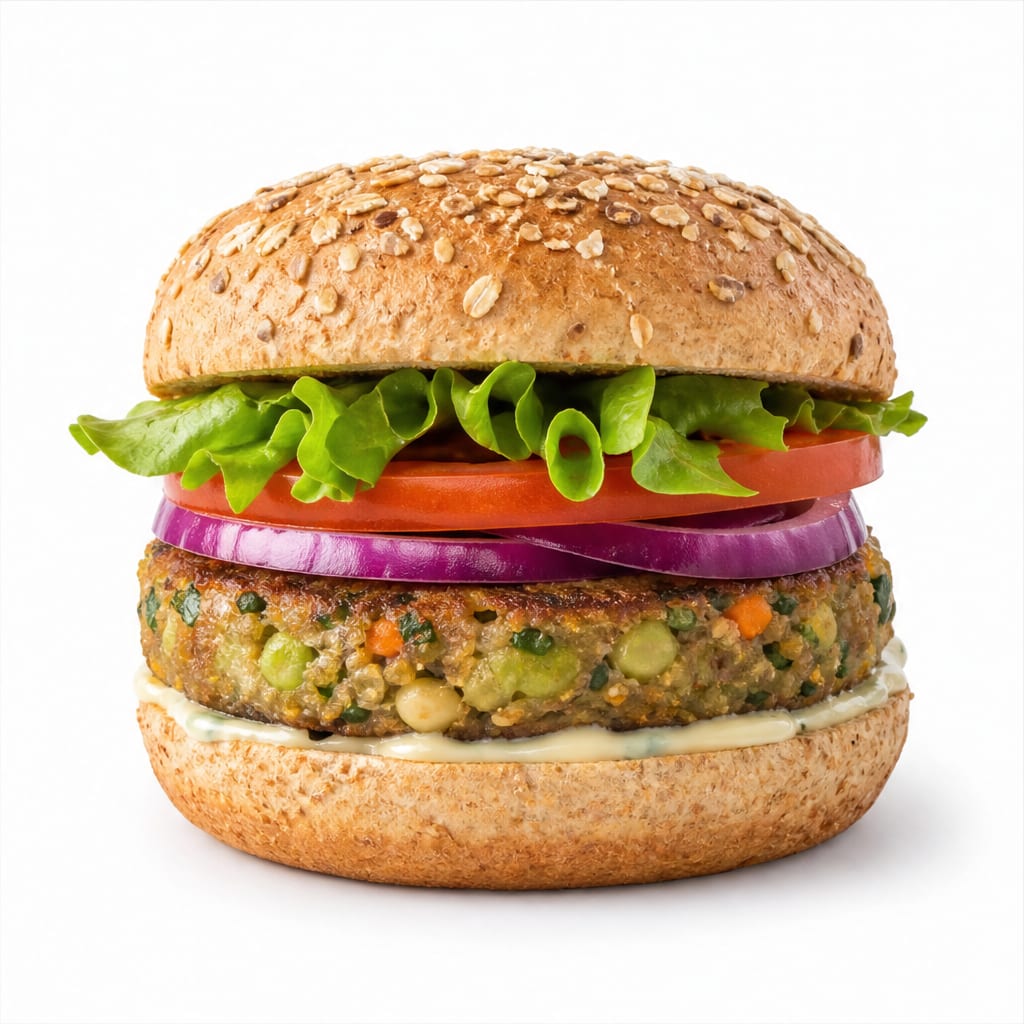
Compare with
Veggie burger
Veggie burgers are lower in saturated fat and higher in fiber, but often lower in protein and bioavailable iron compared to beef burgers.
Veggie burgers win for fiber and heart health, while beef burgers provide superior complete protein and heme iron.
This food
Burger
VS70% alike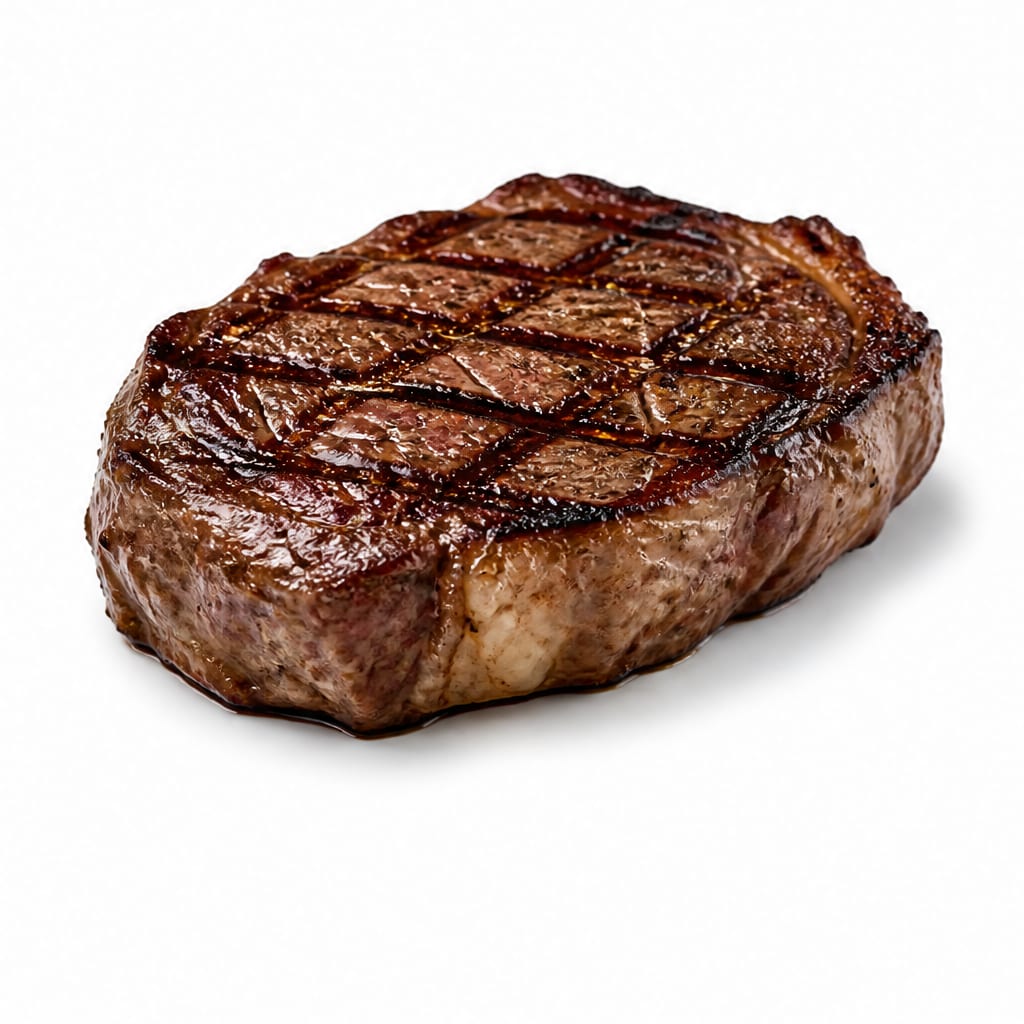
Compare with
Steak
Steak is a whole food cut with no refined carbs, while a burger mixes ground meat with a refined bun. Steak is better for blood sugar control and is less processed.
Steak is less processed and carb-free, making it better for blood sugar than a burger, though both offer similar protein and iron.
This food
Burger
VS75% alike
Compare with
Pizza slice
A burger provides more protein per calorie than pizza, but pizza offers more calcium. Both are high in sodium and refined carbohydrates.
Burgers typically pack more protein per serving than pizza, offering a slight edge for satiety and muscle building.
This food
Burger
VS85% alike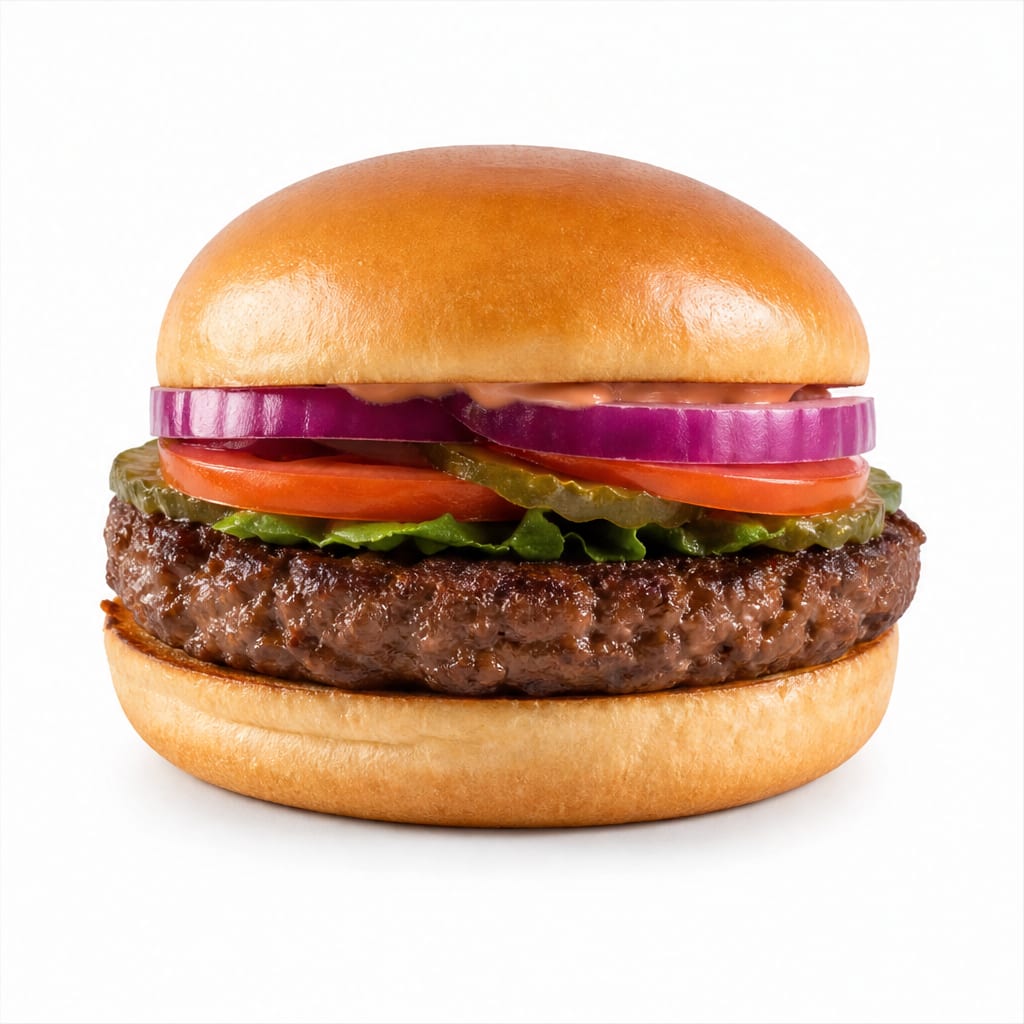
Compare with
Beyond Burger
Beyond Burger matches beef in protein but contains less saturated fat and more fiber. However, it is highly processed compared to a simple ground beef patty.
Beyond Burger offers less saturated fat and more fiber than beef, but the real burger provides less processed, more bioavailable protein.
This food
Burger
VS95% alike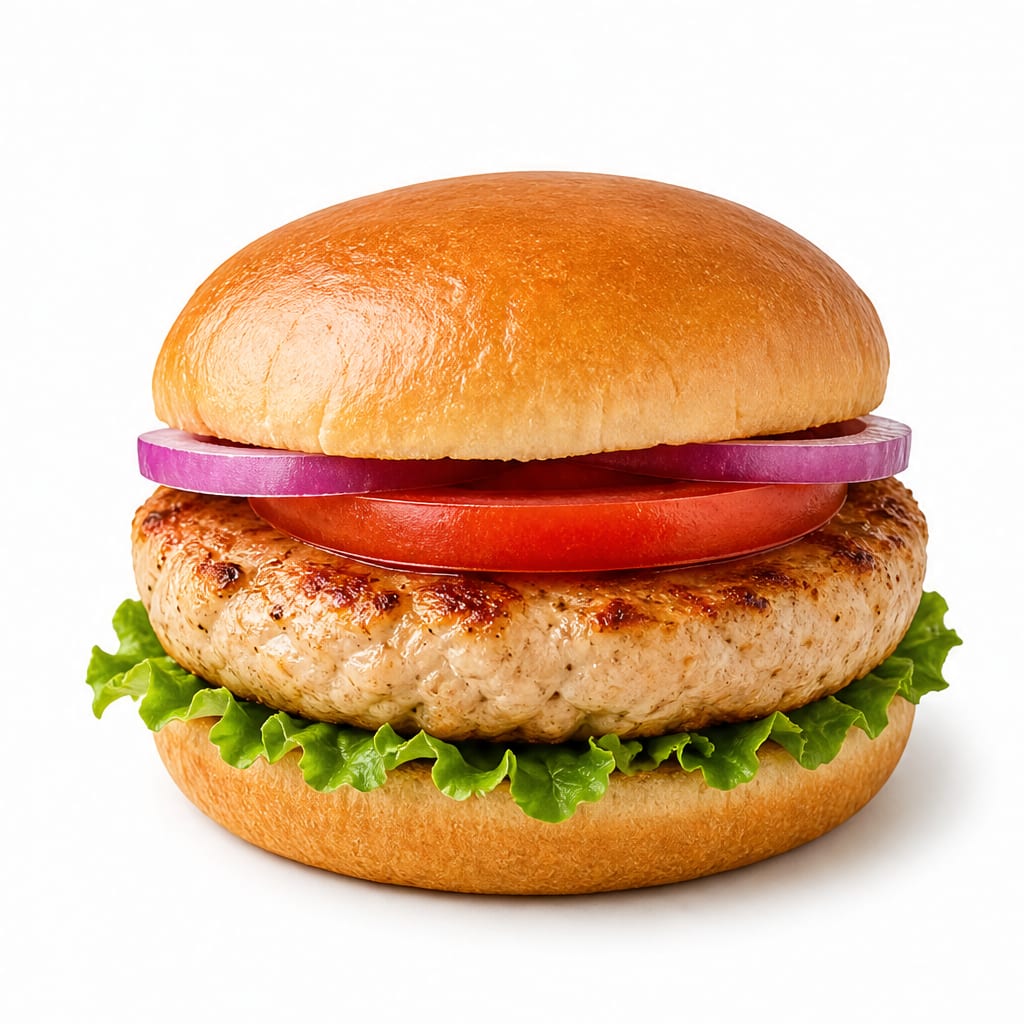
Compare with
Turkey burger
Turkey burgers are significantly lower in saturated fat and calories, making them superior for heart health and weight loss, while matching beef in protein.
Turkey burgers are leaner and better for weight loss, while beef burgers provide more iron and a slightly richer fat profile for satiety.
This food
Burger
VS65% alike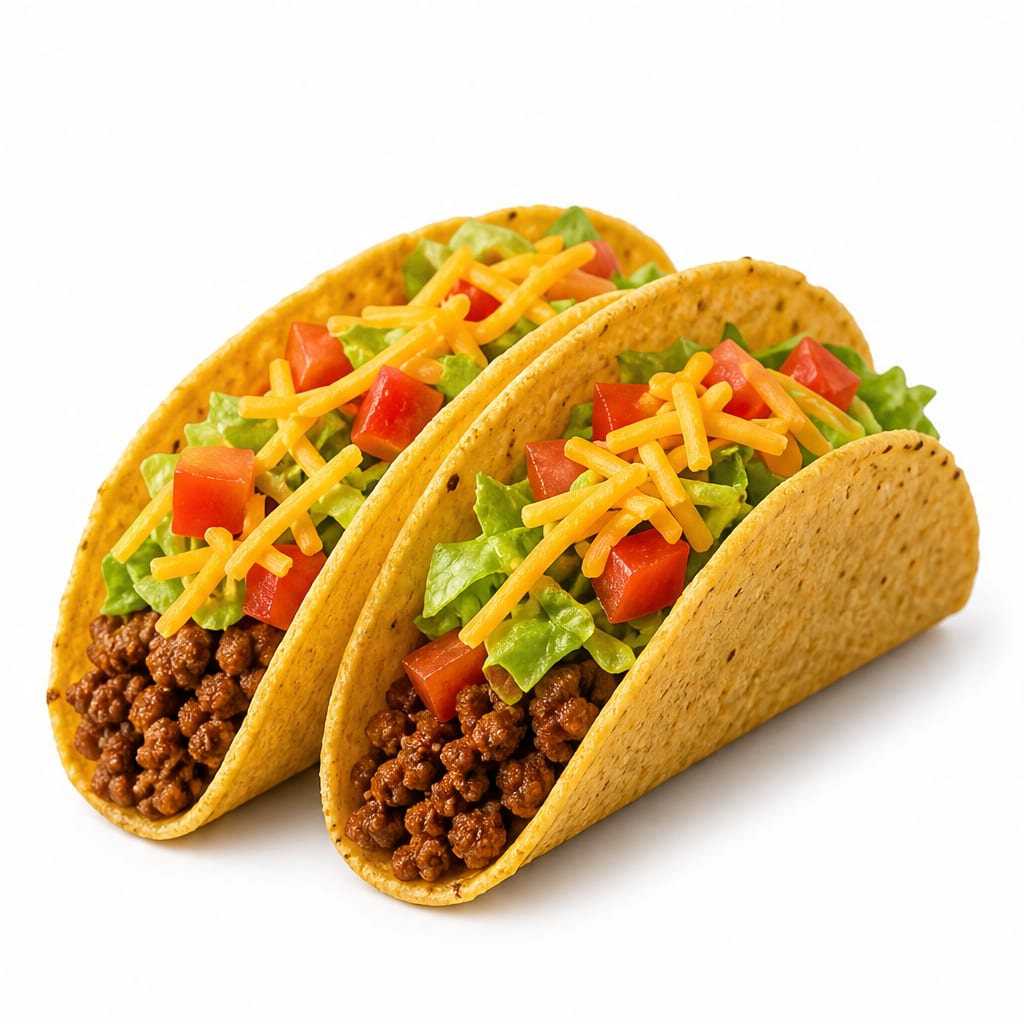
Compare with
Tacos
Tacos often include fiber-rich beans and veggies, improving gut health scores, whereas burgers typically offer more protein per serving.
Tacos often provide more fiber from beans and veggies, while burgers deliver a denser hit of protein and iron.
This food
Burger
VS70% alike
Compare with
Grilled cheese
A burger adds significant protein and iron to the refined carb and fat matrix of a grilled cheese, making it far better for fitness and satiety.
Burgers crush grilled cheese in protein and satiety, though grilled cheese is slightly lower in total calories if portioned small.
This food
Burger
VS75% alike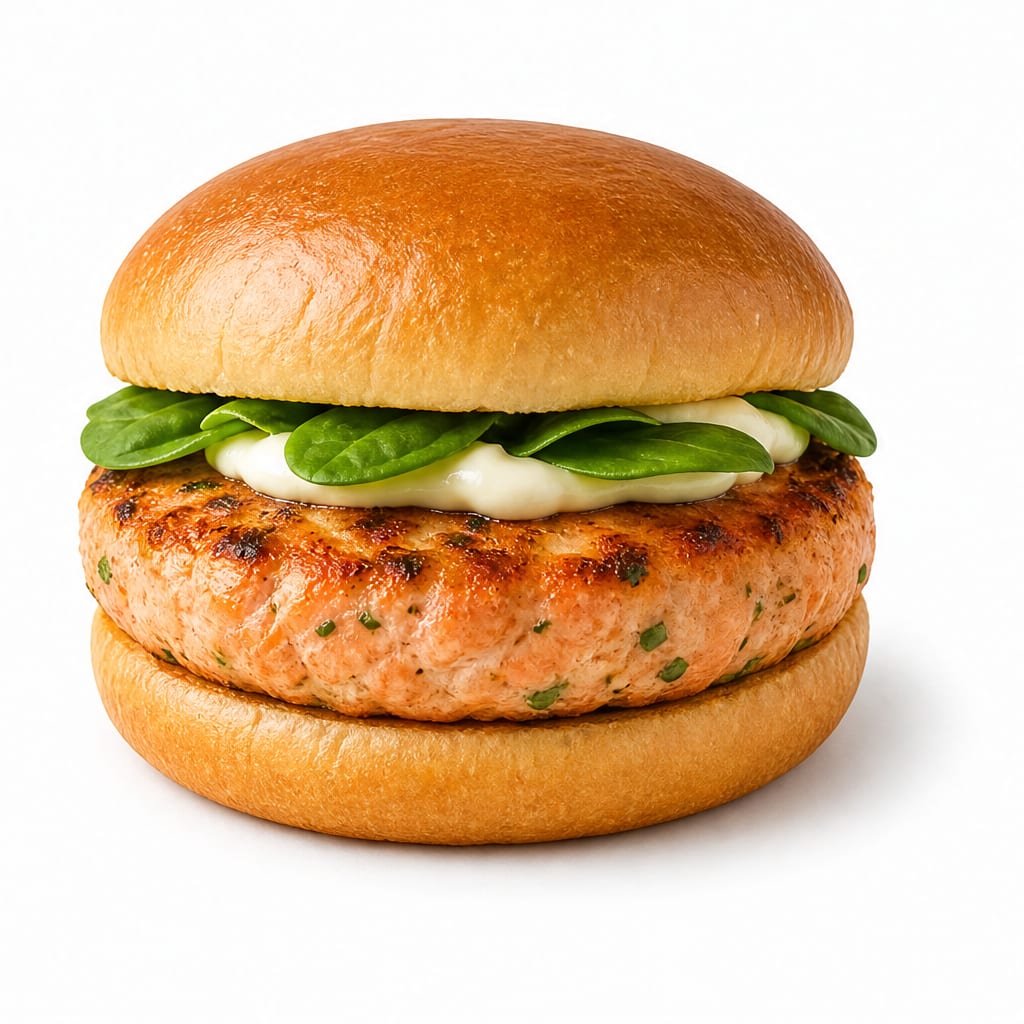
Compare with
Salmon burger
Salmon burgers provide heart-healthy omega-3 fatty acids and are lower in saturated fat, while beef burgers offer higher iron and zinc levels.
Salmon burgers win for heart health and omega-3s, while beef burgers provide superior iron and a stronger satiety effect.
Common questions
FAQ
Answers aligned with how people search for this food.
Are burgers good for weight loss?
Standard burgers are high in calories and saturated fat, making them challenging for weight loss. Opting for a lean turkey patty and a lettuce wrap can reduce calories significantly.
Can diabetics eat burgers?
Diabetics should be cautious of the refined white bun which spikes blood sugar. A lettuce wrap or whole grain bun is a better choice to manage the glycemic response.
How many calories are in a standard cheeseburger?
A typical fast-food cheeseburger contains about 300 to 350 calories, while larger gourmet burgers can easily exceed 800 calories due to added fats and toppings.
Is a burger a good source of protein?
Yes, the beef patty provides high-quality complete protein containing all essential amino acids, supporting muscle growth and repair.
Are burgers considered ultra-processed?
Commercial fast-food burgers are ultra-processed due to factory-formed patties, refined buns, and processed cheese. Homemade burgers with whole ingredients are less processed.
What is the healthiest way to eat a burger?
Use lean ground meat like sirloin or bison, swap the white bun for a whole wheat bun or lettuce wrap, and add extra vegetables instead of bacon or heavy sauces.
Why do burgers make me feel sluggish?
The high fat and refined carbohydrate content takes longer to digest, diverting blood flow to the stomach and causing a temporary drop in energy levels.
Transparency
Data confidence
Estimated confidence for nutrition data, interpretation, safety notes, and comparisons.
Nutrition data
Health analysis
Food safety
Comparisons