
Nutrition comparison
Burger vs Veggie Burger: Which Is Healthier?
Compare Burger vs Veggie Burger on protein, heart health, processing, and taste. Find out which is better for weight loss, muscle gain, and daily eating.
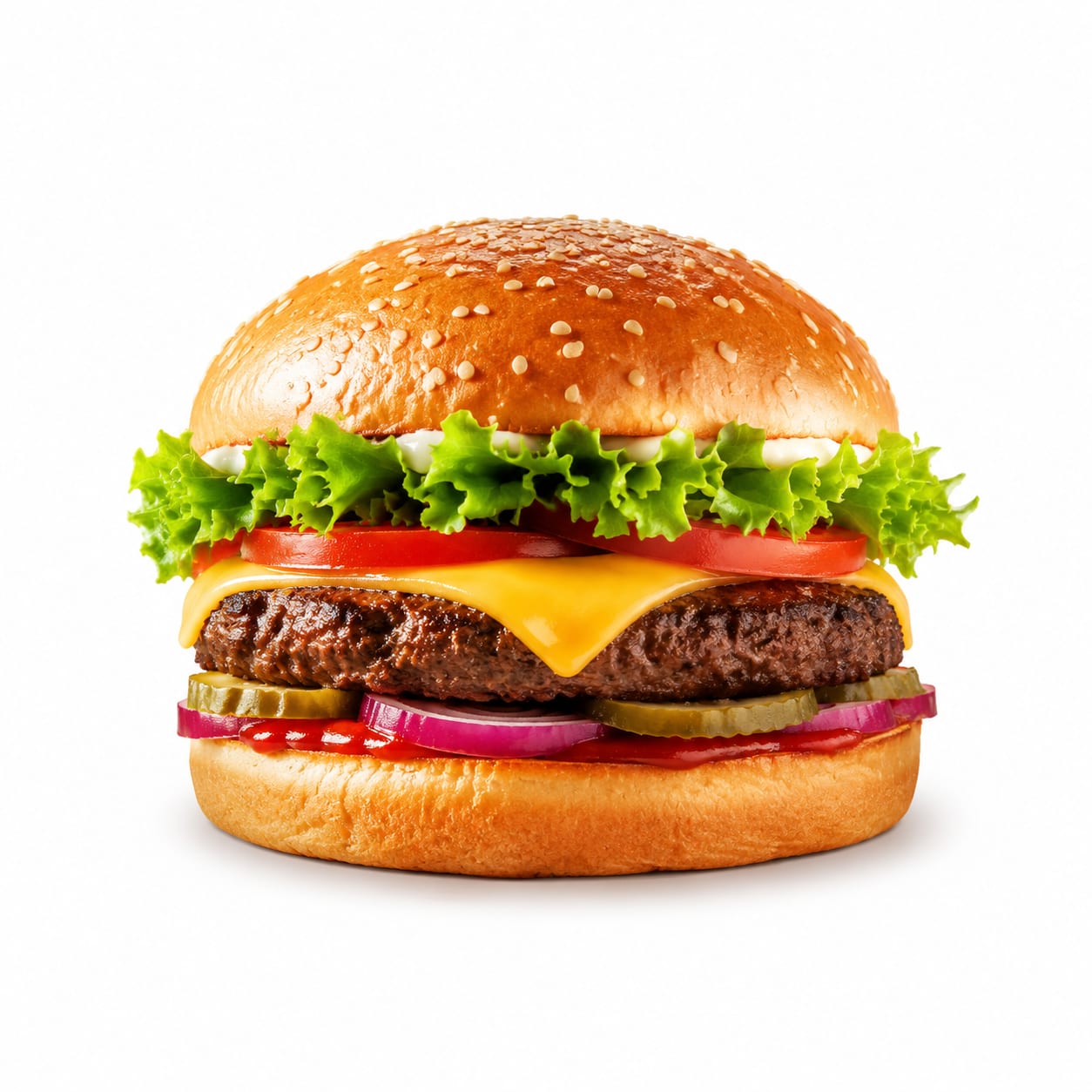
Burger
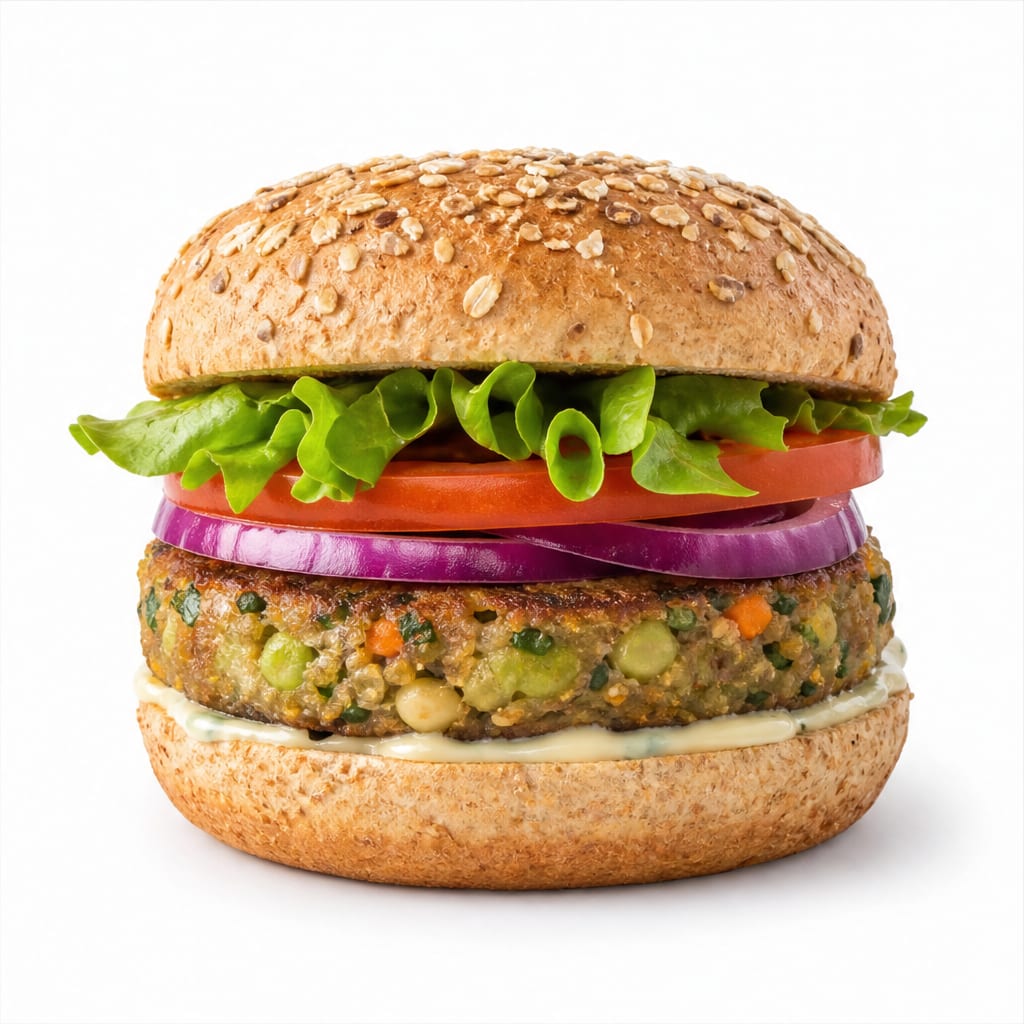
Veggie burger
Burgers win on protein quality and satiety, but veggie burgers win on heart health and long-term safety.
Veggie burgers score higher overall due to better long-term health outcomes and lower saturated fat, but burgers remain competitive because of superior protein quality and satiety.
You trade complete, satisfying protein and a familiar taste for better heart health and lower disease risk.
At a glance
Executive summary
Overall
It depends
Healthier
Veggie burger
More practical
It depends
Daily use
Veggie burger
Key comparison lenses
Heart health and saturated fat intake
The primary nutritional difference is the saturated fat and cholesterol in beef versus the plant-based fats in veggie patties.
Ultra-processing and additives
Store-bought veggie burgers often contain binders, fillers, and sodium, whereas a basic beef burger is just ground meat, though fast food burgers are highly processed.
Long-term disease risk
Regular red meat consumption is linked to higher cardiovascular and cancer risks, making the long-term tradeoff crucial.
Protein quality and muscle building
Burgers offer complete, high-quality protein, while veggie burgers often rely on plant isolates that may be less bioavailable.
Best choice for
Burger
- Athletes needing high-quality protein for muscle repair
- People following a low-carb or keto diet
- Those who struggle to get enough iron naturally
Veggie burger
- People managing high cholesterol or heart conditions
- Anyone wanting to reduce meat consumption without giving up the burger experience
- Those looking for a lighter meal that won't cause a food coma
Least suitable for
Burger
- People with cardiovascular concerns or high blood pressure
- Anyone trying to reduce saturated fat intake
- Those avoiding red meat for longevity
Veggie burger
- Strict whole-food eaters who avoid ultra-processed ingredients
- People with severe soy or gluten allergies
- Those needing high, bioavailable protein in a small portion
Deep comparison
Dimension by dimension
Each lens scores both foods and breaks down who each option suits.
- Dimension 1 · Priority 95Veggie burger
Heart Health & Fat Profile
Burger · 40Veggie burger · 85Veggie burgers contain significantly less saturated fat and zero cholesterol, making them much kinder to your cardiovascular system.
Tradeoff
You lose the natural fats that carry flavor and keep you full, but you protect your heart.
Why it matters
High saturated fat intake from beef directly raises LDL cholesterol, a major risk factor for heart disease over time.
Real-world impact
Eating a burger leaves you more prone to that heavy, sluggish feeling, while a veggie burger feels lighter and easier to recover from.
Burger
- Keto dieters needing higher fat intake
Better for
- People with existing hypertension
Worse for
Veggie burger
- People with family history of heart disease
- Anyone trying to lower cholesterol naturally
Better for
- Those who need calorie-dense meals to maintain weight
Worse for
- Dimension 2 · Priority 85Burger
Protein Quality & Satiety
Burger · 90Veggie burger · 65Burgers provide complete, highly bioavailable protein that keeps you full longer, whereas veggie burgers often use plant isolates that are less effective for satiety.
Tradeoff
You get a more filling, muscle-friendly meal with beef, but you take on the health risks of red meat.
Why it matters
Complete proteins contain all essential amino acids in ratios your body absorbs easily, which is crucial for maintaining muscle and staying full.
Real-world impact
A burger at lunch often prevents the 3 PM snack craving, while a veggie burger might leave you hunting for something else to eat an hour later.
Burger
- Weightlifters needing efficient muscle recovery
- People who skip meals and need one to really last
Better for
- People trying to reduce overall meat consumption
Worse for
Veggie burger
- Those who eat protein from other sources throughout the day
Better for
- Older adults needing highly absorbable protein to prevent muscle loss
Worse for
- Dimension 3 · Priority 88It depends
Processing & Additives
Burger · 55Veggie burger · 45A homemade beef patty is minimally processed, but most veggie burgers are ultra-processed with binders, flavorings, and sodium to mimic meat.
Tradeoff
You choose between the natural simplicity of ground beef and the engineered complexity of a plant patty.
Why it matters
Ultra-processed foods can disrupt gut health and often contain hidden sodium or emulsifiers that negate the benefits of eating plants.
Real-world impact
Reading the ingredient list on a veggie burger can feel like a science experiment, while a basic burger is just one ingredient.
Burger
- Clean-eating advocates who avoid long ingredient lists
- People sensitive to food additives and preservatives
Better for
- People eating fast food burgers loaded with fillers and seasonings
Worse for
Veggie burger
- Those who prioritize avoiding animal products regardless of processing
Better for
- People with sensitivities to soy, gluten, or common binders like methylcellulose
Worse for
- Dimension 4 · Priority 75Veggie burger
Digestion & Fiber
Burger · 30Veggie burger · 75Veggie burgers usually contain fiber from beans, grains, or vegetables, while beef offers zero fiber and can be harder to digest.
Tradeoff
You get better digestive regularity with plant-based, but the heavier texture of beef can feel more satisfying in the moment.
Why it matters
Fiber slows down sugar absorption, feeds gut bacteria, and keeps digestion moving, which meat completely fails to do.
Real-world impact
A veggie burger is less likely to cause the heavy, bloated feeling that sometimes follows a dense beef meal.
Burger
- Those on a low-residue diet for digestive rest
Better for
- People prone to constipation
Worse for
Veggie burger
- People struggling with constipation or irregularity
- Anyone trying to improve gut microbiome diversity
Better for
- People with severe IBS who react to specific fibers like in beans
Worse for
Timeline
Health impact over time
Short-term
Hours to days
Burger
- Heavy fullness that can lead to a food coma
- Sustained energy from high fat and protein, but potential sluggishness
Veggie burger
- Lighter post-meal feeling with less digestive drag
- Potential hunger returning faster if the patty is low in protein and fat
Long-term
Months to years
Burger
- Increased risk of cardiovascular disease from regular saturated fat intake
- Higher exposure to compounds linked to red meat and cancer risk
Veggie burger
- Better cardiovascular markers from lower saturated fat
- Potential sodium concerns if eating highly processed veggie burgers frequently
Risk profile
Safety & processing
A standard beef patty is relatively unprocessed, while veggie burgers require significant processing to bind plants together and mimic the texture and flavor of meat.
Burger
Foodborne illness
mediumGround beef is highly susceptible to E. coli and Salmonella if not cooked to safe internal temperatures.
Carcinogenic compounds
highCooking meat at high temperatures creates heterocyclic amines and polycyclic aromatic hydrocarbons, which are linked to cancer.
Veggie burger
Heavy metal exposure
lowSome plant-based proteins can accumulate trace heavy metals from soil, though usually within safe limits.
Allergen exposure
mediumVeggie burgers frequently contain soy, wheat, and pea protein, which are common allergens.
Who wins for whom
Audience fit
Same foods, different winners depending on your goal.
children
It dependsBurgers provide crucial iron and B12 for development, but veggie burgers are safer long-term; moderation and pairing with nutrient-dense sides are key for both.
daily consumption
Veggie burgerDaily red meat consumption is strongly discouraged by health authorities, whereas a daily veggie burger is a more sustainable habit if sodium is managed.
diabetes
Veggie burgerLower in saturated fat and often higher in fiber, veggie burgers help manage blood sugar and insulin resistance better than high-fat beef.
elderly
Veggie burgerOlder adults need to protect heart health and avoid excessive saturated fat, making veggie burgers a safer staple.
muscle gain
BurgerBeef provides complete, highly bioavailable protein with all essential amino acids and creatine, supporting muscle growth more efficiently.
weight loss
Veggie burgerVeggie burgers generally have fewer calories and less fat, making it easier to maintain a calorie deficit.
Your move
Decision guide
Choose Burger
- You are highly active and need dense, complete protein for recovery
- You are eating out occasionally and want the most satisfying option
- You struggle with iron deficiency and need heme iron
Choose Veggie burger
- You want to protect your heart and lower cholesterol
- You eat burgers more than once a week and need a healthier routine
- You want a lighter meal that will not slow down your afternoon
Either works if
- You are loading up on vegetables and the patty is just a vehicle for a great salad
- You only eat burgers rarely and the nutritional difference barely matters
Avoid both if
- You are strictly following a whole-food, additive-free diet
- You are highly sensitive to both saturated fat and high sodium
Final recommendation
If you eat burgers regularly, switching to a veggie burger is a smart move for your heart and long-term health. Save the beef burger for an occasional treat when you really want the satisfaction and protein, and opt for a high-quality, lean patty when you do.
Practical
Consumer tips
- 1
Check the sodium on veggie burgers; some pack over 500mg per patty.
- 2
Pair a veggie burger with avocado or a side of beans to make it more filling.
- 3
If choosing a beef burger, go for grass-fed or lean cuts to reduce saturated fat.
- 4
Load up on lettuce, tomato, and onion to add fiber and nutrients to either choice.
- 5
Avoid charring your beef burger to reduce carcinogen formation.