
Nutrition comparison
Burger vs Turkey Burger: Which Is Actually Healthier?
Compare beef burgers and turkey burgers on calories, saturated fat, protein, taste, and heart health. Find out which one fits your goals better.
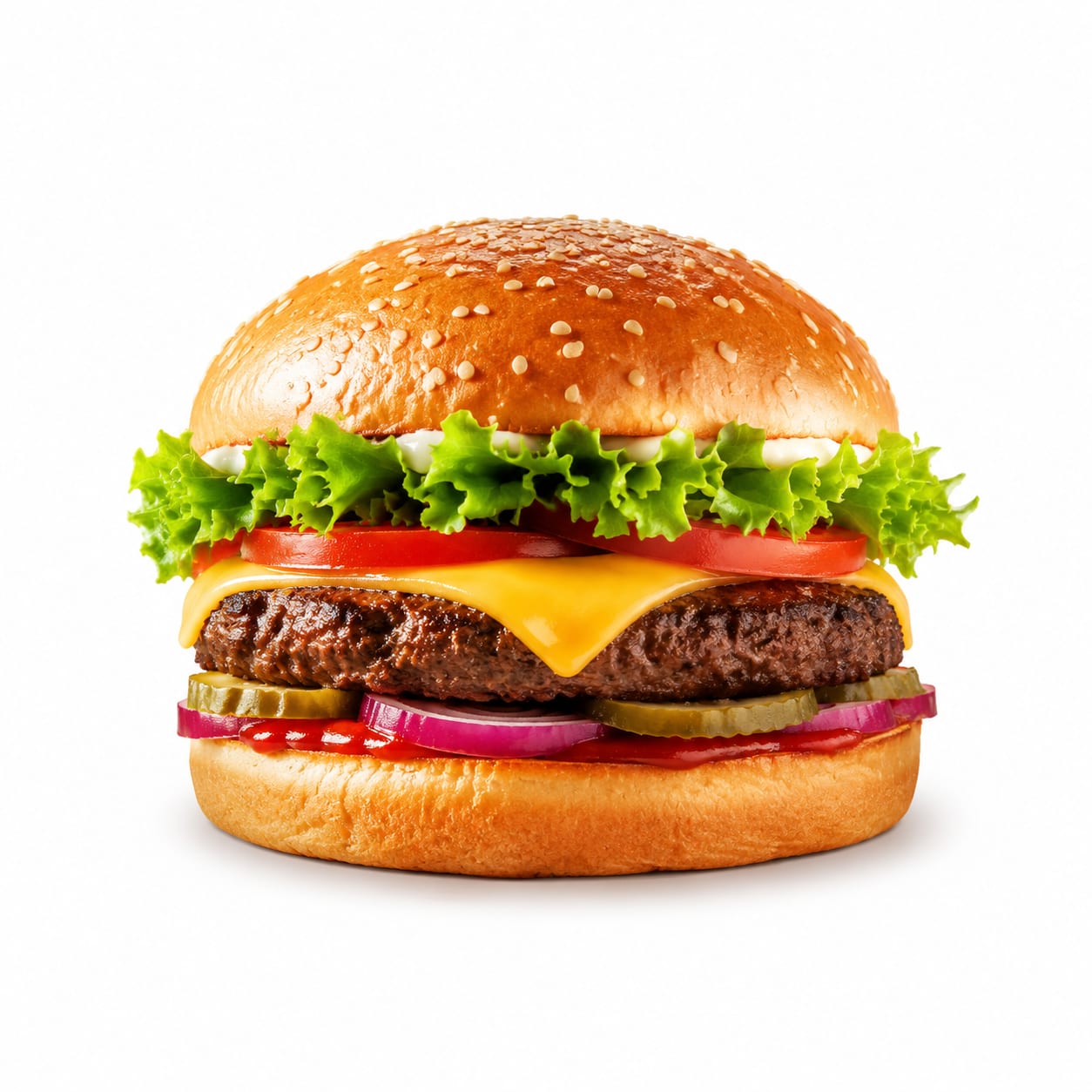
Burger
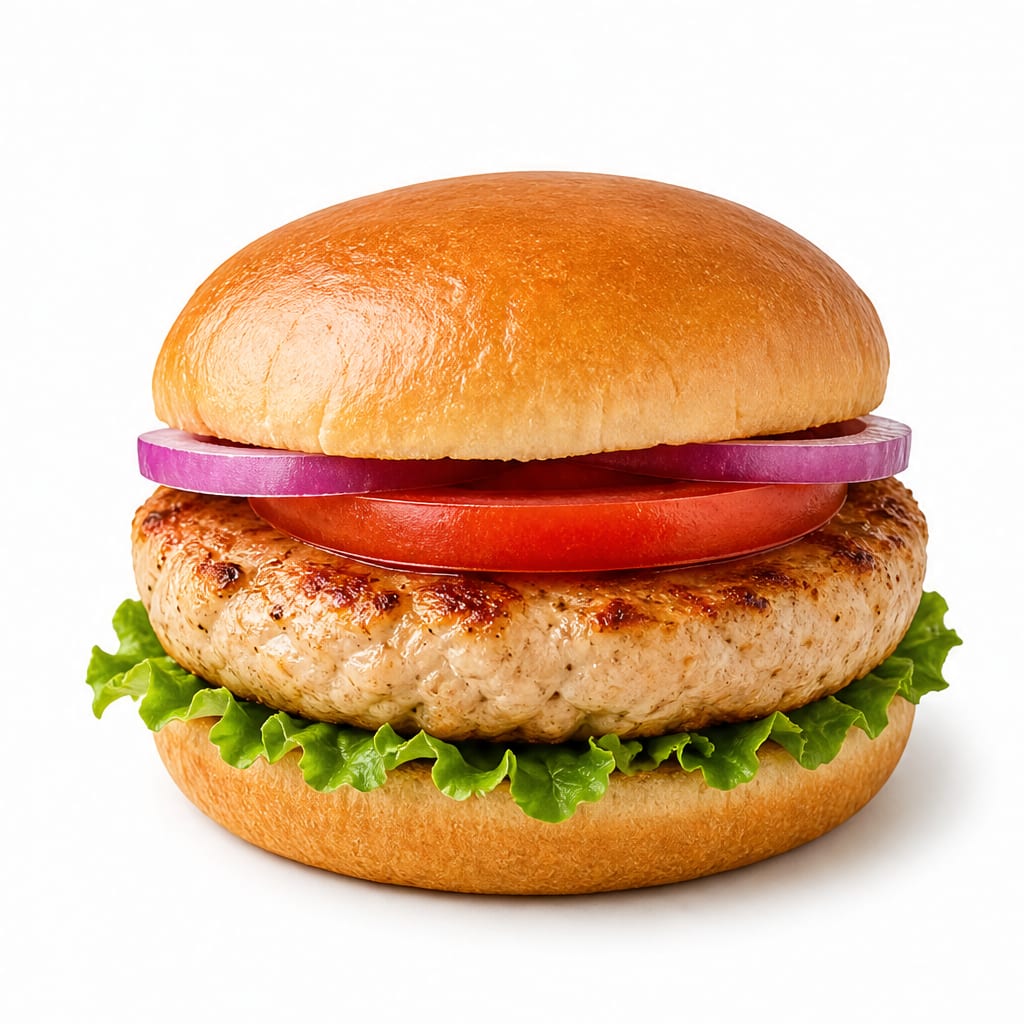
Turkey burger
Turkey burgers win for heart health and calorie control, but beef burgers deliver more satisfaction and flavor that keeps cravings in check.
Turkey burgers score higher overall due to lower saturated fat, fewer calories, and better long-term health outcomes. Beef burgers score reasonably because of superior taste, higher satiety, and better iron content. The gap reflects that most people benefit more from the health advantages of turkey when eating burgers regularly.
You trade taste and satiety for less saturated fat and fewer calories. The right pick depends on what matters more to you right now.
At a glance
Executive summary
Overall
It depends
Healthier
Turkey burger
More practical
Burger
Daily use
Turkey burger
Key comparison lenses
reducing saturated fat and calories while keeping a satisfying meal
This is the primary reason most people consider switching from beef to turkey
heart health and cardiovascular risk reduction
Saturated fat difference directly impacts heart disease risk over time
weight management without giving up burgers
Turkey burgers are often chosen as a lower-calorie alternative that still feels like a real meal
taste satisfaction and craving control
Beef burgers are more satisfying, which matters for long-term adherence to any eating pattern
protein quality for muscle maintenance
Both provide solid protein, but the type and completeness differ slightly
Best choice for
Burger
- Active people who burn more calories and want maximum meal satisfaction
- Those who find lean meats leave them hungry and reaching for snacks
- Occasional treat meals where enjoyment is the priority
- Iron-deficient individuals needing more heme iron
Turkey burger
- Anyone watching cholesterol or blood lipids
- People trying to lose weight without eliminating burgers entirely
- Those eating burgers multiple times per week
- Anyone with a family history of heart disease
Least suitable for
Burger
- People with high LDL cholesterol or cardiovascular risk
- Anyone tracking calories closely
- Those eating red meat several times a week already
Turkey burger
- Those who find lean meats unsatisfying and end up overeating later
- People who dislike dry textures and won't enjoy the meal
- Anyone needing maximum iron intake from food sources
Deep comparison
Dimension by dimension
Each lens scores both foods and breaks down who each option suits.
- Dimension 1 · Priority 95Turkey burger
Saturated Fat and Heart Health
Burger · 35Turkey burger · 80A typical beef burger contains 6-10g of saturated fat per patty, while a turkey burger made from lean ground turkey has 2-4g.
Tradeoff
Turkey burgers protect your heart over the years but sacrifice some of the rich mouthfeel that makes beef burgers feel like a real meal.
Why it matters
Saturated fat directly raises LDL cholesterol. Eating beef burgers several times a week adds up fast. Turkey burgers let you keep the burger experience with less cardiovascular baggage.
Real-world impact
Switching from beef to turkey burgers a few times a week could save you 10-20g of saturated fat weekly — enough to meaningfully shift your cholesterol numbers over months.
Burger
- Those with no heart disease risk factors who eat burgers rarely
Better for
- People already consuming high amounts of red meat
Worse for
Turkey burger
- Anyone with elevated cholesterol
- People with family history of heart disease
- Those eating burgers more than once a week
Better for
- Those who compensate for less satisfaction by eating more later
Worse for
- Dimension 2 · Priority 90Turkey burger
Calorie Density and Weight Management
Burger · 40Turkey burger · 78A standard beef patty runs 250-300 calories, while a lean turkey patty sits around 170-200 calories. That 80-100 calorie difference per burger adds up.
Tradeoff
Turkey burgers make calorie control easier, but the lower fat content means less staying power. You might feel hungry sooner.
Why it matters
If you eat burgers regularly, the calorie savings from turkey can translate into meaningful weight differences without requiring you to change anything else about your diet.
Real-world impact
Three turkey burgers per week instead of beef saves roughly 300 calories weekly — about 4.5 pounds of potential weight difference per year, all else equal.
Burger
- Underweight individuals needing calorie density
- Very active people with high energy needs
Better for
- Anyone struggling with portion control
Worse for
Turkey burger
- Anyone actively losing weight
- People who track calories
- Those who want to eat a full burger without the guilt spiral
Better for
- Those who find low-fat meals trigger later snacking
Worse for
- Dimension 3 · Priority 85Burger
Taste and Meal Satisfaction
Burger · 90Turkey burger · 55Beef burgers have richer flavor, better texture, and more juiciness. Turkey burgers tend to be drier and milder, requiring more seasoning and toppings to compensate.
Tradeoff
The satisfaction gap is real. A less satisfying meal can lead to snacking later, which negates some of the calorie savings.
Why it matters
Enjoyment matters for sustainability. If you dread your turkey burger, you will not stick with the switch. Better to eat a beef burger once a week and enjoy it than force turkey burgers and quit entirely.
Real-world impact
Many people report feeling less full after turkey burgers and reaching for a snack within two hours. That post-meal grazing can erase the calorie advantage entirely.
Burger
- Food lovers who prioritize meal enjoyment
- Those who eat burgers as an occasional treat
- People prone to late-night snacking after unsatisfying dinners
Better for
- Those who cannot stop at one burger
Worse for
Turkey burger
- Those who season turkey burgers well and find them enjoyable
- People focused on health goals over taste
Better for
- Anyone who finds lean meats depressing to eat
Worse for
- Dimension 4 · Priority 75Burger
Protein Quality and Iron Content
Burger · 82Turkey burger · 72Both deliver strong protein, but beef offers significantly more heme iron and slightly more B12. Turkey provides solid protein with less fat attached to it.
Tradeoff
Beef is the better nutrient package per bite, but turkey gives you nearly the same protein with fewer health downsides attached.
Why it matters
Heme iron from beef is absorbed much better than plant iron. For people with low iron, beef burgers serve a real nutritional purpose. For everyone else, the iron advantage is less critical.
Real-world impact
If you are anemic or borderline iron-deficient, a beef burger now and then is genuinely therapeutic. If your iron levels are fine, this advantage matters much less.
Burger
- Women with heavy periods who need more iron
- Vegetarians transitioning back to meat who need nutrient density
- Anyone diagnosed with iron deficiency
Better for
- Men at risk for iron overload
Worse for
Turkey burger
- Those getting enough iron from other sources
- People who prioritize lean protein over nutrient density
Better for
- Those relying on burgers as a primary iron source
Worse for
- Dimension 5 · Priority 80Burger
Satiety and Fullness Duration
Burger · 85Turkey burger · 60Fat slows digestion and keeps you full longer. Beef burgers, with their higher fat content, provide more sustained satiety than lean turkey patties.
Tradeoff
You stay full longer with beef, but you also consume more calories to get that effect. Turkey burgers may require strategic sides to match the staying power.
Why it matters
A meal that leaves you hungry in 90 minutes is not a win, even if it was lower in calories. Satiety determines what you eat next.
Real-world impact
Pair a turkey burger with avocado or a side of beans and the satiety gap narrows significantly. Eaten alone, you will likely feel the difference within an hour.
Burger
- People who eat one big meal and need it to last
- Those who skip snacks between meals
Better for
- Those who find high-fat meals cause sluggishness
Worse for
Turkey burger
- Those who eat smaller, more frequent meals
- People who pair their burgers with filling sides
Better for
- People prone to afternoon energy crashes after light lunches
Worse for
- Dimension 6 · Priority 65It depends
Processing and Additive Concerns
Burger · 60Turkey burger · 55Both are ground meat products with similar processing levels. However, some commercial turkey burgers contain fillers, sodium boosters, and binders to compensate for leanness.
Tradeoff
A simple beef patty is just ground beef. Some turkey burgers hide sodium and fillers behind the health halo. Reading labels matters more for turkey.
Why it matters
The health halo around turkey burgers can be misleading. A processed turkey burger with additives may not be healthier than a simple ground beef patty.
Real-world impact
Some frozen turkey burgers pack 500-600mg of sodium per patty — more than many beef burgers. Always check the ingredient list. The shortest list wins.
Burger
- Those buying fresh ground beef with no additives
- People who form their own patties at home
Better for
- Those buying pre-seasoned beef patties with fillers
Worse for
Turkey burger
- Those buying fresh ground turkey, not pre-formed frozen patties
- People who read labels carefully
Better for
- People buying frozen turkey burgers without checking sodium and fillers
Worse for
Timeline
Health impact over time
Short-term
Hours to days
Burger
- More immediate feeling of fullness and satisfaction after eating
- Possible sluggishness or heaviness after a high-fat meal
- Higher post-meal calorie load that may affect activity levels
Turkey burger
- Lighter post-meal feeling with less digestive heaviness
- Possible hunger returning sooner, especially if eaten without sides
- Lower calorie impact on daily intake
Long-term
Months to years
Burger
- Regular consumption linked to higher LDL cholesterol and cardiovascular risk
- Increased heme iron intake, which benefits iron-deficient people but may raise risk for those with normal or high iron stores
- Higher cumulative saturated fat intake affecting heart health markers over years
Turkey burger
- Better long-term cardiovascular profile with lower saturated fat intake
- Potential for inadequate iron if turkey replaces all red meat without other iron sources
- Lower overall disease risk when eaten as a regular protein source
Risk profile
Safety & processing
Fresh ground beef patties are typically just one ingredient. Turkey burgers, especially pre-formed commercial ones, often contain sodium solutions, binders, and flavor enhancers to compensate for the leaner, drier meat. Making either from scratch at home levels the playing field.
Burger
Heme iron and high-temperature cooking carcinogens
mediumCooking beef at high temperatures creates heterocyclic amines and polycyclic aromatic hydrocarbons, which are linked to cancer risk. This applies to any grilled meat but is well-documented for beef.
Antibiotic and hormone exposure
mediumConventional beef cattle are often treated with hormones and antibiotics. Choosing grass-fed or organic reduces this concern significantly.
Turkey burger
Salmonella contamination
mediumGround turkey has a higher salmonella contamination rate than ground beef. It must be cooked thoroughly to 165°F, which can further dry out the patty.
Hidden sodium in commercial products
mediumMany pre-formed turkey burgers contain sodium solutions to improve flavor and moisture. Some deliver 30-40% of your daily sodium in a single patty.
Who wins for whom
Audience fit
Same foods, different winners depending on your goal.
children
BurgerKids benefit from the iron and B12 in beef, and they are more likely to actually eat a beef burger. Turkey burgers are often rejected by picky eaters, making them a practical failure.
daily consumption
Turkey burgerTurkey burgers are safer to eat frequently due to lower saturated fat and cardiovascular impact. Beef burgers are best limited to a few times per month.
diabetes
Turkey burgerLower saturated fat intake is associated with better insulin sensitivity. Both have minimal carbs, but the saturated fat difference matters for metabolic health.
elderly
Turkey burgerOlder adults need to protect cardiovascular health and often eat less, so the lower calorie and saturated fat profile of turkey is more appropriate.
muscle gain
BurgerSlightly more protein per calorie and higher creatine and iron content make beef marginally better for building muscle, though both work well.
weight loss
Turkey burgerFewer calories and less fat per serving make turkey burgers easier to fit into a calorie deficit, provided they do not leave you snacking later.
Your move
Decision guide
Choose Burger
- You eat burgers once a week or less and want maximum enjoyment
- You have low iron levels and benefit from heme iron intake
- You are very active and burn through higher-calorie meals easily
- You find lean meats leave you unsatisfied and reaching for junk food later
Choose Turkey burger
- You eat burgers multiple times per week
- You are watching your cholesterol, blood pressure, or heart health
- You want to lose weight without giving up burger night
- You are willing to season well and pair with healthy sides for satisfaction
Either works if
- You make both from scratch with quality ingredients
- You vary your protein sources throughout the week and neither is a daily staple
- You are generally healthy with no specific risk factors
Avoid both if
- You have gout and are sensitive to purine-rich meats
- You are strictly limiting sodium and buy pre-formed or seasoned patties of either type
- You have digestive issues with high-fat meals and also struggle with lean meats
Final recommendation
Make turkey burgers your default for regular consumption, but keep beef burgers for when you really want one. The best approach is eating turkey burgers most of the time with smart seasoning and satisfying sides, while enjoying a beef burger occasionally without guilt. The health gap between them is meaningful over years, not over a single meal.
Practical
Consumer tips
- 1
Buy fresh ground turkey, not frozen pre-formed patties, to avoid hidden sodium and fillers
- 2
Mix grated onion, garlic, and a splash of olive oil into turkey burger mix to boost moisture and flavor
- 3
Cook turkey burgers to 165°F for safety but use a meat thermometer to avoid overcooking and drying them out
- 4
If choosing beef, go for 85% lean rather than 80% — a small fat reduction that still tastes great
- 5
Pair turkey burgers with avocado or a side of beans to close the satiety gap with beef
- 6
Limit either burger to once or twice a week and vary your protein sources across fish, chicken, legumes, and eggs