
Nutrition comparison
Burger vs Grilled Cheese: Which Comfort Food Is Actually Better for You?
Compare burger and grilled cheese on protein, heart health, satiety, and convenience. Find out which comfort food fits your goals and when to choose each.
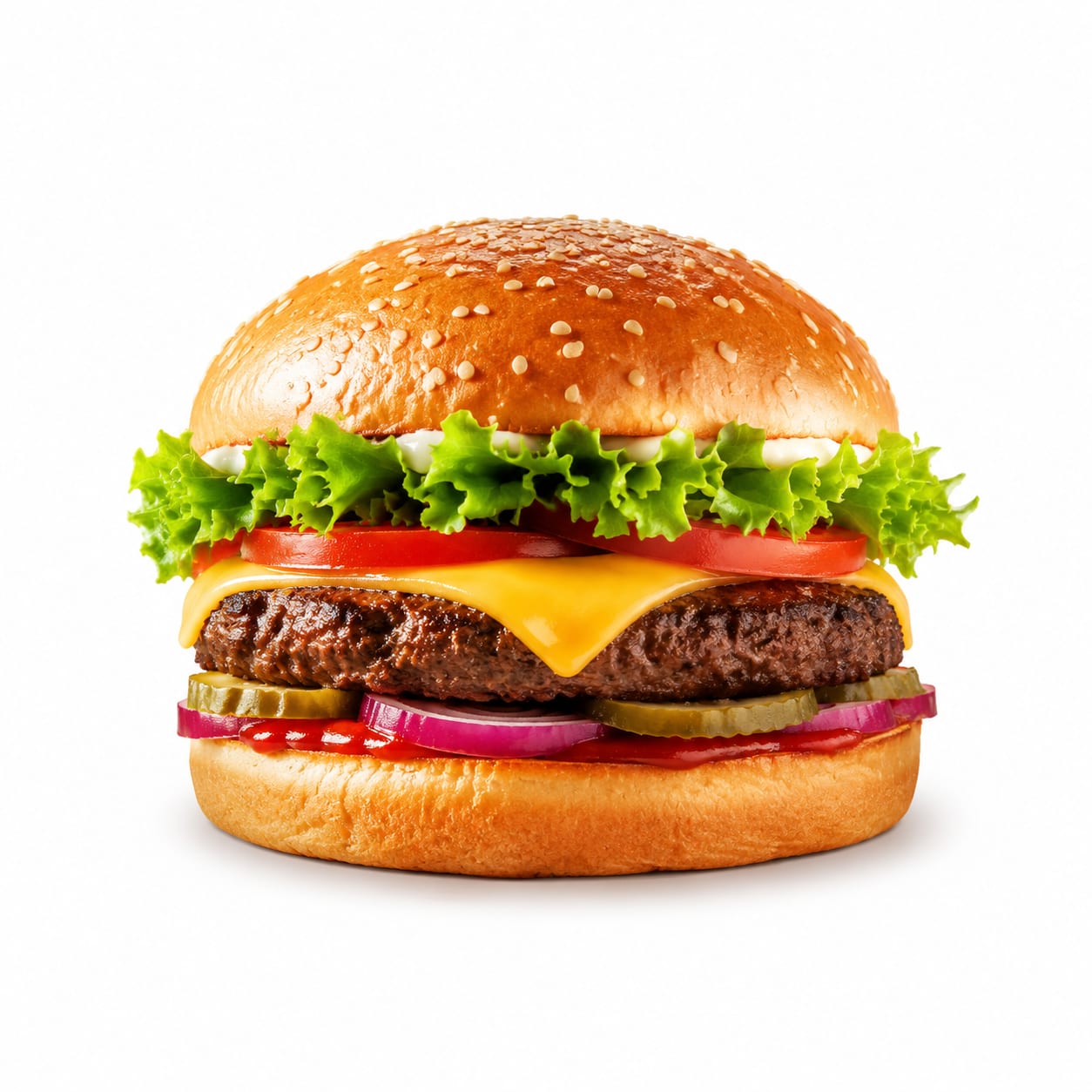
Burger
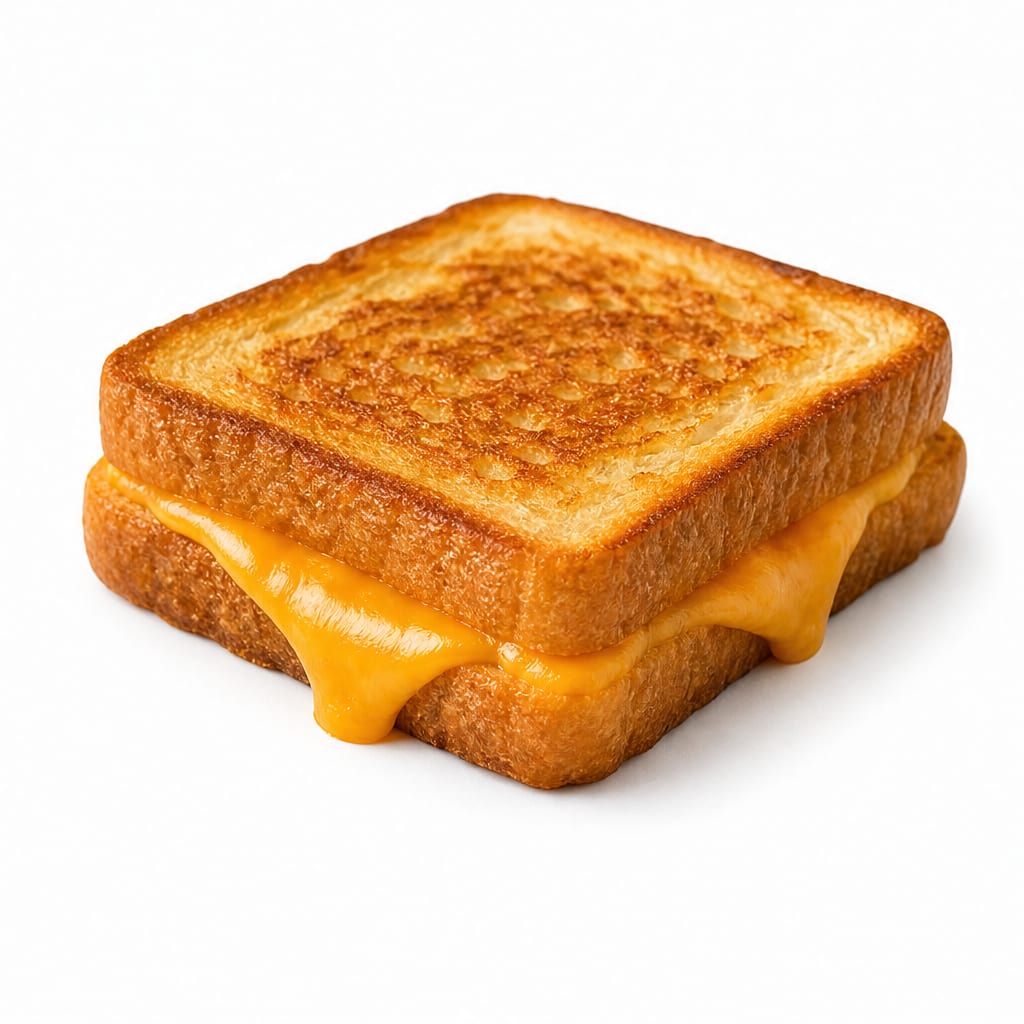
Grilled cheese
Burger delivers protein and staying power; grilled cheese offers simpler comfort with less red meat risk.
Scores are close because both are indulgent comfort foods with significant nutritional drawbacks. Burger edges ahead on protein and satiety but loses ground on heart health risks. Grilled cheese is simpler and avoids red meat concerns but offers weaker nutritional value overall.
Protein and fullness versus simplicity and heart safety. Burger fills you longer but carries red meat concerns. Grilled cheese is gentler on the heart but leaves you hungry sooner.
At a glance
Executive summary
Overall
It depends
Healthier
It depends
More practical
Grilled cheese
Daily use
Grilled cheese
Key comparison lenses
protein and satiety comparison
Burger provides substantial protein from the patty while grilled cheese relies almost entirely on cheese for protein, creating a major satiety gap
heart health and red meat risk
Burger introduces red meat cardiovascular concerns that grilled cheese avoids, though both carry saturated fat from cheese and butter
convenience and cost for everyday meals
Grilled cheese is faster, cheaper, and requires fewer ingredients, making it a go-to comfort food for busy or budget-conscious eaters
blood sugar and refined carb load
Both rely on refined buns or bread, but burger's protein slows glucose absorption while grilled cheese offers less blood sugar buffering
emotional eating and comfort factor
Both are classic comfort foods, but grilled cheese carries stronger nostalgic and emotional appeal for many people
Best choice for
Burger
- Active people needing sustained energy
- Anyone recovering from intense exercise
- Those who skip meals and need long-lasting fullness
- Growing teenagers with high calorie and protein needs
Grilled cheese
- Quick lunch with minimal prep time
- Budget-conscious households
- Kids who are picky eaters
- Anyone avoiding red meat for heart health
Least suitable for
Burger
- People managing heart disease or high cholesterol
- Anyone reducing red meat intake on doctor's advice
- Those watching saturated fat closely
Grilled cheese
- Anyone needing a protein-rich meal
- People trying to stay full for hours
- Those managing blood sugar without additional protein
Deep comparison
Dimension by dimension
Each lens scores both foods and breaks down who each option suits.
- Dimension 1 · Priority 95Burger
protein and satiety
Burger · 78Grilled cheese · 35Burger delivers roughly 20-30g of protein from the patty alone, while grilled cheese typically provides only 10-15g from cheese. This gap makes a real difference in how long you stay full.
Tradeoff
That protein comes with heme iron and saturated fat from red meat, which grilled cheese avoids entirely.
Why it matters
Protein is the main lever for fullness between meals. A burger at noon can carry you to dinner. Grilled cheese often leaves you snacking by 3pm.
Real-world impact
After a burger, you are less likely to reach for chips or sweets. After grilled cheese, the afternoon hunger creep is real.
Burger
- Athletes needing recovery protein
- Manual laborers who burn calories all day
- Anyone trying to eat fewer snacks between meals
Better for
- People limiting protein for kidney concerns
Worse for
Grilled cheese
- Light eaters who prefer smaller meals
- Anyone already getting protein from other meals that day
Better for
- Anyone relying on this as their main meal of the day
Worse for
- Dimension 2 · Priority 90Grilled cheese
heart health and cardiovascular risk
Burger · 32Grilled cheese · 48Grilled cheese avoids the well-established cardiovascular risks of red meat. While both foods are high in saturated fat, burger adds heme iron and compounds formed during high-heat cooking that raise heart disease risk.
Tradeoff
Grilled cheese still delivers a heavy saturated fat load from butter and cheese, so it is not exactly heart-friendly either.
Why it matters
Red meat consumption is consistently linked to higher cardiovascular risk. Even occasional burgers contribute to that cumulative exposure.
Real-world impact
If heart health is a priority, swapping burgers for grilled cheese a few times per month is a meaningful reduction in red meat risk, even if neither is ideal.
Burger
- Iron-deficient individuals who benefit from heme iron
Better for
- People with elevated LDL cholesterol
- Anyone with hypertension concerns
Worse for
Grilled cheese
- Anyone with family history of heart disease
- People actively reducing red meat consumption
- Those managing high cholesterol under medical guidance
Better for
- People who assume grilled cheese is heart-healthy just because it lacks red meat
Worse for
- Dimension 3 · Priority 82Burger
blood sugar stability
Burger · 52Grilled cheese · 38Both foods are built on refined carbohydrates, but burger's protein content slows glucose absorption noticeably. Grilled cheese offers minimal protein buffer against the bread's carb load.
Tradeoff
Neither food is good for blood sugar. The difference is between bad and slightly less bad.
Why it matters
Refined bread alone causes quick blood sugar spikes. Protein acts like a speed bump. Burger has that speed bump. Grilled cheese barely does.
Real-world impact
After grilled cheese, you may feel a brief energy rise followed by a slump. Burger tends to produce a steadier, if still heavy, energy curve.
Burger
- People with mild blood sugar concerns who still want an indulgent meal
- Anyone prone to afternoon energy crashes
Better for
- People with diabetes who should minimize both refined carbs and saturated fat together
Worse for
Grilled cheese
- Those eating small portions with a side salad or vegetables
Better for
- Anyone eating this alone without fiber or protein sides
Worse for
- Dimension 4 · Priority 78Grilled cheese
convenience and cost
Burger · 45Grilled cheese · 85Grilled cheese takes 5 minutes, uses 3 ingredients, and costs roughly $1.50 per sandwich. Burgers require raw meat handling, longer cooking, and cost $3-6 per serving at home.
Tradeoff
Speed and simplicity come with nutritional compromise. The easiest meal is rarely the most nourishing one.
Why it matters
When you are tired, stressed, or short on time, convenience wins. Grilled cheese is the meal that actually gets made instead of ordered.
Real-world impact
On a busy weeknight, grilled cheese is realistic. Burger requires planning, thawing meat, and more cleanup. That friction matters for consistency.
Burger
- Weekend cooking when you have time to prep
- Meal prep sessions where you cook multiple patties ahead
Better for
- Last-minute meal situations
Worse for
Grilled cheese
- Exhausted parents needing dinner in under 10 minutes
- College students with limited cooking equipment
- Anyone cooking on a tight grocery budget
Better for
- Meals where nutritional quality is the top priority
Worse for
- Dimension 5 · Priority 72It depends
emotional satisfaction and comfort
Burger · 70Grilled cheese · 75Both are iconic comfort foods. Grilled cheese has stronger nostalgic pull for many people, especially from childhood. Burger satisfies a different craving for heartiness and savory depth.
Tradeoff
Grilled cheese comforts through warmth and simplicity. Burger comforts through heft and bold flavor. They serve different emotional needs.
Why it matters
Emotional eating is real and valid. The food that actually satisfies your craving prevents overeating later.
Real-world impact
When you want grilled cheese, a burger will not scratch that itch. When you want something substantial, grilled cheese feels like it is missing something.
Burger
- Post-workout reward meals
- Social gatherings and cookouts
- Days when only something hearty will do
Better for
- Light comfort seekers who find burgers too heavy
Worse for
Grilled cheese
- Sick days when you need something gentle
- Rainy days when nostalgia hits
- Stressful times when simple warmth matters most
Better for
- Anyone seeking a substantial, filling meal experience
Worse for
- Dimension 6 · Priority 68It depends
sodium load
Burger · 38Grilled cheese · 42Both are high-sodium foods. Burgers get sodium from the patty seasoning, cheese, condiments, and bun. Grilled cheese loads sodium through cheese and butter with salt. Neither is a low-sodium choice.
Tradeoff
Burger sodium varies wildly based on preparation. Restaurant burgers can exceed 1500mg. Homemade grilled cheese is more predictable at 800-1100mg.
Why it matters
If you have blood pressure concerns, both foods are landmines. But grilled cheese is easier to control at home by choosing lower-sodium cheese and bread.
Real-world impact
A single burger at a restaurant can deliver nearly a full day's sodium allowance. Grilled cheese made at home gives you more control.
Burger
- Home-cooked burgers where you control seasoning
Better for
- Restaurant and fast food burgers with hidden sodium
Worse for
Grilled cheese
- Anyone tracking sodium who needs more predictable numbers
- Home cooks willing to use low-sodium cheese and bread
Better for
- People who assume homemade means low sodium automatically
Worse for
Timeline
Health impact over time
Short-term
Hours to days
Burger
- Heavy fullness that can last 4-5 hours
- Possible sluggishness or food coma from high fat and calorie density
- Better blood sugar stability than grilled cheese due to protein content
Grilled cheese
- Quick satisfaction followed by hunger returning within 2-3 hours
- Possible blood sugar spike and crash from refined bread with minimal protein buffer
- Warm comfort feeling that is emotionally soothing but physically fleeting
Long-term
Months to years
Burger
- Regular red meat consumption linked to increased cardiovascular disease risk
- Higher heme iron intake which may increase oxidative stress when consumed excessively
- Greater colorectal cancer risk with frequent processed or well-done red meat
Grilled cheese
- Consistent high saturated fat intake from cheese and butter may raise LDL cholesterol
- Low protein intake if grilled cheese replaces more nutritious meals regularly
- Potential weight gain from calorie density without satiety, leading to more snacking
Risk profile
Safety & processing
Both foods rely on processed components like buns, cheese, and condiments. Burgers carry more additive concerns through potential preservatives in commercial patties, condiments with emulsifiers, and processed cheese slices. Grilled cheese is simpler with fewer ingredient variables, especially when made with real cheese and quality bread.
Burger
foodborne illness from undercooked ground beef
highGround beef must reach 160°F internally. Undercooked burgers carry E. coli and Salmonella risk that solid cuts of meat do not have because surface bacteria get mixed throughout during grinding.
heterocyclic amines from high-heat cooking
mediumCharring or well-done cooking creates HCAs and PAHs, compounds linked to cancer risk. Lower heat and avoiding char reduces this significantly.
Grilled cheese
contamination from unpasteurized cheese
lowMost commercial cheese is pasteurized, but artisanal or raw milk cheeses carry Listeria risk. This is mainly a concern for pregnant women and immunocompromised individuals.
acrylamide from toasted bread
lowBrowning bread creates small amounts of acrylamide, a probable carcinogen. Light toasting reduces this compared to dark charring.
Who wins for whom
Audience fit
Same foods, different winners depending on your goal.
children
Grilled cheeseGrilled cheese is easier for kids to eat, has lower choking risk, avoids red meat concerns for developing bodies, and is more likely to be accepted by picky eaters.
daily consumption
Grilled cheeseNeither should be eaten daily, but grilled cheese avoids the cumulative red meat risks that make daily burgers clearly harmful for long-term health.
diabetes
It dependsBoth are poor choices for blood sugar management. Burger's protein slightly blunts the glucose spike, but the saturated fat content worsens insulin resistance over time. Neither should be a regular choice.
elderly
Grilled cheeseGrilled cheese is softer, easier to chew, and gentler on digestion. Elderly individuals reducing red meat for heart health also benefit from avoiding the burger patty.
muscle gain
BurgerBurger delivers substantially more complete protein with all essential amino acids from the beef patty, making it far more useful for muscle repair and growth.
weight loss
It dependsNeither food is weight-loss friendly. Burger provides more protein to preserve muscle during calorie restriction, but grilled cheese offers easier portion control with fewer calories per serving.
Your move
Decision guide
Choose Burger
- You need a meal that keeps you full for hours without snacking
- You are physically active and burning significant calories
- You have been craving something hearty and nothing else will satisfy
- You want post-workout protein in a comforting format
Choose Grilled cheese
- You are short on time and need comfort food in under 10 minutes
- You are avoiding red meat for heart health or personal preference
- You want something gentle and nostalgic on a difficult day
- You are feeding kids who need something simple and appealing
Either works if
- You are treating yourself occasionally and neither will be a regular habit
- You plan to pair it with a large side salad or vegetables to balance the meal
- You are eating mindfully and will stop when satisfied rather than stuffed
Avoid both if
- You have active heart disease or very high cholesterol and need to minimize saturated fat
- You are managing diabetes and need low-carb, high-fiber meals instead
- You eat these foods more than twice per week already
- You are trying to break a cycle of relying on heavy comfort foods for emotional regulation
Final recommendation
Choose burgers when you need lasting fuel and protein. Choose grilled cheese when you need quick comfort without red meat. For either, add vegetables on the side and keep portions reasonable. The best choice is the one that fits your health priorities and actually satisfies you without triggering overeating.
Practical
Consumer tips
- 1
Make burgers at home with lean ground beef or turkey to control fat and sodium
- 2
Use whole grain bread for grilled cheese to add fiber and slow blood sugar impact
- 3
Add tomato, onion, or spinach to either food to sneak in vegetables
- 4
Choose real cheese over processed cheese slices for both options
- 5
Pair either meal with a side salad instead of fries to dramatically improve the nutritional profile
- 6
Limit both foods to 1-2 times per week to avoid cumulative saturated fat and sodium exposure
- 7
If ordering a burger at a restaurant, ask for it cooked medium rather than well-done to reduce carcinogenic compounds