
Nutrition comparison
Burger vs Tacos: Which Is Healthier? Nutrition Comparison and Tradeoffs
Compare burgers and tacos on calories, fat, protein, fiber, and health impact. Learn which fits your goals better and how to make smarter choices when ordering either.
Overall winner · Tacos
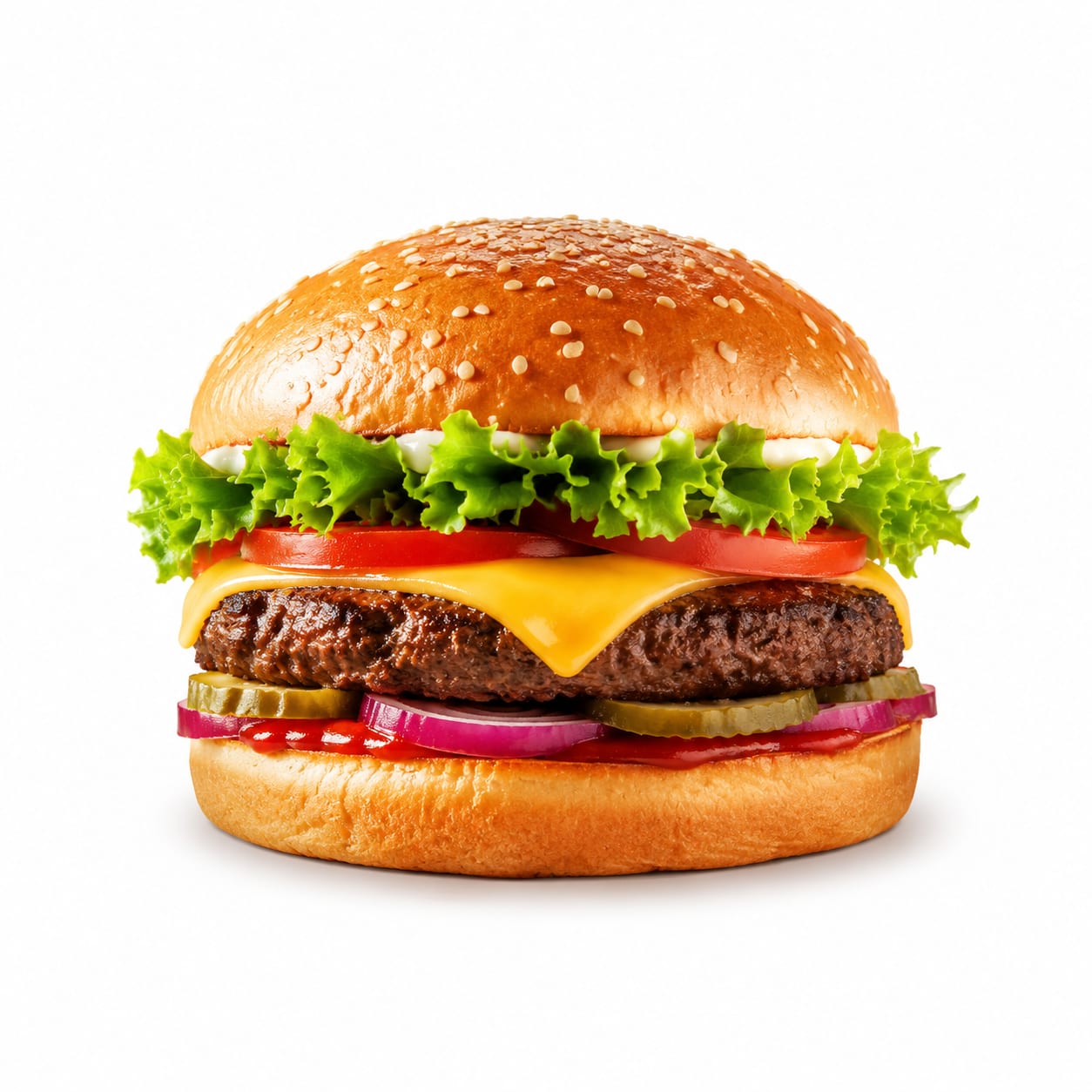
Burger
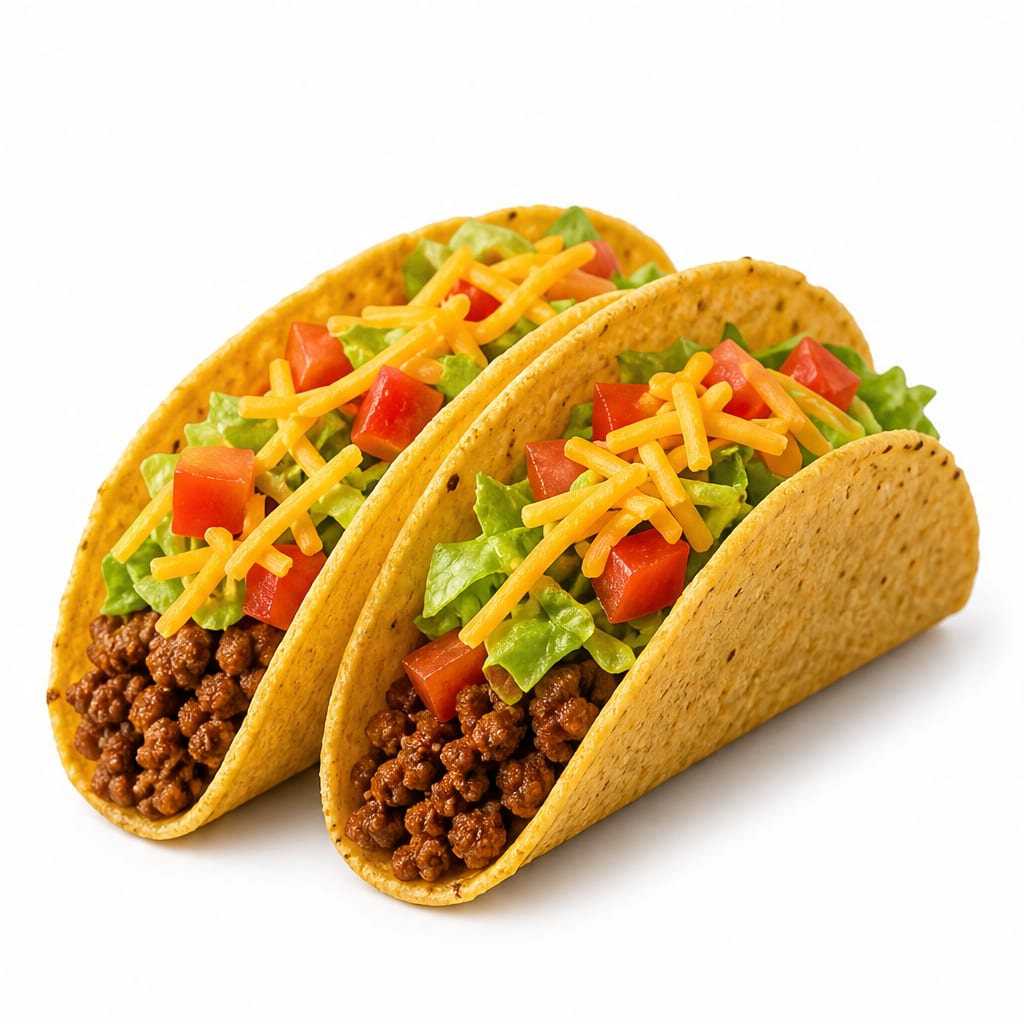
Tacos
Tacos edge out burgers thanks to better portion control, more vegetable variety, and easier customization for healthier outcomes.
Tacos score moderately higher due to built-in portion control, vegetable diversity, and easier healthy customization. Burgers lose ground on calorie density and saturated fat but remain competitive for pure protein delivery and satiety.
Burgers deliver more protein and satisfaction per serving but at the cost of higher calories and saturated fat, while tacos offer lighter flexibility with less satiety per unit.
At a glance
Executive summary
Overall
Tacos
Healthier
Tacos
More practical
It depends
Daily use
Tacos
Key comparison lenses
calorie density and portion control
Burgers are typically denser and larger per serving, while tacos offer built-in portion moderation through smaller individual units
saturated fat and heart health
Both foods often feature fatty ground beef, but burgers tend to pack more saturated fat per meal due to larger patty size and cheese additions
vegetable and micronutrient diversity
Tacos naturally incorporate lettuce, tomato, onion, cilantro, and salsa, while burgers typically include minimal vegetable toppings
customizability for health goals
Tacos adapt more easily to lighter proteins like fish or chicken, and bean-based fillings add fiber that burgers rarely offer
sodium load and blood pressure impact
Both can be sodium bombs, but taco seasoning, cheese, and salsa create a cumulative salt hit that surprises people
Best choice for
Burger
- People needing high protein intake in a single meal
- Those seeking maximum satiety from one item
- Athletes in bulking phases
- Anyone craving a deeply satisfying comfort meal
Tacos
- People managing calorie intake who want flavor without heaviness
- Those who enjoy variety and vegetable toppings
- Anyone wanting easier portion control
- People who prefer lighter evening meals
Least suitable for
Burger
- People watching saturated fat for heart health
- Those trying to reduce calorie density
- Anyone prone to afternoon food comas after heavy lunches
- People managing high blood pressure
Tacos
- People needing a single filling meal on the go
- Those sensitive to spicy foods or salsa
- Anyone watching sodium closely due to seasoning blends
- People who struggle with overeating multiple small items
Deep comparison
Dimension by dimension
Each lens scores both foods and breaks down who each option suits.
- Dimension 1 · Priority 92Tacos
calorie density and portion control
Burger · 30Tacos · 68A typical restaurant burger runs 600-900 calories, while two tacos land around 400-550 calories with more volume from toppings.
Tradeoff
Tacos feel lighter but may leave you reaching for a third, while one burger is usually a complete meal.
Why it matters
Calorie density drives overeating more than most people realize. Foods that look small but pack huge calories silently derail weight management.
Real-world impact
A burger lunch often means a sluggish afternoon. Two tacos with sides feel like a full meal without the food coma.
Burger
- One-and-done meal seekers
- People who stop eating when full rather than when food is gone
Better for
- Consistent calorie counters
- Anyone prone to post-meal sluggishness
Worse for
Tacos
- Gradual eaters who pace themselves
- People tracking calories who want visual portion cues
Better for
- People who cannot stop at two tacos
- Those needing precise calorie tracking per item
Worse for
- Dimension 2 · Priority 88Tacos
saturated fat and heart health
Burger · 28Tacos · 52Burgers typically deliver 12-20g saturated fat per serving versus 8-14g for two beef tacos, and tacos can easily swap to leaner proteins.
Tradeoff
Beef tacos still carry significant saturated fat, but the smaller portion per taco and protein flexibility make them easier to modify.
Why it matters
Frequent high saturated fat meals directly impact LDL cholesterol over months and years, not just in single meals.
Real-world impact
Eating burgers twice weekly versus fish or chicken tacos twice weekly creates a meaningful difference in heart health markers over a year.
Burger
- Those already eating low-fat diets who can accommodate one higher-fat meal
Better for
- People on heart-healthy eating plans
- Those with multiple cardiovascular risk factors
Worse for
Tacos
- People with family history of heart disease
- Anyone with elevated LDL cholesterol
Better for
- Those who order three or more beef tacos with extra cheese
Worse for
- Dimension 3 · Priority 85Tacos
vegetable and micronutrient diversity
Burger · 22Tacos · 72Tacos routinely include lettuce, tomato, onion, cilantro, avocado, and salsa, while burgers typically offer a token piece of lettuce and a tomato slice.
Tradeoff
Burger vegetables get lost in the experience, while taco toppings are integral to every bite.
Why it matters
Micronutrient diversity from real vegetables supports immune function, digestion, and long-term disease resistance in ways supplements cannot replicate.
Real-world impact
Someone eating tacos twice weekly naturally consumes more fresh produce than someone eating burgers twice weekly, without trying harder.
Burger
- Those who supplement vegetables heavily elsewhere in their diet
Better for
- People relying on meals to deliver vegetable servings
- Those who eat limited produce overall
Worse for
Tacos
- People who struggle to eat enough vegetables
- Anyone wanting nutrients integrated into meals effortlessly
Better for
- People who skip taco toppings and eat plain meat shells
Worse for
- Dimension 4 · Priority 80Burger
protein quality and satiety
Burger · 78Tacos · 58A standard burger patty delivers 25-35g protein in one hit, while two tacos provide 18-26g depending on filling choice.
Tradeoff
More protein per serving makes burgers more filling, but the heavier fat content also contributes to that fullness in a way that can feel sluggish rather than energized.
Why it matters
Protein drives satiety and muscle maintenance, but the source and accompanying nutrients determine whether fullness feels good or heavy.
Real-world impact
After a burger, you likely will not eat again for 5-6 hours. After two tacos, you might want a snack in 3-4 hours.
Burger
- Weightlifters needing high protein per meal
- People doing physically demanding work with long breaks between meals
Better for
- People who experience lethargy after heavy meals
- Those preferring lighter midday eating
Worse for
Tacos
- Those who prefer eating smaller meals more frequently
- People who dislike feeling overly stuffed
Better for
- Anyone needing sustained fullness for long work shifts
Worse for
- Dimension 5 · Priority 75Tacos
fiber and digestive quality
Burger · 18Tacos · 62Bean tacos deliver 8-12g fiber per serving, and even meat tacos with vegetable toppings offer 4-6g, while burgers typically provide 1-3g.
Tradeoff
The fiber advantage of tacos depends heavily on choosing bean or veggie fillings; standard beef tacos with flour tortillas are less impressive.
Why it matters
Fiber slows digestion, steadies blood sugar, feeds gut bacteria, and helps prevent overeating by extending satiety naturally.
Real-world impact
Regular bean taco eaters report better digestion and steadier energy compared to regular burger eaters who often describe afternoon slumps.
Burger
- Those already meeting fiber needs through other meals
Better for
- People with low overall fiber intake
- Those prone to constipation or irregular digestion
Worse for
Tacos
- People who need more daily fiber
- Anyone managing blood sugar through food choices
Better for
- People who choose flour tortillas and skip beans entirely
Worse for
- Dimension 6 · Priority 78It depends
sodium load
Burger · 38Tacos · 35Both foods are sodium traps. Burgers get salt from the patty seasoning, cheese, condiments, and bun. Tacos accumulate sodium from seasoning, cheese, salsa, and tortillas.
Tradeoff
Neither food wins here. The sodium difference depends more on preparation and toppings than on the food itself.
Why it matters
Regular high-sodium meals keep blood pressure elevated and contribute to bloating, thirst, and kidney strain over time.
Real-world impact
A single burger or taco meal can deliver 800-1500mg sodium, roughly half your daily ideal limit in one sitting.
Burger
- Those who skip cheese and condiments on burgers
Better for
- Burger lovers who add bacon and extra cheese
- People who pair burgers with salty sides like fries
Worse for
Tacos
- People who use fresh salsa instead of salt-heavy seasoning packets
Better for
- Those who load tacos with processed cheese and seasoned salt blends
- People sensitive to spicy salsa who compensate with extra cheese
Worse for
Timeline
Health impact over time
Short-term
Hours to days
Burger
- Heavy fullness that may reduce productivity for 1-3 hours
- Blood sugar spike followed by a noticeable crash, especially with refined bun
- Higher likelihood of heartburn or acid reflux due to fat content and large portion size
- Thirst from sodium load
Tacos
- Moderate satiety without the heavy slump if kept to two tacos
- More stable energy when bean fillings are chosen over refined carbs
- Possible digestive discomfort from spicy salsa or excess cilantro in sensitive individuals
- Bloating from sodium if seasoning is heavy
Long-term
Months to years
Burger
- Twice-weekly burger habits correlate with increased LDL cholesterol and cardiovascular risk
- Higher calorie density contributes to gradual weight gain if not offset by activity
- Low fiber intake from frequent burger meals may impair gut health over time
- Processed meat in some burgers links to increased colorectal cancer risk
Tacos
- Regular taco consumption with vegetable toppings supports better micronutrient status
- Bean-based tacos improve gut microbiome diversity and digestive regularity
- Frequent beef tacos with cheese still carry saturated fat and sodium concerns
- Choosing corn tortillas over flour reduces refined carbohydrate exposure
Risk profile
Safety & processing
Both foods fall into similar processing territory. Commercial burger patties often contain binders and preservatives, while taco seasoning packets pack artificial flavors and anti-caking agents. Homemade versions of either dramatically reduce additive exposure. The real difference is that tacos more easily accommodate whole-food toppings that dilute the processed components per bite.
Burger
undercooked ground beef
highGround beef has higher contamination risk than whole cuts because surface bacteria get mixed throughout during grinding. Always order burgers cooked to at least 160°F internally.
processed meat carcinogens
mediumIf using processed patties or adding bacon, nitrates and heterocyclic amines from cooking increase cancer risk with regular consumption.
cross-contamination at restaurants
mediumFast food burger preparation involves shared surfaces and utensils, increasing risk of contamination from other ingredients.
Tacos
undercooked taco meat
highSimilar to burgers, ground beef tacos carry contamination risk if meat is not thoroughly cooked. This applies equally to ground chicken or pork fillings.
unpasteurized cheese or crema
mediumAuthentic tacos sometimes use queso fresco or crema made from raw milk, which carries listeria risk especially for pregnant women.
cilantro contamination
lowCilantro has been linked to periodic foodborne illness outbreaks due to agricultural water contamination, though risk per serving remains low.
Who wins for whom
Audience fit
Same foods, different winners depending on your goal.
children
It dependsKids often prefer the familiar simplicity of burgers, but mini tacos with mild fillings offer better vegetable exposure. Both require moderation given sodium and fat content.
daily consumption
TacosNeither should be eaten daily, but tacos offer more rotation variety with fish, chicken, bean, or veggie fillings that prevent monotony and nutritional gaps.
diabetes
TacosBean tacos provide fiber that slows glucose absorption, and corn tortillas have a lower glycemic impact than burger buns. The overall carbohydrate load is more manageable.
elderly
TacosSofter taco fillings are easier to chew, and the vegetable content supports digestive health that becomes more important with age. Bean tacos are especially gentle on aging digestive systems.
muscle gain
BurgerBurgers deliver more protein per serving in a single convenient package, making it easier to hit high protein targets without eating multiple items.
weight loss
TacosTacos offer lower calorie density and built-in portion control. Choosing grilled chicken or fish tacos with corn tortillas keeps a meal under 400 calories while still feeling complete.
Your move
Decision guide
Choose Burger
- You need maximum protein and satiety from one meal
- You are physically active and burning through calories
- You want a straightforward comfort meal with no decisions
- You are eating after a long fast or intense workout
Choose Tacos
- You want flavor variety without the heavy aftermath
- You are watching calories but refuse to eat bland food
- You can choose bean, fish, or chicken fillings for a lighter meal
- You are eating later in the evening and want something that will not disrupt sleep
Either works if
- You are eating at a restaurant that makes both well
- You plan to balance the meal with a large side salad
- You are eating socially and enjoyment matters more than optimization
Avoid both if
- You have severe sodium restrictions
- You are managing active heart disease and need minimal saturated fat
- You are in an acute digestive flare and need bland, low-fat foods
- You are following a whole-food plant-based protocol
Final recommendation
For most people eating a few times per month, tacos are the smarter default. They naturally incorporate more vegetables, offer easier portion control, and adapt to leaner proteins without sacrificing flavor. Burgers have their place when you need serious protein or genuine comfort, but making them your regular choice costs more in saturated fat and calories than most people realize. The single best move: choose bean or grilled fish tacos with corn tortillas and fresh salsa, and save burgers for occasional cravings rather than weekly habits.
Practical
Consumer tips
- 1
Order tacos with corn tortillas instead of flour for less refined carbs and a lower glycemic impact
- 2
Ask for burger patties cooked medium-well to reduce contamination risk while maintaining juiciness
- 3
Choose black bean tacos as a default for fiber and protein without the saturated fat of beef
- 4
Skip the cheese on either food to save 100-200 calories and 5-8g saturated fat per serving
- 5
Make burger bowls by ditching the bun and loading up on lettuce, tomato, and pickles instead
- 6
Use fresh salsa and avocado on tacos instead of sour cream and queso for healthier fats
- 7
Ask for taco seasoning on the side at restaurants to control your own sodium
- 8
If eating burgers weekly, choose single patties without bacon and load up on vegetable toppings
- 9
Pair either food with water instead of soda to avoid compounding the sodium and sugar load
- 10
Consider making both at home where you control meat quality, seasoning, and portion size