
Nutrition comparison
Burger vs Hot Dog: Which Is Actually Healthier?
Compare burger vs hot dog nutrition, processing levels, sodium, cancer risk, and protein content. Find out which cookout favorite is the smarter choice for your health.
Overall winner · Burger
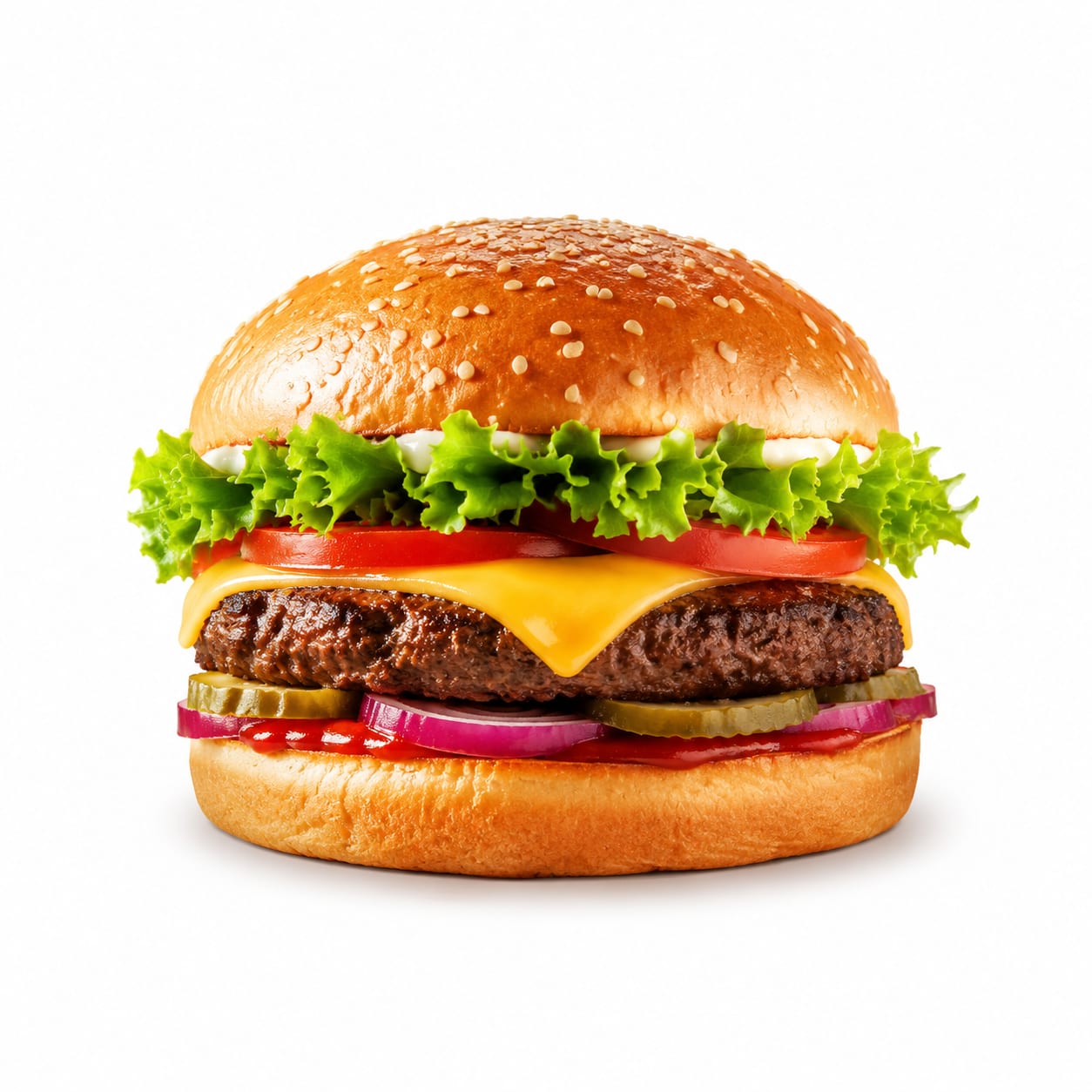
Burger
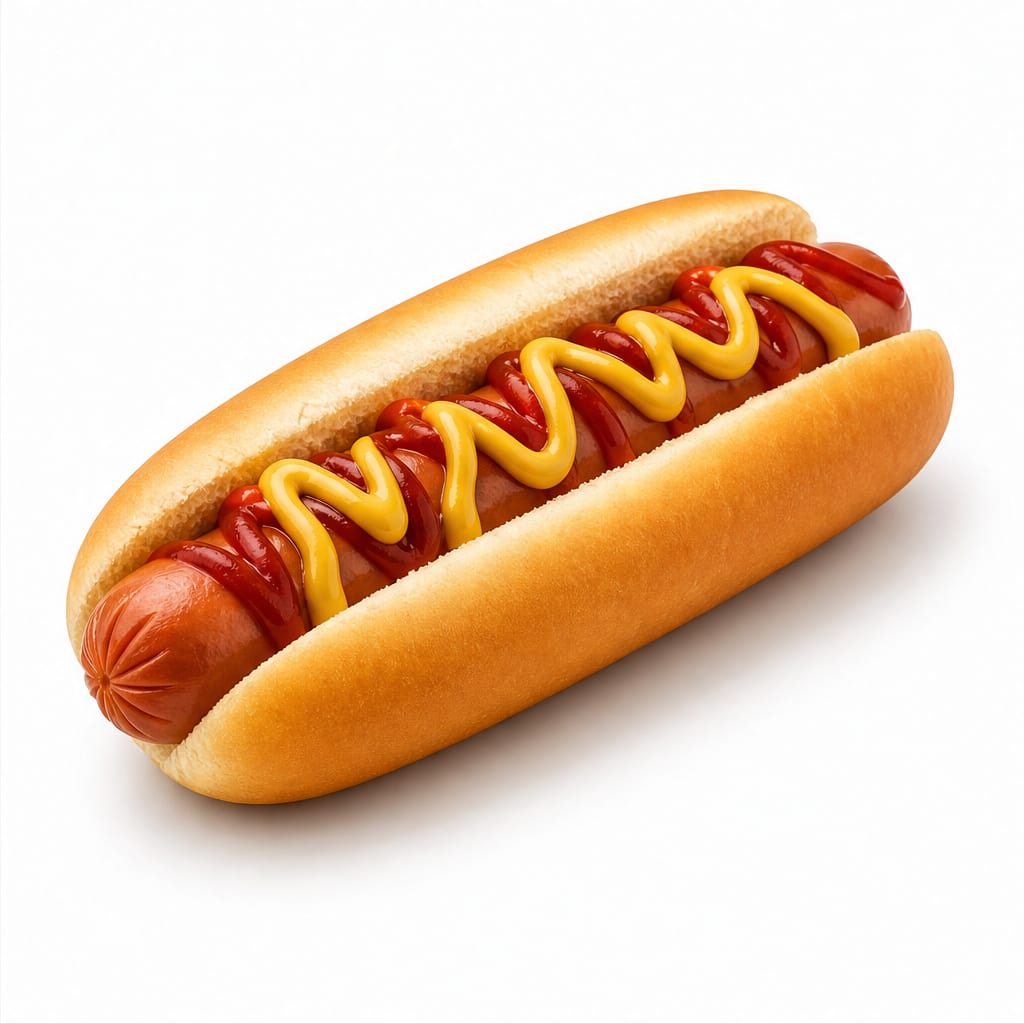
Hot dog
Burgers are the clearly healthier pick with more protein, less processing, and lower sodium, though neither is a health food
Burgers score notably higher thanks to more protein, less processing, and far lower sodium, but both lose points for saturated fat and refined carbs from buns
Burgers give you better nutrition and lasting fullness, while hot dogs offer speed and convenience at the cost of heavy processing and sky-high sodium
At a glance
Executive summary
Overall
Burger
Healthier
Burger
More practical
Hot dog
Daily use
Burger
Key comparison lenses
Choosing the healthier cookout option
Both are grilled classics but their health profiles differ dramatically due to processing levels
Understanding cancer risk from processed meat
Hot dogs are classified as processed meat with established carcinogenic concerns while burgers are typically fresh ground beef
Comparing protein quality and staying power
Burgers deliver substantially more protein and keep you satisfied far longer than hot dogs
Managing sodium and blood pressure impact
Hot dogs are sodium bombs that can push you past daily limits in just one or two servings
Evaluating convenience for quick meals and events
Hot dogs win on speed and portability, which matters at sporting events and rushed meals
Best choice for
Burger
- Active people needing more protein and sustained energy
- Anyone watching sodium intake or blood pressure
- Those concerned about processed meat and cancer risk
- People who want a filling meal that prevents snacking later
- Families wanting ingredient transparency
Hot dog
- Quick meals at sporting events or carnivals
- Budget cookouts feeding a large crowd
- Kids who prefer simpler milder flavors
- People who want fewer calories per single serving
Least suitable for
Burger
- People strictly counting calories per meal
- Those wanting the fastest possible meal prep
- Anyone avoiding red meat entirely
Hot dog
- People with high blood pressure or heart conditions
- Anyone concerned about cancer risk from processed meat
- Those avoiding nitrates nitrites and preservatives
- People who need a satisfying meal that actually fills them up
Deep comparison
Dimension by dimension
Each lens scores both foods and breaks down who each option suits.
- Dimension 1 · Priority 90Burger
Protein & Satiety
Burger · 72Hot dog · 35Burgers deliver roughly double the protein of hot dogs, making them far more filling and satisfying
Tradeoff
A burger keeps you full for hours while a hot dog leaves you reaching for seconds within the hour
Why it matters
More protein means steadier energy and less temptation to snack between meals
Real-world impact
After a burger you are likely set until your next meal; after a hot dog you may be hunting for chips before the game ends
Burger
- Athletes needing post-workout protein recovery
- Anyone trying to cut down on between-meal snacking
- People prioritizing muscle maintenance and growth
Better for
- Those wanting a light snack rather than a full meal
- People who feel sluggish after heavy protein-rich meals
Worse for
Hot dog
- Light eaters who genuinely prefer smaller portions
- Anyone wanting a quick bite without feeling weighed down
Better for
- Active people needing sustained energy
- Anyone prone to overeating when a meal does not satisfy
Worse for
- Dimension 2 · Priority 88Burger
Processing & Additives
Burger · 55Hot dog · 18Hot dogs are heavily processed with fillers, preservatives, and nitrates, while burgers are typically just ground meat with seasoning
Tradeoff
Hot dogs trade ingredient quality for shelf stability and that uniform snap
Why it matters
The WHO classifies processed meat as a Group 1 carcinogen, meaning the evidence linking it to cancer is strong
Real-world impact
Regular hot dog consumption measurably increases colorectal cancer risk; a burger from quality beef carries far less concern
Burger
- Anyone actively reducing ultra-processed food intake
- People who want to recognize every ingredient on their plate
- Those concerned about long-term cancer risk from processed meat
Better for
- Restaurant burgers where you cannot verify meat quality
Worse for
Hot dog
- Situations requiring shelf-stable portable food
- Very tight budgets where processed meat costs less per serving
Better for
- Health-conscious eaters avoiding processed meat entirely
- Parents worried about additive exposure in children
- Anyone with sensitivities to preservatives or fillers
Worse for
- Dimension 3 · Priority 82Burger
Sodium Load
Burger · 48Hot dog · 15A single hot dog packs 500 to 700mg of sodium, roughly a third of your daily limit, while burgers contain significantly less unless heavily seasoned
Tradeoff
Hot dogs get their signature flavor from salt but at a real cost to blood pressure and heart health
Why it matters
High sodium intake is a leading driver of hypertension and cardiovascular disease
Real-world impact
Eating two hot dogs can push you near your daily sodium ceiling, leaving almost no room for salt in any other meal
Burger
- People managing high blood pressure
- Anyone monitoring heart health markers
- Those who prefer to control salt by seasoning their own food
Better for
- Restaurant burgers that come pre-seasoned with heavy salt
Worse for
Hot dog
- Endurance athletes who genuinely need rapid sodium replenishment
Better for
- Anyone with hypertension or heart disease risk
- People eating other salty foods throughout the day
- Older adults who are more salt-sensitive
Worse for
- Dimension 4 · Priority 70Hot dog
Convenience & Speed
Burger · 40Hot dog · 82Hot dogs cook in minutes and are easy to eat one-handed, making them the ultimate grab-and-go option
Tradeoff
You gain speed and portability but sacrifice nutritional quality and satisfaction
Why it matters
When you are busy or at an event, convenience often wins over nutrition in real life
Real-world impact
Hot dogs are ready in under 5 minutes; burgers take 10 to 15 minutes and more attention to cook properly
Burger
- Sit-down meals where you have time to cook and enjoy
- Backyard barbecues where quality matters more than speed
Better for
- Rushed lunch breaks with limited cooking time
- Events where you need to serve many people quickly
Worse for
Hot dog
- Tailgating and sporting events where speed is everything
- Quick weeknight dinners with zero prep time
- Feeding large crowds cheaply and fast
- Kids who want food immediately and cannot wait
Better for
- Dinner dates or meals where food quality matters
- Anyone who finds fast eating unsatisfying
Worse for
- Dimension 5 · Priority 68Hot dog
Calorie Control
Burger · 32Hot dog · 52Hot dogs have fewer calories per serving but the catch is they are much less filling so you may eat more overall
Tradeoff
Lower calories per hot dog but a higher likelihood of eating multiple or snacking later
Why it matters
Total calorie intake matters more than per-serving counts if you end up eating more to feel satisfied
Real-world impact
One burger at 500 to 700 calories may fully satisfy you; two hot dogs at 300 to 500 calories total may still leave you hungry
Burger
- People who prefer one satisfying meal over grazing all day
- Anyone who naturally stops eating when full
Better for
- Very low-calorie diet plans
- People who struggle to stop eating when food tastes good
Worse for
Hot dog
- Strict calorie counters who can confidently stop at one
- People who prefer smaller more frequent meals
- Those pairing with low-calorie sides like salad
Better for
- Anyone who does not feel satisfied by small portions
- People prone to eating until the package is empty
Worse for
- Dimension 6 · Priority 72Burger
Ingredient Transparency
Burger · 68Hot dog · 20With a burger you can see and choose exactly what goes in it; hot dogs hide a blend of meats, fillers, and additives behind a uniform casing
Tradeoff
Burgers let you control quality while hot dogs require trusting the manufacturer
Why it matters
Knowing what you eat helps you make informed choices and avoid hidden ingredients that may not agree with you
Real-world impact
Making a burger at home means you pick the meat quality, fat content, and seasonings; a hot dog ingredient list can be a paragraph long
Burger
- Home cooks who want full control over their ingredients
- People with food allergies or sensitivities to specific additives
- Anyone sourcing grass-fed or organic meat
Better for
- Restaurant or fast-food burgers where you cannot verify ingredients
Worse for
Hot dog
- None significant in this dimension
Better for
- Anyone with meat allergies or sensitivities to specific cuts
- People avoiding certain fillers, binders, or preservatives
- Those who simply want to know exactly what they are eating
Worse for
Timeline
Health impact over time
Short-term
Hours to days
Burger
- High satiety from protein and fat keeps you full for hours
- Possible sluggishness after a large burger meal especially with fries
- Blood sugar rise from the bun partially offset by protein slowing digestion
Hot dog
- Quick energy but minimal lasting fullness
- Sodium bloating and increased thirst shortly after eating
- Rapid digestion leaving you hungry again within an hour
Long-term
Months to years
Burger
- Better protein intake supports muscle retention and metabolic health
- Regular red meat consumption still linked to increased heart disease risk
- Can fit into a reasonable diet if eaten occasionally rather than daily
Hot dog
- Regular processed meat consumption increases colorectal cancer risk significantly
- Chronic high sodium intake strains the cardiovascular system over time
- More inflammatory dietary pattern overall linked to worse long-term outcomes
Risk profile
Safety & processing
Burgers are processed but recognizable as ground meat; hot dogs are ultra-processed with emulsifiers, nitrates, fillers, and flavor enhancers that bear little resemblance to whole food
Burger
Undercooked meat bacteria
mediumGround beef can harbor E. coli throughout the patty unlike steaks where bacteria stay on the surface, so burgers must be cooked to safe internal temperature
Antibiotic and hormone exposure
mediumConventional beef may contain antibiotic residues and growth hormones; choosing grass-fed or organic reduces this concern significantly
Hot dog
Nitrate and nitrite exposure
highNitrates and nitrites used to preserve hot dogs and maintain pink color can form nitrosamines, which are potent carcinogens especially when cooked at high heat
Listeria contamination
mediumHot dogs can harbor Listeria monocytogenes and should never be eaten straight from the package without proper heating
Multi-source meat blending
mediumHot dogs may contain trimmings from many animals and cuts, increasing contamination risk compared to single-source ground beef
Who wins for whom
Audience fit
Same foods, different winners depending on your goal.
children
BurgerLess processing and fewer additives make burgers a better choice for developing bodies, though kids often gravitate toward the milder taste of hot dogs
daily consumption
BurgerNeither should be eaten daily, but burgers are less processed and have a better nutritional profile if you had to choose one to eat more regularly
diabetes
BurgerMore protein in burgers slows carbohydrate absorption from the bun, leading to a more gradual blood sugar response compared to the quick-digesting hot dog
elderly
BurgerOlder adults need more protein to prevent age-related muscle loss and should limit sodium, both areas where burgers have a clear advantage
muscle gain
BurgerBurgers provide substantially more high-quality complete protein per serving, which is essential for muscle repair and growth
weight loss
It dependsHot dogs have fewer calories per serving but burgers are far more filling, so it depends on whether you can stop at one hot dog or need the satiety of a burger to avoid overeating later
Your move
Decision guide
Choose Burger
- You want a satisfying meal that keeps you full for hours
- You care about limiting processed food and additive intake
- You are watching your sodium or blood pressure
- You want more protein for muscle support or appetite control
- You are grilling at home and can choose quality ingredients
Choose Hot dog
- You need food fast with almost zero prep or cook time
- You are at a sporting event, carnival, or outdoor gathering
- You prefer smaller portions or lighter meals
- You are feeding a crowd on a tight budget
- You occasionally crave that classic smoky snap and flavor
Either works if
- It is a rare cookout treat and health is not your top priority today
- You plan to skip the bun and load up on vegetable toppings
- You are balancing the rest of your day with healthier choices
Avoid both if
- You have heart disease or severe hypertension
- You are following a plant-based or meat-free diet
- You need to minimize red and processed meat for cancer prevention
- You are on a strict low-sodium or low-saturated-fat diet
Final recommendation
When the grill is hot, reach for the burger. It gives you more protein, less sodium, and far fewer concerning additives. Hot dogs are fine as an occasional treat at a ballgame, but making them a regular habit means regularly consuming processed meat, high sodium, and preservatives your body does not need. If you love hot dogs, seek out nitrate-free brands with shorter ingredient lists and treat them as a sometimes food, not a staple.
Practical
Consumer tips
- 1
Choose burgers made from lean ground beef or blend with ground turkey to cut saturated fat significantly
- 2
Load your burger with lettuce, tomato, onion, and pickles to add fiber, vitamins, and crunch without many calories
- 3
If eating hot dogs, opt for nitrate-free brands with recognizable ingredients and shorter labels
- 4
Skip the bun entirely and wrap your burger or hot dog in lettuce to eliminate refined carbs entirely
- 5
Watch your condiments because ketchup, mayo, and special sauces add hidden sugar, sodium, and calories fast
- 6
Grill at moderate temperatures rather than charring to reduce harmful compounds on both foods
- 7
Pair either choice with a large side salad or grilled vegetables to balance the meal and add nutrients