
Nutrition comparison
Burger vs Pizza Slice: Which Is Actually Better for You?
Compare burger and pizza slice nutrition, satiety, protein, and health tradeoffs. Find out which comfort food fits your goals better and how to make either choice smarter.
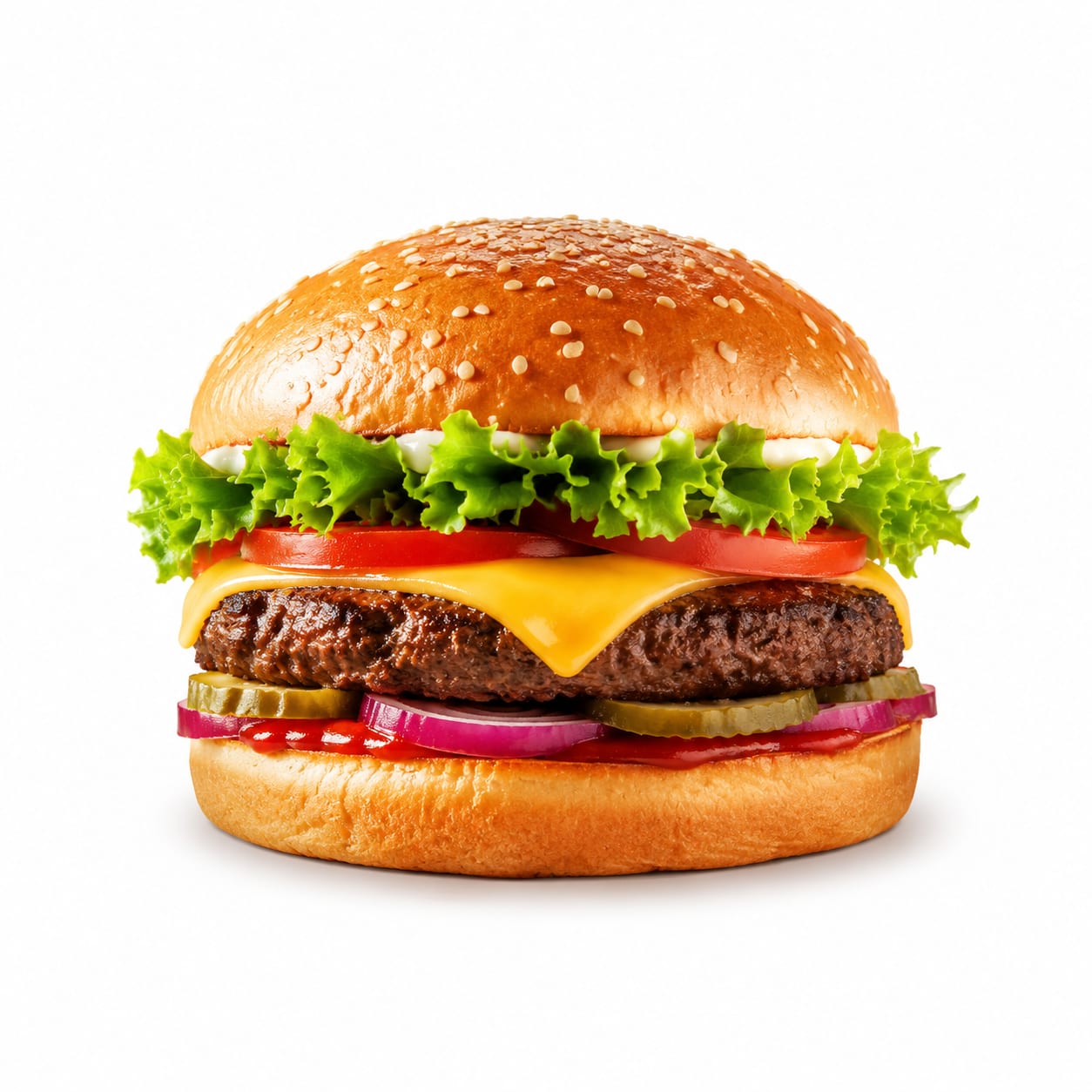
Burger
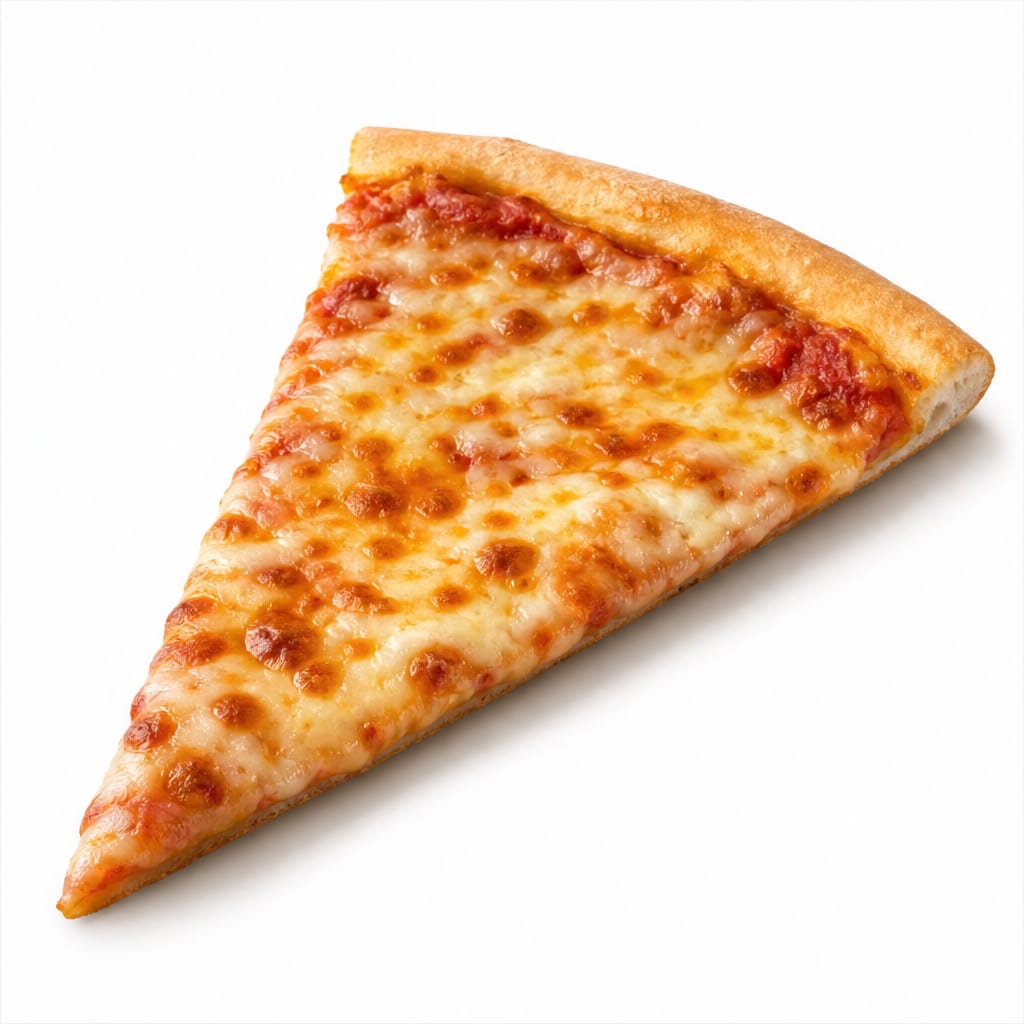
Pizza slice
Burgers deliver more protein and better satiety, while pizza offers more portion flexibility but easier overeating. Neither is a health food, but burgers edge ahead for hunger control.
Burgers score moderately higher due to stronger protein content and satiety, but both lose significant points for sodium, saturated fat, and processing concerns. The gap is meaningful but not dramatic.
Protein and fullness from a burger versus the carb-driven satisfaction and shareability of pizza, with both carrying heavy sodium and saturated fat loads.
At a glance
Executive summary
Overall
It depends
Healthier
Burger
More practical
Pizza slice
Daily use
It depends
Key comparison lenses
comfort food tradeoff for weight management
Both are classic comfort foods people choose between when trying to eat reasonably without giving up enjoyment
protein vs carb dominance
Burgers center on protein while pizza leans heavily on refined carbs, creating a fundamental macronutrient fork
satiety and overeating risk
Pizza is notoriously easy to overeat while a single burger tends to be more self-limiting
sodium and heart health concerns
Both are sodium bombs but from different sources, impacting blood pressure differently
convenience and social eating
Both dominate fast food menus and social gatherings, making them frequent real-world choices
Best choice for
Burger
- Active people needing protein after a workout
- Anyone who struggles with overeating and needs a self-limiting meal
- Those wanting steadier energy without a carb crash
- People trying to moderate carbohydrate intake
Pizza slice
- Sharing meals with a group where one item feeds many
- Quick energy needs before physical activity
- Budget-conscious eaters getting more servings per dollar
- Carb-cravers who find low-carb meals unsatisfying
Least suitable for
Burger
- People watching saturated fat intake for heart health
- Anyone on a low-sodium diet for blood pressure
- Those avoiding red meat for environmental or health reasons
- Vegetarians and vegans unless using plant-based patties
Pizza slice
- People managing diabetes or insulin resistance
- Anyone prone to overeating triggered by high-carb foods
- Those on gluten-free or low-carb diets
- People sensitive to dairy or tomato acidity
Deep comparison
Dimension by dimension
Each lens scores both foods and breaks down who each option suits.
- Dimension 1 · Priority 94Burger
Satiety and Fullness
Burger · 72Pizza slice · 48A burger keeps you fuller for longer thanks to its protein density and fat content slowing digestion.
Tradeoff
That fullness comes with a heavier feeling that some find uncomfortable, while pizza feels lighter going down but leaves you hungry sooner.
Why it matters
Better satiety means fewer cravings between meals and less total calories consumed across the day.
Real-world impact
After a burger, you are less likely to snack before dinner. After two pizza slices, you might still feel like grabbing something else within an hour.
Burger
- Long gaps between meals without hunger
- Avoiding afternoon snack attacks
- Feeling satisfied on a single serving
Better for
- Hot days when heavy meals feel oppressive
- Right before exercise or physical activity
- When you need to eat again within 2-3 hours
Worse for
Pizza slice
- Lighter meals before activity
- Social eating where you want room for dessert
- Situations where feeling too full is uncomfortable
Better for
- Controlling total daily calorie intake
- Avoiding the cycle of hunger returning quickly
- Preventing late-night snacking urges
Worse for
- Dimension 2 · Priority 88Burger
Blood Sugar Stability
Burger · 55Pizza slice · 32Burgers cause a slower blood sugar rise due to lower carbs and higher protein and fat, while pizza crust drives a faster spike.
Tradeoff
Neither food is ideal for blood sugar, but pizza's refined flour crust creates a steeper rise and crash cycle.
Why it matters
Blood sugar crashes trigger cravings, fatigue, and irritability, making your next food choice worse.
Real-world impact
After pizza, you might feel that 2pm energy dip at work. After a burger, energy stays more even, though the heavy fat load can cause its own sluggishness.
Burger
- More stable afternoon energy
- Fewer carb-driven cravings later
- Less dramatic energy crashes
Better for
- Post-meal sluggishness from high fat content
- Situations requiring quick energy availability
Worse for
Pizza slice
- Quick energy before a workout or game
- Recovering from low blood sugar episodes
- Situations where immediate energy matters more than stability
Better for
- Anyone with prediabetes or diabetes
- The cycle of hunger returning after the crash
- Productivity after lunch when focus matters
Worse for
- Dimension 3 · Priority 86Burger
Protein Quality and Amount
Burger · 78Pizza slice · 42A standard burger delivers roughly 25-30g of complete protein versus 12-15g in a pizza slice, making it far more useful for muscle maintenance and repair.
Tradeoff
Pizza's protein comes with significantly more carbs per gram of protein, making it a less efficient protein source.
Why it matters
Adequate protein preserves muscle, supports metabolism, and contributes to fullness more than any other macronutrient.
Real-world impact
If you had a burger for lunch, you have covered half your protein needs for the day. A pizza slice barely makes a dent.
Burger
- Post-workout recovery meals
- Older adults fighting muscle loss
- Anyone struggling to hit daily protein targets
Better for
- Plant-based patties may have less complete protein
- High saturated fat comes packaged with the protein
Worse for
Pizza slice
- Vegetarian versions with cheese protein
- Lighter protein needs for smaller bodies or lower activity
Better for
- Very inefficient protein-to-calorie ratio
- Would need 3-4 slices to match one burger's protein
Worse for
- Dimension 4 · Priority 82It depends
Sodium Load
Burger · 28Pizza slice · 32Both are sodium disasters, but pizza edges slightly worse due to cheese, sauce, and cured toppings combining forces.
Tradeoff
Burger sodium concentrates in the patty seasoning and condiments, while pizza distributes it across multiple ingredients, making it harder to reduce.
Why it matters
High sodium drives blood pressure up and causes bloating, affecting how you feel within hours of eating.
Real-world impact
Either choice can deliver 800-1500mg of sodium, roughly half your daily limit in one sitting. Expect thirst and possible bloating from both.
Burger
- Easier to reduce sodium by skipping condiments
- Grilled unseasoned patties can be lower sodium
Better for
- Bacon, cheese, and special sauces stack sodium fast
- Restaurant burgers often exceed 1500mg
Worse for
Pizza slice
- Plain cheese pizza without cured meats is moderately lower
- Vegetable toppings add flavor without sodium
Better for
- Pepperoni or sausage toppings push sodium to extreme levels
- Every component contributes sodium with no easy way to reduce it
Worse for
- Dimension 5 · Priority 84Burger
Overeating Potential
Burger · 58Pizza slice · 25Pizza is one of the most overeaten foods in existence, while a single burger is naturally portion-controlled.
Tradeoff
A burger is a defined unit that signals completion, while pizza invites just one more slice with almost no resistance.
Why it matters
Overeating drives more health damage than any single nutrient, making portion control the most practical health factor.
Real-world impact
Ordering a burger usually means eating one. Ordering a pizza means eating until the box is empty, regardless of hunger.
Burger
- Built-in portion boundary
- Psychological satisfaction of completing a defined meal
- Less likely to accidentally consume 1000+ calories
Better for
- Double or triple stack options at restaurants
- Combo meals adding fries and a drink
Worse for
Pizza slice
- Can take exactly one slice and stop if disciplined
- Easier to save portions for later
Better for
- Almost no natural stopping signal
- Cold pizza is still tempting hours later
- Social pressure to keep eating in group settings
Worse for
- Dimension 6 · Priority 70It depends
Nutrient Density
Burger · 35Pizza slice · 38Neither food offers much nutritional value beyond calories, but pizza's tomato sauce provides some lycopene and cheese adds calcium.
Tradeoff
Burgers offer iron and B12 from beef, while pizza offers calcium and lycopene. Both contributions are modest and come with significant baggage.
Why it matters
Nutrient-poor calories crowd out room for foods that actually nourish you, creating long-term deficiencies.
Real-world impact
Neither food meaningfully contributes to your vitamin and mineral needs for the day, despite both having a few bright spots.
Burger
- Iron and B12 from beef support energy and blood health
- Lettuce and tomato add small amounts of vitamins
Better for
- Very limited vegetable content in standard preparations
- Iron comes with saturated fat attached
Worse for
Pizza slice
- Lycopene from tomato sauce supports prostate and heart health
- Calcium from cheese supports bone density
Better for
- Minimal fiber despite being plant-based
- Nutrients are overshadowed by refined carbs and sodium
Worse for
- Dimension 7 · Priority 68It depends
Digestive Comfort
Burger · 40Pizza slice · 45Both challenge digestion but in different ways: burgers through heavy fat and dense protein, pizza through acid and refined carbs.
Tradeoff
Burgers sit heavy and can cause sluggishness, while pizza's acidity and cheese can trigger reflux more easily.
Why it matters
Digestive discomfort affects your productivity, sleep quality, and willingness to eat that food again.
Real-world impact
A burger at lunch might make you want a nap. Pizza at dinner might cause heartburn when you lie down.
Burger
- Less likely to cause acid reflux
- Fewer triggers for those sensitive to tomato acidity
Better for
- High fat content delays stomach emptying
- Can cause bloating and heaviness for hours
Worse for
Pizza slice
- Less heavy feeling in the stomach
- Easier to eat small portions if digestion is sensitive
Better for
- Tomato sauce and cheese are classic reflux triggers
- Gluten in crust bothers those with sensitivities
Worse for
Timeline
Health impact over time
Short-term
Hours to days
Burger
- Post-meal sluggishness from high fat content
- Thirst and bloating from sodium
- Sustained fullness for 4-5 hours
- Possible digestive heaviness
Pizza slice
- Quick energy followed by a crash within 90 minutes
- Thirst from concentrated sodium
- Hunger returning within 2 hours
- Possible heartburn from tomato sauce and cheese
Long-term
Months to years
Burger
- Regular consumption increases cardiovascular risk from saturated fat
- Higher red meat intake linked to elevated colorectal cancer risk
- Consistent sodium excess raises blood pressure over time
- Protein intake supports muscle maintenance if active
Pizza slice
- Frequent refined carb intake worsens insulin sensitivity
- High sodium from cheese and processed meats strains cardiovascular health
- Calcium from cheese offers modest bone benefit
- Pattern of overeating pizza drives weight gain more consistently
Risk profile
Safety & processing
A basic burger with whole ingredients is moderately processed, while pizza typically involves more ultra-processed components like refined flour, preservatives in cheese, and additives in sauce. Fast food versions of both escalate processing significantly, but pizza starts at a higher baseline of processing due to its multiple manufactured layers.
Burger
Undercooked ground beef contamination
highGround beef has higher E. coli risk than whole cuts because surface bacteria get mixed throughout during grinding. Always order burgers cooked through.
Antibiotic and hormone residues
mediumConventionally raised beef may contain antibiotic residues. Choosing grass-fed or organic reduces this exposure significantly.
Pizza slice
Listeria from processed meats
mediumPepperoni, sausage, and other cured toppings carry listeria risk, especially concerning for pregnant women and immunocompromised individuals.
Acrylamide in baked crust
lowHigh-heat baking of refined flour creates small amounts of acrylamide, a probable carcinogen. The dose is low but adds up with frequent consumption.
Who wins for whom
Audience fit
Same foods, different winners depending on your goal.
children
It dependsKids often prefer pizza's taste and texture, but a simple burger provides more protein for growth. Either should be an occasional food, not a staple.
daily consumption
It dependsNeither should be eaten daily, but if forced to choose, a simple homemade burger with lean beef causes less metabolic damage than daily pizza's refined carbs and overeating pattern.
diabetes
BurgerLower carbohydrate content and higher protein cause a slower, more manageable blood sugar response compared to pizza's refined flour crust.
elderly
Pizza sliceSofter texture and easier chewing make pizza more accessible for those with dental issues, though the sodium load is a concern for blood pressure.
muscle gain
BurgerNearly double the protein per serving makes burgers far more useful for muscle repair and growth, even though neither is an ideal bodybuilding food.
weight loss
BurgerA single burger is more self-limiting and protein-rich, making it easier to control total calorie intake compared to pizza's overeating trap.
Your move
Decision guide
Choose Burger
- You need lasting fullness to avoid snacking later
- Protein intake is a priority for your fitness goals
- You struggle with portion control and need a natural stopping point
- Blood sugar management matters for your health
- You want something that feels like a complete meal in one unit
Choose Pizza slice
- You are sharing food with a group and need to feed many people
- You want a lighter meal before physical activity
- Comfort and emotional satisfaction are the priority today
- You can confidently stop at one or two slices
- You are eating with kids who prefer the familiar taste
Either works if
- It is an occasional treat, not a daily habit
- You can modify either to be healthier, like a lettuce-wrapped burger or veggie pizza
- Social context makes one clearly more appropriate
- Neither will ruin your health in isolation
Avoid both if
- You have serious heart disease and need to limit saturated fat and sodium strictly
- You are managing uncontrolled high blood pressure
- You have gout and need to limit purines from red meat and certain cheeses
- Your doctor has advised a whole-food, plant-based diet for medical reasons
Final recommendation
If you must choose one comfort food, a simple burger gives you more protein, better satiety, and a natural portion boundary. But the real win is making either an occasional choice rather than a habit, and upgrading whichever you pick: leaner beef or a plant patty for burgers, thin crust and vegetable toppings for pizza. The gap between them matters less than the gap between fast food and homemade versions of either.
Practical
Consumer tips
- 1
Ask for a burger without mayo or special sauce to cut 100-200 calories and significant sodium instantly
- 2
Choose thin-crust pizza over deep dish to reduce refined carbs by roughly 40 percent per slice
- 3
Order pizza with half the cheese to dramatically lower sodium and saturated fat while keeping the experience
- 4
Swap burger buns for lettuce wraps to eliminate roughly 150 calories and 30g of refined carbs
- 5
Add a side salad to either meal to increase fullness and nutrients without many calories, making one burger or two slices feel like enough
- 6
Drink water instead of soda with either meal to avoid compounding the blood sugar and calorie impact
- 7
If eating pizza, pre-commit to a specific number of slices before you start eating to counter the overeating instinct
- 8
Choose grass-fed beef burgers when available for a better omega-3 profile and lower antibiotic exposure