
Nutrition comparison
Burger vs Steak: Which Is Healthier and What Are the Real Tradeoffs?
Compare burger and steak on nutrition, processing, sodium, food safety, and satiety. Learn which is better for weight loss, muscle gain, and everyday eating.
Overall winner · Steak
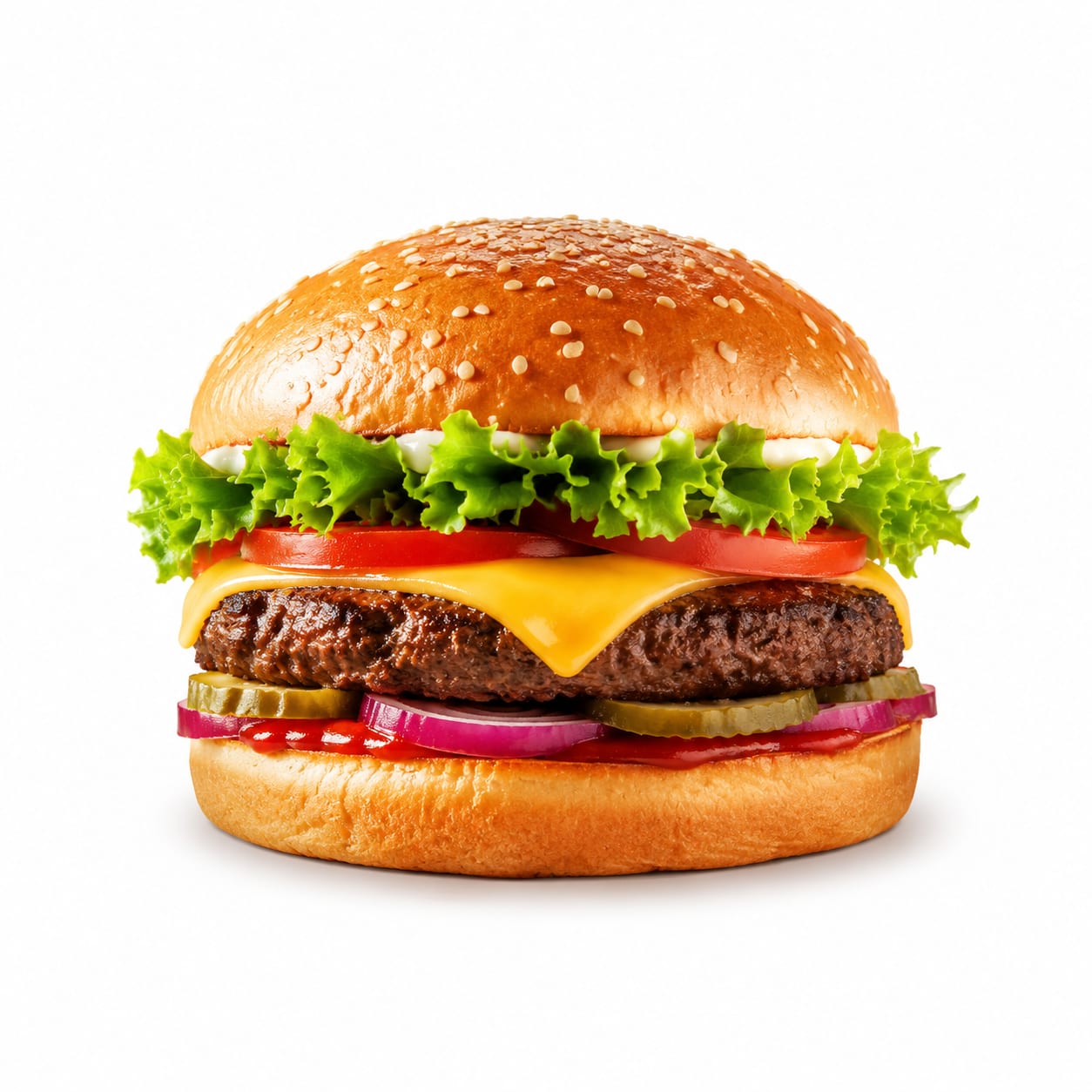
Burger
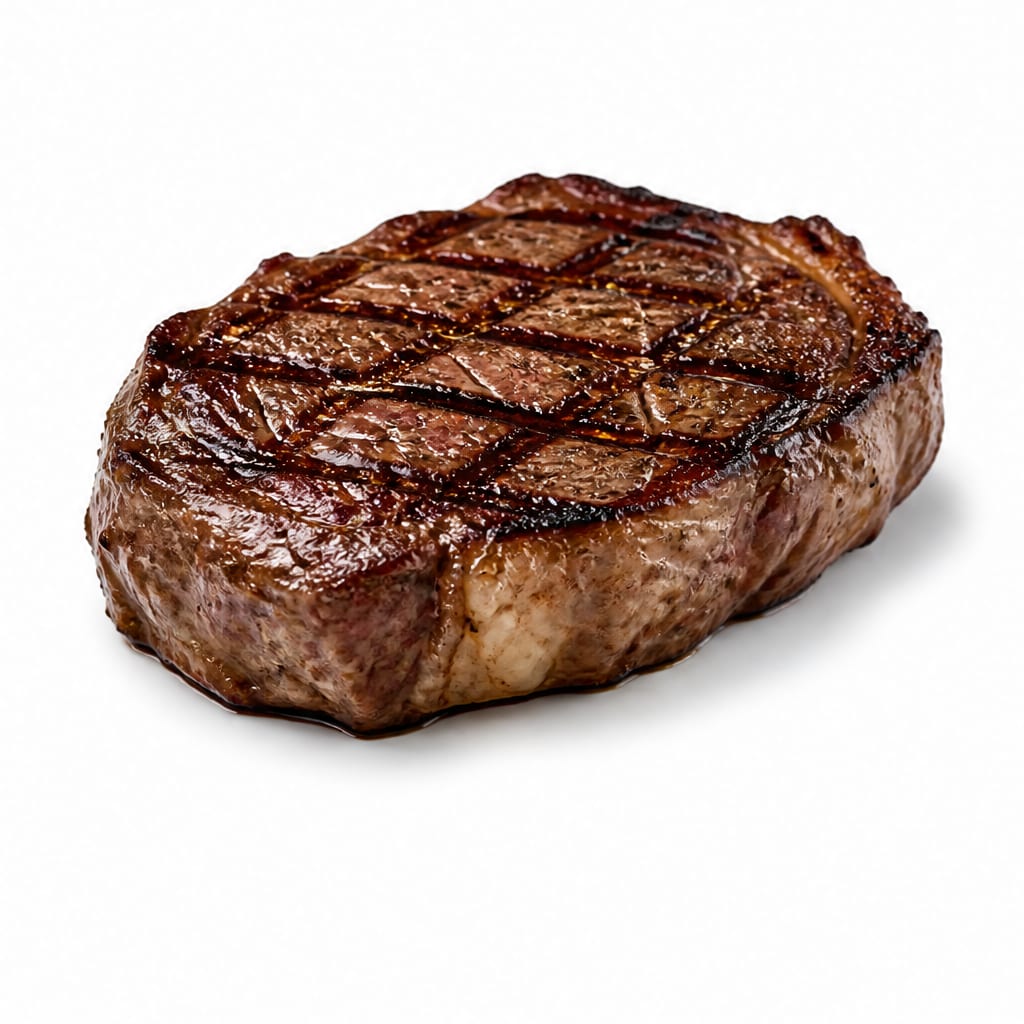
Steak
Steak is the cleaner, less processed choice with better satiety and lower sodium, but burgers win on cost and convenience.
Steak scores notably higher due to superior processing profile, lower sodium, better satiety, and lower contamination risk. Burgers remain relevant for convenience and cost but carry meaningful nutritional compromises.
You trade nutritional cleanliness and fullness for speed, affordability, and ease when you pick a burger over steak.
At a glance
Executive summary
Overall
Steak
Healthier
Steak
More practical
Burger
Daily use
Steak
Key comparison lenses
processing naturalness
The single biggest differentiator: burgers are ground and often mixed with additives, while steak is a whole muscle cut with minimal intervention
heart health sodium
Burgers typically pack far more sodium and saturated fat per serving, making cardiovascular impact a central concern
food safety ground vs whole
Ground meat carries significantly higher contamination risk than whole cuts, a practical safety distinction users should know
satiety and overeating
Steak is harder to overeat due to density and chewing effort; burgers are easier to consume quickly and in excess
convenience cost
Burgers are cheaper and faster, making them the practical choice for budget-conscious or time-pressed eaters
protein quality
Both deliver solid protein, but steak offers a cleaner amino acid profile without fillers diluting the protein density
Best choice for
Burger
- Quick weeknight meals when time is tight
- Budget-friendly protein for families
- Backyard cookouts and casual social eating
- Post-workout refueling when you need fast calories
Steak
- Date nights and special occasions
- High-protein diets with minimal additives
- Anyone watching sodium or processed food intake
- Meals where you want to feel full on less food
Least suitable for
Burger
- People managing hypertension or heart conditions
- Anyone minimizing ultra-processed food consumption
- Those prone to overeating or mindless snacking
- Individuals sensitive to high sodium intake
Steak
- Tight grocery budgets
- Quick meal scenarios under 15 minutes
- Large families needing affordable protein
- Portable on-the-go meals
Deep comparison
Dimension by dimension
Each lens scores both foods and breaks down who each option suits.
- Dimension 1 · Priority 95Steak
Processing & Additives
Burger · 35Steak · 92Steak is a single whole-muscle cut with nothing added. Burgers are ground meat often mixed with salt, fillers, binders, and preservatives.
Tradeoff
Burgers sacrifice ingredient purity for shelf stability and consistent texture. Steak gives you exactly what it appears to be.
Why it matters
Higher processing correlates with increased inflammation, poorer metabolic markers, and less predictable health outcomes over time.
Real-world impact
A steak dinner leaves your body processing one ingredient. A burger means your liver is also handling sodium spikes, potential emulsifiers, and preservative residues.
Burger
- Consistent texture and flavor every time
- Longer freezer storage without quality loss
Better for
- Hidden sodium and preservatives you may not taste
- Harder to know exactly what you are eating
Worse for
Steak
- Cleaner ingredient label with no surprises
- Lower cumulative exposure to food additives
Better for
- Shorter fridge shelf life once cut
- More variable texture depending on the cut
Worse for
- Dimension 2 · Priority 90Steak
Sodium & Heart Health
Burger · 30Steak · 72A typical burger patty contains 400-800mg of sodium before any toppings. An unseasoned steak has virtually zero sodium until you add salt yourself.
Tradeoff
With steak, you control the salt. With burgers, the salt is already locked in and often excessive.
Why it matters
Consistent high sodium intake raises blood pressure and cardiovascular risk even in healthy people. Controlling your salt is one of the highest-impact dietary changes.
Real-world impact
Eating burgers regularly can push you past the daily sodium limit before dinner. Steak lets you season to taste and stay within bounds.
Burger
- Pre-seasoned flavor without effort
Better for
- Stealth sodium that adds up fast
- Combined with bun and condiments creates a sodium bomb
Worse for
Steak
- Full control over sodium intake
- Lower baseline blood pressure impact
- Better long-term heart health trajectory
Better for
- Requires conscious seasoning decisions
Worse for
- Dimension 3 · Priority 80Steak
Satiety & Overeating Risk
Burger · 45Steak · 82Steak requires more chewing and digests more slowly, keeping you full longer. Burgers are soft, easy to eat quickly, and often paired with calorie-dense buns.
Tradeoff
A burger meal disappears fast and may leave you hungry again within hours. A steak dinner tends to end the evening feeling satisfied.
Why it matters
Foods that are easy to overeat silently drive weight gain. Satiety is one of the strongest predictors of long-term dietary success.
Real-world impact
You can easily eat two burgers without feeling full. Finishing a large steak is a deliberate effort your body will register.
Burger
- Easier to eat if you have low appetite or jaw fatigue
- Better for quick calorie intake after intense exercise
Better for
- Easy to consume well past fullness before the brain catches up
- Often paired with fries and soda compounding the calorie load
Worse for
Steak
- Natural portion control through chewing effort
- Longer-lasting fullness between meals
- Less likely to trigger second helpings
Better for
- Can feel too heavy before a physically active day
Worse for
- Dimension 4 · Priority 85Steak
Food Safety & Contamination
Burger · 38Steak · 78Ground meat has far more surface area for bacteria to colonize, and contamination gets mixed throughout the patty. Steak contamination stays on the surface where cooking kills it easily.
Tradeoff
Burgers must be cooked thoroughly to be safe. Steak can be served rare with minimal risk because searing destroys surface bacteria.
Why it matters
Ground beef is one of the most common sources of E. coli and other foodborne illnesses. The risk is real, not theoretical.
Real-world impact
A slightly undercooked burger can cause serious illness. A slightly undercooked steak is mostly a texture preference.
Burger
- Uniform cooking eliminates guesswork about doneness when cooked well
Better for
- Requires thorough cooking to be safe
- Higher risk if handled or stored improperly
- Greater concern for vulnerable populations like children and pregnant women
Worse for
Steak
- Lower risk of foodborne illness
- Safe to eat at lower cooking temperatures
- Less worry about proper handling and storage
Better for
- Surface contamination still possible if searing is uneven
Worse for
- Dimension 5 · Priority 70Steak
Protein Quality & Nutrient Density
Burger · 58Steak · 85Both provide complete protein with all essential amino acids, but steak delivers more protein per calorie and higher levels of B vitamins, iron, and zinc without filler dilution.
Tradeoff
Burgers still offer solid protein, but some of that protein weight comes from binders and fillers rather than pure muscle meat.
Why it matters
Higher nutrient density means you get more of what your body needs per bite, which matters especially when managing calorie intake.
Real-world impact
A 6oz steak gives you more usable protein and micronutrients than a 6oz burger patty with the same calorie count.
Burger
- Still a strong protein source for muscle maintenance
- Iron and B12 content remains meaningful
Better for
- Some protein content offset by non-meat additives
- Lower micronutrient density per calorie
Worse for
Steak
- Higher protein per gram of food
- Richer in creatine, taurine, and bioavailable iron
- No filler ingredients diluting nutrient concentration
Better for
- Higher cost per gram of protein
Worse for
- Dimension 6 · Priority 75Burger
Cost & Convenience
Burger · 88Steak · 40Burgers are significantly cheaper per pound and cook in minutes on any surface. Steak is expensive, often requires specific cooking technique, and takes longer to prepare properly.
Tradeoff
Steak demands more money and skill. Burgers are an accessible protein that works for nearly any budget or cooking ability.
Why it matters
The best food choice is one you can actually afford and prepare consistently. Nutrition only matters if it fits your life.
Real-world impact
Feeding a family of four burgers costs a fraction of steak night. And anyone can cook a burger; steak rewards skill and attention.
Burger
- Budget-friendly for regular meals
- Cooks in under 10 minutes with minimal equipment
- Widely available in pre-formed patties for zero prep
Better for
- Cheap price can encourage overconsumption
- Lower quality meat is often used in commercial patties
Worse for
Steak
- Impressive for entertaining and special occasions
- Leftovers reheat well for meal prep
Better for
- Expensive for everyday eating
- Easy to overcook and ruin without technique
Worse for
Timeline
Health impact over time
Short-term
Hours to days
Burger
- Quick energy from fat and protein but potential blood sugar spike if eaten with a refined bun
- High sodium may cause bloating and thirst within hours
- Heavy meal can trigger sluggishness and a food coma effect
Steak
- Steady energy release without the refined carbohydrate crash
- High protein promotes sustained alertness and fullness
- Lower sodium means less post-meal bloating
Long-term
Months to years
Burger
- Regular consumption linked to higher cardiovascular risk from sodium and saturated fat
- Processed meat classification increases concern about frequent intake
- Higher calorie density and overeating potential may contribute to gradual weight gain
Steak
- Better satiety supports healthier weight maintenance over years
- Lower additive exposure reduces cumulative inflammatory burden
- Still red meat, so moderation matters for long-term cancer risk
Risk profile
Safety & processing
Steak is essentially one ingredient: beef. Burgers are ground beef plus salt, potential binders, preservatives, and fillers depending on quality. The gap in naturalness is substantial and meaningful for anyone reducing processed food intake.
Burger
E. coli and Salmonella from ground meat
highGrinding distributes surface bacteria throughout the meat, meaning the entire patty must reach safe temperature internally. Undercooked burgers carry real illness risk.
Preservative and additive exposure
mediumCommercial burger patties may contain sodium phosphates, carrageenan, or other additives that are generally recognized as safe but add cumulative exposure.
Lower quality meat sourcing
mediumGround beef can blend meat from many animals and sources, making traceability harder and increasing the chance of contamination entering the supply chain.
Steak
Surface bacterial contamination
lowBacteria on steak surfaces are destroyed by searing. Even rare steak is safe because the interior of whole muscle is sterile.
Heterocyclic amines from high-heat cooking
lowCharring steak at very high temperatures can produce HCAs, but moderate cooking methods minimize this. Not unique to steak but worth noting.
Who wins for whom
Audience fit
Same foods, different winners depending on your goal.
children
It dependsBurgers are more kid-friendly and easier to chew, but steak offers cleaner nutrition. Occasional burgers are fine; daily burgers are not ideal for developing bodies.
daily consumption
SteakSteak has a cleaner nutritional profile and lower sodium, making it more suitable as a regular protein choice. Neither should be eaten daily in large amounts due to red meat considerations.
diabetes
SteakSteak eaten without starchy sides has near-zero impact on blood sugar. Burgers typically come with buns that spike glucose and complicate management.
elderly
BurgerBurgers are easier to chew and digest for aging teeth and digestive systems. The softer texture reduces choking risk and eating fatigue.
muscle gain
SteakHigher protein density and better amino acid profile per serving make steak slightly superior for muscle building, though both work well.
weight loss
SteakSteak provides more satiety per calorie and has no hidden sodium or fillers, making portion control easier and reducing the likelihood of overeating.
Your move
Decision guide
Choose Burger
- You need a quick, affordable meal tonight and time is scarce
- You are feeding kids who prefer familiar, easy-to-eat food
- You are bulking on a budget and need calorie-dense protein
- You are at a cookout or social event where burgers are the obvious choice
Choose Steak
- You want the cleanest protein source with no hidden ingredients
- You are watching sodium, blood pressure, or cardiovascular risk
- You tend to overeat and need a food that naturally slows you down
- You are willing to spend more for higher quality and fewer compromises
Either works if
- You simply want a satisfying red meat meal and both are available
- You are eating red meat only occasionally, so the differences matter less
- You pair either with a large serving of vegetables to balance the plate
Avoid both if
- You have been advised to limit red meat for health reasons
- You have gout or uric acid concerns triggered by purine-rich foods
- You are trying to shift toward a more plant-forward eating pattern
Final recommendation
Steak is the stronger choice for health-conscious eaters who can afford it, offering cleaner ingredients, better satiety, lower sodium, and less contamination risk. Burgers have a legitimate place for convenience, budget, and enjoyment, but they carry real tradeoffs in processing, sodium, and overeating potential. When you pick a burger, choose the highest quality patty you can find, skip the bun occasionally, and load up on vegetables to balance the meal.
Practical
Consumer tips
- 1
If you choose burgers, look for patties with only beef and salt in the ingredient list. Avoid anything with fillers or preservatives.
- 2
Ask for your burger without the bun and add a side salad to cut the sodium and refined carbohydrate load significantly.
- 3
For steak, season it yourself with salt and pepper so you control exactly how much sodium lands on your plate.
- 4
Let steak rest for 5-10 minutes after cooking. It stays juicier and more satisfying, which helps with portion control.
- 5
When buying ground beef for homemade burgers, choose 85% lean or higher. The fat difference is small but the calorie savings add up.
- 6
Pair either choice with roasted or grilled vegetables. The fiber slows digestion and makes the meal more filling without adding many calories.
- 7
If you eat burgers frequently, consider making your own patties from whole cuts of beef. You get the burger experience with steak-level ingredient control.