
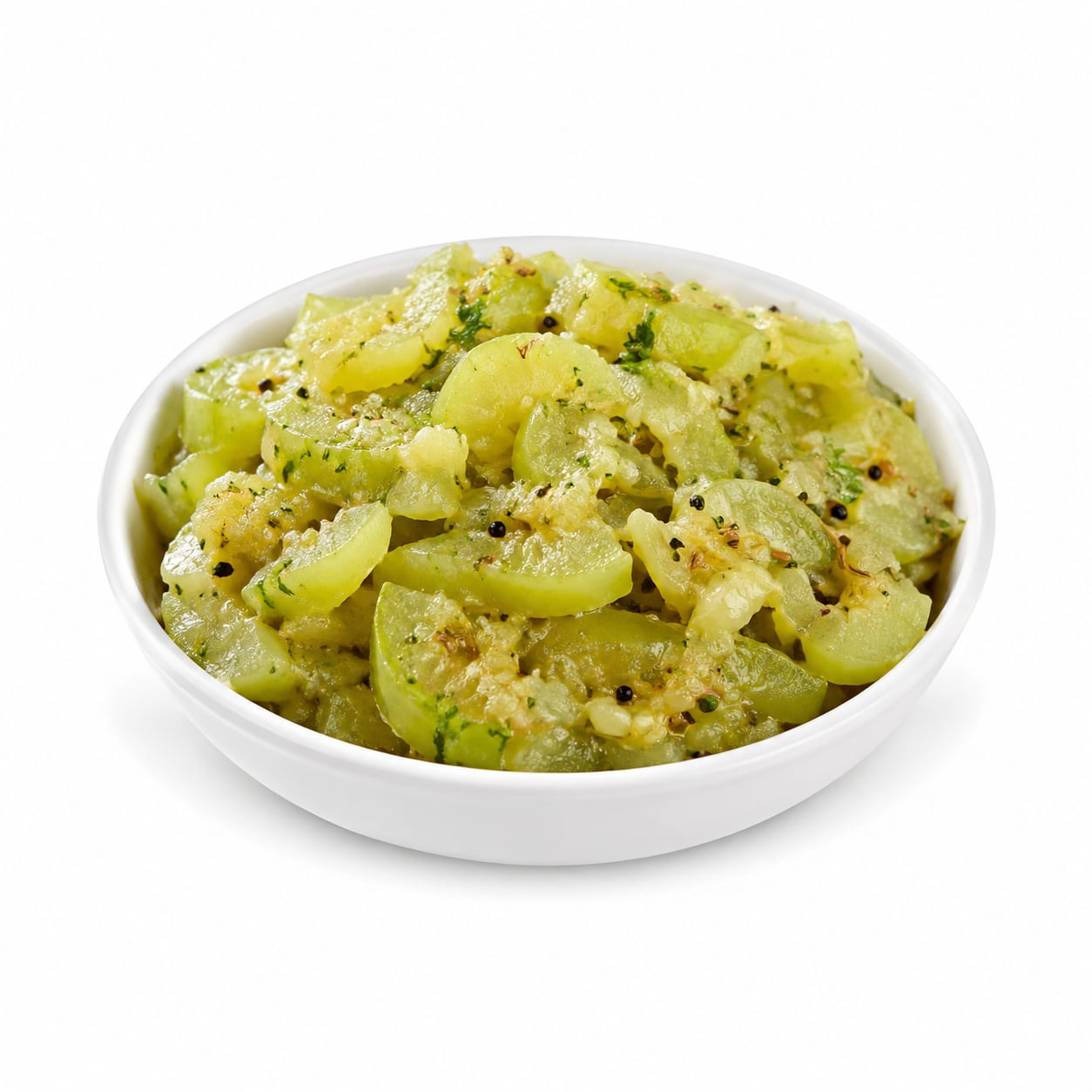
Vegetable
Bottle Gourd
A high-water, low-calorie gourd vegetable used primarily for hydration, weight management, and digestive comfort.
A light green, bottle-shaped vine fruit consumed as a vegetable, prized in Asian and African cuisines for its high water content, mild flavor, and digestibility.
high-volume low-calorie vegetable
Typical serving · 100g
Common varieties · calabash, lauki, dudhi, opo squash, long melon
Overall context score across nutrition, safety, and diet fit
At a glance
Quick facts
Simple indicators based on nutrition, processing, and diet fit.
The story
What makes it unique
Bottle gourd is composed of over 90% water, resulting in extremely low energy density and a minimal macronutrient footprint. It digests rapidly due to its low fiber and fat content, providing short-term satiety through gastric distension rather than hormonal signaling. Its glycemic impact is negligible.
Varieties: calabash · lauki · dudhi · opo squash · long melon
Per 100g
Nutrition breakdown
Macro balance and key metrics at a glance.
Energy
Density 0.14 kcal/g
Protein
Carbs
Fat
Fiber
Sugar
1.5 g
Sodium
2 mg
Potassium
170 mg
Glycemic index
15
Glycemic load
1
Water content
95%
Standout compounds
Nutrient highlights
Water
highMaintains hydration and increases food volume for satiety
Potassium
moderateHelps regulate blood pressure and fluid balance
Vitamin C
lowSupports immune function and skin health
Fiber
lowPromotes digestive regularity
Wellness map
Health scores & processing
NOVA processing scale
Unprocessed · Whole food
Whole, raw vegetable in its natural state with no added ingredients or industrial processing.
Diet compatibility
- Weight loss
- Muscle gain
- Diabetes
- Gut health
- Low carb
- High protein
- Heart health
Relative standing
Food rankings
Qualitative ranks compared to similar whole foods.
- Satietygood
- Blood sugarexcellent
- Nutrient densitymoderate
- Fitness fuelpoor
- Processing qualityexcellent
Eat with confidence
Food safety profile
Generally safe when consumed sweet and cooked. Extremely bitter tasting bottle gourds contain toxic compounds and must be discarded immediately.
Evidence confidence 90%
- Pesticidesmoderate
- Antibioticslow
- Heavy metalslow
- Contaminationmoderate
Watch for
- cucurbitacins
- pesticide residue
Safer choices
Organically grown sweet varieties; always taste a small raw piece before preparing the whole vegetable.
Prep tips
Wash thoroughly, peel the skin, and discard the vegetable entirely if the raw flesh tastes bitter. Cook thoroughly before eating.
Bitter bottle gourds contain toxic cucurbitacins which are not destroyed by cooking and can cause severe gastrointestinal toxicity.
Deep dive
Health analysis
How this food may fit different goals and preparation choices.
Weight loss
Extremely low energy density allows large portion sizes with minimal calorie intake, making it ideal for volume eating.
Blood sugar
Very low glycemic index and load makes it safe for diabetics, causing negligible blood sugar spikes.
Fitness & energy
Poor source of fuel due to near-zero calories and carbs; best used for hydration rather than energy replenishment.
Gut health
High water and mild fiber content promote smooth digestion and help prevent constipation without irritating the gut lining.
Processing quality
Whole, unprocessed vegetable with maximum micronutrient retention and no artificial additives.
Food safety
Must be tasted before cooking; bitterness signals toxicity. Peeling helps reduce surface pesticide exposure.
Common mistakes
Consuming raw bitter bottle gourd juice in large quantities for perceived detox benefits, which can lead to severe toxicity.
Best preparation
Peeled, cubed, and cooked into curries, stews, or light soups to improve digestibility and nutrient absorption.
Practical guide
Best use cases
When and how this food fits real eating patterns.
High-volume low-calorie meals
Ideal for bulking out curries and soups to increase meal size without adding significant calories.
Blood sugar-friendly side dish
A safe carbohydrate choice that provides culinary satisfaction without triggering glycemic spikes.
Post-illness digestive recovery
Gentle on the stomach and easy to digest, making it suitable after gastrointestinal distress.
Balance sheet
Pros & cons
Upsides
- Extremely low in calories
- Very high water content for hydration
- Negligible impact on blood sugar
- Gentle on the digestive system
- Versatile mild flavor absorbs spices well
Trade-offs
- Very low protein and fat requires pairing for balanced meals
- Risk of toxicity if the vegetable tastes bitter
- Low overall micronutrient density compared to dark greens
- Short-lived satiety if eaten alone
- Must be cooked to reduce contamination risk and improve digestion
Fit check
Who is it for?
Great match
- weight loss diets
- blood sugar management
- high-volume eating
- digestive recovery
Consider alternatives
- muscle building
- ketogenic diets
- high-energy needs
- raw food diets
Side by side
How it compares
Open the full head-to-head analysis for nutrition, safety, and practical tradeoffs.
This food
Bottle Gourd
VS90% alike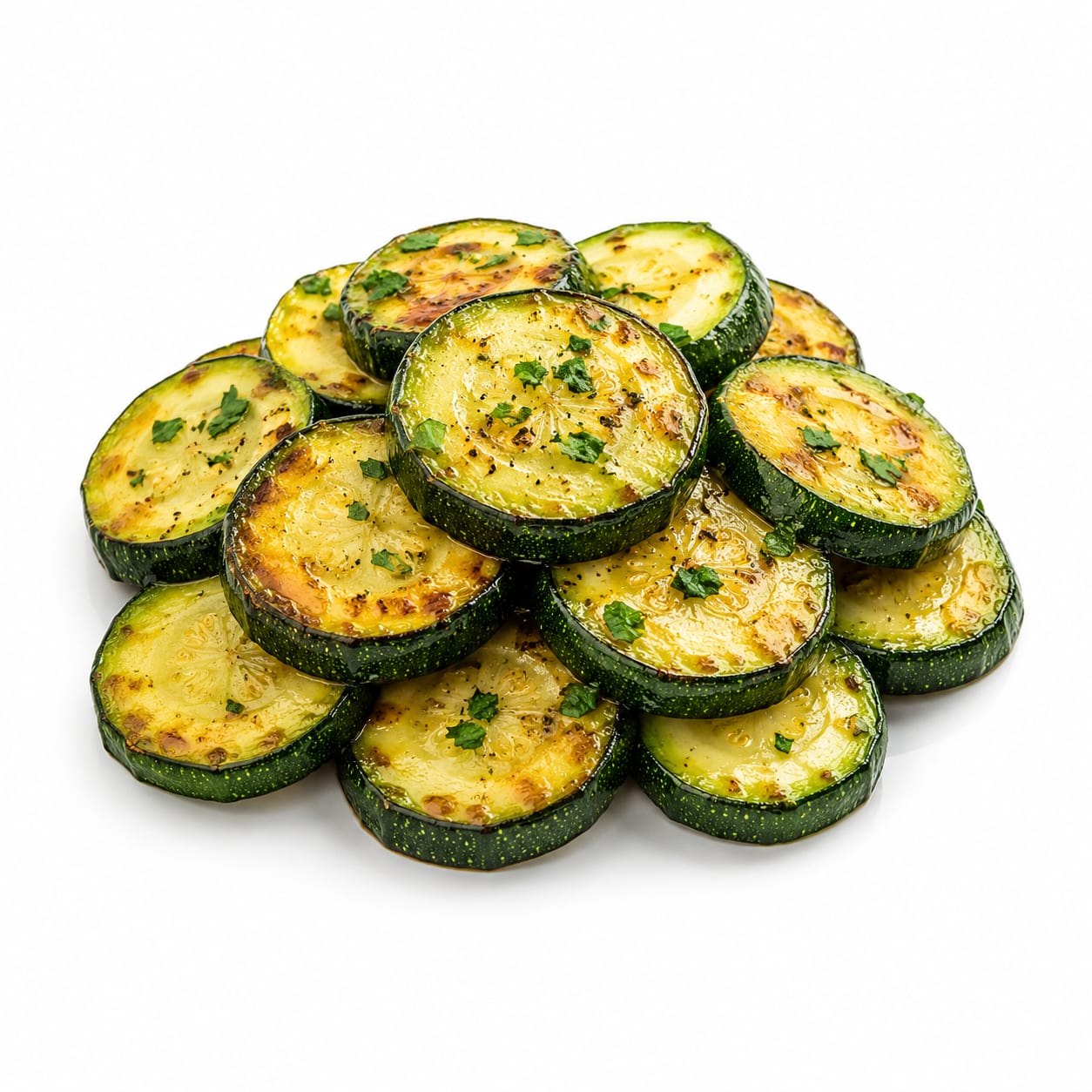
Compare with
Zucchini
Zucchini and bottle gourd are nearly identical in calories and macros, but zucchini is more commonly eaten raw in salads.
Zucchini and bottle gourd are nutritionally almost identical, though zucchini is more versatile for raw eating.
This food
Bottle Gourd
VS85% alike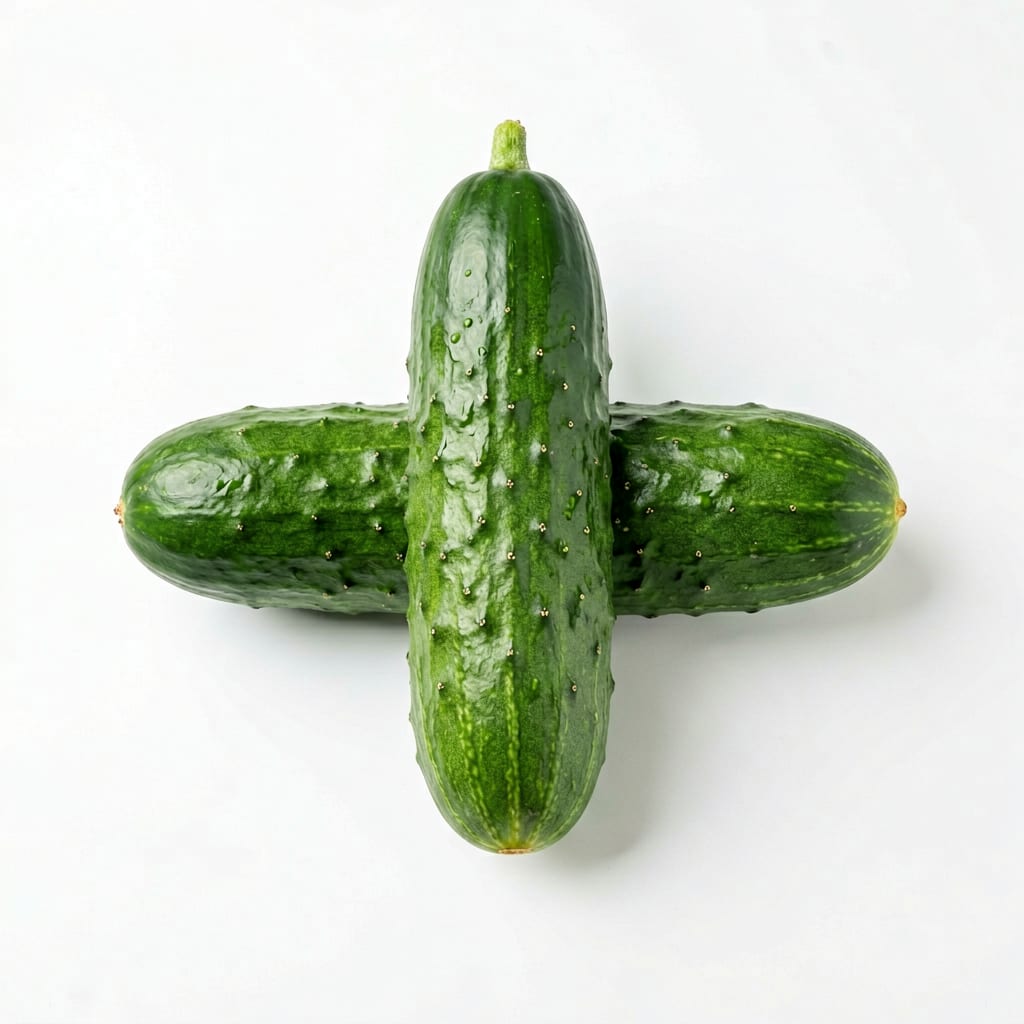
Compare with
Cucumber
Cucumber is crunchier and eaten raw, while bottle gourd is cooked, but both offer excellent hydration and minimal calories.
Cucumber is slightly lower in calories and eaten raw, while bottle gourd is cooked, but both are excellent for hydration.
This food
Bottle Gourd
VS95% alike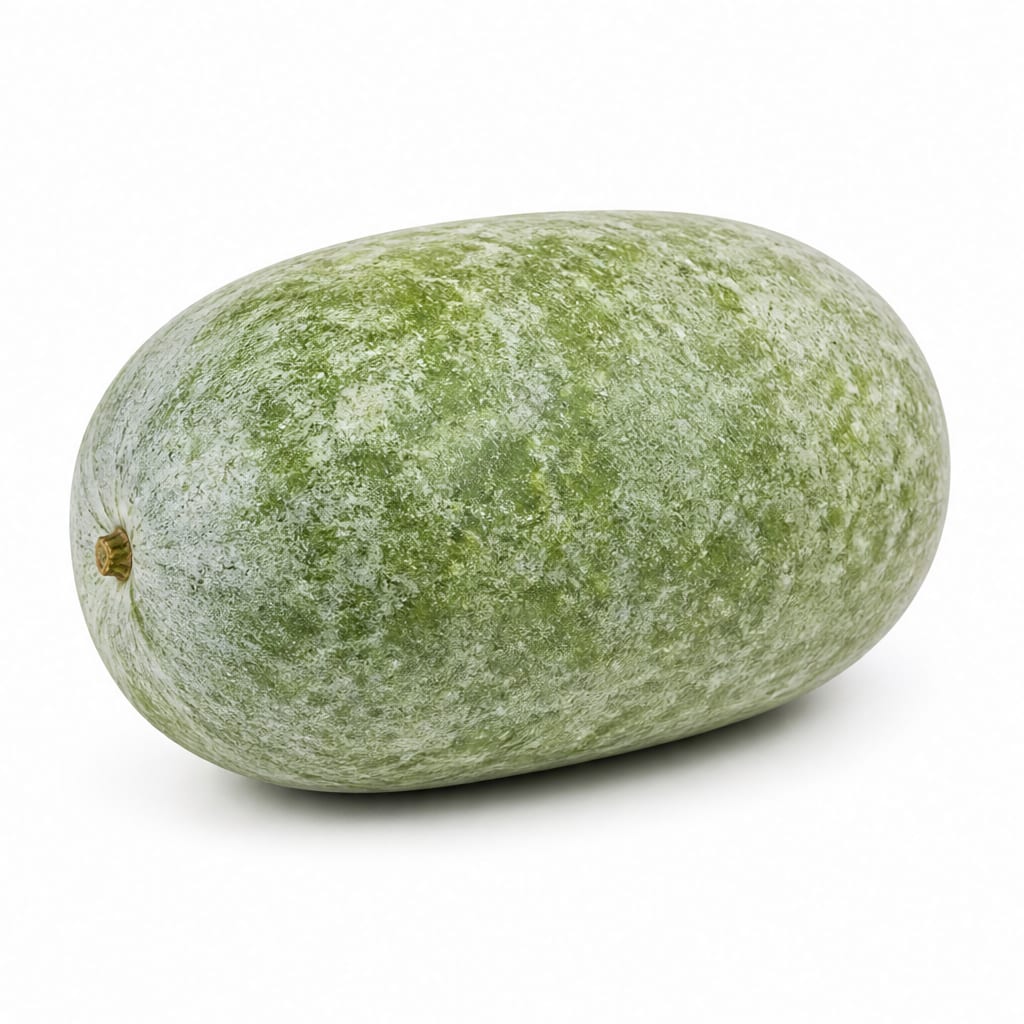
Compare with
Ash Gourd
Ash gourd and bottle gourd are interchangeable in curries, both providing high volume and minimal calories.
Ash gourd and bottle gourd are virtually identical nutritionally, both offering high volume and minimal calories for weight loss.
This food
Bottle Gourd
VS70% alike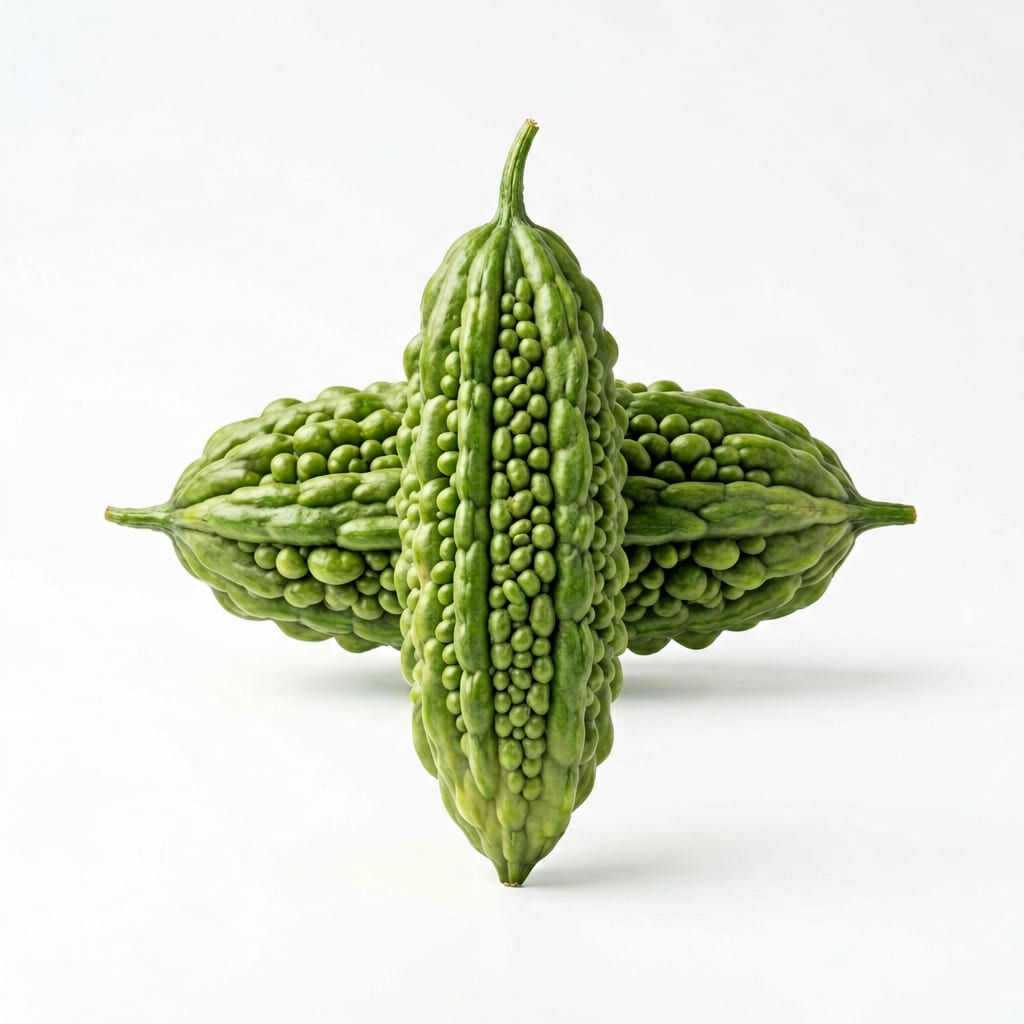
Compare with
Bitter Melon
Bitter melon is better studied for blood sugar control, but bottle gourd is much more palatable for high-volume eating.
Bitter melon is more effective for blood sugar control, but bottle gourd is easier to eat in large quantities for weight loss.
This food
Bottle Gourd
VS65% alike
Compare with
Pumpkin
Pumpkin offers more beta-carotene and carbs for energy, while bottle gourd is significantly lower in calories and carbs.
Pumpkin provides more nutrients and energy for fitness, while bottle gourd is much lower in calories and better for strict weight loss.
This food
Bottle Gourd
VS50% alike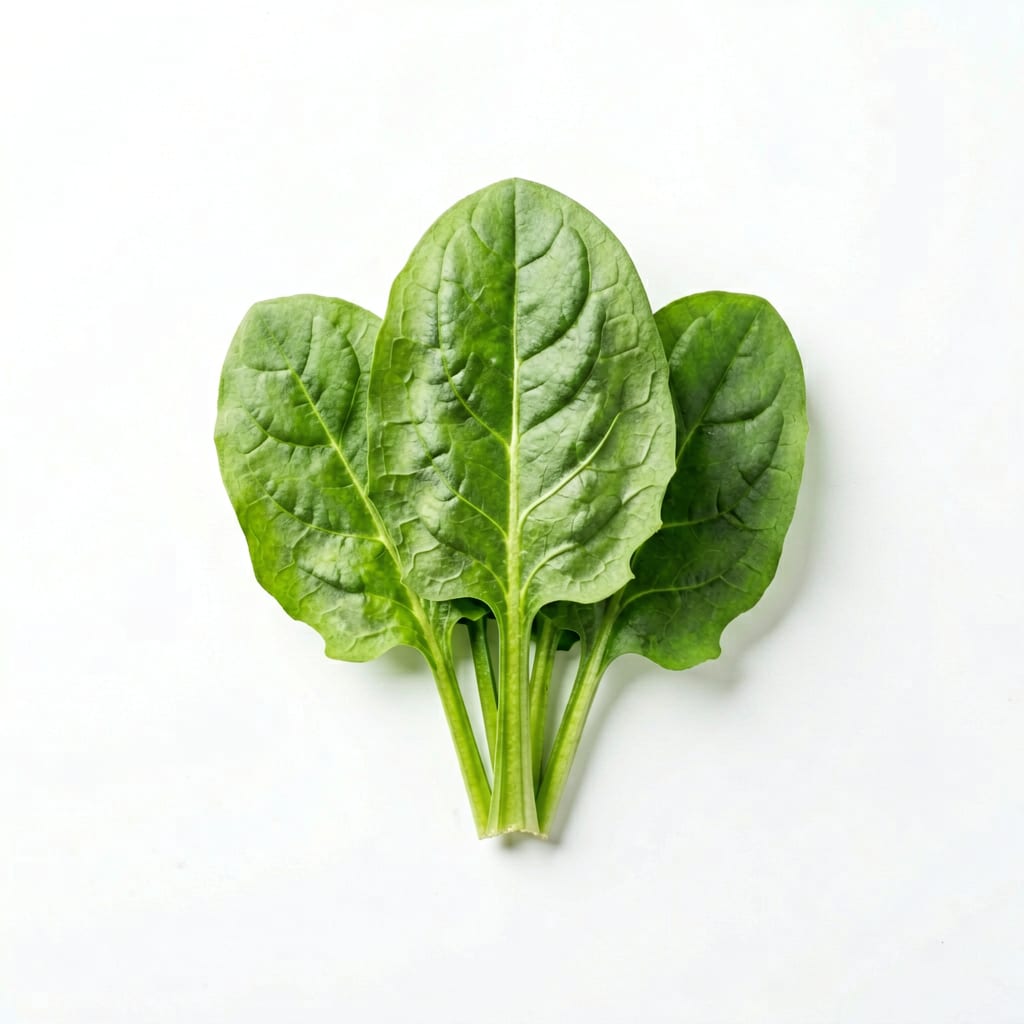
Compare with
Spinach
Spinach is far richer in vitamins and iron, while bottle gourd provides more culinary bulk and volume.
Spinach is far more nutrient-dense, but bottle gourd offers more food volume for the same calories.
This food
Bottle Gourd
VS60% alike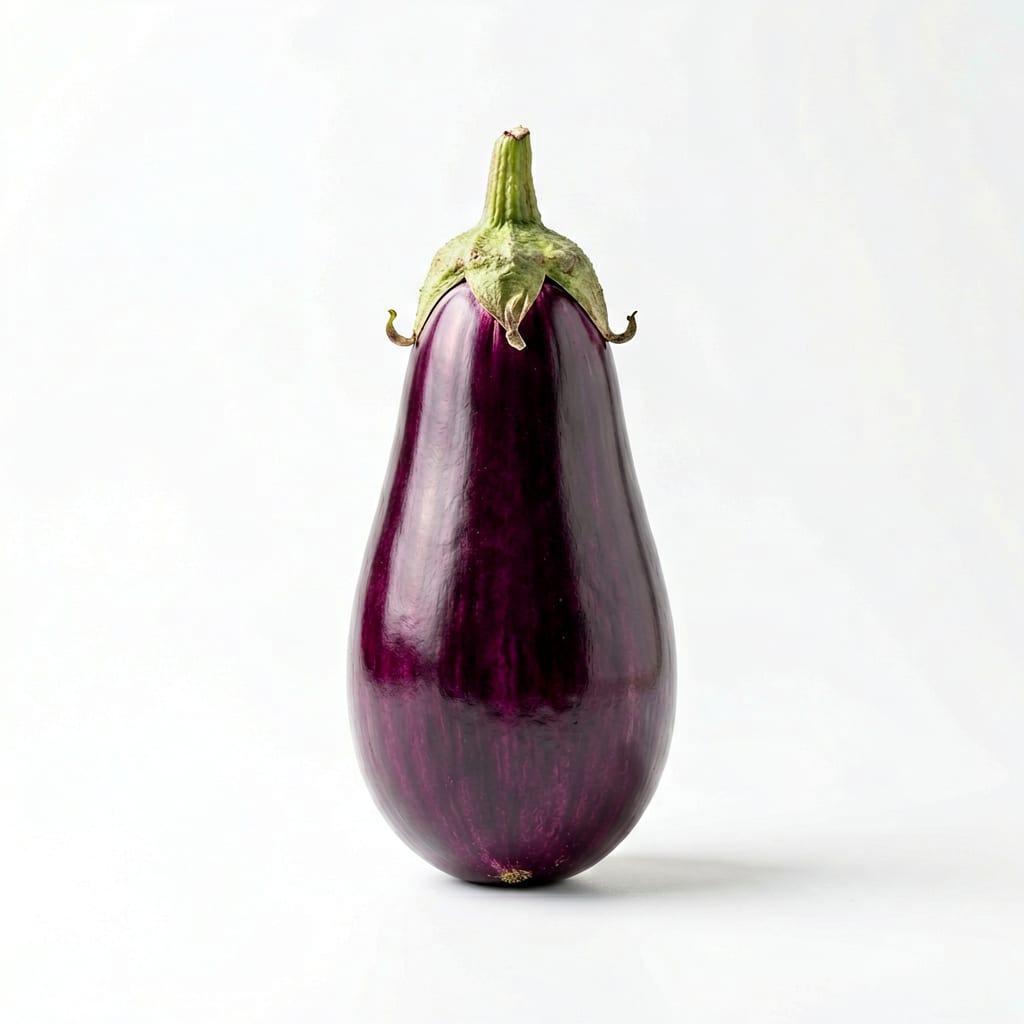
Compare with
Eggplant
Bottle gourd is lower in calories and carbs than eggplant, making it better for strict weight loss.
Bottle gourd is lower in calories and better for weight loss, while eggplant provides slightly more fiber and satiety.
This food
Bottle Gourd
VS55% alike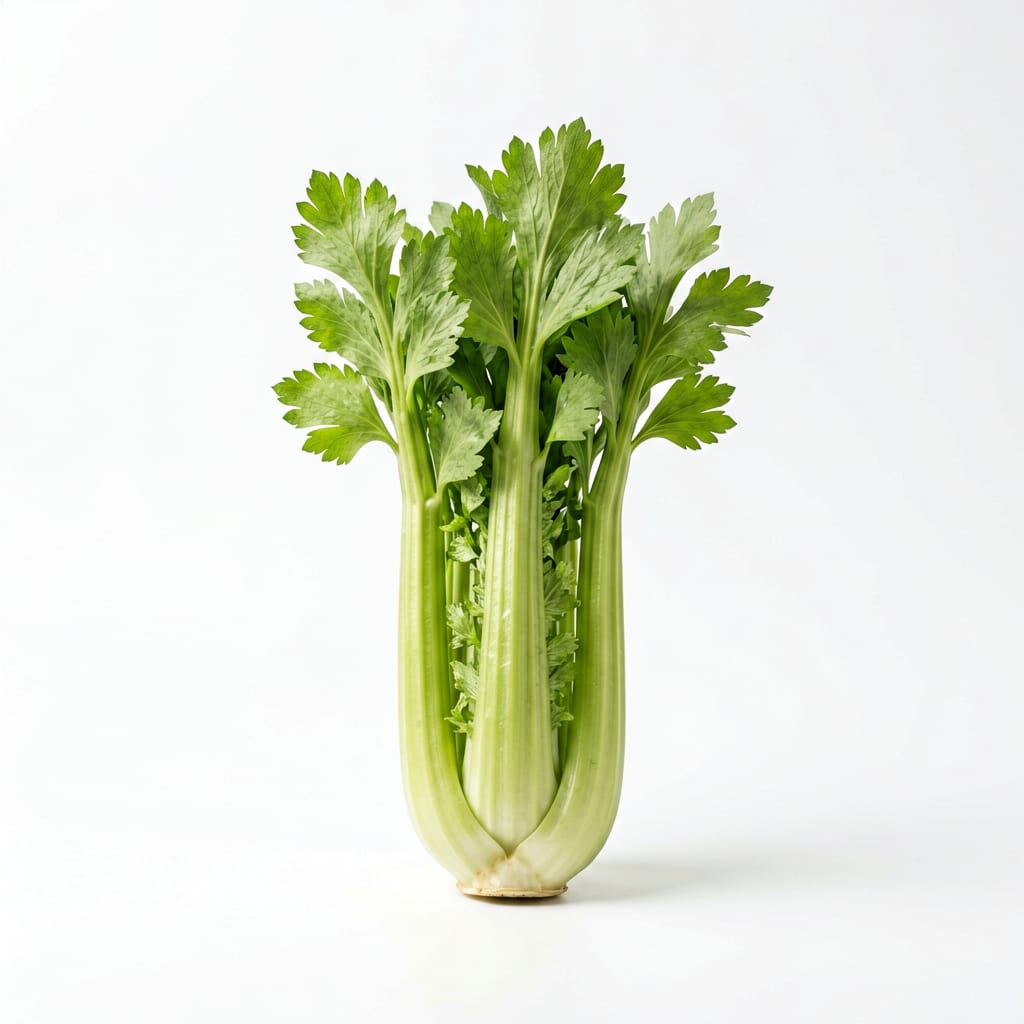
Compare with
Celery
Celery is a crunchy raw snack, while bottle gourd is a cooked staple, both offering extreme low-calorie hydration.
Celery is slightly lower in calories and eaten raw, while bottle gourd is cooked, but both are top choices for low-calorie volume.
This food
Bottle Gourd
VS50% alike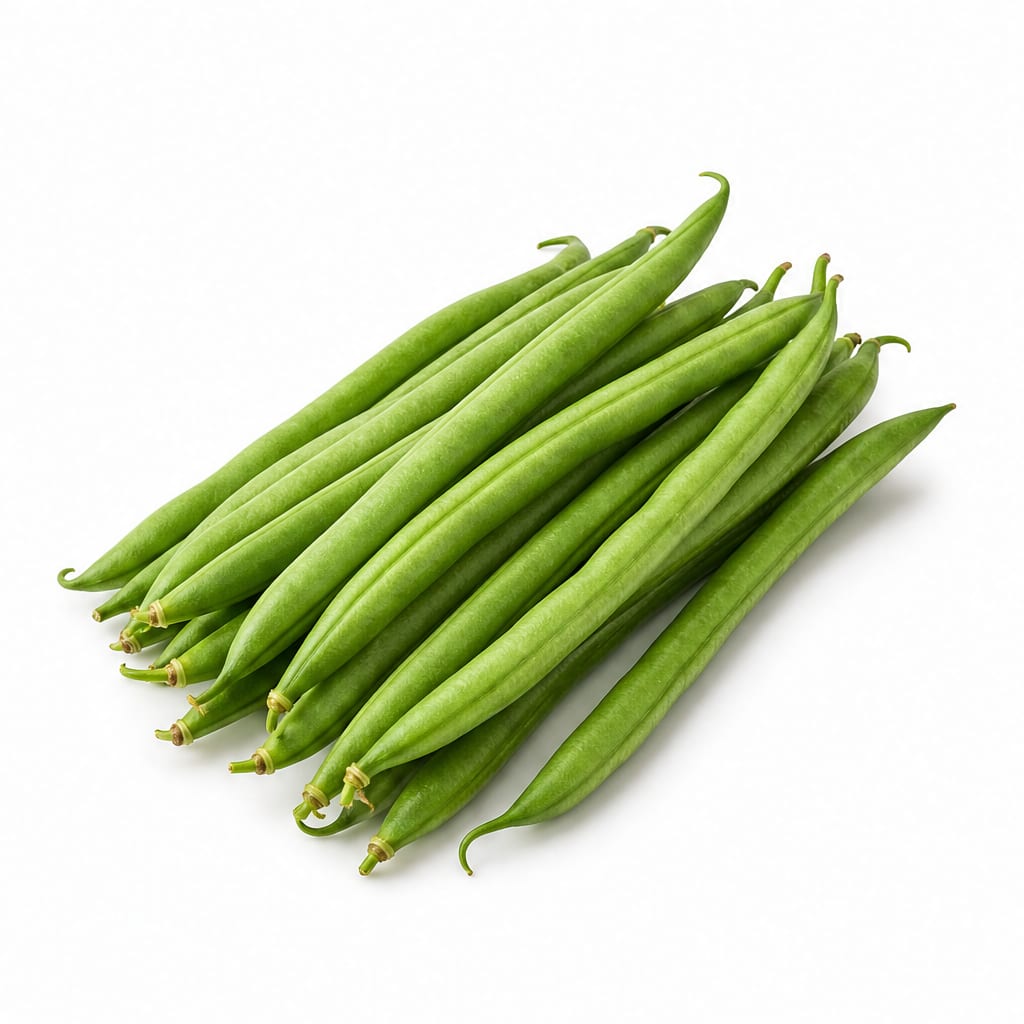
Compare with
Green Beans
Green beans provide more protein and fiber for satiety, while bottle gourd offers fewer calories and carbs.
Green beans offer more protein and fiber for satiety, while bottle gourd is lower in calories and carbs for weight loss.
This food
Bottle Gourd
VS45% alike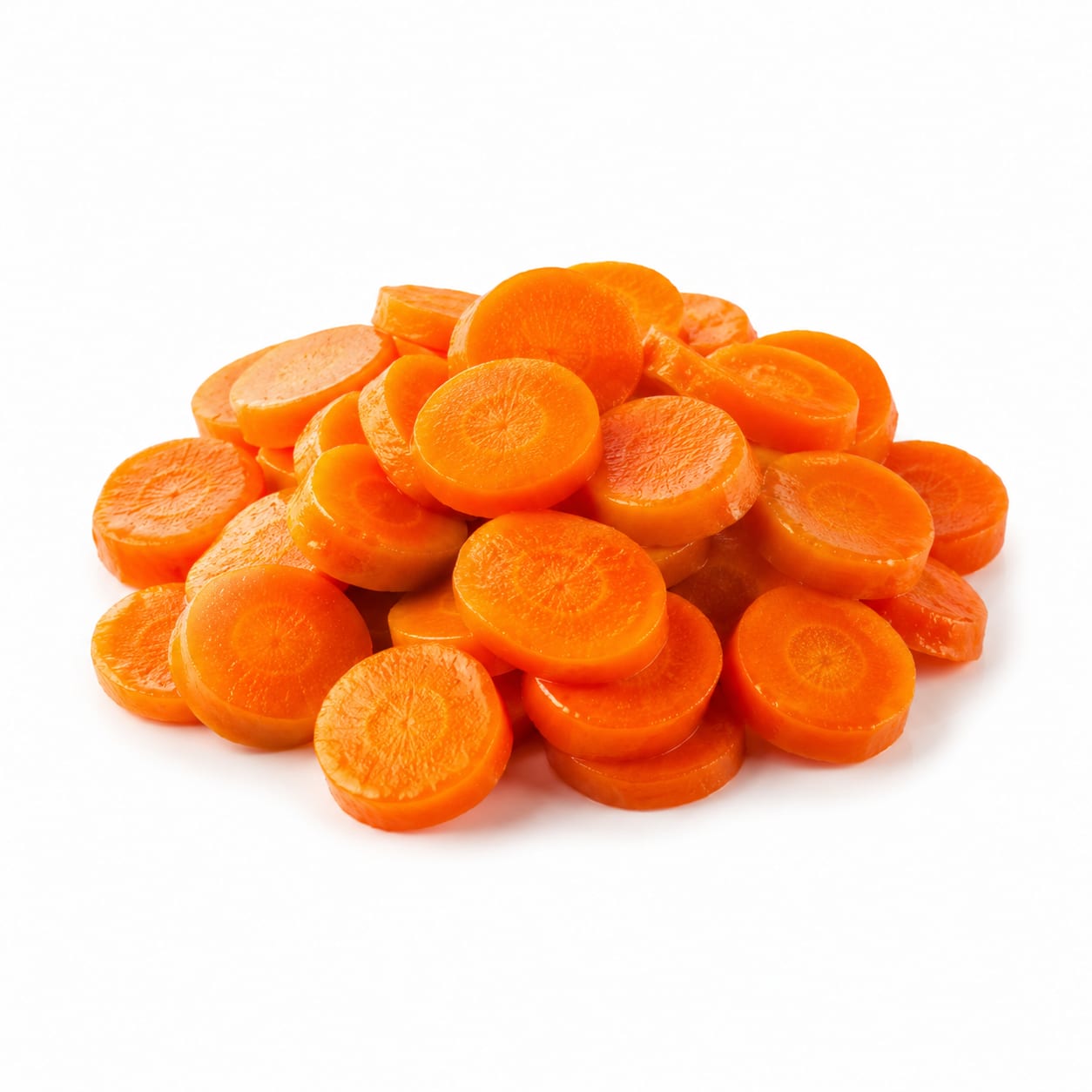
Compare with
Carrots
Carrots are sweeter and higher in carbs and vitamin A, whereas bottle gourd is a near-zero calorie cooking vegetable.
Carrots provide more natural energy and vitamin A, while bottle gourd is significantly lower in calories and better for blood sugar control.
Common questions
FAQ
Answers aligned with how people search for this food.
Is bottle gourd good for weight loss?
Yes, bottle gourd is excellent for weight loss because it is over 95% water and extremely low in calories, allowing you to eat large volumes without overconsuming calories.
Can diabetics eat bottle gourd?
Yes, bottle gourd has a very low glycemic index and glycemic load. It will not spike blood sugar and is a safe, filling vegetable option for diabetic diets.
Why does bottle gourd taste bitter?
A bitter taste in bottle gourd indicates the presence of cucurbitacins, which are natural toxic compounds. This bitterness can be caused by environmental stress or cross-pollination.
Is bottle gourd juice safe to drink every day?
Only if the bottle gourd is sweet and not bitter. Drinking juice from bitter bottle gourd can cause severe vomiting, diarrhea, and toxicity. Cooking is generally safer than raw juicing.
What happens if you eat bitter bottle gourd?
Eating bitter bottle gourd can cause cucurbitacin poisoning, leading to severe abdominal pain, vomiting, diarrhea, and in extreme cases, shock. You should discard it immediately.
Is lauki easy to digest?
Yes, lauki is very easy to digest because of its high water content and low fiber. It is often recommended for people recovering from digestive illnesses.
How many carbs are in bottle gourd?
There are approximately 3.4 grams of carbohydrates per 100 grams of raw bottle gourd, making it a very low-carb vegetable.
Does bottle gourd help with constipation?
Yes, the high water content and dietary fiber in bottle gourd help add bulk to stools and promote regular bowel movements, aiding in constipation relief.
Transparency
Data confidence
Estimated confidence for nutrition data, interpretation, safety notes, and comparisons.
Nutrition data
Health analysis
Food safety
Comparisons