
Nutrition comparison
Bottle Gourd vs Zucchini: Safety, Nutrition, and Which to Choose
Comparing bottle gourd and zucchini for weight loss, safety, nutrition, and daily use. Learn the critical toxicity risk of bitter bottle gourd and why zucchini may be the safer everyday choice.
Overall winner · Zucchini
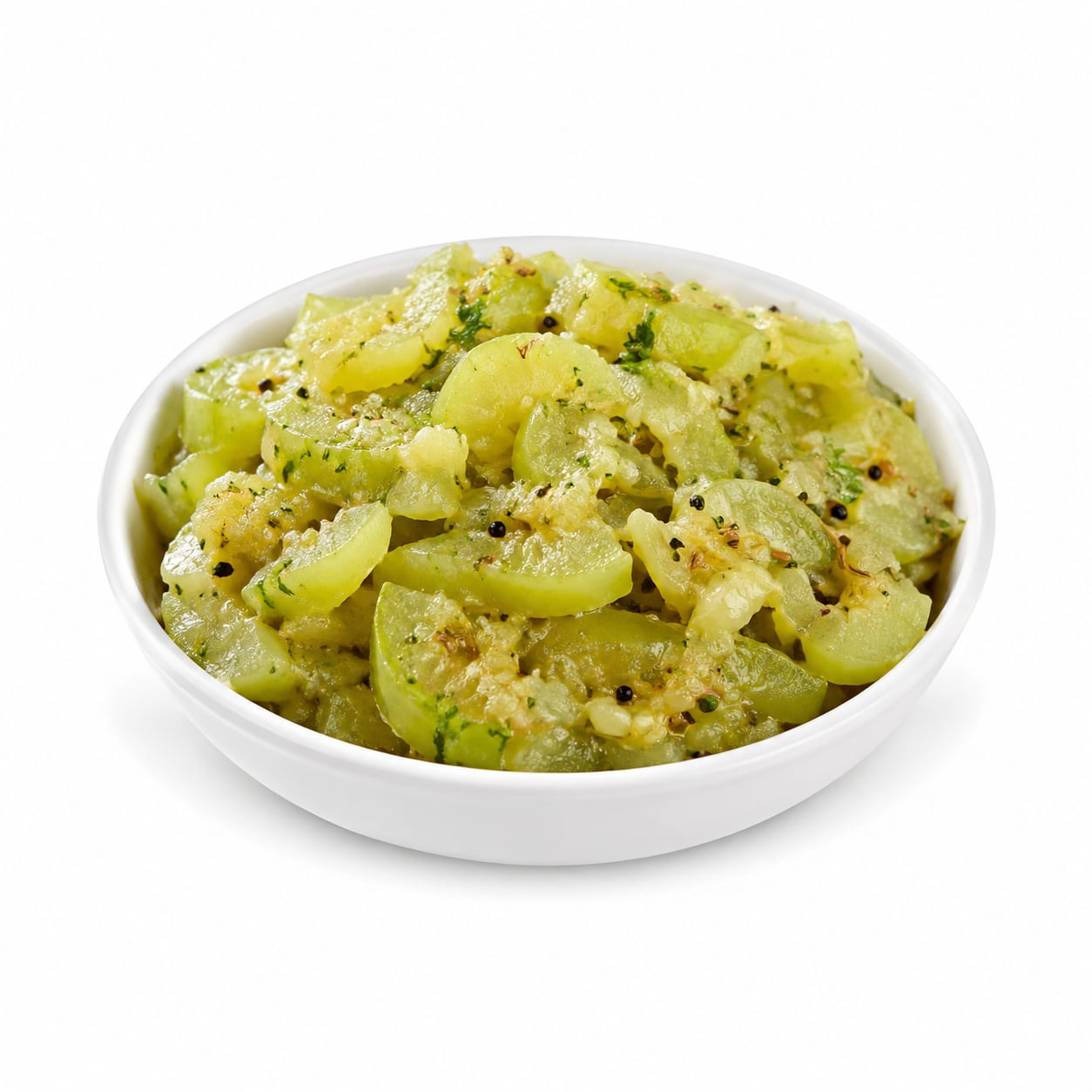
Bottle Gourd
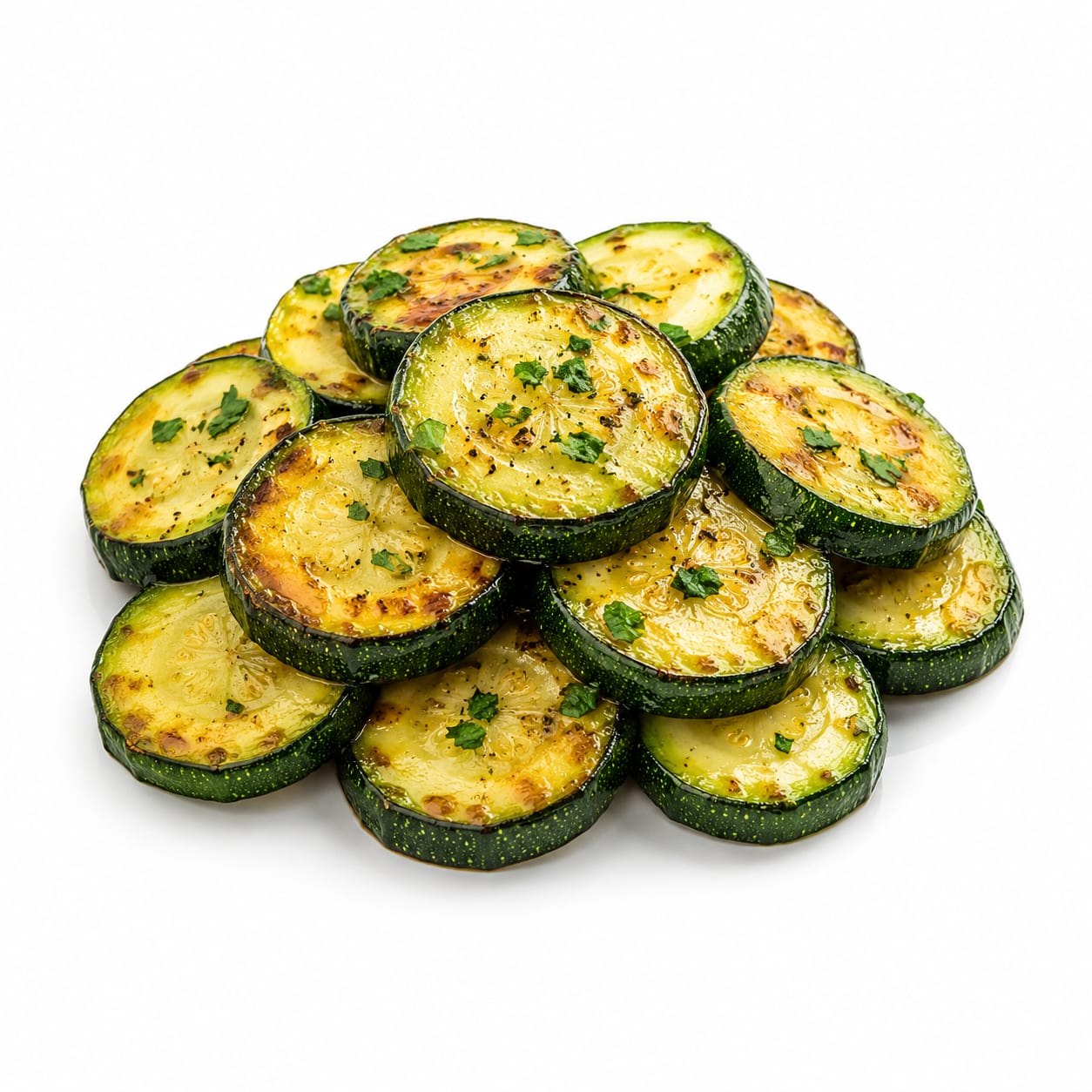
Zucchini
Zucchini edges ahead with better nutrient density, wider availability, and no serious toxicity risk, though bottle gourd offers superior hydration and traditional digestive benefits.
Zucchini scores notably higher due to its stronger safety profile, better nutrient density, and far greater culinary flexibility. Bottle gourd remains valuable for specific traditional and hydrating uses but its toxicity risk and limited availability pull its score down.
Bottle gourd delivers stronger cooling and traditional digestive benefits but carries a rare yet serious bitterness toxicity risk that zucchini completely avoids.
At a glance
Executive summary
Overall
Zucchini
Healthier
Zucchini
More practical
Zucchini
Daily use
Zucchini
Key comparison lenses
safety and toxicity awareness
Bitter bottle gourd can be dangerously toxic, a unique and critical safety concern not shared by zucchini
low-calorie vegetable selection for weight management
Both are extremely low-calorie, high-water vegetables commonly chosen for weight loss diets
culinary versatility and everyday practicality
Zucchini is more globally available and adaptable to diverse recipes, while bottle gourd is region-specific
hydration and cooling properties
Both are cooling, hydrating vegetables but bottle gourd is especially prized for this in traditional medicine
nutrient density comparison
Users want to know if either vegetable offers meaningfully more vitamins or minerals despite both being water-heavy
Best choice for
Bottle Gourd
- People following Ayurvedic or traditional South Asian diets
- Those seeking maximum hydration in hot climates
- Anyone managing acidity or ulcers who wants a soothing vegetable
- People who enjoy mild, absorbent vegetables in spiced curries
Zucchini
- Home cooks wanting a versatile vegetable for roasting, grilling, or spiralizing
- Families with children who need safe, mild-tasting vegetables
- Anyone meal-prepping who wants a vegetable that works raw or cooked
- People who want a low-calorie vegetable without any toxicity concerns
Least suitable for
Bottle Gourd
- Anyone unfamiliar with bitterness testing before cooking
- Households with young children where safety vigilance may slip
- People outside South Asian grocery access areas
- Those wanting a vegetable they can eat raw in salads
Zucchini
- People specifically seeking traditional Ayurvedic digestive remedies
- Those wanting the most hydrating vegetable possible for extreme heat
Deep comparison
Dimension by dimension
Each lens scores both foods and breaks down who each option suits.
- Dimension 1 · Priority 96Zucchini
Safety and Toxicity Risk
Bottle Gourd · 55Zucchini · 95Bitter bottle gourd contains toxic cucurbitacins that can cause severe vomiting, diarrhea, and even death. Zucchini rarely has this issue and is generally safer.
Tradeoff
Bottle gourd's traditional health benefits come with a real, documented safety risk that demands vigilance every time you cook it.
Why it matters
One bitter bottle gourd can land you in the hospital. This is not a theoretical risk — cases are reported regularly in South Asia.
Real-world impact
If you cook bottle gourd, you must taste a small raw piece first. If bitter, throw the whole vegetable away. With zucchini, this step is almost never needed.
Bottle Gourd
- No safety advantage — bottle gourd always requires a bitterness test
Better for
- People who cook in a hurry and might skip the bitterness test
- Households with children who might snack on raw pieces
Worse for
Zucchini
- Families who want worry-free cooking
- Anyone who dislikes extra safety steps before meal prep
Better for
- No meaningful safety downside for zucchini
Worse for
- Dimension 2 · Priority 82Bottle Gourd
Hydration and Cooling Effect
Bottle Gourd · 92Zucchini · 78Bottle gourd is approximately 96% water and is renowned in traditional medicine for its cooling, soothing properties. Zucchini is also hydrating but less dramatically so.
Tradeoff
If you are battling summer heat or acidity, bottle gourd is the more therapeutic choice despite its other limitations.
Why it matters
In hot climates or after illness, a vegetable that actively cools and soothes the stomach can feel noticeably more comforting.
Real-world impact
A bowl of bottle gourd soup on a hot day feels more refreshing and settling than zucchini soup, which lacks the same traditional cooling reputation.
Bottle Gourd
- Hot climate dwellers needing maximum hydration
- People recovering from stomach illness or acidity
- Anyone who finds cooling foods physically comforting in summer
Better for
- Those who find very watery vegetables unsatisfying as a meal component
Worse for
Zucchini
- People in temperate climates where extreme cooling is unnecessary
Better for
- Anyone specifically seeking a traditional cooling remedy
Worse for
- Dimension 3 · Priority 75Zucchini
Nutrient Density
Bottle Gourd · 58Zucchini · 74Zucchini offers more vitamin C, vitamin A, and potassium per serving. Bottle gourd's extremely high water content dilutes its nutrient concentration.
Tradeoff
Bottle gourd hydrates more but delivers fewer vitamins and minerals per bite compared to zucchini.
Why it matters
When both vegetables are this low in calories, every gram of vitamins matters more. Zucchini simply packs more nutrition into each serving.
Real-world impact
A cup of cooked zucchini contributes meaningfully to your daily vitamin C and A intake. The same amount of bottle gourd contributes mostly water.
Bottle Gourd
- Those prioritizing hydration over vitamin intake
- People already taking supplements who want a gentle, low-nutrient vegetable
Better for
- Those who need nutrient-dense foods to meet daily requirements
Worse for
Zucchini
- Anyone trying to maximize nutrition per calorie
- People not taking supplements who rely on food for vitamins
Better for
- No real nutrient density downside — zucchini wins here clearly
Worse for
- Dimension 4 · Priority 80Zucchini
Culinary Versatility
Bottle Gourd · 52Zucchini · 90Zucchini works raw in salads, grilled, roasted, spiralized into noodles, baked into breads, and stuffed. Bottle gourd is mostly limited to cooked dishes like curries and stews.
Tradeoff
Bottle gourd excels as a flavor-absorbing base in spiced dishes but cannot match zucchini's range across cooking methods and cuisines.
Why it matters
A vegetable you can use ten ways gets eaten more often than one you can use two ways. Versibility drives consistency.
Real-world impact
You can meal-prep zucchini for a week using different recipes each day. Bottle gourd mostly means curry or soup, which gets repetitive faster.
Bottle Gourd
- Cooks making traditional South Asian curries where bottle gourd's texture is ideal
- Those who want a vegetable that absorbs spice flavors deeply
Better for
- Anyone wanting a raw vegetable for salads or crudités
- Cooks looking for grilling or roasting options
Worse for
Zucchini
- Home cooks who rotate between roasting, grilling, and raw preparations
- Anyone who enjoys spiralized vegetable noodles as a pasta alternative
- People who bake and want a vegetable that works in sweet recipes too
Better for
- Those specifically making traditional lauki ki sabzi or kofta
Worse for
- Dimension 5 · Priority 77Bottle Gourd
Digestive Comfort
Bottle Gourd · 88Zucchini · 76Bottle gourd is extremely gentle on the stomach and is traditionally used to soothe ulcers and acidity. Zucchini is also easy to digest but less specifically therapeutic.
Tradeoff
If you have a sensitive stomach or are recovering from digestive illness, bottle gourd is the more soothing option.
Why it matters
For people with IBS, ulcers, or acid reflux, choosing vegetables that actively calm the digestive tract versus merely not irritating it can feel like a real difference.
Real-world impact
After a stomach bug, bottle gourd soup feels like medicine. Zucchini soup feels like a gentle meal but lacks the same soothing reputation.
Bottle Gourd
- People with active ulcers or chronic acidity
- Those recovering from gastrointestinal illness
- Anyone who finds most vegetables irritating to a sensitive gut
Better for
- Those who find very watery foods unsatisfying and want more substance
Worse for
Zucchini
- People with normal digestion who do not need extra soothing
Better for
- Anyone needing a specifically therapeutic, stomach-settling vegetable
Worse for
- Dimension 6 · Priority 85It depends
Weight Loss Effectiveness
Bottle Gourd · 80Zucchini · 82Both are excellent for weight loss with nearly identical calorie counts. Zucchini's versatility makes it easier to eat more often, while bottle gourd's higher water content may feel more filling per bite.
Tradeoff
Bottle gourd fills you with water volume; zucchini keeps you interested with recipe variety. Both work, but through different mechanisms.
Why it matters
The best weight loss vegetable is the one you actually eat consistently. For some that is the comfort of familiar curries; for others it is recipe variety.
Real-world impact
If you love South Asian cooking, bottle gourd will serve your weight loss goals beautifully. If you prefer Mediterranean or Western styles, zucchini fits your life more naturally.
Bottle Gourd
- Those who find volume-based eating more satisfying
- People already eating South Asian cuisine daily
Better for
- Dieters who get bored eating the same preparation repeatedly
Worse for
Zucchini
- Those who need recipe variety to stay consistent with healthy eating
- People who enjoy zoodles as a low-calorie pasta swap
Better for
- Those who find zucchini less filling than water-dense alternatives
Worse for
- Dimension 7 · Priority 70Zucchini
Availability and Convenience
Bottle Gourd · 45Zucchini · 90Zucchini is available year-round in nearly every grocery store worldwide. Bottle gourd is mainly found in South Asian markets and specialty stores.
Tradeoff
You can grab zucchini anywhere, anytime. Bottle gourd requires a specific shopping trip and may not be available in many regions.
Why it matters
A vegetable you cannot find is a vegetable you cannot eat. Availability determines whether a food moves from theory to practice.
Real-world impact
If you live outside areas with South Asian grocery stores, finding fresh bottle gourd regularly is difficult. Zucchini is always there.
Bottle Gourd
- People living near well-stocked South Asian grocery stores
- Those who grow their own bottle gourd in home gardens
Better for
- Rural dwellers without ethnic grocery access
- Anyone who does one-stop shopping at mainstream stores
Worse for
Zucchini
- Anyone living in areas without specialty grocery access
- People who shop at standard supermarkets
- Those who want a vegetable available in any season
Better for
- No meaningful availability downside for zucchini
Worse for
Timeline
Health impact over time
Short-term
Hours to days
Bottle Gourd
- Immediate hydration boost due to extremely high water content
- Quick relief from acidity or burning sensation in the stomach
- Potential severe gastrointestinal distress if the gourd tastes bitter — this is a medical concern
Zucchini
- Mild hydration with slightly more nutritional payoff per bite
- Gentle on digestion with no toxicity risk in normal consumption
- Can be eaten raw for a quick, crisp snack without any preparation
Long-term
Months to years
Bottle Gourd
- Consistent use may help manage chronic acidity and urinary tract health
- Traditional medicine links regular consumption to better blood pressure and liver health, though evidence is limited
- Long-term safety is excellent only if bitterness testing is never skipped
Zucchini
- Regular intake supports steady vitamin C and A levels over time
- Consistent consumption fits easily into diverse dietary patterns, improving adherence to healthy eating
- No known long-term risks when consumed as part of a varied diet
Risk profile
Safety & processing
Both vegetables are whole, unprocessed foods typically eaten fresh. Neither carries processing concerns. The only safety issue with bottle gourd is natural toxicity from cucurbitacins, not from any human-added substance.
Bottle Gourd
Cucurbitacin toxicity from bitter gourd
highBitter bottle gourd contains cucurbitacins that cause severe vomiting, diarrhea, hypotension, and in rare cases death. Always taste a small raw piece before cooking — if bitter, discard entirely.
Improper storage leading to spoilage
lowHigh water content makes bottle gourd spoil faster than drier vegetables. Store refrigerated and use within a few days.
Zucchini
Rare cucurbitacin presence in extremely bitter zucchini
lowThough uncommon, some zucchini can develop cucurbitacins and taste extremely bitter. This is far rarer than with bottle gourd and usually obvious before consumption.
Pesticide residue on conventionally grown zucchini
lowZucchini is not on the high-pesticide lists but washing thoroughly is always recommended. Organic options are widely available.
Who wins for whom
Audience fit
Same foods, different winners depending on your goal.
children
ZucchiniZucchini is safer, milder, and can be hidden in pasta sauces or muffins. Bottle gourd's toxicity risk makes it less ideal for households with young kids.
daily consumption
ZucchiniZucchini's versatility, safety, and availability make it easier to eat every day without boredom or risk. Bottle gourd works daily too but requires more caution and culinary repetition.
diabetes
It dependsBoth have minimal impact on blood sugar. Zucchini's slightly better nutrient density is a small plus, but either works well in a diabetic meal plan.
elderly
Bottle GourdBottle gourd's exceptional digestibility and traditional use for acidity make it especially suitable for older adults with sensitive stomachs, provided the bitterness test is always performed.
muscle gain
ZucchiniNeither is a muscle-building food, but zucchini's slightly higher potassium and vitamin content better supports active individuals who need micronutrient recovery.
weight loss
It dependsBoth are excellent low-calorie choices. Pick based on which cuisine you enjoy more — consistency matters more than the small calorie difference.
Your move
Decision guide
Choose Bottle Gourd
- You cook South Asian cuisine regularly and love traditional recipes
- You struggle with acidity, ulcers, or sensitive digestion and want a soothing vegetable
- You live in a hot climate and prioritize maximum hydration from food
- You are comfortable performing the bitterness test every time before cooking
Choose Zucchini
- You want a versatile vegetable that works across many cuisines and cooking methods
- Safety is a top priority, especially if children are eating
- You shop at regular grocery stores and want easy availability
- You enjoy raw vegetables in salads or want to make zoodles
Either works if
- You simply need a low-calorie vegetable to fill your plate
- Both are available and you want variety in your weekly meals
- You have no specific digestive concerns and just want something light
Avoid both if
- You need calorie-dense or protein-rich foods to meet energy needs
- You are looking for a vegetable with significant iron, calcium, or protein content
- You have a cucurbitacin allergy or sensitivity to all gourd-family vegetables
Final recommendation
For most people, zucchini is the more practical daily choice — it is safer, more versatile, and easier to find. But if you grew up with bottle gourd or need its specific digestive and cooling benefits, it remains a valuable food. Just never skip the bitterness test. The best approach is keeping both in rotation: zucchini for everyday variety, bottle gourd for when your stomach needs extra comfort.
Practical
Consumer tips
- 1
Always taste a tiny raw piece of bottle gourd before cooking. If it tastes bitter, throw it away immediately — no exceptions.
- 2
Zucchini can be spiralized, grated into baked goods, or eaten raw with dip. Use its versatility to avoid healthy-eating boredom.
- 3
Store bottle gourd in the refrigerator and use within 3-4 days. Its high water content means it spoils faster than zucchini.
- 4
If you are new to bottle gourd, start with a simple dal or curry recipe where its mild flavor absorbs spices well.
- 5
Choose smaller zucchini for sweeter flavor and tender texture. Large zucchini can be watery and bland.
- 6
Both vegetables freeze poorly due to high water content. Use them fresh for best results.
- 7
If you grow either vegetable in your garden, bitterness is more common in home-grown gourds due to cross-pollination — always test before eating.