
Nutrition comparison
Bottle Gourd vs Celery: Which Low-Calorie Vegetable is Better for You?
Compare Bottle Gourd and Celery for weight loss, digestion, and daily convenience. Discover the health benefits, safety risks, and best uses for each vegetable.
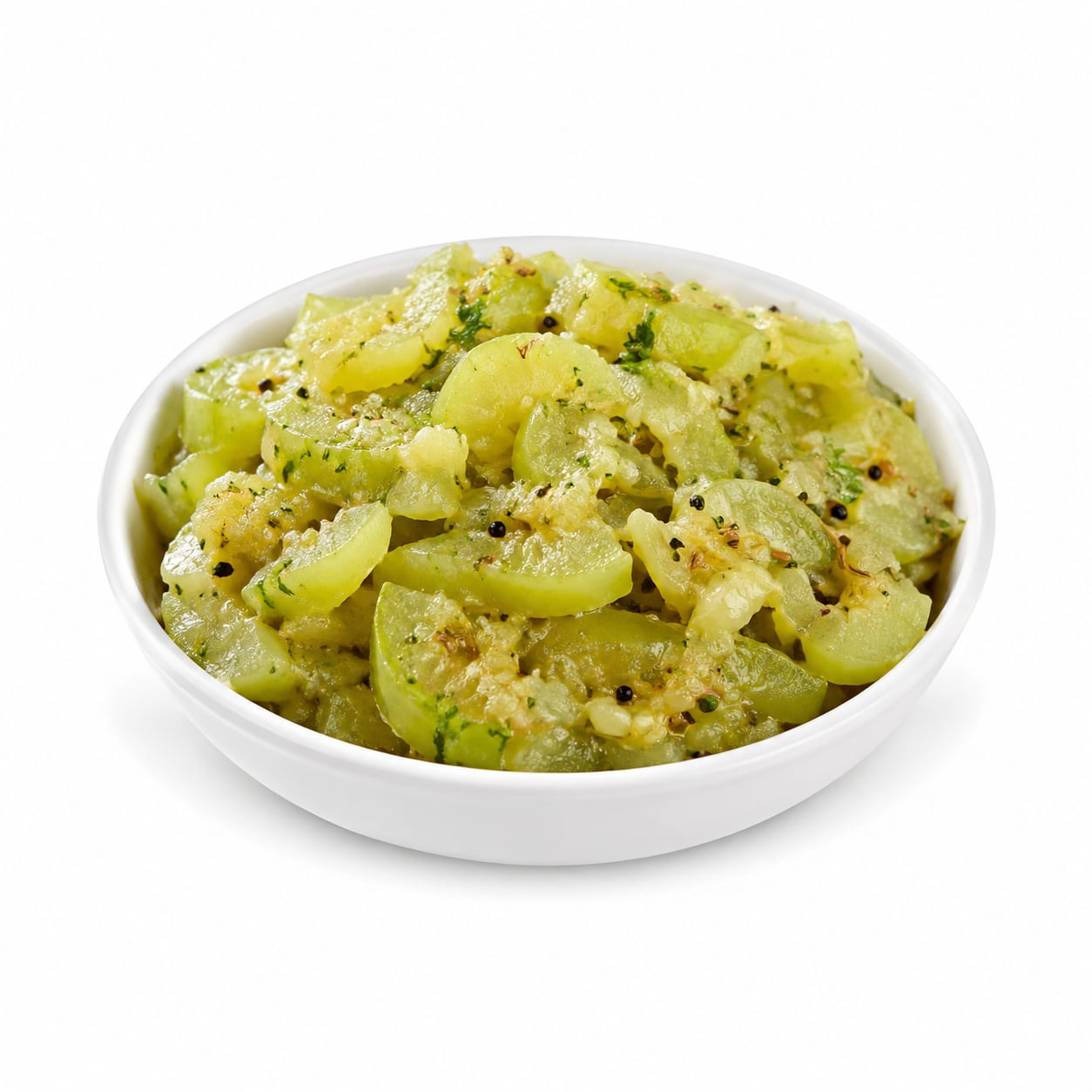
Bottle Gourd
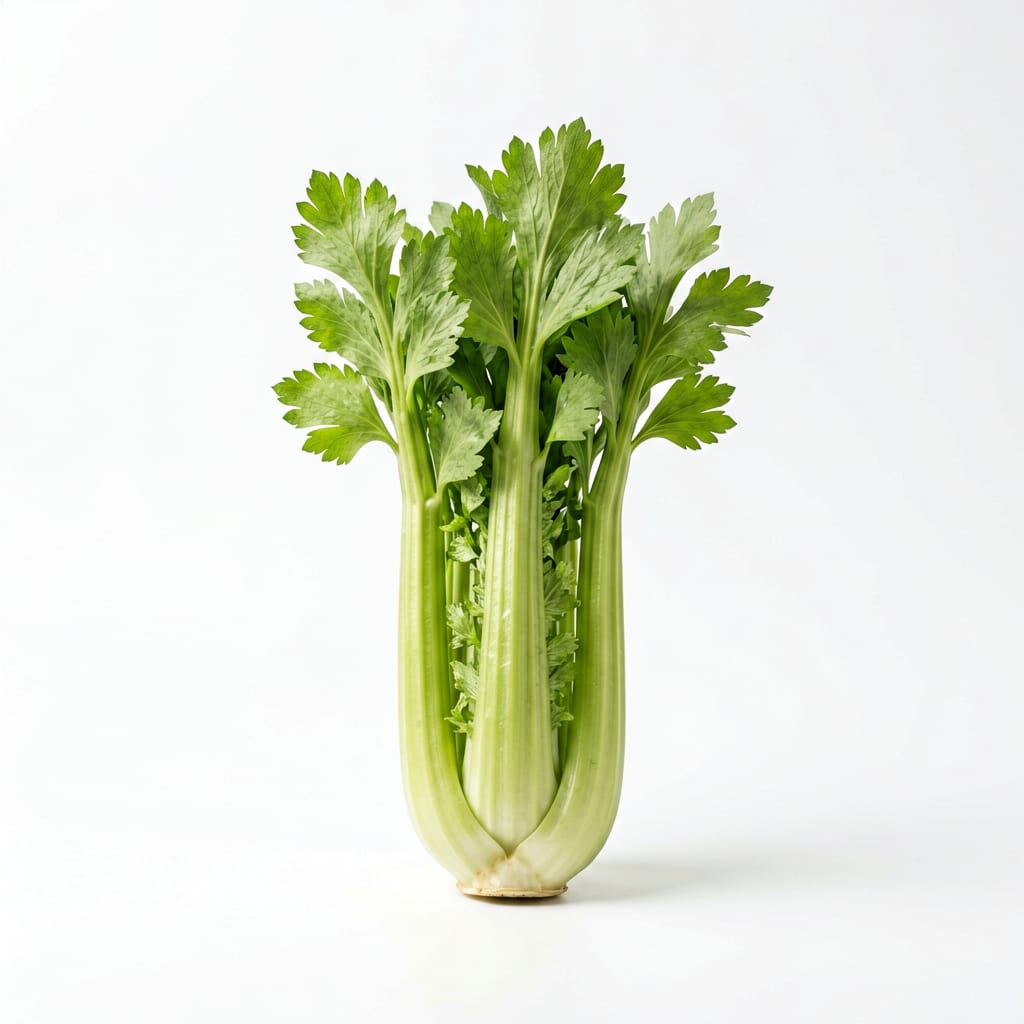
Celery
Bottle Gourd is the ultimate cooked comfort food for gut soothing and steady energy, while Celery is the undisputed champion of crunchy, grab-and-go raw snacking.
Celery edges ahead slightly due to everyday convenience and raw snackability, but Bottle Gourd is nutritionally competitive and superior for cooked, gut-soothing meals.
You trade the digestive gentleness and cooked versatility of Bottle Gourd for the zero-prep convenience and satisfying crunch of Celery.
At a glance
Executive summary
Overall
It depends
Healthier
It depends
More practical
Celery
Daily use
Celery
Key comparison lenses
Low-calorie weight loss snacking
Both are classic diet foods famous for being incredibly low in calories and high in water, making them go-to choices for weight management.
Digestive comfort and gut health
Bottle Gourd is traditionally used to soothe the stomach, while raw Celery can be tough on sensitive digestive systems due to its stringy fiber.
Culinary convenience and preparation
Celery is ready-to-eat raw, while Bottle Gourd requires peeling and cooking, creating a major practical tradeoff for busy lifestyles.
Food safety and natural toxicity
Bitter Bottle Gourd can contain toxic compounds, while Celery often carries high pesticide residues, presenting different safety concerns.
Best choice for
Bottle Gourd
- Soothing an upset stomach or acidic gut
- Adding low-calorie bulk to warm, comforting meals
- Managing blood sugar with cooked soluble fiber
- Traditional Ayurvedic cooling diets
Celery
- Quick, zero-prep snacking between meetings
- Adding crunch to salads without cooking
- Pairing with hummus or nut butter for a filling snack
Least suitable for
Bottle Gourd
- Anyone needing a quick, raw snack on the go
- People unfamiliar with how to check for bitter toxicity
Celery
- People with severe IBS who struggle with raw, stringy fibers
- Those on a very low-sodium diet who eat large volumes of it daily
Deep comparison
Dimension by dimension
Each lens scores both foods and breaks down who each option suits.
- Dimension 1 · Priority 92Celery
Satiety and Snacking Behavior
Bottle Gourd · 65Celery · 88Celery's crunch takes longer to chew, naturally slowing down your eating pace and giving your brain time to register fullness.
Tradeoff
Bottle Gourd is more filling in a meal context because you eat it cooked with other foods, but it provides zero sensory crunch for afternoon snacking.
Why it matters
Crunchy textures are psychologically satisfying and help curb the urge to chew on something when stressed.
Real-world impact
Reaching for Celery sticks at 3 PM gives you a satisfying crunch that tricks your brain into feeling fed, whereas Bottle Gourd requires meal prep you won't want to do for a quick craving.
Bottle Gourd
- Large volume eating within a hot meal
Better for
- Satisfying acute crunchy cravings
Worse for
Celery
- Mindless snacking replacement
- Stress eating redirection
Better for
- Providing warm meal satisfaction
Worse for
- Dimension 2 · Priority 88Bottle Gourd
Digestive Comfort and Gut Soothing
Bottle Gourd · 92Celery · 60Cooked Bottle Gourd is extremely gentle on the digestive tract, acting like a soothing sponge, while raw Celery can irritate sensitive guts.
Tradeoff
You must cook Bottle Gourd to get its gut-soothing benefits, while Celery's raw fiber can be harsh on an inflamed stomach.
Why it matters
If you have IBS, acid reflux, or a sensitive stomach, raw vegetables can trigger bloating, whereas cooked, soft fibers calm the gut lining.
Real-world impact
After a stomach bug or a flare-up, a bowl of cooked Bottle Gourd feels comforting and easy to process, while raw Celery might leave you bloated and gassy.
Bottle Gourd
- Post-illness gut recovery
- Acid reflux management
- Soothing evening meals
Better for
- Quick fiber intake without cooking
Worse for
Celery
- Speeding up slow digestion with raw roughage
Better for
- IBS flare-ups
- Gut inflammation
Worse for
- Dimension 3 · Priority 82Bottle Gourd
Blood Sugar Stability
Bottle Gourd · 85Celery · 78Both are incredibly low in carbohydrates, but Bottle Gourd's soluble fiber is particularly effective at slowing glucose absorption in cooked meals.
Tradeoff
Bottle Gourd actively helps thicken and stabilize a cooked meal's impact on blood sugar, while Celery is just a neutral, low-carb vessel.
Why it matters
Soluble fiber from cooked vegetables creates a gel in the gut that prevents blood sugar spikes from other carbs in the meal.
Real-world impact
Adding Bottle Gourd to a lentil stew helps keep your post-meal blood sugar steadier than snacking on Celery alongside a sandwich.
Bottle Gourd
- Diabetics eating mixed meals
- Preventing afternoon energy crashes
Better for
- Quick raw snacking
Worse for
Celery
- Raw, low-carb dieting
Better for
- Active glucose spike mitigation in hot meals
Worse for
- Dimension 4 · Priority 90Celery
Convenience and Preparation
Bottle Gourd · 40Celery · 95Celery is the ultimate wash-and-eat vegetable, while Bottle Gourd demands peeling, deseeding, and cooking before it is safe and palatable.
Tradeoff
You sacrifice the deep, comforting flavor of a cooked vegetable for the sheer time-saving convenience of raw Celery.
Why it matters
When hunger strikes, the food that requires zero prep is the food you will actually eat instead of grabbing junk food.
Real-world impact
You can chop Celery for a snack in 30 seconds, but Bottle Gourd requires 20-30 minutes of cooking, making it a non-starter for immediate hunger.
Bottle Gourd
- Meal prep batch cooking
Better for
- Instant hunger relief
- Travel-friendly eating
Worse for
Celery
- Office snacking
- Busy weeknight sides
- Commuting fuel
Better for
- Creating a warm, comforting dinner center
Worse for
Timeline
Health impact over time
Short-term
Hours to days
Bottle Gourd
- Rapid hydration from high water content
- Immediate stomach soothing when consumed cooked
- Slight diuretic effect to reduce water retention
Celery
- Quick hydration and refreshment
- Immediate oral satisfaction from crunch
- Potential bloating if eaten in large raw quantities
Long-term
Months to years
Bottle Gourd
- Consistent blood sugar management from regular soluble fiber intake
- Improved gut lining health due to easy digestibility
- Better weight management from low-calorie meal bulk
Celery
- Improved cardiovascular health from natural apigenin and phthalides
- Lower blood pressure from mild diuretic effects
- Consistent weight maintenance from low-calorie snacking
Risk profile
Safety & processing
Both Bottle Gourd and Celery are whole, natural vegetables with no artificial additives when purchased fresh, though Celery's conventional farming methods often involve significant pesticide use.
Bottle Gourd
Cucurbitacin toxicity
highIf Bottle Gourd tastes noticeably bitter, it contains toxic cucurbitacins that can cause severe vomiting, diarrhea, and even shock. It must be tasted raw before cooking and discarded if bitter.
Celery
Pesticide residue
mediumCelery consistently ranks on the Environmental Working Group's Dirty Dozen list due to high pesticide residues on conventional crops, as it lacks a protective outer skin.
Who wins for whom
Audience fit
Same foods, different winners depending on your goal.
children
CeleryCelery sticks with peanut butter or hummus are a fun, sweet, and crunchy snack kids actually enjoy, while cooked Bottle Gourd is often rejected due to its soft, bland texture.
daily consumption
CeleryCelery is easier to incorporate daily without recipes or cooking, making the habit more likely to stick long-term.
diabetes
Bottle GourdCooked Bottle Gourd's soluble fiber actively helps slow down sugar absorption from the rest of the meal, providing a more functional blood sugar benefit than raw Celery.
elderly
Bottle GourdThe soft, cooked texture of Bottle Gourd is much easier to chew and digest for aging teeth and sensitive stomachs compared to the stringy, tough fibers in raw Celery.
muscle gain
It dependsNeither is a protein powerhouse; both are just hydrating side dishes for a protein-heavy meal plan.
weight loss
CeleryCelery's crunch and zero-prep convenience make it a more sustainable, everyday low-calorie snack that easily replaces chips, whereas Bottle Gourd requires cooking time that might deter frequent use.
Your move
Decision guide
Choose Bottle Gourd
- You want a comforting, warm addition to soups and stews
- You have a sensitive stomach or are recovering from a gut illness
- You are cooking traditional Indian or Asian meals
- You need a soft-food vegetable that is easy to chew and digest
Choose Celery
- You need a quick, crunchy snack for the office or car
- You want a low-calorie vessel for dips like hummus or almond butter
- You are meal-prepping raw veggie packs for the week
- You crave physical crunch to satisfy stress eating
Either works if
- You just need low-calorie hydration and water weight reduction
- You are trying to bulk up your meals without adding calories
Avoid both if
- You are looking for a significant source of protein or healthy fats
- You need a calorie-dense food to fuel intense endurance training
Final recommendation
Keep Celery in your fridge for daily raw snacking and afternoon crunch cravings, but learn to cook Bottle Gourd for evenings when your stomach needs a warm, soothing, and deeply comforting meal.
Practical
Consumer tips
- 1
Always taste a tiny raw sliver of Bottle Gourd before cooking; if it is bitter, throw the whole vegetable away immediately to avoid toxicity.
- 2
Buy organic Celery whenever possible to avoid high pesticide exposure, or wash conventional stalks thoroughly with a baking soda soak.
- 3
Peel Bottle Gourd to remove the tough outer skin, and scoop out the large seeds before cubing it for cooking.
- 4
Store Celery wrapped in aluminum foil in the fridge to keep it crisp for weeks, whereas Bottle Gourd should be used within a few days of purchase before it softens.