
Nutrition comparison
Bottle Gourd vs Spinach: Nutrition, Digestion, and Which Green Is Better for You
Compare Bottle Gourd and Spinach side by side. Discover which is better for weight loss, digestion, kidney stones, and daily nutrition with practical tradeoffs.
Overall winner · Spinach
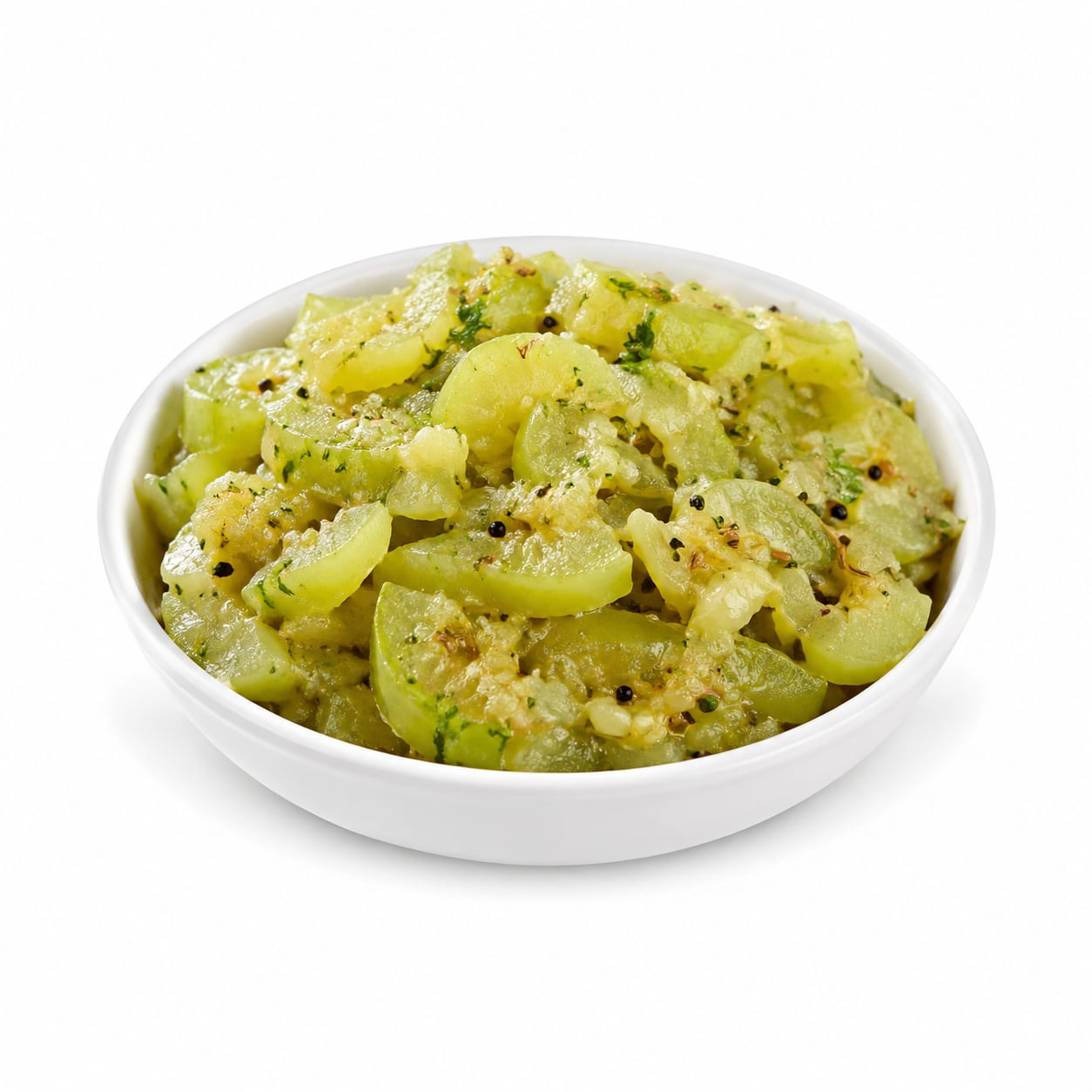
Bottle Gourd
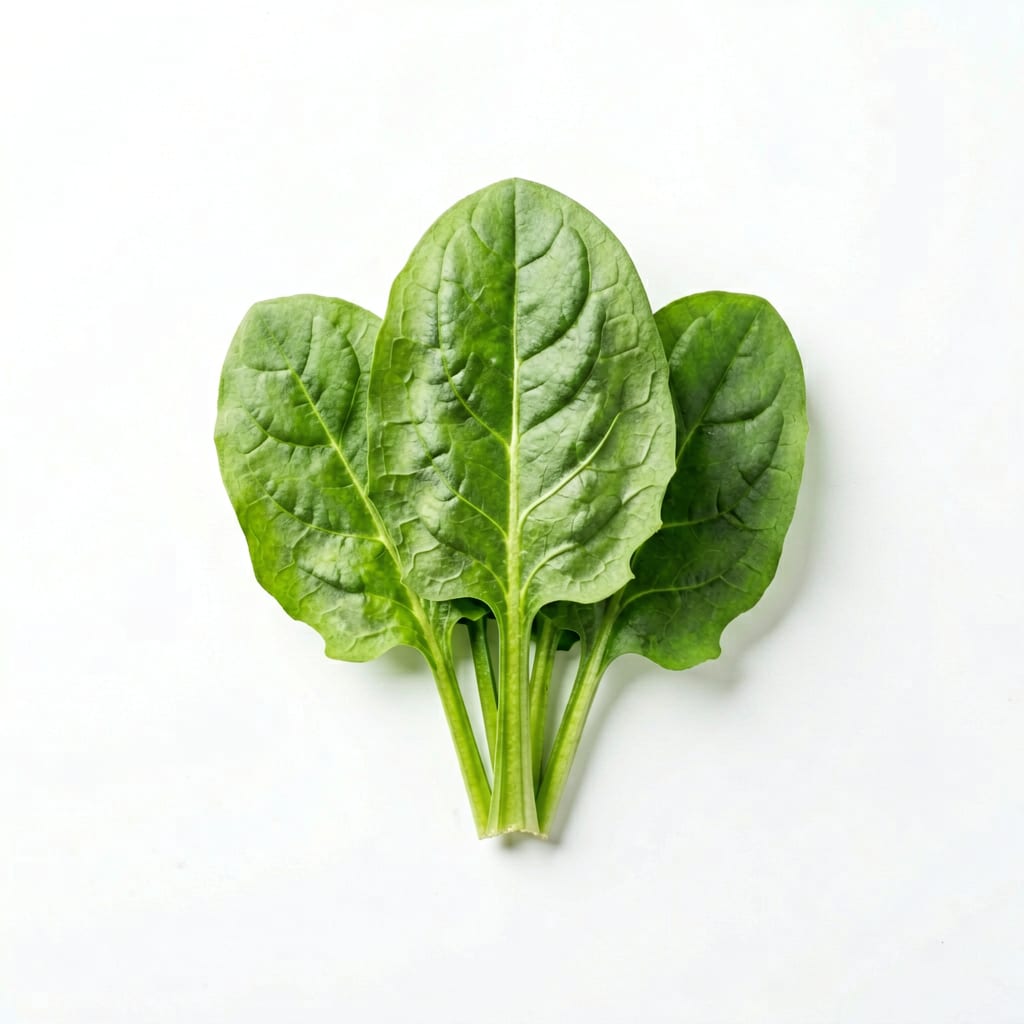
Spinach
Spinach wins for most people most of the time due to its far superior nutrient density, but Bottle Gourd has a real place for digestive recovery and extreme calorie restriction.
Spinach outscores Bottle Gourd by a significant margin because its micronutrient profile is dramatically stronger. Bottle Gourd stays relevant through digestive comfort and extreme low calories, but cannot compete on nutritional value alone.
Nutritional power versus digestive gentleness — Spinach feeds you deeply, Bottle Gourd rests your system.
At a glance
Executive summary
Overall
Spinach
Healthier
Spinach
More practical
Spinach
Daily use
Spinach
Key comparison lenses
nutrient density tradeoff
Spinach is dramatically more nutrient-dense, while Bottle Gourd offers extreme lightness and digestibility
digestive sensitivity
Bottle Gourd is famously gentle on the stomach, making it a go-to for recovery diets
weight loss strategy
Both are low-calorie, but they serve weight loss differently — volume vs nutrition
kidney stone and oxalate risk
Spinach is high in oxalates, which matters for susceptible individuals
toxicity safety awareness
Bitter Bottle Gourd can be dangerously toxic, a unique safety concern users must know about
Best choice for
Bottle Gourd
- People recovering from illness or stomach upset
- Those on very low-calorie diets needing volume
- Anyone prone to kidney stones who must avoid oxalates
- People seeking a cooling, hydrating food in hot climates
- Individuals with iron overload conditions
Spinach
- Most people seeking daily green vegetable nutrition
- Anyone needing more iron, folate, or vitamin K
- Bone health and blood health support
- Active individuals needing antioxidant recovery
- Pregnant women needing folate
Least suitable for
Bottle Gourd
- People needing nutrient-dense calories
- Anyone relying on a single green for vitamins and minerals
- Those unfamiliar with bitter gourd toxicity risks
Spinach
- People with a history of calcium oxalate kidney stones
- Those on blood thinners who must limit vitamin K
- Anyone with severe iron absorption disorders who might overconsume oxalates
Deep comparison
Dimension by dimension
Each lens scores both foods and breaks down who each option suits.
- Dimension 1 · Priority 95Spinach
Nutrient Density
Bottle Gourd · 25Spinach · 90Spinach is one of the most nutrient-dense greens available. Bottle Gourd is mostly water with trace nutrients.
Tradeoff
You get far more vitamins and minerals per bite from Spinach, but Bottle Gourd fills you up with almost zero caloric cost.
Why it matters
If your diet already lacks variety, relying on Bottle Gourd as your main green could leave you undernourished.
Real-world impact
A single cup of cooked Spinach covers most of your daily vitamin K and a big chunk of folate. You would need several cups of Bottle Gourd to get even a fraction of that.
Bottle Gourd
- Calorie restriction without feeling empty
Better for
- Anyone counting on their greens for real nutrition
Worse for
Spinach
- Iron deficiency
- Folate needs
- Vitamin K requirements
- Overall micronutrient coverage
Better for
- Those who need to limit vitamin K intake
Worse for
- Dimension 2 · Priority 88Bottle Gourd
Digestive Comfort
Bottle Gourd · 92Spinach · 55Bottle Gourd is one of the easiest vegetables to digest. Spinach can bother sensitive stomachs due to fiber and oxalates.
Tradeoff
Bottle Gourd soothes the gut. Spinach nourishes the body but can irritate it in some cases.
Why it matters
After illness, surgery, or digestive flare-ups, Bottle Gourd is often recommended in traditional healing diets for good reason.
Real-world impact
If your stomach is upset, a Bowl of Bottle Gourd soup feels comforting and safe. Spinach might feel heavy or cause bloating.
Bottle Gourd
- Post-illness recovery
- Irritable bowel syndrome
- Acid reflux sufferers
- Elderly with weak digestion
Better for
- No specific downside beyond low fiber for gut microbiome
Worse for
Spinach
- Healthy guts that benefit from fiber stimulation
Better for
- Active digestive inflammation
- Oxalate-sensitive individuals
Worse for
- Dimension 3 · Priority 82It depends
Weight Loss Effectiveness
Bottle Gourd · 78Spinach · 80Bottle Gourd has fewer calories per serving. Spinach has more nutrients that support metabolic health during weight loss.
Tradeoff
Bottle Gourd lets you eat more volume for fewer calories. Spinach keeps your body nourished so you crave less overall.
Why it matters
Crash diets using Bottle Gourd can leave you undernourished. Spinach supports sustainable fat loss by preventing nutrient deficiencies.
Real-world impact
A Bottle Gourd curry fills your plate with minimal calories. A Spinach salad keeps your energy steady and reduces cravings later.
Bottle Gourd
- Volume eaters who need large portions
- Very low-calorie diet phases
Better for
- Risk of undernourishment if used as primary vegetable
Worse for
Spinach
- Long-term sustainable weight management
- Preventing nutrient deficiencies during cuts
Better for
- Smaller portion sizes for the same visual volume
Worse for
- Dimension 4 · Priority 70Bottle Gourd
Hydration and Cooling
Bottle Gourd · 88Spinach · 60Bottle Gourd is over 92% water and has traditional cooling properties. Spinach hydrates adequately but is not a cooling food.
Tradeoff
Bottle Gourd excels in hot climates and summer diets. Spinach is neutral in this regard.
Why it matters
In Ayurvedic and many traditional frameworks, Bottle Gourd is specifically used to cool the body and reduce internal heat.
Real-world impact
On a scorching day, Bottle Gourd juice or soup feels refreshing and hydrating in a way Spinach does not.
Bottle Gourd
- Hot climate diets
- Summer hydration
- Traditional cooling protocols
Better for
- Not relevant in cold climates or seasons
Worse for
Spinach
- No specific hydration advantage
Better for
- Does not offer the same cooling tradition
Worse for
- Dimension 5 · Priority 78Bottle Gourd
Kidney Stone Risk
Bottle Gourd · 85Spinach · 30Bottle Gourd is essentially oxalate-free. Spinach is one of the highest-oxalate foods commonly eaten.
Tradeoff
For kidney stone formers, Spinach is a real risk. Bottle Gourd is a safe alternative green.
Why it matters
Calcium oxalate stones are the most common type, and Spinach is frequently flagged as a top contributor.
Real-world impact
If you have had kidney stones, your doctor likely told you to limit Spinach. Bottle Gourd gives you a green vegetable without that worry.
Bottle Gourd
- History of calcium oxalate kidney stones
- Low-oxalate diet requirements
Better for
- No meaningful downside here
Worse for
Spinach
- No advantage for kidney stone risk
Better for
- Kidney stone formers
- Those with oxalate sensitivity
Worse for
- Dimension 6 · Priority 85Spinach
Iron and Blood Health
Bottle Gourd · 15Spinach · 82Spinach provides meaningful iron and folate. Bottle Gourd provides almost none of either.
Tradeoff
If you need blood-building nutrients, Spinach is genuinely helpful. Bottle Gourd cannot fill that role.
Why it matters
Iron deficiency is the most common nutrient deficiency worldwide, and Spinach is a practical plant source.
Real-world impact
Adding Spinach to your meals a few times a week can meaningfully support iron intake. Bottle Gourd cannot make the same claim.
Bottle Gourd
- People with iron overload who want a green without iron
Better for
- Anyone relying on greens for iron
Worse for
Spinach
- Menstruating women
- Pregnant women
- Vegetarians needing plant iron
- Anemia prevention
Better for
- Those with hemochromatosis
Worse for
- Dimension 7 · Priority 72Spinach
Bone Health Support
Bottle Gourd · 20Spinach · 88Spinach is loaded with vitamin K and magnesium, both critical for bones. Bottle Gourd offers minimal bone support.
Tradeoff
Spinach actively strengthens bone health. Bottle Gourd simply does not interfere with it.
Why it matters
Vitamin K directs calcium into bones rather than arteries. Spinach is one of the richest sources.
Real-world impact
Regular Spinach consumption supports bone density over decades. Bottle Gourd is neutral at best for this goal.
Bottle Gourd
- No specific bone health advantage
Better for
- Those counting on dietary bone support
Worse for
Spinach
- Postmenopausal women
- Osteoporosis prevention
- Anyone needing vitamin K
Better for
- People on warfarin or blood thinners
Worse for
Timeline
Health impact over time
Short-term
Hours to days
Bottle Gourd
- Very light and easy on the stomach after meals
- Hydrating effect due to high water content
- Minimal blood sugar impact
- Unlikely to cause bloating or gas
Spinach
- Noticeable energy support from B vitamins and iron
- Can cause mild bloating in sensitive individuals
- Raw Spinach may feel rough on an empty stomach
- Contributes to feeling nourished and satisfied
Long-term
Months to years
Bottle Gourd
- May leave nutritional gaps if used as primary green
- Supports hydration habits in hot climates
- Safe for long-term kidney health due to low oxalates
- Insufficient for preventing anemia or bone density loss alone
Spinach
- Strongly supports bone density through vitamin K
- Helps maintain healthy iron stores over time
- Oxalate accumulation risk for susceptible individuals
- Antioxidant intake supports reduced inflammation
Risk profile
Safety & processing
Both are whole, natural vegetables typically consumed with minimal processing. Neither raises additive concerns when fresh.
Bottle Gourd
Bitter Bottle Gourd toxicity
highOccasionally Bottle Gourds develop extreme bitterness due to cucurbitacins. Consuming bitter Bottle Gourd has caused serious poisoning including vomiting, diarrhea, and even death. Always taste a small piece raw before cooking — if bitter, discard immediately.
Pesticide residue on skin
mediumThe thick skin can retain pesticides. Peeling and washing thoroughly reduces this risk significantly.
Spinach
High oxalate content
mediumSpinach is one of the highest-oxalate foods. For people prone to calcium oxalate kidney stones, regular consumption increases stone formation risk. Cooking reduces oxalates partially.
Pesticide residue
mediumSpinach frequently appears on the Environmental Working Group's Dirty Dozen list. Washing helps but does not remove all residues. Organic Spinach significantly reduces this concern.
Vitamin K interference with blood thinners
mediumConsistent Spinach intake can interfere with warfarin and other anticoagulants. Patients on blood thinners should maintain steady intake rather than suddenly increasing or decreasing consumption.
Who wins for whom
Audience fit
Same foods, different winners depending on your goal.
children
SpinachGrowing children need nutrient density. Spinach delivers iron, folate, and vitamin A for development. Bottle Gourd is too nutritionally weak as a primary green for kids.
daily consumption
SpinachSpinach provides daily nutritional value that compounds over time. Bottle Gourd is safe daily but does not earn its nutritional keep as consistently.
diabetes
SpinachBoth have minimal blood sugar impact, but Spinach provides magnesium and antioxidants that improve insulin sensitivity over time.
elderly
It dependsBottle Gourd for those with fragile digestion. Spinach for those needing bone and blood support. Choose based on the individual's primary concern.
muscle gain
SpinachSpinach provides iron for oxygen delivery to muscles and magnesium for muscle function. Bottle Gourd contributes almost nothing for muscle support.
weight loss
It dependsBottle Gourd for extreme low-calorie volume eating. Spinach for nourished, sustainable fat loss without deficiencies.
Your move
Decision guide
Choose Bottle Gourd
- You are recovering from illness and need gentle, easy digestion
- You have a history of kidney stones and must avoid oxalates
- You live in a hot climate and want a cooling, hydrating vegetable
- You are on a very low-calorie diet and need volume without calories
- You have iron overload and want a green vegetable without iron
Choose Spinach
- You want maximum nutrition from your green vegetables
- You need more iron, folate, or vitamin K in your diet
- You are pregnant or trying to conceive
- You want to support bone health long-term
- You are an active person needing antioxidant recovery
Either works if
- You simply want more vegetables in your diet and enjoy both
- You rotate greens for variety and gut microbiome diversity
- You have no specific health conditions that favor one over the other
Avoid both if
- You are on strict blood thinners and cannot manage vitamin K fluctuations — consult your doctor about Spinach
- You suspect a Bottle Gourd is bitter — discard it immediately without tasting further
Final recommendation
Make Spinach your daily green and use Bottle Gourd as a soothing alternative when your digestion needs a break. Spinach builds your nutritional foundation. Bottle Gourd gives your system rest. Both deserve a place in a thoughtful kitchen, but Spinach does the heavy lifting for most people most of the time.
Practical
Consumer tips
- 1
Always taste a tiny raw piece of Bottle Gourd before cooking. If it tastes bitter, throw the whole thing away — bitterness means toxic cucurbitacins.
- 2
Cook Spinach to reduce oxalate content by up to 30-40%. Boiling and draining the water works best.
- 3
Buy organic Spinach when possible — it consistently ranks high for pesticide residue.
- 4
Pair Spinach with vitamin C sources like lemon juice to significantly boost iron absorption.
- 5
Do not juice raw Bottle Gourd in large quantities without checking bitterness first — juice concentrates any toxins present.
- 6
Rotate between both vegetables weekly to get digestive rest from Bottle Gourd and nutritional power from Spinach.
- 7
If you have kidney stones, replace Spinach with Bottle Gourd in curries and soups — the texture and cooking style adapt well.