
Nutrition comparison
Bottle Gourd vs Eggplant: Nutrition, Digestion & Best Uses
Compare bottle gourd and eggplant to find which is better for weight loss, digestion, and cooking. Learn the nutritional tradeoffs and safety tips.
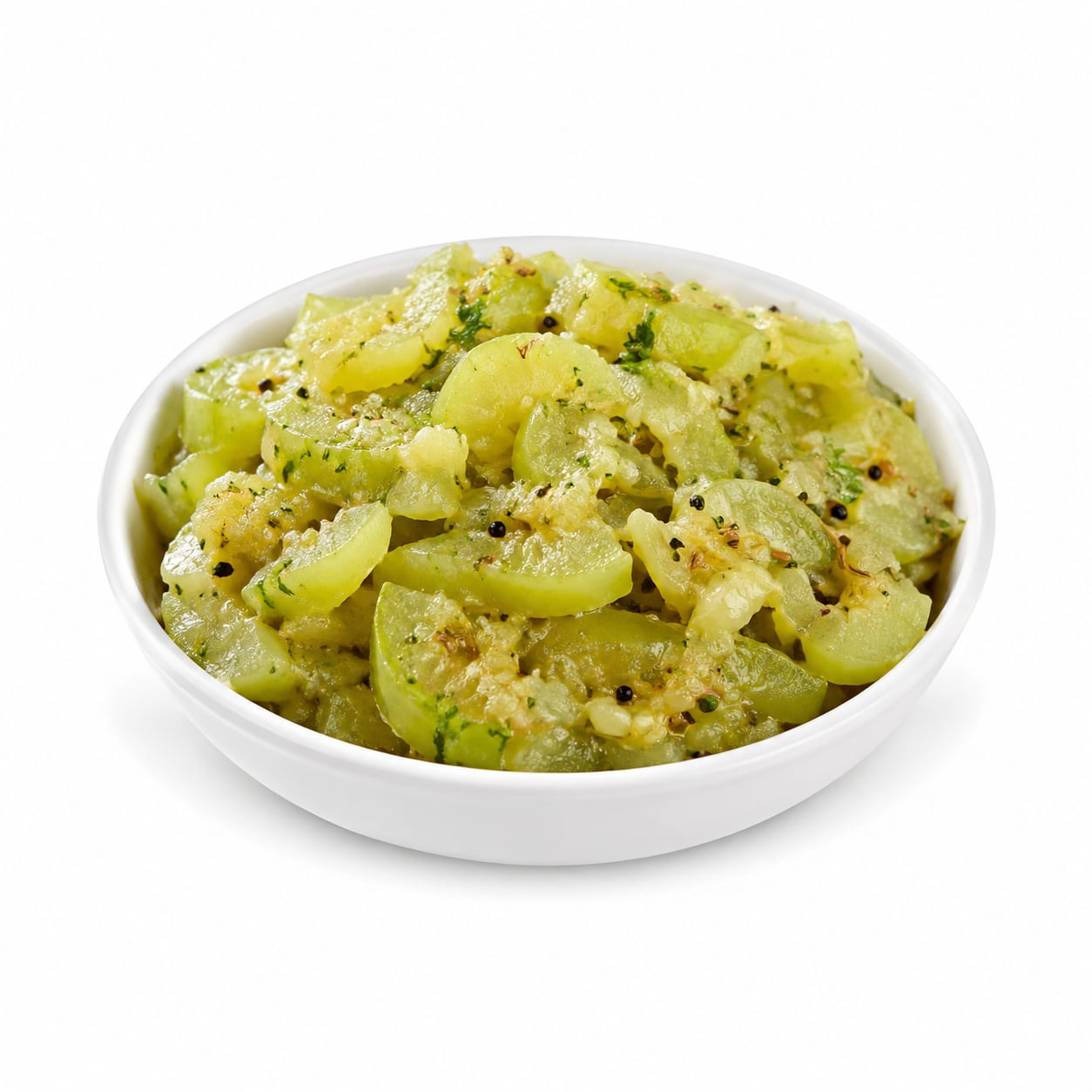
Bottle Gourd
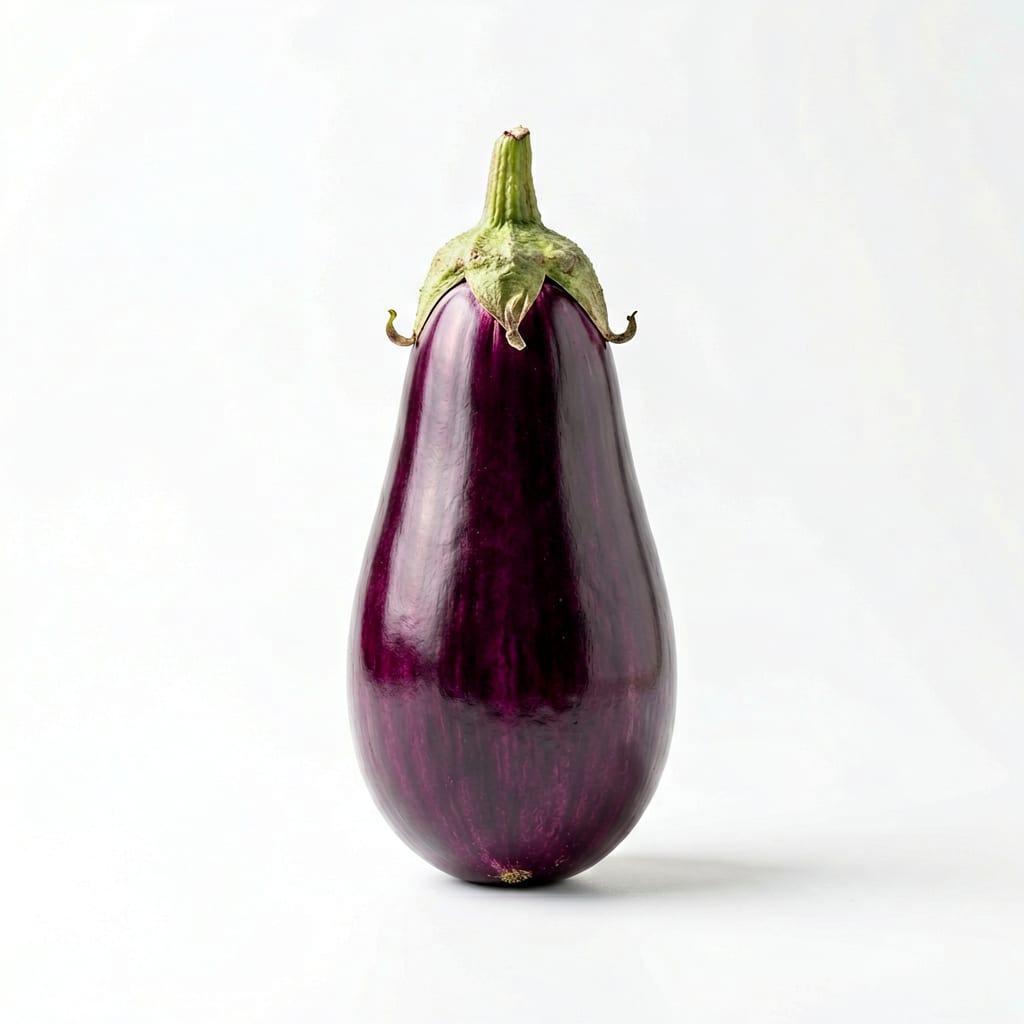
Eggplant
Bottle gourd is the ultimate low-calorie gut-soother, while eggplant brings more substance, flavor, and antioxidants to the plate.
Eggplant edges ahead slightly due to its antioxidant density and culinary flexibility, but bottle gourd remains a top-tier choice for specific digestive and weight loss goals.
Maximum hydration and minimal calories versus richer texture and deeper cellular protection.
At a glance
Executive summary
Overall
It depends
Healthier
It depends
More practical
Eggplant
Daily use
Bottle Gourd
Key comparison lenses
Weight management and caloric density
Both are low-calorie vegetables, but bottle gourd is exceptionally low, making it a staple for strict calorie counters.
Digestive comfort and gut health
Bottle gourd is renowned for being extremely easy to digest, while eggplant can be heavier or cause bloating for some.
Culinary versatility and satiety
Eggplant provides a meaty texture that satisfies like a main dish, whereas bottle gourd is often used as a light base.
Toxin and sensitivity risks
Bitter bottle gourd can be toxic, and eggplant is a nightshade that triggers inflammation in sensitive individuals.
Best choice for
Bottle Gourd
- Strict calorie counters
- People with sensitive digestion or acid reflux
- Those seeking cooling, hydrating foods in hot weather
Eggplant
- Antioxidant seekers looking for brain and heart support
- Low-carb dieters wanting a satisfying meaty texture
- Fans of Mediterranean or roasted vegetable dishes
Least suitable for
Bottle Gourd
- Those wanting a robust, hearty meal component
- People who dislike bland or mushy textures
Eggplant
- People with severe nightshade sensitivities or joint pain
- Those prone to cooking with heavy amounts of oil
Deep comparison
Dimension by dimension
Each lens scores both foods and breaks down who each option suits.
- Dimension 1 · Priority 92Bottle Gourd
Caloric Density and Hydration
Bottle Gourd · 98Eggplant · 80Bottle gourd is almost entirely water, making it incredibly light and hydrating, while eggplant offers slightly more caloric substance.
Tradeoff
You get near-zero calories with bottle gourd, but it will not fill you up the way eggplant can.
Why it matters
If you are aggressively cutting calories or eating after a heavy day, bottle gourd is a guilt-free reset.
Real-world impact
A large bowl of bottle gourd curry feels like a hearty meal but costs you barely 50 calories, whereas eggplant provides more sustained energy.
Bottle Gourd
- Late-night eating
- Aggressive calorie deficits
- Hot summer hydration
Better for
- Times when you need sustained fullness
Worse for
Eggplant
- Post-workout recovery meals
- Situations needing lasting energy
Better for
- Days you want to eat large volumes on minimal calories
Worse for
- Dimension 2 · Priority 85Eggplant
Antioxidant Power
Bottle Gourd · 45Eggplant · 90Eggplant, especially its skin, is packed with nasunin and anthocyanins, while bottle gourd is mostly water with basic vitamins.
Tradeoff
Eggplant actively protects your cells from damage, whereas bottle gourd primarily provides hydration and gentle fiber.
Why it matters
Antioxidants defend against aging and disease, making eggplant a functional food for long-term health.
Real-world impact
Regularly eating eggplant supports brain health and reduces oxidative stress, benefits that bottle gourd simply does not offer.
Bottle Gourd
- Basic vitamin C intake
Better for
- Fighting oxidative stress
Worse for
Eggplant
- Cognitive protection
- Heart health maintenance
- Anti-aging routines
Better for
- Situations requiring extremely low fiber
Worse for
- Dimension 3 · Priority 88Bottle Gourd
Digestive Tolerance
Bottle Gourd · 95Eggplant · 65Bottle gourd is famously gentle on the gut and cooling, while eggplant can cause bloating or discomfort for sensitive stomachs.
Tradeoff
Bottle gourd is a comfort food for an upset stomach, but eggplant's complex fibers might challenge a delicate gut.
Why it matters
If you have IBS or a sensitive digestive tract, bottle gourd is soothing, whereas eggplant might trigger symptoms.
Real-world impact
After a stomach bug, bottle gourd soup is a safe first meal; eggplant would likely be too heavy and irritating.
Bottle Gourd
- Recovering from stomach illness
- Managing acid reflux
- Soothing an irritated gut
Better for
- Situations where you want to challenge or bulk up stool
Worse for
Eggplant
- Feeding a robust, healthy digestive system
Better for
- IBS flare-ups
- Acid reflux episodes
Worse for
- Dimension 4 · Priority 82Eggplant
Culinary Versatility and Satiety
Bottle Gourd · 55Eggplant · 90Eggplant absorbs flavors beautifully and has a meaty bite, while bottle gourd turns soft and mild, often needing other ingredients for substance.
Tradeoff
Eggplant makes a satisfying main course, but it can absorb excessive oil; bottle gourd is low-fat but rarely stands alone as a centerpiece.
Why it matters
Enjoying your food is crucial for a sustainable diet, and eggplant simply offers more textural satisfaction.
Real-world impact
Grilled eggplant can replace meat in a sandwich, leaving you full and happy; bottle gourd is better hidden in soups or stews for bulk.
Bottle Gourd
- Bulking up soups cheaply
- Making low-calorie smoothies
Better for
- Standing alone as a satisfying dish
Worse for
Eggplant
- Hearty vegetarian mains
- BBQ and grilling occasions
Better for
- Oil-free or extremely low-fat cooking
Worse for
Timeline
Health impact over time
Short-term
Hours to days
Bottle Gourd
- Immediate hydration and feeling of lightness
- Quick relief from constipation due to water and fiber
Eggplant
- Noticeable fullness from dense fiber
- Potential for mild gas or bloating if undercooked
Long-term
Months to years
Bottle Gourd
- Easier weight maintenance due to ultra-low calorie intake
- Consistent digestive regularity
Eggplant
- Cellular protection from anthocyanins
- Improved cholesterol management from soluble fiber
Risk profile
Safety & processing
Both are whole, natural vegetables with minimal processing concerns when bought fresh or frozen.
Bottle Gourd
Cucurbitacin toxicity
highIf bottle gourd tastes unusually bitter, it contains toxic cucurbitacins that can cause severe vomiting and diarrhea; it must be discarded immediately.
Eggplant
Nightshade sensitivity
mediumContains solanine, which can trigger joint pain or inflammation in people with nightshade sensitivities.
Oil sponging
mediumEggplant acts like a sponge, turning a healthy vegetable into a high-calorie, gut-heavy dish if pan-fried in lots of oil.
Who wins for whom
Audience fit
Same foods, different winners depending on your goal.
children
Bottle GourdBottle gourd is mild, easy to digest, and easily hidden in familiar foods like ketchup or soups for picky eaters.
daily consumption
Bottle GourdBottle gourd is less likely to trigger food sensitivities or inflammation compared to nightshade vegetables like eggplant.
diabetes
Bottle GourdBottle gourd has an exceptionally low glycemic index and minimal carbohydrate content, ensuring steady blood sugar.
elderly
Bottle GourdThe soft texture and gentle nature of bottle gourd are ideal for aging digestive systems and maintaining hydration.
muscle gain
It dependsNeither is a significant protein source, but eggplant offers slightly more caloric support for a bulking diet.
weight loss
Bottle GourdBottle gourd provides massive food volume for almost zero calories, making it easier to sustain a deficit.
Your move
Decision guide
Choose Bottle Gourd
- You want the lowest possible calorie intake without feeling deprived of volume
- Your stomach is upset or you need a gentle, cooling meal
- You are managing diabetes or insulin resistance
Choose Eggplant
- You want a satisfying, meaty texture in a plant-based meal
- You are focusing on antioxidant intake for brain and heart health
- You are meal-prepping grilled or roasted vegetable dishes
Either works if
- You need a low-carb vegetable side dish
- You want to increase your daily fiber intake
Avoid both if
- You are looking for a high-protein food to support muscle repair
Final recommendation
Keep both in your rotation. Use bottle gourd when your digestion needs a break or you are aggressively cutting calories. Turn to eggplant when you want a hearty, flavorful meal that actively protects your cells.
Practical
Consumer tips
- 1
Always taste a tiny raw piece of bottle gourd before cooking; if it is bitter, throw the whole vegetable away to avoid toxicity.
- 2
Salt eggplant slices and let them sit for 20 minutes, then pat dry before cooking to prevent them from absorbing too much oil.
- 3
Keep the skin on eggplant to get the maximum dose of nasunin antioxidants.
- 4
Peel bottle gourd if the skin is tough, but cook it simply to preserve its delicate water-soluble vitamins.