
Nutrition comparison
Bottle Gourd vs Carrots: Nutrition, Weight Loss, and Safety Comparison
Compare Bottle Gourd and Carrots side by side — calories, vitamins, blood sugar impact, safety risks, and which is better for weight loss, diabetes, and daily use.
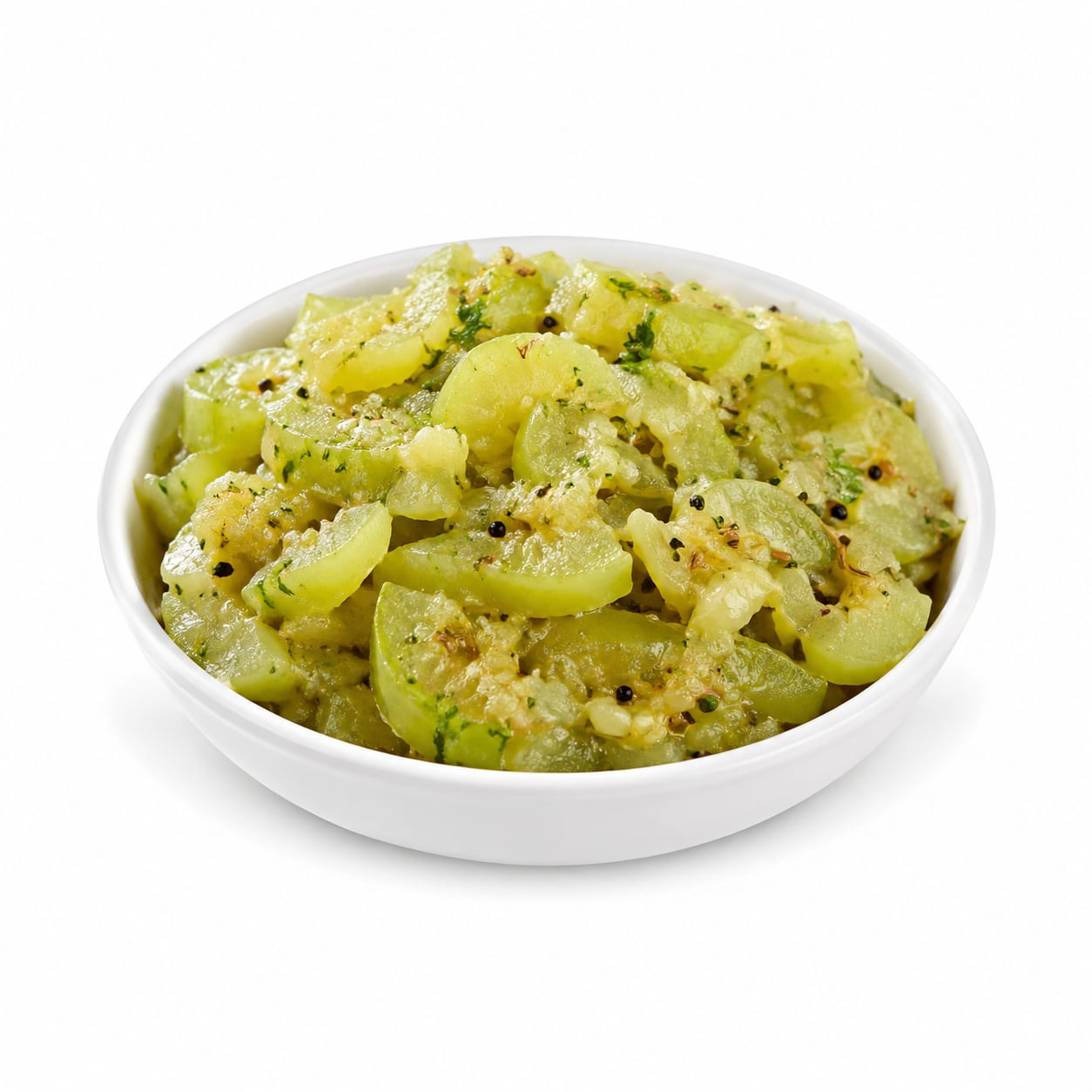
Bottle Gourd
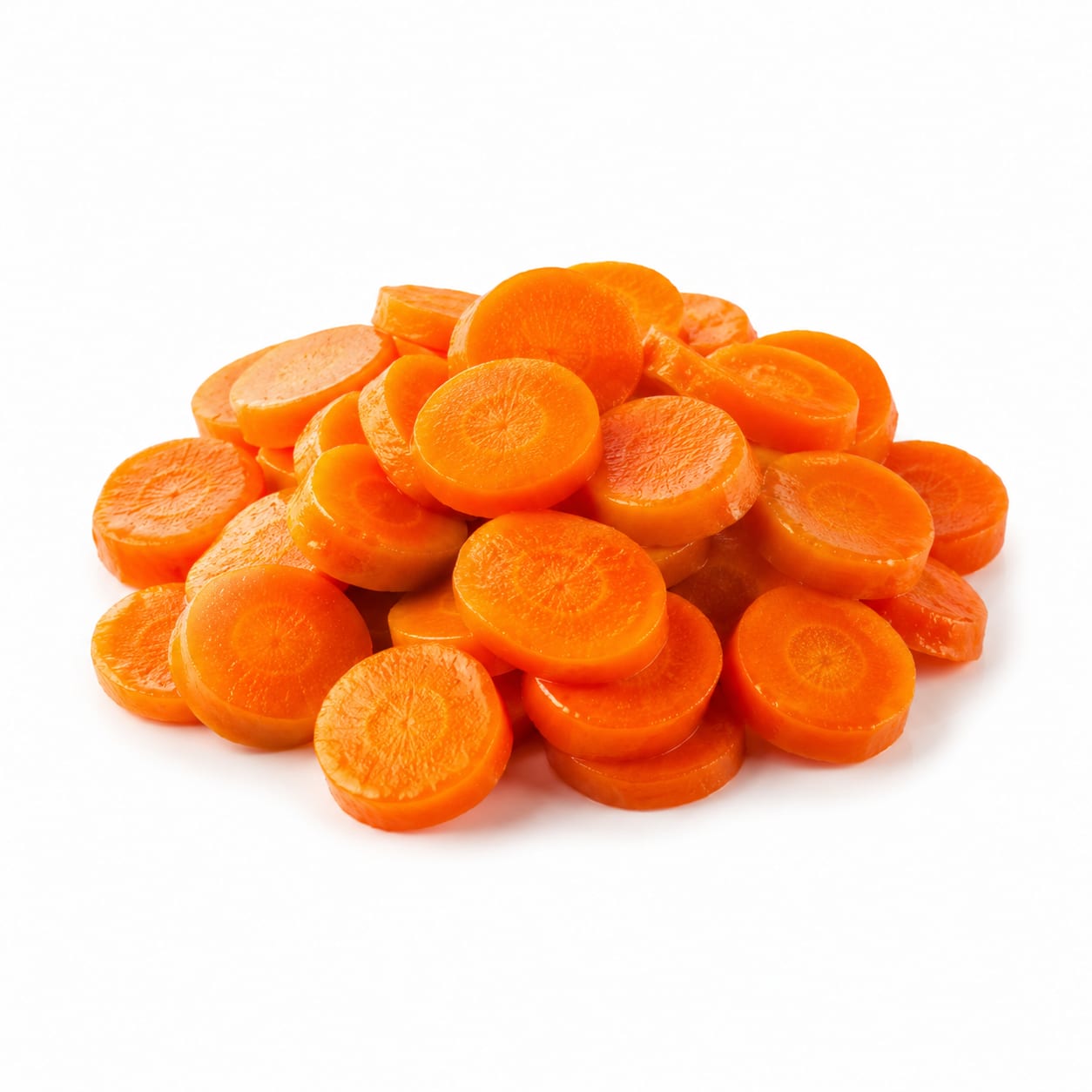
Carrots
Carrots win on nutrition and convenience; Bottle Gourd wins on ultra-low calories and digestive gentleness. Your pick depends on what your body needs most right now.
Carrots score significantly higher due to superior nutrient density, vitamin A content, safety profile, and everyday practicality. Bottle Gourd remains valuable for specific use cases like ultra-low-calorie diets and digestive soothing, but offers less nutritional return per bite.
Carrots give you far more vitamins and flavor versatility, but Bottle Gourd fills your stomach with almost zero calories and is easier on sensitive digestion.
At a glance
Executive summary
Overall
It depends
Healthier
Carrots
More practical
Carrots
Daily use
Carrots
Key comparison lenses
nutrient density comparison
Carrots deliver dramatically more vitamins and antioxidants per calorie, making this the most consequential difference
weight loss and calorie efficiency
Bottle Gourd is one of the lowest-calorie vegetables available, a key decision factor for calorie-conscious users
blood sugar and diabetes management
Both are blood-sugar-friendly but through different mechanisms — low sugar vs controlled glycemic load
safety and toxicity awareness
Bitter Bottle Gourd can cause serious toxicity, a unique safety concern most users are unaware of
digestive comfort and gut health
Bottle Gourd is traditionally used for digestive soothing while carrots offer more fiber for gut regularity
everyday practicality and versatility
Carrots are available year-round, easy to eat raw, and more versatile in cooking
Best choice for
Bottle Gourd
- People counting every calorie strictly
- Those with acid reflux or sensitive stomachs
- Anyone seeking a cooling, hydrating vegetable in hot weather
- Diabetics wanting the absolute lowest sugar option
- People following Ayurvedic or traditional Indian dietary practices
Carrots
- Anyone needing more vitamin A and eye-supporting nutrients
- Families wanting a kid-friendly, crunchy snack vegetable
- People meal-prepping who need long-lasting produce
- Those seeking antioxidant-rich foods for skin and immune health
- Anyone wanting a versatile vegetable that works raw or cooked
Least suitable for
Bottle Gourd
- Children who are picky about bland flavors
- People wanting nutrient-dense calories for athletic performance
- Anyone unfamiliar with detecting bitter toxicity risk
- Those seeking quick raw snack options
Carrots
- People on strict very-low-carb diets tracking every gram
- Those with carotene sensitivity or orange skin concerns from excess consumption
- Anyone specifically seeking an ultra-hydrating, low-mineral vegetable for kidney rest
Deep comparison
Dimension by dimension
Each lens scores both foods and breaks down who each option suits.
- Dimension 1 · Priority 92Carrots
nutrient_density
Bottle Gourd · 30Carrots · 82Carrots deliver substantially more vitamins, minerals, and antioxidants per serving than Bottle Gourd, which is mostly water.
Tradeoff
Bottle Gourd's extreme low calorie count comes at the cost of minimal micronutrient content — you get fullness but not much nourishment.
Why it matters
If your meals are limited, every calorie needs to work harder. Carrots make each bite count more toward your daily vitamin needs.
Real-world impact
Eating a cup of carrots covers over 400% of your daily vitamin A needs. A cup of Bottle Gourd covers almost none of anything.
Bottle Gourd
- Calorie restriction without feeling stuffed
- Hydration-focused eating
Better for
- Risk of nutrient deficiencies if relied on heavily
- Low contribution to daily vitamin targets
Worse for
Carrots
- Meeting daily vitamin requirements efficiently
- Supporting eye and skin health through diet
Better for
- Slightly more calories if you are strictly cutting
Worse for
- Dimension 2 · Priority 85Bottle Gourd
weight_loss_effectiveness
Bottle Gourd · 88Carrots · 72Bottle Gourd is one of the lowest-calorie vegetables on the planet, making it a powerful volume-eating tool for weight loss.
Tradeoff
You feel fuller on fewer calories with Bottle Gourd, but you miss out on the metabolic and nutritional benefits that carrots provide during a calorie deficit.
Why it matters
When cutting calories, hunger management is the hardest part. Bottle Gourd lets you eat a large volume for almost no caloric cost.
Real-world impact
A large bowl of Bottle Gourd curry costs you roughly 25 calories. The same volume of carrots would be around 80-100 calories — still low, but triple the cost.
Bottle Gourd
- Volume eaters who need large portions to feel satisfied
- Very low calorie diet protocols
- Late-night eating when calories are nearly exhausted
Better for
- May leave you undernourished if over-relied upon
- Blandness may lead to abandoning the diet
Worse for
Carrots
- Balanced weight loss where nutrient adequacy matters
- Sustainable diets where food satisfaction prevents bingeing
Better for
- Natural sweetness can trigger more eating in sugar-sensitive individuals
Worse for
- Dimension 3 · Priority 78Bottle Gourd
blood_sugar_control
Bottle Gourd · 85Carrots · 75Both are excellent for blood sugar, but Bottle Gourd has virtually no sugar and an extremely low glycemic load.
Tradeoff
Carrots have more natural sugars but still have a low glycemic load. The difference is small in practice but meaningful for very strict diabetic management.
Why it matters
For diabetics, every gram of carbohydrate matters. Bottle Gourd's near-zero sugar content removes any glycemic concern entirely.
Real-world impact
Bottle Gourd will not move your blood sugar needle at all. Carrots might cause a tiny blip, but generally nothing concerning for most diabetics.
Bottle Gourd
- Type 1 diabetics calculating insulin doses precisely
- Anyone experiencing reactive hypoglycemia
- Fasting-mimicking protocols
Better for
- Lacks the fiber diversity that supports long-term gut microbiome health
- Minimal prebiotic effect
Worse for
Carrots
- Pre-diabetics who need satisfying alternatives to sweet snacks
- Active individuals who benefit from modest carbohydrate availability
Better for
- Juiced carrots can spike blood sugar rapidly — form matters
Worse for
- Dimension 4 · Priority 70Bottle Gourd
digestive_comfort
Bottle Gourd · 82Carrots · 68Bottle Gourd is extremely gentle on the digestive system and is traditionally used to soothe stomach inflammation and acidity.
Tradeoff
Carrots provide more fiber for regularity but can be harder to digest raw for some people, especially those with IBS or sensitive guts.
Why it matters
If you have acid reflux, gastritis, or a sensitive stomach, the wrong vegetable can trigger discomfort. Bottle Gourd is one of the safest choices available.
Real-world impact
A Bowl of cooked Bottle Gourd feels like a warm hug for an irritated stomach. Raw carrots can cause bloating in sensitive individuals.
Bottle Gourd
- Acid reflux and GERD sufferers
- People recovering from stomach illness
- Those with inflamed gut lining
Better for
- Low fiber may not resolve chronic constipation
- Overconsumption of the juice can cause diarrhea
Worse for
Carrots
- Constipation-prone individuals needing more roughage
- People building fiber intake gradually
Better for
- Raw carrots can aggravate IBS symptoms
- High fiber can cause gas if introduced too quickly
Worse for
- Dimension 5 · Priority 80Carrots
antioxidant_and_immune_support
Bottle Gourd · 25Carrots · 88Carrots are loaded with beta-carotene and other carotenoids that support immunity, skin health, and vision. Bottle Gourd offers minimal antioxidant value.
Tradeoff
If immune support and long-term disease prevention are priorities, carrots contribute meaningfully while Bottle Gourd contributes almost nothing in this area.
Why it matters
Chronic disease prevention depends heavily on daily antioxidant intake. Carrots are one of the most accessible sources of protective carotenoids.
Real-world impact
Regular carrot consumption is linked to lower rates of age-related eye decline, certain cancers, and skin damage from UV exposure. Bottle Gourd has no comparable evidence.
Bottle Gourd
- Those already consuming antioxidant-rich diets who do not need more
Better for
- Relies entirely on other foods for antioxidant intake
- No meaningful contribution to vitamin A stores
Worse for
Carrots
- Anyone wanting food-based immune support
- People concerned about long-term eye health
- Those seeking skin-protective nutrients
Better for
- Excessive consumption can cause carotenemia (harmless orange skin discoloration)
Worse for
- Dimension 6 · Priority 75Carrots
safety_and_toxicity_risk
Bottle Gourd · 55Carrots · 90Bitter Bottle Gourd contains toxic cucurbitacins that can cause severe illness, while carrots have essentially no toxicity risk in normal consumption.
Tradeoff
Bottle Gourd requires a simple but critical safety check — if it tastes bitter, spit it out. Carrots need no such precaution.
Why it matters
Most people are unaware that some Bottle Gourds can be dangerously toxic. This is a rare but serious safety concern that demands awareness.
Real-world impact
Bitter Bottle Gourd poisoning has caused hospitalizations with symptoms including vomiting, diarrhea, and in rare cases, shock. Carrots have no equivalent risk.
Bottle Gourd
- Safe when properly selected and tasted before cooking
- Long traditional use with established preparation methods
Better for
- Bitter varieties can cause acute toxic reactions
- Risk is invisible until you taste it
Worse for
Carrots
- No toxicity risk regardless of variety or taste
- Safe for children to prepare and eat without supervision
Better for
- Pesticide concerns with conventionally grown carrots — choose organic when possible
Worse for
- Dimension 7 · Priority 65Carrots
everyday_practicality
Bottle Gourd · 45Carrots · 85Carrots are available everywhere, store for weeks, need no cooking, and work in sweet or savory dishes. Bottle Gourd is harder to find, spoils faster, and always requires cooking.
Tradeoff
Convenience matters for consistency. The vegetable you actually eat daily beats the one that sits in your fridge because preparation feels like effort.
Why it matters
The healthiest food only works if you actually eat it. Carrots lower the barrier to daily vegetable consumption significantly.
Real-world impact
You can grab a carrot on your way out the door. Bottle Gourd requires peeling, chopping, cooking, and seasoning before it becomes palatable.
Bottle Gourd
- Those who cook daily and enjoy traditional recipes
- People who value warm, cooked vegetables over raw snacks
Better for
- Short shelf life once cut
- Limited availability in many grocery stores outside South Asian markets
- Always requires cooking
Worse for
Carrots
- Busy people needing grab-and-go vegetable options
- Meal preppers who want vegetables that last all week
- Parents packing school lunches
Better for
- Can become limp and unappealing if stored improperly
Worse for
Timeline
Health impact over time
Short-term
Hours to days
Bottle Gourd
- Immediate fullness with minimal caloric cost
- Rapid hydration due to extremely high water content
- Soothing effect on acid reflux or stomach irritation within hours
- Potential nausea or vomiting if a bitter specimen is consumed
Carrots
- Quick energy lift from natural sugars and carbohydrates
- Noticeable satisfaction from crunch and sweetness
- Mild blood sugar increase in sensitive individuals if consumed in large quantities raw
- Immediate contribution to daily vitamin A intake
Long-term
Months to years
Bottle Gourd
- Consistent low-calorie intake supporting weight maintenance
- Possible nutrient shortfalls if used as a primary vegetable without variety
- Traditional use suggests benefits for liver and kidney health, though evidence is limited
- Improved digestive tolerance for those with chronic stomach sensitivity
Carrots
- Stronger immune function from consistent beta-carotene intake
- Better night vision and long-term eye health protection
- Healthier skin appearance from carotenoid accumulation
- Reduced oxidative stress and inflammation markers over time
Risk profile
Safety & processing
Both vegetables are whole, unprocessed foods in their natural state. Neither carries meaningful additive concerns. The only processing consideration is that baby carrots are machine-cut and may be rinsed in chlorine solution, so whole carrots are the cleaner choice.
Bottle Gourd
Cucurbitacin toxicity from bitter varieties
highSome Bottle Gourds develop bitter-tasting cucurbitacins that can cause severe gastrointestinal distress, vomiting, and in rare cases hypovolemic shock. Always taste a small raw piece before cooking — if bitter, discard immediately.
Rapid spoilage after cutting
mediumBottle Gourd spoils quickly once cut due to high water content. Consume within a day of preparation and refrigerate promptly.
Carrots
Pesticide residue on conventionally grown carrots
mediumCarrots are root vegetables that absorb soil chemicals. Peeling reduces residue significantly, and organic carrots eliminate this concern entirely.
Choking hazard for young children
lowWhole raw carrots can be a choking risk for toddlers. Cut into thin sticks or cook until tender for young children.
Who wins for whom
Audience fit
Same foods, different winners depending on your goal.
children
CarrotsCarrots are naturally sweet, crunchy, fun to eat, and carry no toxicity risk — making them far more child-friendly and safe.
daily consumption
CarrotsCarrots offer more nutritional return per serving, are easier to incorporate into any meal, and carry no safety risks with daily use.
diabetes
Bottle GourdBottle Gourd has virtually no sugar and zero glycemic impact, making it the safest choice for tight blood sugar control.
elderly
Bottle GourdBottle Gourd's soft texture when cooked and gentle digestibility make it ideal for aging digestive systems that struggle with roughage.
muscle gain
CarrotsNeither is a muscle-building food, but carrots provide more usable carbohydrates to support training energy and recovery.
weight loss
Bottle GourdBottle Gourd's near-zero calorie density makes it the ultimate volume-eating vegetable for strict calorie deficits.
Your move
Decision guide
Choose Bottle Gourd
- You are strictly counting calories and need maximum food volume
- You struggle with acid reflux, gastritis, or sensitive digestion
- You are managing diabetes and want zero glycemic impact vegetables
- You enjoy traditional South Asian cooking and have reliable preparation habits
- You live in a hot climate and want a cooling, hydrating food
Choose Carrots
- You want the most nutrient-dense vegetable for your daily intake
- You need convenient raw snack options for busy schedules
- You are focused on eye health, skin health, or immune support
- You are feeding children who need appealing, safe vegetable options
- You want a vegetable that works in everything from salads to stews to smoothies
Either works if
- You simply need more vegetables in your diet and both are available
- You are building a diverse vegetable rotation for gut microbiome health
- You want low-calorie options to fill your plate at dinner
Avoid both if
- You have a specific allergy to either vegetable — though both are rare allergens
- You are seeking high-protein vegetables — neither provides meaningful protein
Final recommendation
Keep both in your rotation. Use Carrots as your daily nutrient workhorse — they are the smarter default for most people most of the time. Add Bottle Gourd when you need digestive comfort, ultra-low calories, or a cooling change of pace. Just always taste a small piece before cooking Bottle Gourd to guard against bitterness. If you must pick only one, Carrots give you more health benefits per bite with less effort and zero safety concerns.
Practical
Consumer tips
- 1
Always taste a tiny raw piece of Bottle Gourd before cooking — if it is bitter, throw it away immediately
- 2
Choose whole carrots over baby carrots to avoid chlorine rinse and get more fiber from the skin
- 3
Store Bottle Gourd in the refrigerator and use within 2-3 days of purchase for best quality
- 4
Carrots store for weeks in a sealed bag in the crisper drawer — ideal for weekly meal prep
- 5
Cook Bottle Gourd with warming spices like cumin and ginger to enhance its bland flavor profile
- 6
Lightly steaming carrots actually increases beta-carotene bioavailability compared to eating them raw
- 7
If you have thyroid issues, cook both vegetables rather than eating raw to reduce goitrogenic compounds
- 8
Pair carrots with a fat source like olive oil or hummus to absorb fat-soluble beta-carotene effectively