
Nutrition comparison
Bottle Gourd vs Bitter Melon: Which Is Better for Blood Sugar, Digestion, and Daily Use?
Compare Bottle Gourd and Bitter Melon nutrition, health benefits, and safety. Find out which vegetable is better for diabetes, weight loss, digestion, and everyday cooking.
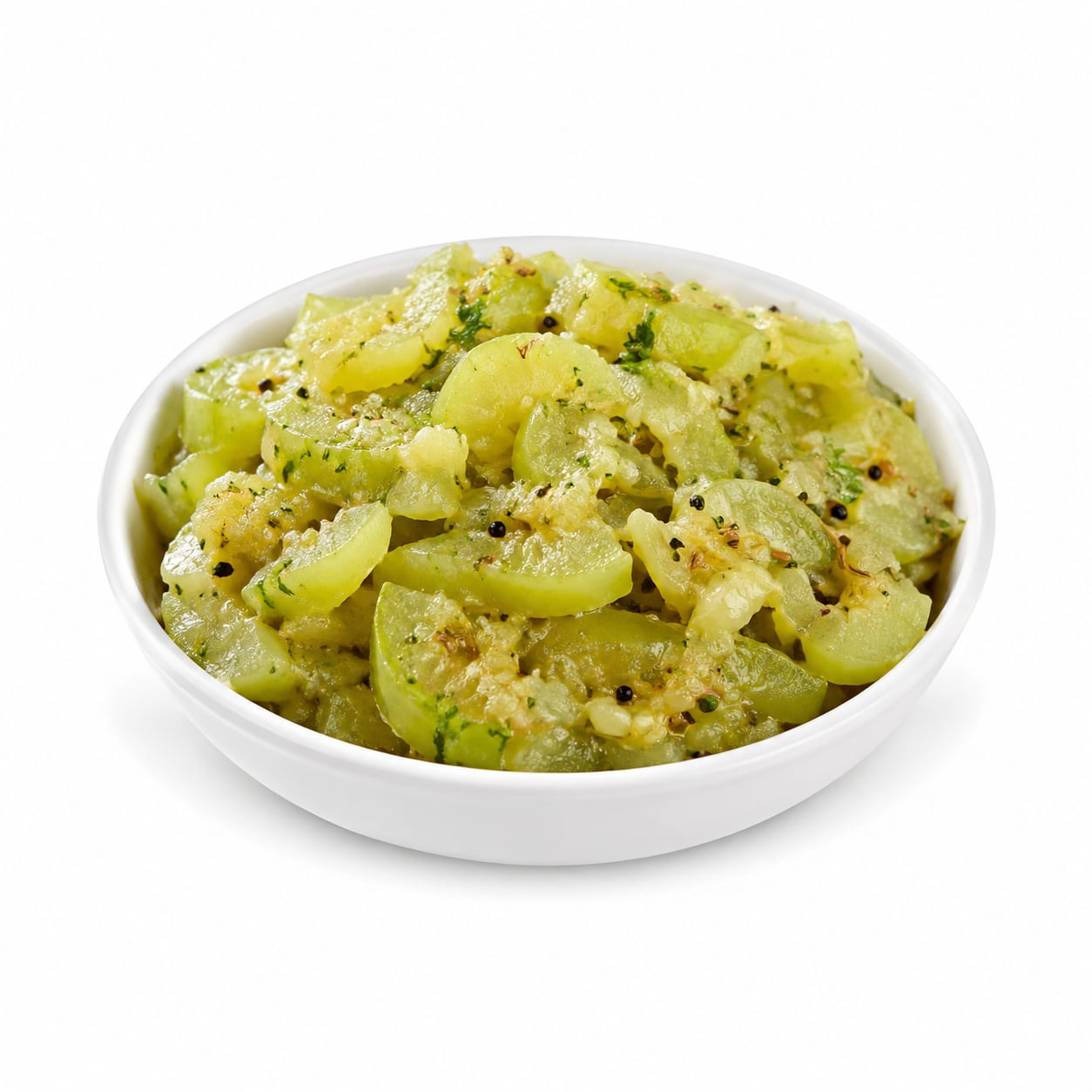
Bottle Gourd

Bitter Melon
Bitter Melon is the medicinal powerhouse for blood sugar, but Bottle Gourd is the gentle daily staple most people can actually stick with.
Bottle Gourd scores slightly higher due to superior daily sustainability and safety margin, but Bitter Melon's targeted medicinal value keeps it competitive for specific health goals.
Pharmacological potency versus everyday eatability — Bitter Melon works harder, Bottle Gourd fits easier into real life.
At a glance
Executive summary
Overall
It depends
Healthier
It depends
More practical
Bottle Gourd
Daily use
Bottle Gourd
Key comparison lenses
blood sugar management
Bitter Melon is renowned for glucose-lowering compounds, making this the dominant comparison axis
digestive comfort and tolerance
Bottle Gourd is extremely gentle on the stomach while Bitter Melon can irritate sensitive digestion
daily eating sustainability
Extreme bitterness limits how often most people can eat Bitter Melon versus the mild versatility of Bottle Gourd
safety and toxicity concerns
Both carry unique risks: cucurbitacin toxicity in bitter Bottle Gourd and hypoglycemia risk from Bitter Melon
weight management support
Both are ultra-low calorie but differ in metabolic activity and satiety characteristics
Best choice for
Bottle Gourd
- People with sensitive digestion who need a soothing vegetable
- Families wanting a mild vegetable kids will actually eat
- Anyone seeking a versatile cooking base for daily meals
- Post-illness recovery when the stomach needs gentleness
- People prone to low blood sugar or on diabetes medication
Bitter Melon
- Pre-diabetics or Type 2 diabetics not on glucose-lowering drugs
- People targeting active blood sugar reduction through diet
- Those who value bitter flavors in traditional cuisine
- Anyone seeking concentrated antioxidant and anti-inflammatory compounds
- Metabolic syndrome patients looking for functional food support
Least suitable for
Bottle Gourd
- People needing strong pharmacological blood sugar support
- Anyone bored by very mild flavors who wants bold taste
- Those specifically seeking high vitamin A or folate density
Bitter Melon
- Children and picky eaters who reject bitter flavors
- People on diabetes medication without doctor supervision
- Anyone with gastric ulcers or severe acid reflux
- Pregnant women due to emmenagogue properties
- People who struggle to maintain consistent vegetable intake
Deep comparison
Dimension by dimension
Each lens scores both foods and breaks down who each option suits.
- Dimension 1 · Priority 95Bitter Melon
Blood Sugar Management
Bottle Gourd · 40Bitter Melon · 92Bitter Melon contains charantin and polypeptide-p, which actively lower blood glucose. Bottle Gourd is neutral — it will not spike sugar but does not actively reduce it.
Tradeoff
Bitter Melon's glucose-lowering power becomes dangerous if combined with diabetes medication, while Bottle Gourd stays safe but passive.
Why it matters
For anyone monitoring blood sugar, this is the single most important difference between these two vegetables.
Real-world impact
Eating Bitter Melon regularly can meaningfully reduce fasting glucose by 5-15%, while Bottle Gourd simply avoids making things worse.
Bottle Gourd
- Safe use alongside diabetes medication
- Preventing hypoglycemic episodes
Better for
- No active glucose-lowering compounds
- Minimal pharmacological impact on metabolism
Worse for
Bitter Melon
- Active blood sugar reduction
- Reducing insulin resistance markers
- Pre-diabetic intervention
Better for
- Risk of dangerous hypoglycemia with medication
- Cannot be freely consumed without monitoring
Worse for
- Dimension 2 · Priority 88Bottle Gourd
Digestive Comfort
Bottle Gourd · 94Bitter Melon · 38Bottle Gourd is one of the most stomach-friendly vegetables available. Bitter Melon's intensity can trigger discomfort, acid reflux, or diarrhea in sensitive people.
Tradeoff
You get medicinal strength from Bitter Melon but pay for it with digestive roughness. Bottle Gourd trades potency for comfort.
Why it matters
If you cannot tolerate a food regularly, its nutritional benefits become theoretical rather than practical.
Real-world impact
Bottle Gourd feels like a warm hug for an upset stomach. Bitter Melon can feel like a challenge even on a good day.
Bottle Gourd
- Post-illness recovery eating
- IBS and sensitive stomach management
- Comforting light meals when appetite is low
- Elderly with fragile digestion
Better for
- May feel too bland for robust appetites
- Minimal stimulation of digestive enzymes
Worse for
Bitter Melon
- Stimulating sluggish digestion through bitter reflex
- Liver detoxification support via bitter compounds
Better for
- Can aggravate gastric ulcers
- May cause loose stools or cramping
- Uncomfortable for acid reflux sufferers
Worse for
- Dimension 3 · Priority 85Bottle Gourd
Daily Eating Sustainability
Bottle Gourd · 90Bitter Melon · 35Bottle Gourd's mild flavor works in curries, dals, desserts, and even juices. Bitter Melon's extreme bitterness limits most people to small portions a few times per week.
Tradeoff
The best vegetable for your health is the one you will actually eat consistently. Bitter Melon loses on consistency even while winning on potency.
Why it matters
Nutritional benefits compound over time. A food eaten daily outperforms a stronger food eaten reluctantly twice a week.
Real-world impact
Most households can finish a Bottle Gourd without effort. Half a Bitter Melon often sits in the fridge waiting for motivation.
Bottle Gourd
- Versatile across sweet and savory dishes
- Easy to serve to the whole family
- No flavor fatigue even with daily consumption
- Works as a hidden vegetable in blended preparations
Better for
- May feel nutritionally unexciting over time
- Lacks the cultural gravitas of a medicinal food
Worse for
Bitter Melon
- Intentional small-dose medicinal eating patterns
- Traditional cuisine contexts where bitterness is expected
Better for
- Strong flavor fatigue sets in quickly
- Most people cannot sustain daily consumption
- Requires significant preparation to reduce bitterness
- Children and teens typically refuse it
Worse for
- Dimension 4 · Priority 75Bitter Melon
Nutritional Density
Bottle Gourd · 45Bitter Melon · 78Bitter Melon packs more vitamin C, vitamin A, and folate per serving. Bottle Gourd is mostly water with modest micronutrient levels.
Tradeoff
Bitter Melon delivers more nutrition per bite, but you eat far fewer bites. Bottle Gourd delivers less per bite but you can eat much more of it.
Why it matters
For nutrient-deficient diets, concentrated sources matter. For adequate diets, total volume matters more.
Real-world impact
A single serving of Bitter Melon covers more of your vitamin C needs, but you might only eat half a serving due to taste.
Bottle Gourd
- Higher total consumption offsets lower density
- Good hydration from water content
Better for
- Nutritionally dilute due to high water content
- Low in most vitamins and minerals per serving
Worse for
Bitter Melon
- More vitamin A per serving
- Higher folate content
- Greater concentration of antioxidant flavonoids
- More vitamin C per gram
Better for
- Smaller typical portion sizes reduce actual intake
- Some nutrients lost in bitterness-reduction preparation methods
Worse for
- Dimension 5 · Priority 82Bottle Gourd
Safety Profile
Bottle Gourd · 70Bitter Melon · 50Both carry risks but of different severity. Bitter Bottle Gourd can cause serious toxicity, while Bitter Melon's main danger is hypoglycemia in medicated diabetics.
Tradeoff
Bottle Gourd is safer in normal use but has a rare catastrophic risk. Bitter Melon has a predictable, manageable risk for a specific population.
Why it matters
Understanding which risk applies to you determines which vegetable is actually safer for your situation.
Real-world impact
Tasting a bitter Bottle Gourd before cooking is a safety step most people skip. Bitter Melon's risk is more commonly discussed and anticipated.
Bottle Gourd
- Safe for pregnant women in normal amounts
- No hypoglycemia risk
- Generally well-tolerated across populations
Better for
- Rare but severe cucurbitacin poisoning from bitter specimens
- Toxicity is unpredictable — same batch can vary
- Can cause vomiting and diarrhea with no warning signs
Worse for
Bitter Melon
- Toxicity risk is dose-dependent and predictable
- Risk is well-documented and easily managed with monitoring
Better for
- Dangerous for diabetics on medication without supervision
- Contraindicated in pregnancy due to uterine stimulation
- Can cause hypoglycemia even in non-diabetics at high doses
Worse for
- Dimension 6 · Priority 70Bitter Melon
Weight Management Support
Bottle Gourd · 65Bitter Melon · 74Both are extremely low calorie, but Bitter Melon's active compounds may slightly boost metabolic rate and improve insulin sensitivity, giving it a marginal edge.
Tradeoff
Bitter Melon might burn slightly more calories metabolically, but Bottle Gourd's higher volume and easier consumption may create better actual satiety.
Why it matters
Theoretical metabolic advantages matter less than what you actually eat and how full you feel.
Real-world impact
A large bowl of Bottle Gourd curry fills you up for 40 calories. A small portion of Bitter Melon does the same for 20 calories but leaves you hungrier sooner.
Bottle Gourd
- Higher water volume creates physical fullness
- Easier to eat in larger quantities for satiety
- Works as a low-calorie base in mixed dishes
Better for
- No active metabolic enhancement
- Very low protein means minimal thermic effect
Worse for
Bitter Melon
- Active compounds may improve fat metabolism
- Better insulin sensitivity supports weight loss
- Bitter taste naturally limits overeating
Better for
- Small portions may not provide lasting fullness
- Difficult to use as a dietary staple for calorie control
Worse for
Timeline
Health impact over time
Short-term
Hours to days
Bottle Gourd
- Immediate digestive soothing and hydration
- Gentle on blood sugar with no spikes or crashes
- Very filling per calorie due to water volume
- Rarely causes any acute adverse reaction when non-bitter
Bitter Melon
- Noticeable blood sugar drop within hours of consumption
- Can cause stomach discomfort or loose stools in sensitive people
- Bitter taste may reduce overall appetite temporarily
- Possible mild headache if consumed on empty stomach in large amounts
Long-term
Months to years
Bottle Gourd
- Consistent gentle hydration and fiber intake
- Supports regular bowel habits without irritation
- Neutral effect on metabolic markers — neither helps nor harms significantly
- May help maintain healthy blood pressure through potassium content
Bitter Melon
- Measurable improvement in fasting glucose and HbA1c with regular use
- Potential reduction in systemic inflammation markers
- Possible improved lipid profile over months of consistent consumption
- Risk of hypoglycemic episodes if medication is not adjusted accordingly
Risk profile
Safety & processing
Both vegetables are consumed in their natural state with minimal processing. The main concern is not additives but rather preparation methods — deep-frying Bitter Melon or adding excessive salt to either vegetable can undermine their health benefits.
Bottle Gourd
Cucurbitacin toxicity from bitter specimens
highIf a Bottle Gourd tastes unusually bitter, it may contain toxic cucurbitacins that cause vomiting, diarrhea, and in severe cases, hypotension and shock. Always taste a small raw piece before cooking — if bitter, discard entirely.
Contamination from irrigation water
lowAs a ground-creeping vine, it can contact contaminated soil or water. Washing thoroughly before use eliminates most risk.
Bitter Melon
Hypoglycemia in medicated diabetics
highBitter Melon's glucose-lowering compounds can compound the effect of diabetes medications, causing dangerously low blood sugar. Diabetics must consult their doctor before regular consumption.
Uterine stimulation during pregnancy
mediumTraditional medicine identifies Bitter Melon as an emmenagogue that may stimulate uterine contractions. Pregnant women should avoid or strictly limit intake.
Gastrointestinal irritation
mediumHigh consumption can cause abdominal pain, diarrhea, and nausea, particularly in people with existing gastric conditions.
Who wins for whom
Audience fit
Same foods, different winners depending on your goal.
children
Bottle GourdBottle Gourd's mild taste and gentle digestion make it suitable for kids. Bitter Melon's intensity makes it a near-impossible sell to most children.
daily consumption
Bottle GourdBottle Gourd can be eaten daily without fatigue or risk accumulation. Bitter Melon is better used as a targeted supplement 3-4 times per week.
diabetes
Bitter MelonBitter Melon's proven glucose-lowering effect makes it superior for diabetes management, but only for those not already on glucose-lowering medication.
elderly
Bottle GourdBottle Gourd's soft texture when cooked and easy digestibility suit aging digestive systems. Bitter Melon's GI irritation risk is harder to justify for frail elders.
muscle gain
It dependsNeither vegetable contributes meaningful protein. Both serve only as low-calorie accompaniments to actual protein sources.
weight loss
Bitter MelonBitter Melon's metabolic benefits and natural appetite suppression give it a slight edge, though both are excellent low-calorie choices.
Your move
Decision guide
Choose Bottle Gourd
- You want a vegetable you can eat every single day without thinking about it
- Digestive sensitivity is your primary concern
- You are cooking for a family with varying taste preferences
- You are on diabetes medication and need to avoid additional glucose-lowering effects
- You are pregnant and want a safe, gentle vegetable
Choose Bitter Melon
- You are pre-diabetic or managing Type 2 diabetes without medication
- You want a functional food with measurable pharmacological effects
- You enjoy or tolerate bitter flavors in your cuisine
- You are specifically targeting insulin resistance or metabolic syndrome
- You follow Ayurvedic or traditional Chinese medicine dietary principles
Either works if
- You simply need more vegetables in your diet and both are available
- You are at a healthy weight with no blood sugar concerns
- You want variety in your weekly vegetable rotation
Avoid both if
- You have a known cucurbit allergy or sensitivity
- Neither vegetable is available fresh in your area and only highly processed versions exist
Final recommendation
Use both strategically: Bottle Gourd as your daily staple vegetable and Bitter Melon as your targeted medicinal food 3-4 times per week. This combination gives you the consistency of a gentle base with the pharmacological boost of a potent supplement. Always taste-test Bottle Gourd before cooking, and always consult your doctor before using Bitter Melon alongside diabetes medication.
Practical
Consumer tips
- 1
Always taste a tiny raw piece of Bottle Gourd before cooking — if it tastes bitter, throw the whole thing away immediately
- 2
Reduce Bitter Melon's bitterness by salting sliced pieces for 15 minutes, then squeezing out the liquid before cooking
- 3
Blanching Bitter Melon in boiling water for 2-3 minutes before cooking removes some bitterness without destroying nutrients
- 4
Bottle Gourd juice is popular but consume it fresh and never if it tastes bitter — toxicity risk is highest in raw form
- 5
If you are new to Bitter Melon, start with small amounts in mixed dishes rather than eating it alone
- 6
Store both vegetables in the refrigerator and use within 4-5 days — they lose nutritional value and develop off-flavors quickly
- 7
Bottle Gourd pairs well with lentils and mild spices, making it an easy daily base. Bitter Melon pairs best with strong flavors like garlic, onion, and tamarind that complement its intensity