
Nutrition comparison
Bottle Gourd vs Cucumber: Nutrition, Safety, and Which Is Better for You
Compare bottle gourd and cucumber on hydration, digestion, safety, and convenience. Learn which low-calorie vegetable fits your health goals and daily routine.
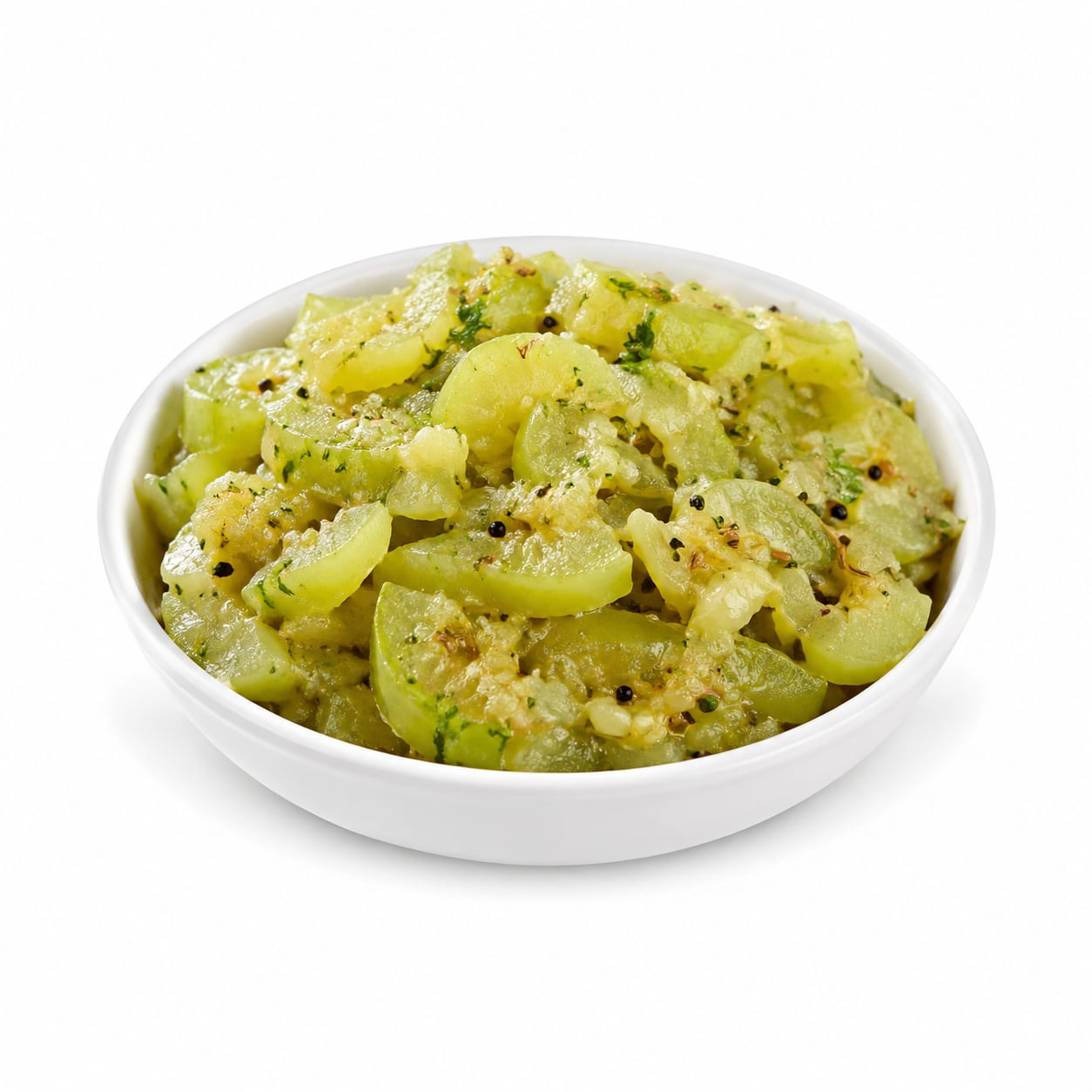
Bottle Gourd
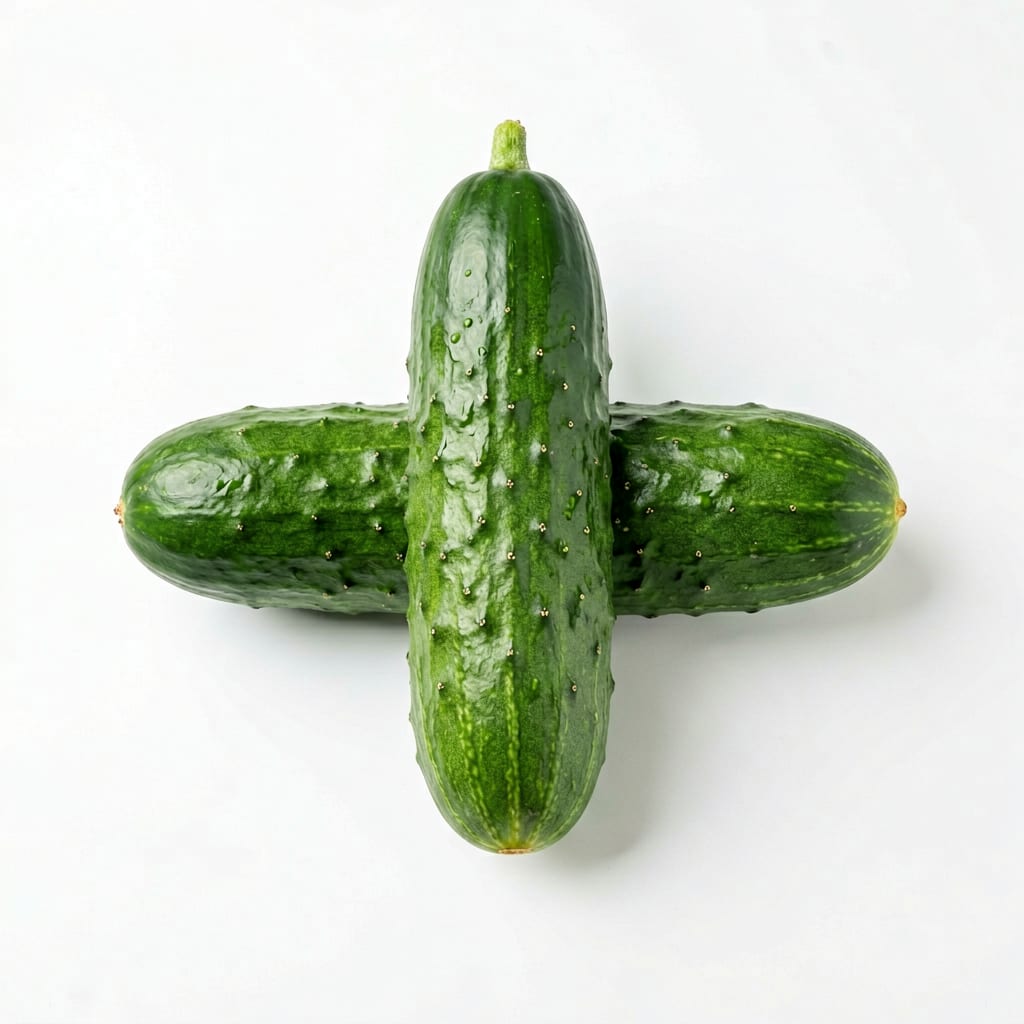
Cucumber
Cucumber wins on convenience and safety, while bottle gourd offers more traditional digestive benefits and slightly better nutrient density when cooked properly.
Cucumber scores slightly higher due to superior convenience, universal safety, and raw edibility. Bottle gourd offers marginally better nutrition and digestive benefits but loses ground on preparation burden and the rare but real toxicity concern.
Cucumber is ready-to-eat and safer, but bottle gourd provides more fiber and traditional medicinal value at the cost of cooking time and a rare toxicity risk.
At a glance
Executive summary
Overall
It depends
Healthier
Bottle Gourd
More practical
Cucumber
Daily use
Cucumber
Key comparison lenses
Hydration and low-calorie snacking
Both foods are extremely high in water and very low in calories, making them top choices for hydration-focused eating
Safety and toxicity awareness
Bottle gourd carries a rare but serious bitterness toxicity risk that cucumber does not share at the same level
Digestive comfort and gut health
Both are gentle on digestion but bottle gourd is traditionally used for soothing the gut and managing acidity
Convenience and raw consumption
Cucumber can be eaten raw immediately while bottle gourd almost always requires cooking
Weight management and satiety
Users comparing these are often looking for filling, low-calorie options for weight loss
Best choice for
Bottle Gourd
- People managing acidity or ulcers
- Those seeking traditional Ayurvedic digestive remedies
- Home cooks wanting a versatile cooked vegetable
- Anyone needing more fiber in a low-calorie package
Cucumber
- Busy people needing instant raw snacks
- Salad lovers wanting crunch without prep
- Anyone concerned about food safety simplicity
- People who want a no-cook hydration option
Least suitable for
Bottle Gourd
- Anyone unfamiliar with bitterness testing before cooking
- People wanting grab-and-go raw snacks
- Those who dislike cooked vegetables
- Raw food diet followers
Cucumber
- People wanting substantial fiber intake
- Those seeking cooked warming meals
- Anyone looking for traditional medicinal food benefits
- People who find raw vegetables hard to digest
Deep comparison
Dimension by dimension
Each lens scores both foods and breaks down who each option suits.
- Dimension 1 · Priority 90It depends
Hydration and Water Content
Bottle Gourd · 92Cucumber · 95Both are hydration powerhouses with over 95% water content. Cucumber edges ahead slightly because you can eat it raw and absorb water faster.
Tradeoff
Bottle gourd hydrates well when cooked into soups or stews, but cooking reduces the immediate hydration benefit compared to biting into a raw cucumber.
Why it matters
For hot climates, post-workout recovery, or simply drinking less water than you should, both foods act like edible water bottles.
Real-world impact
A large cucumber on a hot afternoon refreshes you instantly. A bowl of bottle gourd soup hydrates more slowly but feels more comforting and filling.
Bottle Gourd
- Warm hydration through soups during cold weather
- Sustained fluid intake alongside a full meal
Better for
- Cannot hydrate immediately without cooking first
Worse for
Cucumber
- Instant raw hydration on the go
- Quick refreshment after exercise or heat exposure
Better for
- Less satisfying when you want something warm and filling
Worse for
- Dimension 2 · Priority 85Bottle Gourd
Nutrient Density
Bottle Gourd · 62Cucumber · 48Bottle gourd provides slightly more vitamin C, B vitamins, and fiber per serving. Cucumber is nutritious but thinner on measurable vitamins.
Tradeoff
The nutrient advantage of bottle gourd is modest because both foods are mostly water. You would need to eat large quantities of either to get significant vitamin intake.
Why it matters
If you are choosing between these as a regular vegetable in your diet, bottle gourd gives you a bit more nutritional return per bite.
Real-world impact
A serving of cooked bottle gourd contributes a small but meaningful amount of fiber and vitamin C toward your daily targets. Cucumber contributes mostly water with trace nutrients.
Bottle Gourd
- Higher fiber per serving supports digestion better
- More B vitamins support energy metabolism
- Better contribution to daily nutrient targets
Better for
- Nutrient advantage is small given the water-heavy composition
Worse for
Cucumber
- Vitamin K from the skin supports bone health
- Silica content may support skin and joint health
Better for
- Lower overall vitamin and mineral contribution per serving
Worse for
- Dimension 3 · Priority 88Cucumber
Safety and Toxicity Risk
Bottle Gourd · 55Cucumber · 92Bottle gourd can become dangerously toxic if it tastes bitter due to cucurbitacin compounds. Cucumber rarely poses this risk at a dangerous level.
Tradeoff
Bottle gourd requires a simple taste test before cooking to ensure safety. Cucumber can generally be eaten without this concern.
Why it matters
Bitter bottle gourd has caused serious illness and even hospitalizations. This is a rare but critical safety step that cucumber does not demand.
Real-world impact
You must always taste a small raw piece of bottle gourd before cooking. If bitter, discard it entirely. Cucumber bitterness is unpleasant but not dangerous.
Bottle Gourd
- No meaningful safety advantage over cucumber
Better for
- Bitter specimens can cause nausea, vomiting, and diarrhea
- Requires a safety taste test before every preparation
- Unsafe to juice without testing first
Worse for
Cucumber
- No dangerous toxicity risk from bitterness
- Safe to eat raw without pre-tasting protocol
- Universally recognized as safe for all populations
Better for
- Occasionally bitter cucumbers exist but pose no serious health threat
Worse for
- Dimension 4 · Priority 78Cucumber
Convenience and Raw Consumption
Bottle Gourd · 25Cucumber · 95Cucumber is one of the most convenient vegetables on earth. Bottle gourd requires peeling, chopping, and cooking every time.
Tradeoff
You gain nutrition and culinary versatility with bottle gourd but sacrifice the grab-and-go ease that makes cucumber a daily staple.
Why it matters
Convenience determines what you actually eat regularly. The vegetable that requires zero prep is the one you reach for more often.
Real-world impact
Cucumber goes from fridge to mouth in seconds. Bottle gourd needs at least 15-20 minutes of cooking before it is edible and enjoyable.
Bottle Gourd
- Can be batch-cooked and stored for multiple meals
- Absorbs flavors well in curries and stews
Better for
- Cannot be eaten raw as a quick snack
- Requires peeling, deseeding, and cooking every time
Worse for
Cucumber
- Zero prep time for immediate snacking
- Portable for lunches, travel, and office snacking
- No cooking equipment or energy required
Better for
- Limited to raw or quick-pickle preparations
Worse for
- Dimension 5 · Priority 82Bottle Gourd
Digestive Health and Comfort
Bottle Gourd · 85Cucumber · 68Bottle gourd is traditionally used to soothe acidity, ulcers, and inflamed digestion. Cucumber is gentle but less therapeutically regarded.
Tradeoff
Cooked bottle gourd is softer and easier on sensitive stomachs. Raw cucumber can cause bloating in some people due to cucurbitacins and high water intake.
Why it matters
If you have acid reflux, IBS, or a sensitive gut, the vegetable that actively soothes rather than merely tolerates makes a real difference.
Real-world impact
A bowl of bottle gourd soup calms an upset stomach and feels comforting. Raw cucumber can sometimes trigger bloating or gas in sensitive individuals.
Bottle Gourd
- Traditionally used to manage acidity and heartburn
- Soft cooked texture is gentler on inflamed digestion
- Higher fiber supports healthier bowel movements
Better for
- Requires cooking to achieve digestive benefits
Worse for
Cucumber
- High water content helps flush the digestive system
- Easy to digest for most people in moderate amounts
Better for
- Raw form can cause bloating in sensitive people
- Less effective as a targeted digestive remedy
Worse for
- Dimension 6 · Priority 75Bottle Gourd
Weight Management and Satiety
Bottle Gourd · 72Cucumber · 65Both are extremely low in calories, but cooked bottle gourd feels more filling due to its softer bulk and slightly higher fiber content.
Tradeoff
Cucumber is the better between-meals snack because you can eat it instantly. Bottle gourd is the better meal component because it adds volume and satisfaction.
Why it matters
Satiety from low-calorie foods helps you eat less overall. The food that makes you feel fuller on fewer calories is the better weight management tool.
Real-world impact
A cucumber snack takes the edge off hunger temporarily. A bottle gourd curry as part of a meal keeps you full for hours.
Bottle Gourd
- More filling when eaten as part of a cooked meal
- Higher fiber slows digestion and extends fullness
- Better volume-to-calorie ratio in cooked dishes
Better for
- Often cooked with oil or ghee which adds calories
- Cannot satisfy immediate hunger without preparation
Worse for
Cucumber
- Perfect low-calorie crunch for between-meal snacking
- No temptation to add oil or seasoning during prep
Better for
- Less satiating as a standalone meal component
- Hunger returns quickly after eating cucumber alone
Worse for
Timeline
Health impact over time
Short-term
Hours to days
Bottle Gourd
- Provides quick hydration through high water content when consumed as soup
- Soothes acidity and stomach discomfort within hours of eating
- Can cause nausea and vomiting if a bitter specimen is consumed
Cucumber
- Instantly refreshing and hydrating when eaten raw
- May cause mild bloating or gas in sensitive individuals
- Helps cool the body during hot weather within minutes
Long-term
Months to years
Bottle Gourd
- Regular consumption supports digestive regularity through consistent fiber intake
- Traditional use suggests benefits for blood pressure management over time
- Long-term safety is excellent as long as bitterness testing is always practiced
Cucumber
- Consistent hydration supports kidney function and skin health over months
- Regular raw vegetable intake supports healthy gut microbiome diversity
- Very low calorie density helps maintain healthy weight when used to replace higher-calorie snacks
Risk profile
Safety & processing
Both bottle gourd and cucumber are whole, natural vegetables with essentially zero processing when purchased fresh. Neither carries additive concerns unless purchased pre-cut or pickled.
Bottle Gourd
Cucurbitacin toxicity from bitter specimens
highBitter bottle gourd contains toxic cucurbitacins that can cause severe vomiting, diarrhea, and abdominal pain. Always taste a small raw piece before cooking. If bitter, discard immediately.
Improper storage leading to spoilage
lowLike all water-rich vegetables, bottle gourd can spoil quickly if not refrigerated. Check for soft spots or discoloration before use.
Cucumber
Pesticide residue on conventional skins
mediumCucumbers are on the EWG's Dirty Dozen list. Conventional skins often carry pesticide residues. Peeling or choosing organic reduces this risk significantly.
Occasional bitterness from cucurbitacins
lowSome cucumbers taste bitter at the stem end. This is unpleasant but not dangerous. Simply cut and discard the bitter portion.
Who wins for whom
Audience fit
Same foods, different winners depending on your goal.
children
CucumberCucumber is safer, requires no cooking, and is easier for children to hold and eat. Bottle gourd's toxicity risk makes it less suitable without adult preparation oversight.
daily consumption
CucumberCucumber's convenience, safety, and raw edibility make it easier to eat every single day without extra effort or risk.
diabetes
Bottle GourdBottle gourd has a slightly lower glycemic impact and more fiber, which helps stabilize blood sugar. It is traditionally used in Ayurvedic diabetes management.
elderly
Bottle GourdCooked bottle gourd is softer, easier to chew, and gentler on aging digestive systems. Its traditional use for acidity and blood pressure is especially relevant for older adults.
muscle gain
It dependsNeither food contributes meaningful protein. Both serve only as hydration and micronutrient support alongside protein-rich foods.
weight loss
It dependsCucumber is better for snacking between meals with zero prep. Bottle gourd is better as a low-calorie meal component that keeps you full longer.
Your move
Decision guide
Choose Bottle Gourd
- You want a cooked vegetable that actively soothes digestion and acidity
- You are comfortable with the bitterness taste test before each preparation
- You enjoy making soups, stews, or curries and want a versatile base
- You are managing blood sugar and want a traditional supportive food
Choose Cucumber
- You need a grab-and-go raw snack with zero preparation
- You want something safe to pack for lunch or eat at your desk
- You are concerned about food safety simplicity and want no toxicity risk
- You prefer crunchy textures over soft cooked vegetables
Either works if
- You simply want more hydration and water-rich foods in your diet
- You are looking for very low calorie vegetables to fill your plate
- You want to reduce processed snacking with natural whole food alternatives
Avoid both if
- You need significant protein or calorie intake from your vegetables
- You are looking for nutrient-dense foods to address vitamin deficiencies
- You require high-fiber foods for serious constipation management
Final recommendation
Keep both in your kitchen if possible. Use cucumber for instant raw snacking and hydration throughout the day. Use bottle gourd for comforting cooked meals that support digestion and provide more sustained fullness. Always taste-test bottle gourd before cooking. If you must choose one, cucumber is the safer and more practical daily choice for most people.
Practical
Consumer tips
- 1
Always taste a tiny raw piece of bottle gourd before cooking. If it tastes bitter, throw it away immediately. This simple test prevents toxicity.
- 2
Choose organic cucumbers when possible, or peel conventional ones to reduce pesticide exposure. The skin holds the most nutrients but also the most residue.
- 3
Store both vegetables in the refrigerator crisper drawer. Bottle gourd stays fresh for about a week. Cucumber lasts up to a week but is best within a few days.
- 4
Do not juice bottle gourd without testing for bitterness first. Bitter bottle gourd juice has caused serious illness.
- 5
Cucumber pairs well with hummus or yogurt for a more satisfying snack. Bottle gourd pairs well with lentils or light spices for a filling meal.
- 6
If cucumber causes bloating, try peeling it and removing the seeds. This reduces the compounds that trigger gas in sensitive people.