
Nutrition comparison
Bottle Gourd vs Ash Gourd: Nutrition, Safety & Weight Loss
Compare Bottle Gourd and Ash Gourd for weight loss, digestion, and safety. Learn which low-calorie gourd is better for your diet and the hidden risk of bitter Bottle Gourd.
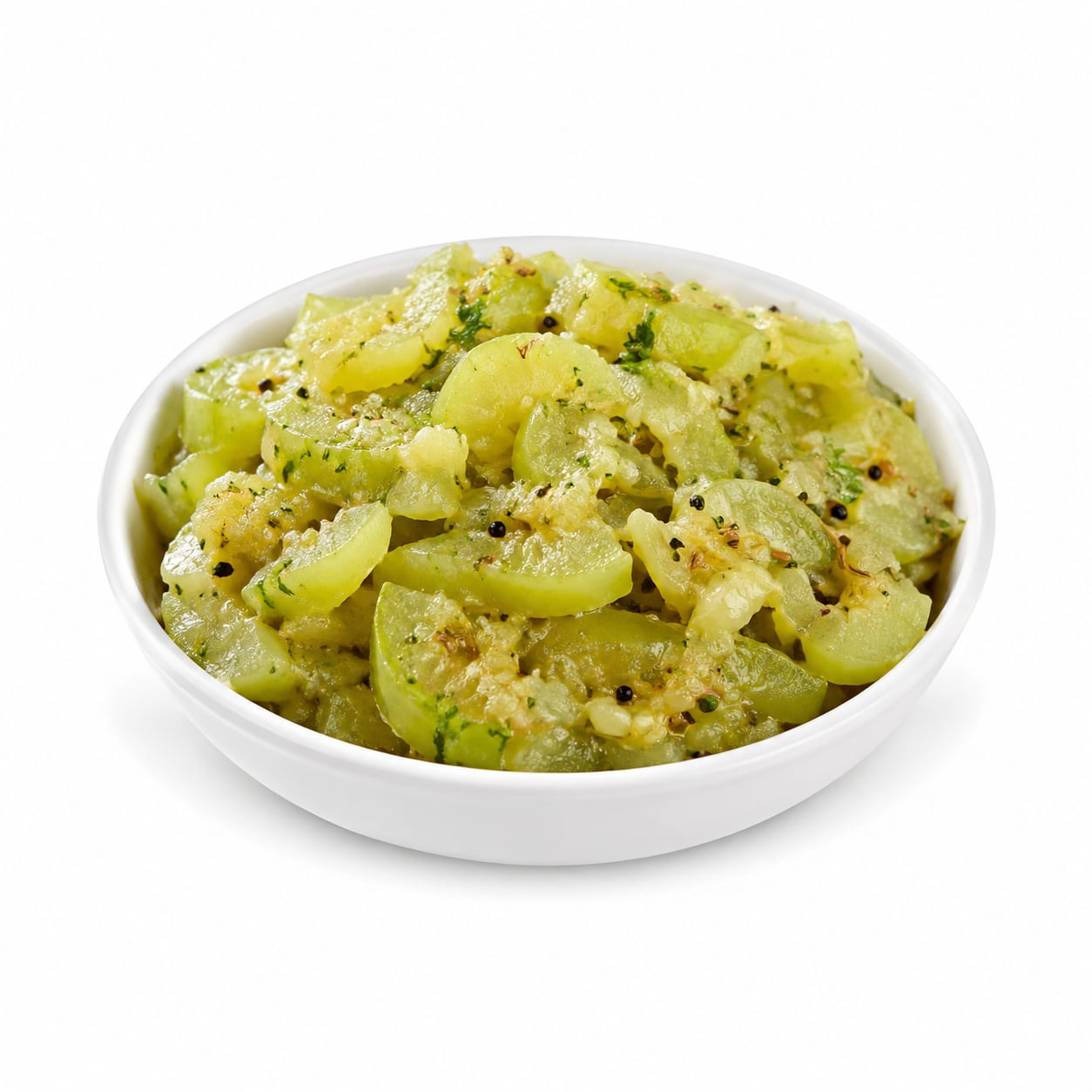
Bottle Gourd
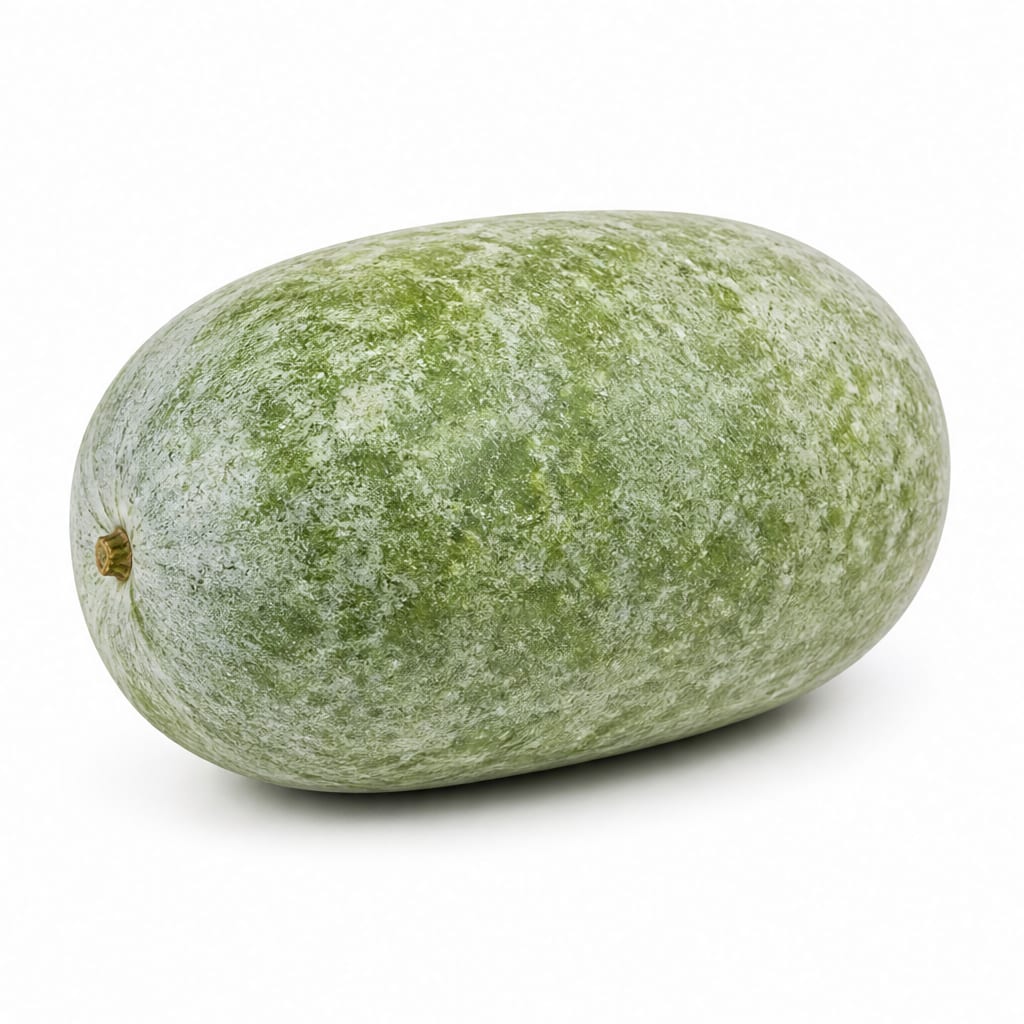
Ash Gourd
Bottle Gourd offers slightly more fiber and nutrition, but Ash Gourd is safer and even gentler on the gut.
Ash Gourd scores slightly higher due to its absolute safety and extreme digestibility, despite Bottle Gourd having a marginal nutritional advantage.
A marginal nutritional edge for Bottle Gourd versus a safer, milder, and more digestible profile for Ash Gourd.
At a glance
Executive summary
Overall
It depends
Healthier
Bottle Gourd
More practical
Ash Gourd
Daily use
Ash Gourd
Key comparison lenses
Weight loss and calorie density
Both are famously low-calorie vegetables often used in weight loss diets
Digestive comfort and gut health
Both are extremely light and commonly recommended for sensitive stomachs
Food safety and toxicity risks
Bottle Gourd carries a rare but serious risk of cucurbitacin toxicity if bitter
Ayurvedic and traditional healing
Both have deep roots in traditional medicine for cooling and detoxifying the body
Best choice for
Bottle Gourd
- People wanting more fiber to stay regular
- Those looking for a versatile savory vegetable base
- Anyone cooking traditional curries or kofta dishes
Ash Gourd
- People with highly sensitive stomachs or ulcers
- Those on strict ultra-low-calorie diets
- Anyone seeking the safest daily cooling vegetable
Least suitable for
Bottle Gourd
- Anyone unaware of the bitter toxin risk
- People needing calorie-dense energy
Ash Gourd
- Those wanting robust flavor or texture
- People looking for high nutrient density
Deep comparison
Dimension by dimension
Each lens scores both foods and breaks down who each option suits.
- Dimension 1 · Priority 95Ash Gourd
Calorie Density & Weight Loss
Bottle Gourd · 88Ash Gourd · 92Both are incredibly low in calories, but Ash Gourd is marginally lighter.
Tradeoff
Bottle Gourd has slightly more carbs and fiber, while Ash Gourd is almost entirely water.
Why it matters
When cutting calories aggressively, every single calorie counts, making Ash Gourd the ultimate zero-guilt food.
Real-world impact
You can eat massive volumes of Ash Gourd without making a dent in your daily calorie budget.
Bottle Gourd
- Providing slightly more substance to keep you full longer
Better for
- Extremely strict low-calorie protocols
Worse for
Ash Gourd
- Strict calorie restriction
- Fasting days when you need volume without energy
Better for
- Satiety if eaten alone without protein or fat
Worse for
- Dimension 2 · Priority 80Bottle Gourd
Nutritional Value
Bottle Gourd · 65Ash Gourd · 55Neither is a nutritional powerhouse, but Bottle Gourd offers slightly more fiber and vitamin C.
Tradeoff
Bottle Gourd provides a bit more gut-friendly fiber, while Ash Gourd is nutritionally very faint.
Why it matters
Even small fiber differences help with fullness and blood sugar control when eating low-calorie meals.
Real-world impact
A Bowl of Bottle Gourd curry will keep you slightly more satisfied than Ash Gourd due to the extra fiber.
Bottle Gourd
- Supporting digestive regularity
- Getting a tiny boost of immunity-supporting vitamin C
Better for
- Fixing major nutrient deficiencies
Worse for
Ash Gourd
- Situations requiring absolute minimal nutrient load
Better for
- Contributing meaningfully to daily vitamin needs
Worse for
- Dimension 3 · Priority 90Ash Gourd
Digestive Comfort
Bottle Gourd · 82Ash Gourd · 92Ash Gourd is famously easy on the gut, often recommended for ulcers and hyperacidity.
Tradeoff
Bottle Gourd is cooling and easy to digest, but Ash Gourd is practically pre-digested, making it the ultimate gut-rest food.
Why it matters
If your stomach is easily upset, the wrong vegetable can trigger bloating or discomfort.
Real-world impact
Ash Gourd feels like a soothing balm for an irritated stomach, while Bottle Gourd is just gentle.
Bottle Gourd
- Everyday gentle digestion
Better for
- Severe gastrointestinal flare-ups
Worse for
Ash Gourd
- Recovering from stomach illness
- Managing acid reflux or ulcers
Better for
- Needing fiber to relieve constipation
Worse for
- Dimension 4 · Priority 88Ash Gourd
Safety & Toxicity
Bottle Gourd · 50Ash Gourd · 98Bottle Gourd can sometimes be bitter and toxic, whereas Ash Gourd is consistently safe.
Tradeoff
Bottle Gourd requires a safety taste-test before cooking, adding a small but critical step to meal prep.
Why it matters
Consuming bitter Bottle Gourd can cause severe vomiting and diarrhea, requiring hospitalization.
Real-world impact
You must always taste a tiny raw piece of Bottle Gourd before cooking; if it is bitter, you must throw the whole vegetable away.
Bottle Gourd
- Unpredictable toxicity risk if not tested
Worse for
Ash Gourd
- Worry-free cooking
- Feeding children or vulnerable adults safely
Better for
- Dimension 5 · Priority 70Bottle Gourd
Culinary Versatility
Bottle Gourd · 78Ash Gourd · 65Bottle Gourd holds its shape better in savory dishes, while Ash Gourd turns translucent and mushy.
Tradeoff
Bottle Gourd integrates beautifully into doughs and curries, whereas Ash Gourd is limited to stews and sweets.
Why it matters
If a vegetable is boring to eat, you will not stick to your healthy eating plan.
Real-world impact
Bottle Gourd can be grated into dumpling dough or diced into dal, while Ash Gourd works best in soups or traditional sweets.
Bottle Gourd
- Making kofta or dumplings
- Adding texture to lentil curries
Better for
Ash Gourd
- Making traditional translucent stews
- Blending into healing soups
Better for
- Dishes that require structural integrity
Worse for
Timeline
Health impact over time
Short-term
Hours to days
Bottle Gourd
- Provides quick hydration
- Can cause severe digestive distress if the vegetable tastes bitter
Ash Gourd
- Instantly soothing on the stomach
- Provides a feeling of fullness without any heaviness
Long-term
Months to years
Bottle Gourd
- Supports regularity due to slightly higher fiber
- Helps maintain steady weight when replacing higher-calorie foods
Ash Gourd
- Excellent for long-term gut health and cooling the body
- Very safe for daily consumption over years without any toxicity risk
Risk profile
Safety & processing
Both are whole, natural vegetables typically eaten fresh or cooked from scratch with no additives.
Bottle Gourd
Cucurbitacin toxicity
highBitter Bottle Gourd contains toxic compounds that cause severe vomiting, diarrhea, and hypotension. Always taste a small raw piece before cooking; discard immediately if bitter.
Ash Gourd
Pesticide residue
lowLike all gourds grown on the ground, proper washing is recommended to remove potential soil contaminants.
Who wins for whom
Audience fit
Same foods, different winners depending on your goal.
children
Ash GourdAsh Gourd is safer for children since it carries no risk of bitter toxicity and is easier to digest.
daily consumption
Ash GourdAsh Gourd can be eaten daily without needing to perform a bitterness test, making it a safer staple.
diabetes
Ash GourdAsh Gourd has an even lower glycemic impact and is traditionally used to manage blood sugar.
elderly
Ash GourdAsh Gourd is extremely gentle on aging digestive systems and requires very little effort to process.
muscle gain
It dependsNeither is useful for muscle gain as both are extremely low in protein and calories.
weight loss
Ash GourdAsh Gourd is marginally lower in calories and easier to eat in large volumes without digestive worry.
Your move
Decision guide
Choose Bottle Gourd
- You want more fiber and a slightly more satisfying bite
- You are making savory dishes like dal or kofta
- You are vigilant about tasting the raw vegetable before cooking
Choose Ash Gourd
- You have a sensitive stomach or are recovering from illness
- You want the absolute safest low-calorie vegetable for daily use
- You are making light soups or traditional healing recipes
Either works if
- You just need a low-calorie, hydrating vegetable to bulk up a stew
- You are following an Ayurvedic cooling diet
Avoid both if
- You need calorie-dense foods to gain weight
- You are looking for a protein-rich main dish
Final recommendation
Choose Ash Gourd for a worry-free, ultra-gentle addition to your diet, especially if you have a sensitive gut or want the safest daily option. Opt for Bottle Gourd if you want slightly more fiber and culinary versatility, but always remember to taste-test for bitterness first.
Practical
Consumer tips
- 1
Always cut and taste a tiny piece of raw Bottle Gourd before cooking; if it tastes bitter, throw it away immediately.
- 2
Ash Gourd can be stored for months in a cool, dry place because its waxy coating preserves it naturally.
- 3
Both vegetables are heavily water-based, so cook them without adding excess oil to keep them truly low-calorie.
- 4
Peel Ash Gourd deeply if you find the waxy rind tough, as the flesh inside is much softer.