
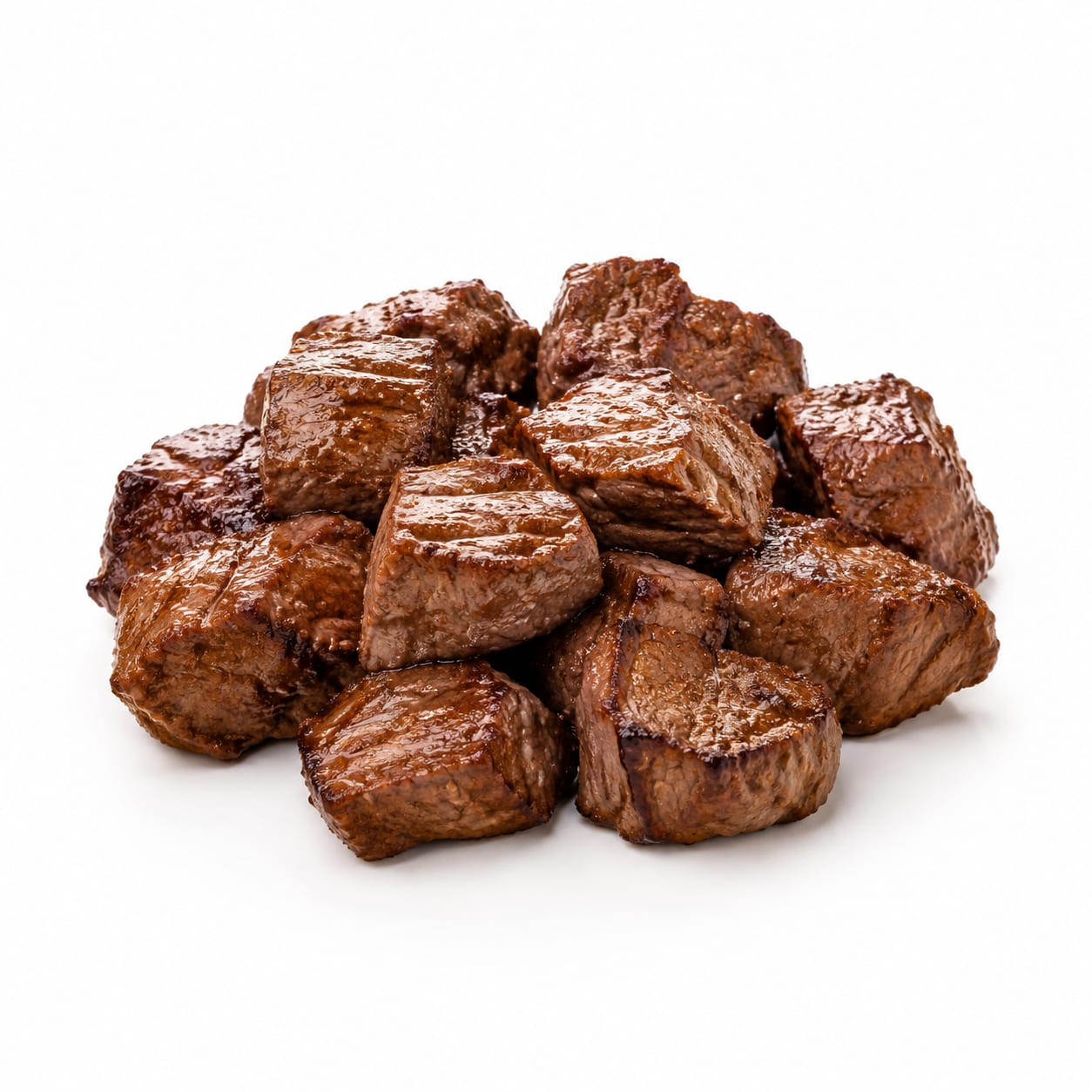
Meat
Beef
Beef is a nutrient-dense red meat primarily valued for its high-quality complete protein, heme iron, and vitamin B12 content.
Beef is the culinary name for meat from cattle, particularly skeletal muscle. It is a staple protein source in many diets worldwide, valued for its rich nutrient profile including high-quality protein, iron, and B vitamins.
protein-dense animal food
Typical serving · 113g
Common varieties · sirloin, ribeye, ground beef, tenderloin, brisket +1 more
Overall context score across nutrition, safety, and diet fit
At a glance
Quick facts
Simple indicators based on nutrition, processing, and diet fit.
The story
What makes it unique
Beef is a complete protein source with zero carbohydrates, digesting at a moderate rate and providing high satiety. Its macronutrient profile is dominated by protein and fat, with saturated fat content varying significantly by cut. As a minimally processed whole food, fresh beef retains its native cellular structure and micronutrients like heme iron and creatine.
Varieties: sirloin · ribeye · ground beef · tenderloin · brisket · flank
Per 100g
Nutrition breakdown
Macro balance and key metrics at a glance.
Energy
Density 2.50 kcal/g
Protein
Carbs
Fat
Fiber
Sugar
0 g
Sodium
72 mg
Potassium
315 mg
Glycemic index
0
Glycemic load
0
Water content
59%
Standout compounds
Nutrient highlights
Vitamin B12
highEssential for nerve function, DNA synthesis, and red blood cell formation.
Heme Iron
highCarries oxygen in the blood; highly bioavailable compared to plant iron.
Zinc
highSupports immune function, wound healing, and protein synthesis.
Protein
highProvides all essential amino acids necessary for muscle and tissue repair.
Creatine
moderateSupplies energy to muscles and supports high-intensity exercise capacity.
Wellness map
Health scores & processing
NOVA processing scale
minimally processed · Whole food
Fresh cuts of beef are unprocessed whole foods. Processing level increases only if cured, smoked, or made into sausages or deli meats.
Diet compatibility
- Weight loss
- Muscle gain
- Diabetes
- Gut health
- Low carb
- High protein
- Heart health
Relative standing
Food rankings
Qualitative ranks compared to similar whole foods.
- Satietyexcellent
- Blood sugarexcellent
- Nutrient densitygood
- Fitness fuelexcellent
- Processing qualityexcellent
Eat with confidence
Food safety profile
Fresh beef carries a moderate risk of bacterial contamination requiring thorough cooking. Conventional farming practices often involve antibiotic use, though strict residue limits are enforced.
Evidence confidence 85%
- Pesticideslow
- Antibioticsmoderate
- Heavy metalslow
- Contaminationmoderate
Watch for
- E. coli
- Salmonella
- Campylobacter
Safer choices
Grass-fed, organic, or locally sourced beef from verified antibiotic-free farms.
Prep tips
Do not wash raw beef to avoid spreading bacteria. Cook ground beef to 160°F (71°C) and whole cuts to at least 145°F (63°C) with a resting period.
Routine antibiotic use in conventional cattle farming contributes to antimicrobial resistance.
Deep dive
Health analysis
How this food may fit different goals and preparation choices.
Weight loss
High protein content boosts metabolic rate and satiety, but energy density requires portion control to avoid excess calorie intake.
Blood sugar
Contains zero carbohydrates, resulting in no direct glycemic spike. Protein helps stabilize blood sugar when paired with carbohydrates.
Fitness & energy
Excellent source of complete protein and creatine, directly supporting muscle protein synthesis and high-intensity exercise performance.
Gut health
Lacks dietary fiber, providing no prebiotic benefits. High red meat intake is associated with unfavorable shifts in gut microbiome composition.
Processing quality
Fresh cuts are whole foods, but processed forms like bacon or salami contain added sodium and preservatives that degrade nutritional quality.
Food safety
Must be handled and cooked properly to eliminate pathogenic bacteria. Heavy metal accumulation is generally low compared to seafood.
Common mistakes
Consuming excessively large portions, choosing only high-fat cuts, or charring meat at high temperatures which creates heterocyclic amines.
Best preparation
Slow roasting, stewing, or grilling to medium rather than well-done to preserve amino acid quality and reduce carcinogen formation.
Practical guide
Best use cases
When and how this food fits real eating patterns.
post-workout recovery
Provides complete protein and creatine to repair muscle tissue and support adaptation after intense resistance training.
iron deficiency diet
Offers highly bioavailable heme iron that is absorbed much more efficiently than plant-based iron sources.
low-carb meal prep
Serves as a zero-carb foundation for ketogenic or low-carbohydrate meals while delivering essential micronutrients.
Balance sheet
Pros & cons
Upsides
- Exceptional source of bioavailable heme iron
- Rich in vitamin B12 and zinc
- Highly satiating complete protein source
- Zero carbohydrates, ideal for keto diets
- Contains naturally occurring creatine for athletic performance
Trade-offs
- High in saturated fat depending on the cut
- Lacks dietary fiber for gut health
- Higher calorie density than white fish or poultry
- Overcooking can produce carcinogenic compounds
- Conventional farming raises environmental and antibiotic concerns
Fit check
Who is it for?
Great match
- muscle building
- iron deficiency anemia
- low-carb and ketogenic diets
- high-protein weight loss diets
Consider alternatives
- strict low-fat diets
- plant-based or vegan lifestyles
- individuals with severe hypercholesterolemia
- those seeking high-fiber foods
Side by side
How it compares
Open the full head-to-head analysis for nutrition, safety, and practical tradeoffs.
This food
Beef
VS90% alike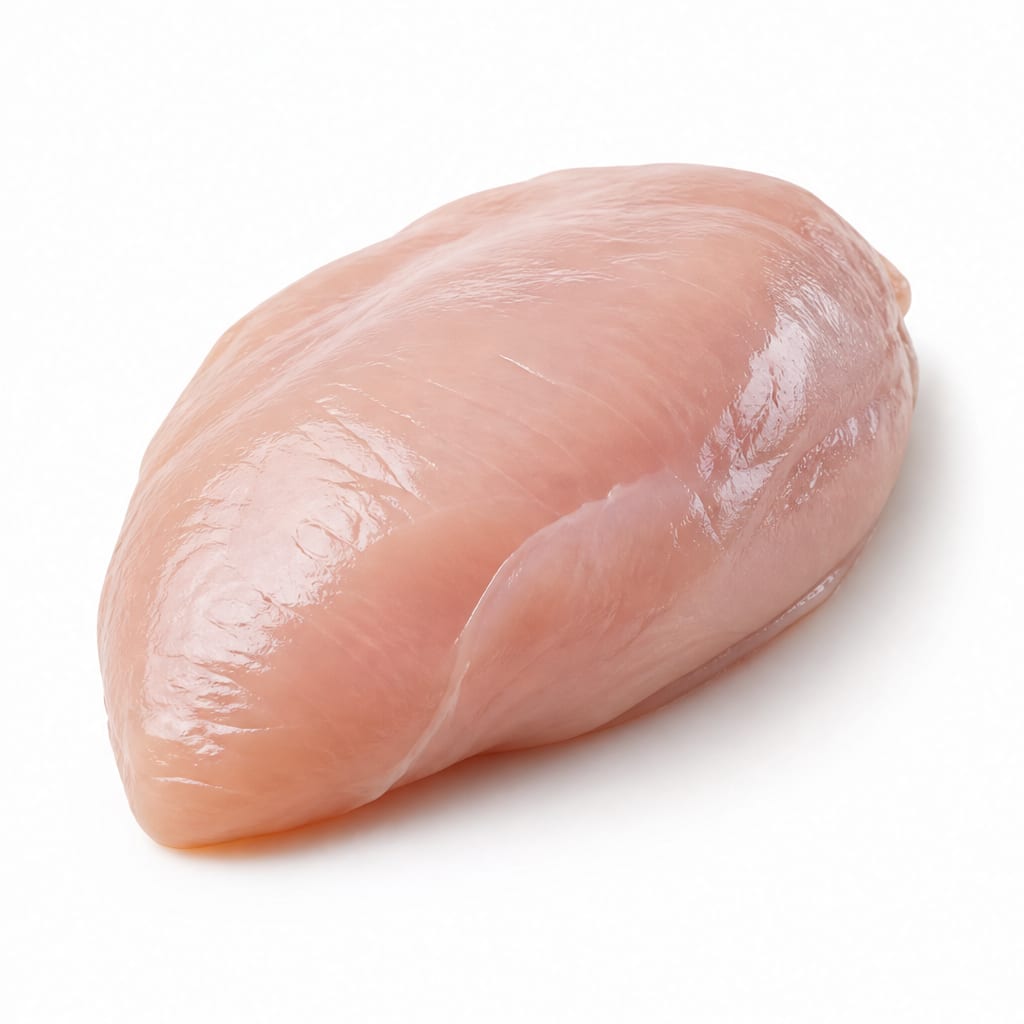
Compare with
Chicken Breast
Chicken breast is lower in calories and fat, while beef provides significantly more iron and B12.
Chicken breast is lower in fat and calories for dieting, while beef offers superior iron and B12 for overall nutrient density.
This food
Beef
VS85% alike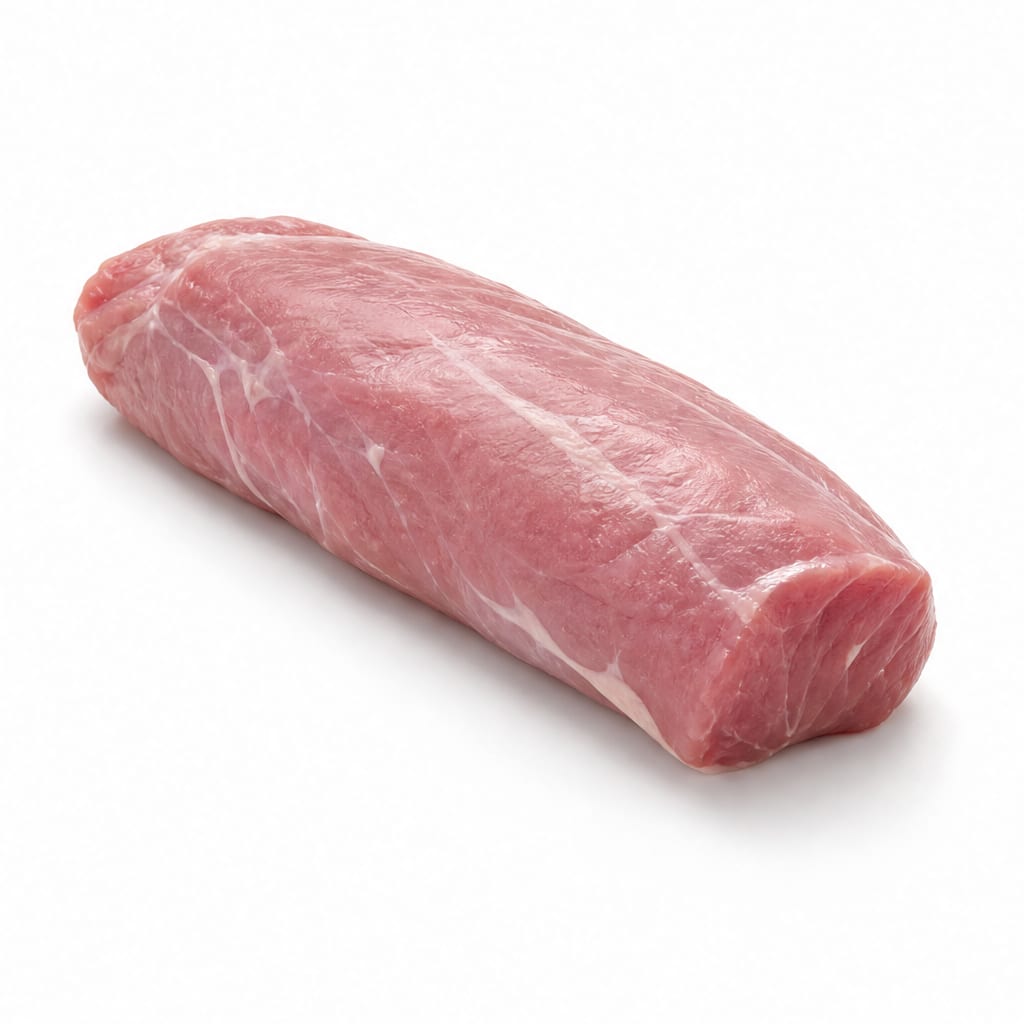
Compare with
Pork Tenderloin
Pork tenderloin is nearly as lean as chicken but with a nutrient profile closer to beef, though lower in iron.
Pork tenderloin is leaner and lower in calories, but beef provides more iron and zinc for athletic performance.
This food
Beef
VS95% alike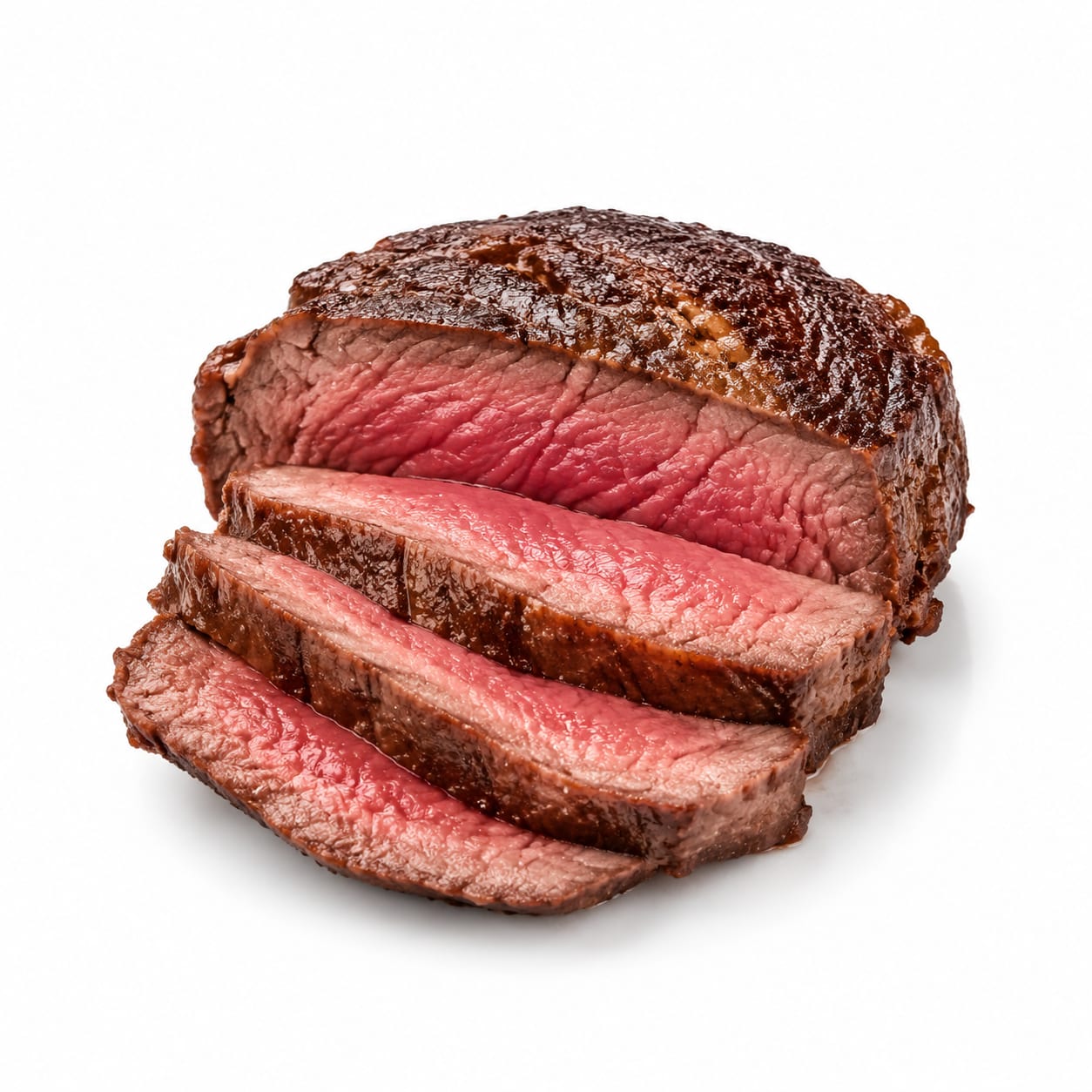
Compare with
Bison
Bison offers a similar flavor and nutrient profile to beef but with significantly less fat and fewer calories.
Bison is a leaner alternative to beef with more protein per calorie, while beef offers a fattier, more marbled eating experience.
This food
Beef
VS85% alike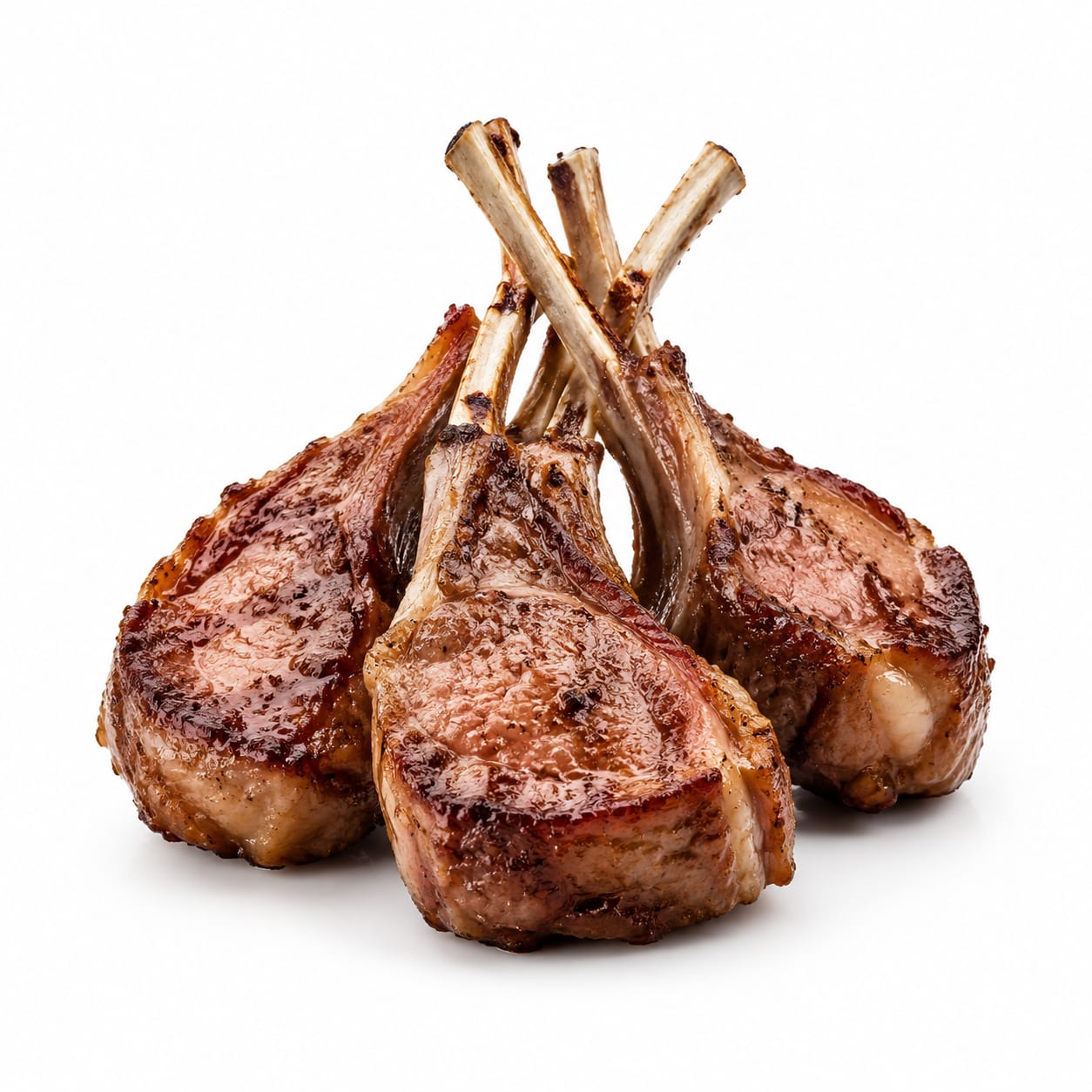
Compare with
Lamb
Lamb tends to be higher in saturated fat and calories than average beef cuts, with slightly different micronutrient ratios.
Beef is generally leaner and more versatile for daily meals, while lamb is richer in fat and flavor for occasional dining.
This food
Beef
VS70% alike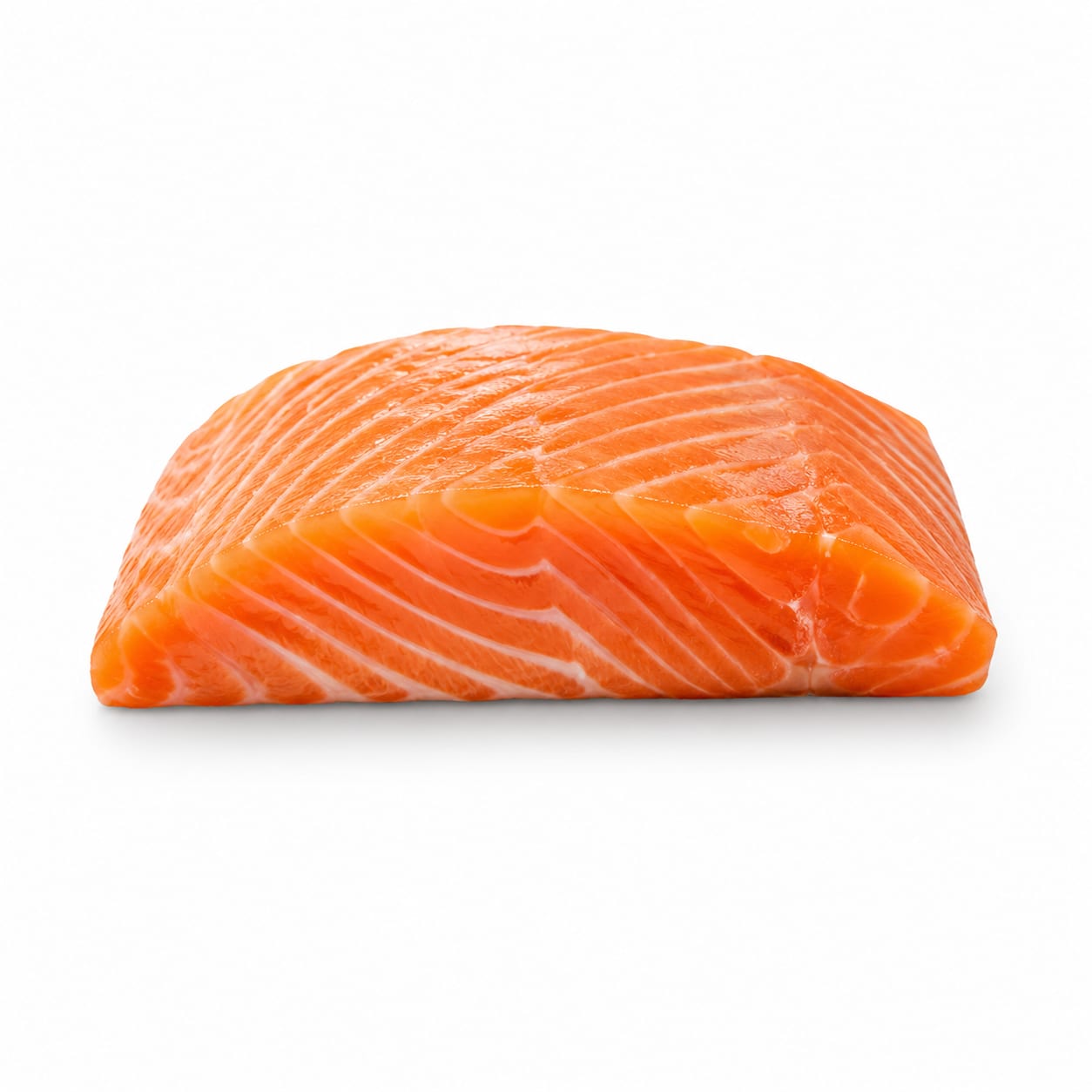
Compare with
Salmon
Salmon provides heart-healthy omega-3 fats, whereas beef provides more iron and B12.
Salmon wins for heart health and omega-3s, while beef is superior for iron and B12 replenishment.
This food
Beef
VS85% alike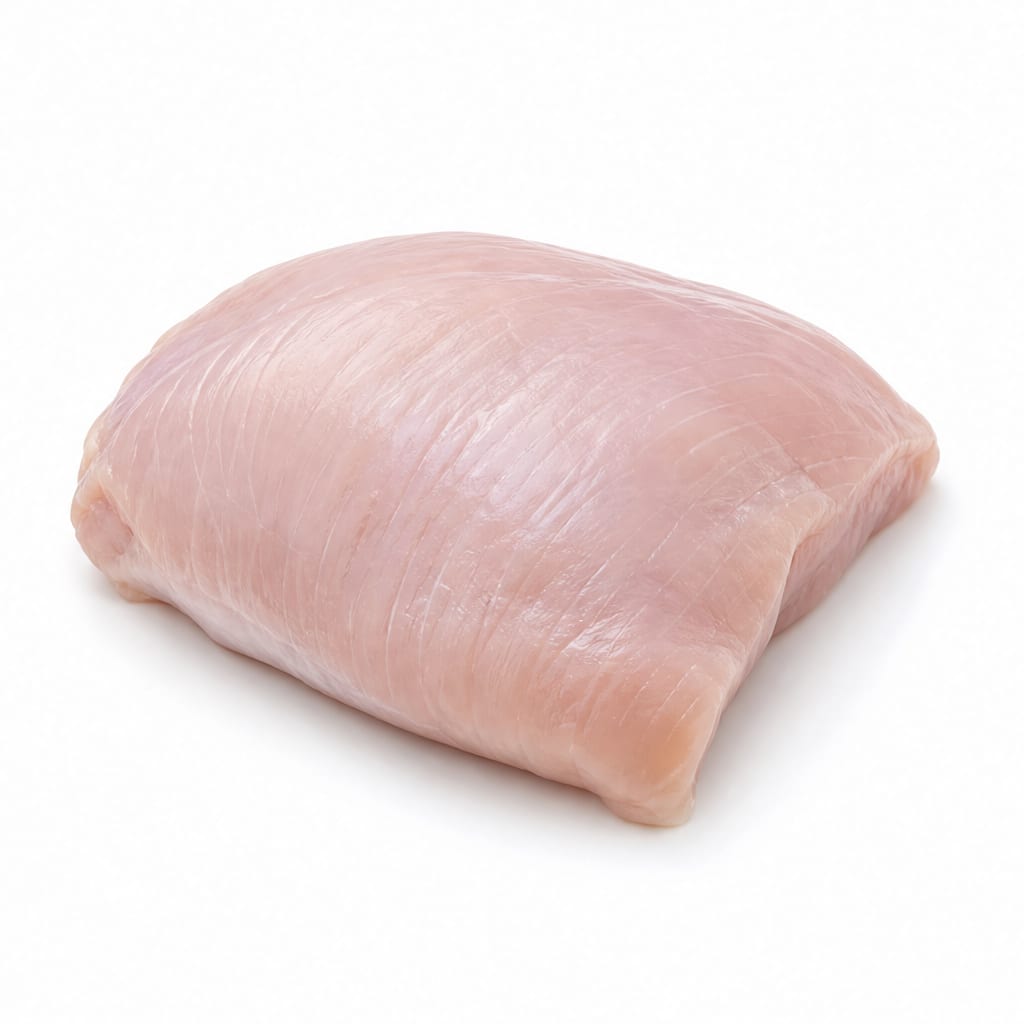
Compare with
Turkey Breast
Turkey breast is much lower in fat and calories, making it leaner, but lacks the micronutrient density of beef.
Turkey breast is leaner for strict calorie counting, while beef provides more iron and zinc for nutrient density.
This food
Beef
VS90% alike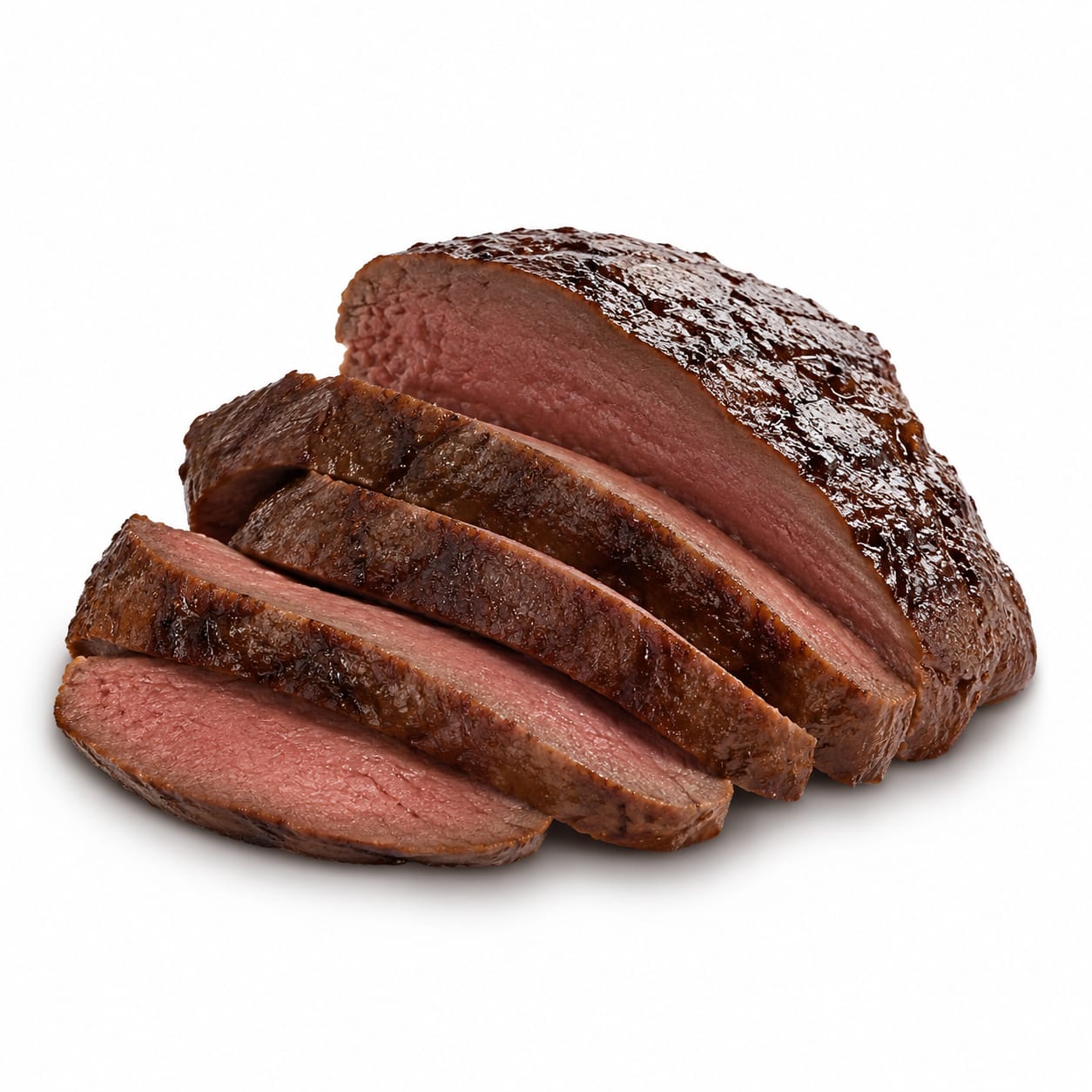
Compare with
Venison
Venison is significantly leaner than beef and higher in protein, offering a more nutrient-dense calorie profile.
Venison is lower in fat and higher in protein than beef, but beef is more accessible and provides more dietary fat for keto diets.
This food
Beef
VS60% alike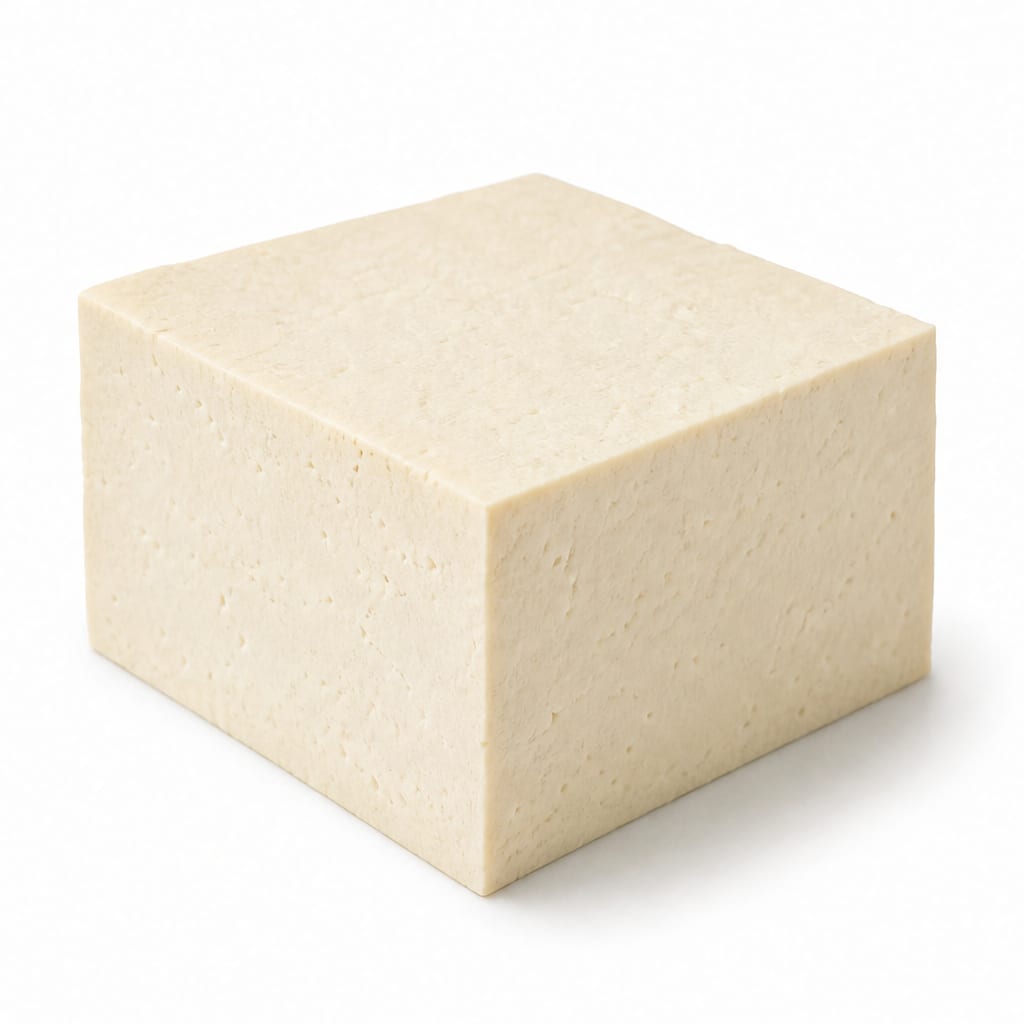
Compare with
Tofu
Tofu is low-calorie and contains fiber and phytoestrogens, while beef offers complete protein with higher iron and B12.
Tofu is a low-calorie plant alternative with fiber, while beef provides superior complete protein and heme iron for muscle building.
This food
Beef
VS55% alike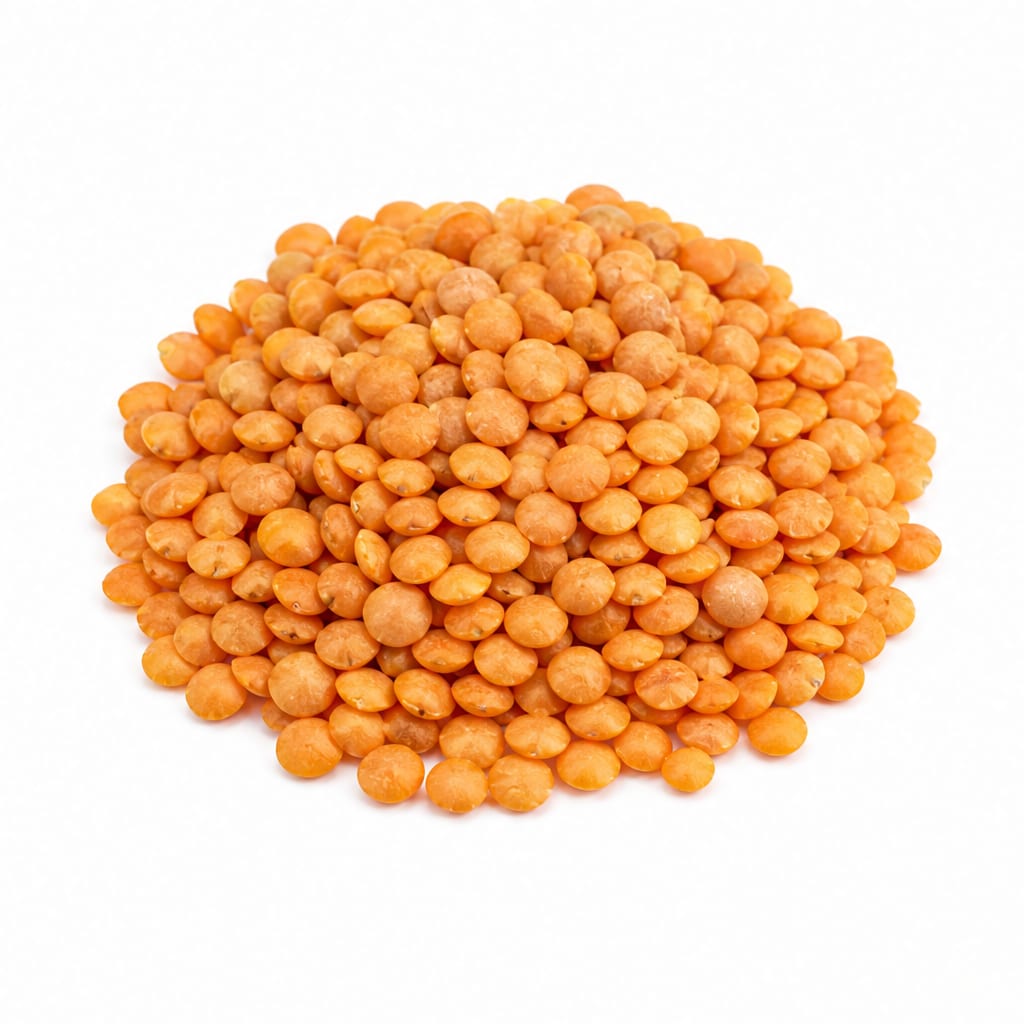
Compare with
Lentils
Lentils offer fiber and slow-digesting carbs, whereas beef provides zero-carb protein and heme iron.
Lentils provide fiber and steady energy for gut health, while beef delivers concentrated protein and heme iron for muscle repair.
This food
Beef
VS75% alike
Compare with
Eggs
Eggs are lower in calories and higher in choline, while beef provides more iron, zinc, and concentrated protein.
Eggs are a versatile low-calorie protein source, while beef offers heavier satiety and superior iron for physical performance.
Common questions
FAQ
Answers aligned with how people search for this food.
Is beef good for weight loss?
Yes, lean beef can support weight loss due to its high protein content which increases satiety and metabolic rate, but portion control is essential due to its caloric density.
Can diabetics eat beef?
Yes, beef contains zero carbohydrates and will not spike blood sugar. Its protein can also help stabilize post-meal glucose levels when eaten with carb-containing sides.
Is beef healthier than chicken?
Chicken breast is lower in calories and saturated fat, making it better for strict fat restriction. However, beef provides significantly more iron, zinc, and vitamin B12.
Does beef raise cholesterol?
Beef contains saturated fat which can raise LDL cholesterol levels in sensitive individuals. Choosing lean cuts and moderating portion sizes helps manage this risk.
What is the healthiest cut of beef?
The healthiest cuts are the leanest options, such as eye of round, top sirloin, and tenderloin, which provide high protein with minimal saturated fat.
Is grass-fed beef better than grain-fed?
Grass-fed beef generally contains more omega-3 fatty acids and antioxidants like vitamin E, while grain-fed beef tends to be more tender with higher marbling.
How much beef should I eat per week?
Most dietary guidelines suggest limiting red meat to 1-3 servings per week to balance nutrient benefits with potential cardiovascular and cancer risks.
Can I eat beef on a keto diet?
Yes, beef is highly compatible with a keto diet because it contains zero carbs and provides ample fat and protein for energy and satiety.
Transparency
Data confidence
Estimated confidence for nutrition data, interpretation, safety notes, and comparisons.
Nutrition data
Health analysis
Food safety
Comparisons