
Nutrition comparison
Beef vs Pork Tenderloin: Which Is Healthier for Daily Meals?
Compare beef and pork tenderloin on protein, fat, calories, iron, and heart health. Find out which lean meat is better for weight loss, muscle gain, and everyday eating.
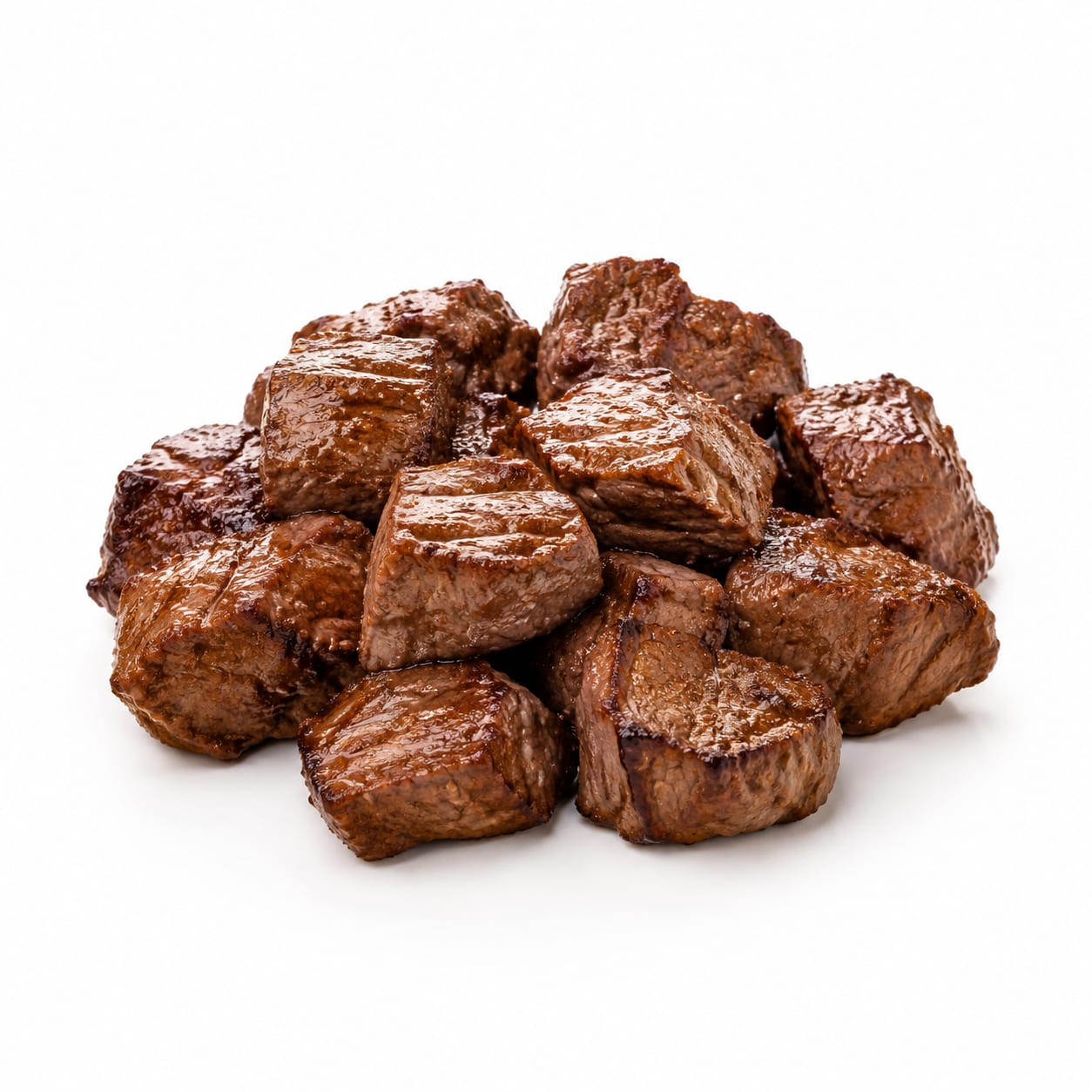
Beef
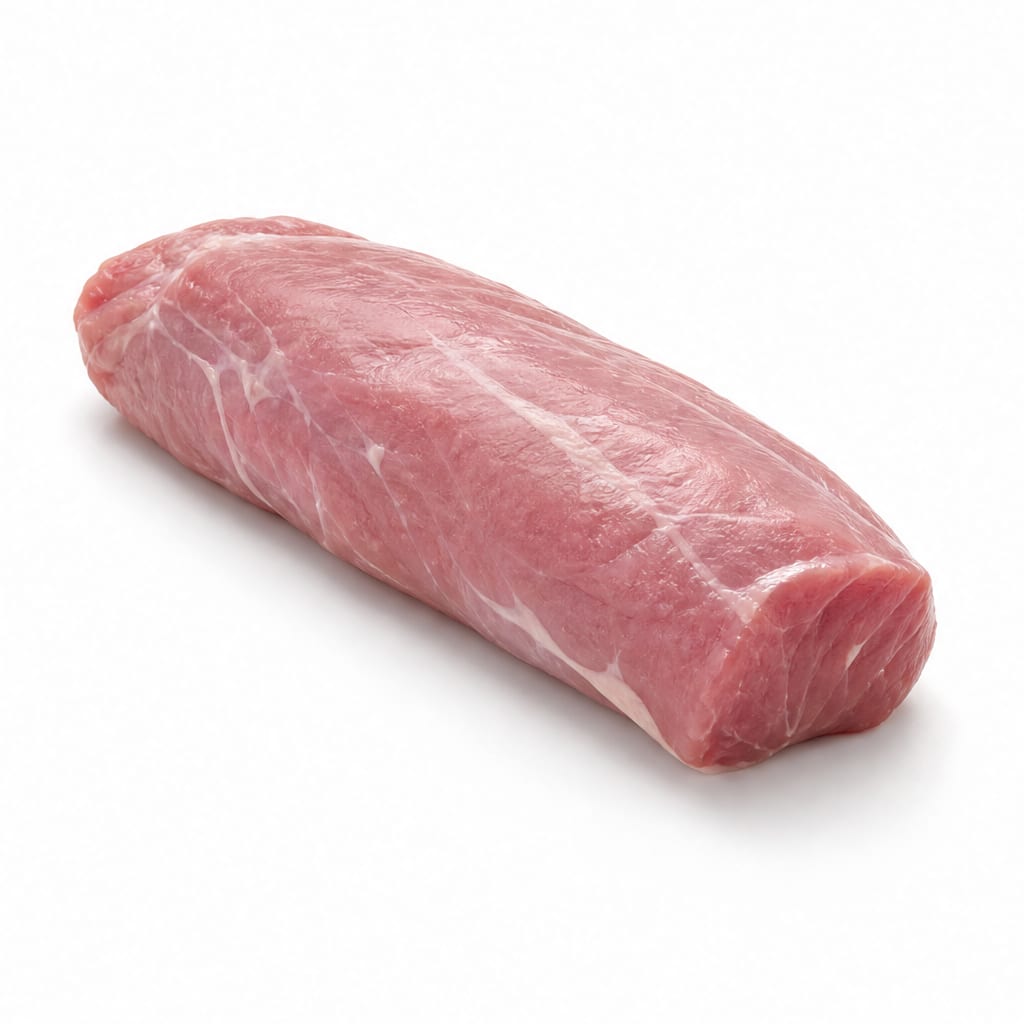
Pork Tenderloin
Pork tenderloin wins for lean daily protein and heart health, while beef wins for iron, B12, and satiety strength.
Pork tenderloin scores higher overall due to its leanness and lower disease risk profile, but beef's micronutrient advantage keeps it competitive for specific needs.
You trade micronutrient density and filling power for fewer calories and less saturated fat.
At a glance
Executive summary
Overall
It depends
Healthier
Pork Tenderloin
More practical
It depends
Daily use
Pork Tenderloin
Key comparison lenses
lean protein comparison for weight management
Pork tenderloin is one of the leanest meats available, making it a direct competitor to beef for people watching calories and fat
heart health and saturated fat tradeoffs
Saturated fat difference between these two is significant and drives many purchasing decisions
micronutrient density for anemia and energy
Beef delivers substantially more iron and B12, which matters for fatigue, anemia risk, and athletic performance
long-term cancer and disease risk
Red meat consumption has stronger associations with colorectal cancer and cardiovascular disease than pork tenderloin
meal versatility and cooking practicality
Both are versatile but have different cooking characteristics and tenderness profiles
Best choice for
Beef
- Athletes needing creatine and heme iron
- Women with low ferritin or anemia risk
- People on high-protein diets who prioritize satiety
- Anyone seeking maximum B12 and zinc per serving
Pork Tenderloin
- People managing cholesterol or heart disease risk
- Anyone counting calories for weight loss
- Those eating lean protein multiple times per week
- Families wanting a lighter weeknight dinner option
Least suitable for
Beef
- People with elevated LDL cholesterol
- Anyone reducing red meat for colon cancer prevention
- Those on strict calorie budgets
Pork Tenderloin
- People with iron deficiency anemia
- Those needing maximum micronutrient density per calorie
- Anyone avoiding pork for religious or personal reasons
Deep comparison
Dimension by dimension
Each lens scores both foods and breaks down who each option suits.
- Dimension 1 · Priority 90Beef
Protein Quality & Content
Beef · 85Pork Tenderloin · 80Both deliver excellent complete protein, but beef edges ahead with slightly more protein per serving and higher creatine content.
Tradeoff
Beef offers marginally more protein and unique compounds like creatine, while pork tenderloin still provides plenty of protein with far less fat baggage.
Why it matters
For most people the protein gap is negligible, but strength athletes may benefit from beef's creatine and slightly richer amino acid profile.
Real-world impact
After a workout, beef might feel slightly more satisfying and recovery-supportive, but pork tenderloin still gets the job done cleanly.
Beef
- Strength athletes seeking creatine
- Anyone prioritizing maximum protein per bite
Better for
- Anyone watching saturated fat alongside protein
Worse for
Pork Tenderloin
- Those who want protein without the fat
- People eating multiple protein servings daily
Better for
- Competitive athletes optimizing every recovery advantage
Worse for
- Dimension 2 · Priority 88Pork Tenderloin
Fat Profile & Heart Health
Beef · 40Pork Tenderloin · 82Pork tenderloin has roughly half the total fat and significantly less saturated fat than even lean beef cuts.
Tradeoff
Beef delivers more flavor from its fat content, but that same fat raises LDL cholesterol and heart disease risk over time.
Why it matters
Saturated fat is the single biggest nutritional differentiator here. For anyone with cardiovascular concerns, this gap matters daily.
Real-world impact
Eating pork tenderloin instead of beef a few times per week can meaningfully lower your weekly saturated fat intake without sacrificing protein.
Beef
- Those unconcerned about heart markers who prefer richer flavor
Better for
- Regular consumers eating beef daily
Worse for
Pork Tenderloin
- Anyone with elevated cholesterol
- People with family history of heart disease
- Those following heart-healthy eating patterns
Better for
- Those who find lean meat unsatisfying and overeat later
Worse for
- Dimension 3 · Priority 85Beef
Micronutrient Density
Beef · 90Pork Tenderloin · 65Beef is a powerhouse of heme iron, B12, and zinc. Pork tenderloin offers respectable B vitamins but cannot match beef's mineral density.
Tradeoff
Choosing pork tenderloin means accepting less iron and B12, which are nutrients many people already under-consume.
Why it matters
Heme iron from beef is far more absorbable than plant iron. For women, athletes, and anyone prone to fatigue, this is a real advantage.
Real-world impact
If you occasionally feel drained or cold-handed, beef a few times weekly may help more than pork tenderloin. A simple blood test can confirm iron status.
Beef
- Women of reproductive age
- Anyone with known low ferritin
- Older adults needing B12 absorption
Better for
- People with hemochromatosis or iron overload
Worse for
Pork Tenderloin
- Those who get iron and B12 from other sources or supplements
Better for
- Vegetarians transitioning back to meat who need maximum nutrient density
Worse for
- Dimension 4 · Priority 82Pork Tenderloin
Calorie Efficiency & Weight Management
Beef · 55Pork Tenderloin · 88Pork tenderloin delivers more protein per calorie, making it one of the most calorie-efficient meats available.
Tradeoff
Beef's higher fat content adds calories quickly, but also increases fullness. Pork tenderloin keeps calories low but may feel less indulgent.
Why it matters
For anyone tracking calories, pork tenderloin is easier to fit into a budget without portion anxiety.
Real-world impact
A 6-ounce pork tenderloin serving costs roughly 180 calories. The same portion of lean beef runs 240-300. That difference compounds over a week.
Beef
- Those who prefer eating less volume but feeling more full
Better for
- Those who struggle with portion control
Worse for
Pork Tenderloin
- Calorie counters
- People cutting weight for competition or health
- Anyone eating frequent protein meals
Better for
- People who find lean meats unsatisfying on cuts
Worse for
- Dimension 5 · Priority 78Pork Tenderloin
Long-Term Disease Risk
Beef · 42Pork Tenderloin · 70Regular red meat consumption is linked to higher colorectal cancer and cardiovascular risk. Pork tenderloin carries less of this burden.
Tradeoff
Beef's risk is dose-dependent and moderate, but real. Pork tenderloin is not risk-free but sits in a lower risk tier.
Why it matters
Eating beef daily for decades looks different from eating it weekly. The same frequency with pork tenderloin is gentler on long-term health.
Real-world impact
If you eat meat 5+ times per week, making most of those pork tenderloin instead of beef is a smart risk-reduction move.
Beef
- Those eating red meat only occasionally anyway
Better for
- People eating beef most days
Worse for
Pork Tenderloin
- Frequent meat eaters wanting lower cumulative risk
- Anyone with family history of colorectal cancer
Better for
- Those who assume all pork is equally low-risk
Worse for
- Dimension 6 · Priority 75Beef
Satiety & Meal Satisfaction
Beef · 82Pork Tenderloin · 68Beef's fat content and richer flavor make meals feel more substantial and satisfying for longer.
Tradeoff
Pork tenderloin is filling from protein but lacks the staying power that fat provides. You may feel hungry sooner.
Why it matters
Satiety determines whether you stick to your plan or snack unnecessarily. For some, leaner means hungrier.
Real-world impact
A beef dinner might keep you full until morning. A pork tenderloin dinner might leave you craving a snack by 9pm.
Beef
- People who struggle with between-meal hunger
- Those eating fewer meals per day
Better for
- Anyone who tends to overeat rich foods
Worse for
Pork Tenderloin
- People who prefer lighter dinners
- Those who eat frequent small meals
Better for
- Chronic snackers who need meals to truly hold them
Worse for
- Dimension 7 · Priority 65It depends
Food Safety & Contamination
Beef · 62Pork Tenderloin · 58Both carry foodborne illness risks, but pork requires stricter cooking to safe temperatures. Beef has more recalls for E. coli but can be eaten rarer.
Tradeoff
Pork demands more careful cooking. Beef carries higher risk of severe bacterial contamination when undercooked.
Why it matters
Proper cooking resolves most risks for both, but pork tenderloin's safety margin is thinner for home cooks who undercook.
Real-world impact
If you like your meat pink, beef is safer. If you cook thoroughly, both are low risk.
Beef
- Experienced cooks who prefer medium-rare doneness
Better for
- Anyone eating ground beef or undercooked preparations
Worse for
Pork Tenderloin
- Those who always cook meat well regardless
Better for
- Home cooks unsure about safe internal temperatures
Worse for
Timeline
Health impact over time
Short-term
Hours to days
Beef
- Strong satiety after meals due to fat and protein combination
- Potential for heavier digestion if portion is large
- Quick energy from B vitamins and heme iron
Pork Tenderloin
- Lighter post-meal feeling with less digestive load
- Clean protein energy without the heaviness
- May feel less satisfied and want a snack sooner
Long-term
Months to years
Beef
- Improved iron stores and B12 status with regular consumption
- Elevated LDL cholesterol if consumed frequently, especially fattier cuts
- Modest increase in colorectal cancer risk with high regular intake
Pork Tenderloin
- Better cardiovascular markers with regular lean protein substitution
- Possible iron insufficiency if not compensated with other iron sources
- Lower cumulative red meat disease risk compared to beef
Risk profile
Safety & processing
Both are whole, unprocessed meats in their natural form. Concerns arise from how they are raised, not from additives. Choose grass-fed beef or heritage pork when possible for better fat profiles and fewer antibiotic residues.
Beef
E. coli contamination
mediumPrimarily in ground beef, but surface contamination can occur on cuts. Cooking to 145°F mitigates this.
Antibiotic and hormone residues
mediumConventional beef may contain residues from routine antibiotic and hormone use. Choose organic or grass-fed to reduce exposure.
Pork Tenderloin
Trichinella and undercooking risk
lowModern pork production has virtually eliminated trichinella, but pork still requires cooking to 145°F with rest time.
Antibiotic residues
mediumConventional pork production uses more antibiotics than beef. Organic or antibiotic-free pork reduces this concern significantly.
Who wins for whom
Audience fit
Same foods, different winners depending on your goal.
children
BeefGrowing children benefit enormously from beef's iron, zinc, and B12 density for brain development and immune function.
daily consumption
Pork TenderloinLower saturated fat and disease risk make pork tenderloin a safer choice for daily or near-daily intake.
diabetes
Pork TenderloinLower saturated fat intake is associated with better insulin sensitivity. Both are zero-carb, so blood sugar impact is minimal.
elderly
Pork TenderloinOlder adults often need leaner protein to protect cardiovascular health while maintaining muscle. Pork tenderloin is easier to chew and digest.
muscle gain
BeefSlightly more protein, higher creatine, and better iron availability support training recovery and performance.
weight loss
Pork TenderloinFewer calories and less fat per serving make pork tenderloin easier to fit into a deficit without feeling restricted.
Your move
Decision guide
Choose Beef
- You have low iron or B12 levels confirmed by bloodwork
- You are a strength athlete prioritizing recovery and performance
- You eat meat 2-3 times per week and want maximum nutrient density per meal
- You find lean meats unsatisfying and end up overeating later
Choose Pork Tenderloin
- You eat meat most days and want a lean default option
- You are managing cholesterol, blood pressure, or heart disease risk
- You are cutting calories and need protein that fits easily
- You want a lighter dinner that will not sit heavy before bed
Either works if
- You eat meat occasionally and rotate between both
- You have no specific health concerns and enjoy variety
- You are cooking for a group with mixed preferences
Avoid both if
- You have gout and are sensitive to purine-rich meats
- You are following a plant-based diet for ethical or health reasons
- You have kidney disease requiring protein restriction
Final recommendation
Make pork tenderloin your everyday protein and save beef for 1-2 meals per week when you want the iron boost and richer satisfaction. This gives you the best of both worlds: lower disease risk most days, and targeted nutrient density when it matters most.
Practical
Consumer tips
- 1
Pair pork tenderloin with a vitamin C-rich side like bell peppers or broccoli to boost any iron it does provide
- 2
Choose grass-fed beef when possible for a better omega-3 to omega-6 ratio and fewer antibiotic concerns
- 3
Pork tenderloin overcooks easily and becomes dry. Use a meat thermometer and pull it at 145°F, then rest for 3 minutes
- 4
If you find pork tenderloin too lean, add a healthy fat like olive oil or avocado to the meal for better satiety
- 5
Marinate pork tenderloin in acidic marinades for both flavor and slightly improved tenderness
- 6
Check your iron levels before assuming beef is necessary. Many people get enough iron without regular red meat