
Nutrition comparison
Beef vs Turkey Breast: Which Is Healthier for Weight Loss, Muscle, and Heart Health?
Compare Beef and Turkey Breast nutrition including calories, protein, fat, iron, and B12. Learn which lean protein is better for weight loss, muscle gain, and daily health.
Overall winner · Turkey Breast
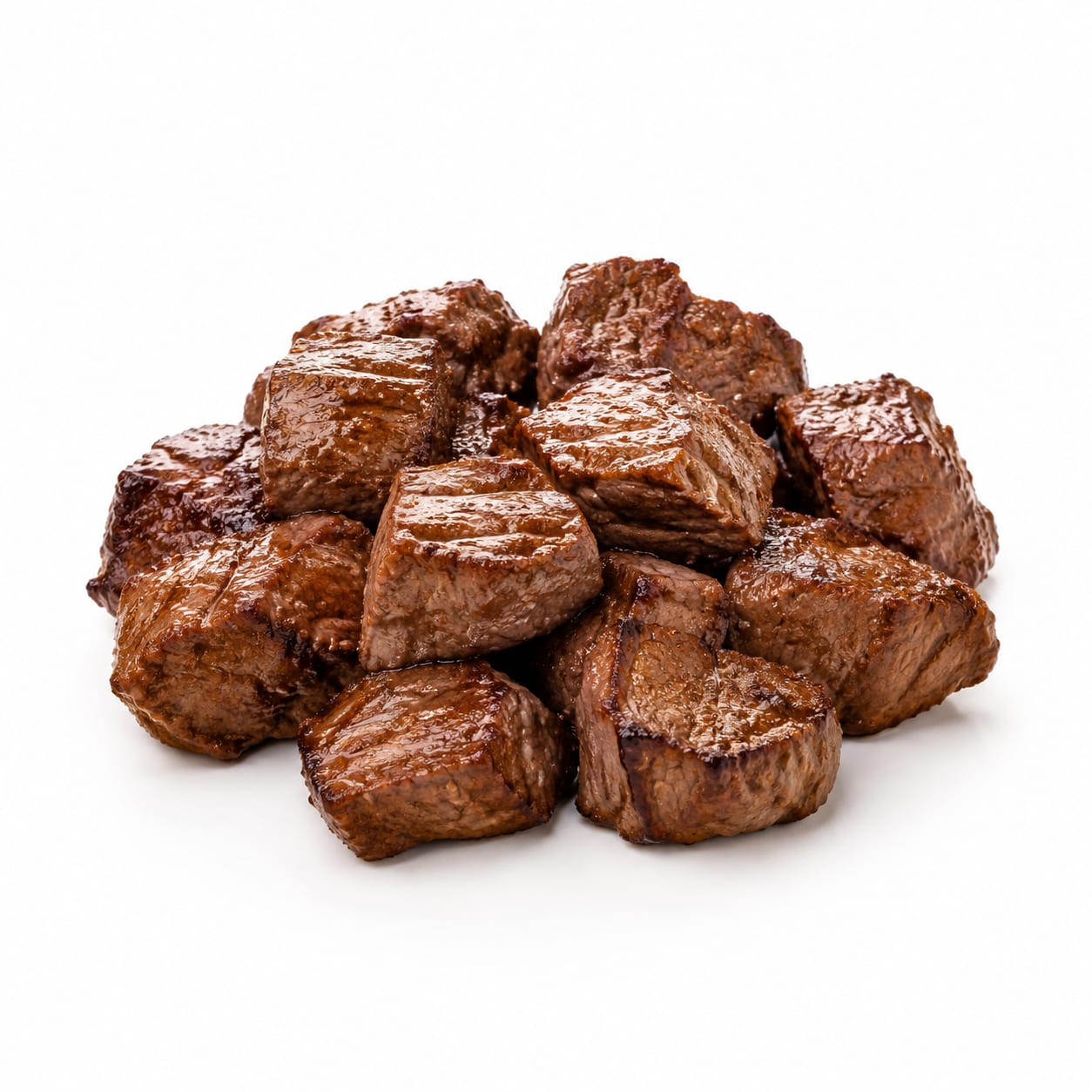
Beef
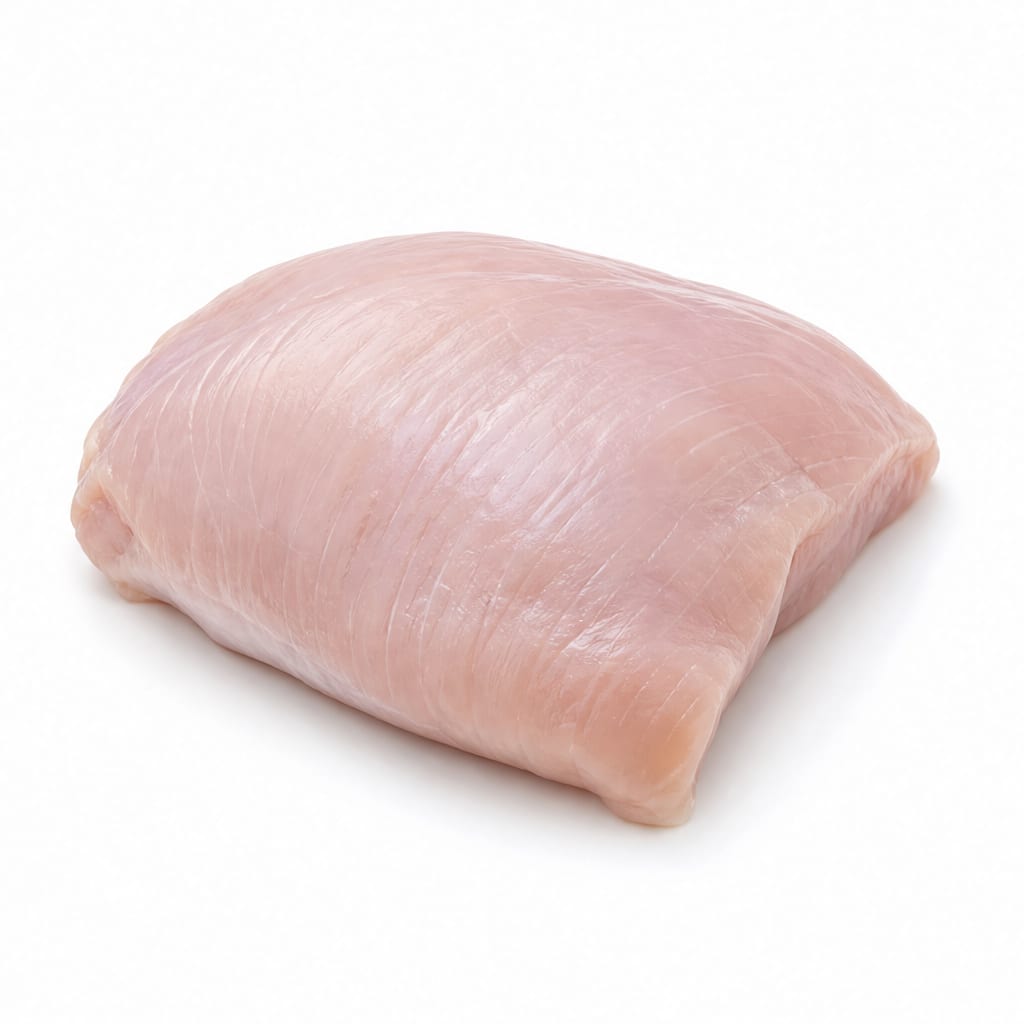
Turkey Breast
Turkey Breast wins for most everyday health goals due to its lean profile, but Beef dominates in iron, B12, and zinc delivery.
Turkey Breast scores notably higher because its lean profile aligns with most common health goals. Beef remains valuable for specific micronutrient needs but carries meaningful saturated fat and calorie tradeoffs that lower its everyday suitability.
You trade micronutrient density and satiating fat in Beef for far fewer calories and less saturated fat in Turkey Breast.
At a glance
Executive summary
Overall
Turkey Breast
Healthier
Turkey Breast
More practical
Turkey Breast
Daily use
Turkey Breast
Key comparison lenses
lean protein source selection for health-conscious eaters
Most people choosing between these two are looking to optimize protein intake while managing fat and calories
heart health and saturated fat reduction
Saturated fat difference is the single most impactful nutritional distinction here
weight management and calorie control
Calorie density differs dramatically, making this a common weight-loss decision point
iron deficiency prevention and micronutrient needs
Beef is a top-tier heme iron source, which matters for specific populations like women and athletes
muscle building and athletic performance
Both are quality protein sources but differ in creatine, leucine density, and calorie tradeoffs
Best choice for
Beef
- People with iron deficiency or anemia risk
- Those needing B12 and zinc support
- Highly active individuals seeking calorie-dense protein
- Anyone struggling to get enough micronutrients from diet alone
Turkey Breast
- Weight loss and fat loss goals
- Daily heart-healthy eating patterns
- Post-workout lean protein without excess calories
- People watching cholesterol or saturated fat intake
Least suitable for
Beef
- People with high cholesterol or cardiovascular risk
- Anyone on a strict calorie deficit
- Daily consumption for sedentary individuals
Turkey Breast
- Those with iron deficiency who rely on food as their primary source
- People needing calorie-dense meals to maintain weight
- Anyone finding lean meats unsatisfying or boring
Deep comparison
Dimension by dimension
Each lens scores both foods and breaks down who each option suits.
- Dimension 1 · Priority 92Turkey Breast
Calorie Efficiency
Beef · 45Turkey Breast · 95Turkey Breast delivers far more protein per calorie, making it the clear winner for anyone managing intake.
Tradeoff
Beef's extra calories come from fat, which adds flavor and satiety but costs you significantly in calorie budget.
Why it matters
A 4oz serving of Turkey Breast runs roughly 120-130 calories, while the same portion of Beef can easily hit 250-350 depending on the cut.
Real-world impact
Choosing Turkey Breast over Beef for one meal a day could save you 150-200 calories, which adds up to a pound of fat loss every 2-3 weeks with no other changes.
Beef
- Underweight individuals needing calorie density
- Endurance athletes with high energy demands
Better for
- Calorie-restricted diets
- Sedentary lifestyles
Worse for
Turkey Breast
- Weight loss and cutting phases
- Anyone tracking macros closely
- People who prefer larger food volumes for fewer calories
Better for
- Bulking phases where calorie surplus is the goal
- Those who feel unsatisfied without dietary fat
Worse for
- Dimension 2 · Priority 90Turkey Breast
Heart Health and Saturated Fat
Beef · 35Turkey Breast · 92Turkey Breast has minimal saturated fat, while Beef is a significant source, making Turkey Breast far gentler on cardiovascular risk markers.
Tradeoff
Beef's saturated fat contributes to its rich taste and mouthfeel but raises LDL cholesterol with regular consumption.
Why it matters
Consistent saturated fat intake above 5-6% of total calories is linked to elevated heart disease risk. A single Beef serving can deliver 5-8g of saturated fat.
Real-world impact
Swapping Beef for Turkey Breast a few times per week can meaningfully lower LDL cholesterol over months, especially if the rest of your diet is moderate in fat.
Beef
- Very lean cuts like eye of round in moderation
- Active individuals metabolizing fat efficiently
Better for
- Regular consumption for heart disease patients
- Combining with other high-sat-fat foods like cheese
Worse for
Turkey Breast
- Anyone with family history of heart disease
- People with elevated LDL cholesterol
- Daily protein staple for long-term health
Better for
- Preparations with added butter or oil that negate the leanness advantage
Worse for
- Dimension 3 · Priority 85Beef
Micronutrient Density
Beef · 90Turkey Breast · 55Beef is a powerhouse for heme iron, B12, and zinc, delivering nutrients that Turkey Breast provides in much smaller amounts.
Tradeoff
You gain superior micronutrient absorption from Beef but absorb more saturated fat alongside them.
Why it matters
Heme iron from Beef is absorbed 2-3x better than plant iron. B12 from Beef is critical for nerve health. Zinc supports immunity and testosterone.
Real-world impact
For women of reproductive age, a few weekly Beef servings can meaningfully reduce iron deficiency risk that Turkey Breast alone may not cover.
Beef
- Women with heavy menstrual cycles
- Vegetarians transitioning back to meat who need rapid nutrient replenishment
- Older adults with B12 absorption issues
Better for
- People with hemochromatosis or iron overload risk
Worse for
Turkey Breast
- People who already supplement iron and B12
- Those getting micronutrients from diverse food sources
Better for
- Those relying solely on Turkey Breast for iron and B12
Worse for
- Dimension 4 · Priority 78It depends
Satiety and Meal Satisfaction
Beef · 82Turkey Breast · 70Beef's fat content keeps you fuller longer, but Turkey Breast allows larger portions that can also satisfy through volume.
Tradeoff
Fat-driven satiety from Beef is efficient but calorie-expensive. Volume-driven satiety from Turkey Breast takes more food but fewer calories.
Why it matters
Satiety determines whether you snack later. Beef's fat slows digestion and delays hunger signals more effectively per ounce.
Real-world impact
A Beef steak dinner often feels more satisfying and reduces late-night snacking, while a Turkey Breast meal may leave you reaching for something else within 2-3 hours.
Beef
- One-meal-a-day eaters needing long-lasting fullness
- Those prone to evening snacking after lean dinners
Better for
- Anyone who feels sluggish after heavy meals
Worse for
Turkey Breast
- People who prefer eating larger portions
- Those who pair protein with fiber-rich sides for combined satiety
Better for
- Fast metabolizers who burn through lean meals quickly
Worse for
- Dimension 5 · Priority 75It depends
Protein Quality for Muscle
Beef · 85Turkey Breast · 80Both are excellent protein sources, but Beef edges ahead with creatine and slightly higher leucine density per gram of protein.
Tradeoff
Beef offers marginally better muscle-building compounds but costs more calories to get them. Turkey Breast is nearly as effective with far fewer calories.
Why it matters
Creatine and leucine directly support muscle protein synthesis. Beef naturally contains creatine, while Turkey Breast has negligible amounts.
Real-world impact
For most recreational lifters, the protein quality difference is minor compared to the calorie tradeoff. Competitive bodybuilders may benefit more from Beef during bulking phases.
Beef
- Off-season bulking where extra calories support growth
- Strength athletes not worried about fat gain
Better for
- Fight-sport athletes making weight
Worse for
Turkey Breast
- Cutting phases where preserving muscle on fewer calories matters
- Lean bulking approaches
Better for
- Those not supplementing creatine who want dietary sources
Worse for
- Dimension 6 · Priority 65It depends
Food Safety and Contamination
Beef · 58Turkey Breast · 65Both carry risks but of different types. Beef has higher exposure to antibiotics and potential E. coli, while ground Turkey Breast carries Salmonella concerns.
Tradeoff
Whole Turkey Breast cuts are generally lower risk than ground versions of either meat. Handling and cooking practices matter more than the meat choice itself.
Why it matters
Antibiotic-resistant bacteria are a growing concern in conventional Beef production. Ground meats of any type carry higher contamination risk than whole cuts.
Real-world impact
Proper cooking to safe internal temperatures eliminates most risk for both. Choosing whole cuts over ground reduces contamination likelihood significantly.
Beef
- Grass-fed and organic options with lower antibiotic exposure
- Whole cuts rather than ground
Better for
- Conventional ground Beef with highest E. coli risk
- Undercooked preparations
Worse for
Turkey Breast
- Whole breast cuts with minimal processing
- Organic or heritage-raised options
Better for
- Ground Turkey with Salmonella handling requirements
- Pre-seasoned or injected breasts with sodium additives
Worse for
Timeline
Health impact over time
Short-term
Hours to days
Beef
- Higher satiety after meals due to fat content
- Possible sluggishness after large servings due to digestive load
- Quick heme iron boost for deficient individuals
Turkey Breast
- Lighter post-meal feeling with faster digestion
- Lower risk of that heavy, overly full sensation
- Rapid amino acid availability for post-workout recovery
Long-term
Months to years
Beef
- Regular consumption may elevate LDL cholesterol and cardiovascular risk
- Superior iron and B12 status, especially important for women and older adults
- Higher cumulative calorie intake if portions are not managed
Turkey Breast
- Consistently lower saturated fat intake supports heart health over decades
- Possible iron insufficiency if not supplemented or paired with iron-rich foods
- Easier long-term weight maintenance due to lower calorie density
Risk profile
Safety & processing
Both are whole food protein sources when purchased as raw cuts. However, many commercial Turkey Breast products are injected with sodium solutions or broths, which adds hidden salt and processing. Always check labels for enhanced or self-basting Turkey Breast, which can contain 400-500mg sodium per serving versus 50-70mg naturally. Beef is less commonly enhanced at the retail level.
Beef
E. coli contamination
mediumParticularly concerning in ground Beef. Whole cuts are safer since bacteria primarily exist on surfaces. Cook to 160°F for ground, 145°F for steaks.
Antibiotic residues
mediumConventional Beef production uses more antibiotics than poultry. Choose grass-fed or organic to reduce exposure.
Heme iron overload
lowRegular high heme iron intake may increase oxidative stress in the gut. Primarily a concern for those with hemochromatosis or very frequent red meat consumption.
Turkey Breast
Salmonella contamination
mediumPoultry carries inherent Salmonella risk. Proper handling and cooking to 165°F eliminates this. Cross-contamination with kitchen surfaces is the most common real-world issue.
Sodium injection in commercial products
mediumMany store-bought Turkey Breasts are enhanced with sodium solutions. This can add 300-400mg sodium per serving, which is a hidden health cost.
Campylobacter exposure
lowAnother poultry-specific bacteria, less commonly discussed than Salmonella but still present. Proper cooking eliminates risk.
Who wins for whom
Audience fit
Same foods, different winners depending on your goal.
children
BeefGrowing children benefit greatly from Beef's iron, zinc, and B12. The calorie density also supports active growth, though portion moderation is still wise.
daily consumption
Turkey BreastTurkey Breast's lean profile makes it safer and more sustainable as a daily protein staple without accumulating saturated fat or calorie burdens.
diabetes
Turkey BreastBoth have minimal carbohydrate impact, but Turkey Breast's lower saturated fat content is better for the cardiovascular risks that disproportionately affect diabetics.
elderly
It dependsTurkey Breast is easier to chew and digest, but elderly individuals often need B12 and iron that Beef provides more efficiently. Rotate both based on individual needs.
muscle gain
BeefBeef's creatine, slightly higher leucine density, and calorie surplus compatibility give it the edge for building muscle, especially during bulking phases.
weight loss
Turkey BreastTurkey Breast provides more protein and larger portions for far fewer calories, making it the most sustainable choice for consistent fat loss.
Your move
Decision guide
Choose Beef
- You have been diagnosed with iron deficiency or are at high risk
- You are actively bulking and need calorie-dense protein
- You eat red meat only a few times per week and want maximum micronutrient return
- You find lean meats unsatisfying and end up overeating carbs later
Choose Turkey Breast
- You are trying to lose weight or maintain a lean physique
- Heart health is a priority due to family history or current cholesterol levels
- You want a daily go-to protein that will not blow your calorie budget
- You already supplement creatine and B12, reducing Beef's unique advantages
Either works if
- You rotate protein sources throughout the week as part of a balanced diet
- You are healthy, active, and have no specific micronutrient deficiencies
- You pair either meat with plenty of vegetables and whole grains
Avoid both if
- You have gout and are sensitive to purine-rich meats
- You are following a plant-based diet for ethical or environmental reasons
- You have kidney disease and need to restrict protein intake
Final recommendation
Make Turkey Breast your default daily protein for its lean, heart-friendly profile. Add Beef 2-3 times per week to cover iron, B12, and zinc needs without overloading saturated fat. This combination gives you the best of both worlds: lean consistency with strategic micronutrient density.
Practical
Consumer tips
- 1
Check Turkey Breast labels for sodium solutions. Unenhanced versions have around 50mg sodium per serving, while injected versions can exceed 400mg.
- 2
Choose leaner Beef cuts like eye of round, top sirloin, or flank steak to get closer to Turkey Breast's calorie profile while retaining micronutrient advantages.
- 3
Pair Turkey Breast with vitamin C-rich foods like bell peppers or broccoli to boost non-heme iron absorption from your other meal components.
- 4
If buying ground meat, ground Turkey Breast is leaner than ground Beef, but ground Turkey made from dark meat and skin can be nearly as fatty as regular ground Beef.
- 5
Grass-fed Beef offers a better omega-3 to omega-6 ratio and higher antioxidant content than conventional, narrowing the nutritional gap with Turkey Breast.
- 6
Cook Turkey Breast with healthy fats like olive oil to improve satiety and nutrient absorption without adding saturated fat.
- 7
For meal prep, Turkey Breast dries out more easily when reheated. Slice and store with a bit of broth to maintain moisture.