
Nutrition comparison
Beef vs Venison: Nutrition, Health Benefits & Which is Leaner
Compare Beef vs Venison to see which meat is lower in fat, higher in protein, and better for your health goals. Discover the nutritional tradeoffs.
Overall winner · Venison
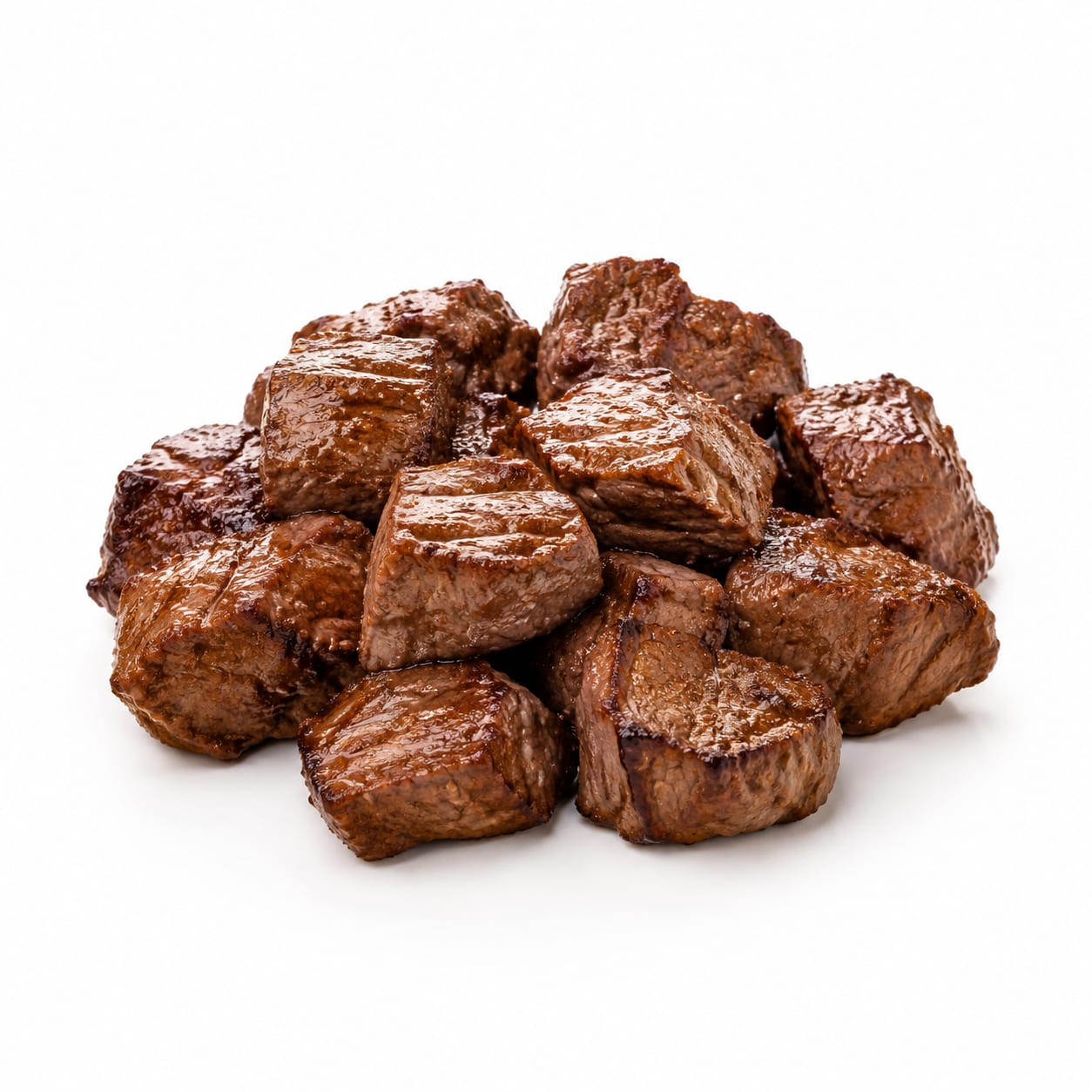
Beef
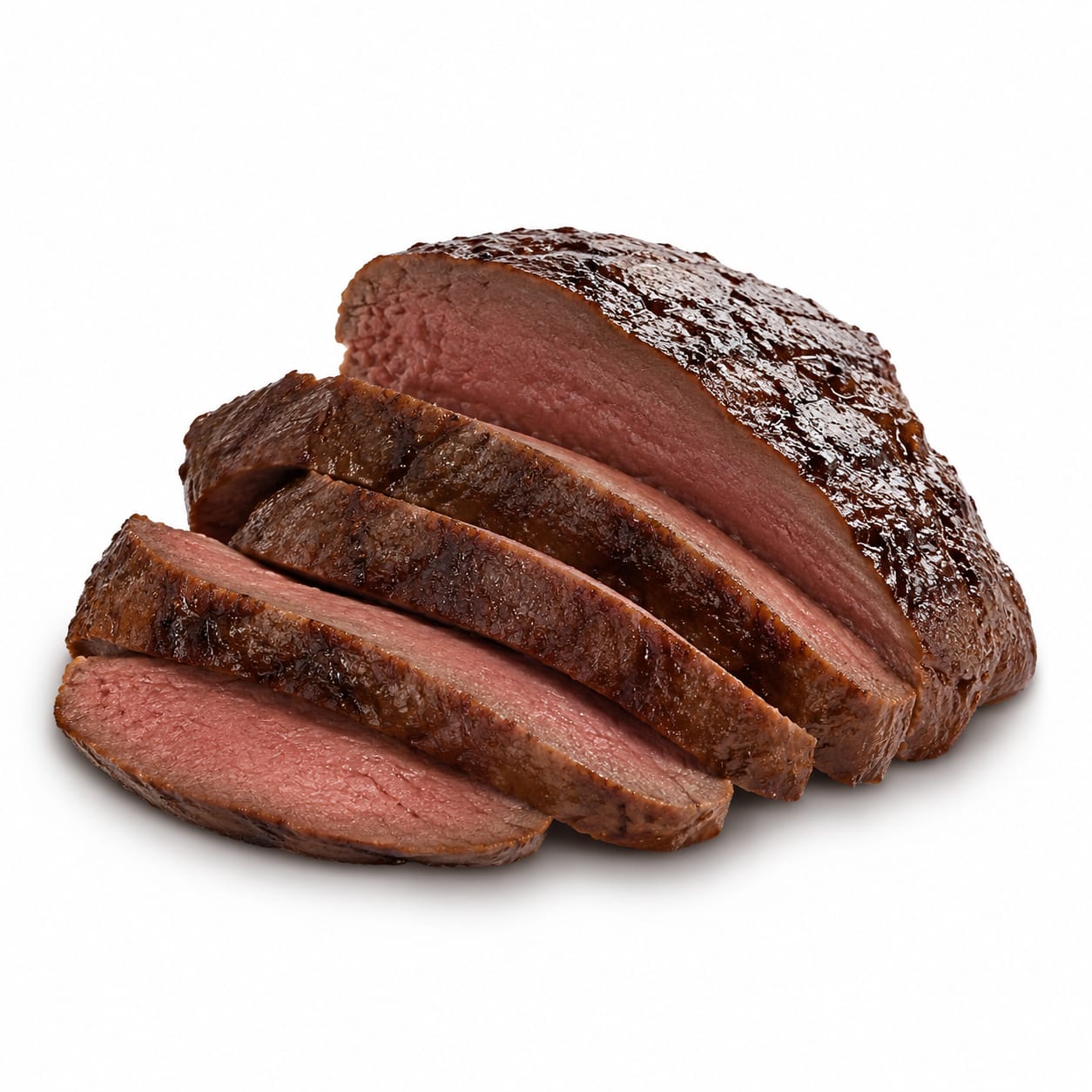
Venison
Venison delivers a leaner, cleaner protein punch, while Beef wins on accessibility, cost, and everyday convenience.
Venison scores higher due to its superior fat profile and lack of farming additives, but Beef remains highly relevant due to its unmatched accessibility and reliable micronutrient density.
You trade the easy availability and familiar taste of Beef for the lower fat and wild-sourced purity of Venison.
At a glance
Executive summary
Overall
Venison
Healthier
Venison
More practical
Beef
Daily use
Beef
Key comparison lenses
Lean protein and fat content for body composition
Venison is significantly leaner than Beef, making it a prime choice for those watching their fat intake while building muscle.
Antibiotic and hormone exposure
Venison is typically wild, avoiding the antibiotics and hormones common in conventional Beef farming.
Practicality and everyday accessibility
Beef is a staple available everywhere, whereas Venison is often expensive, seasonal, or requires specialty sourcing.
Cardiovascular impact and cholesterol
The lower saturated fat in Venison makes it a friendlier option for heart health compared to fattier Beef cuts.
Micronutrient density for energy and anemia prevention
Both are rich in iron and B12, but Venison offers slightly more of these energy-boosting nutrients per calorie.
Best choice for
Beef
- Budget-conscious shoppers
- People who need widely available protein
- Home cooks looking for familiar cuts and cooking methods
Venison
- Lean muscle builders
- People avoiding antibiotics and hormones
- Those watching their saturated fat intake closely
Least suitable for
Beef
- People on strict low-fat diets
- Those actively avoiding farmed meat antibiotics
Venison
- Budget shoppers
- People who dislike gamey flavors or tough textures if overcooked
Deep comparison
Dimension by dimension
Each lens scores both foods and breaks down who each option suits.
- Dimension 1 · Priority 90It depends
Protein Quality & Satiety
Beef · 90Venison · 92Both deliver top-tier complete protein that keeps you full for hours, though Venison packs slightly more protein per ounce.
Tradeoff
Beef's higher fat content can make it feel more satisfying in a comfort-food way, while Venison provides leaner, cleaner satiety.
Why it matters
Higher protein with less fat means you get the muscle-building benefits without the extra calories dragging you down.
Real-world impact
A Venison steak will fuel your recovery just as well as Beef, but without the heavy, sluggish feeling afterward.
Beef
- Comfort meals where richness is desired
- Keto or high-fat diets needing extra fat for energy
Better for
- Cutting phases where calories and fat are tightly restricted
Worse for
Venison
- Post-workout meals needing lean protein
- Calorie-controlled diets where every gram counts
Better for
- Those who find very lean meats less satisfying and end up snacking later
Worse for
- Dimension 2 · Priority 85Venison
Fat Profile & Calorie Density
Beef · 60Venison · 90Venison is significantly leaner, offering far fewer calories and less saturated fat per serving than Beef.
Tradeoff
Beef's marbling makes it more tender and flavorful, but it comes with a heavier calorie load and more saturated fat.
Why it matters
Less saturated fat and fewer calories reduce cardiovascular strain and make weight management much easier.
Real-world impact
Choosing Venison over Beef for dinner a few times a week can save you hundreds of calories without shrinking your portion size.
Beef
- Those needing higher caloric intake to maintain weight
- Low-carb dieters relying on fat for sustained energy
Better for
- People managing high cholesterol or heart conditions
Worse for
Venison
- Heart-health-conscious eaters
- Anyone tracking calories for weight loss
Better for
- Those who struggle to keep weight on or need energy-dense meals
Worse for
- Dimension 3 · Priority 80Venison
Contaminant & Antibiotic Exposure
Beef · 55Venison · 90Venison is typically wild-caught, meaning no antibiotics, hormones, or feedlot conditions. Beef often carries these risks.
Tradeoff
Wild game avoids farming chemicals but carries a slightly higher risk of environmental contaminants like lead from ammunition.
Why it matters
Repeated exposure to antibiotics and hormones in farmed meat can disrupt gut health and endocrine function over time.
Real-world impact
Eating Venison gives you peace of mind about what you are putting in your body, avoiding the unknowns of feedlot beef.
Beef
- Those sourcing verified organic, grass-fed beef with strict oversight
Better for
- Consumers worried about conventional farming practices
Worse for
Venison
- People prioritizing clean, additive-free meat
- Families looking to avoid artificial hormones
Better for
- Those concerned about lead fragments in hunted game
Worse for
- Dimension 4 · Priority 75Beef
Practicality & Accessibility
Beef · 95Venison · 40Beef is available at every grocery store and restaurant. Venison is expensive, seasonal, or requires hunting connections.
Tradeoff
You get superior nutrition with Venison, but finding it and affording it requires real effort.
Why it matters
The healthiest food only works if you can actually get it on your plate consistently.
Real-world impact
You can grab Beef on any busy weeknight, while Venison usually requires specialty shopping or a freezer stash from hunting season.
Beef
- Busy families needing quick meal solutions
- Consistent weeknight meal prep
- Dining out
Better for
- Those looking for exclusive, premium dining experiences
Worse for
Venison
- Adventurous home cooks
- Hunters with direct access to the meat
Better for
- Last-minute shoppers
- People on a tight grocery budget
Worse for
- Dimension 5 · Priority 70Venison
Micronutrient Density
Beef · 85Venison · 90Both are iron and B12 powerhouses, but Venison edges out Beef with slightly higher concentrations of these essential nutrients.
Tradeoff
The difference is marginal, but Venison provides more bioavailable iron and B12 per calorie consumed.
Why it matters
B12 and iron are crucial for energy levels and preventing anemia, especially for those avoiding plant-based sources.
Real-world impact
A single serving of Venison covers a massive chunk of your daily B12 and iron needs, giving you a noticeable energy edge.
Beef
- Everyday iron supplementation through standard food choices
Better for
- People needing the absolute highest nutrient density per calorie
Worse for
Venison
- Those with diagnosed iron deficiency needing maximum impact per bite
Better for
- Those with hemochromatosis who need to strictly limit iron intake
Worse for
Timeline
Health impact over time
Short-term
Hours to days
Beef
- Quick, sustained energy from high B12 and iron
- Heavier digestive load due to higher fat content
Venison
- Lighter feeling after eating despite high protein intake
- Rapid satiety without the sluggishness of high-fat meat
Long-term
Months to years
Beef
- Higher saturated fat intake can impact heart health if overconsumed
- Potential exposure to antibiotic residues if not sourcing grass-fed
Venison
- Excellent for maintaining lean muscle mass and cardiovascular health
- Risk of heavy metal exposure if consuming lead-shot wild game frequently
Risk profile
Safety & processing
Both are whole, unprocessed meats, but Venison's wild origins make it inherently free from the artificial hormones and antibiotics common in conventional Beef production.
Beef
Antibiotic-resistant bacteria
mediumConventional feedlot Beef can harbor resistant strains due to routine antibiotic use.
Hormone residues
lowGrowth hormones used in some Beef production may have subtle endocrine effects over time.
Venison
Lead contamination
mediumVenison hunted with lead ammunition can contain lead fragments, which is particularly risky for children and pregnant women.
Chronic Wasting Disease (CWD)
lowA prion disease found in some wild deer populations; proper testing and avoiding affected areas mitigates this.
Who wins for whom
Audience fit
Same foods, different winners depending on your goal.
children
BeefBeef is widely accessible and free from the lead contamination risks sometimes found in hunted Venison.
daily consumption
BeefBeef is far easier to source, afford, and cook on a daily basis, making it the more practical staple.
diabetes
VenisonZero carbs in both, but Venison's lower saturated fat content is better for the cardiovascular risks associated with diabetes.
elderly
VenisonHigh protein and B12 with less saturated fat helps preserve muscle and protect aging hearts.
muscle gain
It dependsBeef provides extra calories and fat useful for bulking, while Venison offers leaner protein ideal for clean bulking.
weight loss
VenisonVenison's lower calorie and fat content allow for larger, more satisfying portions without breaking your calorie budget.
Your move
Decision guide
Choose Beef
- You need an affordable, easy-to-find protein source
- You are bulking and want the extra calories and fat
- You don't enjoy the taste or texture of game meat
Choose Venison
- You want to minimize saturated fat and calorie intake
- Avoiding antibiotics and hormones is a top priority
- You have access to high-quality, safely hunted Venison
Either works if
- You need a robust source of iron and B12
- You are meal-prepping high-protein dinners
Avoid both if
- You are following a strict plant-based diet
- You have severe gout and need to limit purine intake
Final recommendation
Choose Venison when you have access to it and want a leaner, cleaner protein hit. Opt for Beef when practicality, budget, or availability are the deciding factors. Mixing both gives you the best of both worlds.
Practical
Consumer tips
- 1
If buying Beef, opt for grass-fed when possible to reduce antibiotic and hormone exposure.
- 2
If eating hunted Venison, ask your processor to avoid lead ammunition or trim heavily around the wound channel.
- 3
Because Venison is so lean, avoid overcooking it; cook it medium-rare to keep it tender.
- 4
Use a meat thermometer with both to ensure safe internal temperatures without drying them out.