
Nutrition comparison
Beef vs Chicken Breast: Which Protein Is Healthier for You?
Compare Beef and Chicken Breast on protein, fat, calories, micronutrients, and heart health. Learn which is better for weight loss, muscle gain, and daily meals with practical tradeoff analysis.
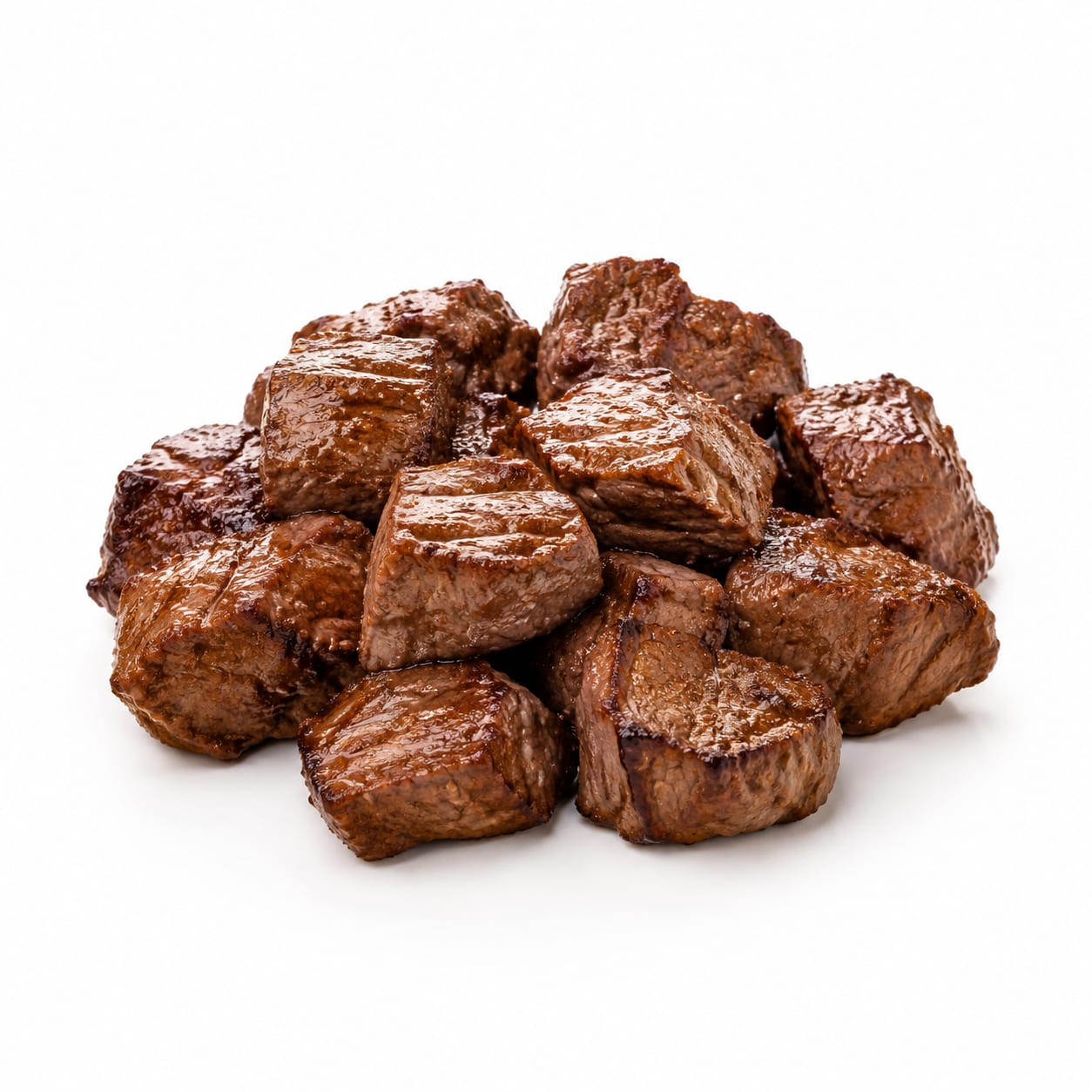
Beef

Chicken Breast
Chicken Breast wins for daily lean protein and heart health. Beef wins for micronutrient density and satisfying meals. Most people benefit from eating both in different ratios depending on their goals.
Chicken Breast scores higher overall due to its leaner profile, lower cardiovascular risk, and better suitability for frequent consumption. Beef remains valuable for micronutrients but carries meaningful saturated fat tradeoffs that limit its daily-use score.
More satiating micronutrient-rich meals with Beef versus leaner, heart-friendlier, lower-calorie meals with Chicken Breast.
At a glance
Executive summary
Overall
It depends
Healthier
Chicken Breast
More practical
Chicken Breast
Daily use
Chicken Breast
Key comparison lenses
lean protein source selection for health goals
Users comparing these two are almost always deciding which protein to build meals around
heart health and saturated fat concerns
The saturated fat gap is the single most consequential health difference between these foods
micronutrient density comparison
Beef offers significantly more iron, zinc, and B12, which matters for deficiency prevention
weight management and calorie control
Chicken Breast is a staple for fat loss diets due to its calorie-to-protein ratio
everyday meal planning and variety
People want to know if they can eat one or both regularly without health tradeoffs
Best choice for
Beef
- Iron-deficient individuals and women with heavy periods
- Athletes needing creatine and zinc for performance
- People on low-carb or carnivore-adjacent diets
- Anyone bored with bland meals who needs more satisfaction
- Older adults needing B12 and highly bioavailable iron
Chicken Breast
- People managing cholesterol or heart disease risk
- Anyone actively losing weight and tracking calories
- Meal preppers who eat protein 2-3 times daily
- Those with gout or uric acid concerns who still need protein
- Post-surgery recovery needing gentle, lean protein
Least suitable for
Beef
- People with high LDL cholesterol or family history of heart disease
- Daily consumption for sedentary individuals
- Anyone strictly managing saturated fat intake
- Those prone to digestive heaviness after rich meals
Chicken Breast
- People with iron deficiency anemia who need heme iron
- Those finding lean meat unsatisfying leading to overeating later
- Individuals needing calorie-dense recovery meals
- Anyone bored by repetitive meals who might abandon their diet
Deep comparison
Dimension by dimension
Each lens scores both foods and breaks down who each option suits.
- Dimension 1 · Priority 95It depends
Protein Quality and Content
Beef · 88Chicken Breast · 92Both are complete high-quality proteins. Chicken Breast offers slightly more protein per calorie, while Beef provides more creatine and taurine which support muscle performance.
Tradeoff
More protein per bite with Chicken Breast versus more performance-supporting compounds in Beef.
Why it matters
If you are tracking macros or calories, Chicken Breast gives you more protein per gram consumed. If you want performance edge, Beef offers extras that Chicken Breast cannot match.
Real-world impact
A 4oz Chicken Breast delivers roughly 35g protein with 165 calories. The same portion of lean Beef gives 30g protein with 220+ calories depending on the cut.
Beef
- Athletes seeking creatine and taurine for strength output
- Anyone wanting a broader amino acid cofactor profile
Better for
- Calorie-conscious eaters who find it easy to overshoot daily intake
Worse for
Chicken Breast
- Macro trackers needing maximum protein per calorie
- People eating protein multiple times daily who need variety without excess calories
Better for
- Strength athletes missing the creatine and performance cofactors
Worse for
- Dimension 2 · Priority 92Chicken Breast
Heart Health and Saturated Fat
Beef · 45Chicken Breast · 90Chicken Breast is dramatically lower in saturated fat, making it far gentler on cardiovascular health. Even lean Beef cuts contain 2-3x more saturated fat.
Tradeoff
Rich flavor and satisfying mouthfeel from Beef fat versus significantly cleaner cardiovascular profile from Chicken Breast.
Why it matters
Saturated fat directly raises LDL cholesterol. For anyone with heart disease risk, family history, or elevated lipids, this is the most important dimension in this comparison.
Real-world impact
A 4oz serving of 85% lean ground Beef has about 6g saturated fat. The same portion of Chicken Breast has under 1g. That difference compounds quickly over weekly meals.
Beef
- Healthy lean individuals eating Beef a few times per week with no lipid issues
Better for
- People who already have borderline or high cholesterol
- Anyone eating red meat more than 3-4 times per week
Worse for
Chicken Breast
- Anyone with elevated LDL or family history of heart disease
- People eating animal protein daily who need a heart-safe default
- Older adults whose cardiovascular risk increases with age
Better for
- Dimension 3 · Priority 88Beef
Micronutrient Density
Beef · 92Chicken Breast · 58Beef is a micronutrient powerhouse, delivering far more iron, zinc, B12, selenium, and choline. Chicken Breast is adequate but not exceptional in this category.
Tradeoff
Significantly better mineral and vitamin intake with Beef versus leaner but less nutrient-dense Chicken Breast.
Why it matters
Iron and B12 deficiencies are common, especially in women and vegetarians transitioning back to meat. Beef provides heme iron that is 2-3x more absorbable than plant iron.
Real-world impact
A single serving of Beef can provide over 50% of daily B12 and 30% of daily zinc. Chicken Breast covers maybe 10-15% of each. This gap matters over months of food choices.
Beef
- Women with heavy menstrual cycles needing iron
- Anyone recovering from B12 deficiency
- Older adults with reduced stomach acid who need highly bioavailable nutrients
- Growing teenagers with high mineral demands
Better for
- Those with hemochromatosis or iron overload conditions
Worse for
Chicken Breast
- People already supplementing iron and B12 who do not need food sources
Better for
- Anyone relying on a single animal protein for their mineral needs
Worse for
- Dimension 4 · Priority 82Beef
Satiety and Meal Satisfaction
Beef · 85Chicken Breast · 70Beef is more filling and satisfying per meal due to its fat content, umami intensity, and slower digestion. Chicken Breast satisfies protein hunger but leaves some people wanting more.
Tradeoff
Deeper meal satisfaction with Beef versus lighter meals that leave room for vegetables and carbs with Chicken Breast.
Why it matters
If your lean meal leaves you snacking an hour later, the calorie savings disappear. Satisfaction drives adherence more than nutrition facts.
Real-world impact
A steak dinner often feels complete. A Chicken Breast meal frequently needs sides, sauces, or a second helping to feel equally satisfying.
Beef
- People who tend to overeat after unsatisfying lean meals
- Those eating fewer meals per day who need each one to count
- Anyone struggling with nighttime cravings after light dinners
Better for
- Those who find rich meals cause sluggishness or digestive discomfort
Worse for
Chicken Breast
- People who prefer lighter meals and eat frequently
- Anyone who finds heavy meals cause afternoon energy crashes
Better for
- Dieters who end up compensating with snacks after unsatisfying meals
Worse for
- Dimension 5 · Priority 85Chicken Breast
Weight Management and Calorie Control
Beef · 55Chicken Breast · 90Chicken Breast is the gold standard for fat loss diets because it delivers maximum protein with minimum calories. Beef is calorie-denser, making portion control harder.
Tradeoff
Easier calorie tracking and faster fat loss with Chicken Breast versus more enjoyable meals with Beef that require stricter portion discipline.
Why it matters
For anyone in a calorie deficit, protein-per-calorie is the most important metric. Chicken Breast consistently wins here across all cuts versus most Beef cuts.
Real-world impact
You can eat nearly twice the volume of Chicken Breast for the same calories as a fatty Beef cut. That volume difference matters enormously for hunger management during dieting.
Beef
- Lean individuals in maintenance who are not calorie-restricted
- People on ketogenic diets who want calorie-dense protein sources
Better for
- Anyone who finds it easy to accidentally overeat calorie-dense foods
Worse for
Chicken Breast
- Anyone actively losing weight
- People who struggle with portion control and need lower calorie density
- Competition prep athletes with strict macro targets
Better for
- Underweight individuals needing calorie surplus
Worse for
- Dimension 6 · Priority 75Chicken Breast
Inflammatory Potential
Beef · 50Chicken Breast · 75Regular red meat consumption is associated with higher inflammatory markers. Chicken Breast, as a white meat, has a more neutral inflammatory profile.
Tradeoff
Richer nutrient package but higher inflammatory signaling with Beef versus cleaner inflammatory profile but fewer nutrients with Chicken Breast.
Why it matters
Chronic low-grade inflammation drives aging, joint pain, and disease risk. For people with autoimmune conditions or arthritis, this matters more than for healthy individuals.
Real-world impact
People with joint pain or inflammatory skin conditions often notice improvement when swapping Beef for Chicken Breast or fish as their primary protein.
Beef
- Healthy individuals eating Beef a few times weekly with anti-inflammatory foods
Better for
- People eating red meat daily alongside other inflammatory foods
- Those with existing inflammatory conditions
Worse for
Chicken Breast
- People with autoimmune conditions or chronic inflammation
- Anyone with joint pain, skin issues, or gut inflammation
- Those eating animal protein daily who need a lower-inflammatory default
Better for
- Dimension 7 · Priority 78Chicken Breast
Practicality and Meal Prep
Beef · 65Chicken Breast · 88Chicken Breast is more versatile for batch cooking, reheats better, and works in more recipe contexts. Beef is more finicky with reheating and has fewer leftover-friendly applications.
Tradeoff
Better meal prep reliability with Chicken Breast versus more exciting fresh meals with Beef.
Why it matters
If you meal prep on Sundays, Chicken Breast stays palatable through Thursday. Reheated Beef often becomes dry, tough, or develops off-flavors.
Real-world impact
Grilled Chicken Breast works in salads, wraps, grain bowls, and stir-fries all week. Leftover steak is good cold but tough and dry reheated.
Beef
- Fresh cooking enthusiasts who prepare meals right before eating
- People who value weekend cooking as an experience rather than utility
Better for
- Anyone relying on leftovers for weekday meals
Worse for
Chicken Breast
- Busy professionals who batch-cook on weekends
- Anyone who packs lunches for work
- Families needing versatile protein that works in multiple dishes
Better for
- People who find repetitive meals lead to diet abandonment
Worse for
Timeline
Health impact over time
Short-term
Hours to days
Beef
- Heavier post-meal feeling that may reduce snacking for hours
- Higher satiety from fat and umami content
- Possible sluggishness after large portions due to digestive demands
- Quick B12 and iron replenishment after deficiency
Chicken Breast
- Lighter, cleaner energy after meals
- Faster digestion allowing flexibility in meal timing
- Possible hunger returning sooner if meals lack adequate fat or fiber
- Easy on the stomach for most people
Long-term
Months to years
Beef
- Increased LDL cholesterol with frequent consumption, especially fattier cuts
- Better iron and B12 status reducing deficiency risk
- Potential increased cardiovascular disease risk if eaten more than 3 times weekly
- Higher colorectal cancer risk associated with regular red meat intake
- Maintained muscle mass and strength from creatine and complete amino acids
Chicken Breast
- Sustained healthy cholesterol levels with regular consumption
- Lower cardiovascular disease risk as a primary protein source
- Possible iron or B12 shortfall if not supplemented through other foods
- Easier long-term weight maintenance due to lower calorie density
- Reduced cancer risk compared to red meat as a daily protein
Risk profile
Safety & processing
Both Beef and Chicken Breast are whole, minimally processed foods when purchased as raw cuts. Concerns arise with ground Beef products that may include additives, and with chicken products injected with sodium solutions. Always check labels for sodium-enhanced chicken and choose whole cuts when possible.
Beef
Heme iron and colorectal cancer association
mediumRegular consumption of red meat is classified as a probable carcinogen by WHO. Risk escalates with frequency and processing level. A few servings per week is low risk.
Antibiotic and hormone residues
mediumConventional Beef may contain hormone residues used in production. Choose grass-fed or organic to reduce exposure.
Foodborne illness from undercooking
mediumGround Beef especially requires thorough cooking due to surface bacteria being mixed throughout during grinding.
Chicken Breast
Salmonella contamination
mediumRaw Chicken Breast is a common Salmonella carrier. Requires careful handling, separate cutting boards, and thorough cooking to 165°F.
Antibiotic-resistant bacteria
mediumConventional chicken production uses antibiotics, contributing to resistant bacteria strains. Organic or antibiotic-free chicken reduces this concern.
Sodium injection in packaged products
lowMany commercial chicken breasts are plumped with sodium solution. Check labels for added sodium content exceeding 100mg per serving.
Who wins for whom
Audience fit
Same foods, different winners depending on your goal.
children
BeefGrowing children benefit enormously from the iron, zinc, and B12 in Beef. These nutrients support brain development and immune function. Chicken Breast is fine but less nutrient-dense for developing bodies.
daily consumption
Chicken BreastChicken Breast can be eaten daily without meaningful health concerns for most people. Daily Beef consumption raises saturated fat, cholesterol, and colorectal cancer risk to levels most dietitians would not recommend.
diabetes
Chicken BreastBoth are zero-carb proteins that will not spike blood sugar. However, Chicken Breast's lower saturated fat content is preferable for diabetes patients who already face elevated cardiovascular risk.
elderly
It dependsBeef provides B12 and highly absorbable iron that elderly people often lack. But Chicken Breast is easier to chew, digest, and fits better within cardiovascular risk management that becomes critical with age.
muscle gain
It dependsBoth support muscle growth effectively. Beef offers creatine and micronutrients that aid performance. Chicken Breast offers leaner calories allowing more food volume. Choose based on calorie needs and meal preferences.
weight loss
Chicken BreastChicken Breast delivers more protein per calorie and lower fat, making it the default choice for sustainable fat loss without hunger.
Your move
Decision guide
Choose Beef
- You have low iron, low B12, or are a woman with heavy periods
- You eat animal protein 3-4 times per week and want maximum nutrient density per meal
- You are a strength athlete who benefits from creatine and zinc
- You find lean meats unsatisfying and end up overeating later
- You are generally healthy with normal cholesterol levels
Choose Chicken Breast
- You eat protein 1-3 times daily and need a safe everyday default
- You are managing weight, cholesterol, or cardiovascular risk
- You meal prep and need a protein that reheats well across multiple days
- You have inflammatory conditions that respond to reduced red meat
- You want maximum protein with minimum calories
Either works if
- You are a healthy, active person eating a varied diet with plenty of vegetables
- You rotate proteins throughout the week and do not rely on a single source
- Your cholesterol and bloodwork are in healthy ranges
- You enjoy cooking and eat both in appropriate portions
Avoid both if
- You have severe kidney disease requiring protein restriction
- You have gout flares triggered by purine-rich meats
- You are following a plant-based diet for ethical or health reasons
- You have alpha-gal syndrome or specific meat allergies
Final recommendation
Make Chicken Breast your daily protein and Beef your strategic supplement. Eat Chicken Breast 4-5 times per week for lean, heart-friendly, meal-prep-friendly protein. Enjoy Beef 1-2 times per week for iron, B12, zinc, and meal satisfaction. This ratio gives you the micronutrient benefits of red meat while keeping saturated fat and cardiovascular risk well within safe limits. If your bloodwork shows low iron or B12, shift toward 2-3 Beef servings weekly. If your LDL is creeping up, drop to once weekly or choose the leanest cuts like sirloin.
Practical
Consumer tips
- 1
Choose 93% lean or higher ground Beef to significantly reduce saturated fat while keeping micronutrient benefits
- 2
Buy organic or antibiotic-free Chicken Breast to avoid sodium injections and antibiotic-resistant bacteria concerns
- 3
Pair Beef with vitamin C-rich vegetables like bell peppers or broccoli to boost iron absorption by 2-3x
- 4
Marinate Chicken Breast in olive oil and herbs before cooking to improve moisture and add healthy fats that increase satiety
- 5
Use a meat thermometer for Chicken Breast and cook to exactly 165°F to avoid dryness while ensuring safety
- 6
Grass-fed Beef offers more omega-3 fatty acids and antioxidants than grain-fed, though at a higher price point
- 7
If Chicken Breast feels too dry, try pounding it thin for faster more even cooking that retains moisture
- 8
Freeze individual Chicken Breast portions for grab-and-cook convenience that reduces waste and spoilage