
Nutrition comparison
Beef vs Bison: Which Red Meat Is Healthier for You?
Compare Beef and Bison nutrition including fat, protein, calories, and health effects. Discover which red meat is leaner, safer, and better for your goals.
Overall winner · Bison
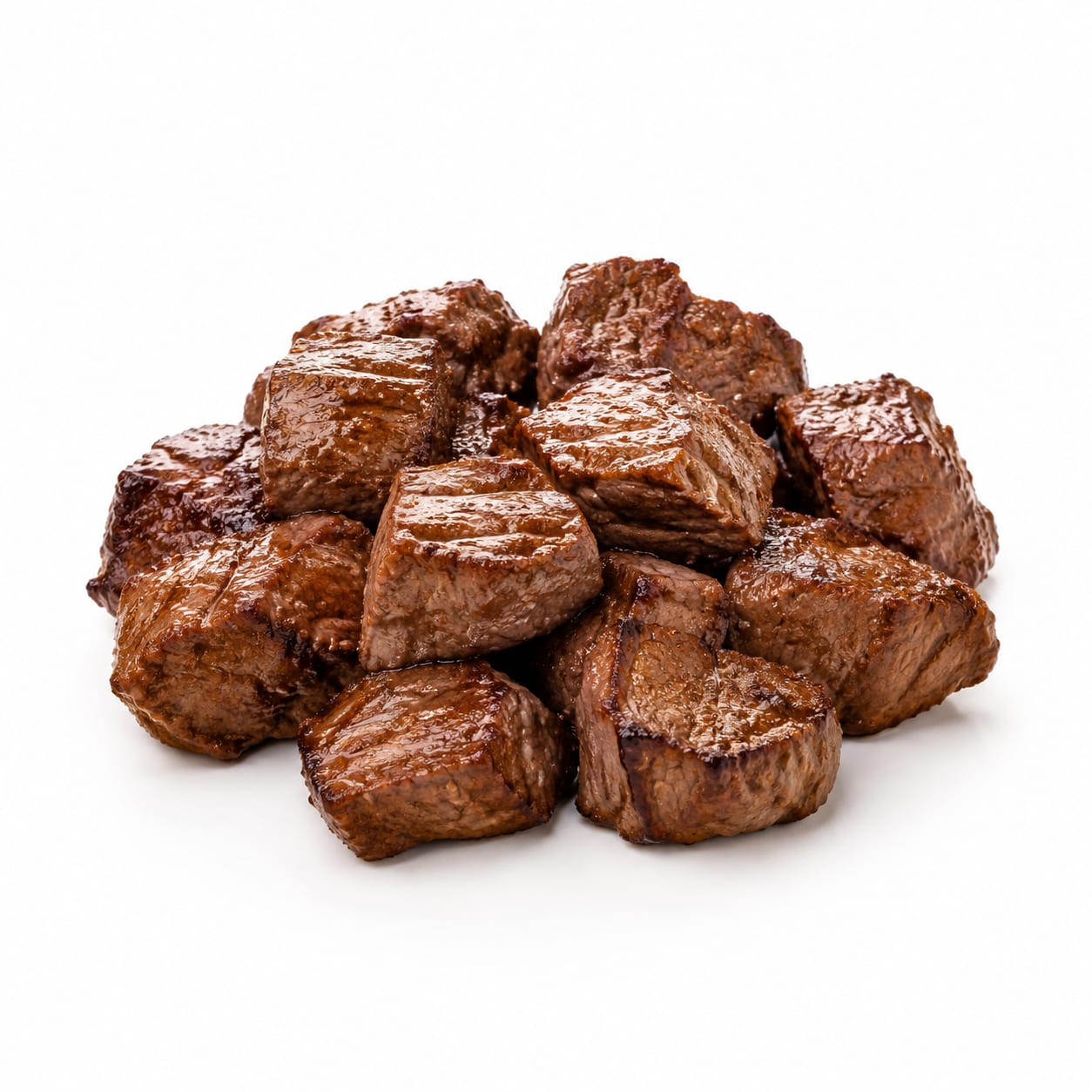
Beef
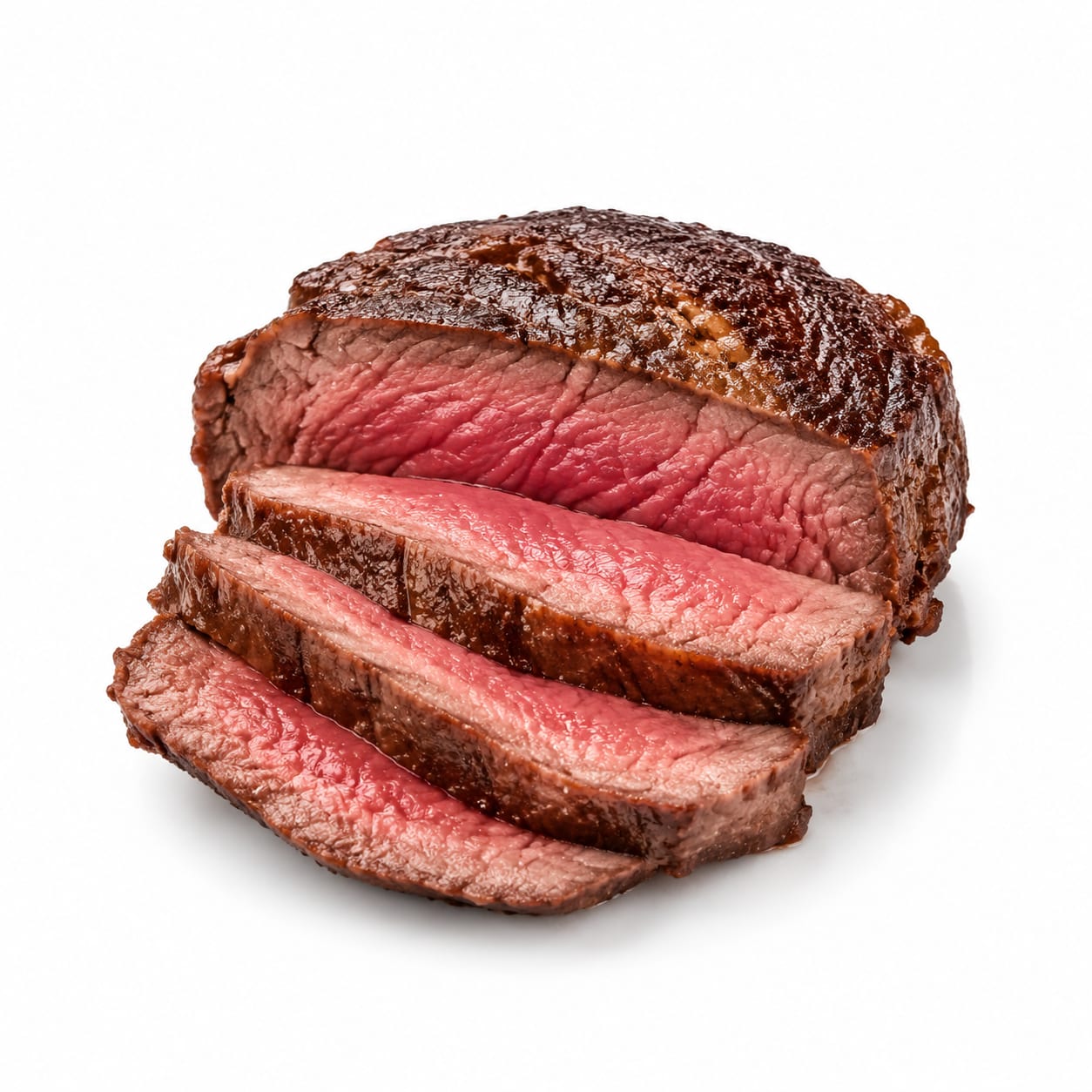
Bison
Bison delivers similar protein and flavor with noticeably less fat and fewer calories, making it the leaner upgrade to Beef for regular red meat eaters.
Bison wins on nutritional density and leanness, but Beef scores well on accessibility, affordability, and cooking versatility. The gap reflects Bison's cleaner fat profile and typically better sourcing, offset by its practicality disadvantages.
Bison costs more and is harder to find, but you get a leaner protein source with less saturated fat and typically cleaner raising practices.
At a glance
Executive summary
Overall
Bison
Healthier
Bison
More practical
Beef
Daily use
Bison
Key comparison lenses
Leaner red meat alternative for health-conscious eaters
Most people comparing Beef and Bison want to know if the leaner profile of Bison justifies the higher cost and lower availability
Saturated fat and heart health tradeoffs
Both are red meats, but the fat profile difference is the single most impactful nutritional distinction
Protein quality and muscle-building effectiveness
Both are high-protein foods, so understanding subtle differences in protein density and amino acid profiles matters for athletes
Sustainability and ethical sourcing concerns
Bison is often perceived as more naturally raised, which drives comparison interest among environmentally conscious consumers
Taste and cooking practicality
Bison cooks differently due to lower fat content, which affects real-world meal preparation and satisfaction
Best choice for
Beef
- Budget-conscious households wanting red meat nutrition
- Home cooks who value wide cut variety and recipe flexibility
- People who find Bison too lean or dry in texture
- Traditional recipes where Beef fat adds essential flavor
Bison
- Health-focused eaters reducing saturated fat without giving up red meat
- Athletes wanting high protein with fewer calories
- People concerned about hormones and antibiotics in conventional Beef
- Anyone willing to pay more for a leaner, cleaner red meat
Least suitable for
Beef
- People strictly limiting saturated fat or cholesterol
- Those avoiding conventionally raised meat with hormone and antibiotic exposure
- Anyone seeking the leanest possible red meat option
Bison
- Tight grocery budgets where the price premium is hard to justify
- Rural areas or small stores with limited Bison availability
- Cooking methods that rely on high fat content for moisture and flavor
Deep comparison
Dimension by dimension
Each lens scores both foods and breaks down who each option suits.
- Dimension 1 · Priority 95Bison
Fat Profile and Heart Health
Beef · 55Bison · 82Bison has roughly half the fat and saturated fat of Beef, making it meaningfully easier on your cardiovascular system over time.
Tradeoff
Beef's higher fat content keeps it juicier and more forgiving to cook, while Bison's leanness requires more care to avoid dryness.
Why it matters
Saturated fat from red meat is one of the most debated dietary factors for heart disease risk. Choosing the leaner option here is a straightforward upgrade.
Real-world impact
A 4oz Bison sirloin saves you roughly 5-8g of fat compared to the same cut of Beef, which adds up to meaningful calorie and fat savings over weekly meals.
Beef
- Flavor richness in dishes where fat carries seasoning
- Keto and high-fat diet followers who want more dietary fat
Better for
- Regular consumption may raise LDL cholesterol more than Bison
- Higher calorie density makes portion control harder
Worse for
Bison
- Reducing daily saturated fat intake without eliminating red meat
- Managing cholesterol levels while keeping protein high
Better for
- Very low fat can leave meals feeling less satisfying for some eaters
- Requires cooking adjustments to prevent dry, tough results
Worse for
- Dimension 2 · Priority 85Bison
Protein Density and Muscle Support
Beef · 78Bison · 86Bison delivers slightly more protein per calorie, making it more efficient for building and maintaining muscle.
Tradeoff
The difference is modest and both are excellent protein sources. Beef's higher fat slightly dilutes protein density per serving.
Why it matters
For anyone tracking macros, getting more protein per calorie means you can hit targets without overshooting fat intake.
Real-world impact
A 4oz serving of Bison provides about 2-4g more protein than the same portion of Beef at fewer calories, which matters when you're eating multiple servings daily.
Beef
- Bodybuilders in a bulking phase who welcome extra calories from fat
- Strength athletes who train hard and need calorie-dense recovery meals
Better for
- Higher fat-to-protein ratio means more calories for the same protein hit
- Less ideal for cutting phases where calorie efficiency matters
Worse for
Bison
- Lean bulking where you want muscle gain without fat gain
- Athletes in weight-class sports managing calories carefully
Better for
- Protein advantage is small enough that cost may not justify the switch for casual lifters
Worse for
- Dimension 3 · Priority 80It depends
Micronutrient Value
Beef · 80Bison · 82Both are outstanding sources of B12, zinc, iron, and selenium. Bison holds a slight edge in certain B vitamins, while grain-finished Beef can have higher marbling-linked nutrients.
Tradeoff
The micronutrient gap is narrow. Grass-fed Bison may offer more omega-3s, but grain-finished Beef can have more intramuscular fat-soluble nutrients.
Why it matters
Red meat is one of the most bioavailable sources of key minerals. Either choice covers your bases well.
Real-world impact
Both options effectively prevent B12 and iron deficiency. The difference is marginal and unlikely to be noticeable in how you feel day to day.
Beef
- Grain-finished Beef provides slightly more vitamin E in some cuts
- Widely available fortified or enriched options in grocery stores
Better for
- Conventional Beef may lose some micronutrients depending on feed quality
- Grass-finished Beef narrows the gap but costs more
Worse for
Bison
- Grass-fed Bison typically offers more omega-3 fatty acids
- Slightly higher B-vitamin content per serving in most cuts
Better for
- Micronutrient advantage is too small to be a primary decision factor
Worse for
- Dimension 4 · Priority 85Bison
Sourcing and Contaminant Exposure
Beef · 50Bison · 80Bison is overwhelmingly grass-fed and raised without hormones or routine antibiotics, while conventional Beef commonly uses both.
Tradeoff
You can get clean Beef by choosing grass-fed organic, but it costs as much as or more than Bison, eliminating the price advantage.
Why it matters
Hormone and antibiotic exposure from conventional meat is a real concern for long-term health, even at low levels.
Real-world impact
Choosing Bison means you rarely need to scrutinize labels for hormones or antibiotics. With Beef, you must actively seek out cleaner options and pay a premium.
Beef
- Organic and grass-fed Beef options exist for those willing to seek them out
- More certified labeling programs give informed consumers choices
Better for
- Conventional Beef is the most common source of dietary hormone and antibiotic exposure
- Feedlot conditions raise contamination and welfare concerns
Worse for
Bison
- Industry standard for Bison avoids hormones and routine antibiotics
- Predominantly pasture-raised with more natural living conditions
Better for
- Less regulatory oversight specifically for Bison labeling standards
- Smaller industry means less third-party certification infrastructure
Worse for
- Dimension 5 · Priority 75Beef
Practicality and Accessibility
Beef · 92Bison · 55Beef is available everywhere, comes in dozens of cuts, and costs significantly less. Bison requires specialty stores or online ordering in many areas.
Tradeoff
You gain nutritional advantages with Bison but sacrifice convenience, variety, and budget flexibility.
Why it matters
The healthiest food only works if you can consistently buy and prepare it. Accessibility often determines long-term adherence.
Real-world impact
Beef is in every grocery store and restaurant. Bison might require a trip to a specialty butcher or a bulk online order with freezer storage.
Beef
- Available in virtually every grocery store and restaurant
- Much lower price per pound across all cuts
- Wider variety of cuts, grounds, and pre-prepared options
Better for
- Cheap availability can lead to overconsumption of conventional quality meat
Worse for
Bison
- Growing availability in health-focused grocery chains
- Online subscription options are improving access
Better for
- Many people simply cannot find Bison locally
- Price per pound is often 2-3 times higher than conventional Beef
Worse for
- Dimension 6 · Priority 70Beef
Cooking Versatility and Satisfaction
Beef · 88Bison · 68Beef's higher fat content makes it more forgiving to cook and more satisfying to eat. Bison requires careful temperature control to avoid toughness.
Tradeoff
Bison's leanness is a health advantage but a cooking challenge. Overcooked Bison becomes dry and chewy quickly.
Why it matters
If a food is frustrating to cook or disappointing to eat, you won't stick with it regardless of its nutritional profile.
Real-world impact
Beef burgers stay juicy on a grill. Bison burgers need added moisture or careful timing or they dry out. This matters for weeknight cooking.
Beef
- More forgiving cooking window for steaks, roasts, and ground meat
- Fat carries flavor and keeps dishes satisfying
- Works well in slow cookers, grills, and high-heat methods equally
Better for
- Higher fat drippings can cause flare-ups on grills
- Greasy mouthfeel that some diners find heavy
Worse for
Bison
- Cleaner flavor that some people prefer for lean dishes
- Takes seasoning and marinades well when cooked properly
Better for
- Easy to overcook and ruin, especially for inexperienced cooks
- Lean texture can feel less indulgent in comfort food recipes
Worse for
Timeline
Health impact over time
Short-term
Hours to days
Beef
- Higher fat content provides longer-lasting satiety after meals
- Rich iron delivery can boost energy in deficient individuals within days
- Heavier digestion possible with fattier cuts, especially for sensitive stomachs
Bison
- Leaner profile feels lighter after eating while still providing strong satiety from protein
- Quick protein absorption supports post-workout recovery effectively
- Less post-meal sluggishness compared to fattier Beef cuts
Long-term
Months to years
Beef
- Regular consumption of conventional Beef is associated with increased cardiovascular risk in large population studies
- Consistent saturated fat intake may gradually raise LDL cholesterol
- High heme iron intake from Beef has been linked to increased colorectal cancer risk with frequent consumption
Bison
- Lower saturated fat intake supports better long-term cardiovascular markers
- Reduced exposure to hormones and antibiotics may benefit gut health and hormonal balance over years
- Still carries heme iron risks similar to Beef if consumed very frequently
Risk profile
Safety & processing
Both Beef and Bison are whole, minimally processed foods in their raw form. However, conventional Beef carries more concern due to hormone and antibiotic use in production, while Bison is typically raised more naturally. Ground and processed forms of both meats can include additives, so always check labels.
Beef
Hormone and antibiotic residues
mediumConventional Beef cattle are commonly treated with growth hormones and routine antibiotics. Residue levels are regulated but remain a concern for long-term exposure.
E. coli and bacterial contamination
mediumFeedlot conditions increase pathogen risk. Ground Beef is particularly susceptible and should always be cooked to safe internal temperatures.
Heme iron overexposure
lowWhile iron is essential, excessive heme iron from frequent red meat consumption may increase oxidative stress and cancer risk over time.
Bison
Bacterial contamination
lowBison carries similar pathogen risks as any raw meat, but pasture-raised conditions generally reduce contamination likelihood compared to feedlot systems.
Heme iron overexposure
lowSame heme iron concern as Beef, though typically consumed less frequently due to cost and availability.
Mislabeling or adulteration
lowSmaller industry and less regulatory oversight mean some Bison products may be blended with Beef. Buy from reputable sources.
Who wins for whom
Audience fit
Same foods, different winners depending on your goal.
children
It dependsBeef is more affordable and familiar for kids, but Bison offers cleaner sourcing. Either works if cooked properly and served in appropriate portions.
daily consumption
BisonBison's leaner profile and cleaner sourcing make it more suitable as a regular staple, though daily red meat of any kind should be moderated.
diabetes
BisonBoth have minimal direct impact on blood sugar, but Bison's lower saturated fat content is better for the cardiovascular risks that accompany diabetes.
elderly
BisonOlder adults benefit from Bison's higher protein-to-calorie ratio and lower saturated fat, supporting muscle maintenance and heart health simultaneously.
muscle gain
BisonHigher protein density per serving with fewer calories from fat makes Bison more efficient for lean muscle building, though both work well.
weight loss
BisonBison provides more protein per calorie and significantly less fat, making it easier to maintain a calorie deficit while staying full and satisfied.
Your move
Decision guide
Choose Beef
- Budget is a primary concern and you want the most protein per dollar
- You cook recipes where fat content is essential for flavor and texture
- Bison is not available in your area or requires inconvenient sourcing
- You prefer the familiar taste and mouthfeel of traditional Beef
Choose Bison
- You want red meat nutrition with less saturated fat and fewer calories
- You are concerned about hormones and antibiotics in conventional meat
- Heart health or cholesterol management is a priority for you
- You are willing to pay more for a leaner, cleaner protein source
Either works if
- You only eat red meat occasionally and the nutritional differences are minor at low frequency
- You can access high-quality grass-fed Beef at similar prices to Bison
- Your primary concern is protein intake and both meet your needs
Avoid both if
- You have been advised to eliminate red meat for cardiovascular or cancer risk reasons
- You have alpha-gal syndrome or a diagnosed red meat allergy
- You are strictly following a plant-based diet for health or ethical reasons
Final recommendation
If you eat red meat regularly, Bison is the smarter default choice for its leaner profile and cleaner sourcing. If cost or availability makes Bison impractical, choose grass-fed Beef when possible and trim visible fat to close the nutritional gap. Either way, moderating red meat to a few times per week remains the best long-term strategy.
Practical
Consumer tips
- 1
Cook Bison to medium-rare at most. Its low fat content means it dries out quickly past medium.
- 2
If switching from Beef to Bison for burgers, add a splash of olive oil or grated onion to keep the patties moist.
- 3
Buy Bison in bulk online and freeze portions to reduce the per-pound cost significantly.
- 4
When buying Beef, look for grass-fed and organic labels to match Bison's cleaner sourcing profile.
- 5
Use a meat thermometer when cooking Bison. Guessing leads to overcooking more often than with Beef.
- 6
Mix ground Bison with mushrooms or caramelized onions for added moisture and flavor without adding fat.
- 7
Check Bison product labels to ensure you are getting 100% Bison, not a Beef-Bison blend.