
Nutrition comparison
Beef vs Salmon: Nutrition, Health Benefits & Which to Choose
Comparing Beef and Salmon for protein, heart health, and safety. Learn the nutritional tradeoffs and which meat is better for your diet.
Overall winner · Salmon
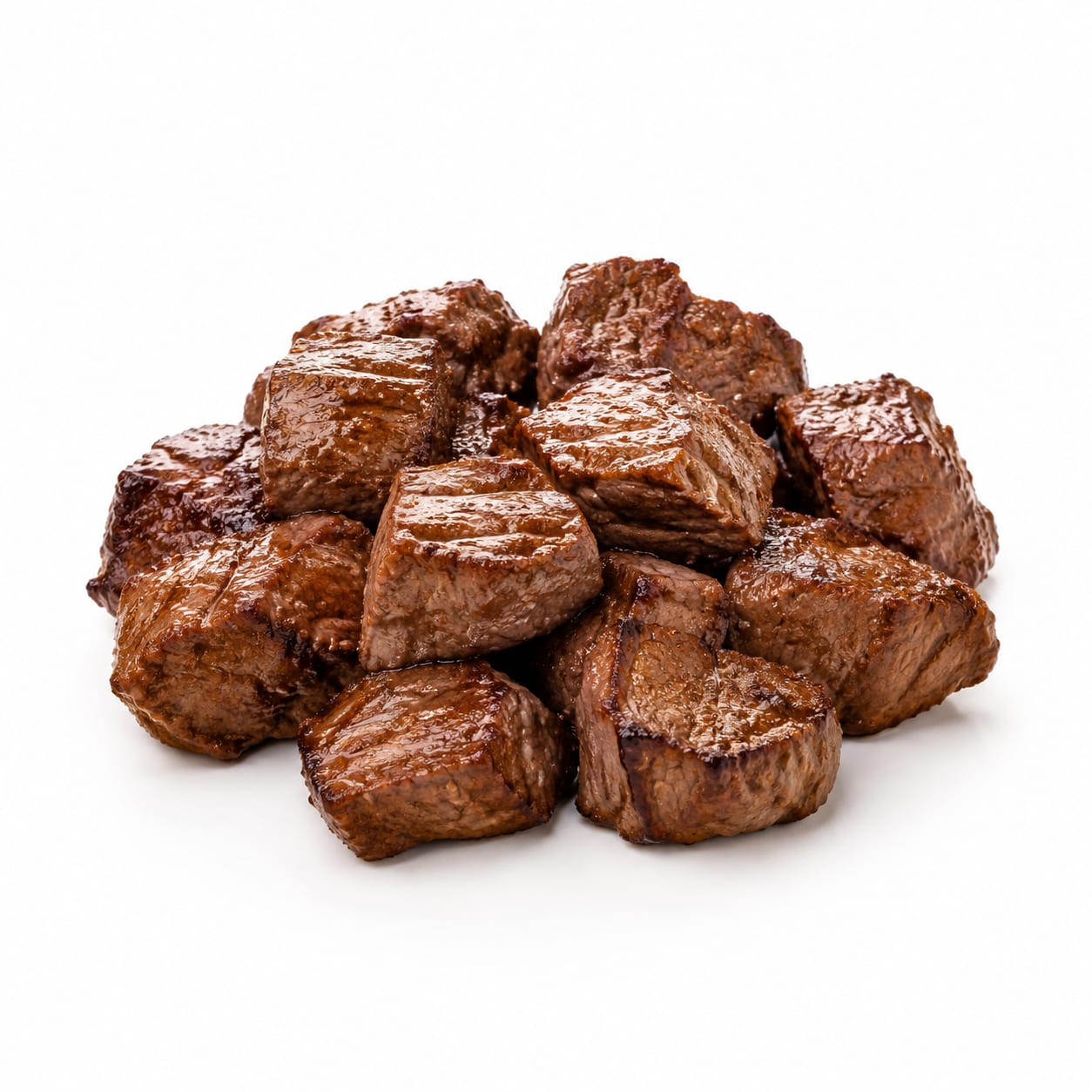
Beef
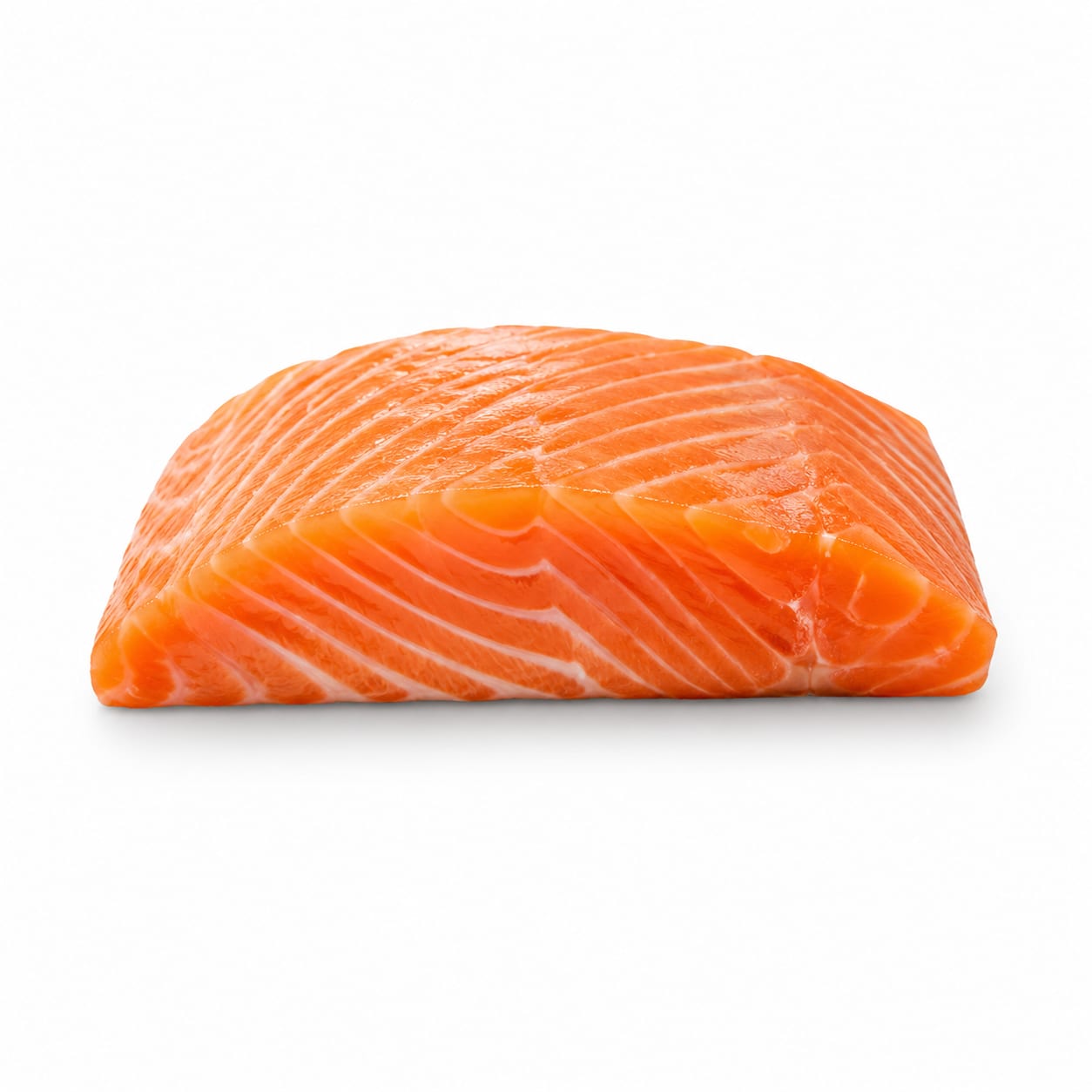
Salmon
Salmon is the better choice for overall health and daily eating, while Beef excels for specific nutritional gaps like iron and creatine.
Salmon scores higher due to its strong anti-inflammatory and cardiovascular benefits, making it more suitable for regular consumption. Beef remains highly valuable for its dense iron and protein content but is penalized slightly for higher saturated fat and land-animal contaminant risks.
You trade the heart-protecting omega-3s of Salmon for the blood-building iron and zinc of Beef.
At a glance
Executive summary
Overall
Salmon
Healthier
Salmon
More practical
It depends
Daily use
Salmon
Key comparison lenses
Heart health and inflammation management
Salmon's omega-3s actively protect the heart, while Beef's saturated fat can pose risks if consumed frequently.
Muscle building and physical performance
Beef offers dense protein and creatine for strength, whereas Salmon provides anti-inflammatory recovery benefits.
Micronutrient gap prevention
Beef prevents iron and zinc deficiencies, while Salmon prevents vitamin D and selenium deficiencies.
Contaminant and safety tradeoffs
Choosing between land-based risks in Beef and ocean-based risks in Salmon is a major concern for regular consumers.
Best choice for
Beef
- People needing high heme iron for energy
- Athletes seeking natural creatine for performance
- Those on a tight budget needing dense calories
Salmon
- People managing high cholesterol or heart conditions
- Those focusing on brain health and cognitive function
- Individuals seeking anti-inflammatory benefits
Least suitable for
Beef
- Individuals with cardiovascular disease risks
- Those trying to strictly limit saturated fat intake
Salmon
- Pregnant women strictly limiting mercury exposure
- Those on extremely tight grocery budgets
Deep comparison
Dimension by dimension
Each lens scores both foods and breaks down who each option suits.
- Dimension 1 · Priority 95Salmon
Heart Health & Inflammation
Beef · 55Salmon · 95Salmon is rich in omega-3 fatty acids, which actively reduce inflammation and protect the heart. Beef contains more saturated fat, which can raise LDL cholesterol if eaten frequently.
Tradeoff
You trade the cardiovascular protection of Salmon for the rich iron content of Beef.
Why it matters
Heart disease is a leading cause of mortality; choosing Salmon gives your heart a daily shield.
Real-world impact
Eating Salmon a few times a week can improve blood lipid panels, whereas heavy Beef consumption might make them worse.
Beef
- People on very low-carb diets who need filling fats
- Those who tolerate saturated fat well genetically
Better for
- Individuals with existing heart conditions
- Those trying to lower systemic inflammation
Worse for
Salmon
- People managing high cholesterol
- Those with inflammatory conditions like arthritis
Better for
- People with fish oil sensitivities
- Those on blood-thinning medications without doctor approval
Worse for
- Dimension 2 · Priority 85Beef
Muscle Building & Protein Density
Beef · 90Salmon · 82Beef packs slightly more protein per calorie and contains creatine, which directly supports strength and muscle size. Salmon is still excellent but has fewer grams of protein per serving due to its fat content.
Tradeoff
Beef offers a slight edge in raw protein and performance nutrients, while Salmon offers healthier fats.
Why it matters
For athletes and lifters, the extra protein and creatine in Beef can make a noticeable difference in recovery and strength.
Real-world impact
A post-workout Beef steak feels more anabolic and filling, whereas Salmon feels lighter but still supportive.
Beef
- Heavy lifters seeking maximum protein per bite
- Athletes wanting natural creatine for strength output
Better for
- People who digest heavy meals poorly after exercise
- Those watching their saturated fat closely
Worse for
Salmon
- Endurance athletes needing anti-inflammatory recovery
- Those wanting a lighter post-workout meal
Better for
- Bodybuilders in a bulk needing extreme protein density
Worse for
- Dimension 3 · Priority 80It depends
Micronutrient Profile
Beef · 88Salmon · 86Beef dominates in heme iron, zinc, and B12, which are crucial for energy and immunity. Salmon shines with vitamin D, selenium, and astaxanthin, supporting bone health and antioxidant defense.
Tradeoff
You choose between the blood-building minerals of Beef or the bone-and-brain vitamins of Salmon.
Why it matters
Deficiencies in iron make Beef invaluable, while vitamin D deficiency makes Salmon essential.
Real-world impact
Eating Beef can clear up brain fog from low iron, while Salmon can improve mood and bone density from vitamin D.
Beef
- Women with heavy menstrual cycles needing iron
- People prone to zinc deficiency
Better for
- People with hemochromatosis (iron overload)
- Those who already eat plenty of red meat
Worse for
Salmon
- Those living in northern climates lacking sun exposure
- People needing more selenium for thyroid health
Better for
- Individuals with hyperthyroidism needing to limit selenium
- Those already taking high-dose fish oil and vitamin D
Worse for
- Dimension 4 · Priority 75It depends
Food Safety & Contaminants
Beef · 70Salmon · 72Beef carries risks of antibiotics, hormones, and E. coli, while Salmon carries risks of mercury, PCBs, and microplastics, especially in farmed varieties.
Tradeoff
You weigh the land-animal risks of Beef against the ocean-pollution risks of Salmon.
Why it matters
Toxins bioaccumulate differently; heavy metals in Salmon affect the nervous system, while additives in Beef can disrupt hormones.
Real-world impact
Choosing high-quality grass-fed Beef or wild-caught Salmon minimizes these risks significantly compared to conventional options.
Beef
- People avoiding heavy metal exposure
- Those who can source high-quality grass-fed meat
Better for
- Those buying cheap, conventionally raised meat
- People highly concerned about antibiotic resistance
Worse for
Salmon
- People avoiding hormone and antibiotic exposure
- Those who can source wild-caught fish
Better for
- Pregnant women limiting mercury
- Those concerned about ocean-borne microplastics
Worse for
Timeline
Health impact over time
Short-term
Hours to days
Beef
- Provides long-lasting satiety due to high protein and fat
- Can feel heavy or sluggish if eaten in large portions
Salmon
- Provides steady energy without feeling overly full
- Easier to digest compared to heavier red meats
Long-term
Months to years
Beef
- Supports muscle maintenance and prevents anemia
- Frequent consumption may increase cardiovascular risk if relying on fatty cuts
Salmon
- Protects against heart disease and supports cognitive function
- Regular intake lowers systemic inflammation
Risk profile
Safety & processing
Both Beef and Salmon are whole, minimally processed foods in their natural state. However, conventional farming practices can introduce hidden additives, like hormones in Beef or artificial dyes in farmed Salmon.
Beef
Antibiotic and Hormone Residues
mediumConventional Beef often comes from cattle treated with hormones and antibiotics, which may disrupt human endocrine function over time.
E. coli Contamination
mediumGround Beef is particularly susceptible to E. coli, requiring thorough cooking to ensure safety.
Salmon
Mercury and Heavy Metals
mediumSalmon can contain mercury and other heavy metals, though generally less than larger fish like tuna. Wild-caught has lower levels than some farmed.
PCBs and Microplastics
mediumFarmed Salmon can have higher levels of industrial pollutants like PCBs, and ocean-caught fish increasingly contain microplastics.
Who wins for whom
Audience fit
Same foods, different winners depending on your goal.
children
SalmonSalmon provides essential omega-3s for brain development and is easier for kids to chew, though mercury intake should be monitored.
daily consumption
SalmonThe cardiovascular benefits and anti-inflammatory effects of Salmon make it a safer daily staple than Beef, which is best eaten in moderation.
diabetes
SalmonThe omega-3s in Salmon improve insulin sensitivity and reduce inflammation, whereas the saturated fat in Beef may worsen insulin resistance if overconsumed.
elderly
SalmonSalmon is easier to chew and digest, and its anti-inflammatory properties support heart and joint health in aging bodies.
muscle gain
BeefBeef offers slightly more protein per serving along with natural creatine, giving it a slight edge for building strength and size.
weight loss
SalmonSalmon provides high protein with fewer calories and healthier fats, making it easier to stay in a deficit without feeling deprived.
Your move
Decision guide
Choose Beef
- You are an athlete or lifter needing maximum protein and natural creatine
- You have been diagnosed with iron-deficiency anemia
- You are on a budget and need affordable, nutrient-dense calories
Choose Salmon
- You want to actively improve your heart health and cholesterol
- You need a light, easily digestible protein source
- You are focusing on brain health and reducing inflammation
Either works if
- You simply need a high-quality, complete protein source for dinner
- You are meal-prepping healthy lunches and alternate your protein sources
Avoid both if
- You are experiencing a severe gout flare-up, as both are moderate in purines
- You have a strict renal diet limiting protein and certain minerals
Final recommendation
Make Salmon your default protein for its heart and brain benefits, but rotate in Beef once or twice a week to cover your iron and zinc needs without overdoing saturated fat.
Practical
Consumer tips
- 1
Choose wild-caught Salmon when possible to avoid PCBs and artificial colorants found in some farmed varieties.
- 2
Opt for grass-fed Beef to get a better omega-3 to omega-6 ratio and avoid unnecessary hormones.
- 3
If buying farmed Salmon, look for certifications that ensure sustainable and low-antibiotic practices.
- 4
Lean cuts of Beef like sirloin or flank steak give you the protein and iron with less saturated fat.