
Nutrition comparison
Beef vs Lentils: Which Protein is Healthier?
Compare Beef and Lentils for protein, iron, heart health, and weight loss. Discover the nutritional tradeoffs and which is better for your diet.
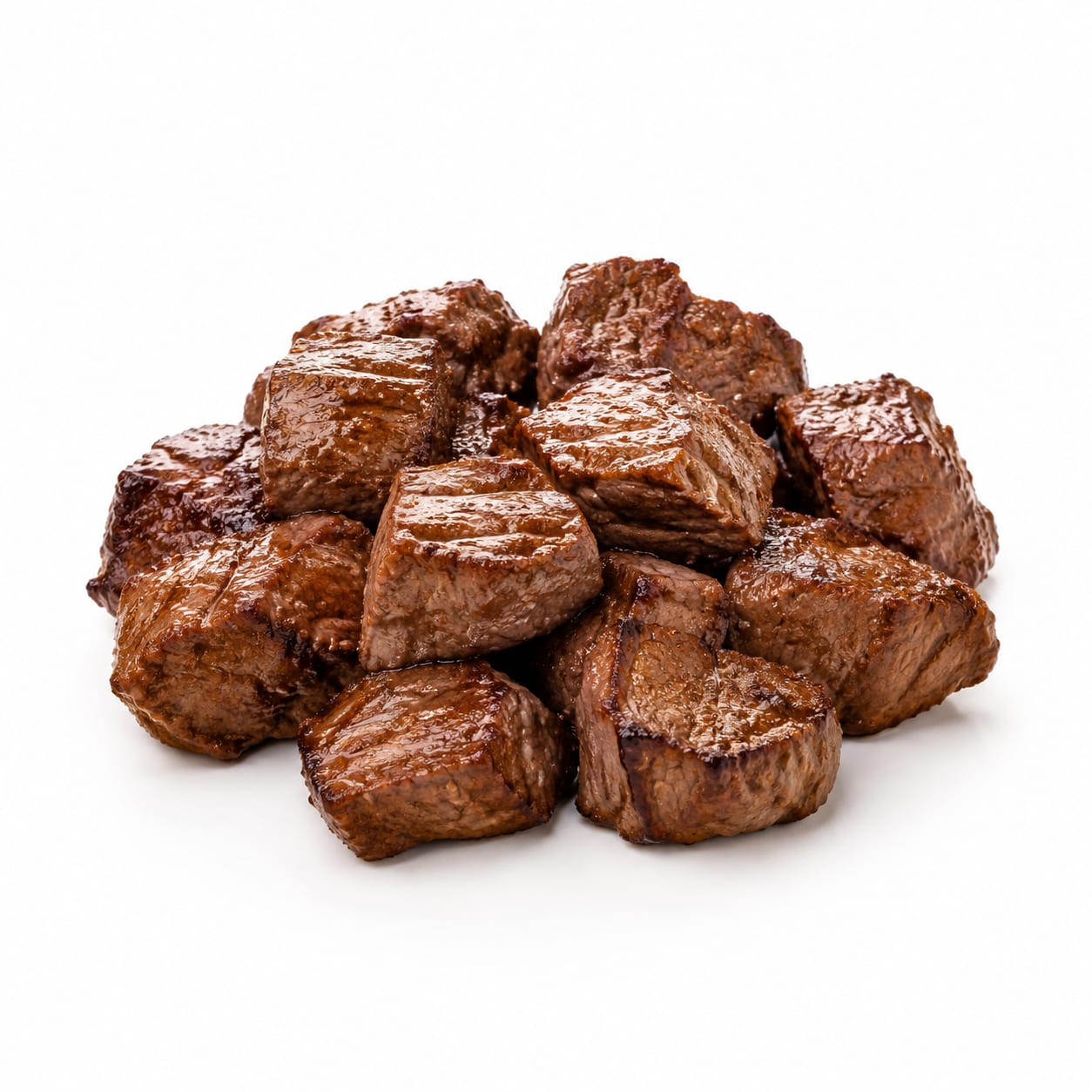
Beef
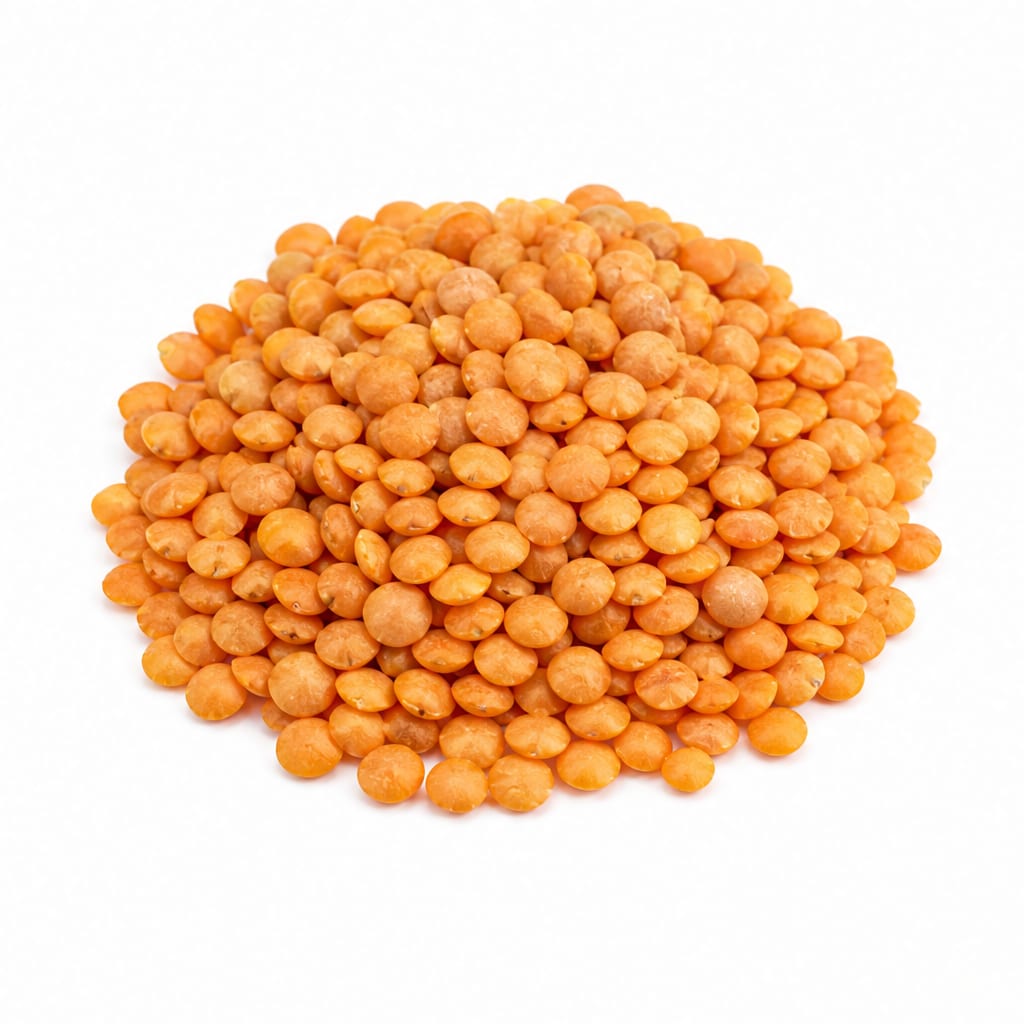
Lentils
Beef delivers unmatched complete protein and highly absorbable iron, while Lentils offer heart-protective fiber and steadier energy with far less saturated fat.
Lentils score higher due to broader long-term health benefits and daily usability, though Beef remains superior for specific nutritional gaps like heme iron and complete protein density.
Maximum protein and heme iron versus cardiovascular safety and digestive benefits.
At a glance
Executive summary
Overall
It depends
Healthier
Lentils
More practical
Lentils
Daily use
Lentils
Key comparison lenses
Animal vs Plant Protein Quality
Users primarily compare these two to understand if plant protein can match the muscle-building power of meat.
Heart Health and Cholesterol Impact
Saturated fat in beef versus soluble fiber in lentils creates a stark contrast for cardiovascular risk.
Iron Bioavailability (Heme vs Non-Heme)
Beef is famous for highly absorbable iron, while lentils provide bulk iron that requires pairing for absorption.
Digestive Health and Satiety
The zero-fiber, heavy digestion of beef contrasts sharply with the high-fiber, gut-feeding nature of lentils.
Long-Term Disease Risk
Frequent red meat consumption is linked to chronic diseases, whereas legumes are linked to longevity.
Best choice for
Beef
- Athletes needing fast muscle recovery
- People with anemia needing highly absorbable iron
- Those on low-fiber diets
Lentils
- People managing high cholesterol
- Those seeking steady, crash-free energy
- Budget-conscious meal preppers
Least suitable for
Beef
- People with cardiovascular risks
- Those managing gout
- Anyone strictly limiting saturated fat
Lentils
- Those needing high amounts of complete protein in small portions
- People with severe digestive sensitivities to legumes
Deep comparison
Dimension by dimension
Each lens scores both foods and breaks down who each option suits.
- Dimension 1 · Priority 95Beef
Protein Quality & Muscle Building
Beef · 95Lentils · 70Beef provides a complete amino acid profile with high leucine, making it superior for muscle synthesis. Lentils are a good protein source but lack certain amino acids like methionine.
Tradeoff
You get faster muscle-building potential with Beef, but Lentils avoid the saturated fat that comes with animal protein.
Why it matters
If you are actively building muscle or recovering from surgery, the complete protein in Beef is more efficient.
Real-world impact
Post-workout, a Beef steak will trigger muscle repair faster than a bowl of Lentils, though combining Lentils with grains levels the playing field.
Beef
- Bodybuilders
- Athletes in heavy training
- Elderly preventing muscle loss
Better for
- Those with kidney issues
- People avoiding red meat
Worse for
Lentils
- Casual exercisers
- Vegans pairing proteins
- Lighter protein needs
Better for
- Those needing concentrated protein in small volumes
Worse for
- Dimension 2 · Priority 92Lentils
Heart Health & Cholesterol
Beef · 40Lentils · 95Lentils are packed with soluble fiber that actively lowers cholesterol, while Beef contains saturated fat and dietary cholesterol that can raise LDL levels.
Tradeoff
Choosing Lentils protects your heart long-term, but you miss out on the dense micronutrients only found in red meat.
Why it matters
Heart disease is a leading cause of death; daily food choices heavily influence cardiovascular risk over decades.
Real-world impact
Eating Lentils regularly can help lower cholesterol numbers at your next doctor visit, whereas daily Beef consumption might raise them.
Beef
- Those with very low body fat and high caloric needs
Better for
- People with hypertension
- Those with high LDL cholesterol
Worse for
Lentils
- People with high cholesterol
- Those with family history of heart disease
- Weight management
Better for
- Those who need calorie-dense foods for weight gain
Worse for
- Dimension 3 · Priority 88Beef
Iron & Micronutrient Profile
Beef · 90Lentils · 75Beef contains heme iron and vitamin B12, which are highly absorbable. Lentils offer non-heme iron and folate, but absorption is lower and they lack B12.
Tradeoff
Beef is a guaranteed way to prevent anemia and B12 deficiency, while Lentils require pairing with vitamin C for optimal iron absorption.
Why it matters
Iron and B12 deficiencies cause fatigue and brain fog, and are common, especially in women and plant-based eaters.
Real-world impact
If you feel constantly tired, Beef will correct an iron deficiency faster than Lentils, though Lentils are still a strong plant-based iron source.
Beef
- Menstruating women
- People with diagnosed anemia
- Those deficient in B12
Better for
- People with hemochromatosis (iron overload)
Worse for
Lentils
- Those meeting B12 needs elsewhere
- Pregnant women needing folate
Better for
- Those relying on a single food for iron needs
Worse for
- Dimension 4 · Priority 85Lentils
Digestive Health & Satiety
Beef · 55Lentils · 92Lentils are rich in fiber, feeding gut bacteria and providing long-lasting fullness. Beef contains zero fiber and can sit heavy in the stomach, slowing digestion.
Tradeoff
Lentils keep you regular and full for hours, while Beef digests slowly without contributing to gut microbiome health.
Why it matters
A healthy gut microbiome affects everything from immunity to mood, and fiber is the key driver.
Real-world impact
A Lentil-based lunch will prevent the afternoon energy crash and keep you full, whereas a Beef lunch might leave you feeling sluggish or constipated if you lack fiber elsewhere.
Beef
- Those on a low-residue diet
- People with acute digestive flare-ups needing easy digestion
Better for
- Those prone to constipation
- People needing high-fiber diets
Worse for
Lentils
- Those with irregular digestion
- People prone to snacking
- Gut health optimization
Better for
- Those with IBS sensitive to FODMAPs
- People unaccustomed to high fiber
Worse for
- Dimension 5 · Priority 75Lentils
Food Safety & Contamination
Beef · 50Lentils · 85Beef carries risks of bacterial contamination and cooking carcinogens. Lentils are shelf-stable and low-risk, but may contain anti-nutrients.
Tradeoff
Lentils are far safer from a bacterial and chemical exposure standpoint, though they require proper cooking to neutralize anti-nutrients.
Why it matters
Foodborne illnesses and long-term exposure to cooking carcinogens pose real health risks.
Real-world impact
Undercooked Beef can cause severe food poisoning, while Lentils simply need a good rinse and boil to be completely safe.
Beef
- Those with access to high-quality, grass-fed sources
Better for
- Pregnant women needing to avoid undercooked meats
- Those worried about antibiotic resistance
Worse for
Lentils
- Budget shoppers
- Those concerned about foodborne illness
- Meal preppers storing food long-term
Better for
- Those who do not soak or cook legumes properly
Worse for
Timeline
Health impact over time
Short-term
Hours to days
Beef
- Quick satiety from protein and fat
- Immediate energy from B vitamins
- Potential digestive heaviness
Lentils
- Steady, slow-release energy
- High fullness from fiber
- Possible gas or bloating if not used to fiber
Long-term
Months to years
Beef
- Increased risk of cardiovascular disease if consumed frequently
- Higher risk of certain cancers with processed or charred beef
- Maintenance of muscle mass
Lentils
- Lower risk of heart disease and diabetes
- Improved gut microbiome diversity
- Need for vigilant B12 supplementation if used as primary protein
Risk profile
Safety & processing
Both whole Beef and dried Lentils are minimally processed natural foods. Risks arise if choosing processed Beef products like bacon or sausage, which add nitrates and sodium.
Beef
Bacterial Contamination (E. coli, Salmonella)
highGround beef is particularly prone to bacterial outbreaks and requires careful handling and thorough cooking.
Cooking Carcinogens (HCAs, PAHs)
mediumCharring or grilling Beef at high temperatures creates heterocyclic amines linked to cancer.
Antibiotic and Hormone Residues
mediumConventional beef may contain traces of antibiotics used in farming, contributing to resistance.
Lentils
Anti-nutrients (Phytic acid, Lectins)
lowCan reduce mineral absorption and cause digestive upset, but are easily neutralized by soaking and boiling.
Pesticide Residues
lowConventional lentils may carry pesticide residues; washing and cooking reduces this significantly.
Who wins for whom
Audience fit
Same foods, different winners depending on your goal.
children
It dependsBeef provides crucial heme iron and B12 for development, but Lentils offer fiber and gentle nutrition. A mix is ideal, but Beef is often critical for picky eaters lacking iron.
daily consumption
LentilsLentils can be eaten daily with cardiovascular benefits, while daily red meat consumption is linked to increased health risks.
diabetes
LentilsLentils have a very low glycemic index and high fiber, preventing blood sugar spikes, whereas Beef's saturated fat can worsen insulin resistance over time.
elderly
LentilsLentils support heart health and digestion, which are major concerns for older adults, though Beef can help prevent sarcopenia if portioned carefully.
muscle gain
BeefBeef offers a complete, dense protein source with creatine and B12, maximizing muscle protein synthesis per serving.
weight loss
LentilsLentils provide high volume and fiber for very few calories, making it easier to stay in a deficit without feeling hungry.
Your move
Decision guide
Choose Beef
- You are prioritizing muscle building or athletic recovery.
- You have been diagnosed with iron-deficiency anemia or B12 deficiency.
- You need calorie-dense, complete protein in a small portion size.
Choose Lentils
- You want to lower your cholesterol and protect your heart.
- You are looking for a budget-friendly, shelf-stable protein source.
- You struggle with energy crashes and need steadier, longer-lasting fuel.
Either works if
- You are meal-prepping healthy bowls and want a satisfying protein base.
- You are rotating protein sources to maintain a diverse diet.
Avoid both if
- You have severe kidney issues requiring strict protein limits.
- You are on a very specific elimination diet for gut healing (like low-FODMAP for Lentils or low-histamine for aged Beef).
Final recommendation
Make Lentils your everyday protein staple for long-term health and steady energy, and enjoy Beef occasionally as a targeted boost for iron, B12, and muscle recovery.
Practical
Consumer tips
- 1
Squeeze lemon juice over Lentils to boost their non-heme iron absorption with vitamin C.
- 2
Choose leaner cuts of Beef like sirloin or flank to minimize saturated fat intake.
- 3
If eating Beef, avoid charring it on the grill to reduce cancer-causing compounds.
- 4
Rinse canned Lentils to remove excess sodium and reduce gas-causing compounds.
- 5
Pair Lentils with a grain like rice to create a complete amino acid profile matching Beef.