
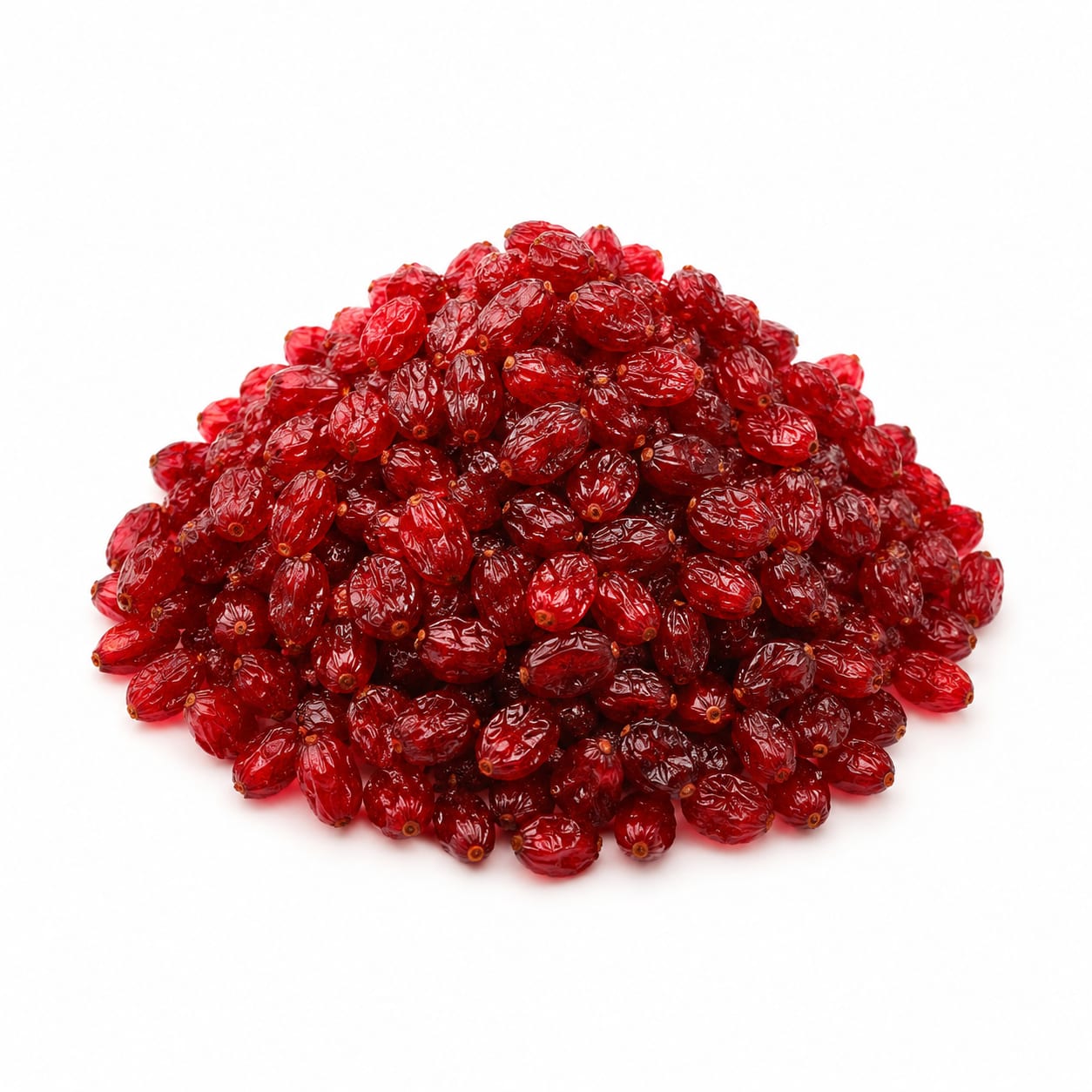
Berry
Barberry
A tart, nutrient-dense red berry prized for its culinary uses and medicinal berberine content.
Tart, red berries commonly used in Middle Eastern and European cuisines, known for their high berberine content and culinary versatility in both sweet and savory dishes.
medicinal low-calorie berry
Typical serving · 30g
Common varieties · European barberry, Japanese barberry, Daruharidra (Indian barberry), Zereshk (Iranian barberry)
Overall context score across nutrition, safety, and diet fit
At a glance
Quick facts
Simple indicators based on nutrition, processing, and diet fit.
The story
What makes it unique
Barberry is a low-energy, fiber-rich fruit with a slow digestion rate due to high pectin and organic acids. Its macronutrient profile is dominated by complex carbohydrates, and it is uniquely rich in the bioactive alkaloid berberine, which influences glucose metabolism. Typically consumed in minimally processed forms like dried whole berries.
Varieties: European barberry · Japanese barberry · Daruharidra (Indian barberry) · Zereshk (Iranian barberry)
Per 100g
Nutrition breakdown
Macro balance and key metrics at a glance.
Energy
Density 1.30 kcal/g
Protein
Carbs
Fat
Fiber
Sugar
10 g
Sodium
5 mg
Potassium
230 mg
Glycemic index
25
Glycemic load
4
Water content
65%
Standout compounds
Nutrient highlights
Berberine
highEnhances insulin sensitivity and lowers blood sugar
Vitamin C
moderateSupports immune function and collagen synthesis
Dietary Fiber
highPromotes satiety and feeds beneficial gut bacteria
Antioxidants
highReduces oxidative stress and inflammation
Wellness map
Health scores & processing
NOVA processing scale
Minimally processed · Whole food
Typically consumed fresh or dried without added sugars or artificial preservatives, though some commercial dried versions may contain added syrups.
Diet compatibility
- Weight loss
- Muscle gain
- Diabetes
- Gut health
- Low carb
- High protein
- Heart health
Relative standing
Food rankings
Qualitative ranks compared to similar whole foods.
- Satietygood
- Blood sugarexcellent
- Nutrient densityexcellent
- Fitness fuelpoor
- Processing qualityexcellent
Eat with confidence
Food safety profile
Whole barberry is generally safe in culinary amounts, but medicinal doses of its active compound, berberine, can interact with liver enzyme pathways and certain medications like metformin or blood pressure drugs.
Evidence confidence 85%
- Pesticideslow
- Antibioticslow
- Heavy metalslow
- Contaminationlow
Watch for
- mold (in dried varieties)
Safer choices
Organically grown zereshk to avoid potential pesticide residues on dried skins.
Prep tips
Rinse dried barberries thoroughly to remove dust; soak in warm water for 10 minutes to plump them and reduce tartness before cooking.
Berberine can interact with prescription medications by inhibiting CYP450 enzymes; high-dose supplements are regulated differently than the whole fruit.
Deep dive
Health analysis
How this food may fit different goals and preparation choices.
Weight loss
Low energy density and high fiber content promote fullness, while berberine may enhance fat oxidation and inhibit fat cell growth at a molecular level.
Blood sugar
Berberine activates AMPK, often called the metabolic master switch, which helps cells take in glucose from the bloodstream, resulting in a highly favorable glycemic response.
Fitness & energy
Not a primary fuel source for high-intensity exercise due to low calorie and carbohydrate density, but useful for endurance athletes seeking low-glycemic micronutrient support.
Gut health
Fiber feeds beneficial gut bacteria, and berberine has been shown to modulate the gut microbiome by reducing harmful bacteria while promoting beneficial strains.
Processing quality
Usually consumed as a whole, dried fruit with minimal processing, retaining its natural fiber and phytochemical matrix.
Food safety
Culinary use is safe, but those on prescription drugs—especially diabetes or blood pressure medications—should monitor for interactions due to berberine's pharmacological activity.
Common mistakes
Confusing culinary barberry with high-dose berberine supplements, or adding excessive sugar to compensate for their natural tartness, which negates blood sugar benefits.
Best preparation
Lightly sautéing with a healthy fat like olive oil or ghee, or steeping as an herbal tea, which extracts beneficial compounds without adding sugar.
Practical guide
Best use cases
When and how this food fits real eating patterns.
blood sugar management
Incorporating berberine-rich berries into meals to blunt glycemic spikes and improve insulin sensitivity.
flavoring rice and poultry
Traditional use in Persian cooking like Zereshk Polo to add a vibrant tartness without excess sugar.
high-volume low-calorie eating
Adding intense flavor and fiber to dishes for minimal caloric cost.
herbal tea infusion
Steeping dried berries for a sugar-free, antioxidant-rich beverage that supports metabolic health.
Balance sheet
Pros & cons
Upsides
- Rich in berberine, which actively lowers blood sugar
- High fiber content promotes fullness and gut health
- Very low glycemic index and load
- Naturally free of added sugars when dried plain
- Potent antioxidant profile fights cellular damage
Trade-offs
- Extremely tart flavor requires pairing or sweetening for some palates
- Berberine can interact with prescription medications
- Not a good source of protein or dietary fats
- Can be difficult to find fresh outside of specific regions
- Overconsumption may cause stomach upset in sensitive individuals
Fit check
Who is it for?
Great match
- blood sugar management
- insulin resistance
- low-calorie flavor enhancement
- gut microbiome support
Consider alternatives
- post-workout recovery
- high-protein diets
- individuals on certain liver-metabolized medications
- those seeking sweet fruits
Side by side
How it compares
Open the full head-to-head analysis for nutrition, safety, and practical tradeoffs.
This food
Barberry
VS85% alike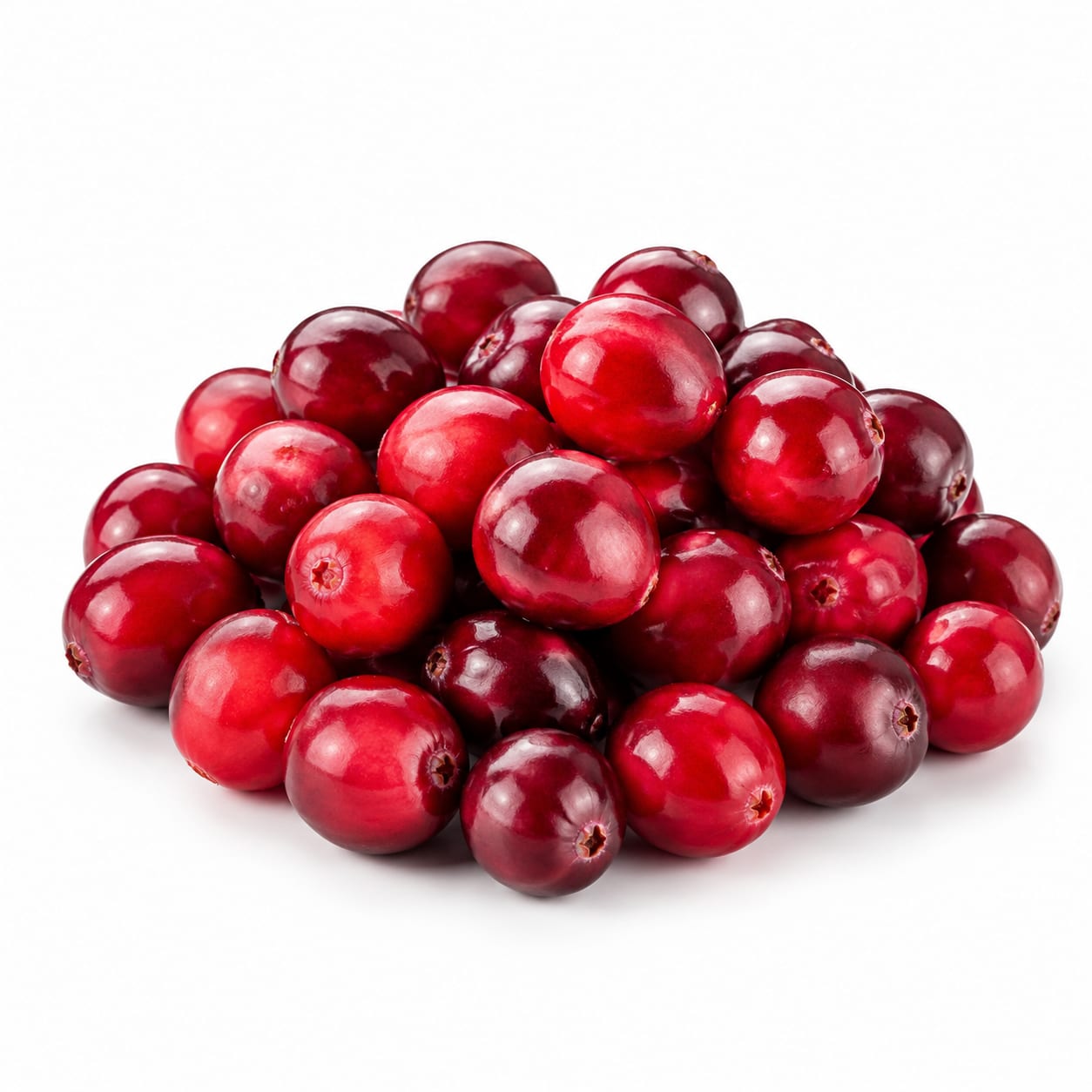
Compare with
Cranberry
Cranberry is more common and heavily researched for UTIs, while barberry is superior for blood sugar control due to berberine.
Barberry beats cranberry for blood sugar control due to berberine, while cranberry is more accessible and renowned for urinary tract health.
This food
Barberry
VS80% alike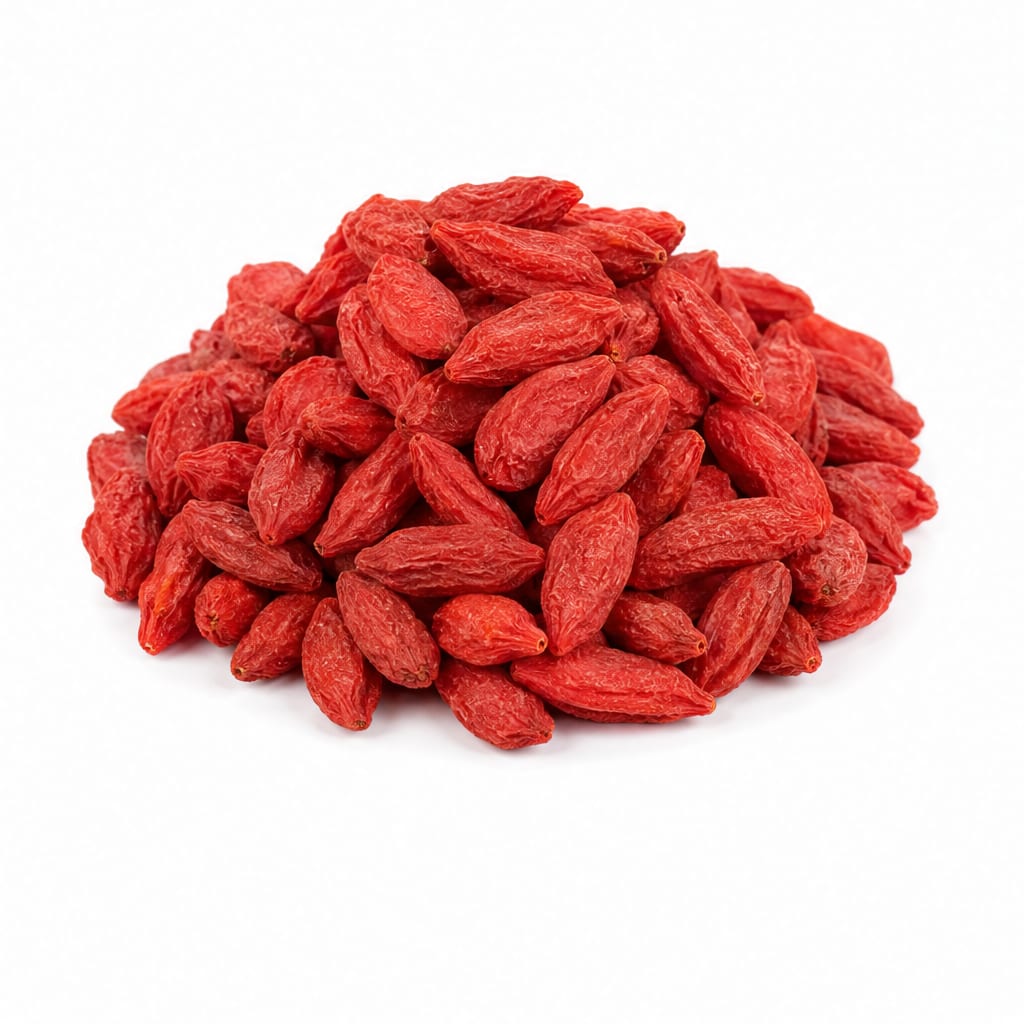
Compare with
Goji Berry
Goji is sweeter and higher in vitamin A, barberry is tarter and better for glucose metabolism.
Goji berries offer more carbs for energy, but barberries are lower in sugar and better for blood sugar regulation.
This food
Barberry
VS75% alike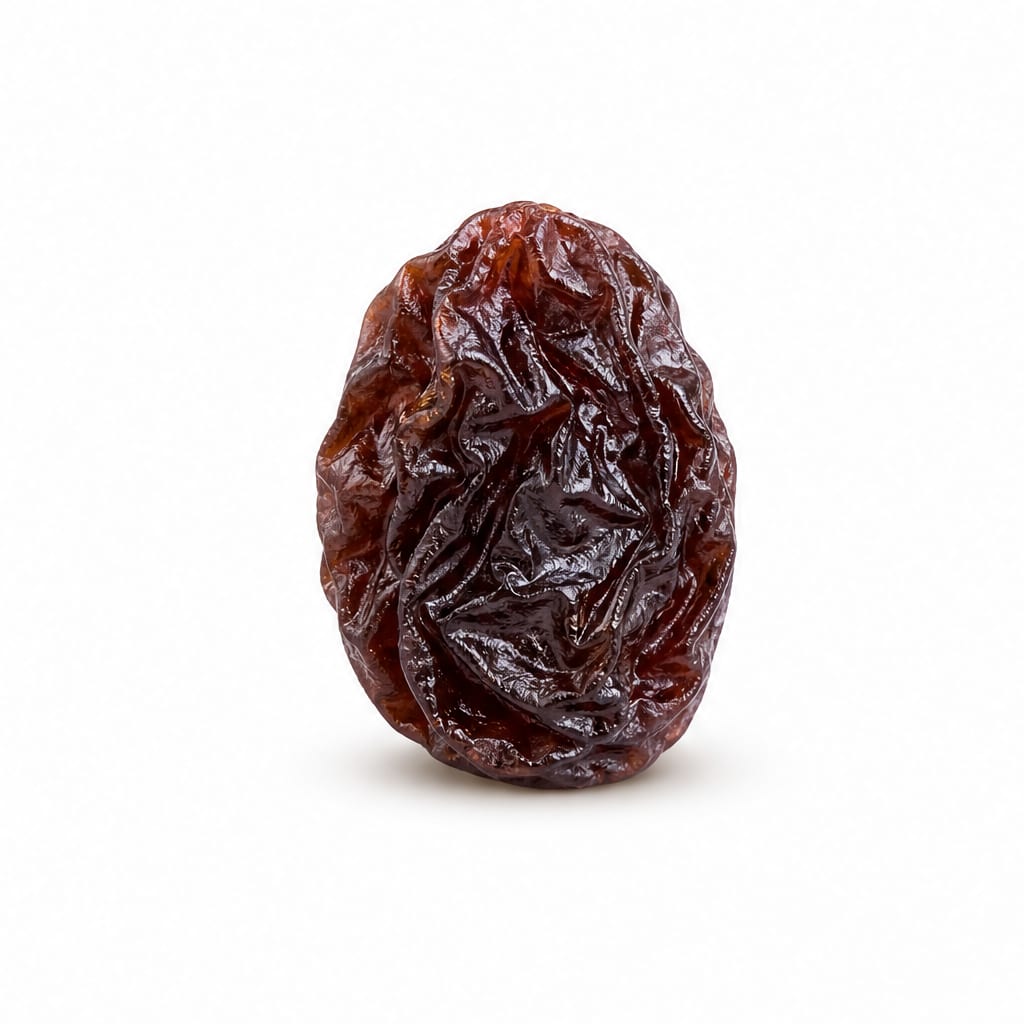
Compare with
Raisin
Raisins are high in sugar and iron, barberries are low sugar and high in unique alkaloids.
Raisins provide quick energy but spike blood sugar, whereas barberries offer a low-glycemic, tart alternative.
This food
Barberry
VS70% alike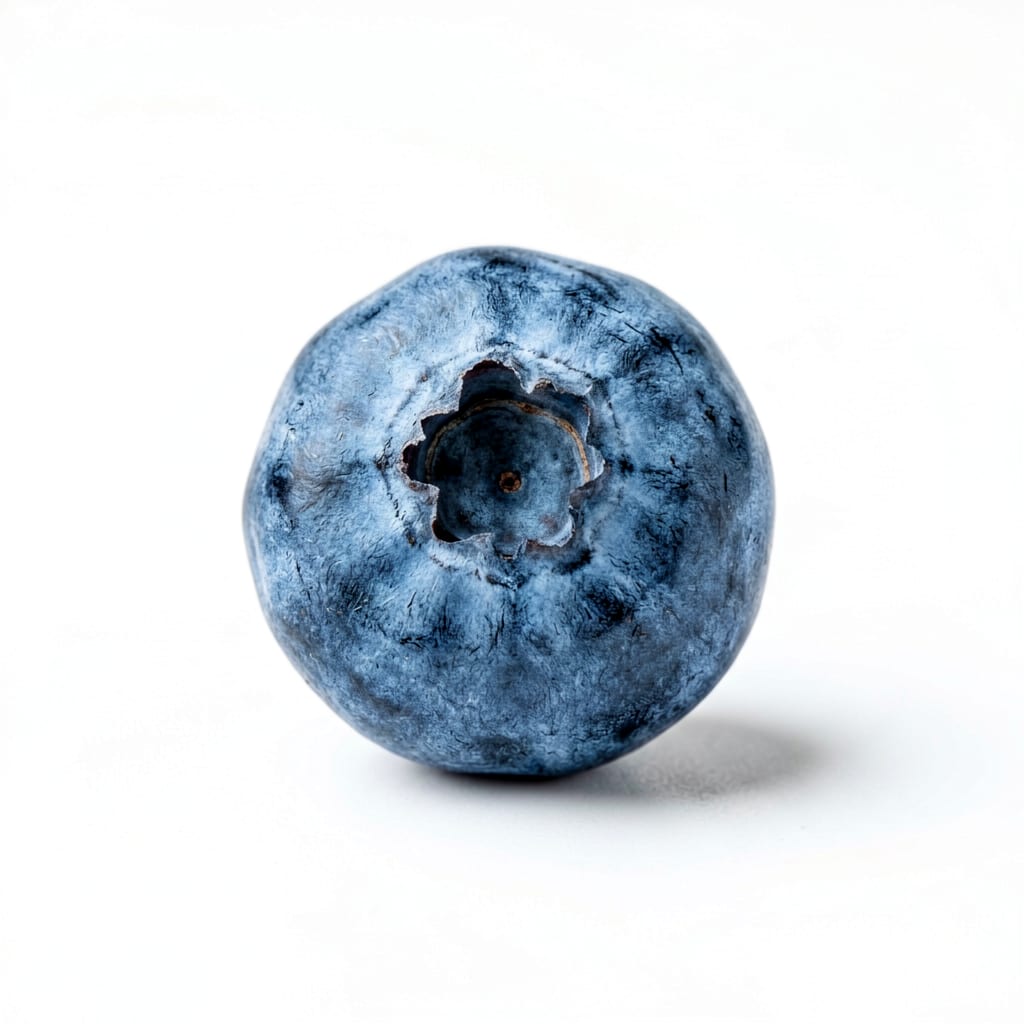
Compare with
Blueberry
Blueberries are sweeter and great for brain health, barberries are superior for metabolic health.
Blueberries are sweeter and better for quick fuel, while barberries are the clear winner for blood sugar and metabolic benefits.
This food
Barberry
VS65% alike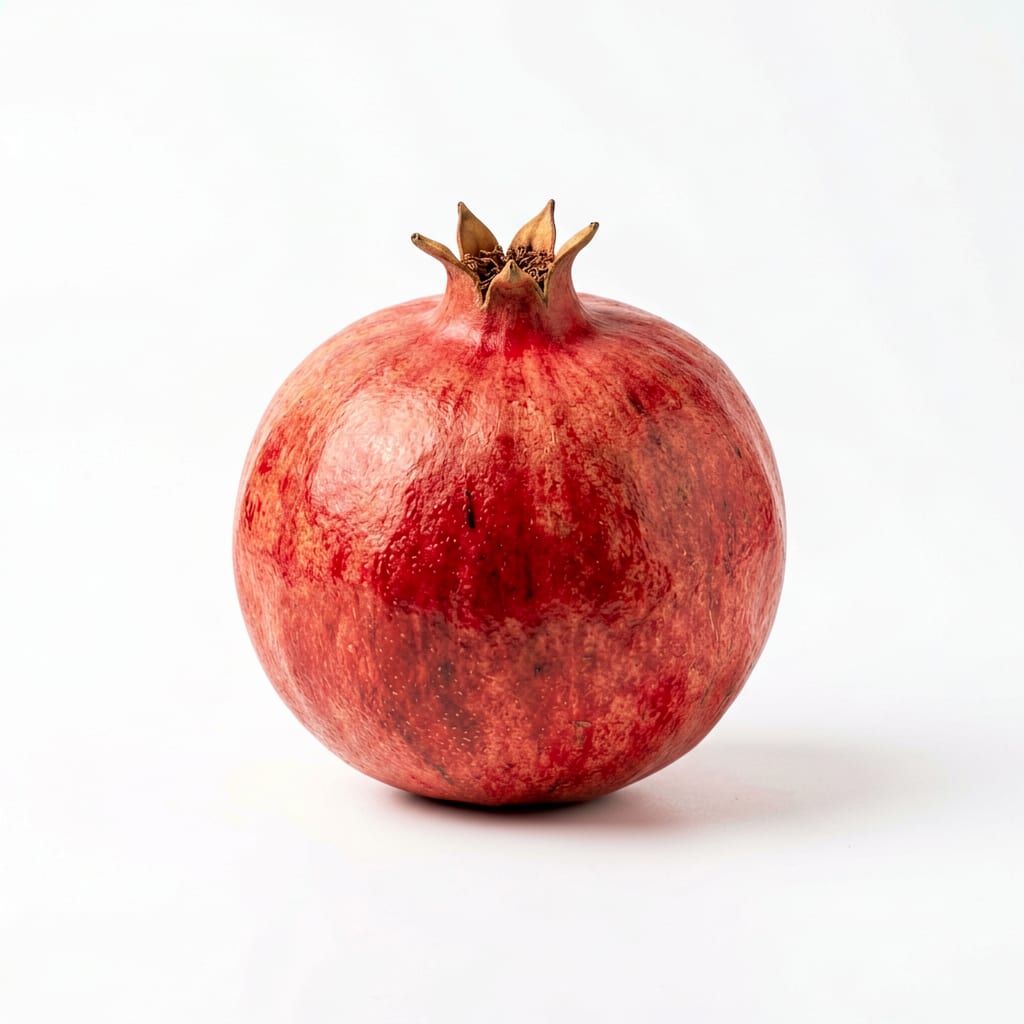
Compare with
Pomegranate
Pomegranate offers more folate and vitamin K, barberry offers berberine.
Pomegranate seeds are juicier and higher in sugar, while barberries provide stronger blood sugar-lowering effects.
This food
Barberry
VS75% alike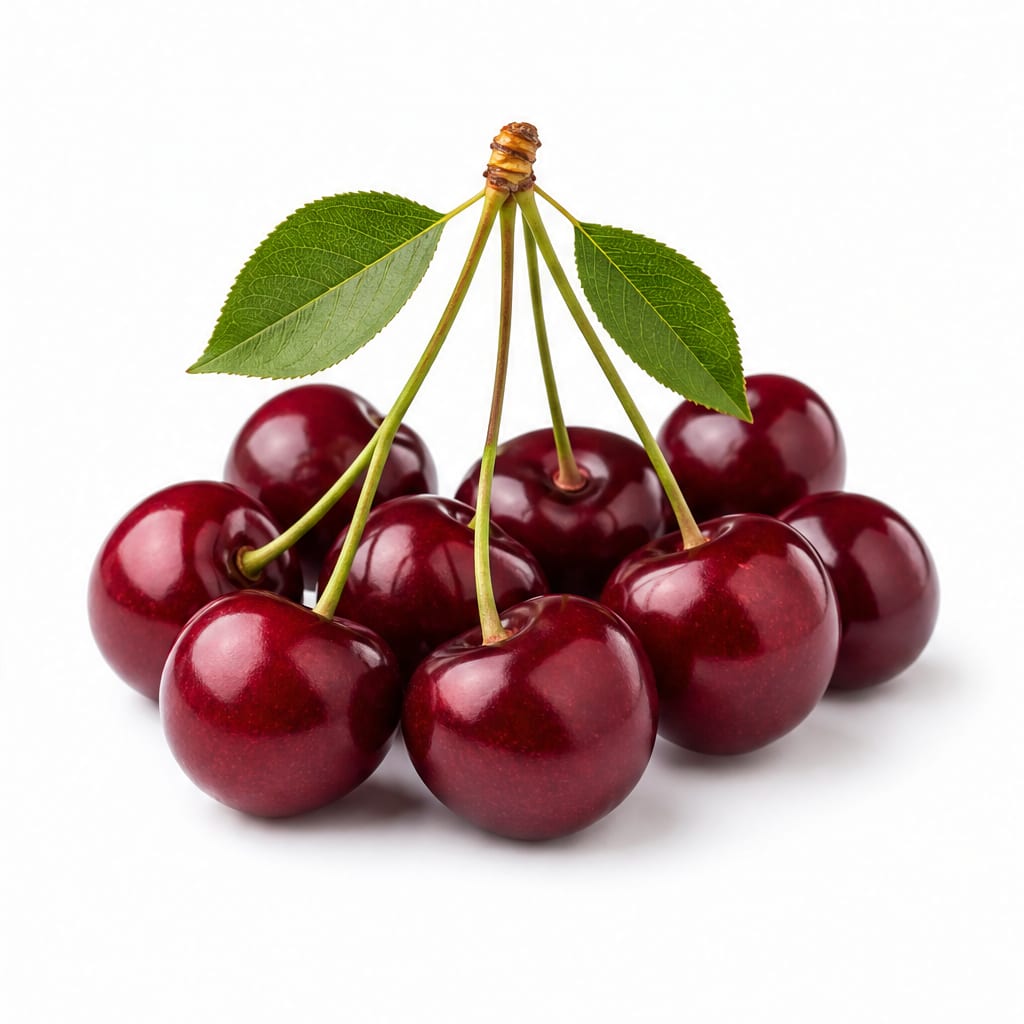
Compare with
Tart Cherry
Tart cherry aids sleep and muscle recovery, barberry aids glucose metabolism.
Tart cherries are best for recovery and sleep, whereas barberries excel at managing blood sugar and insulin sensitivity.
This food
Barberry
VS60% alike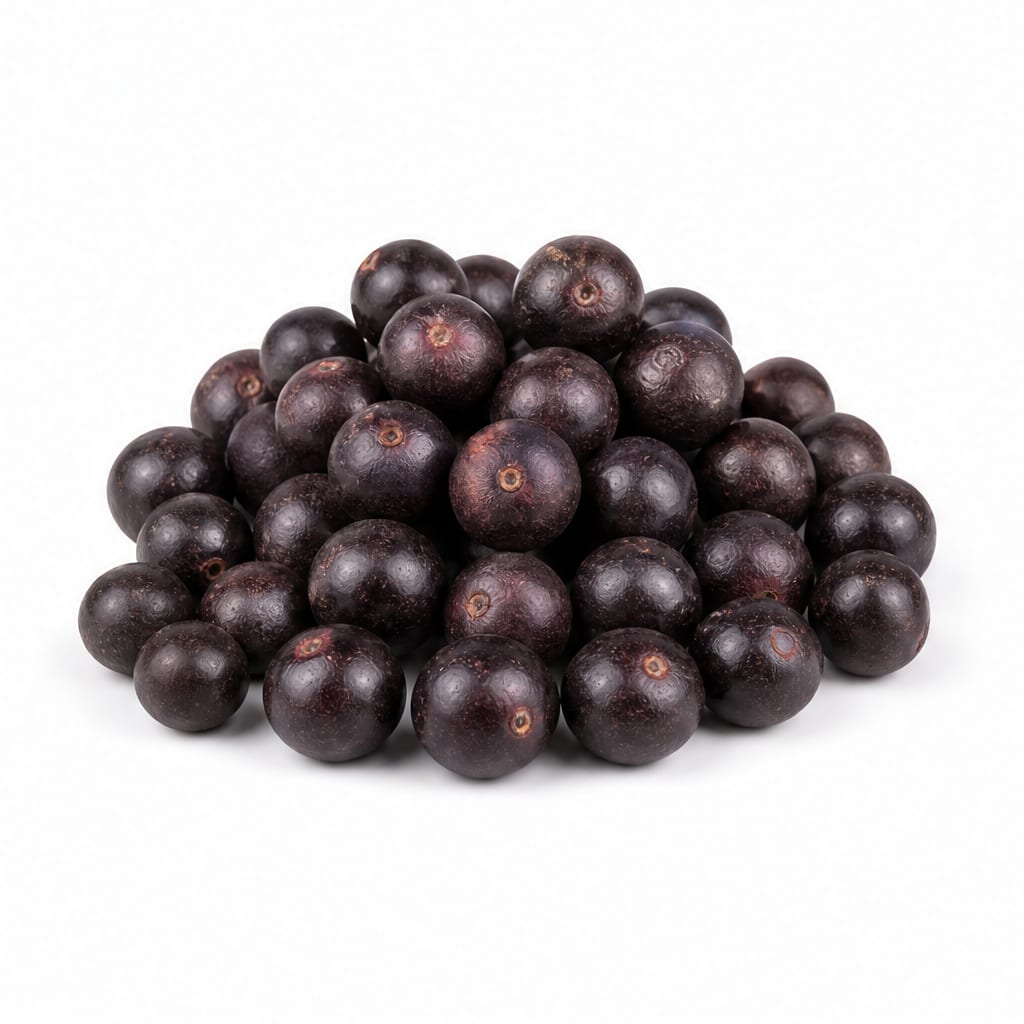
Compare with
Acai Berry
Acai is higher in healthy fats, barberry is lower in calories and higher in fiber.
Acai provides healthy fats for sustained energy, but barberry is lower in calories and better for weight loss and blood sugar.
This food
Barberry
VS70% alike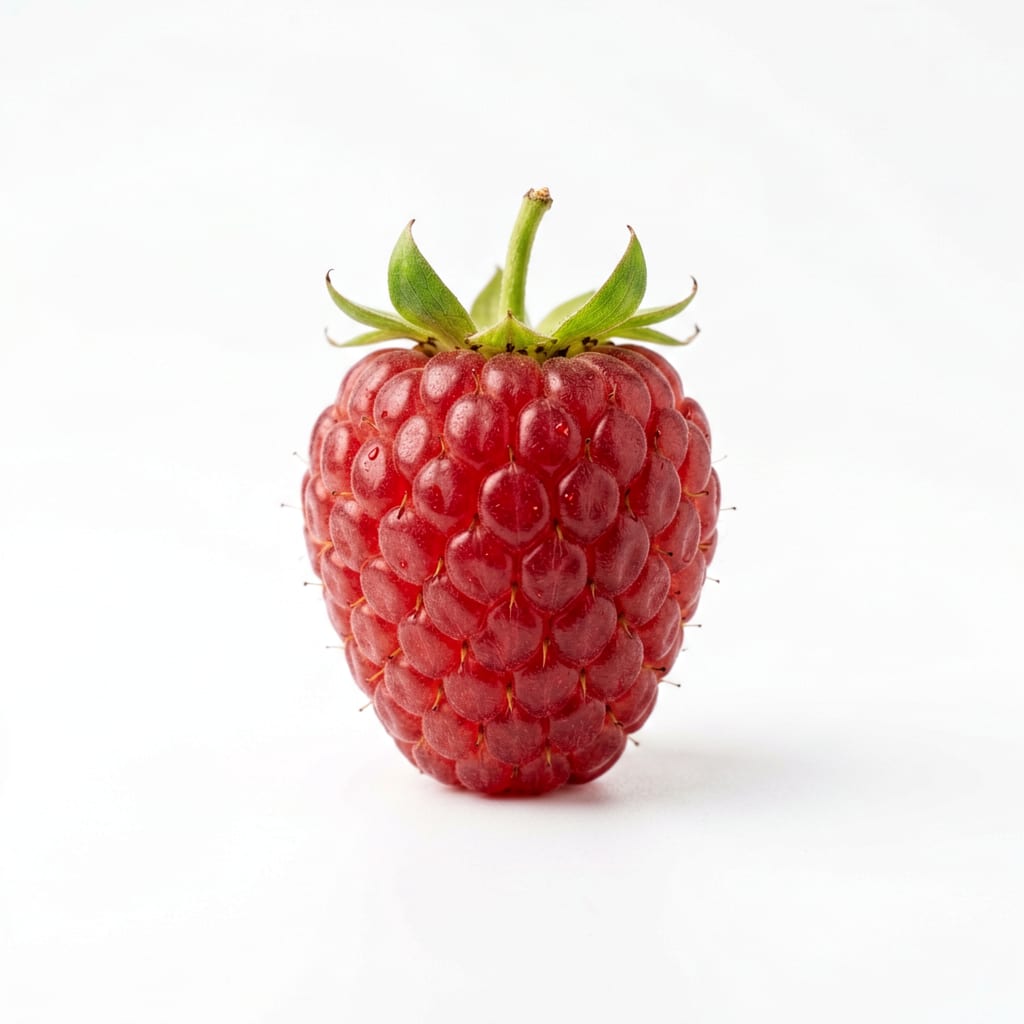
Compare with
Raspberry
Raspberries are sweeter and more common fresh, barberries are uniquely medicinal.
Raspberries are excellent fresh high-fiber snacks, while barberries offer unique metabolic benefits when dried.
This food
Barberry
VS65% alike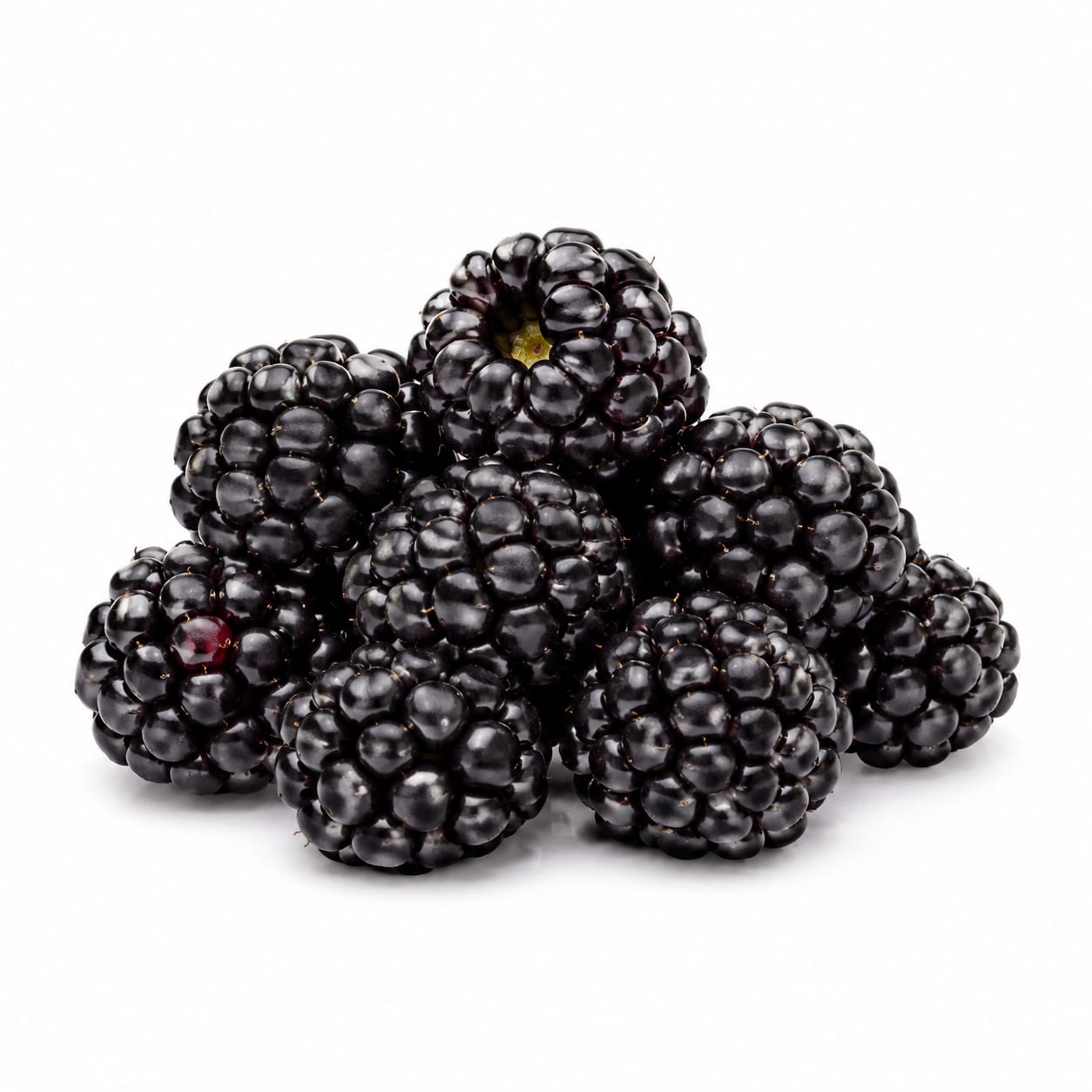
Compare with
Blackberry
Blackberries are high in vitamin C and K, barberries are high in berberine.
Blackberries are great for general nutrition, but barberries specifically target blood sugar control and metabolic health.
This food
Barberry
VS70% alike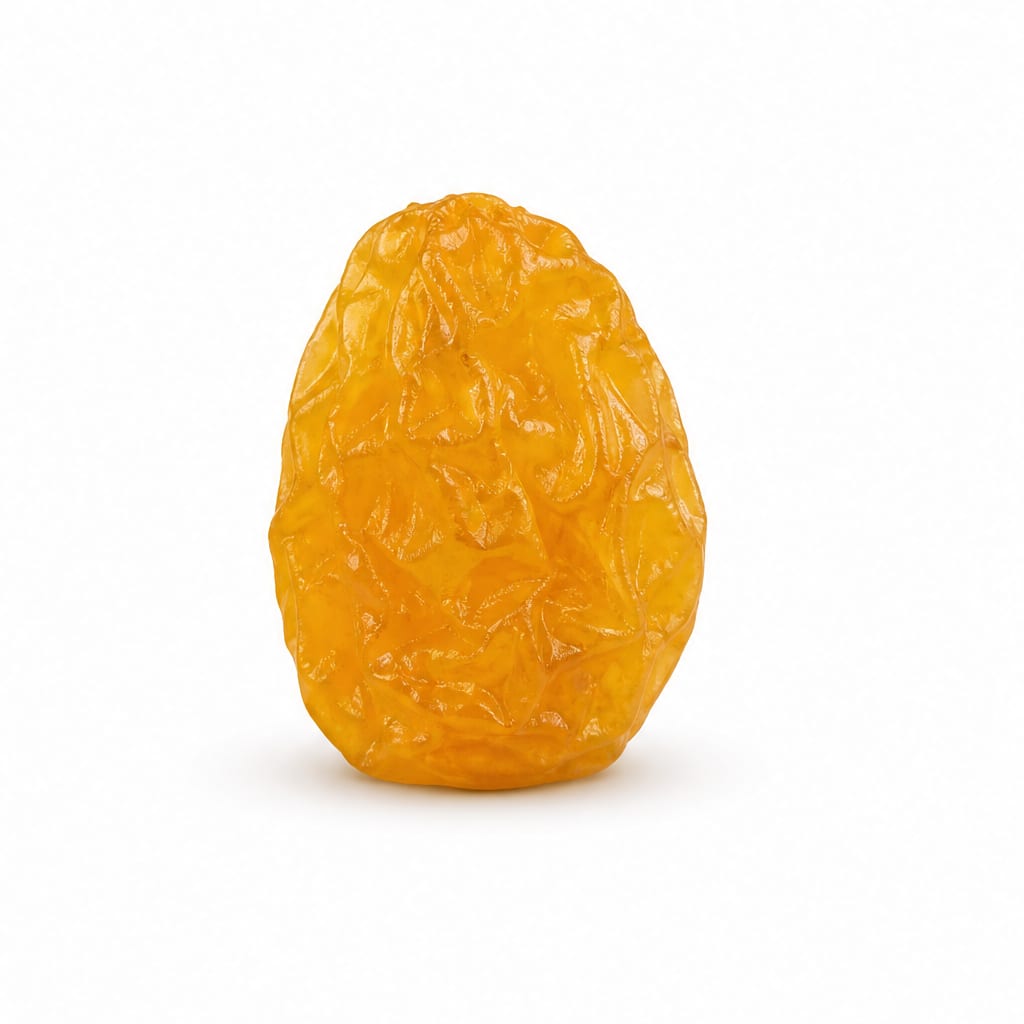
Compare with
Sultana
Sultanas are sweet and high-glycemic, barberries are tart and low-glycemic.
Sultanas add sweetness and quick carbs to dishes, while barberries add tartness and metabolic benefits without the sugar spike.
Common questions
FAQ
Answers aligned with how people search for this food.
Is barberry good for diabetes?
Yes, barberry is highly beneficial for diabetics. It contains berberine, a compound clinically shown to lower blood glucose levels and improve insulin sensitivity.
What does barberry taste like?
Barberry has a very tart, sour, and slightly astringent flavor, similar to cranberries but more intense. It is rarely eaten raw on its own and is typically sweetened or balanced with savory ingredients.
How do you cook with zereshk (barberry)?
Soak dried zereshk in warm water for 10 minutes to rehydrate and reduce tartness, then drain and add them to rice dishes like Zereshk Polo, salads, or poultry stuffings.
Does barberry help with weight loss?
Yes, its high fiber content promotes satiety, while berberine may help enhance fat oxidation and regulate metabolism, making it a useful food for weight management.
Is barberry the same as goji berry?
No, they are different plants. Barberry is tart and contains berberine, while goji berry is sweet and higher in vitamin A and carbohydrates.
What are the side effects of barberry?
In culinary amounts, it is generally safe. However, high doses of its active compound, berberine, can cause stomach upset and interact with medications like metformin or blood pressure drugs.
Can you eat raw barberries?
While safe to eat raw, their extreme tartness makes them unpalatable for most people. They are best enjoyed cooked, dried, or steeped in tea.
Transparency
Data confidence
Estimated confidence for nutrition data, interpretation, safety notes, and comparisons.
Nutrition data
Health analysis
Food safety
Comparisons