
Nutrition comparison
Barberry vs Raspberry: Which Berry Is Better for Your Health?
Compare Barberry and Raspberry on blood sugar control, safety, fiber, and daily usability. Learn when Barberry's berberine helps and when Raspberry is the smarter choice.
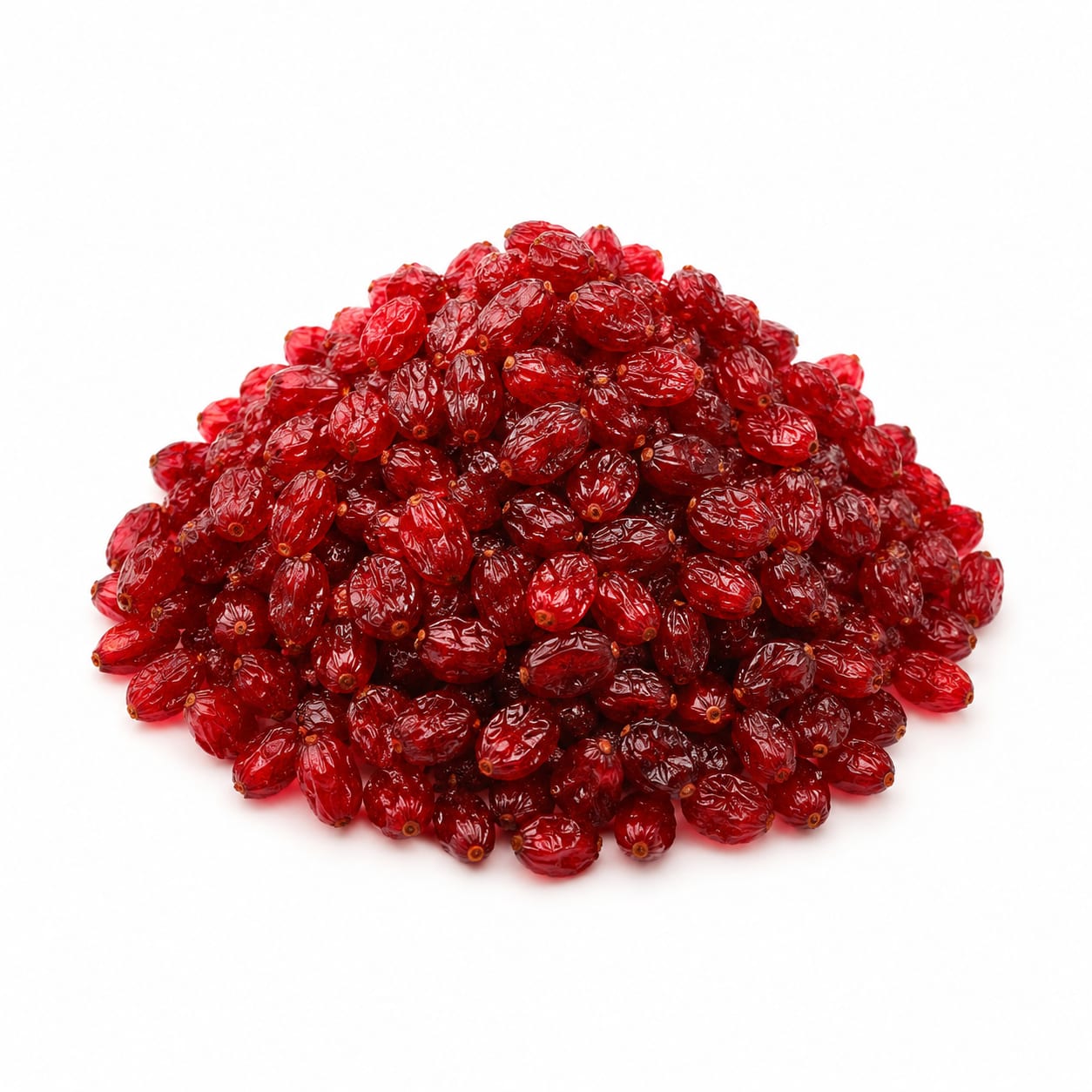
Barberry
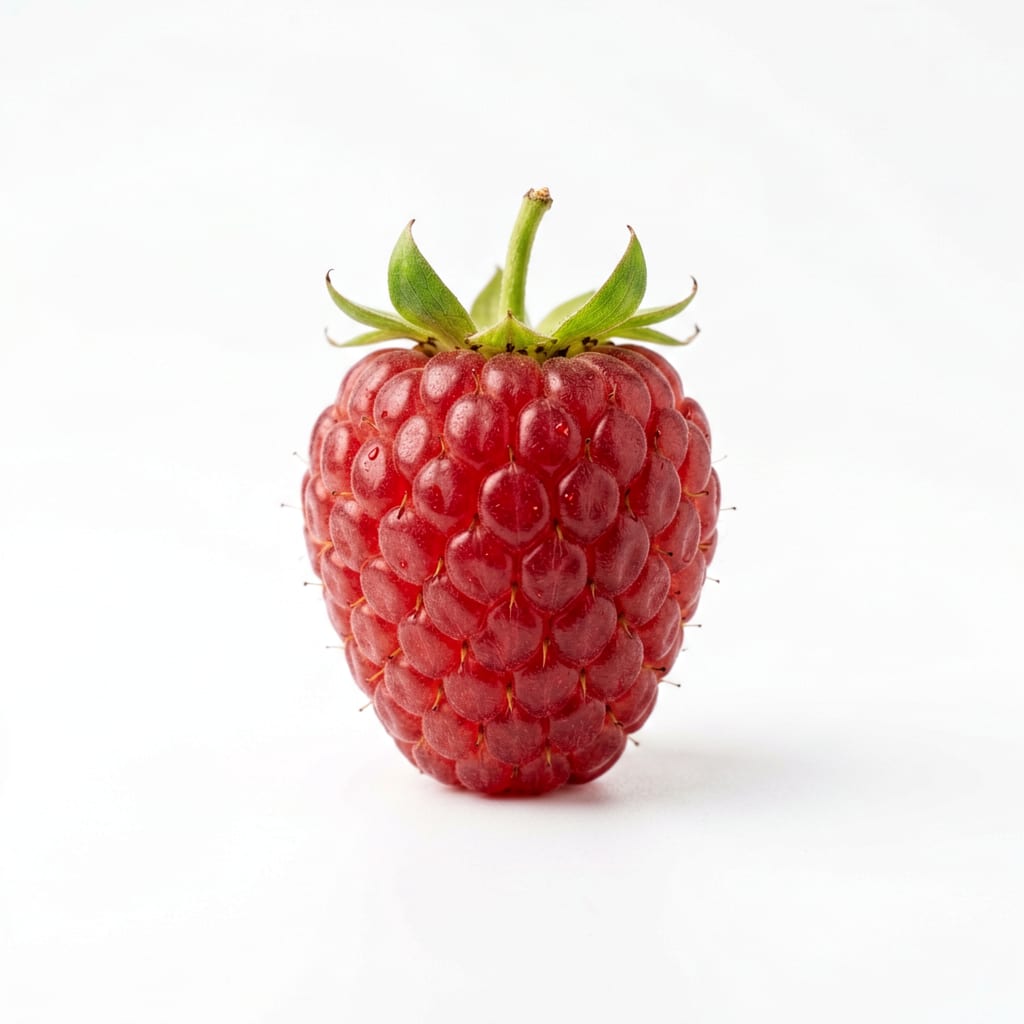
Raspberry
Raspberry wins for everyday nutrition and safety, but Barberry is a targeted therapeutic tool with blood sugar benefits no regular berry can match.
Raspberry scores higher overall due to safety, fiber content, daily usability, and broad appeal. Barberry's medicinal strength is real but narrow in application and comes with meaningful contraindications that limit its score for general use.
Barberry delivers potent medicinal effects through berberine but carries real interaction risks and is hard to eat daily. Raspberry is safe, versatile, and sustainable but lacks the pharmacological punch.
At a glance
Executive summary
Overall
It depends
Healthier
Raspberry
More practical
Raspberry
Daily use
Raspberry
Key comparison lenses
Medicinal vs nutritional berry comparison
Barberry is prized for berberine content with drug-like effects, while Raspberry is a nutrient-dense everyday fruit
Blood sugar management potential
Berberine in Barberry is a well-studied glucose-lowering compound, making this a key differentiator
Safety and medication interactions
Berberine interacts with multiple medications, a critical concern unique to Barberry
Daily eating practicality
Raspberry is a common grocery staple; Barberry is specialty and often dried, affecting real-world usability
Antioxidant diversity
Both berries offer antioxidants but from completely different compound families
Best choice for
Barberry
- People managing prediabetes or insulin resistance
- Those seeking a natural berberine source instead of supplements
- Traditional Persian cuisine enthusiasts
- Anyone targeting metabolic syndrome support
Raspberry
- Families wanting a safe everyday fruit
- Weight-conscious snackers
- People on medications that interact with berberine
- Anyone prioritizing fiber and digestive health
Least suitable for
Barberry
- People on blood pressure or blood sugar medications
- Pregnant women due to berberine concerns
- Children who need palatable fruit options
- Anyone seeking a casual snacking berry
Raspberry
- Those specifically seeking berberine's metabolic benefits
- People wanting a tart culinary spice for rice dishes
- Anyone looking for concentrated medicinal plant compounds
Deep comparison
Dimension by dimension
Each lens scores both foods and breaks down who each option suits.
- Dimension 1 · Priority 95Barberry
Blood Sugar Regulation
Barberry · 88Raspberry · 55Barberry's berberine actively lowers blood glucose, while Raspberry simply avoids spiking it.
Tradeoff
Barberry's glucose-lowering is strong enough to cause hypoglycemia when combined with diabetes medication. Raspberry's effect is gentle and safe by comparison.
Why it matters
For someone struggling with insulin resistance, Barberry offers a real pharmacological advantage. For everyone else, Raspberry's mild profile is safer.
Real-world impact
A prediabetic person may see measurable fasting glucose improvements from Barberry. A healthy person gains nothing extra and takes on unnecessary risk.
Barberry
- Prediabetics not on medication
- Metabolic syndrome management
- Post-meal glucose spikes
Better for
- Anyone on glucose-lowering drugs
- Endurance athletes needing stable glycogen
- People prone to low blood sugar episodes
Worse for
Raspberry
- Diabetics on insulin or metformin
- Children with normal blood sugar
- Anyone wanting safe daily fruit
Better for
- Those needing active glucose intervention
- Prediabetics seeking natural metabolic support
Worse for
- Dimension 2 · Priority 82Raspberry
Fiber and Digestive Health
Barberry · 45Raspberry · 90Raspberry is one of the highest-fiber fruits available. Barberry, especially dried, offers far less per serving.
Tradeoff
You would need to eat significantly more Barberry to match Raspberry's fiber, which is unrealistic given its intense sourness.
Why it matters
Fiber drives fullness, gut health, and cholesterol management. Raspberry delivers this effortlessly as a snack.
Real-world impact
A cup of Raspberry with breakfast keeps you full until lunch. Barberry is typically used as a garnish, not a fiber source.
Barberry
- Traditional dishes where fiber comes from other components
Better for
- Reliance on it for digestive regularity
- Using it as a primary fiber source
Worse for
Raspberry
- Gut microbiome support
- Cholesterol management
- Satiety and appetite control
- Constipation prevention
Better for
- Dimension 3 · Priority 90Raspberry
Safety and Medication Interactions
Barberry · 35Raspberry · 95Barberry's berberine interferes with liver enzymes that process hundreds of common drugs. Raspberry has no known interaction concerns.
Tradeoff
Barberry's medicinal potency is exactly what makes it risky. Raspberry's mildness is its safety virtue.
Why it matters
If you take blood pressure meds, statins, or antidepressants, Barberry can alter how your body processes them. This is not theoretical—it is well-documented.
Real-world impact
An older adult on multiple medications could experience dangerous drug level changes from regular Barberry. Raspberry has no such risk.
Barberry
- Medically supervised therapeutic protocols
- People on no interacting medications
Better for
- Statins users
- Blood pressure medication users
- SSRI or antidepressant users
- Pregnant women
Worse for
Raspberry
- Anyone on prescription medications
- Older adults on multiple drugs
- Pregnant and breastfeeding women
- Children
Better for
- Dimension 4 · Priority 72It depends
Antioxidant Profile
Barberry · 78Raspberry · 82Barberry offers berberine and unique alkaloids. Raspberry offers ellagic acid, anthocyanins, and vitamin C. Different tools for different jobs.
Tradeoff
Barberry's antioxidants are more pharmacologically active but narrower. Raspberry's are broader and safer for daily intake.
Why it matters
Diverse antioxidant intake matters more than high doses of one compound. Raspberry fits easily into a varied diet.
Real-world impact
Eating Raspberry daily contributes to a broad antioxidant baseline. Barberry adds a targeted medicinal layer when needed.
Barberry
- Targeted anti-inflammatory protocols
- Traditional herbal medicine approaches
Better for
- Long-term high-dose antioxidant use without supervision
Worse for
Raspberry
- Broad-spectrum daily antioxidant coverage
- Vitamin C needs
- Skin health from ellagic acid
Better for
- Dimension 5 · Priority 80Raspberry
Practicality and Availability
Barberry · 30Raspberry · 88Raspberry is in every grocery store. Barberry requires specialty shops or online ordering, usually dried.
Tradeoff
Barberry's limited availability means most people will never form a consistent habit with it. Raspberry is effortless to keep stocked.
Why it matters
The healthiest food is the one you actually eat regularly. Convenience drives consistency.
Real-world impact
You can grab Raspberries at any supermarket year-round. Finding Barberry means searching Middle Eastern grocers or ordering online and waiting.
Barberry
- Cooking traditional Persian dishes like zereshk polo
- Occasional medicinal use
Better for
- Spontaneous snacking
- Consistent daily consumption
- Budget-conscious meal planning
Worse for
Raspberry
- Daily breakfast addition
- Smoothies and snacks
- Meal prep and batch cooking
- Travel and on-the-go nutrition
Better for
- Dimension 6 · Priority 70Raspberry
Taste and Eating Enjoyment
Barberry · 40Raspberry · 85Raspberry is a beloved flavor most people enjoy. Barberry is intensely sour and rarely eaten alone.
Tradeoff
Barberry's tartness makes it a great accent in cooking but a poor solo snack. Raspberry works both ways.
Why it matters
Food you enjoy gets eaten. Food that feels like medicine often gets abandoned.
Real-world impact
Kids eat Raspberries by the handful. Barberry makes most people pucker and reach for something sweet.
Barberry
- Adding tang to rice and meat dishes
- Flavor complexity in stews
Better for
- Eating raw as a snack
- Children's lunchboxes
- Anyone sensitive to sour flavors
Worse for
Raspberry
- Fresh snacking
- Desserts and breakfast bowls
- Smoothies
- Pleasing picky eaters
Better for
Timeline
Health impact over time
Short-term
Hours to days
Barberry
- Noticeable blood sugar reduction within hours of consumption
- Possible stomach upset at higher doses due to berberine
- Strong tart flavor may cause salivation and appetite changes
Raspberry
- Quick satiety from high fiber and water content
- Gentle blood sugar stability after meals
- Immediate hydration benefit from high water content
Long-term
Months to years
Barberry
- Potential improved insulin sensitivity with regular use
- Risk of drug interaction complications if medications change
- Possible liver enzyme alterations with chronic high intake
- Traditional use suggests cardiovascular benefits
Raspberry
- Improved gut microbiome diversity from consistent fiber intake
- Better long-term weight management from satiety effects
- Reduced inflammation markers from regular anthocyanin consumption
- Lower cardiovascular risk from fiber and potassium intake
Risk profile
Safety & processing
Both are whole, natural foods. Barberry is most commonly sold dried without additives. Fresh Raspberries are completely unprocessed. Neither raises ultra-processing concerns when bought in their basic form.
Barberry
Berberine-drug interactions
highBerberine inhibits CYP3A4 and other liver enzymes, affecting metabolism of statins, blood pressure drugs, antidepressants, and immunosuppressants. This is clinically significant.
Hypoglycemia in medicated diabetics
highCombining Barberry with insulin or metformin can push blood sugar dangerously low.
Pregnancy concerns
mediumBerberine can cross the placenta and potentially stimulate uterine contractions. Avoid during pregnancy.
Raspberry
Pesticide residue
mediumRaspberries consistently appear on the EWG Dirty Dozen list. Organic options significantly reduce exposure.
Mold and spoilage
lowRaspberries spoil quickly. Inspect for mold before eating, especially in pre-packaged containers.
Who wins for whom
Audience fit
Same foods, different winners depending on your goal.
children
RaspberryRaspberry is palatable, safe, and nutrient-dense. Barberry's sour taste and berberine content make it inappropriate for kids.
daily consumption
RaspberryRaspberry is safe, enjoyable, and easy to access every day. Barberry is better used as a periodic therapeutic addition.
diabetes
It dependsBarberry is stronger for actively lowering blood sugar but dangerous alongside diabetes medication. Raspberry is safer and still beneficial for glucose stability.
elderly
RaspberryOlder adults are more likely to be on medications that interact with berberine. Raspberry's fiber also helps with common age-related digestive issues.
muscle gain
RaspberryNeither berry is a protein source, but Raspberry is easier to pair with protein foods as a daily addition to meals.
weight loss
RaspberryRaspberry's high fiber and low calorie density make it more filling per calorie. Barberry is rarely eaten in quantities large enough to affect satiety.
Your move
Decision guide
Choose Barberry
- You are managing prediabetes without medication and want natural glucose support
- You cook Persian or Middle Eastern cuisine regularly
- You are working with a practitioner on berberine-based protocols
- You want a sour garnish that doubles as a metabolic aid
Choose Raspberry
- You want a safe, delicious daily fruit
- You are on any medications that berberine could interact with
- You prioritize fiber, gut health, and satiety
- You need something kids will actually eat
- You want broad antioxidant coverage without risk
Either works if
- You enjoy berries and want variety in your diet
- You are generally healthy and not on interacting medications
- You rotate different antioxidant sources throughout the week
Avoid both if
- You have a berry allergy
- You are on a very low-carb or keto diet and need to limit all fruit
Final recommendation
Keep Raspberry as your everyday berry. It is safe, delicious, fiber-rich, and endlessly versatile. Think of Barberry as a medicinal spice rather than a fruit—use it intentionally for blood sugar support or in traditional cooking, but not as your daily berry. If you have any medication concerns, skip Barberry entirely and enjoy Raspberry guilt-free.
Practical
Consumer tips
- 1
Buy organic Raspberries when possible—they rank high for pesticide residue
- 2
Store Raspberries in the fridge and eat within 2-3 days; they spoil fast
- 3
If trying Barberry, start with small amounts in cooked dishes like rice pilafs
- 4
Never combine Barberry with diabetes or blood pressure medications without medical supervision
- 5
Dried Barberry can be steeped as tea for a gentler way to consume berberine
- 6
Freeze fresh Raspberries in bulk when in season for year-round smoothies
- 7
Tell your doctor if you consume Barberry regularly, especially before starting new medications