
Nutrition comparison
Barberry vs Pomegranate: Which Superfruit is Better for You?
Compare Barberry vs Pomegranate for health benefits, antioxidants, and blood sugar impact. Discover whether the berberine in Barberry or the punicalagins in Pomegranate are right for your goals.
Overall winner · Pomegranate
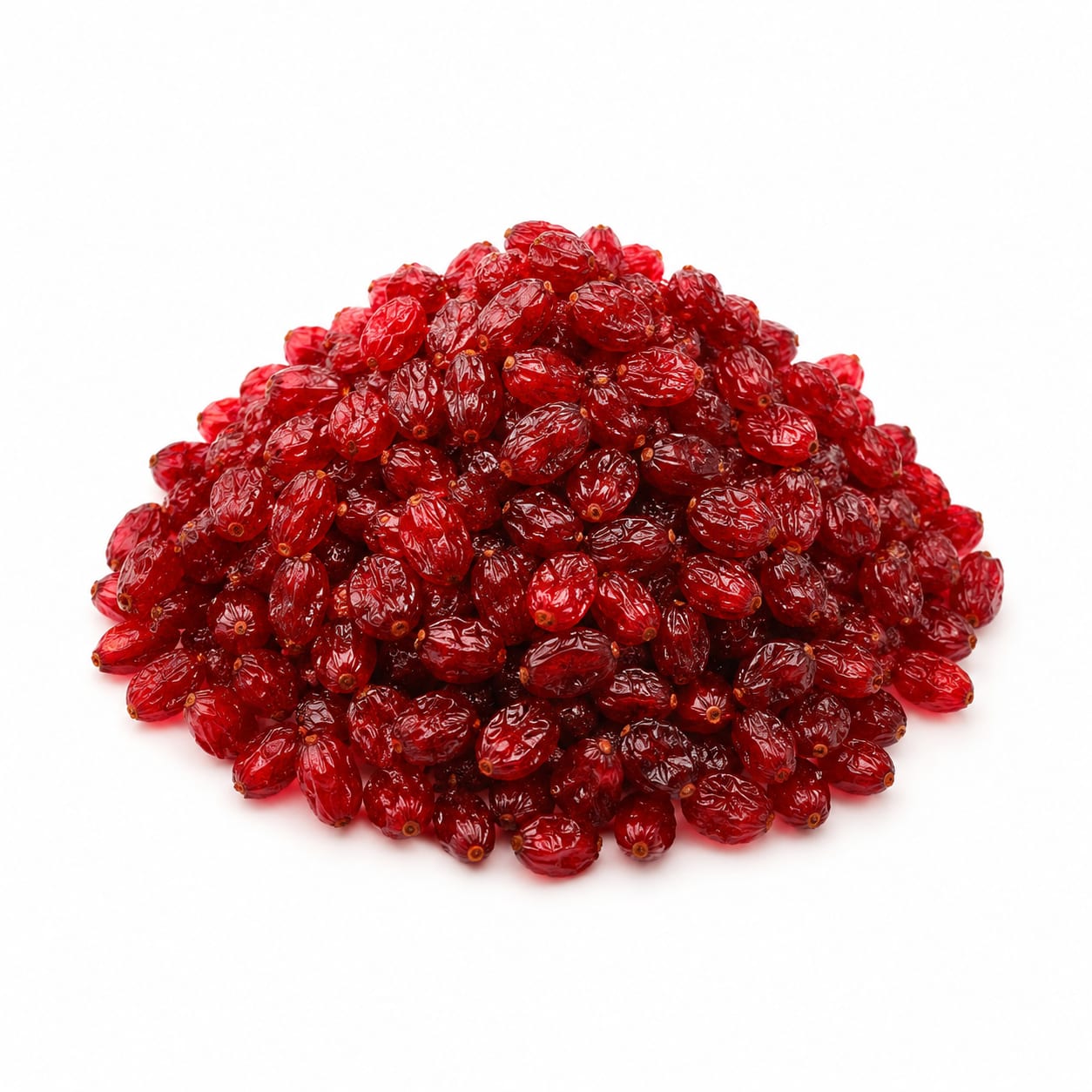
Barberry
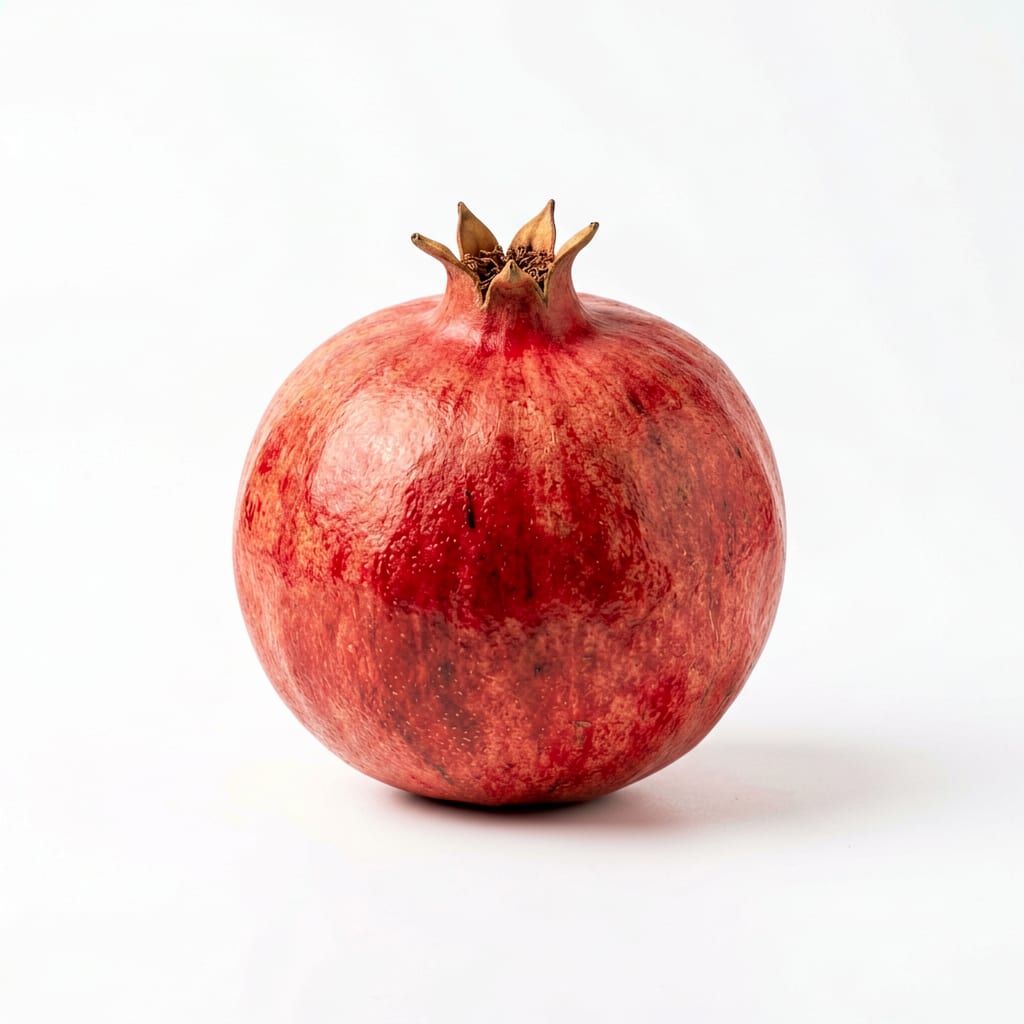
Pomegranate
Pomegranate is a nutrient-dense, antioxidant-rich superfruit ideal for daily eating, while Barberry is a tart, low-sugar berry best suited for targeted metabolic support and culinary garnishes.
Pomegranate scores higher overall due to its versatility, broad nutrient profile, and safety for daily consumption. Barberry scores well for specific metabolic benefits but loses points for culinary limitations and medication interaction risks.
Pomegranate offers broader nutritional benefits and easier daily enjoyment, but Barberry delivers targeted blood sugar control with far fewer calories.
At a glance
Executive summary
Overall
Pomegranate
Healthier
It depends
More practical
Pomegranate
Daily use
Pomegranate
Key comparison lenses
Blood sugar regulation and metabolic impact
Barberry is uniquely rich in berberine, a potent compound for lowering blood sugar, whereas Pomegranate contains natural sugars that act differently.
Antioxidant potency and variety
Both are antioxidant powerhouses, but they rely on completely different compounds—berberine in Barberry vs. punicalagins in Pomegranate.
Culinary role and practicality
Pomegranate is a versatile fresh fruit, while Barberry is intensely tart and typically used dried as a spice or supplement.
Sugar and calorie density
Barberry is extremely low in sugar and calories, making it a stark contrast to the sweeter, energy-providing Pomegranate.
Best choice for
Barberry
- Blood sugar management and insulin sensitivity
- Low-calorie flavor enhancement for savory dishes
Pomegranate
- Heart health and cardiovascular protection
- Refreshing, antioxidant-rich snacking
Least suitable for
Barberry
- Children due to berberine content
- People taking certain prescription medications
Pomegranate
- Strict low-carb or keto dieters
- Those needing to limit natural sugar intake
Deep comparison
Dimension by dimension
Each lens scores both foods and breaks down who each option suits.
- Dimension 1 · Priority 90Pomegranate
Antioxidant & Anti-inflammatory Power
Barberry · 80Pomegranate · 92Pomegranate contains punicalagins, some of the most potent dietary antioxidants, making it superior for fighting systemic inflammation.
Tradeoff
Barberry offers unique antioxidants like berberine, but Pomegranate provides a wider, more easily absorbed array of everyday antioxidants.
Why it matters
Chronic inflammation drives aging and disease; Pomegranate is one of the most powerful foods to combat it.
Real-world impact
Regular Pomegranate consumption can support joint comfort and heart health, while Barberry acts more like a targeted metabolic supplement.
Barberry
- Targeted metabolic inflammation
Better for
- Broad antioxidant coverage
Worse for
Pomegranate
- General anti-aging
- Heart health
- Post-workout recovery
Better for
- Targeted blood sugar pathways
Worse for
- Dimension 2 · Priority 95Barberry
Blood Sugar & Metabolic Health
Barberry · 90Pomegranate · 65Barberry is rich in berberine, a compound clinically shown to lower blood sugar and improve insulin sensitivity.
Tradeoff
Pomegranate contains natural sugars that can spike blood glucose if consumed as juice, whereas Barberry actively helps stabilize it.
Why it matters
Stable blood sugar prevents energy crashes and reduces cravings throughout the day.
Real-world impact
Adding Barberry to a meal can blunt the blood sugar rise, while Pomegranate juice might cause a quick energy spike followed by a crash.
Barberry
- Diabetics
- Insulin resistance
- Low-carb diets
Better for
- Quick energy needs
Worse for
Pomegranate
- Pre-workout energy
Better for
- Strict glucose control
Worse for
- Dimension 3 · Priority 80Barberry
Sugar & Calorie Density
Barberry · 88Pomegranate · 60Barberry is extremely low in sugar and calories, typically eaten in small, tart quantities, while Pomegranate is calorie-denser and sweeter.
Tradeoff
You get a more satisfying, sweet treat with Pomegranate, but Barberry gives you intense flavor without the metabolic cost.
Why it matters
Managing calorie and sugar intake is crucial for weight maintenance and metabolic health.
Real-world impact
You can generously sprinkle Barberry on savory dishes without guilt, but Pomegranate requires more mindful portioning.
Barberry
- Weight loss
- Keto diets
- Savory garnish
Better for
- Those wanting a sweet snack
Worse for
Pomegranate
- Satisfying a sweet tooth
- Active individuals needing carbs
Better for
- Calorie restriction
Worse for
- Dimension 4 · Priority 85Pomegranate
Practicality & Culinary Versatility
Barberry · 55Pomegranate · 85Pomegranate arils are a delicious, refreshing snack or topping, while Barberry is intensely tart and usually requires cooking or soaking.
Tradeoff
Pomegranate is ready to eat and universally appealing, whereas Barberry is an acquired taste best used as a background flavor.
Why it matters
A healthy food only works if you actually enjoy eating it and can easily incorporate it into meals.
Real-world impact
You can grab a Pomegranate for a quick afternoon snack, but Barberry is better suited for sprinkling on rice or steeping in tea.
Barberry
- Middle Eastern rice dishes
- Herbal teas
Better for
- Quick snacking
- Kid-friendly meals
Worse for
Pomegranate
- Snacking
- Salads
- Breakfast bowls
Better for
- Savory tart garnishes
Worse for
Timeline
Health impact over time
Short-term
Hours to days
Barberry
- Helps prevent post-meal blood sugar spikes
- Provides a tart, palate-cleansing flavor
Pomegranate
- Offers quick natural energy from natural sugars
- Provides a hydrating, refreshing sensation
Long-term
Months to years
Barberry
- May improve insulin sensitivity over time
- Supports metabolic health due to berberine
Pomegranate
- Strongly protects against cardiovascular disease
- Reduces chronic inflammation and oxidative stress
Risk profile
Safety & processing
Both are whole foods in their natural state, though dried Barberry can sometimes contain added sugars to balance the tartness, so labels should be checked.
Barberry
Medication interactions
highBerberine in Barberry can interfere with liver enzymes and alter the effectiveness of prescription medications like blood pressure drugs and antibiotics.
Overconsumption GI distress
mediumEating too much Barberry can cause stomach upset, diarrhea, or vomiting due to its potent alkaloid content.
Pomegranate
Excess sugar intake from juice
mediumDrinking Pomegranate juice removes the fiber, concentrating the sugar and potentially spiking blood glucose.
Choking hazard for toddlers
lowWhole arils can be a choking hazard for very young children if not chewed properly.
Who wins for whom
Audience fit
Same foods, different winners depending on your goal.
children
PomegranatePomegranate is sweet, safe, and easy to eat, whereas Barberry's berberine content and intense tartness make it unsuitable for kids.
daily consumption
PomegranatePomegranate is easier to incorporate daily as a food, while Barberry is better used periodically or in small amounts due to its potent active compounds.
diabetes
BarberryThe berberine in Barberry is clinically recognized for its ability to lower blood sugar and improve insulin sensitivity.
elderly
PomegranatePomegranate offers strong cardiovascular and anti-aging benefits without the medication interaction risks associated with Barberry.
muscle gain
PomegranatePomegranate provides more carbohydrates and antioxidants that aid in workout recovery and muscle glycogen replenishment.
weight loss
BarberryBarberry is extremely low in calories and sugar, and its berberine content may actively support fat loss and metabolic function.
Your move
Decision guide
Choose Barberry
- You are actively managing blood sugar or insulin resistance
- You want a low-calorie, tart garnish for savory dishes
- You are looking for the specific metabolic benefits of berberine
Choose Pomegranate
- You want a delicious, antioxidant-rich snack
- Heart health and anti-aging are your primary goals
- You need a natural, whole-food energy boost before or after exercise
Either works if
- You want to boost your antioxidant intake beyond common fruits
- You are looking for ways to add color and flavor to salads and grain bowls
Avoid both if
- You are on blood thinners without medical supervision (Pomegranate), or taking liver-metabolized medications (Barberry)
Final recommendation
Keep Pomegranate as your go-to daily superfruit for broad health benefits and enjoyable snacking. Use Barberry strategically as a culinary spice or metabolic booster, but respect its potency and potential medication interactions.
Practical
Consumer tips
- 1
When buying dried Barberry, check the ingredient list to avoid added sugars or sulfites.
- 2
To easily extract Pomegranate arils, cut the fruit in half and tap the outside with a heavy spoon over a bowl.
- 3
If using Barberry for blood sugar benefits, consult your doctor first, especially if you take prescription medications.
- 4
Add Pomegranate arils to Greek yogurt for a satisfying, antioxidant-rich breakfast.